The Unbelievers, A New Film Starring Richard Dawkins, Lawrence Krauss, Werner Herzog, Woody Allen, & Cormac McCarthy

The so-called New (or “Gnu”) Athe­ism arrived at a time when fear, anger, and con­fu­sion over extrem­ist reli­gion had hit a fever pitch. Sud­den­ly, peo­ple who didn’t pay much atten­tion to religion—their own or any­one else’s—became intense­ly inter­est­ed in reli­gious crit­i­cism and debate; it was the per­fect cli­mate for a pub­lish­ing storm, and that’s essen­tial­ly how the move­ment began. It was also, of course, pre­dat­ed by thou­sands of years of philo­soph­i­cal athe­ism of some vari­ety or anoth­er, but “new” athe­ism had some­thing dif­fer­ent to offer: while its pro­po­nents large­ly hailed from the same worlds as their intel­lec­tu­al predecessors—the arts, polit­i­cal jour­nal­ism and activism, the sci­ences and aca­d­e­m­ic philosophy—after Sep­tem­ber 11, these same peo­ple took the dis­cus­sion to the pop­u­lar press and a pro­lif­er­a­tion of inter­net out­lets and well-orga­nized con­fer­ences, debates, and meet­ings. And their expres­sions were uncom­pro­mis­ing and polem­i­cal (though not “militant”—no shots were fired nor bombs det­o­nat­ed).

In the wake of over a decade of con­tro­ver­sy unleashed by “new athe­ism,” a new film The Unbe­liev­ers (trail­er above) fol­lows two promi­nent sci­en­tists and stars of the movement–evolutionary biol­o­gist Richard Dawkins and the­o­ret­i­cal physi­cist Lawrence Krauss—as they trek across the globe and explain their views. Dawkins and Krauss receive sup­port from a cast of celebri­ty inter­vie­wees includ­ing Ricky Ger­vais, Wern­er Her­zog, Woody Allen, Cor­mac McCarthy, Sarah Sil­ver­man, Ayaan Hir­si-Ali, and sev­er­al more. The film’s web­site has no offi­cial release date (oth­er than “2013”), but it does fea­ture links to online buzz, both glib—Krankie snarks that the trail­er makes it look like Dawkins and Krauss have packed in the sci­ence and start­ed a band—and sub­dued; the evan­gel­i­cal Chris­t­ian Post does lit­tle but quote from the press pack­age.

These cham­pi­ons of rea­son-over-reli­gion have always had pow­er­ful crit­ics, even among those who might oth­er­wise seem sym­pa­thet­ic (take Marx­ist lit­er­ary crit­ic Ter­ry Eagleton’s charge that new athe­ism is noth­ing but counter-fun­da­men­tal­ism). Then there is the host of reli­gious detrac­tors, many of them respect­ed sci­en­tists and philoso­phers them­selves. One notable name in this camp is famed geneti­cist Fran­cis Collins, who head­ed the Human Genome Project. Obvi­ous­ly no denier of the explana­to­ry pow­er of sci­ence, Collins nonethe­less argues for faith as a dis­tinct kind of knowl­edge, as he does in the inter­view excerpt below from an appear­ance on The Char­lie Rose Show.

The debates seem like they could rage on inter­minably, and prob­a­bly will. I, for one, am grate­ful they can hap­pen open­ly and in rel­a­tive peace in so many places. But as the same sets of issues arise, some of the ques­tions become just a bit more nuanced. British pre­sen­ter Nicky Camp­bell, for exam­ple, recent­ly presided over a large debate among sev­er­al promi­nent sci­en­tists and cler­gy about whether or not all reli­gions should accept evo­lu­tion (below). While Dawkins and Krauss ulti­mate­ly advo­cate a world with­out reli­gion, the par­tic­i­pants of this debate try to shift the terms to how sci­en­tif­ic dis­cov­ery and reli­gious iden­ti­ty can coex­ist with min­i­mal fric­tion.

Relat­ed Con­tent:

Richard Dawkins Explains Why There Was Nev­er a First Human Being

Some­thing from Noth­ing? Richard Dawkins and Lawrence Krauss Dis­cuss Cos­mol­o­gy, Ori­gins of Life & Reli­gion Before a Packed Crowd

Alain de Bot­ton Wants a Reli­gion for Athe­ists: Intro­duc­ing Athe­ism 2.0

Josh Jones is a writer, edi­tor, and musi­cian based in Wash­ing­ton, DC. Fol­low him @jdmagness

Color Footage of Winston Churchill’s Funeral in 1965

On Jan­u­ary 24 1965, Sir Win­ston Churchill, the man who led Britain through the dark hours of the Sec­ond World War, died aged 90 at his Lon­don home. By decree of Queen Eliz­a­beth II, his body lay in state for three days in the Palace of West­min­ster and a state funer­al was held at St Paul’s Cathe­dral on Jan­u­ary 30. Churchill was the first states­man to be giv­en a state funer­al in the 2oth cen­tu­ry — a funer­al that saw the largest assem­blage of states­men in the world until the funer­al of Pope John Paul II in 2005. That day, the BBC report­ed that “silent crowds lined the streets to watch the gun car­riage bear­ing Sir Win­ston’s cof­fin leave West­min­ster Hall as Big Ben struck 09:45. The pro­ces­sion trav­elled slow­ly through cen­tral Lon­don to St. Paul’s Cathe­dral for the funer­al ser­vice.”  After the ser­vice, his cof­fin was tak­en by boat to Water­loo Sta­tion, where a spe­cial­ly pre­pared rail­way car­riage took Churchill to his final rest­ing place at Bladon near Wood­stock, close to his birth­place at Blenheim Palace.

This col­or footage of Churchill’s funer­al is nar­rat­ed by Wal­ter Thomp­son, Churchill’s for­mer body­guard.

Bonus mate­r­i­al:

By pro­fes­sion, Matthias Rasch­er teach­es Eng­lish and His­to­ry at a High School in north­ern Bavaria, Ger­many. In his free time he scours the web for good links and posts the best finds on Twit­ter.

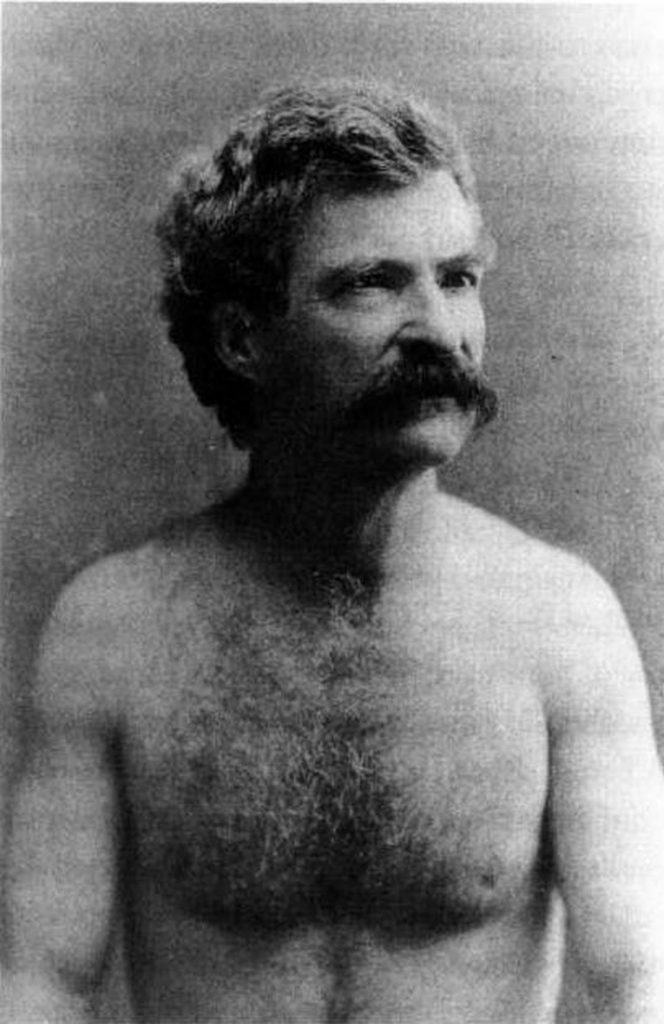
Mark Twain Shirtless in 1883 Photo

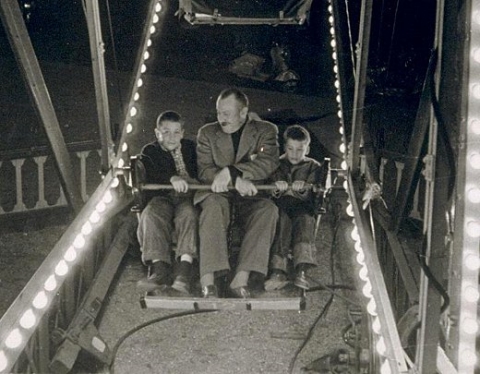
Last year, Edwin Turn­er, the mas­ter­mind behind the Bib­liok­lept blog, assem­bled a fine pho­to gallery that cap­tured Ernest Hem­ing­way pos­ing shirt­less. Big, burly and bar­rel-chest­ed, Papa projects the mas­cu­line image that he care­ful­ly cul­ti­vat­ed for him­self and for the world to see.

Hem­ing­way’s pho­tos seem right in keep­ing with his pub­lic per­sona (we’ll have more on him lat­er today). But this 1883 por­trait of Mark Twain will per­haps give you pause. To be sure, Twain cared deeply about his pub­lic image. The writer care­ful­ly craft­ed his pub­lic iden­ti­ty, giv­ing more than 300 inter­views to jour­nal­ists where he rein­forced the traits he want­ed to be known for — his wit, irrev­er­ent sense of humor, and thought­ful­ness. Twain also loved hav­ing his pic­ture tak­en, pos­ing for pho­tog­ra­phers when­ev­er he had a chance. The cam­era offered yet anoth­er way to fash­ion his own per­son­al myth.

Of course, the author is best remem­bered for one set of icon­ic images — the one where he dons a white suit in 1906, upon trav­el­ing to Wash­ing­ton D.C. to lob­by for the pro­tec­tion of authors’ copy­rights. But, as The Rout­ledge Ency­clo­pe­dia of Mark Twain explains, the nov­el­ist also let his image be used in count­less adver­tise­ments — in ads for restau­rants, phar­ma­cies, dry goods and cig­ars too. The ency­clo­pe­dia gives the impres­sion that the shirt­less pho­to was per­haps tak­en with­in this com­mer­cial con­text. It’s not clear what prod­uct the por­trait helped mar­ket (care to take a guess?), or pre­cise­ly how Twain saw it con­tribut­ing to his pub­lic image. The details are murky. But one thing is for cer­tain: The 1880s image is authen­tic. It’s the real shirt­less Mark Twain.

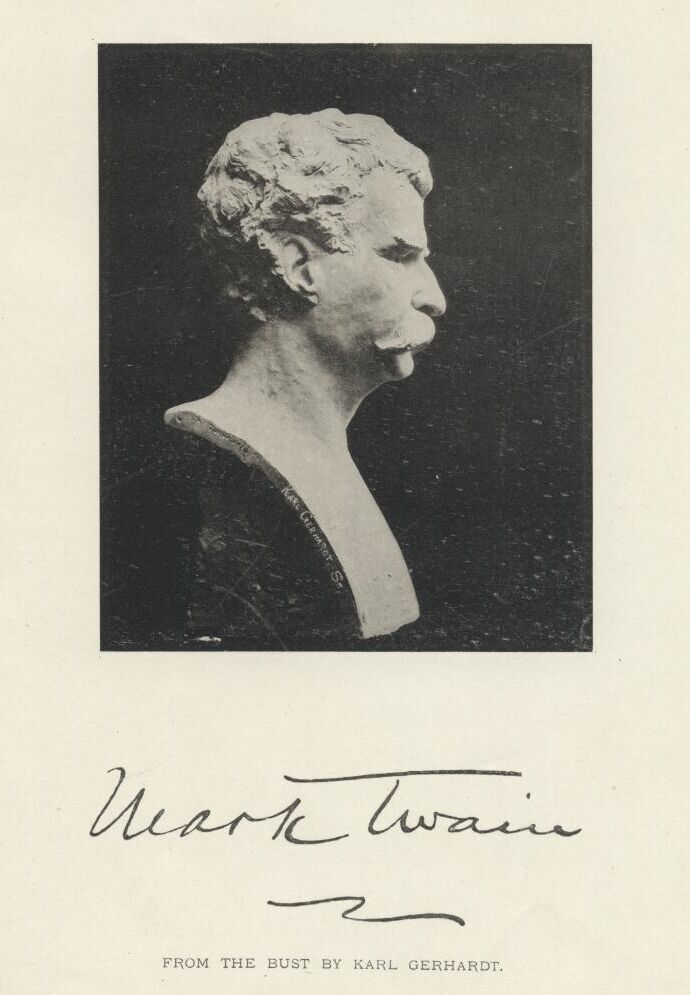
Update: One of our read­ers sug­gests that the shirt­less pho­to was a byprod­uct of a bust that was sculpt­ed by Karl Ger­hardt for the fron­tispiece of Adven­tures of Huck­le­ber­ry Finn. Seems quite plau­si­ble. See it here.

This vin­tage pic comes to us via Wired writer Steve Sil­ber­man. Fol­low him on Twit­ter at @stevesilberman.

by | Permalink | Make a Comment ( 10 ) |

“Nothing Good Gets Away”: John Steinbeck Offers Love Advice in a Letter to His Son (1958)

steinbeck

Cer­tain read­ers may turn, for gen­er­al solace, to the nov­els of John Stein­beck. But how many, in par­tic­u­lar need of roman­tic advice, open up Of Mice and Men, East of Eden, or The Grapes of Wrath? Yet on mat­ters of the heart, Stein­beck knew of what he spoke, as his son Thom found out after men­tion­ing a new school sweet­heart in a note home. In what must sure­ly count as the most elo­quent, rel­e­vant piece of unso­licit­ed parental love advice ever given—not, admit­ted­ly, a high bar to cross—the for­mi­da­ble man of Amer­i­can let­ters explained how best to nav­i­gate this rich­est of all expe­ri­ences:

First—if you are in love—that’s a good thing—that’s about the best thing that can hap­pen to any­one. Don’t let any­one make it small or light to you.

Second—There are sev­er­al kinds of love. One is a self­ish, mean, grasp­ing, ego­tis­ti­cal thing which uses love for self-impor­tance. This is the ugly and crip­pling kind. The oth­er is an out­pour­ing of every­thing good in you—of kind­ness and con­sid­er­a­tion and respect—not only the social respect of man­ners but the greater respect which is recog­ni­tion of anoth­er per­son as unique and valu­able. The first kind can make you sick and small and weak but the sec­ond can release in you strength, and courage and good­ness and even wis­dom you didn’t know you had.

This excerpt comes from a full text avail­able at a favorite site of ours, Let­ters of Note. One of the inter­net’s finest repos­i­to­ries of man’s wis­dom and fol­ly, Let­ters of Note has offered William Faulkn­er’s take-this-job-and-shove-it, a young Kurt Von­negut’s wartime report home after his release from a Dres­den work camp, the first Amer­i­can fan let­ter sent to David Bowie, and Aldous Hux­ley’s death as described by his wid­ow. My per­son­al favorite remains the simul­ta­ne­ous­ly astute and unhinged lament Ted Turn­er received from his father after chang­ing his col­lege major to clas­sics. Turn­er père wrote, in his askew fash­ion, in the same spir­it of father­ly sup­port as Stein­beck. But Ted did­n’t get to read any lines half as reas­sur­ing as those Thom Stein­beck did: “Don’t wor­ry about los­ing,” his father advised. “If it is right, it happens—The main thing is not to hur­ry. Noth­ing good gets away.”

Relat­ed con­tent:

John Steinbeck’s Six Tips for the Aspir­ing Writer and His Nobel Prize Speech

This is Your Brain in Love: Scenes from the Stan­ford Love Com­pe­ti­tion

Face to Face with Bertrand Rus­sell: ‘Love is Wise, Hatred is Fool­ish’

Col­in Mar­shall hosts and pro­duces Note­book on Cities and Cul­ture and writes essays on lit­er­a­ture, film, cities, Asia, and aes­thet­ics. He’s at work on a book about Los Ange­les, A Los Ange­les Primer. Fol­low him on Twit­ter at @colinmarshall.

John Cleese’s Eulogy for Graham Chapman: ‘Good Riddance, the Free-Loading Bastard, I Hope He Fries’

The British come­di­an Gra­ham Chap­man delight­ed in offend­ing peo­ple. As a writer and actor with the leg­endary Mon­ty Python troupe, he pushed against the bound­aries of pro­pri­ety and good taste. When his writ­ing part­ner John Cleese pro­posed doing a sketch on a dis­grun­tled man return­ing a defec­tive toast­er to a shop, Chap­man thought: Bro­ken toast­er? Why not a dead par­rot? And in one par­tic­u­lar­ly out­ra­geous sketch writ­ten by Chap­man and Cleese in 1970,  Chap­man plays an under­tak­er and Cleese plays a cus­tomer who has just rung a bell at the front desk:

“What can I do for you, squire?” says Chap­man.

“Um, well, I won­der if you can help me,” says Cleese. “You see, my moth­er has just died.”

“Ah, well, we can ‘elp you. We deal with stiffs,” says Chap­man. “There are three things we can do with your moth­er. We can burn her, bury her, or dump her.”

“Dump her?”

“Dump her in the Thames.”

“What?”

“Oh, did you like her?”

“Yes!”

“Oh well, we won’t dump her, then,” says Chap­man. “Well, what do you think? We can bury her or burn her.”

“Which would you rec­om­mend?”

“Well, they’re both nasty.”

From there, Chap­man goes on to explain in the most graph­ic detail the unpleas­ant aspects of either choice before offer­ing anoth­er option: can­ni­bal­ism. At that point (in keep­ing with the script) out­raged mem­bers of the stu­dio audi­ence rush onto the stage and put a stop to the sketch.

Chap­man and Cleese had been close friends since their stu­dent days at Cam­bridge Uni­ver­si­ty, and when Chap­man died of can­cer at the age of 48 on Octo­ber 4, 1989, Cleese was at his bed­side. Out of respect for Chap­man’s fam­i­ly, the mem­bers of Mon­ty Python decid­ed to stay away from his pri­vate funer­al and avoid a media cir­cus. Instead, they gath­ered for a memo­r­i­al ser­vice on Octo­ber 6, 1989 in the Great Hall at St. Bartholomew’s Hos­pi­tal in Lon­don. When Cleese deliv­ered his eulo­gy for Chap­man, he recalled his friend’s irrev­er­ence: “Any­thing for him, but mind­less good taste.” So Cleese did his best to make his old friend proud. His off-col­or but heart­felt eulo­gy that evening has become a part of Mon­ty Python lore, and you can watch it above. To see a longer clip, with mov­ing words from Michael Palin and a sing-along of “Always Look on the Bright Side of Life” led by Eric Idle, watch below:

Relat­ed Con­tent:

Mon­ty Python’s Best Phi­los­o­phy Sketch­es

Mon­ty Python’s Life of Bri­an: Reli­gious Satire, Polit­i­cal Satire, or Blas­phe­my?

John Cleese, Mon­ty Python Icon, on How to Be Cre­ative

Finding Vivian Maier: New Documentary Reveals the Vision of Obscure Chicago Street Photographer

The posthu­mous dis­cov­ery of Vivian Maier’s pho­tographs is an art world stun­ner on the order of Hen­ry Darg­er’s mas­sive In the Realms of the Unre­al.

The syn­chronic­i­ty makes one won­der.

He was a Chica­go-based cus­to­di­an.

She was a Chica­go-based nan­ny.

They shared a com­pul­sion to create—some might say document—but were so intense­ly pri­vate, the rev­e­la­tions of their respec­tive lives’ work threw every­one for a loop.

Employ­ers and neigh­bors found it hard to believe they’d had it in them. (View an online gallery of her work here.)

Cura­tors, mar­veling at the quan­ti­ty of their out­put and qual­i­ty of the vision, piled on superla­tives.

Some­thing tells me the prick­ly Ms. Maier would not have appre­ci­at­ed any com­par­isons to a man whose work fea­tured so many rep­re­sen­ta­tions of naked, her­maph­ro­dit­ic girl-war­riors being bay­o­net­ted, but death makes it dif­fi­cult to keep hold of the reins gripped so tight­ly in life.

For the fore­see­able future, Maier’s lega­cy rests in the hands of John Mal­oof, the young Chicagoan who bought her neg­a­tives from an unpaid stor­age unit for less than $400, hop­ing he might find some­thing of rel­e­vance for a neigh­bor­hood his­to­ry project. He got more than he bar­gained for, obvi­ous­ly, but the years spent scan­ning the unknown artist’s work is begin­ning to pay off in exhi­bi­tions, gallery rep­re­sen­ta­tion, and a book. Now he is near­ing com­ple­tion of Find­ing Vivian Maier, a doc­u­men­tary film that promis­es to shed more light on this fas­ci­nat­ing tale.

Would the sub­ject have want­ed this?

Per­haps that’s a ques­tion for the Hen­ry Darg­er Study Cen­ter at the Amer­i­can Folk Art Muse­um

Relat­ed Con­tent:

David Lynch Talks About His 99 Favorite Pho­tographs at Paris Pho­to 2012

1972 Diane Arbus Doc­u­men­tary Inter­views Those Who Knew the Amer­i­can Pho­tog­ra­ph­er Best

Pho­tog­ra­phy of Lud­wig Wittgen­stein Released by Archives at Cam­bridge

Ayun Hal­l­i­day, a point and shoot hack, is relat­ed by mar­riage to anoth­er female street pho­tog­ra­ph­er with an inter­est­ing lens on his­to­ry. Fol­low her @AyunHalliday

Start Your Startup with Free Stanford Courses and Lectures

Last spring, Ken Aulet­ta wrote a pro­file of Stan­ford Uni­ver­si­ty in the pages of The New York­er, which start­ed with the ques­tion: “There are no walls between Stan­ford and Sil­i­con Val­ley. Should there be?” It’s per­haps an unavoid­able ques­tion when you con­sid­er a star­tling fact cit­ed by the arti­cle. Accord­ing the uni­ver­si­ty itself, five thou­sand com­pa­nies “trace their ori­gins to Stan­ford ideas or to Stan­ford fac­ul­ty and stu­dents.” The list includes tech giants like Google, Hewlett-Packard, Yahoo, Cis­co Sys­tems, Sun Microsys­tems, eBay, Net­flix, Elec­tron­ic Arts, Intu­it, Sil­i­con Graph­ics, LinkedIn, and E*Trade. And stay tuned, there’s more to come.

Stan­ford is one of Amer­i­ca’s lead­ing incu­ba­tors, and the rear­ing of young entre­pre­neurs does­n’t take place by mere osmo­sis. No, Stan­ford stu­dents can take cours­es focused on entre­pre­neur­ship, which give them access to sea­soned entre­pre­neurs and financiers. If you head over to eCorner, short for Entre­pre­neur­ship Cor­ner (WebiTunesYouTube), you can watch “2000 free videos and pod­casts fea­tur­ing entre­pre­neur­ship and inno­va­tion thought lead­ers” who have paid vis­its to Stan­ford. Per­haps you’ll rec­og­nize a few of the names: Mark Zucker­bergLar­ry PageMaris­sa May­er? Reid Hoff­man (above)?

Or, if you go to YouTube and iTunes, you’ll gain access to entire cours­es ded­i­cat­ed to teach­ing stu­dents the mod­ern art of start­ing star­tups. Two cours­es (both housed in our col­lec­tion of 650 Free Online Cours­es and our col­lec­tion of 150 Free Online Busi­ness Cours­es) war­rant your atten­tion. First, Chuck Eesley’s course, Tech­nol­o­gy Entre­pre­neur­ship (YouTube — iTunes Video) intro­duces stu­dents to “the process used by tech­nol­o­gy entre­pre­neurs to start com­pa­nies. It involves tak­ing a tech­nol­o­gy idea and find­ing a high-poten­tial com­mer­cial oppor­tu­ni­ty, gath­er­ing resources such as tal­ent and cap­i­tal, fig­ur­ing out how to sell and mar­ket the idea, and man­ag­ing rapid growth.” The course fea­tures 28 video lec­tures in total.

Once you have a broad overview, you can dial into an impor­tant part of get­ting a new ven­ture going — rais­ing cap­i­tal. Hence the course Entre­pre­neur­ship Through the Lens of Ven­ture Cap­i­tal (iTunes Video — YouTube), a course cur­rent­ly tak­ing place at Stan­ford that “explores how suc­cess­ful star­tups nav­i­gate fund­ing, man­ag­ing, and scal­ing their new enter­prise.” It fea­tures guest speak­ers from the VC world that fuels Sil­i­con Val­ley.

It goes with­out say­ing that Stan­ford offers many world-class cours­es across oth­er dis­ci­plines, from phi­los­o­phy and physics to his­to­ry and lit­er­a­ture. You can find 68 cours­es from Stan­ford in our ever-grow­ing col­lec­tion of Free Cours­es Online.

Relat­ed Con­tent:

Stan­ford Launch­es iPhone/iPad App Course on iTune­sU

Biol­o­gy That Makes Us Tick: Free Stan­ford Course by Robert Sapol­sky

The Stan­ford Mini Med School: A Free Course Now Online

The Art of Liv­ing: A Free Stan­ford Course Explores Time­less Ques­tions

by | Permalink | Make a Comment ( 2 ) |

In Under Three Minutes, Hans Rosling Visualizes the Incredible Progress of the “Developing World”

Hans Rosling knows how to make a con­cise, pow­er­ful point. His mas­tery of sta­tis­tics and visu­al aids does­n’t hurt. Behold, for instance, the Karolin­s­ka Insti­tute Pro­fes­sor of Inter­na­tion­al Health visu­al­iz­ing the health of 200 coun­tries over 200 years with 120,000 data points. His abil­i­ty to con­dense vast amounts of infor­ma­tion into short bursts while pro­vid­ing the widest pos­si­ble con­text for his points nat­u­ral­ly endears him to the TED audi­ence, which val­ues coun­ter­in­tu­itive intel­lec­tu­al impact deliv­ered with the utmost suc­cinct­ness. We pre­vi­ous­ly fea­tured a TED Talk from where­in the excitable pro­fes­sor explains world pop­u­la­tion growth and pros­per­i­ty with props bought at IKEA. (The man comes from Swe­den, after all. One must rep­re­sent.) Now, on Bill Gates’ Youtube chan­nel, you can watch Rosling’s short­est and slick­est video yet: “The Riv­er of Myths.”

Open­ing with a visu­al­iza­tion of 1960’s world child mor­tal­i­ty num­bers graphed against the num­ber of chil­dren born per woman, Rosling uses his sig­na­ture method of sta­tis­ti­cal-ani­ma­tion show­man­ship to explode myths about the poten­tial of devel­op­ing nations. We see that, as a coun­try’s wealth ris­es, its health ris­es; as its health ris­es, its child mor­tal­i­ty drops; and as its child mor­tal­i­ty drops, so does its num­ber of chil­dren born per woman, which leads to a sus­tain­able over­all pop­u­la­tion size. He then exam­ines the sep­a­rate regions of Ethiopia, for­mer­ly a devel­op­men­tal lag­gard, show­ing that the cap­i­tal Addis Aba­ba ranks repro­duc­tive­ly among the devel­oped nations, while only remote regions lag behind. “Most peo­ple think the prob­lems in Africa are unsolv­able, but if the poor­est coun­tries can just fol­low the path of Ethiopia, it’s ful­ly pos­si­ble that the world will look like this by 2030.” We then see a pro­jec­tion of all the world’s nations clus­tered in the small-fam­i­ly, low-mor­tal­i­ty cor­ner of the graph. “But to ensure this hap­pens, we must mea­sure the progress of coun­tries. It’s only by mea­sur­ing we can cross the riv­er of myths.” Have you heard a more pow­er­ful argu­ment for the use­ful­ness of sta­tis­tics late­ly?

Relat­ed con­tent:

Hans Rosling Uses Ikea Props to Explain World of 7 Bil­lion Peo­ple

200 Coun­tries & 200 Years in 4 Min­utes, Pre­sent­ed by Hans Rosling

Col­in Mar­shall hosts and pro­duces Note­book on Cities and Cul­ture and writes essays on lit­er­a­ture, film, cities, Asia, and aes­thet­ics. He’s at work on a book about Los Ange­les, A Los Ange­les Primer. Fol­low him on Twit­ter at @colinmarshall.

« Go BackMore in this category... »
Quantcast