Jack Kerouac Reads American Haikus, Backed by Jazz Saxophonists Al Cohn & Zoot Sims (1958)

In the spring of 1958 Jack Ker­ouac went into the stu­dio with tenor sax­men Al Cohn and Zoot Sims to record his sec­ond album, a mix­ture of jazz and poet­ry called Blues and Haikus. The haiku is a tra­di­tion­al Japan­ese poet­ry form with three unrhyming lines in five, sev­en, and five syl­la­bles. But Ker­ouac took a freer approach. In 1959, the year Blues and Haikus was released, he explained:

The Amer­i­can haiku is not exact­ly the Japan­ese Haiku. The Japan­ese Haiku is strict­ly dis­ci­plined to sev­en­teen syl­la­bles but since the lan­guage struc­ture is dif­fer­ent I don’t think Amer­i­can Haikus (short three-line poems intend­ed to be com­plete­ly packed with Void of Whole) should wor­ry about syl­la­bles because Amer­i­can speech is some­thing again … burst­ing to pop.

Above all, a Haiku must be very sim­ple and free of all poet­ic trick­ery and make a lit­tle pic­ture and yet be as airy and grace­ful as a Vival­di Pas­torel­la.

The open­ing num­ber on Blues and Haikus is a 10-minute piece called “Amer­i­can Haikus.” It fea­tures Ker­ouac’s expres­sive recita­tion of a series of poems punc­tu­at­ed by the impro­vi­sa­tion­al sax­o­phone play­ing of Cohn and Sims. The video above is ani­mat­ed by the artist Peter Gullerud. For more of Ker­ouac’s haikus — some 700 of them — see his Book of Haikus.

via The Allen Gins­berg Project

Relat­ed Con­tent:

Jack Kerouac’s Naval Reserve Enlist­ment Mugshot, 1943

Jack Ker­ouac Reads from On the Road (1959)

Jack Kerouac’s 30 Beliefs and Tech­niques For Writ­ing Mod­ern Prose

Google & edX to Create MOOC.Org: An Open Source Platform For Creating Your Own MOOC

mooc org

Almost exact­ly a year ago, we told you about Google’s release of Course Builder, an open source plat­form that would let you build your own online courses/MOOCs for free. This week, Google has a new announce­ment: it’s join­ing forces with edX, (the MOOC provider led by Har­vard and MIT), to work on a new open source plat­form called MOOC.org. The new ser­vice will go live in the first half of 2014. And it will allow “any aca­d­e­m­ic insti­tu­tion, busi­ness and indi­vid­ual to cre­ate and host online cours­es.” This will give inno­v­a­tive edu­ca­tors the oppor­tu­ni­ty to put a MOOC online with­out nec­es­sar­i­ly mak­ing a steep invest­ment in a course. (When added all up, the costs can oth­er­wise be enor­mous.) If MOOC.org sounds of inter­est to you, you can put your name on a wait­ing list, and they’ll con­tact you when the ser­vice launch­es next year.

Mean­while, let me men­tion that 125 MOOCs will be launch­ing between now and the end of Octo­ber. To see a full list, vis­it or our col­lec­tion of 625 MOOCs/Certificate Cours­es from Great Uni­ver­si­ties. You’ll find many inter­est­ing titles on the list — His­to­ry of Chi­nese Archi­tec­ture: Part 1Søren Kierkegaard – Sub­jec­tiv­i­ty, Irony and the Cri­sis of Moder­ni­ty; Dark Mat­ter in Galax­ies: The Last Mys­tery, and Explor­ing Engi­neer­ing, just to name a few. If you have ques­tions about what MOOCs are all about, please see our new MOOC FAQ.

via The Chron­i­cle of High­er Ed

Relat­ed Con­tent:

Google Releas­es “Course Builder,” an Open Source Plat­form for Build­ing Your Own Big Online Cours­es

Har­vard and MIT Cre­ate EDX to Offer Mas­sive Open Online Cours­es (MOOCs) World­wide

Stephen Col­bert Tries to Make Sense of MOOCs with the Head of edX

by | Permalink | Make a Comment ( 1 ) |

Radical Thinkers: 5 Videos Profile Max Horkheimer, Alain Badiou & Other Radical Theorists

If you’ve ever con­sid­ered draw­ing up a list of the most debased words, allow me to nom­i­nate rad­i­cal. If you call some­one a “rad­i­cal thinker,” for instance, a great many lis­ten­ers might assume you mean some­thing along the lines of “cool thinker.” While we do tend to find thinkers cool here at Open Cul­ture, more inter­est­ing usages exist. Some inter­pret the mean­ing of “rad­i­cal thinker” as clos­er to “thinker of very dif­fer­ent thoughts than every­one else,” and hit clos­er to the mark though they may, you can bet that some­one else near­by has read­ied them­selves to denounce the thinker in ques­tion as not near­ly rad­i­cal enough to qual­i­fy for the label. Like any com­plex word, phrase, or oth­er ele­ment of lan­guage, we may have to define rad­i­cal by look­ing at exam­ples. Luck­i­ly, the Guardian and Ver­so Books have put togeth­er Rad­i­cal Thinkers, a series of three-minute videos pro­fil­ing exact­ly those.

In each video, a mod­ern aca­d­e­m­ic deliv­ers a three-minute lec­ture on a rad­i­cal thinker of choice, draw­ing on a book in Ver­so’s Rad­i­cal Thinkers edi­tions. “Ordi­nar­i­ly, we are more or less resigned to the world as it is,” says Peter Hall­ward of Kingston Uni­ver­si­ty, stand­ing in Lon­don’s Hous­mans (“Rad­i­cal Book­sellers Since 1945”), sum­ma­riz­ing Alan Badiou’s Ethics. “We adapt as best we can to the exist­ing log­ic of the sys­tem, of the estab­lished order of things. We get a job, we go through life as best we can, we get by. What Badiou calls ethics is essen­tial­ly the dis­ci­pline and resources you need in order to resist those temp­ta­tions to aban­don or betray or give up on some­thing.” Stel­la Stan­ford, also of Kingston, takes on Wil­helm Reich’s Sex-Pol in the Freud Muse­um. This rad­i­cal thinker, she says, “argued against Freud’s view that sex­u­al repres­sion was the con­di­tion of pos­si­bil­i­ty for all civ­i­liza­tion. He used the same kind of anthro­po­log­i­cal work that Freud him­self used to argue that sex­u­al free­dom and civ­i­liza­tion were com­pat­i­ble.”

The Rad­i­cal Thinkers series has three more videos: Esther Leslie in Cam­den Mar­ket on Max Horkheimer’s Cri­tique of Instru­men­tal Rea­son (above), an indict­ment of the Enlight­en­men­t’s fail­ure to deliv­er a ratio­nal soci­ety.

Fed­eri­co Cam­pagna in his kitchen on Simon Critch­ley’s Infi­nite­ly Demand­ing, a look into the inevitably dis­ap­point­ed heart of mod­ern lib­er­al democ­ra­cy.

And Nina Pow­er on Lud­wig Feuer­bach’s Chris­tian­i­ty-crit­i­ciz­ing col­lec­tion of writ­ings The Fiery Brook.

Relat­ed Con­tent:

Hear Theodor Adorno’s Avant-Garde Musi­cal Com­po­si­tions

Down­load 90 Free Phi­los­o­phy Cours­es and Start Liv­ing the Exam­ined Life

The His­to­ry of Phi­los­o­phy With­out Any Gaps – Peter Adamson’s Pod­cast Still Going Strong

Take First-Class Phi­los­o­phy Lec­tures Any­where with Free Oxford Pod­casts

Col­in Mar­shall hosts and pro­duces Note­book on Cities and Cul­ture and writes essays on lit­er­a­ture, film, cities, Asia, and aes­thet­ics. He’s at work on a book about Los Ange­lesA Los Ange­les PrimerFol­low him on Twit­ter at @colinmarshall.

The Complete Works of Leo Tolstoy Online: New Archive Will Present 90 Volumes for Free (in Russian)

tolstoy online

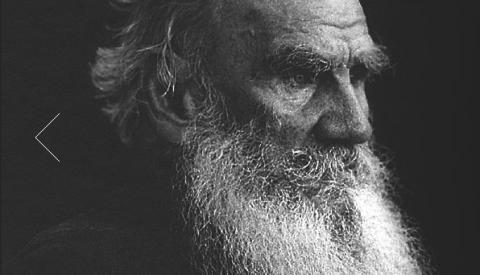
This is sure­ly worth a quick heads up: Leo Tolstoy’s entire body of work – all 46,000 pages of it – will appear on the Tolstoy.ru web site. Accord­ing to Tol­stoy’s great-great-grand­daugh­ter Fyok­la Tol­staya, all of the author’s nov­els, short sto­ries, fairy tales, essays and per­son­al let­ters will be made freely avail­able in PDF, FB2 and EPUB for­mats (which you can eas­i­ly load onto a Kin­dle, iPad or almost any oth­er ebook read­er). She goes on to tell the Russ­ian news­pa­per RIA Novosti that the “90-vol­ume edi­tion was scanned and proof­read three times by more than 3,000 vol­un­teers from 49 coun­tries.” Tru­ly an incred­i­ble crowd­sourc­ing feat.

What’s the rub? You have to read Russ­ian. Yes, it’s poten­tial­ly a down­er. But you can always find Tol­stoy’s major works in trans­la­tion in our Free eBooks and Free Audio Books col­lec­tions.

And if that does­n’t make you feel bet­ter, see the excel­lent bonus mate­r­i­al below.

via The Paris Review

Relat­ed Con­tent:

Rare Record­ing: Leo Tol­stoy Reads From His Last Major Work in Four Lan­guages, 1909

The Last Days of Leo Tol­stoy Cap­tured on Video

How Leo Tol­stoy Learned to Ride a Bike at 67, and Oth­er Tales of Life­long Learn­ing

by | Permalink | Make a Comment ( 4 ) |

Download Free Music from 150+ Classical Composers, Courtesy of Musopen.org

Yes­ter­day, we told you about a new Kick­starter cam­paign that intends to put 245 pieces by Frédéric Chopin into the pub­lic domain. The cam­paign is being spear­head­ed by Musopen.org, a non-prof­it locat­ed a few miles up the road from us, in Palo Alto, CA. Oper­at­ing since 2005 (a year before we took flight), Musopen pro­vides free pub­lic domain scores and a library of record­ings by clas­si­cal com­posers that you’ll want to check out.

The library is best accessed via this page where you can browse record­ings orga­nized by com­pos­er, per­former, instru­ment, form, and time peri­od As you’ll see, Bach, Beethoven, and Mozart — they’re all there. So is Debussy, Rav­el and Cop­land, not to men­tion anoth­er 140+ com­posers.

Music can be streamed online for free. But if you become a reg­is­tered user for the site, you can down­load 5 tracks per day in stan­dard audio qual­i­ty. Or, if you pay $55 per year, you can enjoy unlim­it­ed down­loads in high qual­i­ty audio. Pay­ing mem­bers help sus­tain the site, and they also get to help deter­mine what music will be made avail­able online in the future. Have more ques­tions? Check out Musopen’s FAQ.

If you would like to sign up for Open Culture’s free email newslet­ter, please find it here. It’s a great way to see our new posts, all bun­dled in one email, each day.

If you would like to sup­port the mis­sion of Open Cul­ture, con­sid­er mak­ing a dona­tion to our site. It’s hard to rely 100% on ads, and your con­tri­bu­tions will help us con­tin­ue pro­vid­ing the best free cul­tur­al and edu­ca­tion­al mate­ri­als to learn­ers every­where. You can con­tribute through Pay­Pal, Patre­on, and Ven­mo (@openculture). Thanks!

Relat­ed Con­tent:

85,000 Clas­si­cal Music Scores (and Free MP3s) on the Web

A Big Bach Down­load: All of Bach’s Organ Works for Free

The Open Gold­berg Vari­a­tions: J.S. Bach’s Mas­ter­piece Free to Down­load

by | Permalink | Make a Comment ( 22 ) |

Bob Dylan and George Harrison Play Tennis, 1969

DylanTennis

Click images for larg­er ver­sions

Bob Dylan’s mys­te­ri­ous motor­cy­cle acci­dent in 1966—an event that has pro­voked all sorts of wild spec­u­la­tion—gave the over­worked mer­cu­r­ial star an oppor­tu­ni­ty to become a full-fledged recluse, which he seemed to need, whether it was war­rant­ed by his injuries or not. He skipped out on Wood­stock, turned his back on the flower pow­er rock scene, and in 1967, record­ed what I con­sid­er his absolute best album, John Wes­ley Hard­ing (go ahead and yell about my tastes in the com­ments). By 1969, he had recov­ered enough musi­cal­ly to expand his palate and record my sec­ond favorite of his albums, the full-on coun­try Nashville Sky­line. He had also recov­ered enough phys­i­cal­ly to play ten­nis with George Har­ri­son, as you can see above.

HarrisonTennis

Har­ri­son, mean­while, had quit The Bea­t­les in Jan­u­ary, then was coaxed back into the band, which more or less broke up lat­er that year. But he had been busy—recording two most­ly-instru­men­tal solo albums and writ­ing his Hin­du gospel hit “My Sweet Lord” and the rest of his incred­i­ble 1970 triple album All Things Must Pass. Some­how amidst all the tur­moil and tran­si­tion, as Har­ri­son began his most pro­duc­tive solo peri­od and Dylan pre­pared to release what near­ly every­one con­sid­ers his worst record, Self Por­trait, the two found time to hit some balls before Dylan’s per­for­mance at the Isle of Wight fes­ti­val. Dylan was appar­ent­ly a long­time ten­nis fan. His 1964 “I Shall be Free No. 10” con­tains ref­er­ences to the sport. The pho­tos were released by the Har­ri­son fam­i­ly for the 2011 Mar­tin Scors­ese-direct­ed doc George Har­ri­son: Liv­ing in the Mate­r­i­al World (trail­er below).

via Retronaut/Dan­ger­ous Minds

Relat­ed Con­tent:

Hear the Nev­er-Before-Released Bob Dylan Song “Pret­ty Saro” (1970)

The 1969 Bob Dylan-John­ny Cash Ses­sions: Twelve Rare Record­ings

George Har­ri­son in the Spot­light: The Dick Cavett Show (1971)

Josh Jones is a writer and musi­cian based in Durham, NC. Fol­low him at @jdmagness

“The Autobiography of Jane Eyre” Adapts Brontë’s Heroine for Vlogs, Tumblr, Twitter & Instagram

Lest you remain unaware, Jane Eyre has a vlog. And though I would fain speak well of it, the truth must out. I pre­fer my Jane with bon­net strings knot­ted firm­ly beneath her chin. This Jane, as embod­ied by project co-cre­ator, Alysson Hall, often seems like a fan putting togeth­er a home­made audi­tion tape for Girls.

I sus­pect that’s the demo­graph­ic most like­ly to appre­ci­ate Char­lotte Bron­të’s rein­vent­ed hero­ine.  Like The Lizzie Ben­net Diaries, a self-declared “online mod­ern­ized adap­ta­tion” of Pride and Prej­u­dice, The Auto­bi­og­ra­phy of Jane Eyre takes a trans­me­dia approach, seri­al­iz­ing across mul­ti­ple dig­i­tal plat­forms.

In addi­tion to the YouTube chan­nel, Jane tweets to over 1500 fol­low­ers, and uploads pho­tos to Insta­gram. Her video diary might not be my cup of tea, but I must con­fess, I do rather enjoy her tum­blr. Per­haps not as much as I’d enjoy reread­ing the nov­el (find it in our col­lec­tion Free eBooks and Free Audio Books col­lec­tions), but it’s not a bad way to while away a minute or two.

Put anoth­er way, any­one who likes read­ing Bron­të is prob­a­bly amenable to pic­tures of tea cups, dead trees, and Tim Bur­ton’s ani­mat­ed dolls.

Jane’s embrace of social media is shared by many in her orbit, includ­ing Mr. Rochester’s employ­ee, Grace Poole, and his 8‑year-old daugh­ter, Adele, whose (ille­gal) Twit­ter feed will appeal to any pre­co­cious lit­tle smar­ty­pants eager for ran­dom facts regard­ing Bernese Moun­tain Dogs and Uranus’ moons.

The veil is lift­ed some­what on the series’ Face­book page, where the cre­ators inter­act with fans out-of-char­ac­ter and address mod­ern tech­ni­cal dif­fi­cul­ties, such as soft­ware issues and audio glitch­es.

Relat­ed Con­tent:

20 Books Peo­ple Pre­tend to Read (and Now Your Con­fes­sions?)

Bron­të Sis­ters Pow­er Dolls

Jane Austen’s Fight Club

Ayun Hal­l­i­day was gob­s­macked to learn that her sec­ond book, No Touch Mon­key!  has been made avail­able in ebook form.  Fol­low her @AyunHalliday

Miles Davis Plays Music from Kind of Blue Live in 1959, Introducing a Completely New Style of Jazz

Miles Davis’ Kind of Blue broke new ground in the world of jazz in a year that saw an unusu­al num­ber of ground­break­ing jazz releas­es, 1959. Fol­low­ing up his exper­i­ments on 1958’s Mile­stones, Davis’ move from bop to modal jazz impro­vi­sa­tion­al tech­niques shift­ed the terms of the genre, and, as many crit­ics have argued since, the terms of West­ern music, pop­u­lar and clas­si­cal. Released in August of ’59, Kind of Blue was record­ed in New York by Davis’ famous sex­tet in March and April of that year, and before lis­ten­ers had a chance to hear the record, those few peo­ple lucky enough to be in atten­dance at the April per­for­mance above—at CBS’s Stu­dio 61—got a chance to hear what Davis was up to. Doubt­less those lucky atten­dees were few indeed, but one of them, pro­duc­er and pre­sen­ter Robert Her­ridge show­cased the per­for­mance for a July, 1960 broad­cast of his show The Robert Her­ridge The­ater.

The Davis sex­tet play a few ver­sions of “So What” from Kind of Blue, pre­view­ing the album Quin­cy Jones would call his “orange juice” for its dai­ly jolt of inspi­ra­tion. The remain­der of the per­for­mance con­sists of com­po­si­tions by Dave Brubeck, Gil Evans, and Ahmad Jamal. See the full track list below.

1 So What
2 Intro­duc­tion (Robert Her­ridge)
3 The Duke
 (D. Brubeck)
4 Blues for Pablo 
(G. Evans)
5 New Rhum­ba
 (A. Jamal)
6 Announce­ment (Robert Her­ridge)
7 So What (reprise)
8 So What (reprise)
9 Orches­tral frag­ment

The style of “So What” and the oth­er com­po­si­tions from Kind of Blue have been cred­it­ed with cre­at­ing, in Chick Corea’s words, “a new lan­guage of music.” But Davis can­not take all of the cred­it. He must share it with pianist and edu­ca­tor George Rus­sell who pub­lished a the­o­ret­i­cal account of a new way of impro­vis­ing in 1953 called Lydi­an Chro­mat­ic Con­cept of Tonal Orga­ni­za­tion. Davis was great­ly influ­enced by Russell’s the­o­ries and found in them a way out of the man­ic style of bop that had begun to tire him. Russell’s “modal” jazz moved away from bas­ing jazz impro­vi­sa­tion on chords and tra­di­tion­al major and minor scales. Though the the­o­ry was new, its basis, the Lydi­an mode, is as ancient as the Greeks. In the video above, see Rus­sell in an inter­view dis­cussing his modal the­o­ry, which Ben Ratliff in Russell’s 2009 New York Times obit describes as “sim­ple”:

[Rus­sell] believed that a new gen­er­a­tion of jazz impro­vis­ers deserved new har­mon­ic tech­niques, and that tra­di­tion­al West­ern tonal­i­ty was run­ning its course. The Lydi­an chro­mat­ic con­cept — based on the Lydi­an mode, or scale, rather than the famil­iar do-re-mi major scale — was a way for musi­cians to impro­vise in any key, on any chord, with­out sac­ri­fic­ing the music’s blues roots.  

With­out Rus­sell, we’d have no Kind of Blue, but it’s prob­a­bly safe to say that with­out Davis’ bril­liant appro­pri­a­tion of modal the­o­ry, Russell’s ideas may have fad­ed into obscu­ri­ty. The col­lab­o­ra­tion between the hum­ble the­o­rist, the flam­boy­ant com­pos­er and band­leader, and his tremen­dous­ly tal­ent­ed 1959 ensem­ble pro­duced one of the most endur­ing musi­cal doc­u­ments of all time, and in the archival footage above, we can see some of its crit­i­cal pieces come togeth­er.

Relat­ed Con­tent:

The Miles Davis Sto­ry, the Defin­i­tive Film Biog­ra­phy of a Jazz Leg­end

Miles Davis and His ‘Sec­ond Great Quin­tet,’ Filmed Live in Europe, 1967

Rare Miles Davis Live Record­ings Cap­ture the Jazz Musi­cian at the Height of His Pow­ers

Josh Jones is a writer and musi­cian based in Durham, NC. Fol­low him at @jdmagness

« Go BackMore in this category... »
Quantcast