John Cleese Stars in a Morbidly Funny Anti-Smoking Campaign (1992–1994)

In 1992, the Health Edu­ca­tion Author­i­ty (HEA) began run­ning a series of ads on British tele­vi­sion star­ring the Mon­ty Python come­di­an and ex-smok­er, John Cleese. Smok­ing remained the #1 cause of pre­ma­ture death in the UK, and the HEA want­ed to see if a media cam­paign could make a dent in the epi­dem­ic. As part of a con­trolled exper­i­ment (all detailed here), ads star­ring Cleese were shown in cer­tain parts of the UK (but not oth­ers), and they used mor­bid humor and macabre sce­nar­ios “first to engage the view­ers’ curios­i­ty,” and then to “high­light the dan­gers of smok­ing, show[ing] the ridicu­lous­ness of the smok­ing habit.” Final­ly, view­ers were giv­en a phone num­ber to call where they could get more infor­ma­tion on how to quit.

So what were the results? Dur­ing the cam­paign (which ran from 1992 to 1994), the “quit­line” received around 20,000 calls over­all. Data crunch­ers lat­er found that the con­trol groups exposed to the ads quit smok­ing at a high­er rate than groups that had­n’t seen the com­mer­cials. Plus the relapse rates of the con­trol group were low­er than the norm. All of this led the gov­ern­ment to con­clude that “anti-smok­ing TV adver­tis­ing should be under­tak­en rou­tine­ly as an essen­tial com­po­nent of any pop­u­la­tion smok­ing reduc­tion strat­e­gy.” In this post, we’ve high­light­ed three of the bet­ter pre­served ads in the cam­paign.

Relat­ed Con­tent:

An Anti, Anti-Smok­ing Announce­ment from John Waters

Bertrand Rus­sell: “I Owe My Life to Smok­ing”

John Cleese’s Phi­los­o­phy of Cre­ativ­i­ty: Cre­at­ing Oases for Child­like Play

John Cleese’s Eulo­gy for Gra­ham Chap­man: ‘Good Rid­dance, the Free-Load­ing Bas­tard, I Hope He Fries’

Bob Dylan Reads From T.S. Eliot’s Great Modernist Poem The Waste Land

As a recent piece in The Inde­pen­dent notes, “stu­dents of lit­er­ate song­writ­ing” are unsur­prised to find ref­er­ences to T.S. Eliot scat­tered through­out the pop canon: Gen­e­sis, Man­ic Street Preach­ers, Arcade Fire… and of course, Bob Dylan. Dylan arguably makes ref­er­ence to Eliot’s mas­ter­work The Waste Land with the line “in the waste­land of your mind” from “When The Night Comes Falling from the Sky.”

And in the penul­ti­mate verse of “Des­o­la­tion Row,” he gives us an image of “Ezra Pound and T.S. Eliot / Fight­ing in the captain’s tow­er.” As with every oth­er line in the song, this could mean just about any­thing. But giv­en Dylan’s admi­ra­tion for The Waste Land, it could eas­i­ly refer to the edi­to­r­i­al tug-of-war between the two poets, as it was Pound who shaped Eliot’s poem into the work we have today. And then there’s the tow­er image so promi­nent in Eliot’s great poem, an occult motif Dylan returned to.

Just above, hear Dylan riff on the first four lines of The Waste Land for his XM Radio show Theme Time Radio Hour, which aired from May 2006 to April 2009. On the show, Dylan played records, respond­ed to (fake) lis­ten­er emails, read poet­ry, told jokes, and did musi­cal bits, all in keep­ing with themes like “Mon­ey” and “Weath­er.” (You can catch two episodes a day on dylanradio.com).

He reads Eliot in a faux-beat cadence—sounding like Tom Waits—with a juke joint piano bang­ing away behind him. Dylan opens his read­ing with some brief com­men­tary, telling us that Eliot’s poem “com­mem­o­rat­ed the death of Abra­ham Lin­coln.” This throw­away line may just give us a fas­ci­nat­ing glimpse into Dylan’s lit­er­ary sen­si­bil­i­ties. Know­ing that Eliot’s lilacs refer to Lin­coln seems almost cer­tain­ly to indi­cate that Dylan knows they first refer to Walt Whit­man, whose “When Lilacs Last in the Door­yard Bloom’d” direct­ly com­mem­o­rates Lin­coln.

Of course, he isn’t going to tell us that, if he knows it, just like he won’t give any­thing away in “Des­o­la­tion Row,” a song so filled with ref­er­ences to famous fig­ures and works of art that it’s hard to tell how much is “orig­i­nal” Dylan and how much a patch­work of para­phrase. The dis­tinc­tion hard­ly mat­ters, Dylan seems to sug­gest in his eli­sion of Whit­man. Eliot’s poem is, line by line, so much a col­lage of allu­sion and cita­tion that there seems to be no Eliot at all, just a mani­a­cal edi­tor (or two). The first line of the poem—“April is the cru­elest month”—traces in part to French Sym­bol­ist Jules Laforgue, one of Eliot’s favorites, who begins his “October’s Lit­tle Mis­eries” with “Every Octo­ber I start to get upset.” And Eliot’s orig­i­nal title, “He Do the Police in Dif­fer­ent Voic­es” comes ver­ba­tim from Dick­ens’ Our Mutu­al Friend. As any­one who’s read Eliot in an aca­d­e­m­ic set­ting knows, the list goes on, and on.

One of the effects of Eliot’s mas­tery of oth­er people’s work (hear him read his poem above), which he could dis­as­sem­ble and make mon­strous­ly his own, is that his crit­ics and fans will nev­er tire of pulling apart his dense­ly com­pressed vers­es and pok­ing around inside them. Like­wise Dylan. The lat­ter nev­er passed him­self off as a poet explic­it­ly (although he’s often read that way), but as a song­writer he’s spawned a cot­tage cul­ture indus­try as pro­duc­tive as Eliot’s. Even his erst­while radio show, in which he offered his own com­men­tary and crit­i­cism, has its com­men­tary and crit­i­cism from fans. I may nev­er be con­vinced that songs—pop, folk, hip-hop, or otherwise—work the same way as poems, but if any­one fig­ured out how to leap nim­bly over what­ev­er gap lies between them, Dylan cer­tain­ly did. Maybe one of the con­nec­tions he made is this: what seems to set both Dylan and Eliot apart from their peers is their com­pete dis­re­gard for notions of authen­tic­i­ty in favor of the play of “dif­fer­ent voices”—impersonation, quo­ta­tion, and homage to the artists they admire.

Relat­ed Con­tent:

T.S. Eliot Reads His Mod­ernist Mas­ter­pieces “The Waste Land” and “The Love Song of J. Alfred Prufrock”

Lis­ten to T.S. Eliot Recite His Late Mas­ter­piece, the Four Quar­tets

Bob Dylan Final­ly Makes a Video for His 1965 Hit, “Like a Rolling Stone”

Josh Jones is a writer and musi­cian based in Durham, NC. Fol­low him at @jdmagness

Filmmaker Luis Buñuel Shows How to Make the Perfect Dry Martini

The once-sur­re­al­ist (and, in a sense, always sur­re­al­ist) Span­ish film­mak­er Luis Buñuel made such clas­si­cal­ly bleak, humor­ous, and bleak­ly humor­ous pic­tures like Virid­i­ana, The Exter­mi­nat­ing AngelThe Dis­creet Charm of the Bour­geoisie, and That Obscure Object of Desire. He also made per­son­al con­nec­tions with an inter­na­tion­al range of idio­syn­crat­ic cre­ative lumi­nar­ies includ­ing Fed­eri­co Gar­cía Lor­ca, Sergei Eisen­stein, Char­lie Chap­lin, Aldous Hux­ley, Pablo Picas­so, Bertolt Brecht, Octavio Paz, Alexan­der Calder, and Sal­vador Dalí (his col­lab­o­ra­tor on the noto­ri­ous short Un Chien Andalou and L’Age d’Or). Hav­ing lived a life like that, Buñuel sure­ly could­n’t help but write one of the most fas­ci­nat­ing auto­bi­ogra­phies in print. To become such a human cul­tur­al nexus, one needs not make motion pic­tures as endur­ing­ly strik­ing as Buñuel’s, but one must cer­tain­ly make a dry mar­ti­ni on the lev­el of his own. For­tu­nate­ly for the aspir­ing Buñuels of the world, My Last Sigh, that for­mi­da­bly intrigu­ing life sto­ry, includes his per­son­al recipe.

Dan­ger­ous Minds has post­ed the rel­e­vant excerpt. “To pro­voke, or sus­tain, a rever­ie in a bar, you have to drink Eng­lish gin, espe­cial­ly in the form of the dry mar­ti­ni,” writes Buñuel. “To be frank, giv­en the pri­mor­dial role in my life played by the dry mar­ti­ni, I think I real­ly ought to give it at least a page.” He rec­om­mends that “the ice be so cold and hard that it won’t melt, since nothing’s worse than a watery mar­ti­ni,” then offers up his pro­ce­dure, “the fruit of long exper­i­men­ta­tion and guar­an­teed to pro­duce per­fect results. The day before your guests arrive, put all the ingredients—glasses, gin, and shaker—in the refrig­er­a­tor. Use a ther­mome­ter to make sure the ice is about twen­ty degrees below zero (centi­grade). Don’t take any­thing out until your friends arrive; then pour a few drops of Noil­ly Prat and half a demi­tasse spoon of Angos­tu­ra bit­ters over the ice. Stir it, then pour it out, keep­ing only the ice, which retains a faint taste of both. Then pour straight gin over the ice, stir it again, and serve.” In the clip above, you can wit­ness the man him­self in action, a sight that gets me won­der­ing whether Buñuel ever crossed paths with John Updike. Imag­in­ing such a meet­ing sets the mind reel­ing, but few quotes seem as apro­pos here as the New Eng­land nov­el­ist’s obser­va­tion that “excel­lence in the great things is built upon excel­lence in the small.”

via Dan­ger­ous Minds

Relat­ed Con­tent:

Two Vin­tage Films by Sal­vador Dalí and Luis Buñuel: Un Chien Andalou and L’Age d’Or

David Lynch Teach­es You to Cook His Quinoa Recipe in a Weird, Sur­re­al­ist Video

The Recipes of Icon­ic Authors: Jane Austen, Sylvia Plath, Roald Dahl, the Mar­quis de Sade & More

Col­in Mar­shall hosts and pro­duces Note­book on Cities and Cul­ture and writes essays on cities, Asia, film, lit­er­a­ture, and aes­thet­ics. He’s at work on a book about Los Ange­lesA Los Ange­les Primer. Fol­low him on Twit­ter at @colinmarshall or on his brand new Face­book page.

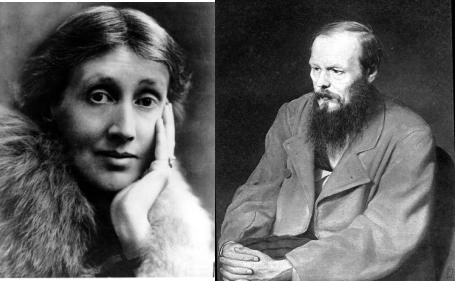
Virginia Woolf Loved Dostoevsky, Oscar Wilde Sometimes Despised Dickens & Other Gossip from The Reading Experience Database

woolf dost

The Read­ing Expe­ri­ence Data­base (RED), host­ed by the Open Uni­ver­si­ty, pro­vides a vast, open-access com­pendi­um of British authors’ read­ing habits from 1450 through 1945. The resource is a con­tin­u­ous­ly updat­ed repos­i­to­ry of lit­er­ary ref­er­ences, com­piled using excerpts of biogra­phies, let­ters, news­pa­pers, mag­a­zines, and oth­er infor­ma­tive texts. Among oth­er things, the data­base pro­vides both a humor­ous and fas­ci­nat­ing look at what var­i­ous authors thought of their peers.

Vir­ginia Woolf, it seems, cham­pi­oned Fyo­dor Dos­to­evsky (“It is direct­ly obvi­ous that he [Dos­to­evsky] is the great­est writer ever born.”), but spurned Hen­ry James (“… we have his works here, and I read, and can’t find any­thing but faint­ly tinged rose water, urbane and sleek, but vul­gar…”). Robert Louis Steven­son, a friend of James’, was too con­flict­ed about some of his writ­ing (“I must break out with the news that I can’t bear the Por­trait of a Lady. I read it all, and I wept, too; but I can’t stand your hav­ing writ­ten it, and I beg you will write no more of the like”). Oscar Wilde, mean­while, char­ac­ter­is­ti­cal­ly con­trar­i­an, despised cer­tain aspects of Dick­ens (“peers were sur­prised to hear him speak dis­parag­ing­ly of Dick­ens, the most pop­u­lar nov­el­ist of the day. While Wilde admired the author’s humor and his gift for car­i­ca­ture he loathed Dick­en­s’s mor­al­iz­ing”).

Don’t see your favorite British author’s delight­ful­ly snarky com­men­tary? Help your fel­low read­er and sub­mit it your­self.

To learn more about the Read­ing Expe­ri­ence Data­base, watch this intro­duc­to­ry video.

Relat­ed Con­tent:

Vir­ginia Woolf Writes About Joyce’s Ulysses, “Nev­er Did Any Book So Bore Me,” and Quits at Page 200

The His­toric Meet­ing Between Dick­ens and Dos­to­evsky Revealed as a Great Lit­er­ary Hoax

Vladimir Nabokov Makes Edi­to­r­i­al Tweaks to Franz Kafka’s Novel­la The Meta­mor­pho­sis

Stephen Fry Reads Oscar Wilde’s Children’s Sto­ry “The Hap­py Prince”

Download a Prototype of Ever, Jane, a Video Game That Takes You Inside the Virtual World of Jane Austen

A few days ago, 3 Turn Pro­duc­tions fin­ished rais­ing $109,563 (from 1,600 back­ers) on Kick­starter to fund the devel­op­ment of “Ever, Jane,” a vir­tu­al game that allows peo­ple to role-play in Regency Peri­od Eng­land. 3 Turn describes the gist of their game as fol­lows:

Sim­i­lar to tra­di­tion­al role play­ing games, we advance our char­ac­ter through expe­ri­ence, but that is where the sim­i­lar­i­ties end. Ever, Jane is about play­ing the actu­al char­ac­ter in the game, build­ing sto­ries. Our quests are derived from play­er’s actions and sto­ries. And we gos­sip rather than swords and mag­ic to demol­ish our ene­mies and aid our friends.

Try to win the sym­pa­thy of Lizzie Ben­net by telling lies about your rival, as Mr. Wick­ham does, but be care­ful. The sys­tem will noti­fy some­one if they are being talked about too often and a good sleuth may find the play­er who is spread­ing such rumors. If you are caught in your lies, the con­se­quences you intend­ed for your tar­get will hit you two-fold.

A descrip­tion is nice, but a demo is even bet­ter. And hap­pi­ly you can down­load a pro­to­type that “pro­vides ful­ly func­tion­al infra­struc­ture for both the gos­sip and the invi­ta­tion sys­tems as well as a 3D vil­lage in which you can walk about, bow­ing and curt­sy­ing to peo­ple appro­pri­ate­ly.” There’s also a tuto­r­i­al that walks you through the basic mechan­ics and UI. (It should be includ­ed in the down­load from this link.) More infor­ma­tion about Ever, Jane can be found on the pro­jec­t’s Kick­starter page.

via Metafil­ter

Relat­ed Con­tent:

As Pride and Prej­u­dice Turns 200, Read Jane Austen’s Man­u­scripts Online

‘Pride and Prej­u­dice’ Author Jane Austen Will Appear on the £10 Note

Jane Austen, Game The­o­rist: UCLA Poli Sci Prof Finds Shrewd Strat­e­gy in “Clue­less­ness”

Long Live Glitch! The Art & Code from the Game Now Released into the Pub­lic Domain

Find Austen’s works in our col­lec­tions of Free eBooks and Free Audio Books

by | Permalink | Make a Comment ( 2 ) |

Susan Sontag’s 50 Favorite Films (and Her Own Cinematic Creations)

Susan Son­tag’s fans would each describe her a lit­tle dif­fer­ent­ly: many would call her a writer, of course, though some would opt for more speci­fici­ty, call­ing her a nov­el­ist if they like her fic­tion or a crit­ic if they don’t. Oth­ers, speak­ing more grand­ly, might pre­fer to sim­ply call her an “intel­lec­tu­al.” Under this wide umbrel­la Son­tag pro­duced a vari­ety of works for the page, the stage, and even the screen. Between 1969 and 1983, she made four films: 1969’s Duett för kan­ni­baler (Duet for Can­ni­bals), 1971’s Broder Carl (Broth­er Carl), 1974’s Promised Lands, and, above, 1983’s Unguid­ed Tour, also known as Let­ter from Venice. Son­tag adapt­ed the Ital­ian-lan­guage fea­ture from her sto­ry of the same name, orig­i­nal­ly pub­lished in 1977 in the New York­erPromised Lands, her only doc­u­men­tary, med­i­tates on Arab-Israeli rela­tions at the end of the Yom Kip­pur War. The Bergmanesque, sym­bol­ism-filled Broth­er Carl takes place, suit­ably, at a Swedish island resort.

And her debut Duet for Can­ni­bals, accord­ing to Dan­ger­ous Minds, embod­ies — or, if you like, cin­e­ma­tizes — her tout­ed dis­taste for the inter­pre­ta­tion of art­works. Son­tag, they say, “sought to lib­er­ate art from inter­pre­ta­tion (which is a bit iron­ic, of course, for some­one who was essen­tial­ly an exalt­ed crit­ic). When it came to her own film, she made some­thing that intend­ed to delib­er­ate­ly con­found the notion that there was any sort of under­ly­ing mean­ing beyond exact­ly what the audi­ence was see­ing on the screen direct­ly in front of them.”

Son­tag’s famous 1966 essay “Against Inter­pre­ta­tion” counts here as essen­tial read­ing, not just before you watch her own films, but also before you watch through her list of favorite films. Richard Brody, post­ing in the New York­er, rec­om­mends accom­pa­ny­ing it with “The Decay of Cin­e­ma,” which Son­tag wrote three decades lat­er in the New York Times, and in which she declares that “you hard­ly find any­more, at least among the young, the dis­tinc­tive cinephilic love of movies that is not sim­ply love of but a cer­tain taste in films (ground­ed in a vast appetite for see­ing and resee­ing as much as pos­si­ble of cinema’s glo­ri­ous past).”

Read­ing over the top fifty films she con­sid­ered the great­est back in 1977 (and pub­lished in her vol­ume of jour­nals As Con­scious­ness is Har­nessed to Flesh), we find plen­ty of evi­dence Son­tag her­self, unsur­pris­ing­ly, had such a cinephilic love of and vast appetite for movies, espe­cial­ly for Euro­pean film­mak­ers but also the best-known Japan­ese ones of the day:

1. Bres­son, Pick­pock­et
2. Kubrick, 2001
3. Vidor, The Big Parade
4. Vis­con­ti, Osses­sione
5. Kuro­sawa, High and Low
6. [Hans-Jür­gen] Syber­berg, Hitler
7. Godard, 2 ou 3 Choses …
8. Rosselli­ni, Louis XIV
9. Renoir, La Règle du Jeu
10. Ozu, Tokyo Sto­ry
11. Drey­er, Gertrud
12. Eisen­stein, Potemkin
13. Von Stern­berg, The Blue Angel
14. Lang, Dr. Mabuse
15. Anto­nioni, L’Eclisse
16. Bres­son, Un Con­damné à Mort
17. Gance, Napoléon
18. Ver­tov, The Man with the [Movie] Cam­era
19. [Louis] Feuil­lade, Judex
20. Anger, Inau­gu­ra­tion of the Plea­sure Dome
21. Godard, Vivre Sa Vie
22. Bel­loc­chio, Pug­ni in Tas­ca
23. [Mar­cel] Carné, Les Enfants du Par­adis
24. Kuro­sawa, The Sev­en Samu­rai
25. [Jacques] Tati, Play­time
26. Truf­faut, L’Enfant Sauvage
27. [Jacques] Riv­ette, L’Amour Fou
28. Eisen­stein, Strike
29. Von Stro­heim, Greed
30. Straub, …Anna Mag­dale­na Bach
31. Taviani bro[ther]s, Padre Padrone
32. Resnais, Muriel
33. [Jacques] Beck­er, Le Trou
34. Cocteau, La Belle et la Bête
35. Bergman, Per­sona
36. [Rain­er Wern­er] Fass­binder, … Petra von Kant
37. Grif­fith, Intol­er­ance
38. Godard, Con­tempt
39. [Chris] Mark­er, La Jetée
40. Con­ner, Cross­roads
41. Fass­binder, Chi­nese Roulette
42. Renoir, La Grande Illu­sion
43. [Max] Ophüls, The Ear­rings of Madame de …
44. [Iosif] Kheifits, The Lady with the Lit­tle Dog
45. Godard, Les Cara­biniers
46. Bres­son, Lancelot du Lac
47. Ford, The Searchers
48. Bertoluc­ci, Pri­ma del­la Riv­o­luzione
49. Pasoli­ni, Teo­re­ma
50. [Leon­tine] Sagan, Mäd­chen in Uni­form

“She was wrong,” Brody writes of Son­tag’s epi­taph for her kind of enthu­si­asm for film. “Cinephil­ia was there, but, for cer­tain prac­ti­cal rea­sons, it was rel­a­tive­ly qui­et. It’s not qui­et any­more, and great, dis­tinc­tive movies were issu­ing from around the world.” As ever, “the nar­ra­tive of nos­tal­gia for a lost gold­en age is real­ly one of the writer’s own nos­tal­gia for youth” — but in her youth as well as after­ward, Son­tag saw some aston­ish­ing movies indeed.

Find a wide range of avant-garde films in our col­lec­tion, 4,000+ Free Movies Online: Great Clas­sics, Indies, Noir, West­erns, Doc­u­men­taries & More.

via The New York­er

Relat­ed Con­tent:

A Young Jean-Luc Godard Picks the 10 Best Amer­i­can Films Ever Made (1963)

Quentin Taran­ti­no Lists the 12 Great­est Films of All Time: From Taxi Dri­ver to The Bad News Bears

Woody Allen Lists the Great­est Films of All Time: Includes Clas­sics by Bergman, Truf­faut & Felli­ni

Mar­tin Scors­ese Reveals His 12 Favorite Movies (and Writes a New Essay on Film Preser­va­tion)

Stan­ley Kubrick’s List of Top 10 Films (The First and Only List He Ever Cre­at­ed)

Col­in Mar­shall hosts and pro­duces Note­book on Cities and Cul­ture and writes essays on cities, Asia, film, lit­er­a­ture, and aes­thet­ics. He’s at work on a book about Los Ange­lesA Los Ange­les Primer. Fol­low him on Twit­ter at @colinmarshall or on his brand new Face­book page.

See the Original Magazine Publication of Heart of Darkness and Other Great Works by Joseph Conrad

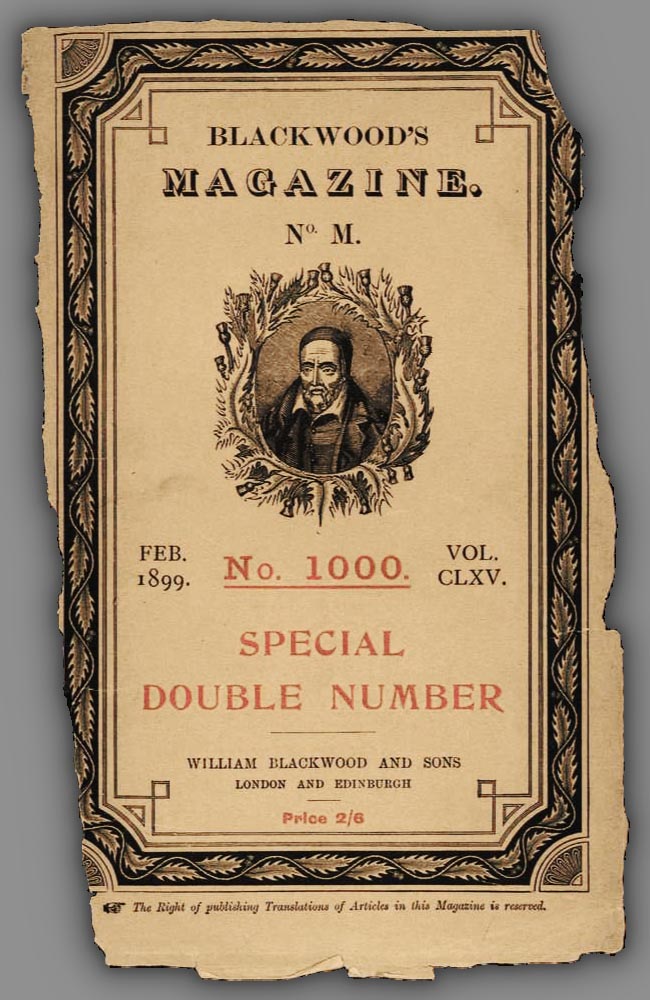
Blackwood's_Magazine_-_1899_cover

Like many oth­er nov­el­ists of his era, Joseph Con­rad began by pub­lish­ing his work in seri­al­ized mag­a­zines. Nov­el seri­al­iza­tion, which had first gained pop­u­lar­i­ty and com­mer­cial appeal with Charles Dick­ens’ Pick­wick Papers in 1836, was com­mon­place through­out the 19th cen­tu­ry. By the time that Con­rad released his first nov­el in 1895, enti­tled Almayer’s Fol­ly, pub­lish­ing seri­ous work with­in the pages of week­ly lit­er­ary peri­od­i­cals had become de rigueur. Indeed, Scribner’s Month­ly mag­a­zine not­ed that it is the “sec­ond and third rate nov­el­ist who could not get pub­lished in a mag­a­zine and is oblig­ed to pub­lish in a vol­ume, and it is in a mag­a­zine that the best nov­el­ists always appear first.” Although Scrib­n­er’s claim doubt­less con­tains an ele­ment of self-pro­mo­tion, one can­not deny that it is pre­cise­ly through seri­al­ized pub­li­ca­tion that Con­rad  joined the ranks of lit­er­ary greats such as Alexan­dre Dumas, Hen­ry James, Gus­tave Flaubert, and Leo Tol­stoy.

Through the web­site Con­rad First: The Joseph Con­rad Peri­od­i­cal Archive, con­tem­po­rary read­ers can enjoy the orig­i­nal, dig­i­tized ver­sions of Conrad’s first edi­tions. The data­base, which holds some 80,000 images and links to over a hun­dred peri­od­i­cals, includes the orig­i­nal releas­es for Conrad’s many nov­els, includ­ing Heart of Dark­ness (1899, Black­wood’s Mag­a­zine), Lord Jim (1899, Black­wood’s Mag­a­zine), Nos­tro­mo (1904, T.P.‘s Week­ly), and The Secret Agent (1906, Ridg­way’s Mag­a­zine), as well as essays, such as Rud­yard Kipling: A Crit­i­cism on His Poems and A pro­pos of Alphonse Daudet. For those more inter­est­ed in house­hold goods of yore than Con­rad’s prose, these pages will also prove enjoy­able; ads for the Har­lene Rem­e­dy for Bald­ness and requests implor­ing read­ers to Employ British Labour abound.

Relat­ed Con­tent:

Alfred Hitch­cock Adapts Joseph Conrad’s Nov­el of Ter­ror­ism in Sab­o­tage (1936)

Lis­ten as Orson Welles Reads ‘The Secret Shar­er,’ by Joseph Con­rad

We Were Wan­der­ers on a Pre­his­toric Earth: A Short Film Inspired by Joseph Con­rad

Neil deGrasse Tyson Talks Asteroid Physics & “Non Newtonian Solids” with Inspiring 9‑Year-Old Student

Just this week, some new test results showed that Amer­i­can teens, com­pared to oth­er stu­dents world­wide, “failed to reach the top 20 in math, sci­ence or read­ing,” accord­ing to The Guardian. After­wards, Arne Dun­can, the U.S. Sec­re­tary of Edu­ca­tion, called the results a “pic­ture of edu­ca­tion­al stag­na­tion.”

The results are deflat­ing. But maybe we should­n’t lose hope, not when we have kids like Jacob com­ing of age, and teach­ers like Neil deGrasse Tyson men­tor­ing him along. Speak­ing last month at Grand Val­ley State Uni­ver­si­ty in Michi­gan, Tyson field­ed a ques­tion — the last ques­tion of the night —  from a nine-year-old ele­men­tary school stu­dent named Jacob. To para­phrase, Jake want­ed to know why we could­n’t shoot a “chunk of ran­dom mate­r­i­al” at a hypo­thet­i­cal aster­oid and stop it from hit­ting earth. This ends up being the first of a two-part ques­tion, which leads Jacob to demon­strate physics con­cepts with his clip­board and debate whether these fly­ing objects share prop­er­ties with “non-New­ton­ian solids.” Yes, I’m feel­ing a lit­tle bet­ter about the Amer­i­can edu­ca­tion­al sys­tem, espe­cial­ly since Jake’s dad con­firms on YouTube that his son attends “great pub­lic schools.”

You can find Neil’s com­plete GVSU talk here.

Relat­ed Con­tent:

Neil deGrasse Tyson Lists 8 (Free) Books Every Intel­li­gent Per­son Should Read

Physics: Free Online Cours­es from Great Uni­ver­si­ties

Christo­pher Hitchens Cre­ates a Read­ing List for Eight-Year-Old Girl

Free Com­ic Books Turns Kids Onto Physics: Start With the Adven­tures of Niko­la Tes­la

200 Free Kids Edu­ca­tion­al Resources: Video Lessons, Apps, Books, Web­sites & More

« Go BackMore in this category... »
Quantcast