The Animated Dostoevsky: Two Finely Crafted Short Films Bring the Russian Novelist’s Work to Life

You can expe­ri­ence Dos­to­evsky in the orig­i­nal. You can expe­ri­ence Dos­to­evsky in trans­la­tion. Or how about an expe­ri­ence of Dos­to­evsky in ani­ma­tion? Today we’ve round­ed up two par­tic­u­lar­ly notable exam­ples of that last, both of which take up their uncon­ven­tion­al project of adap­ta­tion with suit­ably uncon­ven­tion­al ani­ma­tion tech­niques. At the top of the post, we have the first part (and just below we have the sec­ond) of Dos­to­evsky’s sto­ry “The Dream of a Ridicu­lous Man,” re-imag­ined by Russ­ian ani­ma­tor Alexan­der Petrov.

The ani­ma­tion, as Josh Jones wrote here in 2014, “uses painstak­ing­ly hand-paint­ed cells to bring to life the alter­nate world the nar­ra­tor finds him­self nav­i­gat­ing in his dream. From the flick­er­ing lamps against the drea­ry, dark­ened cityscape of the ridicu­lous man’s wak­ing life to the shift­ing, sun­lit sands of the dream­world, each detail of the sto­ry is fine­ly ren­dered with metic­u­lous care.” A haunt­ing visu­al style for this haunt­ing piece of late Dos­to­evsky in full-on exis­ten­tial­ist mode.

Just below, you can see a longer and more ambi­tious adap­ta­tion of one of Dos­to­evsky’s much longer, much more ambi­tious works: Crime and Pun­ish­ment. This half-hour ani­mat­ed ver­sion by Pol­ish film­mak­er Piotr Dumala, Mike Springer wrote here in 2012, gets “told expres­sion­is­ti­cal­ly, with­out dia­logue and with an altered flow of time. The com­plex and mul­ti-lay­ered nov­el is pared down to a few cen­tral char­ac­ters and events,” all of them por­trayed with a form of labor-inten­sive “destruc­tive ani­ma­tion” in which Dumala engraved, paint­ed over, and then re-engraved each frame on plas­ter, a method where “each image exists only long enough to be pho­tographed and then paint­ed over to cre­ate a sense of move­ment.”

If you’d now like to plunge into Dos­to­evsky’s lit­er­ary world and find out if it com­pels you, too, to cre­ate strik­ing­ly uncon­ven­tion­al ani­ma­tions — or any oth­er sort of project inspired by the writer’s epic grap­pling with life’s great­est, most trou­bling themes — you can do it for free with our col­lec­tion of Dos­to­evsky eBooks and audio­books.

Relat­ed Con­tent:

The Dig­i­tal Dos­to­evsky: Down­load Free eBooks & Audio Books of the Russ­ian Novelist’s Major Works

Crime and Pun­ish­ment by Fyo­dor Dos­toyevsky Told in a Beau­ti­ful­ly Ani­mat­ed Film by Piotr Dumala

Watch a Hand-Paint­ed Ani­ma­tion of Dostoevsky’s “The Dream of a Ridicu­lous Man”

Fyo­dor Dos­to­evsky Draws Elab­o­rate Doo­dles In His Man­u­scripts

Dos­to­evsky Draws a Pic­ture of Shake­speare: A New Dis­cov­ery in an Old Man­u­script

Col­in Mar­shall writes on cities, lan­guage, Asia, and men’s style. He’s at work on a book about Los Ange­les, A Los Ange­les Primer, and the video series The City in Cin­e­maFol­low him on Twit­ter at @colinmarshall or on Face­book.

Dramatic Color Footage Shows a Bombed-Out Berlin a Month After Germany’s WWII Defeat (1945)

From Kro­nos Media comes a pret­ty astound­ing mon­tage of video show­ing Berlin in July 1945 — just two months after the Nazis lost The Bat­tle of Berlin and Hitler com­mit­ted sui­cide, and a month after the allies signed the Dec­la­ra­tion Regard­ing the Defeat of Ger­many and the Assump­tion of Supreme Author­i­ty by Allied Pow­ers

The 70-year old footage shows a city in sham­bles. You see the wound­ed, and build­ings reduced to piles of rub­ble. The Reich­stag makes an appear­ance, as does the worn-out Bran­den­burg Gate, through which res­i­dents passed from British-con­trolled Berlin to Sovi­et-con­trolled Berlin. And most­ly you see every­day peo­ple try­ing to get on with their lives. Most chill­ing is the final scene, where an aer­i­al shot car­ries you over miles and miles of des­o­la­tion. To see Berlin dur­ing an ear­li­er, cer­tain­ly hap­pi­er time, vis­it our 2013 post: Berlin Street Scenes Beau­ti­ful­ly Caught on Film Between 1900 and 1914.

via Devour

Relat­ed Con­tent

Watch World War II Rage Across Europe in a 7 Minute Time-Lapse Film: Every Day From 1939 to 1945

The Fin­land Wartime Pho­to Archive: 160,000 Images From World War II Now Online

22-Year-Old P.O.W. Kurt Von­negut Writes Home from World War II: “I’ll Be Damned If It Was Worth It”

Down­load 78 Free Online His­to­ry Cours­es: From Ancient Greece to The Mod­ern World

by | Permalink | Make a Comment ( 2 ) |

R. Crumb Describes How He Dropped LSD in the 60s & Instantly Discovered His Artistic Style

As Nan­cy Rea­gan and my junior high school health teacher will tell you, LSD is ille­gal and ille­gal drugs are bad.

Unlike oth­er drugs, how­ev­er, LSD can blow open — as Aldous Hux­ley described it — the doors of per­cep­tion and remove the fil­ters of con­ven­tion­al thought. It has pushed some of the 20th century’s most cre­ative minds into mak­ing impor­tant cog­ni­tive leaps. Nobel Prize-win­ning sci­en­tist Fran­cis Crick famous­ly first imag­ined DNA’s dou­ble-helix struc­ture after drop­ping acid. Steve Jobs described his first trip as one of the most pro­found expe­ri­ences in his life. And in June 20, 1970, Pirates pitch­er Dock Ellis threw a no-hit­ter (or so the leg­end goes) while trip­ping on a pre­pos­ter­ous­ly large dose of the stuff. Let’s see you do that on meth.

r. crum lsd

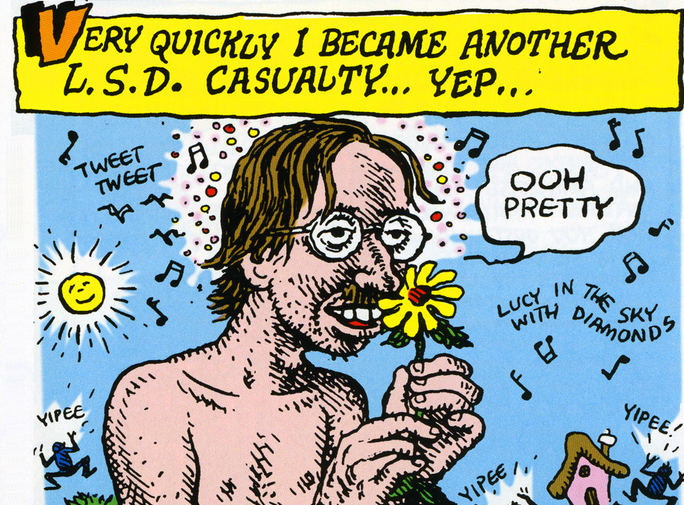
Add to this list of acid acolytes Robert Crumb, the most influ­en­tial car­toon­ist of his gen­er­a­tion. His strange, fre­quent­ly obscene, often hilar­i­ous stream-of-con­scious­ness car­toons defined a cer­tain sub­set of hip­py­dom as much as the Grate­ful Dead and Ken Kesey. And his style emerged almost imme­di­ate­ly after his first trip.

It all start­ed in 1964, when the drug was still legal. Crumb was stuck in a dead end job draw­ing greet­ing cards in Cleve­land. “I took this very weird drug. Sup­pos­ed­ly it was LSD, but it had a real­ly weird effect where it made my brain all fuzzy,” he said while hunched over a draw­ing pad in Ter­ry Twigoff’s 1994 doc­u­men­tary Crumb. (You can watch the full clip above. ) “And this effect last­ed for a cou­ple months.”

The effect of that first encounter proved to be huge­ly influ­en­tial, a “road-to-Dam­as­cus expe­ri­ence” as he told the Paris Review:

It knocked you off your horse, tak­ing LSD. I remem­ber going to work that Mon­day, after tak­ing LSD on Sat­ur­day, and it just seemed like a card­board real­i­ty. It didn’t seem real to me any­more. Seemed com­plete­ly fake, only a paper-moon kind of world. My cowork­ers, they were like, Crumb, what’s the mat­ter with you, what hap­pened to you? Because I was just star­ing at every­thing like I had nev­er seen it before. And then it changed the whole direc­tion of my art­work. […] I got flung back into this crud­er for­ties style, that sud­den­ly became very pow­er­ful to me. It was a kind of grotesque inter­pre­ta­tion of this for­ties thing, Pop­eye kind of stuff. I start­ed draw­ing like that again. It was bizarre to peo­ple who had known my work before. Even [Mad Mag­a­zine Edi­tor Har­vey] Kurtz­man said, What the hell are you doing? You’re regress­ing!

A cou­ple of years lat­er, Crumb ditched Cleve­land (and his first wife) and head­ed for San Fran­cis­co, which was just start­ing to become the Mec­ca of the coun­ter­cul­ture. Soon issues of his Zap Comix would be blow­ing minds. All of his most famous char­ac­ters from those car­toons– from Mr. Nat­ur­al to Fritz the Cat to the Snoid – were first pro­duced in the months imme­di­ate­ly fol­low­ing that first trip.

But remem­ber, drugs are bad. And we don’t rec­om­mend them. And if you’re won­der­ing about LSD’s down­sides, tune into what Louis CK has to say.

You can see hear Crumb expound more about LSD, San Fran­cis­co and the whole Haight-Ash­bury scene below.

Relat­ed Con­tent:

Beyond Tim­o­thy Leary: 2002 Film Revis­its His­to­ry of LSD

Artist Draws Nine Por­traits on LSD Dur­ing 1950s Research Exper­i­ment

Watch The Bicy­cle Trip: An Ani­ma­tion of The World’s First LSD Trip in 1943

Beyond Tim­o­thy Leary: 2002 Film Revis­its His­to­ry of LSD

Jonathan Crow is a Los Ange­les-based writer and film­mak­er whose work has appeared in Yahoo!, The Hol­ly­wood Reporter, and oth­er pub­li­ca­tions. You can fol­low him at @jonccrow. And check out his blog Veep­to­pus, fea­tur­ing lots of pic­tures of bad­gers and even more pic­tures of vice pres­i­dents with octo­pus­es on their heads.  The Veep­to­pus store is here.

Benedict Cumberbatch Reads a Letter Alan Turing Wrote in “Distress” Before His Conviction For “Gross Indecency”

A pio­neer of com­put­er sci­ence, Alan Tur­ing’s name comes up in near­ly every con­ver­sa­tion about arti­fi­cial intel­li­gence. His “Tur­ing Test” pur­ports to indi­cate whether and when a machine has acquired intel­li­gence and abil­i­ty indis­tin­guish­able from that of a human, and his work with the Bletch­ley Park cryp­tog­ra­phy group dur­ing WWII helped the British break the Enig­ma code used by the Nazis. Those who came to learn about Tur­ing from the recent biopic The Imi­ta­tion Game, with Bene­dict Cum­ber­batch star­ring as the tor­ment­ed math­e­mati­cian, know this part of his life in par­tic­u­lar, as well as the part of his life that trag­i­cal­ly led to his ear­ly death at age 41.

Tur­ing was gay, but forced to hide it because of British law. In 1952, he was con­vict­ed of “gross inde­cen­cy” for his rela­tion­ship with anoth­er man. Before plead­ing guilty to the sup­posed offence, Tur­ing wrote the let­ter below to his col­league and friend Nor­man Rout­ledge.

Employ­ing a dark sense of humor and sign­ing off “Yours in dis­tress,” he gives every indi­ca­tion that he is fear­ful not only for him­self, but for the fate of his work. Just above, see Bene­dict Cum­ber­bach read the let­ter, which begins with a para­graph of small talk from an obvi­ous­ly ongo­ing con­ver­sa­tion then abrupt­ly turns to the trou­ble at hand.

My dear Nor­man,

I don’t think I real­ly do know much about jobs, except the one I had dur­ing the war, and that cer­tain­ly did not involve any trav­el­ling. I think they do take on con­scripts. It cer­tain­ly involved a good deal of hard think­ing, but whether you’d be inter­est­ed I don’t know. Philip Hall was in the same rack­et and on the whole, I should say, he did­n’t care for it. How­ev­er I am not at present in a state in which I am able to con­cen­trate well, for rea­sons explained in the next para­graph.

I’ve now got myself into the kind of trou­ble that I have always con­sid­ered to be quite a pos­si­bil­i­ty for me, though I have usu­al­ly rat­ed it at about 10:1 against. I shall short­ly be plead­ing guilty to a charge of sex­u­al offences with a young man. The sto­ry of how it all came to be found out is a long and fas­ci­nat­ing one, which I shall have to make into a short sto­ry one day, but haven’t the time to tell you now. No doubt I shall emerge from it all a dif­fer­ent man, but quite who I’ve not found out.

Glad you enjoyed broad­cast. Jef­fer­son cer­tain­ly was rather dis­ap­point­ing though. I’m afraid that the fol­low­ing syl­lo­gism may be used by some in the future.

Tur­ing believes machines think
Tur­ing lies with men
There­fore machines do not think

Yours in dis­tress,

Alan

Tur­ing had long wres­tled with his sex­u­al­i­ty, but had also long come to terms with it at the time of the let­ter. As the Cum­ber­batch-star­ring film dra­ma­tizes (with some license), over ten years ear­li­er, dur­ing the war, he had attempt­ed to mar­ry the only female mem­ber of the main Bletch­ley group, Joan Clarke, then con­fid­ed his sex­u­al­i­ty to her.

Clarke was most­ly non­plussed and Tur­ing broke off the engage­ment. You can get much more insight about Turing’s strug­gle, and what he was actu­al­ly like, from two of the women who worked with him, includ­ing Clarke her­self in an inter­view above. Below, anoth­er of the Bletch­ley team—one of the thou­sands of “Bletchleyettes”—named Olive Bai­ly dis­cuss­es her impres­sions of Tur­ing. To learn much more about his life, watch The Strange Life and Death of Dr. Tur­ing, in two parts on Youtube.

via Let­ters of Note

Relat­ed Con­tent:

Alan Tur­ing, Bril­liant Math­e­mati­cian and Code Break­er, Will Be Final­ly Par­doned by British Gov­ern­ment

The Enig­ma Machine: How Alan Tur­ing Helped Break the Unbreak­able Nazi Code

Watch Break­ing the Code, About the Life & Times of Alan Tur­ing (1996)

Josh Jones is a writer and musi­cian based in Durham, NC. Fol­low him at @jdmagness

Making Turkish Sand Coffee: Culinary Alchemy on the Streets of Jordan

There’s a lit­tle culi­nary alche­my hap­pen­ing in this video shot in Aqa­ba, Jor­dan. It involves cof­fee and sand. And â€śBroth­er Gantry” on Red­dit has it all fig­ured out. He explains:

He’s brew­ing cof­fee using tech­niques tra­di­tion­al­ly used to make Turk­ish Cof­fee...

Fill­ing each of those ves­sels (called a cezve) part­way is water, very fine­ly ground cof­fee, and pos­si­bly sug­ar. Because this is hap­pen­ing in Jor­dan there might also be a lit­tle car­da­mon in there and/or no sug­ar.

Nor­mal­ly to make prop­er Turk­ish cof­fee you heat it to a point where it just begins to bub­ble, but under a rolling boil, so it begins to foam up into the neck of the cezve before reduc­ing the heat and allow­ing the foam to die, repeat­ing the process 3 or 4 times before the mix­ture is poured into small cups (fin­can) and you’re left with a won­der­ful­ly strong, thick cof­fee with sus­pend­ed grounds which quick­ly set­tle to the bot­tom. Sand over a flame tra­di­tion­al­ly used in the process as a sort of “adjustable dou­ble boil­er” cups left on the sur­face stay warm and the heat used for brew­ing can be adjust­ed by the depth of the cezve in the sand with­out hav­ing to wor­ry about the tem­per­a­ture of the heat source itself.

The guy in this video seems to be mod­i­fy­ing a lot of the steps to make some­thing like a “reg­u­lar strength” cof­fee more the­atri­cal­ly using tra­di­tion­al equip­ment (e.g. he starts with much less ground cof­fee in the pot, judg­ing from the col­or to begin with, over­fill­ing it, not tak­ing time to let the foam die down but pour­ing out some the brew­ing cof­fee into a cup to reduce the lev­el, and pour­ing the results of a cezve made for sev­er­al cups into a nor­mal sized cof­fee cup instead).

Find more infor­ma­tion on mak­ing Turk­ish Sand Cof­fee at Secret Cof­fee Drinks.

via Digg

Fol­low us on Face­book, Twit­ter, Google Plus and LinkedIn and  share intel­li­gent media with your friends. Or bet­ter yet, sign up for our dai­ly email and get a dai­ly dose of Open Cul­ture in your inbox.

Relat­ed Con­tent:

Hon­oré de Balzac Writes About “The Plea­sures and Pains of Cof­fee,” and His Epic Cof­fee Addic­tion

Philoso­phers Drink­ing Cof­fee: The Exces­sive Habits of Kant, Voltaire & Kierkegaard

“The Vertue of the COFFEE Drink”: An Ad for London’s First Cafe Print­ed Cir­ca 1652

by | Permalink | Make a Comment ( 5 ) |

An Animated Louis CK on How the Colonists Came to America and Screwed It All Up (NSFW)

I sus­pect par­ents of school-aged chil­dren will find much to relate to in the Lord’s frus­tra­tion with mankind, above, whether or not they’re prone to vent­ing in come­di­an Louis CK’s patent­ed NSFW lan­guage.

Who among us has not turned our back for a few moments, only to dis­cov­er upon our return the house in sham­bles, the nutri­tious snack we set out passed over in favor of junk.

(“Just eat the shit on the floor! I left shit all over the floor! Fuckin’ corn and wheat and shit, grind it up and make some bread—what are you doing!?”)

It’s no won­der ani­ma­tors are drawn to CK. His dis­tinc­tive voice and impec­ca­ble tim­ing have earned him a star­ring role as a talk­ing dog in a CGI fea­ture to be released in 2016. Pri­or to strik­ing it big with the series Louie, he was a fre­quent vis­i­tor on “Dr” Jonathan Katz’s couch. His over-the-top standup spiels pro­vide the unau­tho­rized flash ani­ma­tor with an embar­rass­ment of rich­es.

Cana­di­an film stu­dent John Roney, whose YouTube chan­nel boasts spoofs of Game of Thrones and the Mag­ic School­bus, keeps his visu­als under­stat­ed, min­ing CK’s 2011 per­for­mance at New York City’s Bea­con The­ater for the 2‑dimensional realm.

It could have been so much gross­er.

Turn down the sound and Roney’s adap­ta­tion could be high qual­i­ty children’s pro­gram­ming, the kind most of us god­like par­ents even­tu­al­ly accept as a nec­es­sary evil. Well, maybe not the part where those Aztec kids bowl Louis’ head down the pyra­mids (right above)…though they, like Roney’s oth­er mild­ly observed human and ani­mal char­ac­ters, add to the fun­ny. Here’s the orig­i­nal clip from the Bea­con The­ater show:

Relat­ed Con­tent:

The Sur­re­al Short Films of Louis C.K., 1993–1999

Louis CK Crash­es Zach Gal­i­fi­anakis & Brad Pitt’s Very Awk­ward Inter­view

Jer­ry Sein­feld and Louis CK in Small Cars and Big Yachts, Get­ting Cof­fee

Ayun Hal­l­i­day is an author, home­school­er, and Chief Pri­ma­tol­o­gist of the East Vil­lage Inky zine. Fol­low her @AyunHalliday

How to Live a Good Life? Watch Philosophy Animations Narrated by Stephen Fry on Aristotle, Ayn Rand, Max Weber & More

We recent­ly fea­tured a series of ani­ma­tions from BBC Radio 4 script­ed by philoso­pher Nigel War­bur­ton, nar­rat­ed by writer, per­former, and all-around wit Stephen Fry, and deal­ing with a big ques­tion: what is the self? Those four short videos called upon the ideas of thinkers as var­i­ous as Sartre, Descartes, and Shake­speare. This new fol­low-up draws from the intel­lec­tu­al wells dug by the likes of Aris­to­tle, Max Weber, Ayn Rand, and the Bud­dha to address a still big, some­what less abstract, but a per­haps even more impor­tant prob­lem: how do I live a good life?

Rand, as her many detrac­tors nev­er hes­i­tate to put it, thought the answer lay in fol­low­ing the high­est man­date, our own self­ish­ness. Bud­dhism, for its part, puts its stock into four noble truths: the inescapa­bil­i­ty of suf­fer­ing, the ori­gin of that suf­fer­ing in our own minds, the pos­si­bil­i­ty of chang­ing our lives if we stop crav­ing so many things, and the use­ful­ness of the Bud­dhist “eight­fold path” in doing so. Max Weber argued that the “Protes­tant eth­ic,” as defined by Calvin­ism, made cap­i­tal­ism itself into the big deal it has become today. And Aris­to­tle rec­om­mend­ed liv­ing vir­tu­ous­ly as a means of attain­ing eudai­mo­nia, or flour­ish­ing.

Alas, for all the impor­tant work done by these and oth­er thinkers, the attain­ment of a good life can remain pret­ty elu­sive for us mod­ern folk. Maybe we can do no bet­ter than learn­ing what our pre­de­ces­sors have thought and said on the sub­ject as best we can, and decid­ing for our­selves from there. But for­tu­nate­ly for us mod­ern folk, we have videos like these at our fin­ger­tips which make it not just quick and easy to take a first step toward that state, but which get us laugh­ing along the way. As with the rest of these series of ani­ma­tions on life’s big ques­tions, the best jokes appear sub­tly, so you’ve got to stay atten­tive â€” sure­ly one of the more impor­tant virtues any­one, ancient or mod­ern, can cul­ti­vate.

Relat­ed Con­tent:

140 Free Online Phi­los­o­phy Cours­es

What is the Self? Watch Phi­los­o­phy Ani­ma­tions Nar­rat­ed by Stephen Fry on Sartre, Descartes & More

How Can I Know Right From Wrong? Watch Phi­los­o­phy Ani­ma­tions on Ethics Nar­rat­ed by Har­ry Shear­er

Learn Right From Wrong with Oxford’s Free Course A Romp Through Ethics for Com­plete Begin­ners

How Did Every­thing Begin?: Ani­ma­tions on the Ori­gins of the Uni­verse Nar­rat­ed by X‑Files Star Gillian Ander­son

What Makes Us Human?: Chom­sky, Locke & Marx Intro­duced by New Ani­mat­ed Videos from the BBC

Col­in Mar­shall writes on cities, lan­guage, Asia, and men’s style. He’s at work on a book about Los Ange­les, A Los Ange­les Primer, and the video series The City in Cin­e­maFol­low him on Twit­ter at @colinmarshall or on Face­book.

96 Drawings of David Bowie by the “World’s Best Comic Artists”: Michel Gondry, Kate Beaton & More

Pope Bowie

There is a David Bowie for every sea­son. A Christ­mas David Bowie, a Hal­loween David Bowie, even a David Bowie East­er cel­e­bra­tion. But much more than that, there may be a David Bowie for every Bowie fan, espe­cial­ly for artists influ­enced by his chameleon­ic career. See for your­self how a whop­ping 96 Bowie-lov­ing artists—in this case main­ly what Bowie him­self calls the “World’s Best Com­ic Artists”—see the changling rock star/actor/space alien.

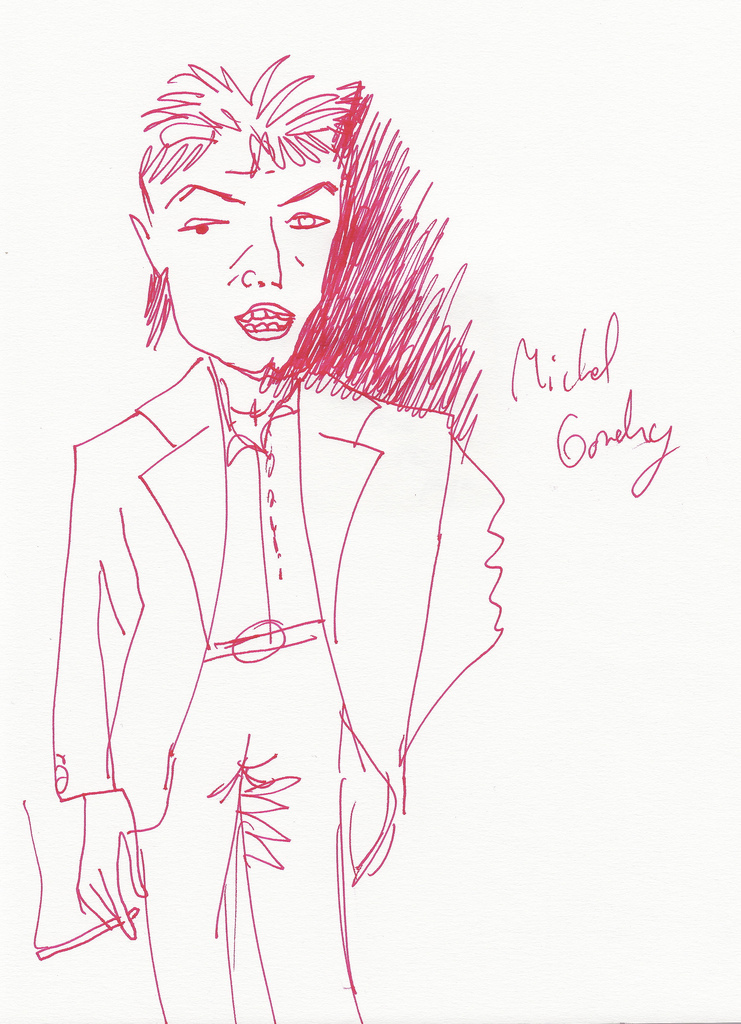
Gondry Bowie

“See my life in a com­ic… The lit­tle details in colour,” writes Bowie on his site of a web gallery of por­traits com­piled by “com­ic artist, writer and crit­ic, not to men­tion huge Bowie fan, Sean T. Collins.” It’s called The Thin White Sketch­book—a clever title that alludes to just one of the myr­i­ad Bowie per­son­ae rep­re­sent­ed in the size­able col­lec­tion of 96 draw­ings (see a nos­tal­gic one by pro­lif­ic illus­tra­tor Paul Pope at the top—the book’s first sketch).

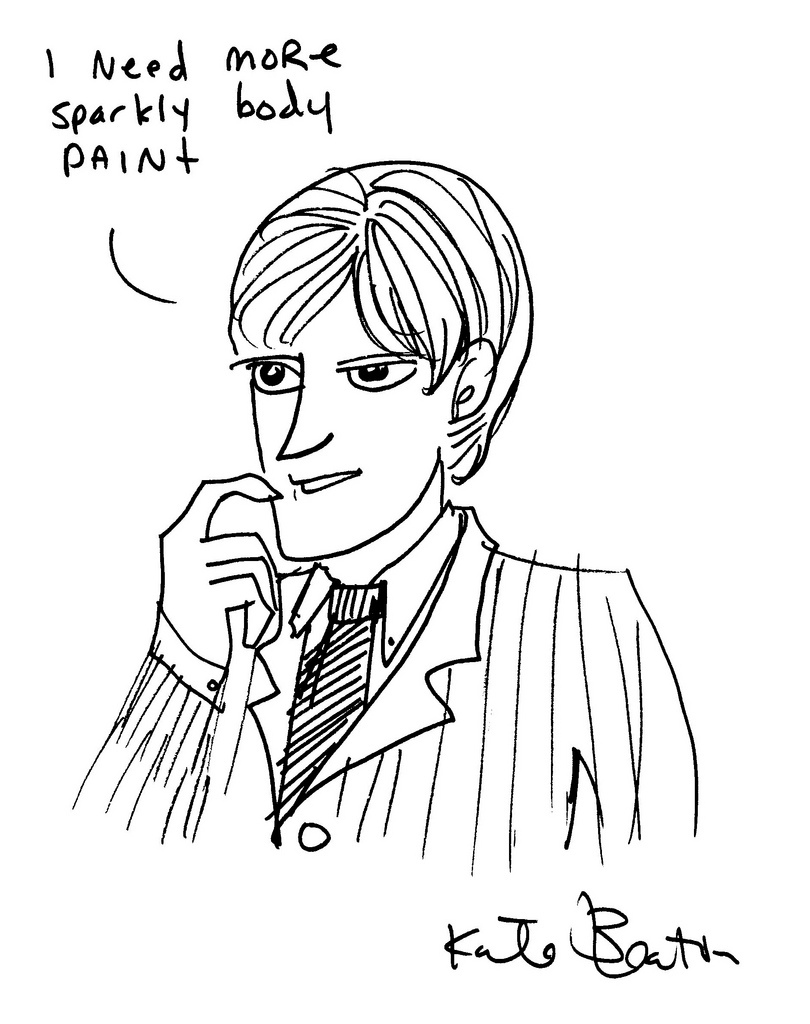
Collins’ impres­sive col­lec­tion includes work from Michel Gondry (Eter­nal Sun­shine of the Spot­less Mind), whose con­tri­bu­tion the edi­tor calls “pret­ty god­damn won­der­ful if you ask me.” See it above. And below, Kate Beat­on, cre­ator of web com­ic Hark, A Vagrant, gives us Bowie as a dandy, a char­ac­ter with whom, writes Collins, she has a “rich his­to­ry.”

Beaton-Bowie

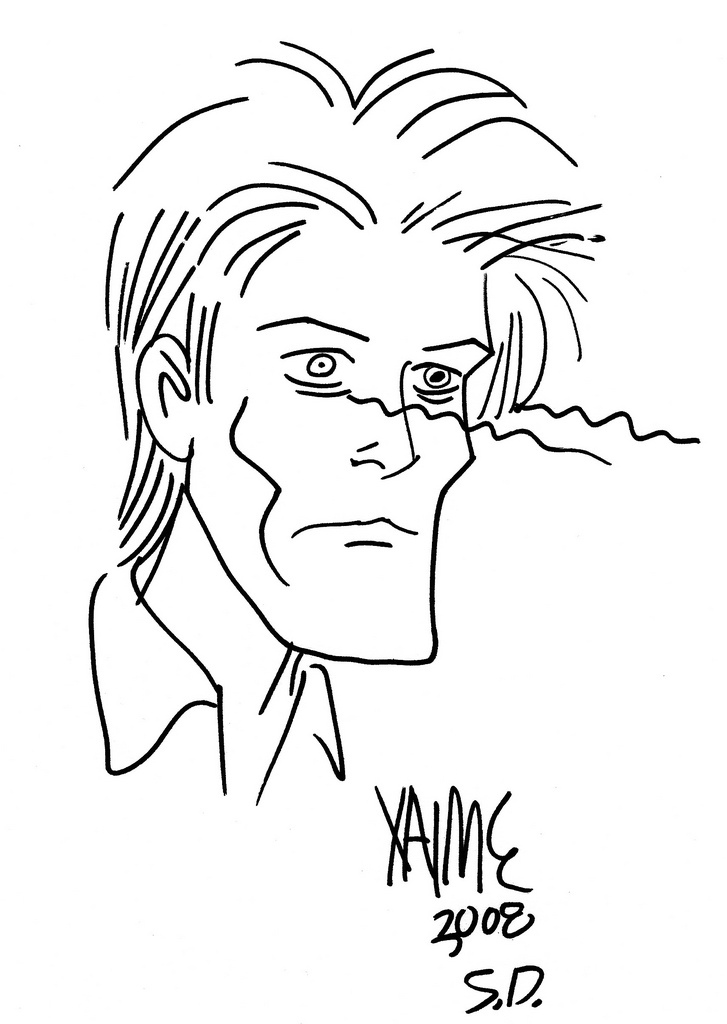
Collins offers brief com­men­tary beneath each image in the col­lec­tion, which also gives us the strange inter­pre­ta­tion below by Bowie-inspired under­ground comics leg­end Charles Burns; the intense and Archie-esque con­tri­bu­tions fur­ther down by Broth­ers Jaime and Gilbert Her­nan­dez, cre­ators of the 80s New Wave clas­sic com­ic Love and Rock­ets; and the out­er space-pro­por­tioned Bowie at the bot­tom of the post, from vocal­ist Tunde Ade­bimpe of TV on the Radio, a band that has both cov­ered and record­ed with Bowie.

Burns Bowie

Hernandez Bowie

Hernandez 2 Bowie

Tunde Bowie

View the full set of Bowie draw­ings, no two remote­ly the same, at The Thin White Sketch­book’s Flickr page.

via Buz­zfeed.

Relat­ed Con­tent:

50 Years of Chang­ing David Bowie Hair Styles in One Ani­mat­ed GIF

David Bowie Releas­es Vin­tage Videos of His Great­est Hits from the 1970s and 1980s

David Gilmour & David Bowie Sing “Com­fort­ably Numb” Live (2006)

Josh Jones is a writer and musi­cian based in Durham, NC. Fol­low him at @jdmagness

« Go BackMore in this category... »
Quantcast