Watch the Never-Aired Pilot for Clerks, the Sitcom Based on Kevin Smith’s 1994 Film

Kevin Smith’s 1994 debut Clerks did much to define the low-bud­get, high-pro­file “Indiewood” boom of that era. But set a trend on Amer­i­ca’s cul­tur­al fringe, and it nev­er takes long for the main­stream to come call­ing. In this case, the main­stream want­ed to cash in on a Clerks tele­vi­sion sit­com, the only pro­duced episode of which spent the past cou­ple decades lan­guish­ing in the vast grave­yard of pilots no net­work would pick up before its redis­cov­ery just this year. You can watch it in all its san­i­tized glo­ry just above.

Even though those of us who grew up on the mid-1990s tele­vi­su­al land­scape won’t rec­og­nize the nev­er-aired Clerks itself, we’ll rec­og­nize its sen­si­bil­i­ty right away. â€śIt gives me bad flash­backs to the pre-web mono­cul­ture,” writes one com­menter on the Metafil­ter thread about the show â€” a mono­cul­ture built, at that time, upon one-lin­ers and their cor­re­spond­ing laugh tracks, flop­py hair and bag­gy clothes. Iron­i­cal­ly, it was that very same dom­i­nant glossy bland­ness that made Clerks, the movie, feel so fresh when it first made its way from fes­ti­val to the­atri­cal release.

Still, this failed TV adap­ta­tion does retain a few ele­ments of its source mate­r­i­al: the con­ve­nience-store set­ting (though here called Rose Mar­ket rather than Quick Stop), the main char­ac­ters named Dante and Ran­dal. But the resem­blance more or less stops there. “Gone are the movie’s icon­ic drug deal­ers Jay and Silent Bob,” writes the A.V. Club’s Christo­pher Cur­ley, “replaced by back­up char­ac­ters includ­ing an ice cream serv­er and a tan­ning salon ditz. Some of the beats of the film are still there, like Ran­dal harass­ing his video store cus­tomers, but noth­ing lands or even remote­ly coheres.”

Kevin Smith made Clerks with $27,575. Clerks the sit­com pilot, made entire­ly with­out Smith’s involve­ment, cer­tain­ly cost much more — mon­ey that bought zero cul­tur­al impact, espe­cial­ly by com­par­i­son to the film that inspired it. The Indiewood move­ment showed us how much untapped vital­i­ty Amer­i­can cin­e­ma still had; almost every­thing on tele­vi­sion looked like life­less pro­duc­tions-by-com­mit­tee by com­par­i­son. But now that Clerks has passed its twen­ti­eth anniver­sary, the tables have turned, and we look to tele­vi­sion for the raw, real sto­ries Hol­ly­wood does­n’t tell. The tra­vails of a cou­ple of young sex- and Star Wars-obsessed dead-enders in grim sub­ur­ban New Jer­sey, shot in black-and-white 16-mil­lime­ter film — would CBS care to hear more?

via Metafil­ter/AV Club

Relat­ed Con­tent:

Watch the Hard­core Orig­i­nal End­ing to Kevin Smith’s 1994 Cult Hit Clerks

Watch Kevin Smith’s Clever First Film, Mae Day: The Crum­bling of a Doc­u­men­tary (1992)

The Always-NSFW Kevin Smith and Jason Mewes Catch Up in Jay and Silent Bob Get Old Pod­cast

Hear Kevin Smith’s Three Tips For Aspir­ing Film­mak­ers (NSFW)

Col­in Mar­shall writes on cities, lan­guage, Asia, and men’s style. He’s at work on a book about Los Ange­les, A Los Ange­les Primer, and the video series The City in Cin­e­ma. Fol­low him on Twit­ter at @colinmarshall or on Face­book.

Ernest Hemingway & His Sister Dressed as Twin Girls Shown in Newly Digitized Scrapbooks From Hemingway’s Youth

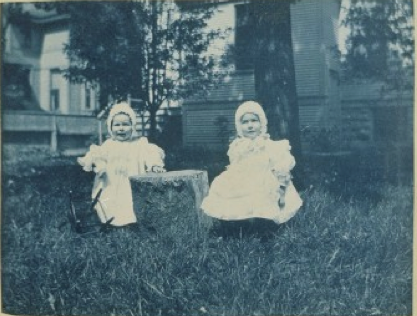
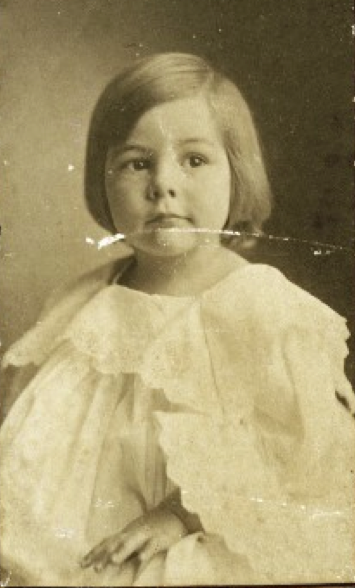
Hemingway Toddler

It may be true that spec­u­la­tion about an author’s per­son­al his­to­ry can prove not espe­cial­ly illu­mi­nat­ing to read­ing their books. We gen­er­al­ly think it best to read a lit­er­ary work on its own terms. But in cer­tain cas­es, as in the well-worn case of Ernest Hem­ing­way, the par­al­lels between life and work are impos­si­ble to ignore or to pass over with­out com­ment, and, for many crit­ics, this goes par­tic­u­lar­ly for dis­cus­sions about Hem­ing­way’s gen­der and sex­u­al­i­ty. Even Hem­ing­way’s con­tem­po­raries had their com­men­tary. Zel­da Fitzger­ald sup­pos­ed­ly remarked that no one could be as mas­cu­line as Hem­ing­way, for exam­ple, and Vir­ginia Woolf referred to him as “self con­scious­ly vir­ile.” Themes of homo­sex­u­al­i­ty and gen­der anx­i­ety crop up in Hem­ing­way’s fic­tion, and more promi­nent­ly in unpub­lished work unearthed in the 1980s.

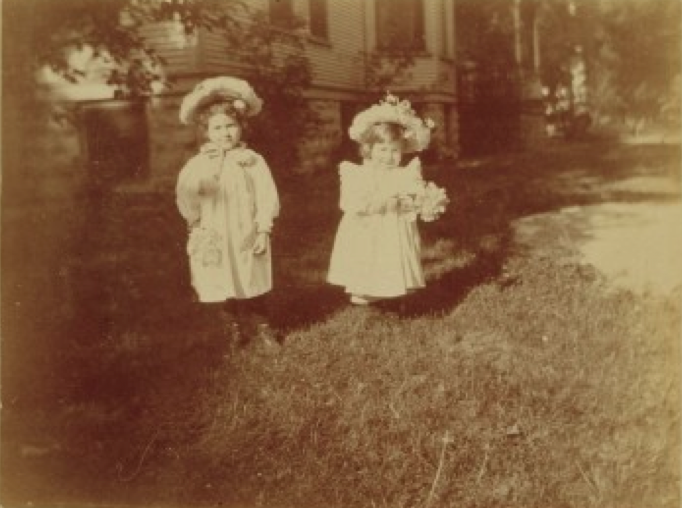
Hemingway Marcelline 1

For crit­ics like Debra Mod­del­mog, author of Read­ing Desire: In Pur­suit if Ernest Hem­ing­way, the bio­graph­i­cal inter­est begins with the hyper-macho mod­ernist’s ear­ly child­hood, dur­ing which his moth­er Grace raised him and his old­er sis­ter Mar­celline as twin girls, dress­ing them alike “in fan­cy dress­es and flow­ered hats.” This appar­ent­ly hap­pened over a peri­od of sev­er­al years, until Hem­ing­way was at least five years old, and Grace even held Mar­celline back a year so that the two could attend the same grade. Though one of Hem­ing­way’s younger sis­ters, Sun­ny, has “denied that the twin­ning ever took place” the evi­dence seems to show otherwise—in Mar­celline’s rem­i­nisces and in pho­to­graph after pho­to­graph of young Ernest and Mar­celline dressed exact­ly alike and hav­ing tea par­ties, rid­ing in wag­ons, and hold­ing bou­quets. You can see them in 1901, in bon­nets above and flow­ered hats below.

Hemingway Marcelline 2

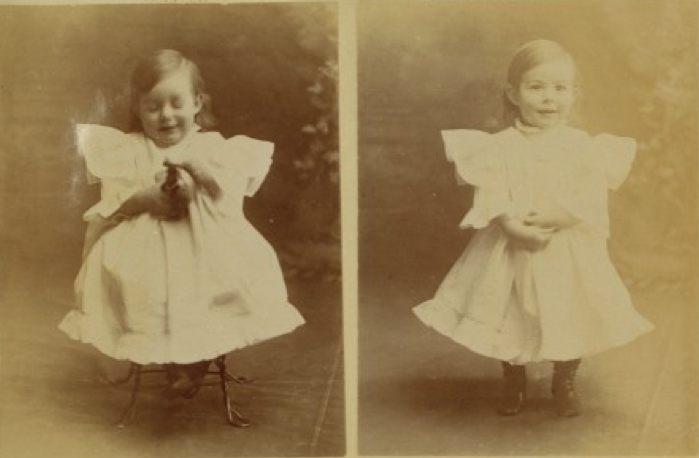
At the top of the post, see Hem­ing­way in a girl­ish hair­cut iden­ti­cal to his sis­ter’s, and below, see two pho­tographs of him in a wide-shoul­dered dress. At the JFK Library web­site (click here and scroll to bot­tom), you can now view many more of these pho­tographs from Hem­ing­way’s first few years on up to the age of 18. The dig­i­tized col­lec­tion of six child­hood scrap­books, the library writes, were “col­lect­ed by Ernest Hem­ing­way him­self and donat­ed to the John F. Kennedy Library by his wid­ow, Mary Hem­ing­way.” Many of the child­hood pho­tographs are fas­ci­nat­ing for var­i­ous rea­sons, though the “twin­ning” pho­tographs have pro­voked the most inter­est and con­tributed to already rich the­o­ries of Hem­ing­way’s iden­ti­ty as a per­son and an artist.

Hemingway Dress

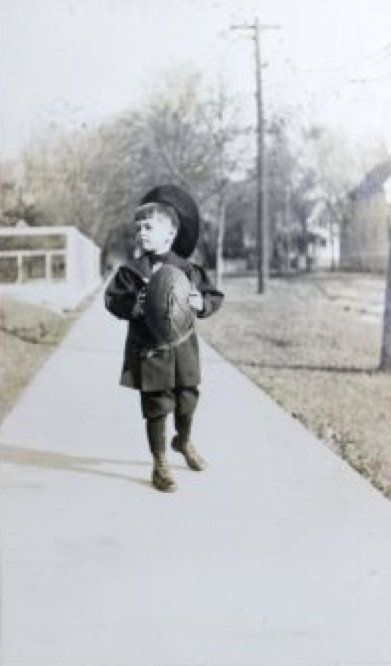
Looked at in the con­text of the time, these pho­tographs don’t seem all that odd. As any­one who has flipped through fam­i­ly albums from the turn of the cen­tu­ry (should they have them) will have noticed, lit­tle boys were rou­tine­ly dressed in ambigu­ous­ly girl­ish attire, their long hair often styled and curled. The fash­ion derived part­ly from a huge­ly pop­u­lar char­ac­ter in chil­dren’s fic­tion named “Lit­tle Lord Fauntleroy,” the Har­ry Pot­ter of his day, who had a rags-to-rich­es sto­ry that cap­ti­vat­ed Amer­i­can read­ers espe­cial­ly. The char­ac­ter has been the sub­ject of film adap­ta­tions even as late as 1980, in which he was played by a young Ricky Schroed­er. Fauntleroy had some influ­ence on Grace Hem­ing­way. (See Hem­ing­way in a Lord Fauntleroy suit, with foot­ball, in a 1909 pho­to­graph below.)

Hemingway Fauntleroy

Fauntleroy and oth­er sim­i­lar char­ac­ters’ mod­el of “gen­teel man­hood” gained wide­spread cur­ren­cy. Frances Hodg­son Bur­net­t’s Vic­to­ri­an nov­els fea­tur­ing this char­ac­ter came at a time when child­hood was viewed through a much dif­fer­ent lens than it is today. (As we’ve seen in the pho­tog­ra­phy of Lewis Car­roll and many oth­er artists of the time in which chil­dren appear as props and dolls, some­times in strange­ly sug­ges­tive or androg­y­nous pos­es that would not have seemed espe­cial­ly pruri­ent or gen­der-bend­ing to their orig­i­nal view­ers.) The trend con­tin­ued into the ear­ly twen­ti­eth cen­tu­ry. Nonethe­less, despite less rigid child­hood gen­der norms, as Hem­ing­way biog­ra­ph­er Ken­neth Schuyler Lynn writes, Grace Hem­ing­way’s “elab­o­rate pre­tense that lit­tle Ernest and his sis­ter were twins of the same sex” was very unusu­al. Crit­ics like Mod­del­mog and Mark Spilka have argued con­vinc­ing­ly that Hem­ing­way “rebelled against that iden­ti­ty,” a rebel­lion that “last­ed a life­time.”

Relat­ed Con­tent:

18 (Free) Books Ernest Hem­ing­way Wished He Could Read Again for the First Time

Down­load 55 Free Online Lit­er­a­ture Cours­es: From Dante and Mil­ton to Ker­ouac and Tolkien

Ernest Hemingway’s Delu­sion­al Adven­tures in Box­ing: “My Writ­ing is Noth­ing, My Box­ing is Every­thing.”

Lewis Carroll’s Pho­tographs of Alice Lid­dell, the Inspi­ra­tion for Alice in Won­der­land

Josh Jones is a writer and musi­cian based in Durham, NC. Fol­low him at @jdmagness

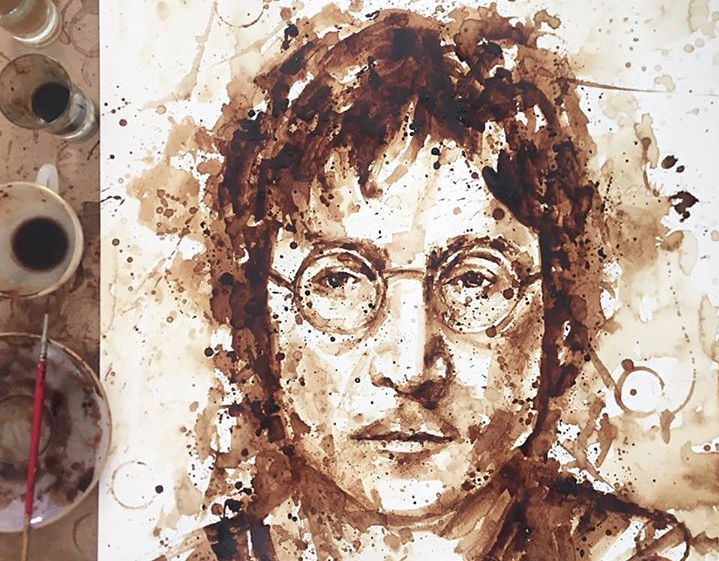
Coffee Portraits of John Lennon, Albert Einstein, Marilyn Monroe & Other Icons

Coffee Lennon

Paint­ings by Maria A. Aris­ti­dou

As philoso­pher Mar­shall McLuhan wrote in Under­stand­ing Media, “the medi­um is the mes­sage.”

Artist Maria A. Aris­ti­dou’s medi­um is cof­fee, and late­ly, she’s been gar­ner­ing a lot of atten­tion for java-based por­traits of such cul­tur­al lumi­nar­ies as Ein­stein, Darth Vad­er and The Bea­t­les.

The pro­lif­ic and high­ly-caf­feinat­ed artist found her niche when an acci­den­tal spill gave rise to a some­what sullen fac­sim­i­le of Vermeer’s Girl with a Pearl Ear­ring.

Girl-with-Pearl-Earring

She has since applied her espres­so blends toward the Mona Lisa and one of Baroque era painter Juan de Arel­lano’s flo­ral still lifes, but for the most part, she draws her sub­jects from the realm of pop cul­ture.

Dorm room faves like Mar­i­lyn Mon­roe, Bob Mar­ley, and John Lennon are over­shad­owed by fic­tion­al super­stars like Frozen’s Queen Elsa, Nintendo’s Mario, and var­i­ous per­son­ages from Game of Thrones.

My favorite? Kyle MacLach­lan as Twin Peaks’ Agent Dale “Damn fine cup of cof­fee, Diane!” Coop­er. That’s not just medi­um. That’s meta!

Aris­ti­dou is not the only artist find­ing inspi­ra­tion in this non-tra­di­tion­al pig­ment. A recent NPR sto­ry on the trend cites cof­fee artists Angel Sarkela-Saur and Andy Saur and Giu­lia Bernardel­li.

Scroll back­wards to the mid-1800s and you’ll find author—and gift­ed drafts­man—Vic­tor Hugo exper­i­ment­ing with the stuff. Nor was his promis­cu­ous nib a stranger to the artis­tic pos­si­bil­i­ties of soot, coal dust, and blood.

Aris­ti­dou, who holds degrees in Fine Art Print­mak­ing and Arts Health, eschews the tra­di­tion­al artist’s web­site in favor of social media. Not only is she a mas­ter of the hash­tag, she also designs cakes. View her com­plete oeuvre—including sev­er­al car­tons of cor­po­rate logo East­er eggs and some recent fash­ion illus­tra­tions that com­bine water­col­or with java—on her Face­book or Insta­gram pages.

Above you can watch Aris­ti­dou paint por­traits of Ein­stein, the Bea­t­les and R2D2 in quick time-lapse motion.

Relat­ed Con­tent:

Vic­tor Hugo’s Sur­pris­ing­ly Mod­ern Draw­ings Made with Coal, Dust & Cof­fee (1848–1851)

J.S. Bach’s Com­ic Opera, “The Cof­fee Can­ta­ta,” Sings the Prais­es of the Great Stim­u­lat­ing Drink (1735)

Black Cof­fee: Doc­u­men­tary Cov­ers the His­to­ry, Pol­i­tics & Eco­nom­ics of the “Most Wide­ly Tak­en Legal Drug”

The Fine Art of Paint­ing Por­traits on Cof­fee Foam

Ayun Hal­l­i­day is an author, illus­tra­tor, and Chief Pri­ma­tol­o­gist of the East Vil­lage Inky zine. Fol­low her @AyunHalliday

Endangered Species (Including Cecil the Lion) Projected Onto the Empire State Building

Any­one with a Face­book or Twit­ter account last week could­n’t avoid hear­ing about Wal­ter James Palmer, the Min­neso­ta den­tist who alleged­ly went tro­phy hunt­ing in Zim­bab­we and killed Cecil the Lion, a local favorite who had been ille­gal­ly lured away from a pro­tect­ed wildlife pre­serve. I won’t say any­thing more about it, oth­er than that you can sign a peti­tion to get Palmer extra­dit­ed to Zim­bab­we and let him defend his actions to local author­i­ties.

Mean­while, back in New York City, two artists Travis Threlkel and Louie Psi­hoyos were get­ting ready to turn The Empire State build­ing into a Noah’s Ark of Endan­gered Ani­mals. And that’s exact­ly what hap­pened on Sat­ur­day night. Plac­ing â€ś40 stacked, 20,000-lumen pro­jec­tors on the roof of a near­by build­ing,” Threlkel and Psi­hoyos pro­ject­ed an array of endan­gered ani­mals “onto a space 375 feet tall and 186 feet wide cov­er­ing 33 floors,” reports The New York Times. You can see pho­tos of the ani­mals over at the Rac­ing Extinc­tion Twit­ter stream. Touch­ing­ly, there was an homage to Cecil the Lion. A video from the Times appears above; anoth­er from The New York­er below.

To learn more about how Project Map­ping works, and to see oth­er exam­ples of Threlkel’s work, see the videos on this page.

Fol­low us on Face­book, Twit­ter, Google Plus and LinkedIn and share intel­li­gent media with your friends. And if you want to make sure that our posts def­i­nite­ly appear in your Face­book news­feed, just fol­low these sim­ple steps.

by | Permalink | Make a Comment ( 4 ) |

« Go Back
Quantcast