Iggy Pop Reads Edgar Allan Poe’s Classic Horror Story, “The Tell-Tale Heart”

My intro­duc­tion to the work of James Newell Oster­berg, Jr, bet­ter known as Iggy Pop, came in the form of “Risky,” a song from Ryuichi Sakamo­to’s Neo Geo album that fea­tured not just singing but spo­ken word from the Stooges’ lead vocal­ist and punk icon. On that track, Pop speaks grim­ly and evoca­tive­ly in the per­sona of a pro­tag­o­nist “born in a cor­po­rate dun­geon where peo­ple are cheat­ed of life,” repeat­ed­ly invok­ing the human com­pul­sion to “climb to this point, move on, climb to this point, move on.” Ulti­mate­ly, he pos­es the ques­tion: “Career, career, acquire, acquire — but what is life with­out a heart?”

Today, we give you Iggy Pop the sto­ry­teller ask­ing what life is with a heart — or rather, one heart too many, unceas­ing­ly remind­ing you of your guilt. He tells the sto­ry, of course, of “The Tell-Tale Heart,” orig­i­nal­ly writ­ten by the Amer­i­can mas­ter of psy­cho­log­i­cal hor­ror Edgar Allan Poe in 1843.

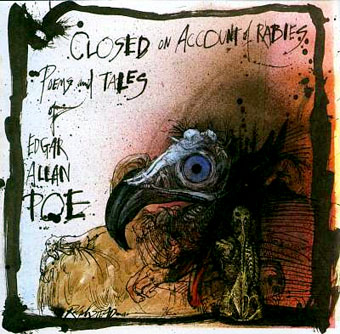
This telling appears on the album Closed on Account of Rabies, which fea­tures Poe’s sto­ries as inter­pret­ed by the likes of Pop, Christo­pher Walken, Deb­bie Har­ry, Mar­i­anne Faith­full and Jeff Buck­ley. We fea­tured it here on Open Cul­ture a few years back, and more recent­ly includ­ed it in our ret­ro­spec­tive of album cov­ers by Ralph Stead­man.

Here, Pop takes on the role of anoth­er nar­ra­tor con­signed to a grim fate, though this one of his own mak­ing. As almost all of us know, if only through cul­tur­al osmo­sis, the tit­u­lar “Tell-Tale Heart,” its beat seem­ing­ly ema­nat­ing from under the floor­boards, unceas­ing­ly reminds this anx­ious char­ac­ter of the fact that he has mur­dered an old man — not out of hatred, not out of greed, but out of sim­ple need stoked, he insists, by the defense­less senior’s “vul­ture-eye.” For over 150 years, read­ers have judged the san­i­ty of the nar­ra­tor of “The Tell-Tale Heart” in any num­ber of ways, but don’t ren­der your own ver­dict until you’ve heard Iggy Pop deliv­er the tes­ti­mo­ny; nobody walks the line between san­i­ty and insan­i­ty quite like he does.

If you would like to sign up for Open Culture’s free email newslet­ter, please find it here. It’s a great way to see our new posts, all bun­dled in one email, each day.

If you would like to sup­port the mis­sion of Open Cul­ture, con­sid­er mak­ing a dona­tion to our site. It’s hard to rely 100% on ads, and your con­tri­bu­tions will help us con­tin­ue pro­vid­ing the best free cul­tur­al and edu­ca­tion­al mate­ri­als to learn­ers every­where. You can con­tribute through Pay­Pal, Patre­on, and Ven­mo (@openculture). Thanks!

Relat­ed Con­tent:

Lou Reed Rewrites Edgar Allan Poe’s “The Raven.” See Read­ings by Reed and Willem Dafoe

Edgar Allan Poe’s “The Raven,” Read by Christo­pher Walken, Vin­cent Price, and Christo­pher Lee

Watch the 1953 Ani­ma­tion of Edgar Allan Poe’s “The Tell-Tale Heart,” Nar­rat­ed by James Mason

Hear a Great Radio Doc­u­men­tary on William S. Bur­roughs Nar­rat­ed by Iggy Pop

Edgar Allan Poe Ani­mat­ed: Watch Four Ani­ma­tions of Clas­sic Poe Sto­ries

Down­load The Com­plete Works of Edgar Allan Poe on His Birth­day

1,000 Free Audio Books: Down­load Great Books for Free

Col­in Mar­shall writes on cities, lan­guage, Asia, and men’s style. He’s at work on a book about Los Ange­les, A Los Ange­les Primer, and the video series The City in Cin­e­ma. Fol­low him on Twit­ter at @colinmarshall or on Face­book.

Adorn Your Garden with Howard the Zinn Monk

ZinnMonk

In Jan­u­ary, in the dead of win­ter, we got you think­ing about warmer times by high­light­ing the Noam Chom­sky Gar­den Gnome, a real prod­uct described as fol­lows:

Stand­ing at just under 17 inch­es, Gnome Chom­sky the Gar­den Noam clutch­es his clas­sic books, ‘The Man­u­fac­ture of Com­post’ and ‘Hedgerows not Hege­mo­ny’ – with his open right hand ready to hold the polit­i­cal slo­gan of your choos­ing. His clothes rep­re­sent a relaxed but classy ver­sion of reg­u­lar gnome attire, includ­ing: a nice suit jack­et-tunic, jeans, boots, tra­di­tion­al gnome cap, and glass­es. Addi­tion­al­ly, Noam Gnome stands on a base com­plete with a carved title – for any­one who may not imme­di­ate­ly real­ize the iden­ti­ty of this hand­some and schol­ar­ly gnome.

Now that it’s sum­mer, imag­ine Gnome Chom­sky hang­ing in your gar­den with Howard the Zinn Monk. Zinn Monk, get it?

First pub­lished in 1980, Zin­n’s famous book A People’s His­to­ry of the Unit­ed States tells “America’s sto­ry from the point of view of—and in the words of—America’s women, fac­to­ry work­ers, African-Amer­i­cans, Native Amer­i­cans, the work­ing poor, and immi­grant labor­ers.” It has sold more than two mil­lion copies over the past 35 years. And, as I write this post, it’s the #1 best­selling book in US his­to­ry on Ama­zon.

Howard the Zinn Monk isn’t quite sell­ing at the same brisk clip. But the web site justsaygnome.net might make you a Zinn gnome if you ask nice­ly.

In the mean­time, you can watch and enjoy this illus­trat­ed video: Howard Zinn’s “What the Class­room Didn’t Teach Me About the Amer­i­can Empire.”

Fol­low us on Face­book, Twit­ter, Google Plus and LinkedIn and share intel­li­gent media with your friends. And if you want to make sure that our posts def­i­nite­ly appear in your Face­book news­feed, just fol­low these sim­ple steps.

by | Permalink | Make a Comment ( 1 ) |

The Women of the Avant-Garde: An Introduction Featuring Audio by Gertrude Stein, Kathy Acker, Patti Smith & More

stein avant garde

The sto­ry of the avant-garde is nev­er just one sto­ry. But it tends to get told that way, and we tend to think we know how mod­ernist and post-mod­ern lit­er­a­ture and music have tak­en shape: through a series of great men who thwart­ed con­ven­tion and remade lan­guage and sound in ways their pre­de­ces­sors nev­er dreamed. Arthur Rim­baud, Claude Debussy, Ezra Pound, T.S. Eliot, Arnold Schoen­berg, John Cage… We could make many such lists, and we do, all the time, occa­sion­al­ly includ­ing the names of a few women—Yoko Ono, for exam­ple, Gertrude Stein, Vir­ginia Woolf….

But we might write it dif­fer­ent­ly, indeed, for the sim­ple rea­son that women have shaped the avant-garde just as much as men have, as promi­nent poets and com­posers, not sim­ply spous­es of famous men or guest stars in a most­ly male revue. You can hear one ver­sion of such a sto­ry here, thanks to Ubuweb, “the learned and vari­etous online repos­i­to­ry” of “all things avant-garde.” Their pod­cast Avant-Garde All the Time offers us two episodes called “The Women of the Avant-Garde,” host­ed by poet Ken­neth Gold­smith, who admits the sur­vey is a cor­rec­tive for the podcast’s own blind spots. Through a small but select num­ber of poets and musi­cians, Gold­smith aims “to show that there are dozens and dozens of great women artists on Ubuweb”—and every­where else art lives.

Instead of a his­to­ry, Gold­smith gives us some­thing of a con­stel­la­tion of artists, many of them clus­tered tight­ly togeth­er in time and space. New York poets, writ­ers, and musi­cians who came of age in the 70s and 80s—Kathy Ack­er, Lydia Lunch, Lau­rie Ander­son, Pat­ti Smith, Eileen Myles—all fea­ture in Goldsmith’s account. Theirs was a time and place the poet Myles has described as “a moment” that was “very uncen­sored and real­ly excit­ed and it just made you feel like there was room for more.”

It’s a moment that saw a revival in the 90s, when riot grrrl arose to chal­lenge the patri­ar­chal estab­lish­ment. Around this time, artists work­ing in a more aca­d­e­m­ic con­text direct­ly and indi­rect­ly engaged with lit­er­ary his­to­ry ancient and mod­ern. Schol­ar and poet Anne Car­son has twist­ed and trans­lat­ed the texts of Ovid, Aeschy­lus, Sopho­cles, and the writ­ers (and trans­la­tors) of the King James Bible. And Ger­man-Nor­we­gian-French exper­i­men­tal poet Car­o­line Bergvall, whom Gold­smith dis­cuss­es in episode one above, rewrote Chaucer and rearranged Dante.

In episode two, Gold­smith reach­es some­what fur­ther back—to Yoko Ono and Denise Lev­er­tov—and far­ther away from New York, with work from Iran­ian poet and film­mak­er Forugh Far­rokhzad. Promi­nent­ly fea­tured in this sec­ond part of the series, and for good rea­son, is fierce patroness of ear­ly twen­ti­eth cen­tu­ry avant-garde art and writ­ing, Gertrude Stein. Stein’s own poet­ry rad­i­cal­ly dis­rupt­ed the accept­ed, and accept­able, codes of speech and writing—setting a prece­dent for sev­er­al decades of fem­i­nist writ­ers and artists whose appear­ance in archives like Ubuweb, Gold­smith notes, increas­ing­ly come to match or out­weigh those of their male coun­ter­parts. Hear Stein read from her own work at anoth­er such archive, PennSound, and vis­it the Poet­ry Foun­da­tion to stream and down­load more episodes of Ubuweb’s Avant-Garde all the Time, includ­ing an episode devot­ed to Stein called “Almost Com­plete­ly Under­stand­ing.”

Relat­ed Con­tent:

74 Essen­tial Books for Your Per­son­al Library: A List Curat­ed by Female Cre­atives

Watch Pat­ti Smith Read from Vir­ginia Woolf, and Hear the Only Sur­viv­ing Record­ing of Woolf’s Voice

Yoko Ono Lets Audi­ence Cut Up Her Clothes in Con­cep­tu­al Art Per­for­mance (Carnegie Hall, 1965)

Josh Jones is a writer and musi­cian based in Durham, NC. Fol­low him at @jdmagness

What is Love? BBC Philosophy Animations Feature Sartre, Freud, Aristophanes, Dawkins & More

The BBC’s recent series of Nigel War­bur­ton-script­ed, celebri­ty-nar­rat­ed ani­ma­tions in phi­los­o­phy haven’t shied away from the hard ques­tions the dis­ci­pline touch­es. How did every­thing begin? What makes us human? What is the self? How do I live a good life? In all those videos, Gillian Ander­son, Stephen Fry, and Har­ry Shear­er told us what his­to­ry’s most thought-about thinkers have had to say on those sub­jects. But for the lat­est round, War­bur­ton and The Hob­bit’s Aidan Turn­er have tak­en on what some would con­sid­er, at least for our prac­ti­cal pur­pos­es, the trick­i­est one of all: what is love?

You might not turn to Jean-Paul Sartre, life part­ner of Simone de Beau­voir, as a first love con­sul­tant of choice, but the series devotes an entire video to the Being and Noth­ing­ness author’s the­o­ries on emo­tion. The free­dom-mind­ed Sartre sees the con­di­tion of love as a “haz­ardous, painful strug­gle,” one of either masochism or sadism: “masochism when a lover tries to become what he thinks his lover wants him to be, and in the process denies his own free­dom; sadism when the lover treats the loved one as an object and ties her down. Either way, free­dom is com­pro­mised.”

Have we any lighter philo­soph­i­cal per­spec­tives on love here? Well, we have a vari­ety of philo­soph­i­cal per­spec­tives on love, any­way: Aristo­phanes’ cre­ation myth of the “miss­ing half,” Sig­mund Freud and Edvard West­er­mar­ck­’s dis­agree­ment over the Oedi­pus com­plex, and the con­vic­tion of “psy­cho­log­i­cal ego­ists” from Thomas Hobbes to Richard Dawkins that no such thing as strict­ly self­less love exists. The phi­los­o­phy of love, like love itself, can get com­pli­cat­ed, but the clear and wit­ty draw­ings accom­pa­ny­ing the ideas dis­cussed in these videos can help us envi­sion the dif­fer­ent ideas they encom­pass. Should you need even clear­er (or less wit­ty) illus­tra­tions on the sub­ject, you could always turn to Love Isthough I have a feel­ing you’d find that solu­tion a bit too sim­ple.

Watch all of the ani­mat­ed videos in the What is Love? playlist here.

Relat­ed Con­tent:

What is the Self? Watch Phi­los­o­phy Ani­ma­tions Nar­rat­ed by Stephen Fry on Sartre, Descartes & More

How Did Every­thing Begin?: Ani­ma­tions on the Ori­gins of the Uni­verse Nar­rat­ed by X‑Files Star Gillian Ander­son

What Makes Us Human?: Chom­sky, Locke & Marx Intro­duced by New Ani­mat­ed Videos from the BBC

How to Live a Good Life? Watch Phi­los­o­phy Ani­ma­tions Nar­rat­ed by Stephen Fry on Aris­to­tle, Ayn Rand, Max Weber & More

How Can I Know Right From Wrong? Watch Phi­los­o­phy Ani­ma­tions on Ethics Nar­rat­ed by Har­ry Shear­er

Down­load 130 Free Phi­los­o­phy Cours­es: Tools for Think­ing About Life, Death & Every­thing Between

Lovers and Philoso­phers — Jean-Paul Sartre & Simone de Beau­voir Togeth­er in 1967

Col­in Mar­shall writes on cities, lan­guage, Asia, and men’s style. He’s at work on a book about Los Ange­les, A Los Ange­les Primer, and the video series The City in Cin­e­ma. Fol­low him on Twit­ter at @colinmarshall or on Face­book.

Why Sitting Is The New Smoking: An Animated Explanation

Dur­ing the past year, sit­ting has become the new smok­ing. “Past stud­ies have found,” declares a 2014 arti­cle in The New York Times, “the more hours that peo­ple spend sit­ting, the more like­ly they are to devel­op dia­betes, heart dis­ease and oth­er con­di­tions, and poten­tial­ly to die pre­ma­ture­ly — even if they exer­cise reg­u­lar­ly.” What’s the sci­ence behind this alarm­ing claim? The ani­mat­ed TED-ED video (above) begins to paint the pic­ture. But it does­n’t get into the lat­est and per­haps most impor­tant research. Accord­ing to sci­ence writer Gretchen Reynolds, a recent Swedish study pub­lished in the British Jour­nal of Sports Med­i­cine sug­gests that when you sit all day, your telom­eres (the tiny caps on the ends of DNA strands) get short­er. Which is not a good thing. As telom­eres get short­er, the rate at which the body ages and decays speeds up. Con­verse­ly, the study found “that the telom­eres in [those] who were sit­ting the least had length­ened. Their cells seemed to be grow­ing phys­i­o­log­i­cal­ly younger.”

Sev­er­al months ago, KQED radio in San Fran­cis­co aired a pro­gram ded­i­cat­ed to this ques­tion, fea­tur­ing med­ical and ergonom­ics experts. To delve deep­er into it, lis­ten below. Or click here.

Mean­while, if you have advice on how to incor­po­rate move­ment into your day, please share it with your fel­low read­ers in the com­ments sec­tion below.

And if your mind imme­di­ate­ly drifts to buy­ing a stand­ing desk, then check out our relat­ed post: Who Wrote at Stand­ing Desks? Kierkegaard, Dick­ens and Ernest Hem­ing­way Too

Fol­low us on Face­book, Twit­ter, Google Plus and LinkedIn and share intel­li­gent media with your friends. And if you want to make sure that our posts def­i­nite­ly appear in your Face­book news­feed, just fol­low these sim­ple steps.

by | Permalink | Make a Comment ( 10 ) |

Salvador Dalí Goes to Hollywood & Creates Wild Dream Sequences for Hitchcock & Vincente Minnelli

Sal­vador Dalí and Luis Buñuel report­ed­ly car­ried rocks in their pock­ets dur­ing the pre­miere of their first film Un Chien andalou, antic­i­pat­ing a vio­lent reac­tion from the audi­ence.

It was a fair con­cern. The movie might be almost 90 years old but it still has the pow­er to pro­voke – the film fea­tures a shot of a woman get­ting her eye slashed open with a straight razor after all. As it turned out, rocks weren’t need­ed. The audi­ence, filled with such avant-garde lumi­nar­ies as Pablo Picas­so and André Bre­ton liked the film. A dis­ap­point­ed Dalí lat­er report­ed that the night was “less excit­ing” than he had hoped.

Un Chien andalou fea­tured many of Dalí’s visu­al obses­sions – eye­balls, ants crawl­ing out of ori­fices and rot­ting ani­mals. Dalí delight­ed in shock­ing and incit­ing peo­ple with his gor­geous, dis­turb­ing images. And he loved grandiose spec­ta­cles like a riot at a movie the­ater.

Dalí and Buñuel’s next movie, the caus­tic L’Age d’or, exposed the dif­fer­ences between the two artists and their cre­ative part­ner­ship implod­ed in pre-pro­duc­tion. Buñuel went on to make a string of sub­ver­sive mas­ter­pieces like Land With­out Bread, Exter­mi­nat­ing Angel and The Dis­creet Charm of the Bour­geois; Dalí large­ly quit film in favor of his beau­ti­ful­ly craft­ed paint­ings.

Then Hol­ly­wood came call­ing.

Alfred Hitch­cock hired Dalí to cre­ate a dream sequence for his 1945 movie Spell­bound. Dalí craft­ed over 20 min­utes of footage of which rough­ly four and a half min­utes made it into the movie. “I want­ed to con­vey the dream with great visu­al sharp­ness and clarity–sharper than film itself,” Hitch­cock explained to Fran­cois Truf­faut in 1962. The sequence, which you can see imme­di­ate­ly above, is filled with all sorts of Daliesque motifs – slashed eye­balls, naked women and phan­tas­magoric land­scapes. It is also the most mem­o­rable part of an oth­er­wise minor work by Hitch­cock.

Dalí’s fol­low up film work was for, of all things, the Vin­cente Min­nel­li com­e­dy Father of the Bride (1950). Spencer Tra­cy plays Stan­ley Banks whose beau­ti­ful daugh­ter (Eliz­a­beth Tay­lor, no less) is get­ting mar­ried. As Stanley’s anx­i­ety over the impend­ing nup­tials spi­rals, he has one very weird night­mare. Cue Dalí. Stan­ley is late to the wed­ding. As he rush­es down the aisle, his clothes mys­te­ri­ous­ly get shred­ded by the tiled floor that bounces and con­torts like a piece of flesh.

This dream sequence, which you can see at the top of the arti­cle, has few of the visu­al flour­ish­es of Spell­bound, but it still has plen­ty of Dalí’s trade­mark weird­ness. Those float­ing accusato­ry eyes. The way that Tracy’s leg seems to stretch. That floor.

Father of the Bride marked the end of Dalí’s work in Hol­ly­wood, though there were a cou­ple poten­tial col­lab­o­ra­tions that would have been amaz­ing had they actu­al­ly hap­pened. Dalí had an idea for a movie with the Marx Broth­ers called Giraffes on Horse­back Sal­ad. The movie would have “includ­ed a scene of giraffes wear­ing gas masks and one of Chico sport­ing a deep-div­ing suit while play­ing the piano.” Though Har­po was report­ed­ly enthu­si­as­tic about the pro­posed idea, Grou­cho wasn’t and the idea sad­ly came to noth­ing.

Lat­er in life, Dalí became a fix­ture on the talk show cir­cuit. On the Dick Cavett Show in 1970, he flung an anteater at Lil­lian Gish.

Relat­ed Con­tent: 

Two Vin­tage Films by Sal­vador Dalí and Luis Buñuel: Un Chien Andalou and L’Age d’Or

The Seashell and the Cler­gy­man: The World’s First Sur­re­al­ist Film

Alfred Hitch­cock Recalls Work­ing with Sal­vador Dali on Spell­bound

A Soft Self-Por­trait of Sal­vador Dali, Nar­rat­ed by the Great Orson Welles

A Tour Inside Sal­vador Dalí’s Labyrinthine Span­ish Home

Jonathan Crow is a Los Ange­les-based writer and film­mak­er whose work has appeared in Yahoo!, The Hol­ly­wood Reporter, and oth­er pub­li­ca­tions. You can fol­low him at @jonccrow. And check out his blog Veep­to­pus, fea­tur­ing lots of pic­tures of vice pres­i­dents with octo­pus­es on their heads.  The Veep­to­pus store is here.

Ralph Steadman’s Evolving Album Cover Designs: From Miles Davis & The Who, to Frank Zappa & Slash (1956–2010)

steadman02

Ralph Stead­man will always best be known—and for good reason—as the visu­al inter­preter of Hunter S. Thompson’s drug­gy gonzo vision of Amer­i­can excess and hubris. As Col­in Mar­shall wrote in a pre­vi­ous post on Stead­man and Thompson’s pow­er­ful col­lab­o­ra­tive rela­tion­ship, it’s hard to imag­ine a more “suit­able visu­al accom­pa­ni­ment to the simul­ta­ne­ous­ly clear- and wild-eyed sen­si­bil­i­ty of Thomp­son­ian prose.” But the British artist has had a long and dis­tin­guished career, pre- and post-Thomp­son: illus­trat­ing Lewis Carroll’s sur­re­al­ist clas­sic Alice in Won­der­land; cre­at­ing lim­it­ed edi­tion DVD cov­ers for the dark cult hit TV show Break­ing Bad; mak­ing bul­let-rid­dled col­lage art with coun­ter­cul­ture hero William S. Bur­roughs…. To name just a few of his off­beat assign­ments over the years.

happy jack steadman

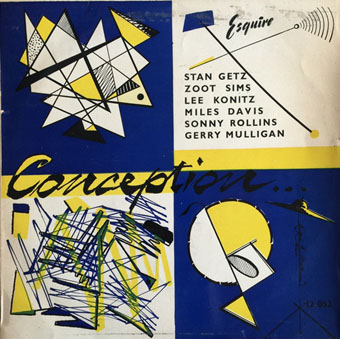
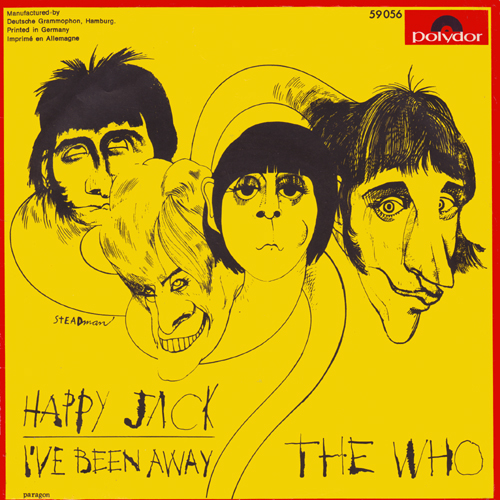
Today we bring you a less­er-known facet of Steadman’s work: design­ing album cov­ers. As artist and illus­tra­tor John Coulthart notes in a post on Steadman’s album designs, he’s been at it since the mid-fifties, when—for example—he illus­trat­ed a release of Con­cep­tion (top), “an under­ap­pre­ci­at­ed mas­ter­piece of cere­bral cool jazz” fea­tur­ing the likes of Miles Davis, Stan Getz, and Son­ny Rollins. Stead­man’s abstract expres­sion­ist-inspired jazz cov­ers soon gave way to more Stead­manesque, though still rel­a­tive­ly tame, cov­ers like that above for The Who’s sin­gle “Hap­py Jack”/“I’ve Been Away” from 1966.

steadman07

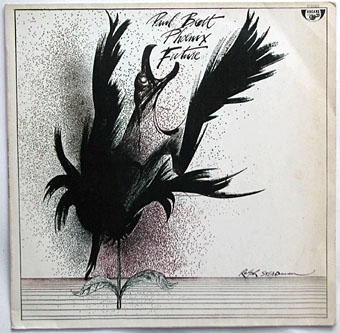
It’s not until the 70s, however—after he’d begun his col­lab­o­ra­tion with Thompson—that his album cov­ers begin to take on the decid­ed­ly crazed look his work is known for, such as in the cov­er for Paul Bret­t’s Phoenix Future, above, from 1975.

steadman26

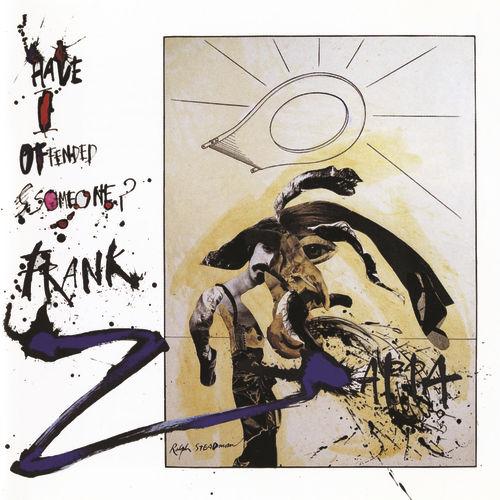
By 1997, Stead­man seems to have per­fect­ed his inim­itable riot of grotesque imagery, wild col­or palette, and unhinged black lines and let­ter­ing, as in the cov­er for Closed On Account Of Rabies: Poems And Tales Of Edgar Allan Poe, a com­pi­la­tion of Poe read­ings by stars like Christo­pher Walken, Iggy Pop, Mar­i­anne Faith­full, Jeff Buck­ley, and Abel Fer­rara, which we’ve fea­tured on OC before. The artists rep­re­sent­ed here are—as in his work with Thomp­son and Burroughs—perfectly fit­ting for Stead­man’s sen­si­bil­i­ty. So, of course, is the clean-liv­ing but oth­er­wise total­ly bonkers Frank Zap­pa, whose 1997 Have I Offend­ed Some­one? received the Stead­man treat­ment, as you can see below.

zappa steadman

In the past few years, Stead­man has mel­lowed a bit, if you could call it that, and his work has tak­en on a slight­ly more refined char­ac­ter. His Break­ing Bad illus­tra­tions seem restrained by the stan­dards of his work with Thomp­son or Zap­pa. And in a 2010 cov­er for Slash’s first offi­cial sin­gle, “By the Sword,” below, he reigns in some of his wilder graph­ic impuls­es while retain­ing all of the styl­ist sig­na­tures he devel­oped over the decades.

slash steadman

Stead­man has always been a one-of-a-kind illus­tra­tor. In his album cov­er design, we can per­haps best watch his work evolve. As Coulthart writes, “the style of the ear­ly sleeves is marked­ly dif­fer­ent to the angry, splat­tery cre­ations that made his name, and with­out a sig­na­ture you’d be unlike­ly to recog­nise the artist.” See many more Stead­man album cov­ers over at Coulthart’s excel­lent blog.

via Feuil­leton

Relat­ed Con­tent: 

Break­ing Bad Illus­trat­ed by Gonzo Artist Ralph Stead­man

See Ralph Steadman’s Twist­ed Illus­tra­tions of Alice’s Adven­tures in Won­der­land on the Story’s 150th Anniver­sary

Gun Nut William S. Bur­roughs & Gonzo Illus­tra­tor Ralph Stead­man Make Polaroid Por­traits Togeth­er

Josh Jones is a writer and musi­cian based in Durham, NC. Fol­low him at @jdmagness

Pink Floyd’s David Gilmour Releases New Animated Video Inspired by Gustave Doré & Milton’s Paradise Lost

Next month, David Gilmour will release his first solo album since 2006 and launch his first tour since ’08. But right now, in the dead of August, you can watch a new ani­mat­ed video for his upcom­ing track, “Rat­tle That Lock.”

Cre­at­ed under the lead­er­ship of Aubrey Pow­ell of Hipg­no­sis (the design group that pro­duced the icon­ic art­work for Dark Side of the Moon and oth­er Pink Floyd LPs), the ani­ma­tion pays homage to Gus­tave Doré, whose illus­tra­tions of Dante, Poe and Cer­vantes we’ve fea­tured here before. And the lyrics them­selves, they draw inspi­ra­tion from John Milton’s Par­adise Lostreports Rolling Stone. Gilmour, Doré, Mil­ton — sure­ly a tri­fec­ta for many OC read­ers.

Relat­ed Con­tent:

Gus­tave Doré’s Dra­mat­ic Illus­tra­tions of Dante’s Divine Com­e­dy

Gus­tave Doré’s Splen­did Illus­tra­tions of Edgar Allan Poe’s “The Raven” (1884)

Gus­tave Doré’s Exquis­ite Engrav­ings of Cer­vantes’ Don Quixote

William Blake’s Hal­lu­ci­na­to­ry Illus­tra­tions of John Milton’s Par­adise Lost

Pink Floyd’s David Gilmour Sings Shakespeare’s Son­net 18

by | Permalink | Make a Comment ( 2 ) |

« Go BackMore in this category... »
Quantcast