Iggy Pop Sings Edith Piaf’s “La Vie En Rose” in an Artfully Animated Video

It’s been cov­ered by every­one from Daffy Duck to Grace Jones, from Pas­cal of Bol­ly­wood to a ukulele-strum­ming Madon­na…

It’s graced the sound­tracks of dozens of films, and pro­vid­ed the title for at least two more: the recent Edith Piaf bio-pic and an award win­ning French fea­ture about a pre-ado­les­cent trans­gen­der girl…

Its title has been hijacked for rose-col­ored mem­oirs, beer bot­tle labels, an arti­cle about women in board­rooms…

And now the above love sto­ry, set on the Pont des Art, star­ring an anthro­po­mor­phic rose and a long tall stick of beef jerky bear­ing a sus­pi­cious resem­blance to Iggy Pop.

The ani­mat­ed Iggy stalks across toward his lady love with the stiff­ness of a White Walk­er, but it’s unde­ni­ably mov­ing when this bio­log­i­cal­ly ill-matched cou­ple begins to dance in a swirl of green and red leaves sig­ni­fy­ing… what?

The imper­ma­nence of romance? (The pad­locks which star­ry eyed cou­ples affixed to the Pont des Art were uncer­e­mo­ni­ous­ly removed a few years ago…)

The imper­ma­nence of icon­ic pop stars?

The thorny per­sis­tence of vision­ary artists in a con­sumer dri­ven econ­o­my?

Ah well, the lyrics have always been a bit open to inter­pre­ta­tion, but the sen­ti­ment is eter­nal.

Relat­ed Con­tent:

Watch Édith Piaf Sing Her Most Famous Songs: “La Vie en Rose,” “Non, Je Regrette Rien” & More

Iggy Pop Reads Walt Whit­man in Col­lab­o­ra­tions With Elec­tron­ic Artists Alva Noto and Tar­wa­ter

Iggy Pop Reads Edgar Allan Poe’s Clas­sic Hor­ror Sto­ry, “The Tell-Tale Heart”

Ayun Hal­l­i­day is an author, illus­tra­tor, the­ater mak­er and Chief Pri­ma­tol­o­gist of the East Vil­lage Inky zine.  Fol­low her @AyunHalliday.

Wynton Marsalis Gives 12 Tips on How to Practice: For Musicians, Athletes, or Anyone Who Wants to Learn Something New

Image by Eric Del­mar, via Wiki­me­dia Com­mons

Prac­tic­ing for count­less hours before we can be good at some­thing seems bur­den­some and bor­ing. Maybe that’s why we’re drawn to sto­ries of instant achieve­ment. The monk real­izes satori (and Neo learns kung fu); the super­hero acquires great pow­er out of the blue; Robert John­son trades for genius at the cross­roads. At the same time, we teach chil­dren they can’t mas­ter a skill with­out dis­ci­pline and dili­gence. We repeat pop psych the­o­ries that spec­i­fy the exact num­ber hours required for excel­lence. The num­ber may be arbi­trary, but it com­forts us to believe that prac­tice might, even­tu­al­ly, make per­fect. Because in truth we know there is no way around it. As Wyn­ton Marsalis writes in “Wynton’s Twelve Ways to Prac­tice: From Music to School­work,” “prac­tice is essen­tial to learn­ing music—and any­thing else, for that mat­ter.”

For jazz musi­cians, the time spent learn­ing the­o­ry and refin­ing tech­nique finds elo­quent expres­sion in the con­cept of wood­shed­ding, a “hum­bling but nec­es­sary chore,” writes Paul Klem­per­er at Big Apple Jazz, “like chop­ping wood before you can start the fire.”

Yet retir­ing to the wood­shed “means more than just prac­tic­ing…. You have to dig deep into your­self, dis­ci­pline your­self, become focused on the music and your instru­ment.” As begin­ners, we tend to look at prac­tice only as a chore. The best jazz musi­cians know there’s also “some­thing philo­soph­i­cal, almost reli­gious” about it. John Coltrane, for exam­ple, prac­ticed cease­less­ly, con­scious­ly defin­ing his music as a spir­i­tu­al and con­tem­pla­tive dis­ci­pline.

Marsalis also implies a reli­gious aspect in his short arti­cle: “when you prac­tice, it means you are will­ing to sac­ri­fice to sound good… I like to say that the time spent prac­tic­ing is the true sign of virtue in a musi­cian.” Maybe this piety is intend­ed to dis­pel the myth of quick and easy deals with infer­nal enti­ties. But most of Marsalis’ â€śtwelve ways to prac­tice” are as prag­mat­ic as they come, and “will work,” he promis­es “for almost every activity—from music to school­work to sports.” Find his abridged list below, and read his full com­men­tary at “the trumpeter’s bible,” Arban’s Method.

  1. Seek out instruc­tion: A good teacher will help you under­stand the pur­pose of prac­tic­ing and can teach you ways to make prac­tic­ing eas­i­er and more pro­duc­tive.
  1. Write out a sched­ule: A sched­ule helps you orga­nize your time. Be sure to allow time to review the fun­da­men­tals because they are the foun­da­tion of all the com­pli­cat­ed things that come lat­er.
  1. Set goals: Like a sched­ule, goals help you orga­nize your time and chart your progress…. If a cer­tain task turns out to be real­ly dif­fi­cult, relax your goals: prac­tice does­n’t have to be painful to achieve results.
  1. Con­cen­trate: You can do more in 10 min­utes of focused prac­tice than in an hour of sigh­ing and moan­ing. This means no video games, no tele­vi­sion, no radio, just sit­ting still and work­ing…. Con­cen­trat­ed effort takes prac­tice too, espe­cial­ly for young peo­ple.
  1. Relax and prac­tice slow­ly: Take your time; don’t rush through things. When­ev­er you set out to learn some­thing new – prac­tic­ing scales, mul­ti­pli­ca­tion tables, verb tens­es in Span­ish – you need to start slow­ly and build up speed.
  1. Prac­tice hard things longer: Don’t be afraid of con­fronting your inad­e­qua­cies; spend more time prac­tic­ing what you can’t do…. Suc­cess­ful prac­tice means com­ing face to face with your short­com­ings. Don’t be dis­cour­aged; you’ll get it even­tu­al­ly.
  1. Prac­tice with expres­sion: Every day you walk around mak­ing your­self into “you,” so do every­thing with the prop­er atti­tude…. Express your “style” through how you do what you do.
  1. Learn from your mis­takes: None of us are per­fect, but don’t be too hard on your­self. If you drop a touch­down pass, or strike out to end the game, it’s not the end of the world. Pick your­self up, ana­lyze what went wrong and keep going….
  1. DonĘĽt show off: It’s hard to resist show­ing off when you can do some­thing well…. But my father told me, “Son, those who play for applause, that’s all they get.” When you get caught up in doing the tricky stuff, you’re just cheat­ing your­self and your audi­ence.
  1. Think for your­self: Your suc­cess or fail­ure at any­thing ulti­mate­ly depends on your abil­i­ty to solve prob­lems, so don’t become a robot…. Think­ing for your­self helps devel­op your pow­ers of judg­ment.
  1. Be opti­mistic: Opti­mism helps you get over your mis­takes and go on to do bet­ter. It also gives you endurance because hav­ing a pos­i­tive atti­tude makes you feel that some­thing great is always about to hap­pen.
  1. Look for con­nec­tions: If you devel­op the dis­ci­pline it takes to become good at some­thing, that dis­ci­pline will help you in what­ev­er else you do…. The more you dis­cov­er the rela­tion­ships between things that at first seem dif­fer­ent, the larg­er your world becomes. In oth­er words, the wood­shed can open up a whole world of pos­si­bil­i­ties.

You’ll note in even a cur­so­ry scan of Marsalis’ pre­scrip­tions that they begin with the immi­nent­ly practical—the “chores” we can find tedious—and move fur­ther into the intan­gi­bles: devel­op­ing cre­ativ­i­ty, humil­i­ty, opti­mism, and, even­tu­al­ly, maybe, a grad­ual kind of enlight­en­ment. You’ll notice on a clos­er read that the con­scious­ness-rais­ing and the mun­dane dai­ly tasks go hand-in-hand.

While this may be all well and good for jazz musi­cians, stu­dents, ath­letes, or chess play­ers, we may have rea­son for skep­ti­cism about suc­cess through prac­tice more gen­er­al­ly. Researchers at Prince­ton have found, for exam­ple, that the effec­tive­ness of prac­tice is “domain depen­dent.” In games, music, and sports, prac­tice accounts for a good deal of improve­ment. In cer­tain oth­er “less sta­ble” fields dri­ven by celebri­ty and net­work­ing, for exam­ple, suc­cess can seem more depen­dent on per­son­al­i­ty or priv­i­leged access.

But it’s prob­a­bly safe to assume that if you’re read­ing this post, you’re inter­est­ed in mas­ter­ing a skill, not cul­ti­vat­ing a brand. Whether you want to play Carnegie Hall or “learn a lan­guage, cook good meals or get along well with peo­ple,” prac­tice is essen­tial, Marsalis argues, and prac­tic­ing well is just as impor­tant as prac­tic­ing often. For a look at how prac­tice changes our brains, cre­at­ing what we col­lo­qui­al­ly call “mus­cle mem­o­ry,” see the TED-Ed video just above.

Relat­ed Con­tent:

Wyn­ton Marsalis Takes Louis Armstrong’s Trum­pet Out of the Muse­um & Plays It Again

Son­ny Rollins Describes How 50 Years of Prac­tic­ing Yoga Made Him a Bet­ter Musi­cian

Play­ing an Instru­ment Is a Great Work­out For Your Brain: New Ani­ma­tion Explains Why

Josh Jones is a writer and musi­cian based in Durham, NC. Fol­low him at @jdmagness

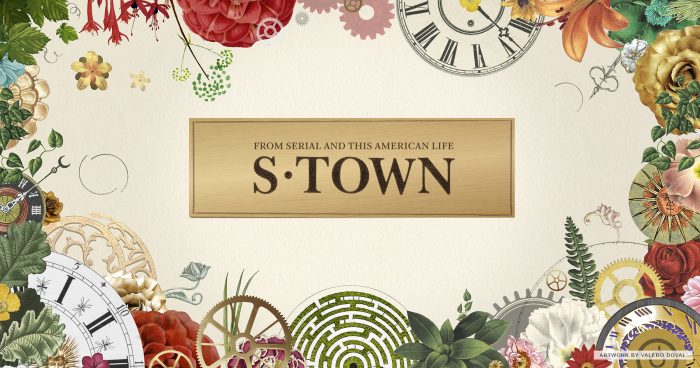
S‑Town: The Podcast That Will Help You Binge-Listen Your Way Through This Week

Last week, the folks behind Ser­i­al and This Amer­i­can Life, teamed up to release S‑Town (short for Shit­town), a sev­en-episode/­sev­en-hour pod­cast which I devoured in three days flat. I don’t want to give any spoil­ers. So let me give you just the text that pro­motes the pod­cast on iTunes, and then sug­gest you start lis­ten­ing:

John despis­es his Alaba­ma town and decides to do some­thing about it. He asks a reporter to inves­ti­gate the son of a wealthy fam­i­ly who’s alleged­ly been brag­ging that he got away with mur­der. But then some­one else ends up dead, spark­ing a nasty feud, a hunt for hid­den trea­sure, and an unearthing of the mys­ter­ies of one man’s life.

Find episodes on iTunes, Stitch­er, RSS feed, Radio Pub­lic, or the web.

If you would like to sign up for Open Culture’s free email newslet­ter, please find it here. It’s a great way to see our new posts, all bun­dled in one email, each day.

If you would like to sup­port the mis­sion of Open Cul­ture, con­sid­er mak­ing a dona­tion to our site. It’s hard to rely 100% on ads, and your con­tri­bu­tions will help us con­tin­ue pro­vid­ing the best free cul­tur­al and edu­ca­tion­al mate­ri­als to learn­ers every­where. You can con­tribute through Pay­Pal, Patre­on, and Ven­mo (@openculture). Thanks!

« Go Back
Quantcast

