Clive James & Jonathan Miller (Both RIP) Talk Together About How the Brain Works

“Were they the last rep­re­sen­ta­tives of a spe­cial kind of pub­lic intel­lec­tu­al?” asks John Mullen in the Guardian. He writes of Clive James and Jonathan Miller, two fig­ures who exem­pli­fied “the poly­math as enter­tain­er.” The Aus­tralian-born James became famous on the back of the tele­vi­sion crit­i­cism that turned him into a tele­vi­sion fix­ture him­self. The com­bined TV crit­ic and TV host also played the same dual role in the realm of poet­ry, and as his life and career went on — and his bib­li­og­ra­phy great­ly expand­ed — it came to seem that there were few forms, tra­di­tions, time peri­ods, or lan­guages his cul­tur­al omniv­o­rous­ness did­n’t reach. Trained as a doc­tor before he rede­fined British com­e­dy as a mem­ber of Beyond the Fringe, Miller retained his sci­en­tif­ic inter­ests, using his fame to write books and present a tele­vi­sion show on anato­my, psy­chol­o­gy, and lan­guage, and much more besides.

Since the deaths of both James and Miller were announced last Fri­day, the out­pour­ing of trib­utes (most of them lament­ing the seem­ing loss, in our time, of high-pro­file roles for enter­tain­ing poly­maths free to move between “high” and “low”) has been accom­pa­nied by a renewed enthu­si­asm for both men’s con­sid­er­able bod­ies of work.

Despite hav­ing known each oth­er, James and Miller seem nev­er to have explic­it­ly col­lab­o­rat­ed on any­thing — except, that is, an episode of Talk­ing in the Library, an ear­ly exam­ple of what we would now call an inter­view web series. Pro­duced from 2006 to 2008, the show has James pio­neer­ing a form that has now become stan­dard among pod­cast­ers: record­ing the con­ver­sa­tions he want­ed to have with his friends any­way.

In James’ case, his friends include the likes of not just Miller but Mar­tin Amis, Ruby Wax, Ian McE­wan, Stephen Fry, and Ter­ry Gilliam. With Miller, James spends the half-hour talk­ing sci­ence, and specif­i­cal­ly neu­ro­science. Miller, who spe­cial­ized in neu­rol­o­gy while study­ing med­i­cine (and who count­ed Oliv­er Sacks as a close friend since age 12), returned to the sub­ject in the ear­ly 1980s for his book and BBC series States of Mind. Not long there­after he returned at the age of 50 to his med­ical stud­ies, div­ing into neu­ropsy­chol­o­gy at McMas­ter Uni­ver­si­ty and becom­ing a research fel­low at the Uni­ver­si­ty of Sus­sex.

Though James aban­doned his own uni­ver­si­ty stud­ies in psy­chol­o­gy by 1960, his curios­i­ty about the work­ings of the human brain — and how it could pro­duce all the art, lit­er­a­ture, film, and indeed tele­vi­sion to whose appre­ci­a­tion he ded­i­cat­ed his life — nev­er aban­doned him, as evi­denced by the eager­ness with which he asks ques­tions of his more neu­ro­sci­en­tif­i­cal­ly savvy friend. “The brain is the most com­pli­cat­ed thing in the uni­verse,” says Miller, “so com­pli­cat­ed, in fact, that by con­trast the uni­verse itself it not much more com­pli­cat­ed than a cuck­oo clock.” Fair to say that both Miller and James had the good luck to pos­sess more com­pli­cat­ed, or at least more inter­est­ing, brains than aver­age — and that it’s our good luck to be able to enjoy their work in per­pe­tu­ity.

Relat­ed Con­tent:

Athe­ism: A Rough His­to­ry of Dis­be­lief, with Jonathan Miller

John Cleese & Jonathan Miller Turn Profs Talk­ing About Wittgen­stein Into a Clas­sic Com­e­dy Rou­tine (1977)

The Drink­ing Par­ty, 1965 Film Adapts Plato’s Sym­po­sium to Mod­ern Times

Join Clive James on His Clas­sic Tele­vi­sion Trips to Paris, LA, Tokyo, Rio, Cairo & Beyond

Your Brain on Art: The Emerg­ing Sci­ence of Neu­roaes­thet­ics Probes What Art Does to Our Brains

Based in Seoul, Col­in Mar­shall writes and broad­casts on cities and cul­ture. He’s at work on a book about Los Ange­les, A Los Ange­les Primer, the video series The City in Cin­e­maand the crowd­fund­ed jour­nal­ism project Where Is the City of the Future? Fol­low him on Twit­ter at @colinmarshall or on Face­book.

Watch a Hand-Drawn Animation of Neil Gaiman’s Poem “The Mushroom Hunters,” Narrated by Amanda Palmer

The arrival of a new­born son has inspired no few poets to com­pose works pre­serv­ing the occa­sion. When Neil Gaiman wrote such a poem, he used its words to pay trib­ute to not just the cre­ation of new life but to the sci­en­tif­ic method as well. “Sci­ence, as you know, my lit­tle one, is the study / of the nature and behav­ior of the uni­verse,” begins Gaiman’s “The Mush­room Hunters.” An impor­tant thing for a child to know, cer­tain­ly, but Gaiman does­n’t hes­i­tate to get into even more detail: “It’s based on obser­va­tion, on exper­i­ment, and mea­sure­ment / and the for­mu­la­tion of laws to describe the facts revealed.” Go slight­ly over the head of a new­born as all this may, any par­ent of an old­er but still young child knows what ques­tion nat­u­ral­ly comes next: “Why?”

As if in antic­i­pa­tion of that inevitable expres­sion of curios­i­ty, Gaiman harks back to “the old times,” when “men came already fit­ted with brains / designed to fol­low flesh-beasts at a run,” and with any luck to come back with a slain ante­lope for din­ner. The women, “who did not need to run down prey / had brains that spot­ted land­marks and made paths between them,” tak­ing spe­cial note of the spots where they could find mush­rooms. It was these mush­room hunters who used “the first tool of all,” a sling to hold the baby but also to “put the berries and the mush­rooms in / the roots and the good leaves, the seeds and the crawlers. / Then a flint pes­tle to smash, to crush, to grind or break.” But how to know which of the mush­rooms — to say noth­ing of the berries, roots, and leaves — will kill you, which will “show you gods,” and which will “feed the hunger in our bel­lies?”

“Observe every­thing.” That’s what Gaiman’s poem rec­om­mends, and what it memo­ri­al­izes these mush­room hunters for hav­ing done: observ­ing the con­di­tions under which mush­rooms aren’t dead­ly to eat, observ­ing child­birth to “dis­cov­er how to bring babies safe­ly into the world,” observ­ing every­thing around them in order to cre­ate “the tools we make to build our lives / our clothes, our food, our path home…” In Gaiman’s poet­ic view, the obser­va­tions and for­mu­la­tions made by these ear­ly mush­room-hunt­ing women to serve only the imper­a­tive of sur­vival lead straight (if over a long dis­tance), to the mod­ern sci­en­tif­ic enter­prise, with its con­tin­ued gath­er­ing of facts, as well as its con­stant pro­pos­al and revi­sion of laws to describe the pat­terns in those facts.

You can see “The Mush­room Hunters” brought to life in the video above, a hand-drawn ani­ma­tion by Cre­ative Con­nec­tion scored by the com­pos­er Jherek Bischoff (pre­vi­ous­ly heard in the David Bowie trib­ute Strung Out in Heav­en). You can read the poem at Brain Pick­ings, whose cre­ator Maria Popo­va hosts “The Uni­verse in Verse,” an annu­al “char­i­ta­ble cel­e­bra­tion of sci­ence through poet­ry” where “The Mush­room Hunters” made its debut in 2017. There it was read aloud by the musi­cian Aman­da Palmer, Gaiman’s wife and the moth­er of the afore­men­tioned son, and so it is in this more recent ani­mat­ed video. Young Ash will sure­ly grow up faced with few obsta­cles to the appre­ci­a­tion of sci­ence, and even less so to the kind of imag­i­na­tion that sci­ence requires. As for all the oth­er chil­dren in the world — well, it cer­tain­ly would­n’t hurt to show them the mush­room hunters at work.

This read­ing will be added to our col­lec­tion, 1,000 Free Audio Books: Down­load Great Books for Free.

via Brain Pick­ings

Relat­ed Con­tent:

Watch Neil Gaiman & Aman­da Palmer’s Haunt­ing, Ani­mat­ed Take on Leonard Cohen’s “Democ­ra­cy”

Hear Strung Out in Heav­en, a Gor­geous Trib­ute to David Bowie by Aman­da Palmer & Jherek Bischoff’s, Made with Help from Neil Gaiman

Aman­da Palmer Ani­mates & Nar­rates Hus­band Neil Gaiman’s Uncon­scious Mus­ings

Watch Love­birds Aman­da Palmer and Neil Gaiman Sing “Makin’ Whoopee!” Live

Neil Gaiman’s Dark Christ­mas Poem Ani­mat­ed

Dis­cov­er Emi­ly Dickinson’s Herbar­i­um: A Beau­ti­ful Dig­i­tal Edi­tion of the Poet’s Col­lec­tion of Pressed Plants & Flow­ers Is Now Online

Based in Seoul, Col­in Mar­shall writes and broad­casts on cities and cul­ture. He’s at work on a book about Los Ange­les, A Los Ange­les Primer, the video series The City in Cin­e­maand the crowd­fund­ed jour­nal­ism project Where Is the City of the Future? Fol­low him on Twit­ter at @colinmarshall or on Face­book.

You Can Sleep in an Edward Hopper Painting at the Virginia Museum of Fine Arts: Is This the Next New Museum Trend?

Let’s pre­tend our Fairy Art Moth­er is grant­i­ng one wish—to spend the night inside the paint­ing of your choice.

What paint­ing will we each choose, and why?

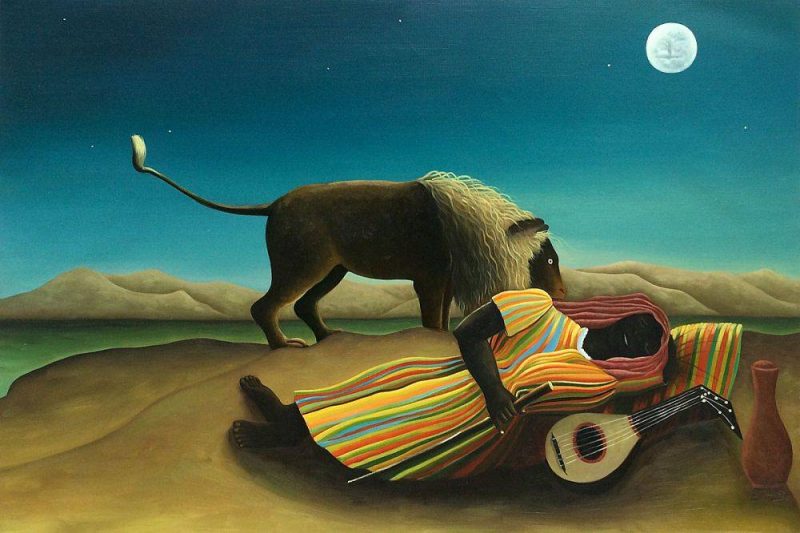
Will you sleep out in the open, undis­turbed by lions, a la Rousseau’s The Sleep­ing Gyp­sy?

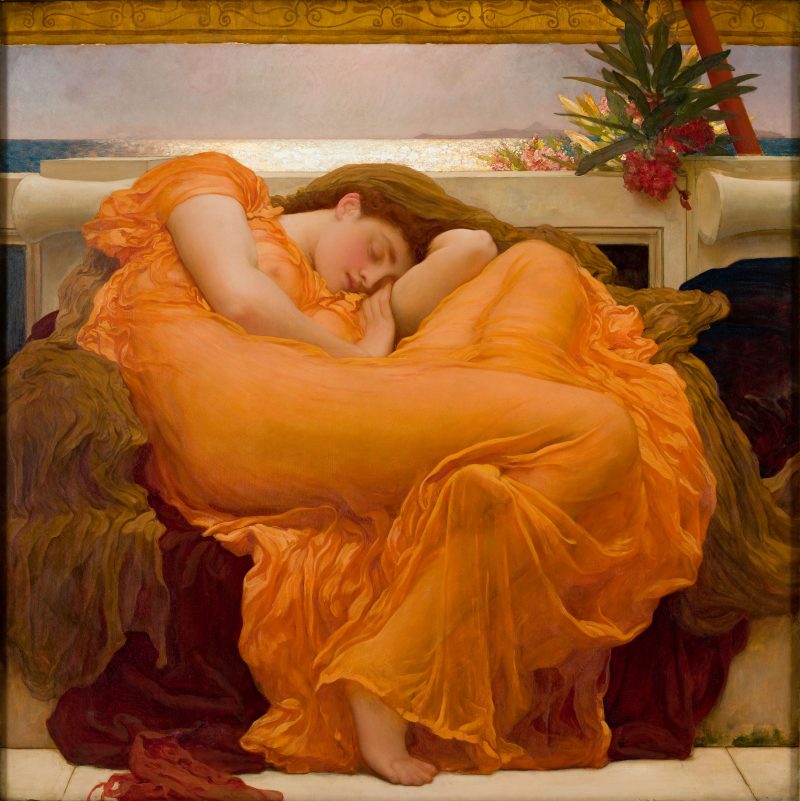
Or expe­ri­ence the volup­tuous dreams of Fred­er­ic Leighton’s Flam­ing June?

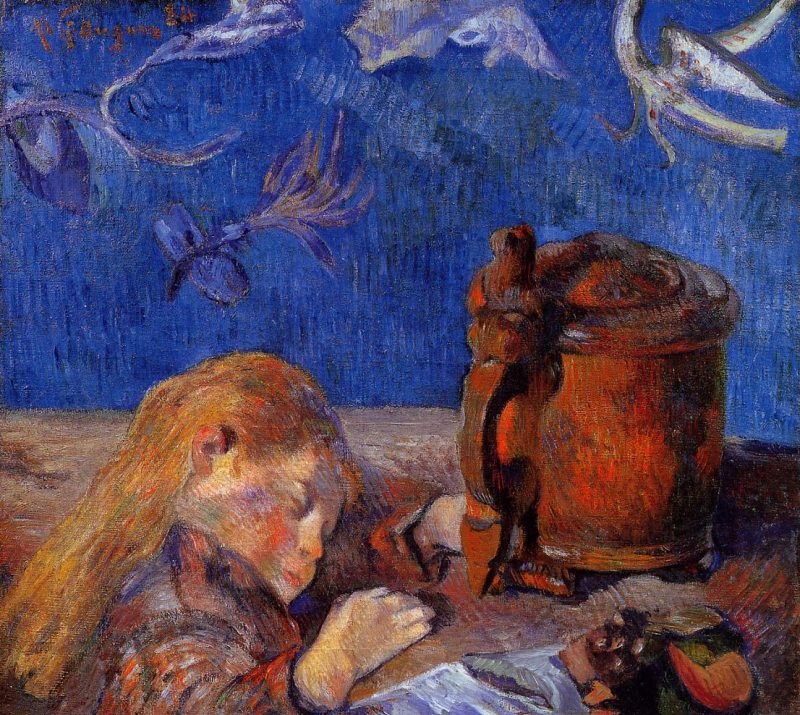
Paul Gauguin’s por­trait of his son, Clo­vis presents a tan­ta­liz­ing prospect for those of us who haven’t slept like a baby in decades…

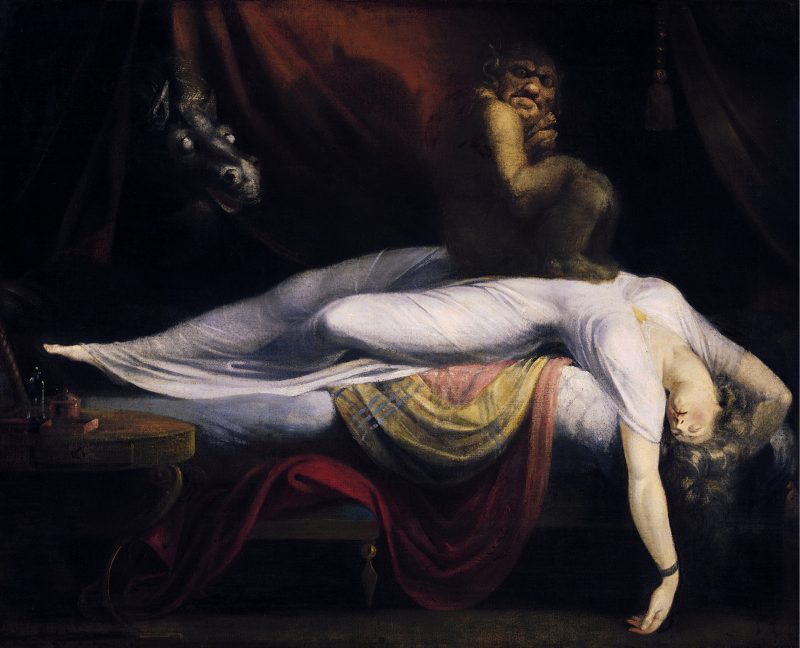
The Night­mare by Herny Fuseli should chime with Goth­ic sen­si­bil­i­ties…

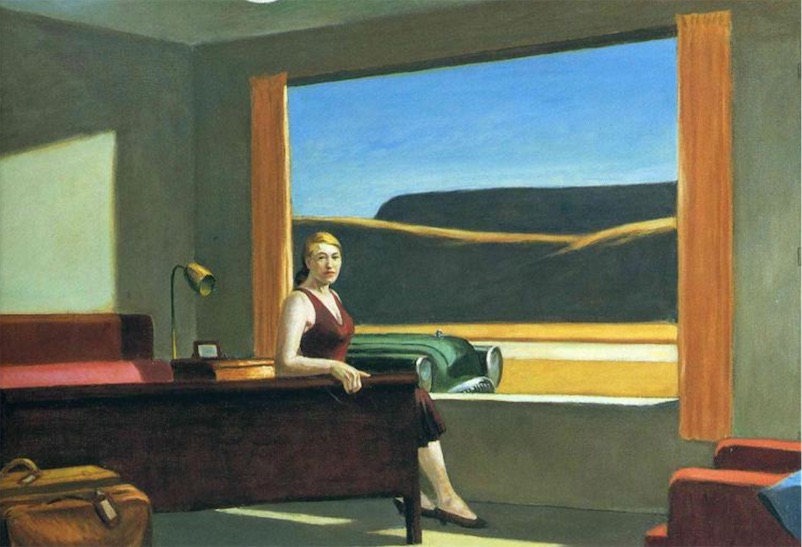
And it’s a fair­ly safe bet that some of us will select Edward Hop­per’s West­ern Motel, at the top of this post, if only because we heard the Vir­ginia Muse­um of Fine Arts was accept­ing dou­ble occu­pan­cy book­ings for an extreme­ly faith­ful fac­sim­i­le, as part of its Edward Hop­per and the Amer­i­can Hotel exhi­bi­tion.

Alas, if unsur­pris­ing­ly, the Hop­per Hotel Expe­ri­ence, with mini golf and a curat­ed tour, sold out quick­ly, with prices rang­ing from $150 to $500 for an off-hours stay.

Tick­et-hold­ing vis­i­tors can still peer in at the room any time the exhib­it is open to the pub­lic, but it’s after hours when the Insta­gram­ming kicks into high gear.

What guest could resist the temp­ta­tion to strike a pose amid the vin­tage lug­gage and (blue­tooth-enabled) wood pan­eled radio, fill­ing in for the 1957 painting’s lone fig­ure, an icon­ic Hop­per woman in a bur­gundy dress?

The Art Insti­tute of Chica­go notes that she is sin­gu­lar among Hopper’s sub­jects, in that she appears to be gaz­ing direct­ly at the view­er.

But as per the Yale Uni­ver­si­ty Art Gallery, from which West­ern Motel is on loan:

The woman star­ing across the room does not seem to see us; the pen­sive­ness of her stare and her tense pos­ture accen­tu­ate the sense of some impend­ing event. She appears to be wait­ing: the lug­gage is packed, the room is devoid of per­son­al objects, the bed is made, and a car is parked out­side the win­dow.

Hope­ful­ly, those lucky enough to have secured a book­ing will have per­fect­ed the pose in the mir­ror at home pri­or to arrival. This “motel” is a bit of a stage set, in that guests must leave the paint­ing to access the pub­lic bath­room that con­sti­tutes the facil­i­ties.

(No word on whether the theme extends to a paper “san­i­tized for your pro­tec­tion” band across the toi­let, but there’s no show­er and a secu­ri­ty offi­cer is sta­tioned out­side the room for the dura­tion of each stay.)

The pop­u­lar­i­ty of this once-in-a-life­time exhib­it tie-in may spark oth­er muse­ums to fol­low suit.

The Art Insti­tute of Chica­go start­ed the trend in 2016 with a painstak­ing recre­ation of Vin­cent Van Gogh’s room at Arles, which it list­ed on Air BnB for $10/night.

Think of all the fun we could have if the bed­rooms of art his­to­ry opened to us…

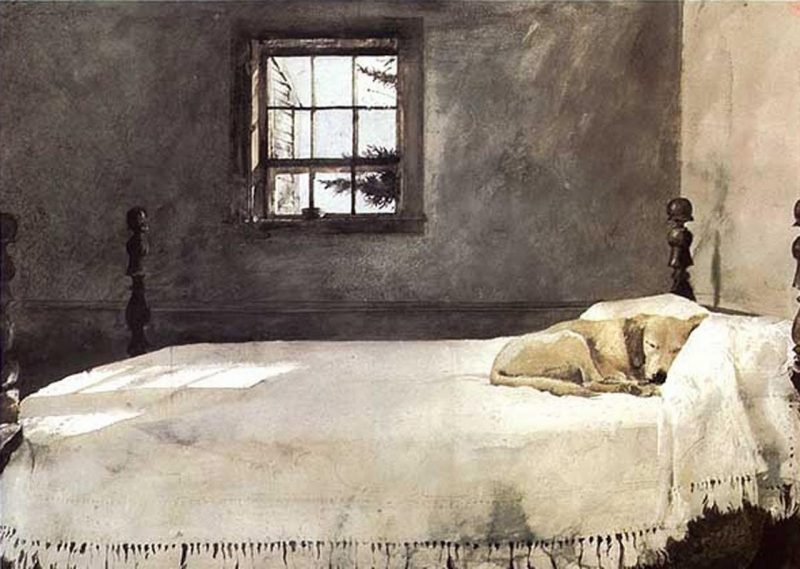
Dog lovers could get cozy in Andrew Wyeth’s Mas­ter Bed­room.

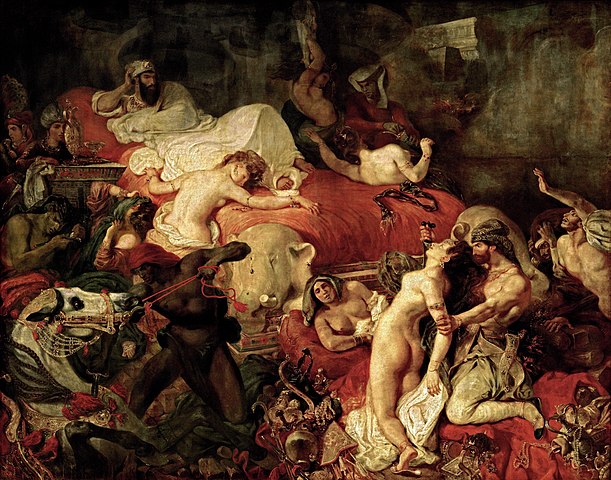
Delacroix’s The Death of Sar­dana­palus (1827) would require some­thing more than dou­ble occu­pan­cy for prop­er Insta­gram­ming.

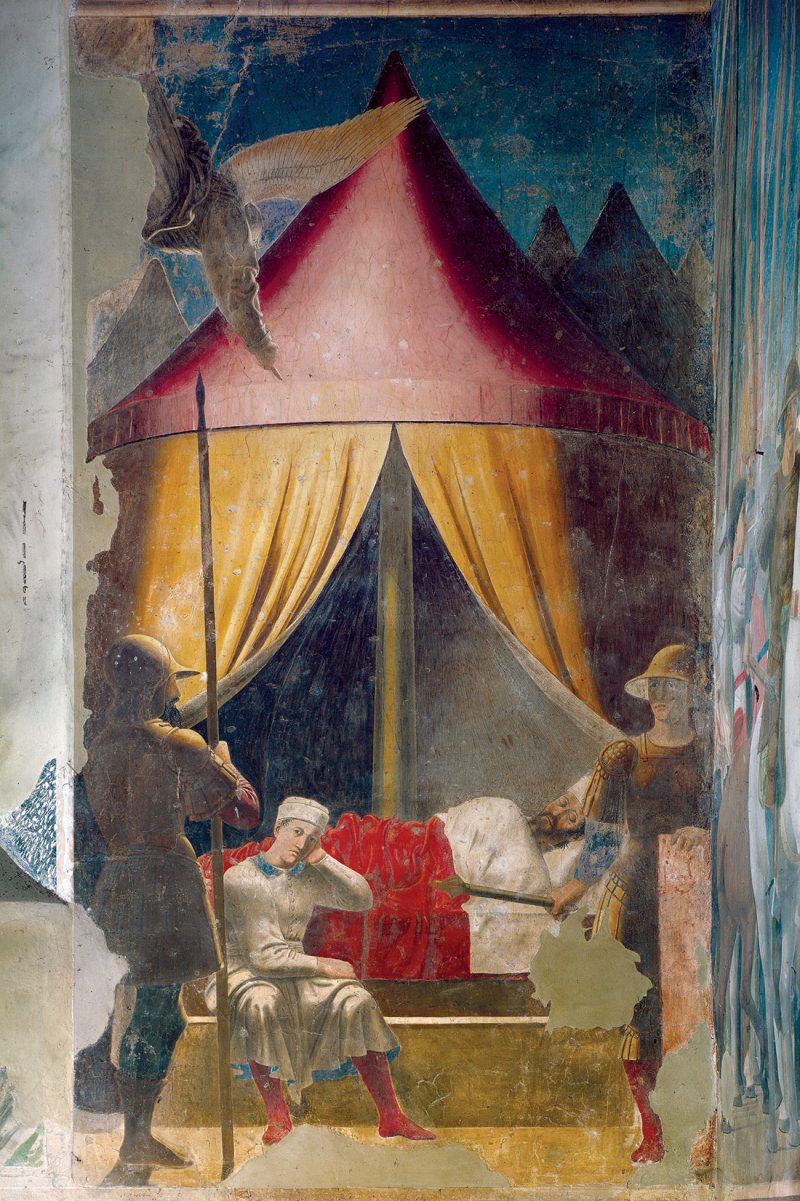
Piero del­la Francesca’s The Dream of Con­stan­tine might elic­it impres­sive mes­sages from the sub-con­science…

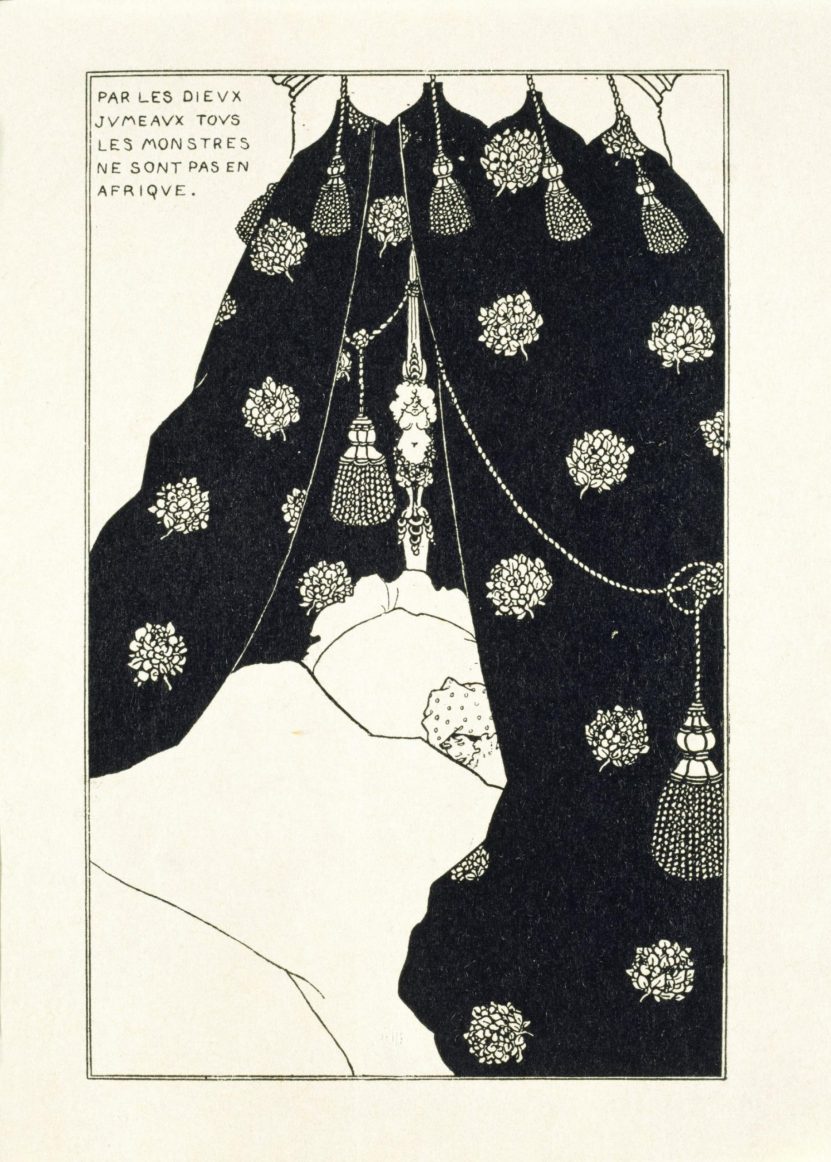
Tuber­cu­lo­sis noth­with­stand­ing, Aubrey Beardsley’s Self Por­trait in Bed is rife with pos­si­bil­i­ties.

Or skip the cul­tur­al fore­play and head straight for the NSFW plea­sures of The French Bed, a la Rembrandt’s etch­ing.

Edward Hop­per and the Amer­i­can Hotel will be trav­el­ing to the Indi­anapo­lis Muse­um of Art at New­fields in June 2020.

Relat­ed Con­tent:

Take a Jour­ney Inside Vin­cent Van Gogh’s Paint­ings with a New Dig­i­tal Exhi­bi­tion

How Edward Hop­per “Sto­ry­board­ed” His Icon­ic Paint­ing Nighthawks

60-Sec­ond Intro­duc­tions to 12 Ground­break­ing Artists: Matisse, Dalí, Duchamp, Hop­per, Pol­lock, Rothko & More

Ayun Hal­l­i­day is an author, illus­tra­tor, the­ater mak­er and Chief Pri­ma­tol­o­gist of the East Vil­lage Inky zine.  Join her in NYC on Mon­day, Decem­ber 9 when her month­ly book-based vari­ety show, Necro­mancers of the Pub­lic Domain cel­e­brates Dennison’s Christ­mas Book (1921). Fol­low her @AyunHalliday.

Masterclass Is Running a “Buy One, Give One Free” Deal: It Gives You and a Family Member/Friend Access to Their Complete Course Catalog

FYI: This spe­cial deal is now over…

You can see their stan­dard 0ffer–an all-access pass to their cat­a­logue of 70+ courses–here.

« Go Back
Quantcast