Is It Really Ever a Good Idea to Revive an Old TV Show? Pretty Much Pop #13 Considers

This image has an empty alt attribute; its file name is PMP-TV-Revivals-Revived-400-x-800.jpg

An appalling num­ber of shows are now being con­tin­ued long after their deaths. Revivals (not to be con­fused with reboots) bring us back to the com­fort of old friends, who are now real­ly old. What can a revival’s suc­cess tell us about why the show was appeal­ing in the first place? Would­n’t you rather see a new work by the same cre­ative team than more of the same? Mark, Eri­ca, and Bri­an con­sid­er some suc­cess­es, fail­ures, and hypo­thet­i­cals.

We con­sid­er Arrest­ed Devel­op­ment, The Twi­light Zone, X‑Files, Twin Peaks, Will & Grace, Dead­wood, Full House, Gilmore Girls, Queer Eye, Doc­tor Who, Veron­i­ca Mars, and talk too much about The Brady Bunch and Alf.

Some arti­cles we looked at:

This episode includes bonus dis­cus­sion that you can only hear by sup­port­ing the pod­cast at patreon.com/prettymuchpop. This pod­cast is part of the Par­tial­ly Exam­ined Life pod­cast net­work.

Pret­ty Much Pop is the first pod­cast curat­ed by Open Cul­ture. Browse all Pret­ty Much Pop posts or start with the first episode.

Metropolis Remixed: Fritz Lang’s German Expressionist Sci-Fi Classic Gets Fully Colorized and Dubbed

Those of us who grew up with late-night cable tele­vi­sion will have a few mem­o­ries of hap­pen­ing upon old movies that did­n’t look quite right. Usu­al­ly drawn from the 1940s or 50s, and some­times from the depths of gen­res like sci­ence-fic­tion and hor­ror, these pic­tures had under­gone the process of col­oriza­tion in hopes of increas­ing their appeal to a gen­er­a­tion unused to black-and-white imagery. Alas, even the most high-pro­file col­oriza­tion projects back then tend­ed to look washed-out, with life­less­ly pale faces lost among wash­es of green and brown. On the tech­ni­cal lev­el col­oriza­tion has improved in the decades since, though on the artis­tic lev­el its usage remains, to say the least, a sus­pect endeav­or.

But what if the film cho­sen for col­oriza­tion was, rather than some piece of dri­ve-in schlock, one of the acknowl­edged mas­ter­pieces of ear­ly 20th-cen­tu­ry cin­e­ma? Metrop­o­lis­Remix comes as one espe­cial­ly intrigu­ing (if also star­tling) answer to that ques­tion, bring­ing as it does Fritz Lang’s huge­ly influ­en­tial 1927 work of Ger­man Expres­sion­ist sci-fi from not just the world of black-and-white film into col­or but from that of silent film into sound.

To add col­or its mak­ers used DeOld­ify, “a deep learn­ing-based project for col­oriz­ing and restor­ing old images (and video!)” pre­vi­ous­ly fea­tured here on Open Cul­ture when we post­ed this col­orized footage of Paris, New York, and Havana from the late 19th and ear­ly 20th cen­tu­ry. You can get a taste of the Metrop­o­lis­Remix view­ing expe­ri­ence from this trail­er.

In its entire­ty this ver­sion of Metrop­o­lis runs just over two hours, quite a bit short­er than the film’s most recent restora­tion, 2010’s The Com­plete Metrop­o­lis. The dif­fer­ence owes in large part to the lack of dia­logue-con­vey­ing inter­ti­tles, which have been ren­dered unnec­es­sary by a full-cast Eng­lish-lan­guage dub that includes music and sound effects. Not every­one, of course, will approve of this “fan mod­ern­iza­tion,” as its cre­ators describe it. Phil Hall at Cin­e­ma Crazed prefers to call it “the most reck­less­ly bad idea for a film since All This and World War II, the infa­mous 1976 non­sense that unit­ed Sec­ond World War news­reel footage with most­ly unsat­is­fac­to­ry cov­er ver­sions of Bea­t­les music.” But the sheer brazen­ness of Metrop­o­lis­Remix nev­er­the­less impress­es — and some­how, Lang and his col­lab­o­ra­tors’ vision of an indus­tri­al art-deco dystopia sur­vives.

via Messy Nessy

Relat­ed Con­tent:

Metrop­o­lis: Watch a Restored Ver­sion of Fritz Lang’s Mas­ter­piece (1927)

Read the Orig­i­nal 32-Page Pro­gram for Fritz Lang’s Metrop­o­lis (1927)

Fritz Lang Invents the Video Phone in Metrop­o­lis (1927)

H.G. Wells Pans Fritz Lang’s Metrop­o­lis in a 1927 Movie Review: It’s “the Sil­li­est Film”

10 Great Ger­man Expres­sion­ist Films: From Nos­fer­atu to The Cab­i­net of Dr. Cali­gari

Based in Seoul, Col­in Mar­shall writes and broad­casts on cities, lan­guage, and cul­ture. His projects include the book The State­less City: a Walk through 21st-Cen­tu­ry Los Ange­les and the video series The City in Cin­e­ma. Fol­low him on Twit­ter at @colinmarshall or on Face­book.

The First Music Streaming Service Was Invented in 1881: Discover the Théâtrophone

Every liv­ing adult has wit­nessed enough tech­no­log­i­cal advance­ment in their life­time to mar­vel at just how much has changed, and dig­i­tal stream­ing and telecom­mu­ni­ca­tions hap­pen to be areas where the most rev­o­lu­tion­ary change seems to have tak­en place. We take for grant­ed that the present resem­bles the past not at all, and that the future will look unimag­in­ably dif­fer­ent. So the nar­ra­tive of lin­ear progress tells us. But that sto­ry is nev­er as tri­umphant­ly sim­ple as it seems.

In one salient coun­terex­am­ple, we find that not only did livestream­ing music and news exist in the­o­ry long before the inter­net, but it exist­ed in actu­al practice—at the very dawn of record­ing tech­nol­o­gy, tele­pho­ny, and gen­er­al elec­tri­fi­ca­tion. First devel­oped in France in 1881 by inven­tor Clement Ader, who called his sys­tem the Théâtro­phone, the device allowed users to expe­ri­ence “the trans­mis­sion of music and oth­er enter­tain­ment over a tele­phone line,” notes the site Bob’s Old Phones, “using very sen­si­tive micro­phones of [Ader’s] own inven­tion and his own receivers.”

The pre-radio tech­nol­o­gy was ahead of its time in many ways, as Michael Der­van explains at The Irish Times. The Théâtro­phone “could trans­mit two-chan­nel, mul­ti-micro­phone relays of the­atre and opera over phone lines for lis­ten­ing on head­phones. The use of dif­fer­ent sig­nals for the two ears cre­at­ed a stereo effect.” Users sub­scribed to the ser­vice, and it proved pop­u­lar enough to receive an entry in the 1889 edi­tion of The Elec­tri­cal Engi­neer ref­er­ence guide, which defined it as “a tele­phone by which one can have soupçons of the­atri­cal decla­ma­tion for half a franc.”

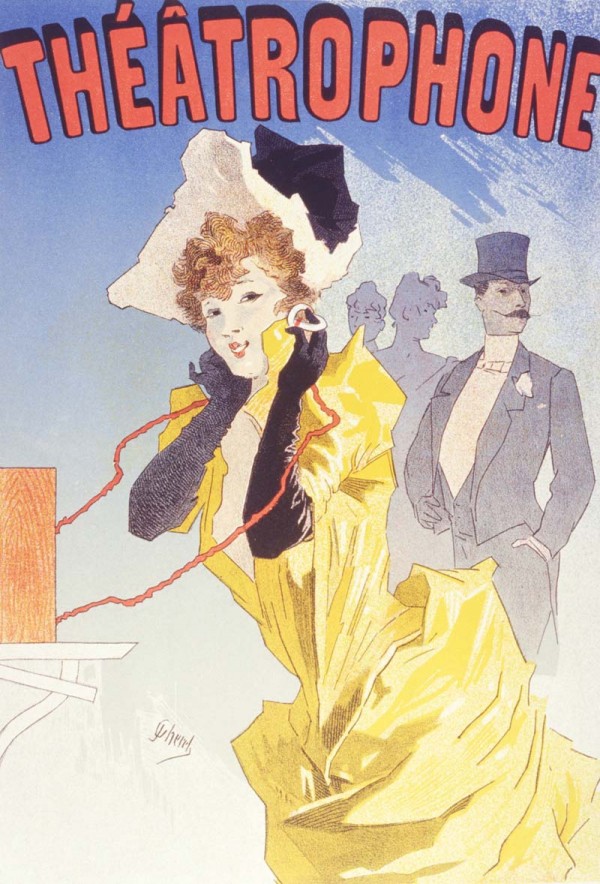
In 1896 “the Belle Epoque pop artist Jules Cheret immor­tal­ized the the­at­ro­phone,” writes Tanya Basu at Men­tal Floss, “in a lith­o­graph fea­tur­ing a woman in a yel­low dress, grin­ning as she pre­sum­ably lis­tened to an opera feed.” Vic­tor Hugo got to try it out. “It’s very strange,” he wrote. “It starts with two ear muffs on the wall, and we hear the opera; we change ear­muffs and hear the French The­atre, Coquelin. And we change again and hear the Opera Comique. The chil­dren and I were delight­ed.”

Though The Elec­tri­cal Engi­neer also called it “the lat­est thing to catch [Parisians’] ears and their cen­times,” the inno­va­tion had already by that time spread else­where in Europe. Inven­tor Tivador Puskas cre­at­ed a “stream­ing” sys­tem in Budapest called Tele­fon Her­mon­do (Tele­phone Her­ald), Bob’s Old Phones points out, “which broad­cast news and stock mar­ket infor­ma­tion over tele­phone lines.” Unlike Ader’s sys­tem, sub­scribers could “call in to the tele­phone switch­board and be con­nect­ed to the broad­cast of their choice. The sys­tem was quite suc­cess­ful and was wide­ly report­ed over­seas.”

The mech­a­nism was, of course, quite dif­fer­ent from dig­i­tal stream­ing, and quite lim­it­ed by our stan­dards, but the basic deliv­ery sys­tem was sim­i­lar enough. A third such ser­vice worked a lit­tle dif­fer­ent­ly. The Elec­tro­phone sys­tem, formed in Lon­don in 1884, com­bined its pre­de­ces­sors’ ideas: broad­cast­ing both news and musi­cal enter­tain­ment. Play­back options were expand­ed, with both head­phones and a speak­er-like mega­phone attach­ment.

Addi­tion­al­ly, users had a micro­phone so that they could “talk to the Cen­tral Office and request dif­fer­ent pro­grams.” The addi­tion of inter­ac­tiv­i­ty came at a pre­mi­um. “The Elec­tro­phone ser­vice was expen­sive,” writes Der­van, “£5 a year at a time when that sum would have cov­ered a cou­ple months rent.” Addi­tion­al­ly, “the expe­ri­ence was com­mu­nal rather than soli­tary.” Sub­scribers would gath­er in groups to lis­ten, and “some of the pho­tographs” of these ses­sions resem­ble “images of addicts in an old-style opi­um den”—or of Vic­to­ri­ans gath­ered at a séance.

The com­pa­ny lat­er gave recu­per­at­ing WWI ser­vice­men access to the ser­vice, which height­ened its pro­file. But these ear­ly livestream­ing services—if we may so call them—were not com­mer­cial­ly viable, and “radio killed the ven­ture off in the 1920s” with its uni­ver­sal acces­si­bil­i­ty and appeal to adver­tis­ers and gov­ern­ments. This seem­ing evo­lu­tion­ary dead end might have been a dis­tant ances­tor of stream­ing live con­certs and events, though no one could have fore­seen it at the time. No one save sci­ence fic­tion writ­ers.

Edward Bellamy’s 1888 utopi­an nov­el Look­ing Back­ward imag­ined a device very like the Théâtro­phone in his vision of the year 2000. And in 1909, E.M. Forster drew on ear­ly stream­ing ser­vices and oth­er ear­ly telecom­mu­ni­ca­tions advances for his vision­ary short sto­ry “The Machine Stops,” which extrap­o­lat­ed the more iso­lat­ing ten­den­cies of the tech­nol­o­gy to pre­dict, as play­wright Neil Duffield remarks, “the inter­net in the days before even radio was a mass medi­um.”

via Ted Gioia/The Irish Times

Relat­ed Con­tent:

The His­to­ry of the Inter­net in 8 Min­utes

Hear the First Record­ing of the Human Voice (1860)

How an 18th-Cen­tu­ry Monk Invent­ed the First Elec­tron­ic Instru­ment

Josh Jones is a writer and musi­cian based in Durham, NC. Fol­low him at @jdmagness

19th-Century Skeleton Alarm Clock Reminded People Daily of the Shortness of Life: An Introduction to the Memento Mori

Vic­to­ri­an cul­ture can seem grim and even ghoul­ish to us youth-obsessed, death-deny­ing 21st cen­tu­ry mod­erns. The tra­di­tion of death pho­tog­ra­phy, for exam­ple, both fas­ci­nates and repels us, espe­cial­ly por­trai­ture of deceased chil­dren. But the prac­tice “became increas­ing­ly pop­u­lar,” notes the BBC, as “Vic­to­ri­an nurs­eries were plagued by measles, diph­the­ria, scar­let fever, rubella—all of which could be,” and too often were, “fatal.”

Adults did not fare much bet­ter when it came to the epi­dem­ic spread of killer dis­eases. Sur­round­ed inescapably by death, Vic­to­ri­ans coped by invest­ing their world with totemic sym­bols, cul­tur­al arti­facts known as memen­to mori, mean­ing “remem­ber, you must die.” Tuber­cu­lo­sis, cholera, influen­za… at any moment, one might take ill and waste away, and there would like­ly be lit­tle med­ical sci­ence could do about it.

Per­haps the best approach, then, was an accep­tance of death while in the bloom of health, in order to not waste the moment and to learn to pay atten­tion to what mat­tered while one could. Memen­to mori draw­ings, paint­ings, jew­el­ry, pho­tographs, and trin­kets have pop­u­lat­ed Euro­pean cul­tur­al his­to­ry for cen­turies; death as an ever-present com­pan­ion, not to be hid­den away and feared but solemn­ly, respect­ful­ly giv­en its due.

Or maybe not so respect­ful­ly, as the case may be. Some of these nov­el­ties, like the skele­ton alarm clock at the top, look more like they belong at the bot­tom of a fish tank than a prop­er par­lor man­tle. “Pre­sum­ably when the alarm went off,” writes Alli­son Meier at Hyper­al­ler­gic, “the skele­ton would shake its bones.” Wake up, life is short, you could die at any time. “Part of the col­lec­tions of Sci­ence Muse­um, Lon­don, it’s believed to be of Eng­lish ori­gin and date between 1840 and 1900.”

The Tim Bur­ton-esque tchotchke appeared in a 2014 British Library exhib­it called Ter­ror and Won­der: The Goth­ic Imag­i­na­tion, with many oth­er such objects of vary­ing degrees of artistry: “200 objects from a span of 250 years, all cen­tered on the Goth­ic tra­di­tion in art, lit­er­a­ture, music, fash­ion, and most recent­ly film.” Memen­to mori arti­facts offer vis­cer­al reminders that real, dai­ly con­fronta­tions with dis­ease and death were “at the base of much of Goth­ic lit­er­a­ture and art.”

Where we now tend to read the Goth­ic as pri­mar­i­ly reflec­tive of social, cul­tur­al, and reli­gious anx­i­eties, the preva­lence of memen­to mori in Euro­pean homes both low and high (such as Mary Queen of Scots’ skull watch, in an 1896 illus­tra­tion above) shows us just how much the gloomy strain of think­ing that became the mod­ern hor­ror genre derives from a desire to con­front mor­tal­i­ty head on, so to speak, and find­ing that look­ing death in the face brings on ancient uncan­ny dread as much as healthy gal­lows humor and sto­ic, stiff-upper-lip reck­on­ing with the ulti­mate fact of life.

via Lind­sey Fitzhar­ris

Relat­ed Con­tent:

An Artist Cro­chets a Life-Size, Anatom­i­cal­ly-Cor­rect Skele­ton, Com­plete with Organs

Cel­e­brate The Day of the Dead with The Clas­sic Skele­ton Art of José Guadalupe Posa­da

Old Books Bound in Human Skin Found in Har­vard Libraries (and Else­where in Boston)

Josh Jones is a writer and musi­cian based in Durham, NC. Fol­low him at @jdmagness

Watch Queen Rehearse & Meticulously Prepare for Their Legendary 1985 Live Aid Performance

It seems no small irony that lean, late-sev­en­ties and eight­ies New Wave bands like U2, Depeche Mode, and the Cure, who made lega­cy sta­di­um rock acts like Queen seem out­mod­ed, went on to become mas­sive-sell­ing sta­di­um lega­cy acts them­selves. The musi­cal cri­tique of 70’s rock excess­es found its most pop­u­lar expres­sion in bands that took a lot from Fred­die Mer­cury and com­pa­ny: flam­boy­ant sex­u­al flu­id­i­ty, spec­tac­u­lar light shows, raw emo­tion­al con­fes­sion­al­ism, stri­dent­ly sen­ti­men­tal, fist-pump­ing anthems…

Yet in the eight­ies, a “wide-sweep­ing change in musi­cal tastes” dis­placed Queen’s reign on the charts, writes Les­ley-Ann Jones in Mer­cury: An Inti­mate Biog­ra­phy of Fred­die Mer­cury. They were “con­found­ing­ly on the wane” and “were begin­ning to feel that they’d had their day. A per­ma­nent split was in the cards. They’d talked about it.” But it was not to be, thanks to Live Aid, the near-mytho­log­i­cal July 13, 1985 per­for­mance at Wem­b­ley Sta­di­um. After that gig, remem­bers Queen key­boardist Spike Edney, “Queen found that their whole world had changed.”

Sud­den­ly, after their short, 20-minute day­light set (see the video at the bot­tom), they were again the biggest band on the plan­et. “Queen smoked ‘em,” as Dave Grohl puts it. “They walked away being the great­est band you’d ever seen in your life, and it was unbe­liev­able.” The sen­ti­ment was uni­ver­sal­ly echoed by every­one from Elton John to Bowie to Bono to Paul McCart­ney, all of them upstaged that day. “It has been repeat­ed ad nau­se­am,” writes Jones, “that Queen’s per­for­mance was the most thrilling, the most mov­ing, the most mem­o­rable, the most enduring—surpassing as it did the efforts of their great­est rivals.”

The band, how­ev­er, was “sur­prised that every­one was sur­prised,” says Edney. “They were vet­er­ans at sta­di­um gigs… this was their nat­ur­al habi­tat.” Queen “could prac­ti­cal­ly do this stuff in their sleep.” Mix­ing his metaphors, Edney also reveals just how hard the band worked to remain the con­sum­mate pro­fes­sion­als they were: “to them, it was anoth­er day at the office.” As such, they put in their time to make absolute­ly cer­tain that they would be in top form. “They booked out the 400-seat Shaw The­atre, near King’s Cross train sta­tion in Lon­don,” notes Mar­tin Chilton at Udis­cov­er­mu­sic, “and spent a week hon­ing their five-song set,” plan­ning every sin­gle part of it to per­fec­tion.

Live Aid orga­niz­er Bob Geld­of had asked bands not to debut new mate­r­i­al but play fan favorites. Edney was “stunned to hear cer­tain artists belt­ing out their lat­est sin­gle.” But Queen took Geldof’s “mes­sage to heart,” putting togeth­er a care­ful­ly curat­ed med­ley of their biggest hits. In the video at the top of the post, see the band dis­cuss this behind-the-scenes process with an inter­view­er before going onstage in front of a crowd of “the 72,000 fans who would be at Wembley—and the esti­mat­ed 1.9 bil­lion peo­ple watch­ing on tele­vi­sion from 130 coun­tries around the world.”

In answer to a ques­tion about going onstage with­out their usu­al spec­tac­u­lar stage and light show, or even time for a sound check before their set, Bri­an May replies, “it all comes down to whether you can play or not, real­ly, which is nice, in a way, because I think there’s prob­a­bly an ele­ment who think that groups like us can’t do it with­out the extrav­a­gant back­drop.” Who­ev­er he might have been refer­ring to, his “We’ll see” sounds supreme­ly con­fi­dent.

The band was metic­u­lous­ly pre­pared. After the inter­view, we see rehearsal footage of near­ly their full set, begin­ning with “Radio Ga Ga,” a song whose cho­rus dur­ing the live event pro­duced what was described as “the note heard around the world.” (See it above.) After their incred­i­ble per­for­mance May sound­ed much more mod­est, even self-effac­ing. “The rest of us played OK, but Fred­die went out there and took it to anoth­er lev­el. It wasn’t just Queen fans. He con­nect­ed with every­one. I’d nev­er seen any­thing like that in my life.”

The per­for­mance is all the more remark­able for the fact that Queen had been shunned just the pre­vi­ous year for break­ing the boy­cott and play­ing in South Africa, for noble but mis­un­der­stood rea­sons at the time. They were con­sid­er­ing call­ing it qui­ets, but the pres­sures they were under seemed only to gal­va­nize them into what every­one remem­bers as their great­est show ever—”Queen’s ulti­mate moment,” writes Jones, “towards which they had been build­ing their entire career.”

Relat­ed Con­tent:

Watch Queen’s Stun­ning Live Aid Per­for­mance: 20 Min­utes Guar­an­teed to Give You Goose Bumps (July 13, 1985)

A Stun­ning Live Con­cert Film of Queen Per­form­ing in Mon­tre­al, Dig­i­tal­ly Restored to Per­fec­tion (1981)

Watch Queen’s Drag­tas­tic “I Want to Break Free” Video: It Was More Than Amer­i­ca & MTV Could Han­dle (1984)

Josh Jones is a writer and musi­cian based in Durham, NC. Fol­low him at @jdmagness

A 900-Page Pre-Pantone Guide to Color from 1692: A Complete Digital Scan

Human beings got along per­fect­ly well for hun­dreds of mil­len­nia with­out stan­dard­ized tax­onomies of col­or, but they didn’t do so in a glob­al­ly con­nect­ed cul­ture full of logos, brands, and 24/7 screens. It’s arguable whether the world as we now see it would have been pos­si­ble with­out monop­o­lis­tic col­or sys­tems like Pan­tone. They may cir­cum­scribe the visu­al world and dic­tate col­or from above. But they also enable inter­na­tion­al design prin­ci­ples and visu­al lan­guages that trans­late eas­i­ly every­where.

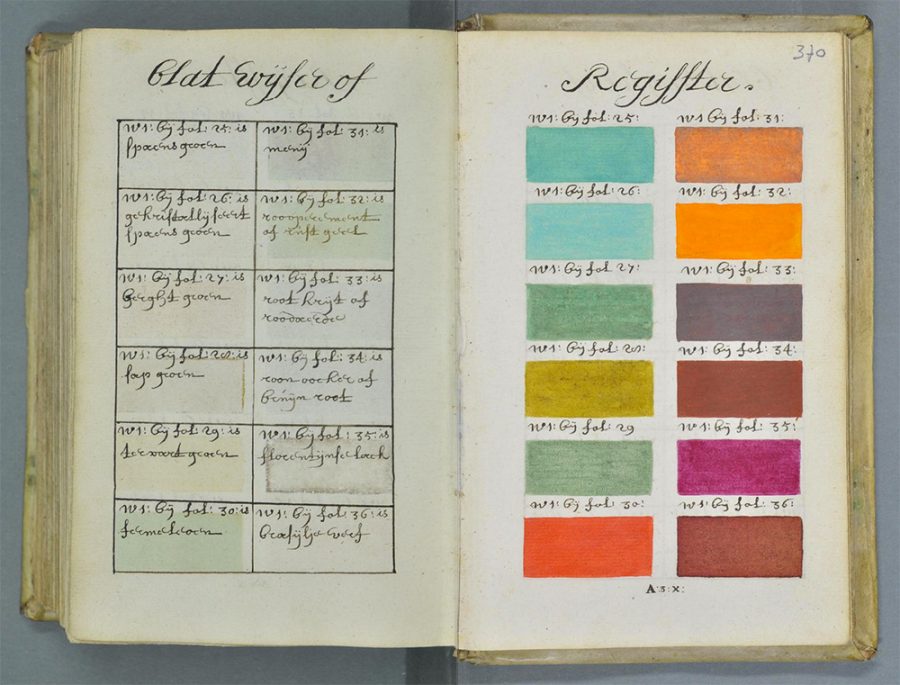
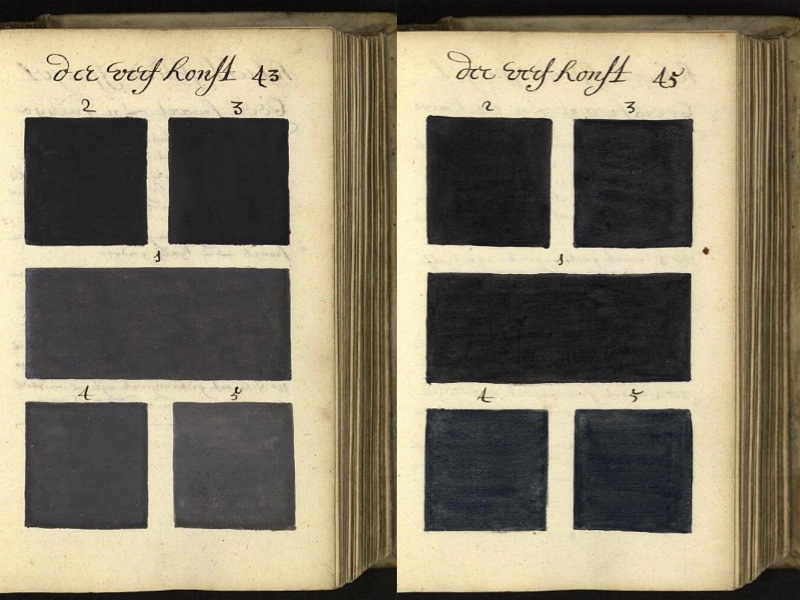
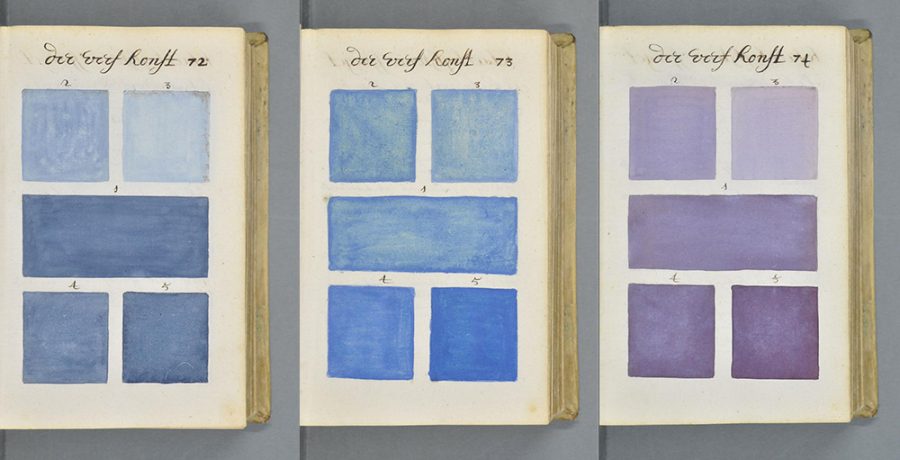
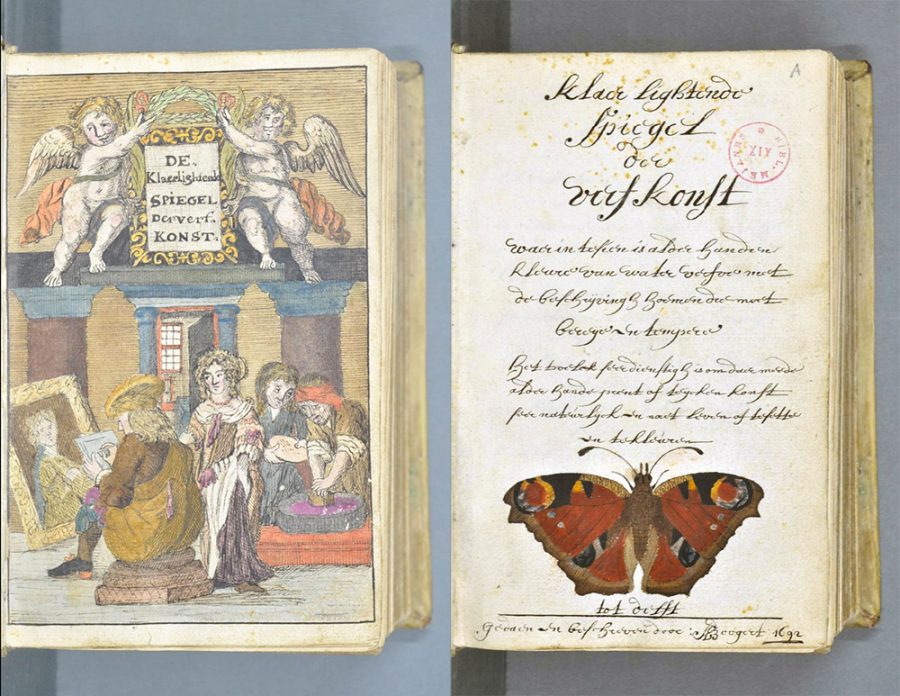
These cir­cum­stances did not yet exist in 1692, when Dutch artist A. Boogert cre­at­ed a huge, almost 900-page book on col­or, Traité des couleurs ser­vant à la pein­ture à l’eau. But they were slow­ly com­ing into being, thanks to stud­ies by philoso­pher-sci­en­tists like Isaac New­ton.

Boogert’s book took enlight­en­ment work on optics in a more rig­or­ous design direc­tion than any of his con­tem­po­raries, antic­i­pat­ing a num­ber of influ­en­tial books on col­or to come in the fol­low­ing cen­turies, such as the art his­to­ry-mak­ing stud­ies by Johann Wolf­gang von Goethe and a book on col­or used by Charles Dar­win dur­ing his Bea­gle voy­age.

Boogert’s exhaus­tive study includes hand­writ­ten notes and descrip­tions and hun­dreds of hand-paint­ed col­or swatch­es. This above-and-beyond effort was not, how­ev­er, made for sci­en­tif­ic or indus­tri­al pur­pos­es but as a guide for artists, show­ing how to mix water­col­ors to make every col­or in the spec­trum. The author even includes a com­pre­hen­sive unit on whites, grays, and blacks. How much his­tor­i­cal influ­ence did Boogert’s text have on the devel­op­ment of stan­dard­ized col­or sys­tems, we might won­der? Hard­ly any at all. Its sin­gle copy, notes Colos­sal, “was prob­a­bly seen by very few eyes.”

The obscure book dis­ap­peared in the archives of the Bib­lio­thèque Méjanes in Aix-en-Provence, France. That is, until its dis­cov­ery recent­ly by Medieval book his­to­ri­an Erik Kwakkel, who post­ed scans on his Tum­blr and trans­lat­ed some of the intro­duc­tion from the orig­i­nal Dutch. Since then, the com­plete text has come online: 898 pages of high-res­o­lu­tion dig­i­tal scans at the Bib­lio­thèque Méjanes site. (Go to this page, click on the pic­ture, then click on the arrows in the low­er right side of the page to move through the book.)

If you read Dutch, all the bet­ter to appre­ci­ate this rare his­toric arti­fact. But you don’t need to under­stand A. Boogert’s expla­na­tions on water­col­or tech­nique to be stag­gered by the incred­i­ble amount of work that went into this ear­ly, over­looked labor of love for sys­tem­at­ic approach­es to col­or. Enter the full text here.

h/t David Hale

Relat­ed Con­tent:

A Vision­ary 115-Year-Old Col­or The­o­ry Man­u­al Returns to Print: Emi­ly Noyes Vanderpoel’s Col­or Prob­lems

The Vibrant Col­or Wheels Designed by Goethe, New­ton & Oth­er The­o­rists of Col­or (1665–1810)

Goethe’s The­o­ry of Col­ors: The 1810 Trea­tise That Inspired Kandin­sky & Ear­ly Abstract Paint­ing

Werner’s Nomen­cla­ture of Colour, the 19th-Cen­tu­ry “Col­or Dic­tio­nary” Used by Charles Dar­win (1814)

Josh Jones is a writer and musi­cian based in Durham, NC. Fol­low him at @jdmagness

Quentin Tarantino Explains How to Write & Direct Movies

When Quentin Taran­ti­no debuted in 1992 with Reser­voir Dogs, and even more so when he fol­lowed it up with the cin­e­mat­ic phe­nom­e­non that was Pulp Fic­tion, the view­ers most dubi­ous about the young auteur’s cul­tur­al stay­ing pow­er dis­missed his movies as ele­va­tions of style over sub­stance. Whether or not Taran­ti­no has con­vert­ed all his ear­ly crit­ics over the past 27 years, he’s cer­tain­ly demon­strat­ed that style can con­sti­tute a sub­stance of its own.

Even many who did­n’t care for his lat­est pic­ture, this year’s Once Upon a Time in Hol­ly­wood, nev­er­the­less expressed grat­i­tude at the release of a lav­ish, large-scale film packed full of ideas, ref­er­ences, set pieces, and jokes — an increas­ing­ly rare achieve­ment, or even aspi­ra­tion, among non-Taran­ti­no film­mak­ers. How does he do it? The Direc­tor’s Chair pro­file video above, and the accom­pa­ny­ing Stu­dio Binder essay by Matt Vasil­i­auskas, iden­ti­fies the essen­tial ele­ments that con­sti­tute the Taran­tin­ian style and Taran­tin­ian sub­stance.

In the video Taran­ti­no dis­cuss­es his process: “I was put on Earth to face the blank page,” to bring forth ideas from with­in and place them in new genre con­texts, to write one line of dia­logue after anoth­er and feel the sur­prise as the script takes turns unex­pect­ed even to him. Every­thing, from con­ver­sa­tions to action scenes to expan­sive wide shots, plays out in his head before he shoots the first frame: “Before I make the movie, I watch the movie.” And like all auteurs, he makes the movie he wants to see: “I don’t think the audi­ence is this dumb per­son low­er than me,” he has said. “I am the audi­ence.”

A film­mak­er look­ing to fol­low Taran­ti­no’s exam­ple must do the fol­low­ing: “Keep it per­son­al,” using expe­ri­ences they’ve actu­al­ly had or emo­tions they’ve actu­al­ly felt, even if they present them fil­tered through “crazy genre world.” “Struc­ture like a nov­el,” with the will­ing­ness to break free of chrono­log­i­cal order. “Think like an actor,” since you’ll have to work long and hard with them. Shoot “Hong Kong action sequences,” two or three moves at a time, so that you can organ­i­cal­ly change and incor­po­rate what hap­pens along the way. “Keep music in mind,” whether that means exist­ing songs that evoke cer­tain times, places, and moods, or orig­i­nal scores like that which Taran­ti­no com­mis­sioned for The Hate­ful Eight from Ennio Mor­ri­cone.

Mor­ri­cone is best known for his col­lab­o­ra­tions with Taran­ti­no’s hero Ser­gio Leone, and like Leone and “all direc­tors work­ing at the top of their game,” writes Vasil­i­auskas, Taran­ti­no “uses the cam­era as his most pow­er­ful sto­ry­telling imple­ment,” espe­cial­ly when shoot­ing wide. “Whether it’s the Bride bat­tling the Crazy 88 gang in Kill Bill or Djan­go sur­vey­ing a burned-out home, Taran­ti­no under­stands the pow­er of the wide-shot to not only cre­ate ten­sion, but to uti­lize the envi­ron­ment in reveal­ing the desires of his char­ac­ters.” But he also gets seri­ous aes­thet­ic and emo­tion­al mileage out of extreme close-ups, crash zooms, and point-of-view shots from inside the trunk of a car (or peri­od equiv­a­lents there­of).

Above all, this for­mer Man­hat­tan Beach video-store clerk “absorbs movies,” and has by his own admis­sion stolen from more films than most of us will watch in our lives. But none of this makes pre­dictable what Taran­ti­no will draw from his real-life and film­go­ing expe­ri­ences and put on the screen next: “I should throw them for a loop,” he says in an inter­view clip includ­ed in the video. He means his audi­ence, of course, but before he can throw us for a loop, he has to do it to him­self. And what­ev­er thrills and sur­pris­es Taran­ti­no will, as we’ve seen over the course of ten fea­ture films so far, thrill and sur­prise us even more.

Relat­ed Con­tent:

How Quentin Taran­ti­no Steals from Oth­er Movies: A Video Essay

How Quentin Taran­ti­no Cre­ates Sus­pense in His Favorite Scene, the Ten­sion-Filled Open­ing Moments of Inglou­ri­ous Bas­ter­ds

The Films of Quentin Taran­ti­no: Watch Video Essays on Pulp Fic­tionReser­voir DogsKill Bill & More

Quentin Taran­ti­no Explains The Art of the Music in His Films

Wes Ander­son Explains How He Writes and Directs Movies, and What Goes Into His Dis­tinc­tive Film­mak­ing Style

Based in Seoul, Col­in Mar­shall writes and broad­casts on cities, lan­guage, and cul­ture. His projects include the book The State­less City: a Walk through 21st-Cen­tu­ry Los Ange­les and the video series The City in Cin­e­ma. Fol­low him on Twit­ter at @colinmarshall or on Face­book.

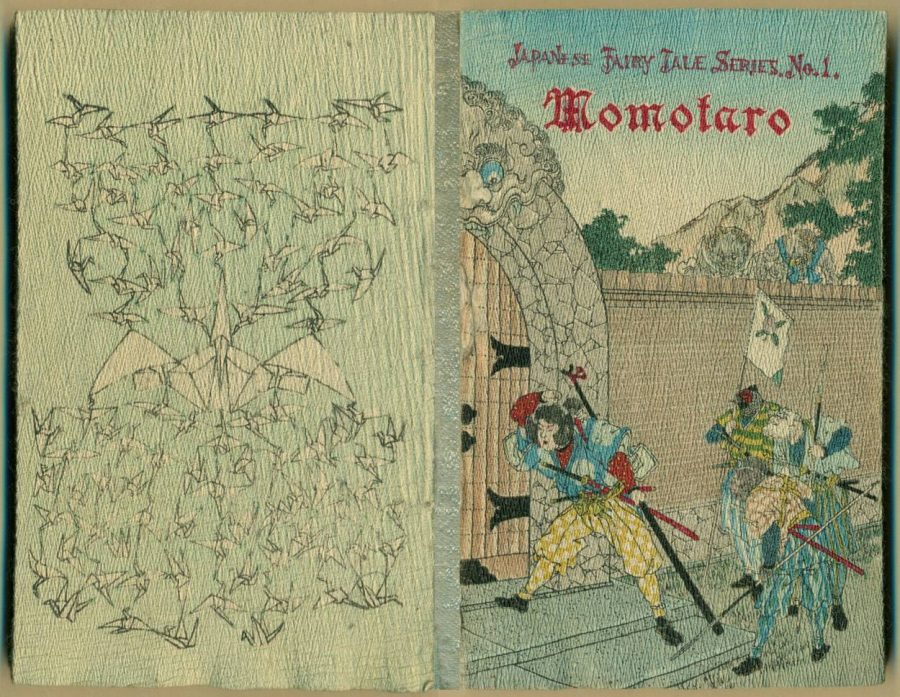
The Japanese Fairy Tale Series: The Illustrated Books That Introduced Western Readers to Japanese Tales (1885–1922)

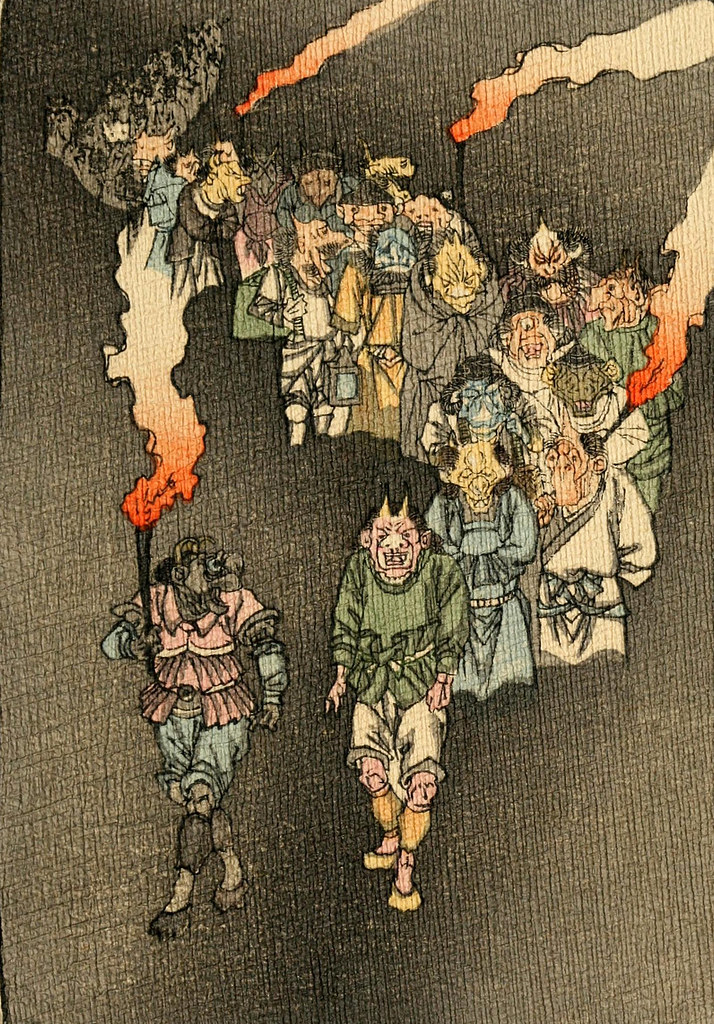
Every­one in Japan knows the sto­ry of Momo­taro, the boy born from a peach who goes on to defeat the maraud­ing ogres known as oni. The old­est known writ­ten ver­sions of Momo­taro’s adven­tures date back to the 17th cen­tu­ry, but even then the tale almost cer­tain­ly had a long his­to­ry of pas­sage through oral tra­di­tion. And though Momo­taro may well be the best-known Japan­ese folk hero, his sto­ry is just one in a body of folk­lore vast enough that few, even among avid enthu­si­asts, can claim to have mas­tered it in its entire­ty.

That vast body of Japan­ese folk­lore has pro­vid­ed no small amount of inspi­ra­tion to comics, ani­ma­tion, and the oth­er mod­ern forms of sto­ry­telling that have brought many of these folk­tales to wider audi­ences — even glob­al audi­ences, a project that began in the late 19th cen­tu­ry.

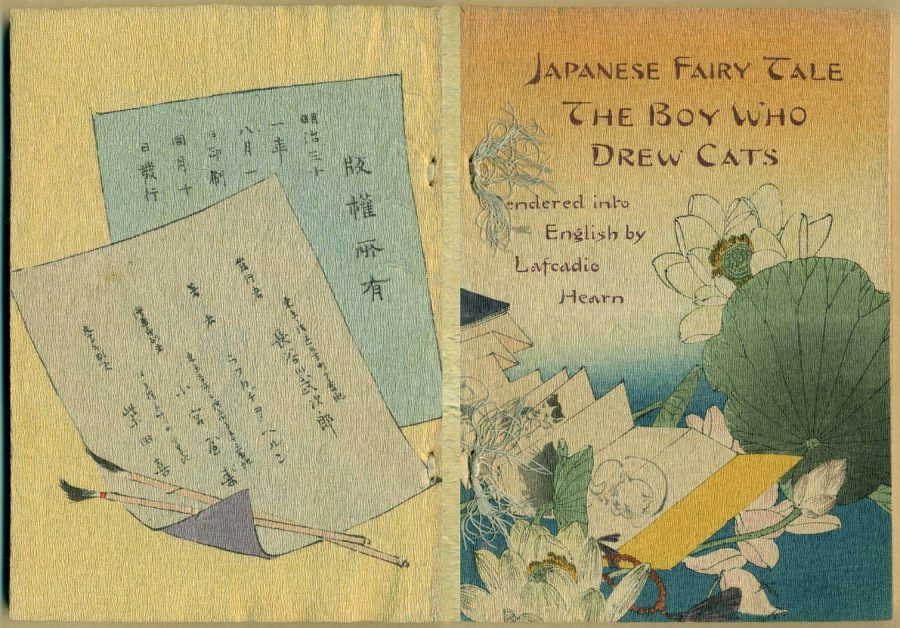
Their West­ern pop­u­lar­iza­tion has no greater fig­ure­head than Laf­ca­dio Hearn. A Greek-British writer who moved to Japan in 1890, Hearn lat­er became a nat­u­ral­ized Japan­ese cit­i­zen and wrote such books as Japan­ese Fairy Tales, Kwaidan: Sto­ries and Stud­ies of Strange Things, and The Boy Who Drew Cats.

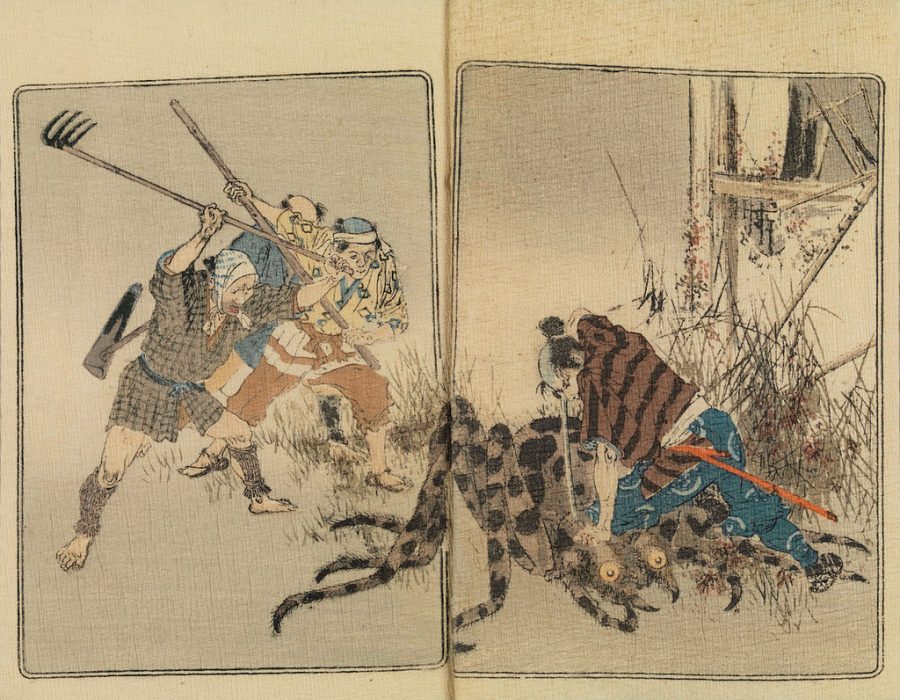
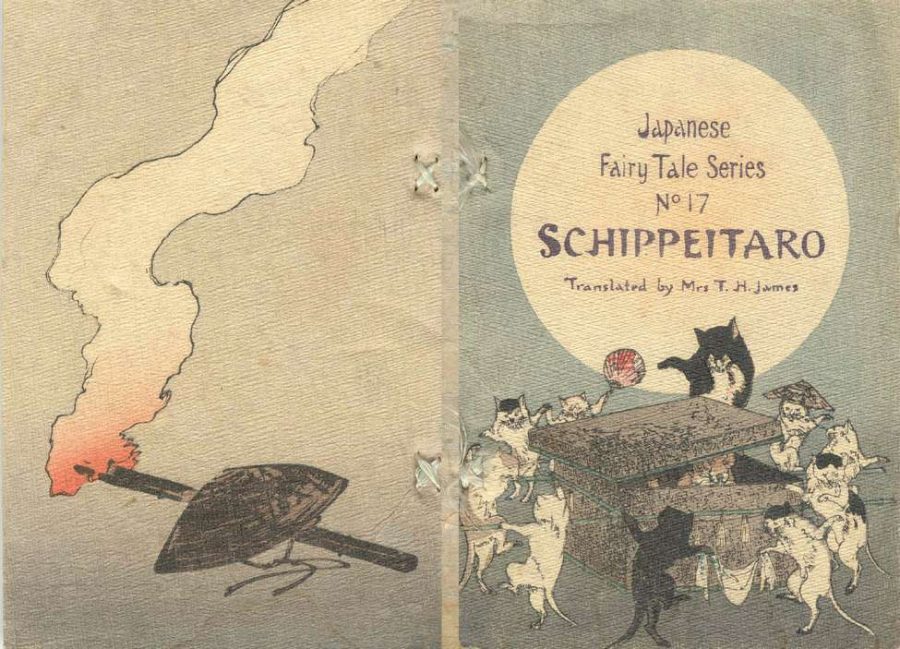
That last title, an Eng­lish ver­sion of a Japan­ese folk­tale about a child who van­quish­es a gob­lin rat in a monastery by draw­ing its nat­ur­al ene­mies on the monastery walls, was also adapt­ed in a series of beau­ti­ful­ly illus­trat­ed crêpe-paper chil­dren’s books put out by an enter­pris­ing Japan­ese pub­lish­er named Take­jiro Hasegawa. “In twen­ty vol­umes, pub­lished between 1885 and 1922, the Fairy Tale series intro­duced tra­di­tion­al Japan­ese folk tales, first to read­ers of Eng­lish and French, and lat­er to read­ers of Ger­man, Span­ish, Por­tuguese, Dutch, and Russ­ian,” writes the Pub­lic Domain Review’s Christo­pher DeCou.

Want­i­ng to mod­el the books on Japan­ese antholo­gies pub­lished in the six­teenth cen­tu­ry, Hasegawa hired tra­di­tion­al Japan­ese wood­block print­ers like Kobyashi EitakuSuzu­ki Kason, and Chikanobu to illus­trate them. And, for the trans­la­tion work, he drew on the local mis­sion­ary com­mu­ni­ty to which his own Eng­lish edu­ca­tion had put him in con­tact. “The ear­li­est vol­umes in the Japan­ese Fairy Tale Series real­ly were very much a prod­uct of Tokyo’s close-knit expat com­mu­ni­ty,” DeCou writes. A grow­ing West­ern inter­est in Japon­isme, as well as “Hasewaga’s wheel­ing and deal­ing at World’s Fairs” and the good sense to bring the famous Hearn aboard the project, made the Japan­ese Fairy Tale Series into an endur­ing inter­na­tion­al suc­cess.

“At a time when pub­lish­ing hous­es in Lon­don and New York dom­i­nat­ed the mar­ket,” DeCou writes, “Hasegawa’s press in Tokyo was pro­duc­ing equal­ly beau­ti­ful vol­umes using tra­di­tion­al Japan­ese craft­work and broad­cast­ing Japan’s cul­ture to the world.” You can see more pages of the Japan­ese Fairy Tale Books at the Pub­lic Domain Review, and com­plete dig­i­ti­za­tions at the site of book deal­er George Bax­ley as well as at the Pub­lic Library of Cincin­nati and Hamil­ton Coun­ty and the Inter­net Archive. Like Hearn, Hasegawa under­stood that Japan­ese folk­lore had the appeal to cross tem­po­ral and cul­tur­al bound­aries. But could even he have imag­ined that the very books in which he pub­lished them would still draw such fas­ci­na­tion more than a cen­tu­ry lat­er?

via Pub­lic Domain Review

Relat­ed Con­tent:

1,000+ His­toric Japan­ese Illus­trat­ed Books Dig­i­tized & Put Online by the Smith­son­ian: From the Edo & Meji Eras (1600–1912)

Splen­did Hand-Scroll Illus­tra­tions of The Tale of Gen­jii, The First Nov­el Ever Writ­ten (Cir­ca 1120)

A Won­der­ful­ly Illus­trat­ed 1925 Japan­ese Edi­tion of Aesop’s Fables by Leg­endary Children’s Book Illus­tra­tor Takeo Takei

A Japan­ese Illus­trat­ed His­to­ry of Amer­i­ca (1861): Fea­tures George Wash­ing­ton Punch­ing Tigers, John Adams Slay­ing Snakes & Oth­er Fan­tas­tic Scenes

The First Muse­um Ded­i­cat­ed to Japan­ese Folk­lore Mon­sters Is Now Open

Enter a Dig­i­tal Archive of 213,000+ Beau­ti­ful Japan­ese Wood­block Prints

Based in Seoul, Col­in Mar­shall writes and broad­casts on cities, lan­guage, and cul­ture. His projects include the book The State­less City: a Walk through 21st-Cen­tu­ry Los Ange­les and the video series The City in Cin­e­ma. Fol­low him on Twit­ter at @colinmarshall or on Face­book.

« Go BackMore in this category... »
Quantcast