When Al Capone Opened a Soup Kitchen During the Great Depression: Another Side of the Legendary Mobster’s Operation

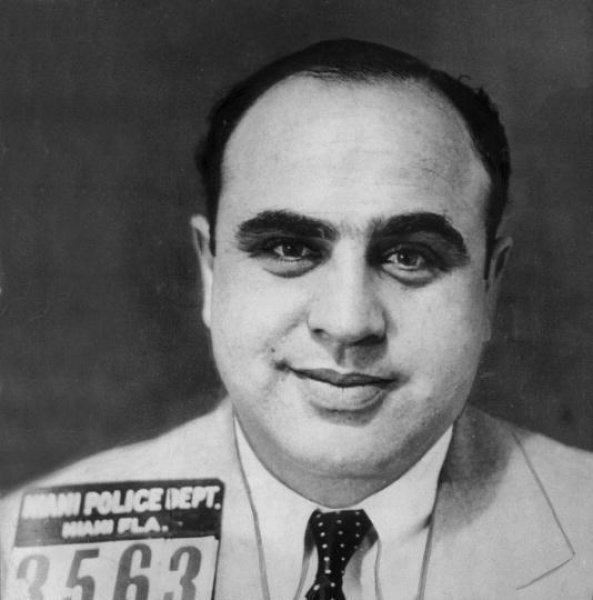
In response to the words “Amer­i­can gang­ster,” one name comes to mind before all oth­ers: Al Capone. (Apolo­gies to Rid­ley Scott.) Though few Amer­i­cans could now describe the full scope of his empire’s crim­i­nal activ­i­ties, many know that he grew that empire boot­leg­ging dur­ing Pro­hi­bi­tion and that he was even­tu­al­ly brought down on the rel­a­tive­ly mild charge of tax eva­sion. A media spec­ta­cle by the stan­dards of the day, the tri­al that con­vict­ed Capone in 1931 was in some sense the nat­ur­al last act of his pub­lic­i­ty-com­mand­ing career. Most Capo­ne­ol­o­gists place the begin­ning of the mob boss’ fall at the 1929 “Saint Valen­tine’s Day Mas­sacre” of sev­en of Capone’s rivals. Lat­er that year came the stock mar­ket crash that set off the Great Depres­sion, which offered Chicago’s “Pub­lic Ene­my No. 1” one last chance to win back that pub­lic’s favor.

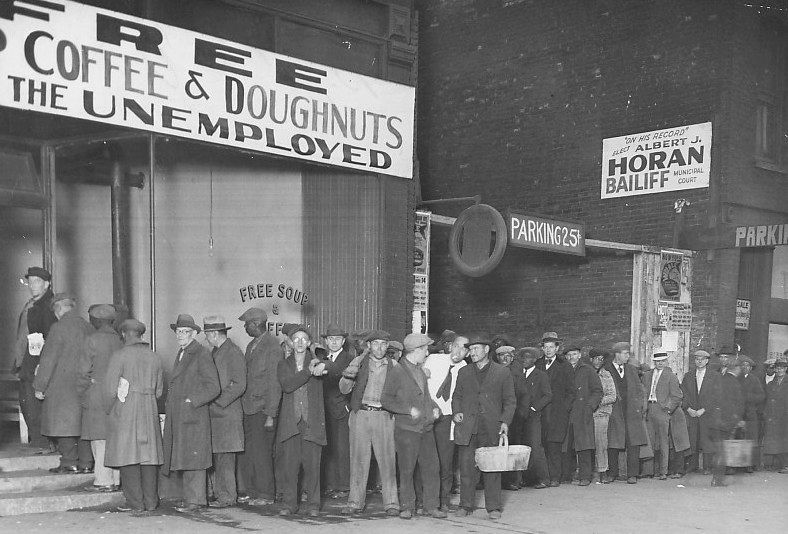
Hav­ing long trad­ed on a Robin Hood-esque image, Capone opened a soup kitchen in his home base of Chica­go to serve the unfor­tu­nates sud­den­ly dis­pos­sessed by the dev­as­tat­ed Amer­i­can econ­o­my. “Capone’s soup kitchen served break­fast, lunch and din­ner to an aver­age of 2,200 Chicagoans every day,” writes History.com’s Christo­pher Klein. “Inside the soup kitchen, smil­ing women in white aprons served up cof­fee and sweet rolls for break­fast, soup and bread for lunch and soup, cof­fee and bread for din­ner. No sec­ond help­ings were denied. No ques­tions were asked, and no one was asked to prove their need.”

Capone’s will­ing­ness to sat­is­fy human needs and desires out­side the law kept him rich, and thus more than able to run such an oper­a­tion, even as the Depres­sion set in; still, he “may not have paid a dime for the soup kitchen, rely­ing instead on his crim­i­nal ten­den­cies to stock­pile his char­i­ta­ble endeav­or by extort­ing and brib­ing busi­ness­es to donate goods.”

Capone’s soup kitchen may have helped keep Chica­go fed, but it could only do so much to clean up his dete­ri­o­rat­ing pub­lic image, asso­ci­at­ed as it had become with smug­gling, extor­tion, and vio­lence. “Capone’s soup kitchen closed abrupt­ly in April 1932,” writes Men­tal Floss’ Shoshi Parks. “The pro­pri­etors claimed that the kitchen was no longer need­ed because the econ­o­my was pick­ing up, even though the num­ber of unem­ployed across the coun­try had increased by 4 mil­lion between 1931 and 1932.” Two months lat­er, “Capone was indict­ed on 22 counts of income tax eva­sion; the charges that even­tu­al­ly land­ed him in San Francisco’s Alca­traz Fed­er­al Pen­i­ten­tiary. Though Capone vowed to reopen his soup kitchen dur­ing his tri­al, its doors stayed shut.” You can learn more about Capone’s soup kitchen at My Al Capone Muse­um and The Vin­tage News, and even vis­it its loca­tion at 935 South State Street today — though you won’t find any oper­a­tion more ambi­tious than a park­ing lot.

via Men­tal Floss

Relat­ed Con­tent:

A Map of Chicago’s Gang­land: A Cheeky, Car­to­graph­ic Look at Al Capone’s World (1931)

Yale Presents an Archive of 170,000 Pho­tographs Doc­u­ment­ing the Great Depres­sion

1,600 Rare Col­or Pho­tographs Depict Life in the U.S Dur­ing the Great Depres­sion & World War II

Con­fi­dence: The Car­toon That Helped Amer­i­ca Get Through the Great Depres­sion (1933)

What Pris­on­ers Ate at Alca­traz in 1946: A Vin­tage Prison Menu

New Archive Presents The Chicagoan, Chicago’s Jazz-Age Answer to The New York­er (1926 to 1935)

Based in Seoul, Col­in Mar­shall writes and broad­casts on cities, lan­guage, and cul­ture. His projects include the book The State­less City: a Walk through 21st-Cen­tu­ry Los Ange­les and the video series The City in Cin­e­ma. Fol­low him on Twit­ter at @colinmarshall, on Face­book, or on Insta­gram.

Gil Scott-Heron Spells Out Why “The Revolution Will Not Be Televised”

Con­sid­er the influ­ence of tele­vi­sion, even in the dig­i­tal age. Con­sid­er the pow­er that net­works like Fox and CNN con­tin­ue to wield over that neb­u­lous thing called pub­lic opin­ion; the con­tin­ued dom­i­nance of NBC and CBS. These giants don’t real­ly inform so much as sell pack­aged ide­o­log­i­cal con­tent paid for and approved by cor­po­rate spon­sors. There’s real­ly no need to update poet and musi­cian Gil Scott-Heron’s rad­i­cal, 1971 clas­sic “The Rev­o­lu­tion Will Not Be Tele­vised,” unless we want­ed to change the names. His voice still speaks direct­ly to the moment we live in.

We exist on a con­tin­u­um of con­di­tions that have wors­ened since the late 1960s—despite promis­es and appear­ances to the contrary—until they have become intol­er­a­ble. Scott-Heron wrote and sang about those con­di­tions since his fiery 1970 debut.

“Dubbed the ‘God­fa­ther of Rap,’” notes Brook­lyn Rail in a 2007 inter­view, “Scott-Heron has become a ubiq­ui­tous and prac­ti­cal­ly de rigueur influ­ence for every­one from hip hop­pers and indie rock­ers to aging literati and dyed-in-the-wool aca­d­e­mics.”

One might think Scott-Heron’s clas­sic spo­ken-word tes­ta­ment “The Rev­o­lu­tion Will Not Be Tele­vised” speaks for itself by now, but it still cre­ates con­fu­sion in part because peo­ple still mis­con­strue the nature of the medi­um. Why can’t you sit at home and watch jour­nal­ists cov­er protests and revolts on TV? If you think you’re see­ing “the Rev­o­lu­tion” instead of curat­ed, maybe spu­ri­ous, con­tent designed to tell a sto­ry and gin up views, you’re fool­ing your­self.

But Scott-Heron also had some­thing else in mind—you can’t see the rev­o­lu­tion on TV because you can’t see it at all. As he says above in a 1990s inter­view:

The first change that takes place is in your mind. You have to change your mind before you change the way you live and the way you move. The thing that’s going to change peo­ple is some­thing that nobody will ever be able to cap­ture on film. It’s just some­thing that you see and you’ll think, “Oh I’m on the wrong page,” or “I’m on I’m on the right page but the wrong note. And I’ve got to get in sync with every­one else to find out what’s hap­pen­ing in this coun­try.”

If we real­ize we’re out of sync with what’s real­ly hap­pen­ing, we can­not find out more on tele­vi­sion. The infor­ma­tion is where the bat­tles are being fought, at street lev­el, and in the mech­a­nisms of the legal process. “I think that the Black Amer­i­cans are the only real die-hard Amer­i­cans here,” Scott-Heron goes on, “because we’re the only ones who’ve car­ried the process through the process…. We’re the ones who marched… we’re the ones who tried to go through the courts. Being born Amer­i­can didn’t seem to mat­ter.” It still doesn’t, as we see in the killings of George Floyd and Bre­on­na Tay­lor and so many before them, and in the griev­ous injuries and deaths from uncon­sti­tu­tion­al, mil­i­tary-grade police esca­la­tions nation­wide since.

Scott-Heron asked us to ques­tion the nar­ra­tives. “How do they know?” he sang in “There’s a War Going On” at Wood­stock 94, above. How do the self-appoint­ed guardians of infor­ma­tion know what’s real­ly going on? Tele­vi­sion spreads igno­rance and mis­in­for­ma­tion, as does radio and, of course, social media. This much we should know. But we’ve mis­in­ter­pret­ed “The Rev­o­lu­tion Will Not Be Tele­vised” if we think it’s real­ly about mass media, Scott-Heron always main­tained. Before we can engage mean­ing­ful­ly with cur­rent events, a rev­o­lu­tion­ary change must hap­pen from the inside out. No one’s broad­cast­ing the truths we first, most need to hear.

via Boing­Bo­ing

Relat­ed Con­tent:

Gil Scott-Heron, God­fa­ther of Rap, Rest in Peace

Nina Simone’s Live Per­for­mances of Her Poignant Civ­il Rights Protest Songs

How Nina Simone Became Hip Hop’s “Secret Weapon”: From Lau­ryn Hill to Jay Z and Kanye West

Josh Jones is a writer and musi­cian based in Durham, NC. Fol­low him at @jdmagness

When Afrobeat Legend Fela Kuti Collaborated with Cream Drummer Ginger Baker

At the end of the 60s, super­star drum­mer and angri­est man in rock Gin­ger Bak­er was on the verge of col­lapse. Strung out on hero­in, deeply griev­ing Jimi Hendrix’s death, and alien­at­ed from his for­mer Cream and Blind Faith band­mates, he need­ed a new direc­tion. He found it in Nige­ria, where he decamped after dri­ving a Range Rover from Alge­ria across the Sahara Desert. (A mad­cap adven­ture cap­tured in the 1971 doc­u­men­tary Gin­ger Bak­er in Africa). Once in Lagos, Bak­er start­ed jam­ming with Afrobeat leg­end Fela Kuti.

The meet­ing of these two musi­cal forces of nature pro­duced a suite of record­ings. “Baker’s drum­ming appeared on sev­er­al albums along­side the Niger­ian king of afrobeat,” writes Okay Africa, “includ­ing Why Black Man Dey Suf­fer (1971), Live! (1972) and Stratavar­i­ous (1972).”

Kuti’s long­time drum­mer and arranger—and inven­tor of the “afrobeat”—Tony Allen was high­ly impressed with Bak­er’s range, and Nige­ri­ans, as Jay Bul­ger writes at Rolling Stone, loved him.

Arriv­ing in Lagos, Nige­ria, Bak­er set up west Africa’s first 16-track record­ing stu­dio and formed a life­long friend­ship with Afrobeat star Fela Kuti. Per­form­ing with the musi­cal icon for crowds of 150,000, Bak­er became famous through­out Nige­ria as the “Oyin­bo” (White) Drum­mer. “If Gin­ger wants to play jazz, he plays jazz,” says the Niger­ian drum­mer Tony Allen. “If he wants to play rock, he starts Cream. If he wants to play Afrobeat, he moves to Nige­ria. What­ev­er he plays, he brings his own pulse and sound. He under­stands the African beat more than any oth­er West­ern­er.”

High praise, but Bak­er didn’t seek the spot­light, his enor­mous ego off­stage notwith­stand­ing. He trained and he learned. Always a col­lab­o­ra­tive play­er, by his own descrip­tion, Bak­er adapt­ed him­self to the needs of the music. In Kuti’s band, he found a well-drilled ensem­ble and in Fela him­self, a kin­dred spir­it with a per­son­al­i­ty as grandiose and cap­ti­vat­ing as his own, though Baker’s par­tic­u­lar charms were maybe best appre­ci­at­ed at a dis­tance. Hear the loose, sprawl­ing Live! above, with anno­ta­tions telling the sto­ry of the two leg­ends in brief.

Bak­er and Kuti first met in the ear­ly 60s in Lon­don when Fela stud­ied at Trin­i­ty Col­lege of Music. Once they final­ly con­nect­ed musi­cal­ly, the sound was explo­sive, thanks to Baker’s record­ing stu­dio and Fela’s New Afri­ka Shrine, the per­for­mance space where the live mag­ic hap­pened night after night. Then there are the war stories—not only sex, drugs, and rock and roll, but also the actu­al Niger­ian Army try­ing to shut down Fela’s com­pound, which he called the Kalaku­ta Repub­lic, and which housed his 27 back­up singers and his stu­dio. The band­leader was beat­en and jailed over and over, and the com­mune was final­ly burned to the ground in 1977.

The video above from YouTu­ber Band­splain­ing gives an enter­tain­ing syn­op­sis of the Baker/Fela sto­ry, though beware, as sev­er­al com­menters have point­ed out, it con­tains sev­er­al inac­cu­ra­cies, includ­ing at the out­set the sug­ges­tion that Fela has only recent­ly received wide­spread recog­ni­tion. This, of course, is total­ly false—Latin Amer­i­can musi­cians have cel­e­brat­ed his fusion of African polyrhythms, big band funk, and psy­che­del­ic rock for decades; in Nige­ria and else­where in Africa, Fela was as big a musi­cal god as Clap­ton in Eng­land, as well as a pow­er­ful spir­i­tu­al and polit­i­cal sym­bol of Pan-African social­ism; and in the US and UK, New Wave bands like Talk­ing Heads made entire albums build­ing on Fela’s inspi­ra­tion.

One might think of Baker’s col­lab­o­ra­tion with Fela Kuti and the Afri­ka ‘70 as an ear­ly inter­na­tion­al super­group, of the kind that would become com­mon­place in lat­er decades. But Bak­er didn’t use Fela’s music as a back­drop for his own brand. He was thrilled just to be there in the band.

Relat­ed Con­tent:

See Why Gin­ger Bak­er (RIP) Was One of the Great­est Drum­mers in Rock & World Music

An Intro­duc­tion to the Life & Music of Fela Kuti: Rad­i­cal Niger­ian Band­leader, Polit­i­cal Hero, and Cre­ator of Afrobeat

Who Are the Best Drum Soloists in Rock? See Leg­endary Per­for­mances by Neil Peart (RIP), John Bon­ham, Kei­th Moon, Ter­ry Bozzio & More

Josh Jones is a writer and musi­cian based in Durham, NC. Fol­low him at @jdmagness.

The History of the Batmobile: A Free Documentary

In 2012, Roko Bel­ic direct­ed an hour-long doc­u­men­tary on The Bat­mo­bile. Orig­i­nal­ly released on The Dark Knight Ris­es (2012) blu-ray, the film explores the his­to­ry and evo­lu­tion of the Bat­mo­bile in com­ic books, TV and movies. And it fea­tures “notable Bat­man movie direc­tors includ­ing Chris Nolan, Joel Schu­mach­er and Tim Bur­ton, as well as actors Chris­t­ian Bale from The Dark Knight and Adam West from the 1960s Bat­man series.” Warn­er Bros. Enter­tain­ment has made the film avail­able on YouTube. Watch it above. Or find it list­ed in our col­lec­tion Free Doc­u­men­taries, a sub­set of meta­col­lec­tion, 4,000+ Free Movies Online: Great Clas­sics, Indies, Noir, West­erns, Doc­u­men­taries & More.

If you would like to sign up for Open Culture’s free email newslet­ter, please find it here. It’s a great way to see our new posts, all bun­dled in one email, each day.

If you would like to sup­port the mis­sion of Open Cul­ture, con­sid­er mak­ing a dona­tion to our site. It’s hard to rely 100% on ads, and your con­tri­bu­tions will help us con­tin­ue pro­vid­ing the best free cul­tur­al and edu­ca­tion­al mate­ri­als to learn­ers every­where. You can con­tribute through Pay­Pal, Patre­on, and Ven­mo (@openculture). Thanks!

Relat­ed Con­tent:

When Andy Warhol Made a Bat­man Super­hero Movie (1964)

The Evo­lu­tion of Bat­man in Cin­e­ma: From 1939 to Present

1950s Bat­man Car­toon Tells Kids: “Don’t Believe Those Crack­pot Lies About Peo­ple Who Wor­ship Dif­fer­ent­ly”

Saul Alinsky’s 13 Tried-and-True Rules for Creating Meaningful Social Change

Saul David Alin­sky died 36 years before the elec­tion of Barack Oba­ma and Hilary Clin­ton’s first attempt for the pres­i­den­cy. But many fever­ish screeds on social media, talk radio, and YouTube might have made one think he lurked behind these politi­cians like Rasputin. Spo­ken of by many on the right as a ser­vant of the dev­il, “Amer­i­can Joseph Goebbels,” and “dan­ger­ous har­bin­ger of insur­rec­tion,” Alin­sky devel­oped a rep­u­ta­tion for insid­i­ous­ness that may exceed his influ­ence, con­sid­er­able though it may be.

But lib­er­als and left­ists have no spe­cial pur­chase on Alinsky’s lega­cy. As one thought­ful, elo­quent pun­dit recent­ly wrote, “the Right has tak­en Saul Alinsky’s Rules for Rad­i­cals and shoved it up where #TheRe­sis­tance don’t shine.” Not long before this charm­ing appro­pri­a­tion, Alinsky’s 1971 man­u­al of polit­i­cal war­fare found its way into the hands of some of the same Tea Par­ty orga­niz­ers who had made his name syn­ony­mous with every­thing they despised about the left. (See Alin­sky court his Lucifer­ian com­par­isons in the 1966 inter­view above.)

But Alin­sky wrote Rules for Rad­i­cals for his demo­graph­ic. From the 30s to the 70s, he orga­nized poor, work­ing peo­ple in Chica­go and oth­er cities and addressed coun­ter­cul­tur­al and civ­il rights activists nation­wide. The open­ing para­graph of the book makes it per­fect­ly clear who his read­ers are:

What fol­lows is for those who want to change the world from what it is to what they believe it should be. The Prince was writ­ten by Machi­avel­li for the Haves on how to hold pow­er. Rules for Rad­i­cals is writ­ten for the Have-Nots on how to take it away.

Alin­sky’s ref­er­ence to Machi­avel­li sets read­ers up for a high degree of ruth­less­ness and realpoli­tik, and the book does not dis­ap­point. If you’re look­ing for Anar­chist Cook­book-lev­el rad­i­cal­ism, you’d best look else­where. While Alin­sky talked tough, in an hon­est Chica­go way, he did not rec­om­mend vio­lence in his man­u­al. In the Pro­logue, he denounces “parts of the far left who have gone so far in the polit­i­cal cir­cle that they are now all but indis­tin­guish­able from the extreme right.” In recent rev­o­lu­tion­ary vio­lence, he writes, “we are deal­ing with peo­ple who are mere­ly hid­ing psy­chosis behind a polit­i­cal mask.”

Rules for Rad­i­cals rec­om­mends most­ly work­ing with­in the system—though in the twist­ed way Machi­avel­li is reput­ed to have done (whether or not he’s been inter­pret­ed fair­ly). Below, you’ll find Alinsky’s list of 13 “Rules for Rad­i­cals,” offered with his pro­vi­so that polit­i­cal activism can­not be a self-serv­ing enter­prise: “Peo­ple can­not be free unless they are will­ing to sac­ri­fice some of their inter­ests to guar­an­tee the free­dom of oth­ers. The price of democ­ra­cy is the ongo­ing pur­suit of the com­mon good by all of the peo­ple.”

1. “Pow­er is not only what you have, but what the ene­my thinks you have.” Pow­er is derived from 2 main sources – mon­ey and peo­ple. “Have-Nots” must build pow­er from flesh and blood.
2. “Nev­er go out­side the exper­tise of your peo­ple.” It results in con­fu­sion, fear and retreat. Feel­ing secure adds to the back­bone of any­one.
3. “When­ev­er pos­si­ble, go out­side the exper­tise of the ene­my.” Look for ways to increase inse­cu­ri­ty, anx­i­ety and uncer­tain­ty.
4. “Make the ene­my live up to its own book of rules.” If the rule is that every let­ter gets a reply, send 30,000 let­ters. You can kill them with this because no one can pos­si­bly obey all of their own rules.
5. “Ridicule is man’s most potent weapon.” There is no defense. It’s irra­tional. It’s infu­ri­at­ing. It also works as a key pres­sure point to force the ene­my into con­ces­sions.
6. “A good tac­tic is one your peo­ple enjoy.” They’ll keep doing it with­out urg­ing and come back to do more. They’re doing their thing, and will even sug­gest bet­ter ones.
7. “A tac­tic that drags on too long becomes a drag.” Don’t become old news.
8. “Keep the pres­sure on. Nev­er let up.” Keep try­ing new things to keep the oppo­si­tion off bal­ance. As the oppo­si­tion mas­ters one approach, hit them from the flank with some­thing new.
9. “The threat is usu­al­ly more ter­ri­fy­ing than the thing itself.” Imag­i­na­tion and ego can dream up many more con­se­quences than any activist.
10. “The major premise for tac­tics is the devel­op­ment of oper­a­tions that will main­tain a con­stant pres­sure upon the oppo­si­tion.” It is this unceas­ing pres­sure that results in the reac­tions from the oppo­si­tion that are essen­tial for the suc­cess of the cam­paign.
11. “If you push a neg­a­tive hard enough, it will push through and become a pos­i­tive.” Vio­lence from the oth­er side can win the pub­lic to your side because the pub­lic sym­pa­thizes with the under­dog.
12. “The price of a suc­cess­ful attack is a con­struc­tive alter­na­tive.” Nev­er let the ene­my score points because you’re caught with­out a solu­tion to the prob­lem.
13. “Pick the tar­get, freeze it, per­son­al­ize it, and polar­ize it.” Cut off the sup­port net­work and iso­late the tar­get from sym­pa­thy. Go after peo­ple and not insti­tu­tions; peo­ple hurt faster than insti­tu­tions.

Alinsky’s rules can and have been used for anti-demo­c­ra­t­ic designs. But he defines the U.S. as a “soci­ety pred­i­cat­ed on vol­un­tarism.” His vision of democ­ra­cy leans heav­i­ly on that of keen out­side observ­er of ear­ly Amer­i­ca, Alex­is de Toc­queville, the French philoso­pher who “grave­ly warned,” writes Alin­sky, “that unless indi­vid­ual cit­i­zens were reg­u­lar­ly involved in the action of gov­ern­ing them­selves, self-gov­ern­ment would pass from the scene.”

Note: This post orig­i­nal­ly appeared on our site in 2017. In this moment of protest, we’re bring­ing it back.

Relat­ed Con­tent:

Noam Chom­sky Explains the Best Way for Ordi­nary Peo­ple to Make Change in the World, Even When It Seems Daunt­ing

Read the CIA’s Sim­ple Sab­o­tage Field Man­u­al: A Time­less Guide to Sub­vert­ing Any Orga­ni­za­tion with “Pur­pose­ful Stu­pid­i­ty” (1944)

David Byrne Curates a Playlist of Great Protest Songs Writ­ten Over the Past 60 Years: Stream Them Online

Josh Jones is a writer and musi­cian based in Durham, NC. Fol­low him at @jdmagness

by | Permalink | Make a Comment ( 5 ) |

What Makes a Cover Song Great?: Our Favorites & Yours

Many years ago I tried to per­suade friends I played with in a local indie band to debut a coun­try-punk ver­sion of Wu Tang Clan’s “C.R.E.A.M.” live. No one went for it, and look­ing back, I’m pret­ty sure it would have been a musi­cal dis­as­ter. That 90s hip-hop clas­sic deserves bet­ter than our Weird Al-meets-Ween-meets-Wilco approach, which is not to say that such a cov­er couldn’t work at all, but that Neil Young was more our speed.

Great cov­er songs come in all styles, and the world’s best musi­cians (which my friends and I were not) can take mate­r­i­al from almost any genre and make it their own (cf. Coltrane). For most peo­ple, the cov­er song is tricky ter­ri­to­ry.

Hew too close­ly to an icon­ic orig­i­nal and you risk a com­pe­tent but total­ly unnec­es­sary remake, like Gus Van Sant’s ver­sion of Psy­cho—“all that’s miss­ing is the ten­sion,” as Roger Ebert wrote of that 1998 endeav­or, “the con­vic­tion that some­thing urgent is hap­pen­ing.”

Stray too far from the source, as I near­ly dared to do with “C.R.E.A.M.,” and the effort can seem hokey, tone-deaf, dis­re­spect­ful, cul­tur­al­ly appro­pria­tive, and so forth. For some rea­son, old­er artists seem to have more grace with oth­ers’ mate­r­i­al, per­haps because they’ve lived enough to under­stand it inside and out. Many of my favorite cov­ers, and yours, are in this vein, like two well-known from film and tele­vi­sion: Charles Bradley’s cov­er of Ozzy’s “Changes” and John­ny Cash’s cov­er of Trent Reznor’s “Hurt.”

The fact that both of these soul­ful, raspy singers have passed on gives these songs an extra-musi­cal poignan­cy. They were also two singers well acquaint­ed in life with grief, loss, and hurt. Oth­er cov­er ver­sions that stick with me include Cat Power’s “At the Dark End of the Street” and R.E.M.’s cov­er of art-punks Wire’s “Strange.” What makes them great? I could go on about  the mer­its of each one, but I don’t have a gen­er­al the­o­ry of cov­ers. You’ll find such a the­o­ry in the Poly­phon­ic video at the top, how­ev­er, which asks and answers the ques­tion, “how does an artist nav­i­gate the tumul­tuous waters of cov­er songs?”

The nar­ra­tor admits the ambi­gu­i­ty inher­ent in judg­ing a suc­cess­ful cov­er. “I don’t think there’s a clear set of rules you can stick to that will guar­an­tee suc­cess. But I do think there are lessons to be learned from look­ing at the great cov­ers of the past.” He does so by ana­lyz­ing three of the most suc­cess­ful cov­ers, both crit­i­cal­ly and com­mer­cial­ly, ever record­ed: Jimi Hendrix’s haunt­ed elec­tric take on Dylan’s “All Along the Watch­tow­er,” Aretha’s anthemic trans­fig­u­ra­tion of Otis Redding’s “Respect,” and Cash’s open wound cov­er of “Hurt.”

All of these songs, in their own ways, trans­form the source mate­r­i­al com­plete­ly, such that each became a sig­na­ture for the artist. Dylan, for exam­ple, was so impressed with Hendrix’s cov­er that his live ver­sions began to resem­ble Jimi’s arrange­ment. “Strange how when I sing it,” he wrote in the lin­er notes to Bio­graph, “I always feel it’s a trib­ute to him in some kind of way.” That’s a rar­i­fied “endorse­ment of a suc­cess­ful cov­er,” if there ever was one, Poly­phon­ic says. But there’s more to it than earn­ing the song­writer’s approval.

To under­stand how a suc­cess­ful cov­er works, ret­ro­spec­tive­ly at least, we have to go back to the source and find the qual­i­ty the cov­er artist extrap­o­lat­ed and expand­ed upon. In Hendrix’s case, that was a “sense of ten­sion and desperation”—announced in his pound­ing intro, the first howl­ing line of the song, and, of course, in Hendrix’s slinky, spooky, effects-laden gui­tar runs. He trans­lat­ed the emo­tion­al tenor of Dylan’s orig­i­nal into a musi­cal vocab­u­lary that was ful­ly his own in every respect.

Cov­ers also evoke a host of per­son­al asso­ci­a­tions, as the video con­cedes, that are dif­fi­cult to nav­i­gate to firm con­clu­sions about what makes one a suc­cess. We form life­long rela­tion­ships with cer­tain songs and may accept no substitutes—or we might, on the oth­er hand, be more drawn to cov­er ver­sions through a love of the orig­i­nal. That’s espe­cial­ly true with cov­ers that alchem­i­cal­ly change a song’s sound, mean­ing, tem­po, and feel while keep­ing its intan­gi­ble emo­tion­al essence intact. Leave your favorite cov­ers in the com­ments below and tell us what you think makes them so great.

Relat­ed Con­tent:

Hear 100 Amaz­ing Cov­er Ver­sions of Bea­t­les Songs

Icon­ic Songs Played by Musi­cians Around the World: “Stand by Me,” “Redemp­tion Song,” “Rip­ple” & More

With Medieval Instru­ments, Band Per­forms Clas­sic Songs by The Bea­t­les, Red Hot Chili Pep­pers, Metal­li­ca & Deep Pur­ple

Josh Jones is a writer and musi­cian based in Durham, NC. Fol­low him at @jdmagness

Magnificent Ancient Roman Mosaic Floor Unearthed in Verona, Italy

One often hears about ren­o­va­tion projects that tear up linoleum, shag car­pet, or some equal­ly unap­peal­ing floor­ing to dis­cov­er a pris­tine (and now much more attrac­tive) lay­er of hard­wood or tile beneath. Any build­ing of suf­fi­cient age becomes a palimpsest, a col­lec­tion of era upon era of trends in archi­tec­ture and design: a look under a floor or behind a wall can poten­tial­ly become a trip back in time. The same holds for the land itself, at least in the parts of the world where civ­i­liza­tion arrived first. “In for­mer Mesopotamia there are hills in areas that should be entire­ly flat,” writes Myko Clel­land, bet­ter known as the Dap­per His­to­ri­an, on Twit­ter. “They’re actu­al­ly remains of entire towns, where res­i­dents built lay­er after lay­er until the whole thing became metres tall.”

Or take Negrar di Valpo­li­cel­la, home of the epony­mous wine vari­etal, one of whose vine­yards has turned out to con­ceal an ancient Roman vil­la. The dis­cov­ery at hand is an elab­o­rate mosa­ic floor which The His­to­ry Blog reports as “dat­ing to around the 3rd cen­tu­ry A.D.” So far, the dig under the Benedet­ti La Vil­la has revealed “long unin­ter­rupt­ed stretch­es of mosa­ic pave­ments with poly­chrome pat­terns of geo­met­ric shapes, guil­loche, wave bands, flo­ral vaults and the semi-cir­cu­lar pelta.”

Though the floor’s bril­liance may have been unex­pect­ed, its pres­ence was­n’t: that a Roman vil­la had once stood on the grounds “was known since the 19th cen­tu­ry. Indeed, the name of the win­ery is tak­en from the name of the con­tra­da (mean­ing neigh­bor­hood or dis­trict), evi­dence of cul­tur­al­ly trans­mit­ted knowl­edge of a grand vil­la there.”

Announced just last week by Negrar di Valipocel­la, the dis­cov­ery of this mosa­ic floor comes a result of the most recent of a series of archae­o­log­i­cal digs that began in 1922. “Numer­ous attempts were made in sub­se­quent decades to find the vil­la,” says The His­to­ry Blog, “and anoth­er small­er mosa­ic was dis­cov­ered in 1975 and cov­ered back up with soil for its preser­va­tion.” Though inter­rupt­ed by bud­getary lim­i­ta­tions, the work cycle of the still-oper­a­tional vine­yard, and this year’s coro­n­avirus pan­dem­ic, the project has nev­er­the­less man­aged to turn up a strong con­tender for the archae­o­log­i­cal find of the year. With luck it will turn up much more of this 1,800-year-old domus, giv­ing us all a chance to see what oth­er unex­pect­ed­ly taste­ful design choic­es the ancient Romans made. The images in this post come via Myko Clel­land, Dap­per His­to­ri­an on Twit­ter.

Relat­ed Con­tent:

Roman Archi­tec­ture: A Free Course from Yale

Take Ani­mat­ed Vir­tu­al Real­i­ty Tours of Ancient Rome at Its Archi­tec­tur­al Peak (Cir­ca 320 AD)

See the Expan­sive Ruins of Pom­peii Like You’ve Nev­er Seen Them Before: Through the Eyes of a Drone

Based in Seoul, Col­in Mar­shall writes and broad­casts on cities, lan­guage, and cul­ture. His projects include the book The State­less City: a Walk through 21st-Cen­tu­ry Los Ange­les and the video series The City in Cin­e­ma. Fol­low him on Twit­ter at @colinmarshall, on Face­book, or on Insta­gram

How the Visionary Artist Christo (RIP) Changed the Way We See the World

Hus­band and wife team Chris­to and Jeanne-Claude pro­duced what is arguably the most grandiose body of work in mod­ern his­to­ry. Their tem­po­rary mon­u­ments to the very idea of huge­ness were view­able from space and impos­si­ble to ignore on the ground: Entire islands wrapped in miles of pink fab­ric. Gar­gan­tu­an yel­low and blue umbrel­las placed up and down the coasts of Cal­i­for­nia and Japan. The Reich­stag bun­dled up in white fab­ric like a mas­sive, shiny Christ­mas gift.

These projects left an indeli­ble impres­sion on mil­lions not only in the months after their unveil­ing, but decades lat­er. The icon­ic sites the two artists trans­formed always bear the mem­o­ry of hav­ing once served as a can­vas for their cre­ations.

After remov­ing the wrap­ping from the Bis­cayne Bay islands, a project he called “my Water Lilies” in hon­or of Claude Mon­et,” Chris­to remarked that Sur­round­ed Islands lived on, “in the mind of the peo­ple.” So too will Chris­to live on—remembered by mil­lions as an artist who did things no one else would ever have con­ceived of, much less car­ried out.

The artist, who passed away from nat­ur­al caus­es at age 84 yes­ter­day, seemed to savor the con­tro­ver­sy and bewil­der­ment that met his incred­i­bly labor-inten­sive out­door sculp­tures. “If there are ques­tions, if there’s a pub­lic out­cry,” he said of their 2005 Cen­tral Park instal­la­tion The Gates, “we know how the pub­lic can be angry at art, which I think is fan­tas­tic.” I remem­ber walk­ing through The Gates when it debuted and think­ing, as most every­one does at some point in response to his mas­sive out­door instal­la­tions, “but, why?”

The effect was unde­ni­ably strik­ing, hun­dreds of saf­fron flags wav­ing between rec­tan­gu­lar steel arch­ways. Spring bloomed around the rows of gates that twist­ed around the Park’s foot­paths, 7,503 gates in all. From a short dis­tance away from the park, The Gates could be breath­tak­ing. Up close, it could be crowd­ed and obtru­sive, as mass­es of tourists and locals made their way through the gaunt­let of orange steel struc­tures.

Hard­ly does it occur to us in muse­ums to ask why the art exists. We enter with lofty, ready­made ideas about its val­ue and impor­tance. But we were nev­er giv­en scripts to make sense of Christo’s whim­si­cal intru­sions into the land­scape. Instead, he and Jeanne-Claude invent­ed new forms and new venues for art, and made the mul­ti-year process of plan­ning and build­ing each work from scratch a part of the work itself.

That process includ­ed lob­by­ing leg­is­la­tures and bureau­cra­cies, sketch­ing and plan­ning, and coor­di­nat­ing with thou­sands who installed and removed the fin­ished prod­ucts. Each Chris­to and Jeanne-Claude cre­ation seemed more osten­ta­tious than the last. “His grand projects,” writes William Grimes at The New York Times, “often decades in the mak­ing and all of them tem­po­rary, required the coop­er­a­tion of dozens, some­times hun­dreds, of landown­ers, gov­ern­ment offi­cials, judges, envi­ron­men­tal groups, local res­i­dents, engi­neers and work­ers, many of whom had lit­tle inter­est in art and a deep reluc­tance to see their lives and their sur­round­ings dis­rupt­ed by an eccen­tric vision­ary.”

And yet, “again and again, Chris­to pre­vailed, through per­sis­tence, charm and a child­like belief that even­tu­al­ly every­one would see things the way he did.” This meant that every­one who had to live with Christo’s cre­ations in their back­yards had to see things his way too, for as long as the pub­lic art exist­ed. Chris­to “remained sto­ic in the face of mount­ing crit­i­cism,” as Alex Green­berg­er at Art­news puts it. Asso­ci­at­ed ear­ly with Sit­u­a­tion­ism and France’s Nou­veau Réal­isme move­ment, the artist shared the lat­ter group’s goal of dis­cov­er­ing “new ways of per­ceiv­ing the real” and the for­mer movement’s com­mit­ment to spec­ta­cle as a means of mass dis­rup­tion.

In the short video intro­duc­tions to some of Chris­to and Jean-Claude’s most famous works here, you can see how the two revealed new real­i­ties to the world, dri­ving up tourism while spurn­ing cor­po­rate dol­lars. Instead, the artists financed their own projects by sell­ing off the draw­ings and plans used to con­ceive them. Their oper­a­tion was a self-sus­tain­ing enti­ty, a thriv­ing, suc­cess­ful com­pa­ny of its own. What they made were “beau­ti­ful things,” the artist said, “unbe­liev­ably use­less, total­ly unnec­es­sary,” and also total­ly inspir­ing, infu­ri­at­ing, and unfor­get­table.

“Chris­to lived his life to the fullest,” a state­ment released by his office reads, “not only dream­ing up what seemed impos­si­ble but real­iz­ing it. Chris­to and Jeanne-Claude’s art­work brought peo­ple togeth­er in shared expe­ri­ences across the globe, and their work lives on in our hearts and mem­o­ries.” Chris­to hasn’t fin­ished with us yet. The artist died while in the final plan­ning stages of what will be his final work, L’Arc de Tri­om­phe, Wrapped (Project for Paris, Place de l’Étoile – Charles de Gaulle), first con­ceived in 1962. That project, which will swad­dle Paris’s Arc de Tri­om­phe in 269,097 feet of fab­ric, is still expect­ed to debut in 2021.

Relat­ed Con­tent:

Cli­mate Change Gets Strik­ing­ly Visu­al­ized by a Scot­tish Art Instal­la­tion

“The Artist Project” Reveals What 127 Influ­en­tial Artists See When They Look at Art: An Acclaimed Video Series from The Met­ro­pol­i­tan Muse­um of Art

This Huge Crash­ing Wave in a Seoul Aquar­i­um Is Actu­al­ly a Gigan­tic Opti­cal Illu­sion

Josh Jones is a writer and musi­cian based in Durham, NC. Fol­low him at @jdmagness

« Go Back
Quantcast