Debbie Harry Demonstrates the Punk Pogo Dance for a U.S. Audience (1978)

Each gen­er­a­tion takes what it needs from ear­ly punk and dis­cards what it does­n’t, so that count­less sub­gen­res have descend­ed from a small, eccen­tric col­lec­tion of punk bands from the late 1970s. The speed and brute sim­plic­i­ty of the Ramones took over in the 80s. The Clash’s stri­dent, reg­gae-inflect­ed anthems guid­ed much of the 90s. The angu­lar art rock and new wave dis­co of Tele­vi­sion, Talk­ing Heads, and Blondie defined the 2000s.

But some things became almost ter­mi­nal­ly passé, or ter­mi­nal­ly stu­pid, after punk’s first wave: like sign­ing to major labels or wear­ing swastikas, iron­i­cal­ly or oth­er­wise. Already out of fash­ion by 1978, the first punk dance, the pogo, was so trag­i­cal­ly unhip that Deb­bie Har­ry pro­nounced it dead on arrival in the U.S. on famed Man­hat­tan cable access show TV Par­ty, above. She offers to demon­strate it any­way as a “his­tor­i­cal” arti­fact.

Her com­men­tary seems like both a sar­cas­tic rip on the ridicu­lous spread of trends and a gen­uine warn­ing to those who might try to make this, like, a thing in New York. Don’t bring a creaky pogo stick with you to the club. Do pour beer over your head after a sweaty half-hour of what­ev­er dance you do. There was so much to learn about punk eti­quette even then. Unless you hap­pened to be Sid Vicious, or in the audi­ence of the first Sex Pis­tols shows. Then it was all fair game.

The pogo orig­i­nat­ed, so the lore goes, with Sid. As Steve Sev­erin of Siouxsie and the Ban­shees remem­bers it, “We first met [Sid] at one of the con­certs. He began bounc­ing around the dance floor, the so called leg­end of the pogo dance. It was mere­ly Sid jump­ing up and down, try­ing to see the band, leap­ing up and down because he was stuck in the back some­where.” Just as every­one who saw the Sex Pis­tols start­ed their own band, every­one who saw Sid bounce around start­ed to pogo.

What at first looks like harm­less fun, espe­cial­ly com­pared to the bru­tal mosh pits that took over for the pogo, was any­thing but. “Pogo­ing was very vio­lent and very painful,” one eye­wit­ness remem­bers. “Peo­ple were not quite crushed to death, but seri­ous injuries occurred.” We might rethink Men With­out Hats’ “The Safe­ty Dance,” the 80s hit writ­ten in defense of pogo­ing. Lead singer Ivan Doroschuk penned the tune after he was kicked out of a club for doing the pogo. “I think peo­ple can relate to the empow­er­ing kind of mes­sage of ‘The Safe­ty Dance,’” he says.

“The Safe­ty Dance” would not have been the empow­er­ing world­wide smash it was had it been called “Pogo Danc­ing,” a minor hit for the Vibra­tors in 1976. Not near­ly as icon­ic, and over­shad­owed by a hip­per dance of the same name in the 80s, was the robot, ele­gized by The Saints in “Doing the Robot.” This dance was “both more expres­sive and less spon­ta­neous,” as cul­tur­al the­o­rist Dick Heb­di­ge describes it in Sub­cul­ture: The Mean­ing of Style, con­sist­ing of “bare­ly per­cep­ti­ble twitch­es of the head or hands or more extrav­a­gant lurch­es (Frankenstein’s first steps?) which were abrupt­ly halt­ed at ran­dom points.” Hard­ly as prac­ti­cal as the pogo, but prob­a­bly a lot safer.

via Boing Boing

Relat­ed Con­tent:

How Blondie’s Deb­bie Har­ry Learned to Deal With Super­fi­cial, Demean­ing Inter­view­ers

A Short His­to­ry of How Punk Became Punk: From Late 50s Rock­a­bil­ly and Garage Rock to The Ramones & Sex Pis­tols

The 100 Top Punk Songs of All Time, Curat­ed by Read­ers of the UK’s Sounds Mag­a­zine in 1981

Josh Jones is a writer and musi­cian based in Durham, NC. Fol­low him at @jdmagness

The Pentagon Created a Plan to Defend the US Against a Zombie Apocalypse: Read It Online

For keen observers of pop cul­ture, the flood­tide of zom­bie films and tele­vi­sion series over the past sev­er­al years has seemed like an espe­cial­ly omi­nous devel­op­ment. As social unrest spreads and increas­ing num­bers of peo­ple are uproot­ed from their homes by war, cli­mate cat­a­stro­phe, and, now, COVID-relat­ed evic­tion, one won­ders how advis­able it might have been to prime the pub­lic with so many sce­nar­ios in which heroes must fight off hordes of infec­tious dis­ease car­ri­ers? Zom­bie movies seem intent, after all, on turn­ing not only the dead but also oth­er liv­ing humans into objects of ter­ror.

Zom­bies them­selves have a com­pli­cat­ed his­to­ry; like many New World mon­sters, their ori­gins are tied to slav­ery and colo­nial­ism. The first zom­bies were not flesh-eat­ing can­ni­bals; they were peo­ple robbed of free­dom and agency by Voodoo priests, at least in leg­ends that emerged dur­ing the bru­tal twen­ty-year Amer­i­can occu­pa­tion of Haiti in the ear­ly 20th cen­tu­ry. The first fea­ture-length Hol­ly­wood zom­bie film, 1932’s White Zom­bie, was based on occultist and explor­er William Seabrook’s 1929 book The Mag­ic Island and starred Bela Lugosi as a Hait­ian Voodoo mas­ter named “Mur­der,” who enslaves the hero­ine and turns her into an instru­ment of his will.

Sub­tle the film is not, but no zom­bie film ever war­rant­ed that adjec­tive. Zom­bie enter­tain­ment induces max­i­mum fear of a relent­less Oth­er, detached, after White Zom­bie, from its Hait­ian con­text, so that the undead horde can stand in for any kind of inva­sion. The genre’s his­to­ry may go some way toward explain­ing why the U.S. gov­ern­ment has an offi­cial zom­bie pre­pared­ness plan, called CONOP 8888. The doc­u­ment was writ­ten in April 2011 by junior mil­i­tary offi­cers at the U.S. Strate­gic Com­mand (USSTRATCOM), as a train­ing exer­cise to for­mu­late a non­spe­cif­ic inva­sion con­tin­gency plan.

Despite the use of a “fic­ti­tious sce­nario,” CONOP 8888 explic­it­ly states that it “was not actu­al­ly designed as a joke.” And “indeed, it’s not,” All that’s Inter­est­ing assures us, quot­ing the fol­low­ing from the plan’s intro­duc­tion:

Zom­bies are hor­ri­bly dan­ger­ous to all human life and zom­bie infec­tions have the poten­tial to seri­ous­ly under­mine nation­al secu­ri­ty and eco­nom­ic activ­i­ties that sus­tain our way of life. There­fore hav­ing a pop­u­la­tion that is not com­posed of zom­bies or at risk from their malign influ­ence is vital to U.S. and Allied Nation­al Inter­ests.

Sub­sti­tute “zom­bies” with any out­group and the ver­biage sounds alarm­ing­ly like the rhetoric of state ter­ror. The plan, as you might expect, details a mar­tial law sce­nario, not­ing that “U.S. and inter­na­tion­al law reg­u­late mil­i­tary oper­a­tions only inso­far as human and ani­mal life are con­cerned. There are almost no restric­tions on hos­tile actions… against path­o­gen­ic life forms, organ­ic-robot­ic enti­ties, or ‘tra­di­tion­al’ zom­bies,’” what­ev­er that means.

This all seems dead­ly seri­ous, until we get to the reports’ sub­sec­tions, which detail sce­nar­ios such as “Evil Mag­ic Zom­bies (EMZ),” “Space Zom­bies (SZ),” “Veg­e­tar­i­an Zom­bies (VZ),” and “Chick­en Zom­bies (CZ)” (in fact, “the only proven class of zom­bie that actu­al­ly exists”). It’s fas­ci­nat­ing to see a mil­i­tary doc­u­ment absorb the many com­ic per­mu­ta­tions of the genre, from George Romero’s sub­ver­sive satires to Pride and Prej­u­dice and Zom­bies. No mat­ter how fun­ny zom­bies are, how­ev­er, the genre seems to require hor­rif­ic vio­lence, gore, and siege-like sur­vival­ism as key the­mat­ic ele­ments.

Tufts Uni­ver­si­ty pro­fes­sor Daniel W. Drezn­er, author of The­o­ries of Inter­na­tion­al Pol­i­tics and Zom­bies, has read the Pentagon’s zom­bie plan close­ly and dis­cov­ered some seri­ous prob­lems (and not only with its zom­bie clas­si­fi­ca­tion sys­tem). While the plan assumes the neces­si­ty of “bar­ri­cad­ed counter-zom­bie oper­a­tions,” it also admits that “USSTRATCOM forces do not cur­rent­ly hold enough con­tin­gency stores (food, water) to sup­port” such oper­a­tions for even 30 days. “So… maybe 28 days lat­er,” Drezn­er quips, sup­plies run out? (We’ve all seen what hap­pens next….) Also, alarm­ing­ly, the plan is “trig­ger-hap­py about nuclear weapons,” adding the pos­si­bil­i­ty of radi­a­tion poi­son­ing to the like­li­hood of starv­ing (or being eat­en by the starv­ing).

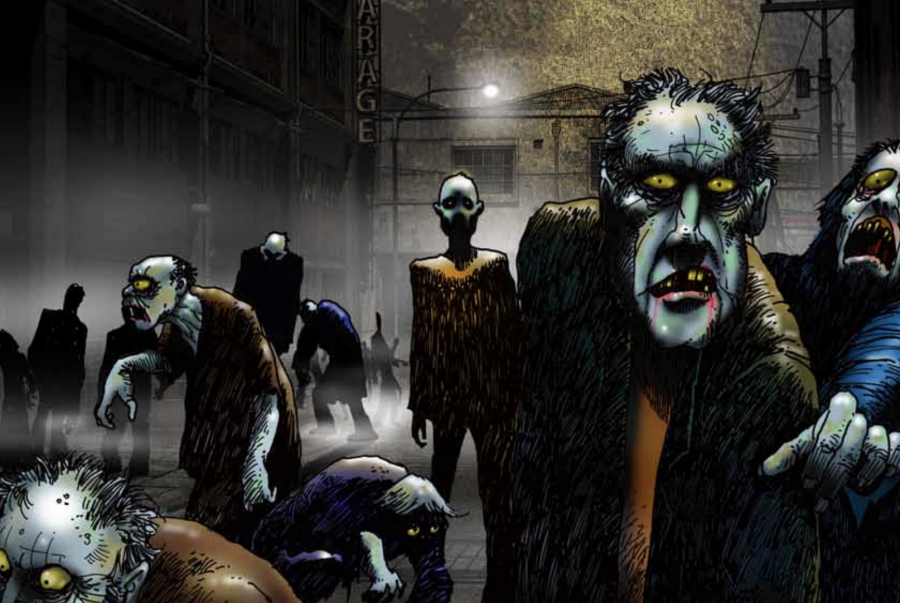
It turns out, then, that just as in so many mod­ern zom­bie sto­ries, the zom­bies may not actu­al­ly be the worst thing about a zom­bie apoc­a­lypse. Not to be out­done, the CDC decid­ed to cap­i­tal­ize on the zom­bie craze—rather late, we must say—releas­ing their own mate­ri­als for a zom­bie pan­dem­ic online in 2018. These include enter­tain­ing blogs, a poster (above), and a graph­ic nov­el full of use­ful dis­as­ter pre­pared­ness tips for ordi­nary cit­i­zens. The cam­paign might be judged in poor taste in the COVID era, but the agency assures us, in the event of a zom­bie apoc­a­lypse, “Nev­er Fear—CDC is Ready.” I leave it to you, dear read­er, to decide how com­fort­ing this promise sounds in 2020.

via Messy­Nessy

Relat­ed Con­tent:

Where Zom­bies Come From: A Video Essay on the Ori­gin of the Hor­ri­fy­ing, Satir­i­cal Mon­sters

How to Sur­vive the Com­ing Zom­bie Apoc­a­lypse: An Online Course by Michi­gan State

Watch Night of the Liv­ing Dead, the Sem­i­nal Zom­bie Movie, Free Online

Josh Jones is a writer and musi­cian based in Durham, NC. Fol­low him at @jdmagness

Steal Like Wes Anderson: A New Video Essay Explores How Wes Anderson Pays Artful Tribute to Alfred Hitchcock, Ingmar Bergman & Other Directors in His Films

Although not the debut film of direc­tor Wes Ander­son, and cer­tain­ly not of star Bill Mur­ray, Rush­more intro­duced the world to the both of them. Ander­son­’s first fea­ture Bot­tle Rock­et (an expan­sion of the short film pre­vi­ous­ly fea­tured here on Open Cul­ture) had­n’t found a par­tic­u­lar­ly large audi­ence upon its the­atri­cal release in 1996. But quite a few of the view­ers who had seen and appre­ci­at­ed it seemed to run in Mur­ray’s cir­cles, and in a 1999 Char­lie Rose inter­view the actor told of being sent copy after unwatched copy by friends and pro­fes­sion­al con­tacts alive.

But Mur­ray only need­ed to read a few pages of Ander­son­’s new script to under­stand that the young direc­tor knew what he was doing, and his abil­i­ties became even more evi­dent on set. “I said, ‘What’s this shot we got?’ He goes, ‘Oh, it’s one I saw in Bar­ry Lyn­don.’ ” But in Rush­more it depicts “the inter­mis­sion of the school play,” a full-fledged Kubrick­ian shot “com­ing past a lot of, you know, moth­ers and fathers going — jab­ber­ing, and all the way out past peo­ple buy­ing Cokes and drinks.” Yes, “the good ones copy, the great ones steal,” but to Mur­ray’s mind that say­ing “sort of sends a mis­di­rec­tion.”

Not to Ander­son, how­ev­er, whose rare com­bi­na­tion of cinephil­ia and direc­to­r­i­al skill have inspired him to make films both rich in cin­e­mat­ic homage and pos­sessed of their own dis­tinc­tive sen­si­bil­i­ty — a sen­si­bil­i­ty that let Mur­ray break out of the stan­dard goof­ball roles that had threat­ened to imprison him. In the video essay “Steal Like Wes Ander­son,” Thomas Fight exam­ines the now no-longer-young film­mak­er’s more recent repur­pos­ing of the work of auteurs who came before. In 2014’s The Grand Budapest Hotel, for exam­ple, Ander­son near­ly remakes an entire scene from Torn Cur­tain, Alfred Hitch­cock­’s Cold-War thriller with Paul New­man and Julie Andrews that also hap­pens to involve an east­ern Euro­pean hotel.

Ander­son does­n’t sim­ply lift Hitch­cock­’s shots but recom­pos­es them to “fit with­in his more plano­met­ric and sym­met­ri­cal style,” using the cin­e­mat­ic ref­er­ence “to add to the expe­ri­ence of the sto­ry” and play with audi­ence expec­ta­tions. If you’ve seen Torn Cur­tain, you know how New­man’s char­ac­ter shakes the man tail­ing him; if you’ve seen The Grand Budapest Hotel, you know it does­n’t work out quite so well for Jeff Gold­blum’s char­ac­ter. But only if you’ve seen both films can you appre­ci­ate Ander­son­’s sequence — and indeed, Hitch­cock­’s orig­i­nal — to the fullest. Even now, those of us excit­ed­ly antic­i­pat­ing the Octo­ber release of Ander­son­’s lat­est fea­ture The French Dis­patch are spec­u­lat­ing about not only which clas­sic films inspired it, but also which clas­sic films it will com­pel us to revis­it and enjoy afresh.

Relat­ed Con­tent:

A Glimpse Into How Wes Ander­son Cre­ative­ly Remixes/Recycles Scenes in His Dif­fer­ent Films

Wes Ander­son & Yasu­jiro Ozu: New Video Essay Reveals the Unex­pect­ed Par­al­lels Between Two Great Film­mak­ers

Wes Anderson’s Cin­e­mat­ic Debt to Stan­ley Kubrick Revealed in a Side-By-Side Com­par­i­son

Based in Seoul, Col­in Mar­shall writes and broad­casts on cities, lan­guage, and cul­ture. His projects include the book The State­less City: a Walk through 21st-Cen­tu­ry Los Ange­les and the video series The City in Cin­e­ma. Fol­low him on Twit­ter at @colinmarshall, on Face­book, or on Insta­gram.

In a Brilliant Light: Van Gogh in Arles–A Free Documentary

Cour­tesy of the Met Muse­um comes the 1984 doc­u­men­tary, In a Bril­liant Light: Van Gogh in Arles, nar­rat­ed by Edward Her­rmann:

Near the end of his life, Vin­cent van Gogh moved from Paris to the city of Arles in south­east­ern France, where he expe­ri­enced the most pro­duc­tive peri­od of his artis­tic career. Dur­ing his 444 days there, he com­plet­ed over two hun­dred paint­ings and one hun­dred draw­ings inspired by the region’s light, wildlife, and inhab­i­tants. This film presents the sto­ries behind many beloved works along­side beau­ti­ful footage of dai­ly life in Provence, as well as glimpses of rarely seen can­vas­es held in pri­vate col­lec­tions.

This film will be added to our list of Free Doc­u­men­taries, a sub­set of our meta list: 4,000+ Free Movies Online: Great Clas­sics, Indies, Noir, West­erns, Doc­u­men­taries & More.

Relat­ed Con­tent:

Geor­gia O’Keeffe: A Life in Art, a Short Doc­u­men­tary on the Painter Nar­rat­ed by Gene Hack­man

New Hilma af Klint Doc­u­men­tary Explores the Life & Art of the Trail­blaz­ing Abstract Artist

Watch 270+ Short Doc­u­men­taries of Artists at Work, and Let Them Inspire Your Cre­ative Process

The Curi­ous Death of Vin­cent van Gogh


by | Permalink | Make a Comment ( 1 ) |

David Byrne’s American Utopia: A Sneak Preview of Spike Lee’s New Concert Film

First came the album and tour in 2018. Then the Broad­way show in 2019. And now the lat­est incar­na­tion of David Byrne’s Amer­i­can Utopia–the con­cert film direct­ed by Spike Lee. Debut­ing on HBO Max on Octo­ber 17th, this Spike Lee joint shows David Byrne “joined by an ensem­ble of 11 musi­cians, singers, and dancers from around the globe, invit­ing audi­ences into a joy­ous dream­world where human con­nec­tion, self-evo­lu­tion, and social jus­tice are para­mount.” If the movie is any­thing like the tour, it will be sub­lime. For now, we’ll whet your appetite with the sneak pre­view above.

If you would like to sign up for Open Culture’s free email newslet­ter, please find it here. It’s a great way to see our new posts, all bun­dled in one email, each day.

If you would like to sup­port the mis­sion of Open Cul­ture, con­sid­er mak­ing a dona­tion to our site. It’s hard to rely 100% on ads, and your con­tri­bu­tions will help us con­tin­ue pro­vid­ing the best free cul­tur­al and edu­ca­tion­al mate­ri­als to learn­ers every­where. You can con­tribute through Pay­Pal, Patre­on, and Ven­mo (@openculture). Thanks!

Relat­ed Con­tent:

David Byrne Launch­es Rea­sons to Be Cheer­ful, an Online Mag­a­zine Fea­tur­ing Arti­cles by Byrne, Bri­an Eno & More

David Byrne Curates a Playlist of Great Protest Songs Writ­ten Over the Past 60 Years: Stream Them Online

David Byrne: How Archi­tec­ture Helped Music Evolve

by | Permalink | Make a Comment ( 1 ) |

The Curious Death of Vincent van Gogh

The sto­ry of Vin­cent van Gogh’s sui­cide, like the removal of his ear, has been inte­gral to his mythos for a long time, immor­tal­ized by Kirk Dou­glas in the final scene of Vin­cente Minnelli’s film Lust for Life and in the 1934 bio­graph­i­cal nov­el of the same name by Irv­ing Stone. We’ve all accept­ed this as brute his­tor­i­cal fact, but, appar­ent­ly, “it’s all bunk,” Gre­go­ry White Smith and Steven Naifeh wrote in a 2014 Van­i­ty Fair arti­cle based on a decade of research for a new biog­ra­phy (Van Gogh: The Life).

“Though eager­ly embraced by a pub­lic in love with a hand­ful of mem­o­rable images and spell­bound by the thought of an artist who would cut off his own ear,” the authors argue, “Stone’s sui­cide yarn was based on bad his­to­ry, bad psy­chol­o­gy, and, as a defin­i­tive new expert analy­sis makes clear, bad foren­sics.” An expert analy­sis, you say? Yes. the world’s biggest posthu­mous art star has become an unsolved mys­tery, the sub­ject of a Buz­zfeed video above, part a series that also includes Edgar Allan Poe, JFK, Jim­my Hof­fa, and Natal­ie Wood.

Van Gogh’s sui­cide seems accept­ed as a fact by the Van Gogh Muse­um, at least accord­ing to their web­site, evi­denced by the mor­bid gloom of his late let­ters to his broth­er. But Van Gogh wrote “not a word about his final days,” Smith and Naifeh point out, and he left behind no sui­cide note, “odd for a man who churned out let­ters so prof­li­gate­ly.” A piece of writ­ing found on him turned out to be an ear­ly draft of his last let­ter to Theo, which was “upbeat—even ebullient—about the future.” He had every rea­son to be, giv­en the glow­ing suc­cess of his first show. “He had placed a large order for more paints only a few days before a bul­let put a hole in his abdomen.”

The sto­ry of how the hole got there involves a then-16-year-old Paris phar­ma­cist named René Secré­tan, who cru­el­ly bul­lied Van Gogh dur­ing his 1890 sum­mer in Auvers. (He also sat for some paint­ings and a draw­ing.) His involve­ment explains the “stud­ied silence” the com­mu­ni­ty main­tained after Van Gogh’s death. No one men­tioned sui­cide, but no one would say much of any­thing else either. Secré­tan became a wealthy banker and lived to see Kirk Dou­glas por­tray the eccen­tric artist he mocked as “Toto.” He lat­er admit­ted to own­ing the gun that killed Van Gogh, but denied fir­ing the shot.

The new evi­dence sur­round­ing Van Gogh’s pos­si­ble mur­der has been in the pub­lic eye for sev­er­al years now, but it hasn’t made much of a dent in the Van Gogh sui­cide leg­end. Still, we must admit, that sto­ry has always made lit­tle sense. Even schol­ars at the Van Gogh muse­um pri­vate­ly admit­ted to the artist’s biog­ra­phers that they had seri­ous doubts about it. These were dis­missed, they claimed, as being “too con­tro­ver­sial.” Now that Van Gogh has become a YouTube true crime unsolved mys­tery, there’s no shut­ting the door on spec­u­la­tion about his untime­ly and trag­ic demise.

Relat­ed Con­tent:

Near­ly 1,000 Paint­ings & Draw­ings by Vin­cent van Gogh Now Dig­i­tized and Put Online: View/Download the Col­lec­tion

Vin­cent Van Gogh’s Self Por­traits: Explore & Down­load a Col­lec­tion of 17 Paint­ings Free Online

Vin­cent Van Gogh’s Favorite Books

Josh Jones is a writer and musi­cian based in Durham, NC. Fol­low him at @jdmagness

The Joy of Watching Old, Damaged Things Get Restored: Why the World is Captivated by Restoration Videos

The inter­net has giv­en us a few new ways to watch things, but many more new things to watch. It’s not just that we now tune in to our favorite shows online rather than on tele­vi­sion, but that our “favorite shows” have assumed forms we could­n’t have imag­ined before. Thir­ty years ago, if you’d gone to a TV net­work and pitched a pro­gram con­sist­ing of noth­ing but the process of antique restora­tion — no music, no nar­ra­tion, no sto­ry, and cer­tain­ly no stars — you’d have been told nobody want­ed to watch that. In 2020, we know the truth: not only do peo­ple want to watch that, but quite a lot of peo­ple want to watch that, as evi­denced by the enor­mous view counts of Youtube restora­tion videos.

At Vice, Mike Dozi­er pro­files the Swiss Youtube restora­tion chan­nel My Mechan­ics. Its “videos don’t just appeal to peo­ple inter­est­ed in antique restora­tion, which they sure­ly do, but many view­ers watch because they find the process relax­ing.”

Some come for the tech­niques and stay for the “hyp­not­ic qual­i­ty — the sounds of clink­ing met­al, the grind­ing of sand­pa­per and the whirring of a lathe pop­u­late each video. And watch­ing some­thing, like a rusty old cof­fee grinder, come back to life, shiny and look­ing brand-new, is unique­ly sat­is­fy­ing.” This verges on the new­ly carved-out ter­ri­to­ry of “autonomous sen­so­ry merid­i­an response,” or ASMR, a genre of video engi­neered specif­i­cal­ly to deliv­er psy­cho­log­i­cal­ly pleas­ing sounds.

In Korea, where I live, ASMR has attained dis­pro­por­tion­ate­ly mas­sive pop­u­lar­i­ty — though not quite the pop­u­lar­i­ty of muk­bang, the style of long-form eat­ing-on-cam­era video that has gone inter­na­tion­al in recent years. One the­o­ry of the appeal of muk­bang holds that it offers vic­ar­i­ous sat­is­fac­tion to view­ers who are diet­ing, broke, or oth­er­wise unable to con­sume enor­mous meals them­selves. That may also be true, to a degree, of restora­tion videos. To bring a 19th-cen­tu­ry screw­driv­er, say, or a World War II mil­i­tary watch back to like-new con­di­tion requires not just the right equip­ment but for­mi­da­ble amounts of knowl­edge and dex­ter­i­ty as well. Click­ing on a Youtube video asks of us much less in the way of time and ded­i­ca­tion. And yet, among the bil­lions of views restora­tion videos have racked up, there are sure­ly fans who have act­ed on the inspi­ra­tion and built old-school skills of their own.

In our increas­ing­ly dig­i­tal age — char­ac­ter­ized by noth­ing more acute­ly than our ten­den­cy to spend hours click­ing through increas­ing­ly spe­cial­ized Youtube videos — skilled phys­i­cal work has become an impres­sive spec­ta­cle in itself. As every­where on the inter­net, sub­gen­res have pro­duced sub-sub­gen­res: take the vin­tage toy restora­tion chan­nel Res­cue & Restore or art restor­er Julian Baum­gart­ner (who pro­duces both nar­rat­ed and ASMR ver­sion of his videos), both pre­vi­ous­ly fea­tured here on Open Cul­ture. If those don’t absorb you, have a look at Cool Again Restora­tionIron Man Restora­tion, Hand Tool Res­cue, MrRes­cue (a mod­el-car spe­cial­ist), Restora­tion and Met­al, Ran­dom Hands… and the list goes on, giv­en how much needs restor­ing in this world.

via metafil­ter

Relat­ed Con­tent:

Watch Bat­tered & Bruised Vin­tage Toys Get Mes­mer­iz­ing­ly Restored to Near Mint Con­di­tion

Watch an Art Con­ser­va­tor Bring Clas­sic Paint­ings Back to Life in Intrigu­ing­ly Nar­rat­ed Videos

How an Art Con­ser­va­tor Com­plete­ly Restores a Dam­aged Paint­ing: A Short, Med­i­ta­tive Doc­u­men­tary

Watch a 17th-Cen­tu­ry Por­trait Mag­i­cal­ly Get Restored to Its Bril­liant Orig­i­nal Col­ors

The Art of Restor­ing a 400-Year-Old Paint­ing: A Five-Minute Primer

The Art of Restor­ing Clas­sic Films: Cri­te­ri­on Shows You How It Refreshed Two Hitch­cock Movies

Based in Seoul, Col­in Mar­shall writes and broad­casts on cities, lan­guage, and cul­ture. His projects include the book The State­less City: a Walk through 21st-Cen­tu­ry Los Ange­les and the video series The City in Cin­e­ma. Fol­low him on Twit­ter at @colinmarshall, on Face­book, or on Insta­gram.

David Lynch Tries to Make a List of the Good Things Happening in the World … and Comes Up Blank

David Lynch’s weath­er report for Sun­day Sep­tem­ber 13th: “Here in LA, grey. Again, smoke-filled sky. Very still right now. 61 degrees fahren­heit. Today I’m mak­ing a list of all the good things that are hap­pen­ing in the world. [Pause.] I’m still think­ing… No blue skies, no gold­en sun­shine today.”

Maybe David Byrne, cre­ator of the “Rea­sons to Be Cheer­ful” web site, would have a bet­ter shot at fill­ing out the page. Have your own list of good things hap­pen­ing in the world? Add them to the com­ments below…

If you would like to sign up for Open Culture’s free email newslet­ter, please find it here. It’s a great way to see our new posts, all bun­dled in one email, each day.

If you would like to sup­port the mis­sion of Open Cul­ture, con­sid­er mak­ing a dona­tion to our site. It’s hard to rely 100% on ads, and your con­tri­bu­tions will help us con­tin­ue pro­vid­ing the best free cul­tur­al and edu­ca­tion­al mate­ri­als to learn­ers every­where. You can con­tribute through Pay­Pal, Patre­on, and Ven­mo (@openculture). Thanks!

Relat­ed Con­tent:

David Byrne Launch­es the “Rea­sons to Be Cheer­ful” Web Site: A Com­pendi­um of News Meant to Remind Us That the World Isn’t Actu­al­ly Falling Apart

David Lynch Cre­ates Dai­ly Weath­er Reports for Los Ange­les: How the Film­mak­er Pass­es Time in Quar­an­tine

Dis­cov­er David Lynch’s Bizarre & Min­i­mal­ist Com­ic Strip, The Angri­est Dog in the World (1983–1992)

David Lynch Made a Dis­turb­ing Web Sit­com Called Rab­bits: It’s Now Used by Psy­chol­o­gists to Induce a Sense of Exis­ten­tial Cri­sis in Research Sub­jects

How David Lynch Got Cre­ative Inspi­ra­tion? By Drink­ing a Milk­shake at Bob’s Big Boy, Every Sin­gle Day, for Sev­en Straight Years

by | Permalink | Make a Comment ( 10 ) |

« Go BackMore in this category... »
Quantcast