Discover the Retirement Home for Elderly Musicians Created by Giuseppe Verdi: Created in 1899, It Still Lives On Today

Among my works, the one I like best is the Home that I have had built in Milan for accom­mo­dat­ing old singers not favored by for­tune, or who, when they were young did not pos­sess the virtue of sav­ing. Poor and dear com­pan­ions of my life! 

Giuseppe Ver­di

Is there a rem­e­dy for the iso­la­tion of old age?

What about the jol­ly fra­ter­ni­ty and com­pet­i­tive­ness of an art col­lege dorm, as envi­sioned by opera com­pos­er Giuseppe Ver­di?

Short­ly before his death, the com­pos­er donat­ed all roy­al­ties from his operas to the con­struc­tion and admin­is­tra­tion of a lux­u­ri­ous retreat for retired musi­cians, designed by his librettist’s broth­er, archi­tect Camil­lo Boito.

Com­plet­ed in 1899, Casa Ver­di still serves elder­ly musi­cians today—up to 60 at a time. Res­i­dents of Casa Ver­di include alum­nae of the Met­ro­pol­i­tan Opera and the Roy­al Opera House. Guests have worked along­side such nota­bles as Chet Bak­er and Maria Callas.

Com­pe­ti­tion for res­i­den­tial slots is stiff. To qual­i­fy, one must have been a pro­fes­sion­al musi­cian or music teacher. Those select­ed enjoy room, board, and med­ical treat­ment in addi­tion to, writes The New York Times, “access to con­certs, music rooms, 15 pianos, a large organ, harps, drum sets and the com­pa­ny of their peers.” Musi­cal pro­gram­ming is as con­stant as the fine view of Verdi’s grave.

Din­ing tables are named in hon­or of Verdi’s works. Those inclined to wor­ship do so in a chapel named for San­ta Cecil­ia, the patron saint of musi­cians.

Prac­tice rooms are alive with the sound of music and crit­i­cism. As Casa Verdi’s music ther­a­pist told the Finan­cial Times, “They are very com­pet­i­tive: they are all pri­ma don­nas.”

When mem­o­ry fails, res­i­dents can tune in to such doc­u­men­taries as actor Dustin Hoffman’s Tosca’s Kiss, below

Get a peek inside Verdi’s retire­ment home for artists, com­pli­ments of Urban Sketch­ers here.

Note: An ear­li­er ver­sion of this post appeared on our site in 2018.

Relat­ed Con­tent:

How a Dutch “Demen­tia Vil­lage” Improves Qual­i­ty of Life with Inten­tion­al Design

Meet Nadia Boulanger, “The Most Influ­en­tial Teacher Since Socrates,” Who Men­tored Philip Glass, Leonard Bern­stein, Aaron Cop­land, Quin­cy Jones & Oth­er Leg­ends

How Music Can Awak­en Patients with Alzheimer’s and Demen­tia

Ayun Hal­l­i­day is an author, illus­tra­tor, and the­ater mak­er in NYC.

by | Permalink | Make a Comment ( 1 ) |

How James Cameron Shot Titanic’s Hugely Complex Sinking Scene

The dark arts of “Hol­ly­wood account­ing” make it dif­fi­cult to deter­mine film bud­gets with pre­ci­sion. But accord­ing to rea­son­able reck­on­ings, James Cameron may have direct­ed not just one but sev­er­al of the most expen­sive movies of all time. The under­wa­ter sci-fi spec­ta­cle that was The Abyss neces­si­tat­ed one of the biggest pro­duc­tion bud­gets of the eight­ies, but it looked straight off Pover­ty Row when com­pared to Cameron’s next project just two years lat­er. Ter­mi­na­tor 2: Judg­ment Day was the first film to cost more than $100 mil­lion; True Lies, his next Arnold Schwarzeneg­ger vehi­cle, could have cost as much as $120 mil­lion. What chal­lenge remained for Cameron at that point? Why, re-cre­at­ing the most famous ship­wreck in his­to­ry.

Such an improb­a­ble-sound­ing ambi­tion did­n’t come out of nowhere. Fas­ci­nat­ed with the Titan­ic since child­hood, Cameron even­tu­al­ly found him­self able to make mul­ti­ple expe­di­tions of his own to its final rest­ing place in deep-sea sub­mersibles. He was­n’t just well placed to gath­er the infor­ma­tion nec­es­sary to bring it back to life on screen, but also to imple­ment and indeed devel­op the tech­niques to film it believ­ably, pow­er­ful­ly, and with a high degree of his­tor­i­cal accu­ra­cy.

It per­haps does Cameron a dis­ser­vice to refer to him only as a film­mak­er, since through­out his career he’s dis­played just as much the mind of an engi­neer, char­ac­ter­ized by the will­ing­ness to make his own tech­no­log­i­cal advance­ments in the ser­vice of bring­ing his vision to the screen. You can get some insight into that mind at work in the Stu­dio Binder video above on how he direct­ed the Titan­ic’s sink­ing scene.

Titan­ic cost $200 mil­lion, more than the ship her­self. In 1997, that was an eye-water­ing sum, but giv­en the movie’s even­tu­al take of $2.264 bil­lion, it seems mon­ey well spent. A non-triv­ial amount of those prof­its came from view­ers who bought a tick­et — again and again, in some cas­es — express­ly to see their favorite heart­throb. But Cameron must have known full well that most movie­go­ers turned up to see the ship go down; every­thing thus rode on that one hour of the film’s 195-minute run­time. Its unprece­dent­ed­ly com­plex shoot involved, among oth­er things, hun­dreds of stunt per­form­ers and extras, the lat­est in CGI tools, and a 775-foot-long repli­ca of the Titan­ic installed in a cus­tom-built sea­side set in Mex­i­co. The scene, as well as the film that con­tains it, holds up near­ly thir­ty years lat­er in part due to this com­bi­na­tion of dig­i­tal and ana­log effects, a fusion of almost exper­i­men­tal­ly cut­ting-edge dig­i­tal tech­nol­o­gy and old-fash­ioned, thor­ough­ly ana­log movie mag­ic — some­thing Cameron under­stands just as well as he does under­sea explo­ration.

Relat­ed con­tent:

The Fas­ci­nat­ing Engi­neer­ing of the Titan­ic: How the Great Ocean Lin­er Was Built

Watch 80 Min­utes of Nev­er-Released Footage Show­ing the Wreck­age of the Titan­ic (1986)

The First Full 3D Scan of the Titan­ic, Made of More Than 700,000 Images Cap­tur­ing the Wreck’s Every Detail

Titan­ic Sur­vivor Inter­views: What It Was Like to Flee the Sink­ing Lux­u­ry Lin­er

Watch the Titan­ic Sink in Real-Time

How the Titan­ic Sank: James Cameron’s New CGI Ani­ma­tion

Based in Seoul, Col­in Marshall writes and broad­casts on cities, lan­guage, and cul­ture. He’s the author of the newslet­ter Books on Cities as well as the books 한국 요약 금지 (No Sum­ma­riz­ing Korea) and Kore­an Newtro. Fol­low him on the social net­work for­mer­ly known as Twit­ter at @colinmarshall.

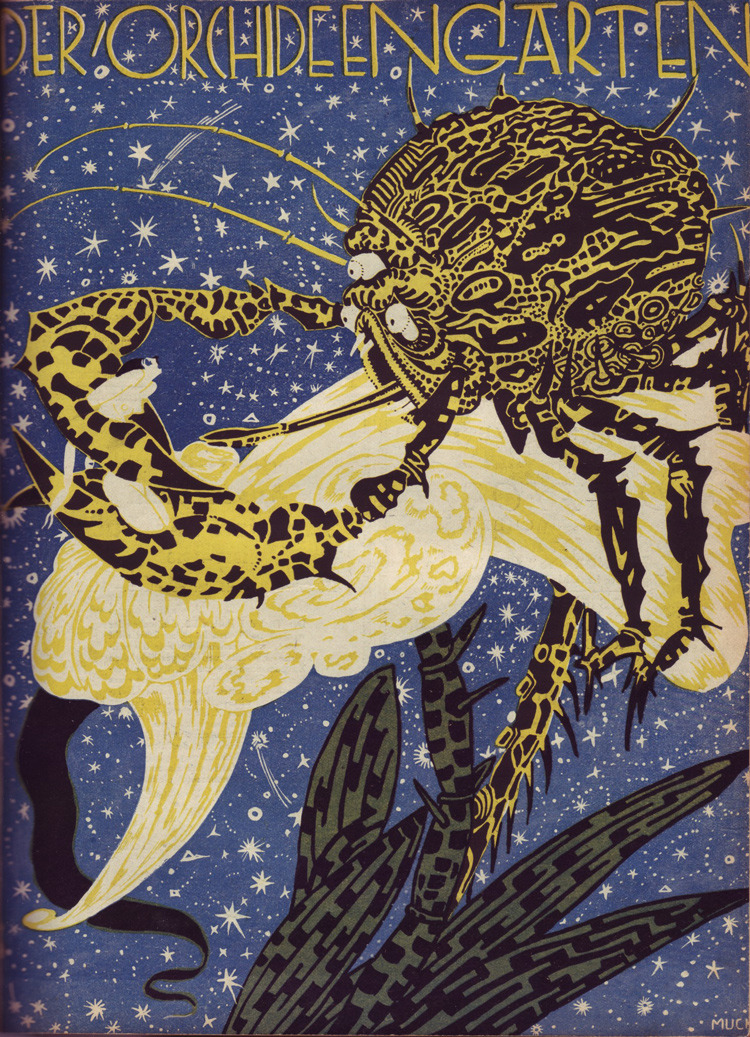
Discover the First Horror & Fantasy Magazine, Der Orchideengarten, and Its Bizarre Artwork (1919–1921)

Der_Orchideengarten,_1920_cover_(Leidlein)

From the 18th cen­tu­ry onward, the gen­res of Goth­ic hor­ror and fan­ta­sy have flour­ished, and with them the sen­su­al­ly vis­cer­al images now com­mon­place in film, TV, and com­ic books. These gen­res per­haps reached their aes­thet­ic peak in the 19th cen­tu­ry with writ­ers like Edgar Allan Poe and illus­tra­tors like Gus­tave Dore. But it was in the ear­ly twen­ti­eth cen­tu­ry that a more pop­ulist sub­genre tru­ly came into its own: “weird fic­tion,” a term H.P. Love­craft used to describe the pulpy brand of super­nat­ur­al hor­ror cod­i­fied in the pages of Amer­i­can fan­ta­sy and hor­ror mag­a­zine Weird Tales—first pub­lished in 1923. (And still going strong!)

Orchid_2

A pre­cur­sor to EC Comics’ many lurid titles, Weird Tales is often con­sid­ered the defin­i­tive ear­ly twen­ti­eth cen­tu­ry venue for weird fic­tion and illus­tra­tion.

But we need only look back a few years and to anoth­er con­ti­nent to find an ear­li­er pub­li­ca­tion, serv­ing Ger­man-speak­ing fans—Der Orchideen­garten (“The Gar­den of Orchids”), the very first hor­ror and fan­ta­sy mag­a­zine, which ran 51 issues from Jan­u­ary 1919 to Novem­ber 1921.

Orchid_3

The mag­a­zine fea­tured work from its edi­tors Karl Hans Strobl and Alfons von Czibul­ka, from bet­ter-known con­tem­po­raries like H.G. Wells and Karel Capek, and from fore­fa­thers like Dick­ens, Pushkin, Guy de Mau­pas­sant, Poe, Voltaire, Wash­ing­ton Irv­ing, Nathaniel Hawthorne, and oth­ers. “Although two issues of Der Orchideen­garten were devot­ed to detec­tive sto­ries,” writes 50 Watts, “and one to erot­ic sto­ries about cuck­olds, it was a gen­uine fan­ta­sy mag­a­zine.” And it was also a gallery of bizarre and unusu­al art­work.

04-Der-Orchideengarten--1919--German-magazine-cover_900

50 Watts quotes from Franz Rottensteiner’s descrip­tion of the magazine’s art, which ranged “from rep­re­sen­ta­tions of medieval wood­cuts to the work of mas­ters of the macabre such as Gus­tave Dore or Tony Johan­not, to con­tem­po­rary Ger­man artists like Rolf von Hoer­schel­mann, Otto Lenneko­gel, Karl Rit­ter, Hein­rich Kley, or Alfred Kubin.” These artists cre­at­ed the cov­ers and illus­tra­tions you see here, and many more you can see at 50 Watts, the black sun, and John Coulthart’s {feuil­leton}.

Orchid_5

“What strikes me about these black-and-white draw­ings,” like the dense, fren­zied pen-and-ink scene above, Coulthart com­ments, “is how dif­fer­ent they are in tone to the pulp mag­a­zines which fol­lowed short­ly after in Amer­i­ca and else­where. They’re at once far more adult and fre­quent­ly more orig­i­nal than the Goth­ic clichés which padded out Weird Tales and less­er titles for many years.” Indeed, though the for­mat may be sim­i­lar to its suc­ces­sors, Der Orchideen­garten’s cov­ers show the influ­ence of Sur­re­al­ism, “some are almost Expres­sion­ist in style,” and many of the illus­tra­tions show “a dis­tinct Goya influ­ence.”

Orchid_1

Pop­u­lar fan­ta­sy and hor­ror illus­tra­tion has often leaned more toward the soft-porn of sev­en­ties air­brushed vans, pulp-nov­el cov­ers, or the gris­ly kitsch of the comics. Rot­ten­stein­er writes in his 1978 Fan­ta­sy Book that this “large-for­mat mag­a­zine… must sure­ly rank as one of the most beau­ti­ful fan­ta­sy mag­a­zines ever pub­lished.” It’s hard to argue with that assess­ment. View, read (in Ger­man), and down­load orig­i­nal scans of the magazine’s first sev­er­al issues over on this Prince­ton site.

Note: An ear­li­er ver­sion of this post appeared on our site in 2016.

If you would like to sup­port the mis­sion of Open Cul­ture, con­sid­er mak­ing a dona­tion to our site. It’s hard to rely 100% on ads, and your con­tri­bu­tions will help us con­tin­ue pro­vid­ing the best free cul­tur­al and edu­ca­tion­al mate­ri­als to learn­ers every­where. You can con­tribute through Pay­Pal, Patre­on, and Ven­mo (@openculture). Thanks!

Relat­ed Con­tent:

How Georges Méliès A Trip to the Moon Became the First Sci-Fi Film & Changed Cin­e­ma For­ev­er (1902)

Read Mar­garet Cavendish’s The Blaz­ing World: The First Sci-Fi Nov­el Writ­ten By a Woman (1666)

The First Work of Sci­ence Fic­tion: Read Lucian’s 2nd-Cen­tu­ry Space Trav­el­ogue A True Sto­ry

Free: 356 Issues of Galaxy, the Ground­break­ing 1950s Sci­ence Fic­tion Mag­a­zine

Josh Jones is a writer and musi­cian based in Durham, NC. Fol­low him at @jdmagness

« Go Back
Quantcast