Mesmerizing Animation, Made of Photos from Early-1900s America, Lets You Travel in a Steampunk Time Machine

Sure­ly you remem­ber Cheers, if only from the sit­com’s syn­di­cat­ed reruns cease­less­ly aired around the world. And if you remem­ber Cheers, you’ll remem­ber no part of it more vivid­ly than its open­ing cred­its sequence, which broke from the well-estab­lished tra­di­tion of show­ing the faces of the series’ cast mem­bers.

Instead, writes Stephen Cole at Fonts in Use, the stu­dio charged with cre­at­ing the sequence “col­lect­ed archival illus­tra­tions and pho­tographs of bar life, culled from books, pri­vate col­lec­tions, and his­tor­i­cal soci­eties. They hand-tint­ed the images and paired them with typog­ra­phy inspired by a turn-of-the-cen­tu­ry aes­thet­ic.”

The Old New World

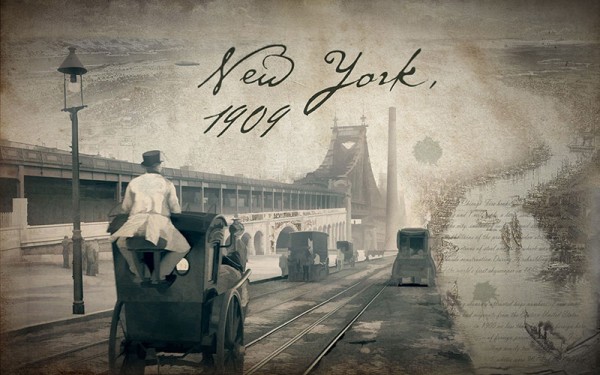
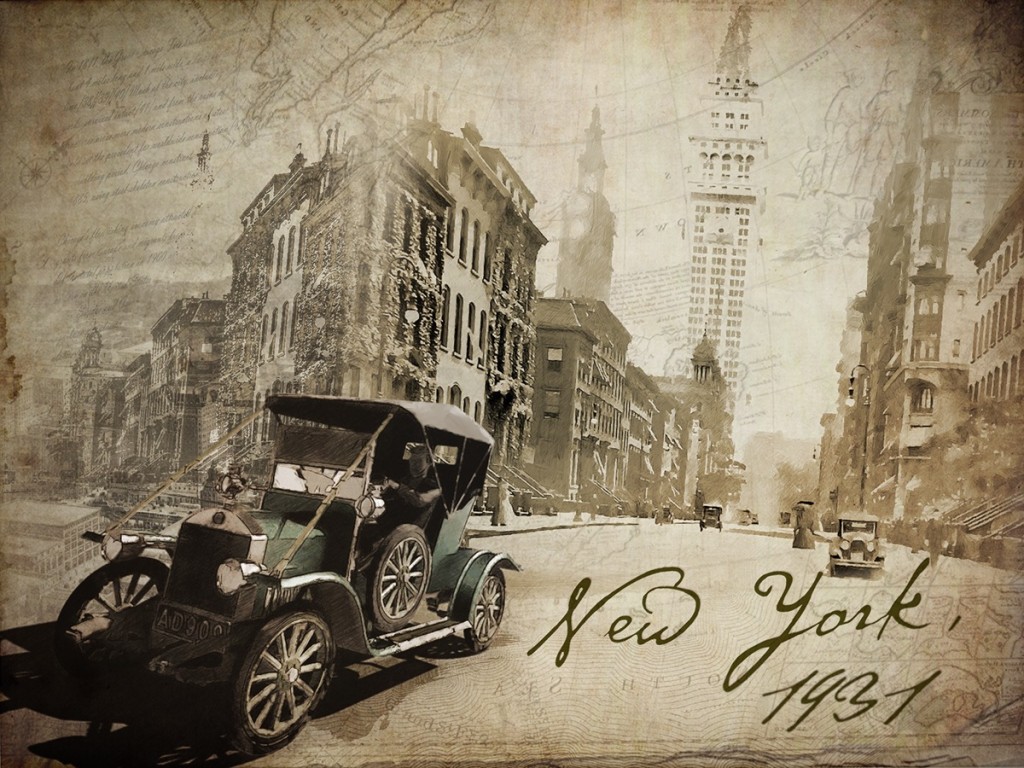
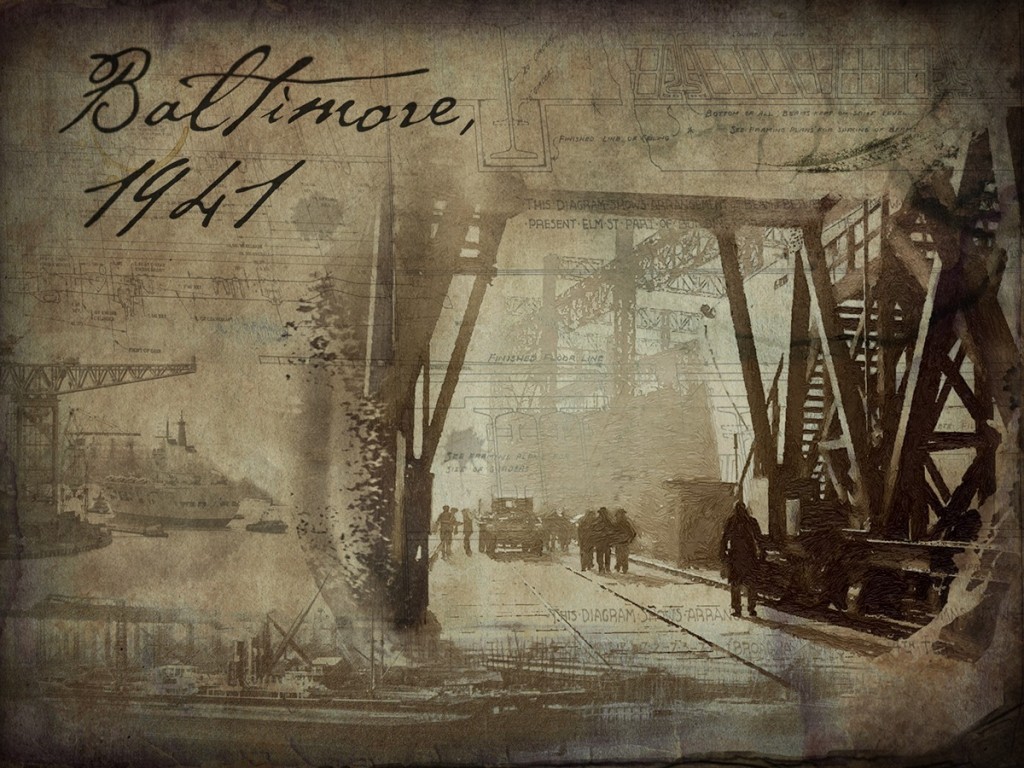
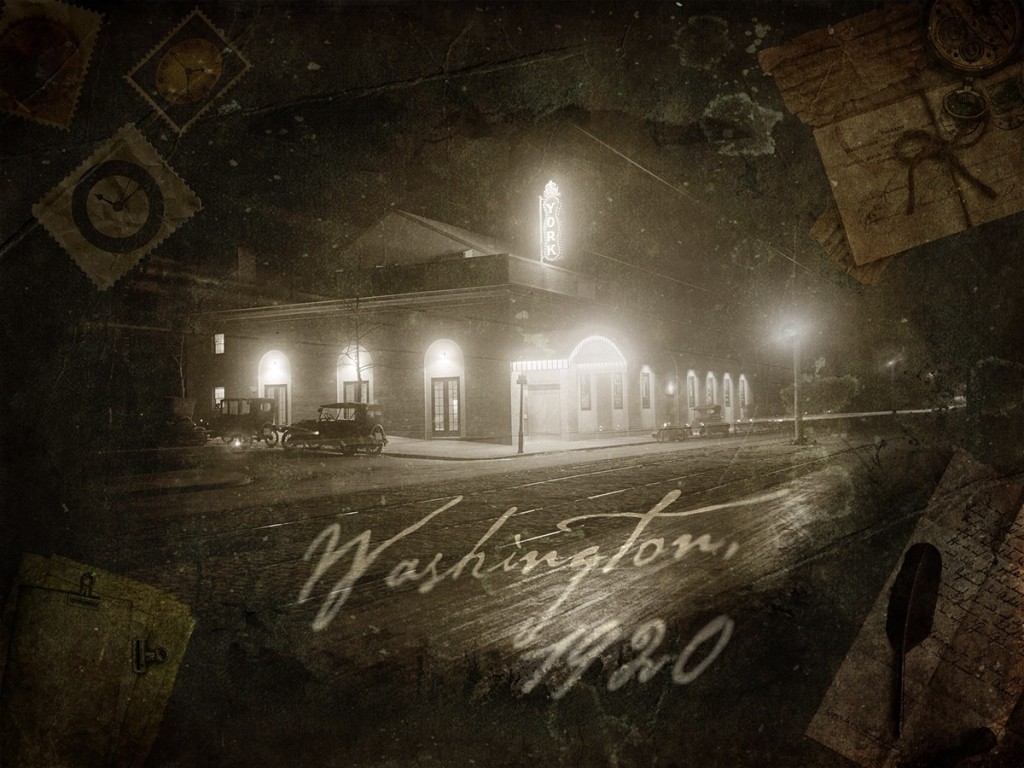
As fond­ly as we remem­ber their work, the art of bring­ing turn-of-the-cen­tu­ry pho­tos to life has come a long way indeed since Cheers debuted in 1982. Take, for instance, the short above: The Old New World by Russ­ian pho­tog­ra­ph­er and ani­ma­tor Alex­ey Zakharov, who in just over three and a half min­utes takes us right back to ear­ly-1900s Amer­i­ca. “The pho­tos show New York, Boston, Detroit, Wash­ing­ton, D.C., and Bal­ti­more between 1900 and 1940, and were obtained from the web­site Shorpy,” writes Petapix­el’s Michael Zhang, quot­ing Zakharov’s own descrip­tion of the work as a “pho­to-based ani­ma­tion project” as well as a chance to “trav­el back in time with a lit­tle steam­punk time machine.”

The Old New World 2

You can see a gallery of more of the mate­ri­als that went into The Old New World at Behance. Just as those Cheers open­ing cred­its evoked the con­vivi­al­i­ty of old-time tav­ern cul­ture, Zakharov’s film evokes what it meant — or at least, to all of us cur­rent­ly alive and thus with­out any liv­ing mem­o­ry of that era, what we think it meant — to live in the head­i­est cities going in the head­i­est coun­try going, places whose boom­ing indus­try and cul­ture held out seem­ing­ly infi­nite promise, even on qui­et days.

The Old New World 3

Should Net­flix picks Cheers as their next beloved sit­com to revive, they might con­sid­er going to Zakharov for a new title sequence. He’s cer­tain­ly got all the pic­tures of Boston he’d need.

The Old New World 4

via Petapix­el

Relat­ed Con­tent:

Down­load 2,000 Mag­nif­i­cent Turn-of-the-Cen­tu­ry Art Posters, Cour­tesy of the New York Pub­lic Library

Lon­don Mashed Up: Footage of the City from 1924 Lay­ered Onto Footage from 2013

James Joyce’s Dublin Cap­tured in Vin­tage Pho­tos from 1897 to 1904

Watch 1920s “City Sym­phonies” Star­ring the Great Cities of the World: From New York to Berlin to São Paulo

Based in Seoul, Col­in Mar­shall writes and broad­casts on cities, lan­guage, and style. He’s at work on a book about Los Ange­les, A Los Ange­les Primer, the video series The City in Cin­e­ma, the crowd­fund­ed jour­nal­ism project Where Is the City of the Future?, and the Los Ange­les Review of Books’ Korea Blog. Fol­low him on Twit­ter at @colinmarshall or on Face­book.

Watch the Titanic Sink in Real Time in a New 2‑Hour, 40 Minute Animation

From the mak­ers of Titan­ic: Hon­or and Glo­rya PC video game that lets you sail aboard a ful­ly detailed re-cre­ation of the RMS Titan­ic–comes an ani­ma­tion that lets you watch the sink­ing of the Titan­ic in real time. Accord­ing to the web site Titan­ic Facts, the ship sank in two hours and 40 min­utes in 1912. And that’s pre­cise­ly how long things take to unfold in the video above. The ani­ma­tion nar­rates the events in a fair­ly straight­for­ward way–nothing like the dra­mat­ic scenes paint­ed in James Cameron’s 1997 fic­tion­al­ized film. But it’s still worth the watch. 

In the Relat­eds below, you can check out two relat­ed clips — a vin­tage clip show­ing footage of the actu­al Titan­ic in 1911, and anoth­er ani­mat­ed reen­act­ment of the Titan­ic sink­ing, this one cre­at­ed by Cameron him­self.

via coudal.com

If you would like to sign up for Open Culture’s free email newslet­ter, please find it here. It’s a great way to see our new posts, all bun­dled in one email, each day.

If you would like to sup­port the mis­sion of Open Cul­ture, con­sid­er mak­ing a dona­tion to our site. It’s hard to rely 100% on ads, and your con­tri­bu­tions will help us con­tin­ue pro­vid­ing the best free cul­tur­al and edu­ca­tion­al mate­ri­als to learn­ers every­where. You can con­tribute through Pay­Pal, Patre­on, and Ven­mo (@openculture). Thanks!

Relat­ed Con­tent:

The Titan­ic: Rare Footage of the Ship Before Dis­as­ter Strikes

How the Titan­ic Sank: James Cameron’s New CGI Ani­ma­tion

Titan­ic: The Nazis Cre­ate a Mega-Bud­get Pro­pa­gan­da Film About the Ill-Fat­ed Ship … and Then Banned It (1943)

by | Permalink | Make a Comment ( 2 ) |

An Animated Carl Sagan Talks with Studs Terkel About Finding Extraterrestrial Life (1985)

This week, Blank on Blank wraps up its series “The Exper­i­menters,” with an episode ani­mat­ing a con­ver­sa­tion between Carl Sagan and Studs Terkel–two fig­ures we’ve high­light­ed on our site many times before. But nev­er have we brought them togeth­er. So here they are.

Record­ed in Octo­ber, 1985, as part of Terkel’s long-run­ning Chica­go radio show (find an archive of com­plete episodes here), the con­ver­sa­tion touched on some the big ques­tions you might expect: the com­pat­i­bil­i­ty between sci­ence and reli­gion; the prob­a­bil­i­ty we’ll encounter extrater­res­tri­als if giv­en enough time; and more. You can hear more out­takes from their con­ver­sa­tion here:

Oth­er episodes in “The Exper­i­menters” series fea­ture:

Relat­ed Con­tent

Studs Terkel Inter­views Bob Dylan, Shel Sil­ver­stein, Maya Angelou & More in New Audio Trove

Carl Sagan Presents Six Lec­tures on Earth, Mars & Our Solar Sys­tem … For Kids (1977)

Simone de Beau­voir Tells Studs Terkel How She Became an Intel­lec­tu­al and Fem­i­nist (1960)

Two Leg­ends Togeth­er: A Young Bob Dylan Talks and Plays on the Studs Terkel Pro­gram, 1963

Software Used by Hayao Miyazaki’s Animation Studio Is Now Officially Ready to Download

miyazaki-gif2

FYI: Ear­ly last week, Col­in Mar­shall gave you a heads up that Stu­dio Ghi­b­li, the ani­ma­tion stu­dio behind Hayao Miyazaki’s My Neigh­bor Totoro, Princess Mononoke, and Spir­it­ed Away, was prepar­ing to release an open source ver­sion of the ani­ma­tion soft­ware used to cre­ate its films. This week­end, the software–called OpenToonz–officially became avail­able for down­load. And we can now tell you where to find it. Open­Toonz is avail­able on Github, in ver­sions made for both Win­dow and OSX. This link will jump you straight to the down­load area.

If you make any­thing great with it, please share it with us.

If you would like to sign up for Open Culture’s free email newslet­ter, please find it here. It’s a great way to see our new posts, all bun­dled in one email, each day.

If you would like to sup­port the mis­sion of Open Cul­ture, con­sid­er mak­ing a dona­tion to our site. It’s hard to rely 100% on ads, and your con­tri­bu­tions will help us con­tin­ue pro­vid­ing the best free cul­tur­al and edu­ca­tion­al mate­ri­als to learn­ers every­where. You can con­tribute through Pay­Pal, Patre­on, and Ven­mo (@openculture). Thanks!

by | Permalink | Make a Comment ( 1 ) |

Hayao Miyazaki’s Sketches Showing How to Draw Characters Running: From 1980 Edition of Animation Magazine

Miyazaki Running 4

Ear­li­er this week, we let you know about the ani­ma­tion soft­ware used by Hayao Miyaza­k­i’s Stu­dio Ghi­b­li com­ing out in an open source ver­sion free to down­load. While this makes avail­able to you a piece of the tech­nol­o­gy used in the ser­vice of such mas­ter­pieces as Princess MononokeSpir­it­ed Away, and The Tale of Princess Kaguya, it won’t, alas, get you any clos­er to pos­sess­ing the artis­tic skills of the Ghi­b­li team. To attain those, you’ve just got to engage in the same long, cycli­cal process of obser­va­tion, repli­ca­tion, and refine­ment that you would when mas­ter­ing any­thing.

Miyazaki Running 3

Luck­i­ly, Miyaza­ki has pro­vid­ed plen­ty of exam­ples to work with, and even, now and again in his long career, bro­ken down his tech­niques for all to under­stand. Here we have four of his sketch­es, orig­i­nal­ly pub­lished in a 1980 issue of Ani­ma­tion Mag­a­zine (月刊アニメーション), which pro­vide visu­al expla­na­tions of how to ani­mate a char­ac­ter run­ning — not an uncom­mon task, one imag­ines, for the Ghi­b­li ani­ma­tors in charge of what the Cre­ators Project calls “the con­stant run­ning Miyazaki’s films are known for.” If you’ve ever tried to ani­mate run­ning your­self, you’ll know that what might at first seem like a sim­ple, every­day phys­i­cal action requires a great deal of sub­tle­ty to get right.

Miyazaki Running 1

The ear­ly motion pho­tog­ra­ph­er Ead­weard Muy­bridge gave the world a sense of this when he cap­tured the mechan­ics of both men and hors­es run­ning back in the 1880s, but to take those real-world obser­va­tions and ren­der them con­vinc­ing­ly in ani­ma­tion — much less with the char­ac­ter­is­tic Ghi­b­li smooth­ness — takes things to anoth­er lev­el alto­geth­er. “Only Miyaza­ki man,” said ani­ma­tor LeSean Thomas when he tweet­ed these images. “Such effort­less lines and sil­hou­ettes. Years of hard work & learn­ing on dis­play in these sketch­es!”

Miyazaki Running 2

To those who wish to fol­low Miyaza­k­i’s method of ani­mat­ing run­ning in order to go on to mak­ing the kind of lav­ish cin­e­mat­ic sto­ries he and his col­lab­o­ra­tors have, best of luck; to those who’d rather not put in the decades, well, you can still learn his method of mak­ing instant ramen.

via LeSean Thomas

Relat­ed Con­tent:

Soft­ware Used by Hayao Miyazaki’s Ani­ma­tion Stu­dio Becomes Open Source & Free to Down­load

Watch Hayao Miyaza­ki Ani­mate the Final Shot of His Final Fea­ture Film, The Wind Ris­es

The Essence of Hayao Miyaza­ki Films: A Short Doc­u­men­tary About the Human­i­ty at the Heart of His Ani­ma­tion

How to Make Instant Ramen Com­pli­ments of Japan­ese Ani­ma­tion Direc­tor Hayao Miyaza­ki

Ear­ly Japan­ese Ani­ma­tions: The Ori­gins of Ani­me (1917–1931)

Based in Seoul, Col­in Mar­shall writes and broad­casts on cities, lan­guage, and style. He’s at work on a book about Los Ange­les, A Los Ange­les Primer, the video series The City in Cin­e­ma, the crowd­fund­ed jour­nal­ism project Where Is the City of the Future?, and the Los Ange­les Review of Books’ Korea Blog. Fol­low him on Twit­ter at @colinmarshall or on Face­book.

Software Used by Hayao Miyazaki’s Animation Studio Becomes Open Source & Free to Download

miyazaki gif2

By now we all know the name of Stu­dio Ghi­b­li, the oper­a­tion respon­si­ble for such ani­mat­ed-fea­ture-film-redefin­ing pro­duc­tions as Grave of the Fire­flies and Hayao Miyaza­k­i’s My Neigh­bor Totoro, Princess Mononoke, and Spir­it­ed Away. But unless we’ve paid a vis­it to the Ghi­b­li Muse­um, seen the doc­u­men­tary The King­dom of Dreams and Mad­ness, or tak­en part in the close scruti­ny to which Ghi­b­li fans sub­ject the stu­dio’s every pub­lic move, we won’t know much about their meth­ods for craft­ing such visu­al­ly and emo­tion­al­ly cap­ti­vat­ing sto­ries. Soon, though, we’ll be able to use their tools our­selves. On March 26, you will be able to down­load Open­Toonz, an open source ver­sion of the Toonz soft­ware used by Stu­dio Ghi­b­li.

“Includ­ed in the Open­Toonz are many of Ghi­b­li’s cus­tom tools, spe­cial­ly designed to cap­ture trees wav­ing in the breeze, food that looks too deli­cious to eat, and the con­stant run­ning Miyaza­k­i’s films are known for,” writes The Cre­ators Pro­jec­t’s Beck­ett , who quotes Ghi­b­li’s Exec­u­tive Imag­ing Direc­tor Atsushi Okui on why they start­ed using the Ital­ian-devel­oped pack­age in the first place: “We need­ed a soft­ware enabling us to cre­ate a cer­tain sec­tion of the ani­ma­tion dig­i­tal­ly. Our require­ment was that in order to con­tin­ue pro­duc­ing the­atre-qual­i­ty ani­ma­tion with­out addi­tion­al stress, the soft­ware must have the abil­i­ty to com­bine the hand-drawn ani­ma­tion with the dig­i­tal­ly paint­ed ones seam­less­ly.” Toonz, evi­dent­ly, could pull it off.

Ghi­b­li began using the soft­ware in 1995, dur­ing the pro­duc­tion of Princess Mononoke, and has kept using it since. In fact, reports Amid Ami­di at Car­toon Brew, “the new Open­Toonz is dubbed ‘Toonz Ghi­b­li Edi­tion’ because of all the cus­tom-fea­tures that Toonz has devel­oped over the years for the leg­endary Japan­ese stu­dio.” With Miyaza­ki retired, at least from fea­ture-film ani­ma­tion, and nobody quite sure whether 2014’s When Marnie Was There will be the stu­dio’s last pic­ture, as good a time as any has come for suc­ces­sors to the Ghi­b­li tra­di­tion. If you’d like to throw your own hat into that enor­mous ring, you can down­load Open­Toonz for free on March 26, 2016 (or, for a price, buy Toonz Pre­mi­um) from the offi­cial Toonz web site.

via The Cre­ators’ Project

Relat­ed Con­tent:

Watch Hayao Miyaza­ki Ani­mate the Final Shot of His Final Fea­ture Film, The Wind Ris­es

French Stu­dent Sets Inter­net on Fire with Ani­ma­tion Inspired by Moe­bius, Syd Mead & Hayao Miyaza­ki

Hayao Miyazaki’s Uni­verse Recre­at­ed in a Won­der­ful CGI Trib­ute

Hayao Miyazaki’s Mas­ter­pieces Spir­it­ed Away and Princess Mononoke Imag­ined as 8‑Bit Video Games

Based in Seoul, Col­in Mar­shall writes and broad­casts on cities, lan­guage, and style. He’s at work on a book about Los Ange­les, A Los Ange­les Primer, the video series The City in Cin­e­ma, the crowd­fund­ed jour­nal­ism project Where Is the City of the Future?, and the Los Ange­les Review of Books’ Korea Blog. Fol­low him on Twit­ter at @colinmarshall or on Face­book.

American History: An Off-Kilter 1992 Student Film from South Park Creator Trey Parker

Here’s a lit­tle exer­cise:

Spend five min­utes record­ing your­self recap­ping every­thing you know about Japan­ese his­to­ry.

(Inter­na­tion­al Stud­ies majors and Japan­ese cit­i­zens, please sit this one out.)

Most of us will wind up with a pas­tiche that’s heavy on pop cul­ture and rel­a­tive­ly recent events. The aver­age Japan­ese school­child should have no dif­fi­cul­ty iden­ti­fy­ing the glar­ing holes and fac­tu­al errors in our nar­ra­tives.

If this idea amus­es you, you’ll like­ly enjoy Amer­i­can His­to­ry, above, South Park cre­ator Trey Park­er’s ear­ly ani­mat­ed short, a 1993 Stu­dent Acad­e­my Award sil­ver medal­ist.

Parker’s Japan­ese-born Uni­ver­si­ty of Col­orado class­mate, Junichi Nishimu­ra, pro­vid­ed the nar­ra­tion, begin­ning with Christo­pher Colum­bus in 1492 and end­ing with the “Japan bash­ing” 41st pres­i­dent, George H.W. Bush. High­lights along the way include the Salem Witch Tri­als, the Boston Tea Par­ty, the assas­si­na­tions of Pres­i­dents Lin­coln and Kennedy, Leave It to Beaver, and that time Bush barfed at a state din­ner host­ed by Japan­ese Prime Min­is­ter Kiichi Miyaza­wa.

He also remem­bers the Alamo, prov­ing one Red­dit wag’s hypoth­e­sis: If there’s one thing peo­ple remem­ber about the Alamo, it is to remem­ber the Alamo…

And then….

Park­er and anoth­er class­mate, Chris Graves, his soon-to-be DP on Can­ni­bal: The Musi­cal, ani­mat­ed the results using the most rudi­men­ta­ry of paper cut outs. It’s easy to spot the fledg­ling South Park style, as well as Python ani­ma­tor Ter­ry Gilliam’s influ­ence. This may be Amer­i­can his­to­ry, but the anony­mous top hat­ted hordes bear an awful­ly close resem­blance to South Park’s res­i­dent Cana­di­ans, Ter­rance and Phillip.

If the pho­net­ic spellings of non-native speak­er Nishimura’s pro­nun­ci­a­tion makes you uncom­fort­able, it’s worth not­ing that he not only worked as an ani­ma­tor on South Park, but also rep­re­sent­ed his coun­try by play­ing “Pres­i­dent” Hiro­hi­to on the extreme­ly fun­ny (and NSFW) “Chin­pokomon” episode.

Amer­i­can His­to­ry will be added to the Ani­ma­tion sec­tion of our col­lec­tion,

via Boing­Bo­ing

Relat­ed Con­tent:

The Zen Wis­dom of Alan Watts Ani­mat­ed by the Cre­ators of South Park, Trey Park­er and Matt Stone

John Green’s Crash Course in U.S. His­to­ry: From Colo­nial­ism to Oba­ma in 47 Videos

Ayun Hal­l­i­day is an author, illus­tra­tor, and Chief Pri­ma­tol­o­gist of the East Vil­lage Inky zine. Read her most recent dra­ma-in-real com­ic on Nar­ra­tive­ly. Fol­low her @AyunHalliday

Watch the Trailer for a “Fully Painted” Van Gogh Film: Features 12 Oil Paintings Per Second by 100+ Painters

Lov­ing Vin­cent, an homage to Vin­cent van Gogh, promis­es to be “the first ful­ly paint­ed fea­ture film in the world.” What does that mean exact­ly? Accord­ing to film­mak­ers Doro­ta Kobiela and Hugh Welch­man, every frame of Lov­ing Vin­cent will be an oil paint­ing on can­vas, cre­at­ed with the same tech­niques Van Gogh used over a cen­tu­ry ago. To make these frames, Kobiela and Welch­man plan to hire skilled painters and put them through a 3‑week inten­sive train­ing course, teach­ing each to paint like Van Gogh him­self. Or so that’s how they explained things dur­ing their Kick­starter cam­paign sev­er­al years ago.

Although pro­duc­tion is still ongo­ing, you can see the first fruits of their labors. Above, watch a trail­er for Lov­ing Vin­cent, which fea­tures (accord­ing to the Youtube blurb accom­pa­ny­ing the video) “12 oil paint­ings per sec­ond, all done by over 100 painters trained in the same style.”

If you’re a tal­ent­ed painter and want to con­tribute to mak­ing this orig­i­nal film (you can get an idea of what that looks like below), please vis­it the Lov­ing Vin­cent web­site and scroll down to the recruit­ment sec­tion. The site also includes oth­er mate­r­i­al that takes you inside the mak­ing of this inno­v­a­tive film.

Enjoy…

via Colos­sal

Relat­ed Con­tent:

13 Van Gogh’s Paint­ings Painstak­ing­ly Brought to Life with 3D Ani­ma­tion & Visu­al Map­ping

Watch as Van Gogh’s Famous Self-Por­trait Morphs Into a Pho­to­graph

Van Gogh’s 1888 Paint­ing, “The Night Cafe,” Ani­mat­ed with Ocu­lus Vir­tu­al Real­i­ty Soft­ware

by | Permalink | Make a Comment ( 1 ) |

« Go BackMore in this category... »
Quantcast