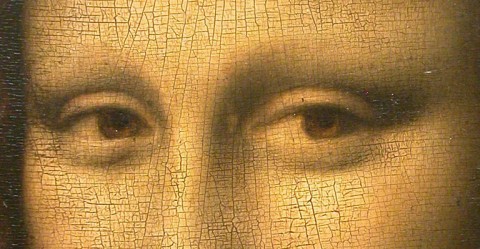
Google App Enhances Museum Visits; Launched at the Getty

Ear­li­er this year, Google rolled out “Art Project,” a tool that lets you access 1,000 works of art appear­ing in 17 great muse­ums across the world, from the Met in New York City to the Uffizi Gallery in Flo­rence. (More on that here.) Now, as part of a broad­er effort to put art in your hands, the com­pa­ny has pro­duced a new smart­phone app (avail­able in Android and iPhone) that enrich­es the muse­um-going expe­ri­ence, and it’s being demoed at the Get­ty Muse­um in Los Ange­les.

The con­cept is pret­ty sim­ple. You’re wan­der­ing through the Get­ty. You spot a paint­ing that deeply touch­es you. To find out more about it, you open the Google Gog­gles app on your phone, snap a pho­to, and instant­ly down­load com­men­tary from artists, cura­tors, and con­ser­va­tors, or even a small image of the work itself. Sam­ple this, and you’ll see what we mean. And, for more on the sto­ry, turn to Jori Finkel, the ace arts reporter for the LA Times.

Relat­ed Con­tent:

Art in “Aug­ment­ed Real­i­ty” at The Get­ty Muse­um

A Vir­tu­al Tour of the Sis­tine Chapel

MoMA Puts Pol­lock, Rothko & de Koon­ing on Your iPad

by | Permalink | Make a Comment ( 2 ) |

Andy Warhol Eats a Burger King Whopper, and We Watch … and Watch

In 1982, Dan­ish film­mak­er Jør­gen Leth direct­ed 66 Scenes from Amer­i­ca, a film that stitched togeth­er a series of lengthy shots, each a visu­al post­card from a jour­ney across Amer­i­ca. And, tak­en togeth­er, you have a tableau of the Amer­i­can expe­ri­ence.

Along the way, the pop artist Andy Warhol makes his appear­ance. The man who coined the expres­sion “15 Min­utes of Fame” takes four min­utes to eat a ham­burg­er, most­ly with­out say­ing a word. And sim­ply because of his fame, we watch … and watch. About this scene Leth gives a few details:

[Warhol] is told that he has to say his name and that he should do so when he has fin­ished per­form­ing his action, but what hap­pens is that the action takes a very long time to per­form; it’s sim­ply ago­niz­ing. I have to admit that I per­son­al­ly adore that, because its a pure homage to Warhol. It could­n’t be more War­ho­lesque. That’s of course why he agreed to do it.

This was pre­sum­ably not a paid place­ment by Burg­er King.

If you would like to sign up for Open Culture’s free email newslet­ter, please find it here. It’s a great way to see our new posts, all bun­dled in one email, each day.

If you would like to sup­port the mis­sion of Open Cul­ture, con­sid­er mak­ing a dona­tion to our site. It’s hard to rely 100% on ads, and your con­tri­bu­tions will help us con­tin­ue pro­vid­ing the best free cul­tur­al and edu­ca­tion­al mate­ri­als to learn­ers every­where. You can con­tribute through Pay­Pal, Patre­on, and Ven­mo (@openculture). Thanks!

Relat­ed Con­tent:

Warhol’s Screen Tests: Lou Reed, Den­nis Hop­per, Nico, and More

Three “Anti-Films” by Andy Warhol: Sleep, Eat & Kiss

Andy Warhol’s ‘Screen Test’ of Bob Dylan: A Clas­sic Meet­ing of Egos

by | Permalink | Make a Comment ( 3 ) |

The Elements of Creativity

The Ele­ments of Cre­ativ­i­ty. They come down to this: Copy. Trans­form. Com­bine. Noth­ing is tru­ly orig­i­nal. Every­thing is a remix, more or less.

Direc­tor Kir­by Fer­gu­son first traced this idea through lit­er­a­ture and music, then through film­mak­ing. Next up? Tech­nol­o­gy, com­put­ers and user inter­face. Above we have the third and penul­ti­mate install­ment in the “Every­thing is a Remix” series. (You can watch it in large for­mat here.) Look for the final seg­ment to appear this fall, and con­sid­er sup­port­ing the project here.

Nice work Kir­by and h/t Brain­Pick­ings.

by | Permalink | Make a Comment ( 1 ) |

Vintage Australian Mugshots from the 1920s

It was anoth­er time, anoth­er place, a moment when crim­i­nals were invit­ed to pose for the cam­era. The mugshot as an art form.

Above we have one of 2500 “spe­cial pho­tographs” tak­en by pho­tog­ra­phers from the New South Wales Police Depart­ment between 1910 and 1930. The four men (Hamp­ton Hirscham, Cor­nel­lius Joseph Keevil, William Thomas O’Brien and James O’Brien) were arrest­ed on charges of bur­glar­iz­ing the home of a book­ie — one Regi­nald Cat­ton — in April 1921. O’Brien was let off the hook, but the oth­er three dap­per ones weren’t so lucky.

You can find 30 vin­tage mugshots nice­ly curat­ed by Twist­ed Sifter. Or you can sift through a larg­er col­lec­tion housed by the Nation­al Library of Aus­tralia. H/T Coudal.com

Give us a fol­low on Face­book and Twit­ter. We’ll send more intel­li­gent media your way…

by | Permalink | Make a Comment ( 1 ) |

How Shea Hembrey Became 100 Artists

Arkansas-born artist Shea Hem­brey kicks off his TED talk by con­fess­ing to a hick child­hood in which he and his sis­ter “would com­pete to see who could eat the most squir­rel brains.” That mod­est joke sets the stage for his intro­duc­tion of Seek, a project Hem­brey con­ceived in response to his dis­ap­point­ment with sev­er­al exhibits of con­tem­po­rary art in Europe, includ­ing the Venice Bien­nale. Find­ing much of the work he encoun­tered too obtuse and inac­ces­si­ble, Hem­brey decid­ed to cre­ate an inter­na­tion­al bien­ni­al of his own, fea­tur­ing the 100 most inspir­ing artists he could find.

The twist, of course, is that all 100 artists (and art­works) were cre­at­ed by Hem­brey him­self, in strict accor­dance with two per­son­al cri­te­ria:  First, the work must be some­thing he could explain to his grand­ma in less than five min­utes; next, its process must engage the three “H’s” of head, heart, and hand.

All 100 pieces fea­ture dis­tinct mate­ri­als, char­ac­ter and craft, and tak­en togeth­er they pro­vide an impres­sive show­case for Hem­brey’s humor and vir­tu­os­i­ty. But that grand­ma of his had bet­ter be hid­ing a degree in semi­otics, or at least an old copy of the The Post­mod­ern Con­di­tion, because the suc­cess of Seek’s joke is large­ly depen­dent on our knowl­edge of the world it lam­poons.  And for all the deter­mined folksi­ness of his man­i­festo, the posi­tion Hem­brey stakes out — some­where between par­o­dy and homage — would not be unfa­mil­iar to the cura­tors of the Venice Bien­nale.

Sheer­ly Avni is a San Fran­cis­co-based arts and cul­ture writer. Her work has appeared in Salon, LA Week­ly, Moth­er Jones, and many oth­er pub­li­ca­tions. You can fol­low her on twit­ter at @sheerly.

Un Chien Andalou: Revisiting Buñuel and Dalí’s Surrealist Film

The New York Times has post­ed A.O. Scot­t’s 3‑minute look back at the 1929 short film Un Chien Andalou. Scott describes the sur­re­al­ist clas­sic, a col­lab­o­ra­tion between painter Sal­vador Dalí and a very young first-time film­mak­er Luis Buñuel, as an “old dog with an end­less sup­ply of new tricks.” The short­’s pro­ces­sion of seem­ing­ly absurd, uncon­nect­ed images, he adds, does not fol­low the log­ic of nar­ra­tive but rather the “log­ic of dreams.”

Even though its most famous (or infa­mous) images — a sev­ered hand, a hand cov­ered with ants, and most final­ly a hand slic­ing into a wom­an’s eye­ball with a razor blade —  seem less shock­ing now than they did 80 years ago, Un Chien Andalou is still a plea­sure. Our real­i­ty has changed since the 20s. Our dreams, less so.

You can watch Un Chien Andalou in its entire­ty, along with L’Âge d’Or, anoth­er Buñuel/Dalí pro­duc­tion, in our col­lec­tion of Free Online Movies. But pro­ceed with cau­tion: About 25 years ago, I slipped a copy into the fam­i­ly VCR, expect­ing a cute car­toon about an Andalu­sian dog. I’m still recov­er­ing.

Relat­ed:

Sal­vador Dali (and Oth­er VIPs) on “What’s My Line?”

Sheer­ly Avni is a San Fran­cis­co-based arts and cul­ture writer. Her work has appeared in Salon, LA Week­ly, Moth­er Jones, and many oth­er pub­li­ca­tions. You can fol­low her on twit­ter at @sheerly.

Samuel Beckett in 3‑D: The Making of Unmakeable Love

Samuel Beck­et­t’s haunt­ing short sto­ry “The Lost Ones,” which tells of a group of peo­ple doomed to wan­der for­ev­er inside a nar­row cylin­dri­cal prison, makes Wait­ing for Godot seem like Lit­tle Miss Sun­shine. It is also near­ly unadapt­able since a sto­ry dri­ven by the cer­tain­ty of damna­tion leaves lit­tle room for dra­mat­ic ten­sion … until now, per­haps.

This mon­th’s New Sci­en­tist has a nice piece up about Unmake­ablelove, a 3‑D inter­ac­tive sim­u­la­tion based on “The Lost Ones” in which vir­tu­al bod­ies (cre­at­ed with motion cap­ture, the same tech­nique James Cameron used in Avatar) beat them­selves, col­lide into each oth­er, and slouch eter­nal­ly towards nowhere, all dri­ven by a force even more implaca­ble than fate: the com­put­er algo­rithms with which the piece was pro­grammed.

And as with any good work of Exis­ten­tial­ist Despair That Dooms All of Human­i­ty to A Future With­out Mean­ing or Hope, this one impli­cates the audi­ence — spec­ta­tors can only see inside the exhib­it if they sta­tion them­selves by one of six torch­es sur­round­ing the 30-foot space.  And when they do so, infrared video cam­eras project their own like­ness­es into the cylin­der. There are no spec­ta­tors.

Unmake­ablelove was cre­at­ed by Sarah Kender­dine and Jef­frey Shaw, and pre­sent­ed at the Hong Kong Inter­na­tion­al Art Fair in May. You can read more about the fas­ci­nat­ing nuts and bolts of the project here.

via Maud New­ton and A Piece of Mono­logue

Sheer­ly Avni is a San Fran­cis­co-based arts and cul­ture writer. Her work has appeared in Salon, LA Week­ly, Moth­er Jones, and many oth­er pub­li­ca­tions. You can fol­low her on twit­ter at @sheerly.

The Arctic Light

Last month, Ter­je Sorgjerd gave us a jaw-drop­ping video of El Tei­de, Spain’s high­est moun­tain, and home to one of the world’s best obser­va­to­ries. This month, he returns to his native land and films the Lofoten arch­i­pel­ago, sit­u­at­ed at the 68th and 69th par­al­lels of the Arc­tic Cir­cle in north­ern Nor­way. Filmed between April 29 and May 10, Sorgjerd cap­tures what he calls “The Arc­tic Light,” a pro­fu­sion of col­or that nat­u­ral­ly occurs two to four weeks before you see The Mid­night Sun. Yes, it’s yet anoth­er time lapse video, but oh is it pret­ty …

If you would like to sign up for Open Culture’s free email newslet­ter, please find it here. It’s a great way to see our new posts, all bun­dled in one email, each day.

If you would like to sup­port the mis­sion of Open Cul­ture, con­sid­er mak­ing a dona­tion to our site. It’s hard to rely 100% on ads, and your con­tri­bu­tions will help us con­tin­ue pro­vid­ing the best free cul­tur­al and edu­ca­tion­al mate­ri­als to learn­ers every­where. You can con­tribute through Pay­Pal, Patre­on, and Ven­mo (@openculture). Thanks!

by | Permalink | Make a Comment ( 1 ) |

« Go BackMore in this category... »
Quantcast