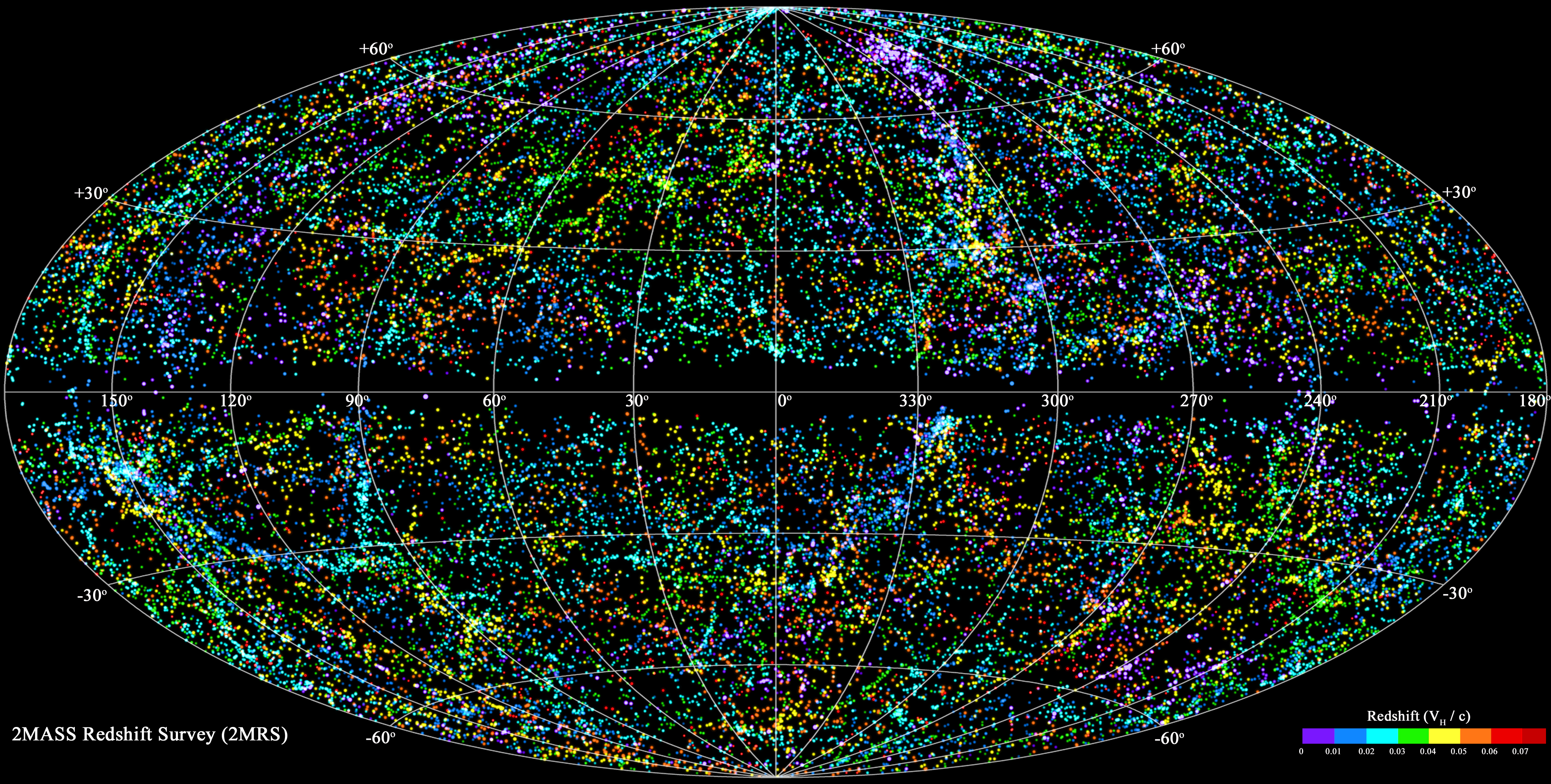
The 2MASS RedÂshift SurÂvey (details here) took 10 years to comÂplete, and it has now yieldÂed the finest 3D map of the uniÂverse ever made, catÂaÂloguÂing more than 43,000 galaxÂies withÂin 380 milÂlion light-years from Earth. The new map was preÂsentÂed last week at the 218th meetÂing of the AmerÂiÂcan AstroÂnomÂiÂcal SociÂety. You can view the map in a much bigÂger forÂmat here and, as one user sugÂgests, you may want to “right click and save as deskÂtop backÂground.”
Here’s the good stuff that nerdgasms are made of. NASA has released a video that lets you hitch a ride on the May 16th launch of the Space ShutÂtle EndeavÂour. The video runs 37 minÂutes; it’s narÂratÂed by a NASA offiÂcial; and it loops around and lets you see the launch from sevÂerÂal difÂferÂent vanÂtage points.
You start with liftoff, travÂelÂing at 1300 miles per hour. Then, about two minÂutes latÂer, the rockÂet boostÂers sepÂaÂrate from the shutÂtle, and you then twist with them. The secÂond loop starts around the 7:20 mark, and don’t miss the splenÂdid view at 9:40 …
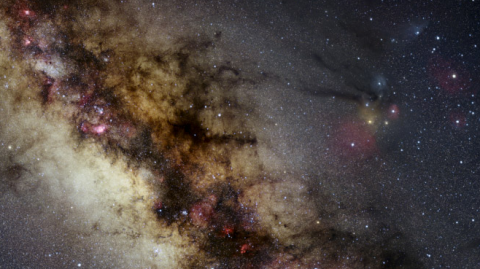
Nick Risinger, an amaÂteur astronomer from SeatÂtle, quit his day job last year, packed his bags and camÂeras, and began a 60,000 mile jourÂney, movÂing across the AmerÂiÂcan West and down to the westÂern Cape of South Africa (twice). His voyÂage would end with a 5000-megapixÂel phoÂtoÂgraph of the entire night sky, proÂduced from 37,440 sepÂaÂrate expoÂsures, and it yields a stagÂgerÂing 360-degree view of the Milky Way. Even betÂter, the image now lives online in an interÂacÂtive forÂmat, givÂing you the abilÂiÂty to wanÂder through the cosÂmos.
For more on this, be sure to visÂit PhoÂtopic Sky SurÂvey. Here Risinger gives you the perÂsonÂal and techÂniÂcal backÂstoÂry on his project, and also gives you the chance to purÂchase phoÂtos, or even lend finanÂcial supÂport to the sky surÂvey.
We think of space as a silent movie, someÂthing we see but nevÂer hear. Yet space creÂates a soundÂtrack of sorts (even if sound waves can’t realÂly travÂel through the cosÂmos), and now sciÂenÂtists and musiÂcians want to play that soundÂtrack for you.
EarÂliÂer this year, JanÂna Levin, ProÂfesÂsor of Physics and AstronÂoÂmy at Barnard College/Columbia UniÂverÂsiÂty, described how we can mathÂeÂmatÂiÂcalÂly modÂel the sounds made by black holes. Fast forÂward to the 10:27 mark of her TED Talk above, and you will hear what it sounds like when a lighter black hole falls into a heavÂier black hole. The litÂtle guy bangs against space, kind of like a drumb playÂing faster and faster … which brings us to MickÂey Hart, a forÂmer drumÂmer for The GrateÂful Dead.
In 2010, Hart teamed up with George Smoot, a Nobel Prize-winÂning physiÂcist at the Lawrence BerkeÂley NationÂal LabÂoÂraÂtoÂry, to reproÂduce the sound of The Big Bang and superÂnovas. (BerkeÂley Labs postÂed this superÂnoÂva clip above.) You can read more about the unlikeÂly pairÂing and the “Rhythms of the UniÂverse” project here, then expeÂriÂence more celesÂtial sounds recreÂatÂed by Hart here.
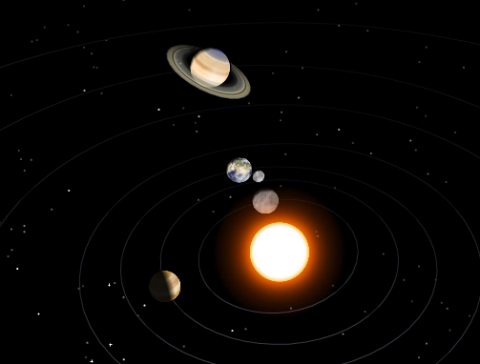
We turned off the lights and switched to the biggest monÂiÂtor in the house, to get the full planÂeÂtarÂiÂum effect of this wonÂderÂful webÂsite. It’s called the Solar SysÂtem Scope, and gives you a chance to observe space from withÂin it, rather than dutiÂfulÂly studyÂing it in a textÂbook or on a screen.
ClickÂing on the teleÂscope icon to the left lets you togÂgle between three difÂferÂent perÂspecÂtives: The helioÂcenÂtric view, with the planÂets and stars spinÂning around you; the panoramÂic view, which repliÂcates the feelÂing of watchÂing the skies from the GreenÂwich obserÂvaÂtoÂry; and, since after all we are the cenÂter of the uniÂverse, the geoÂcenÂtric view, which puts the rest of the cosÂmos firmÂly in their place, orbitÂing the earth.
In a secÂtion called “What’s Next” the site’s creÂators (who are you, mysÂtery designÂers?) tell us that they are workÂing on a kid-friendÂly verÂsion of the site as well, but we’re not sure that’s even necÂesÂsary. When we let a curiÂous 8‑year-old try it out earÂliÂer today, it took us about an hour to get our comÂputÂer back.
SheerÂly Avni is a San FranÂcisÂco-based arts and culÂture writer. Her work has appeared in Salon, LA WeekÂly, MothÂer Jones, and many othÂer pubÂliÂcaÂtions. You can folÂlow her on twitÂter at @sheerly.
Last ThursÂday, the sun delivÂered the goods, unleashÂing a beauÂtiÂful solar flare. The erupÂtions lastÂed someÂwhere around 90 minÂutes, and the plasÂma flares were all capÂtured in high def by NASA’s Solar DynamÂics ObserÂvaÂtoÂry, a project dedÂiÂcatÂed to studyÂing the sun and its impact on space weathÂer. This footage comes soon after anothÂer groundÂbreakÂing NASA video – the First 360 Degree View of the Sun.
CourÂtesy of NASA’s HubÂble Space TeleÂscope, we’re zoomÂing into a “majesÂtic disk of stars and dust lanes” and getÂting a stunÂning view of the spiÂral galaxy NGC 2841, which lies 46 milÂlion light-years away in the conÂstelÂlaÂtion of Ursa Major (The Great Bear). But wait, it gets even betÂter. This high resÂoÂluÂtion still phoÂto shows the spiÂral galaxy in all its beauÂty and splenÂdor…
A new NASA breakÂthrough lets us see the sun in a 360 degree, panoramÂic view. The upshot? BetÂter space weathÂer reports comÂing our way. The video from NASA’s YouTube chanÂnel has all the good details …
We're hoping to rely on loyal readers, rather than erratic ads. Please click the Donate button and support Open Culture. You can use Paypal, Venmo, Patreon, even Crypto! We thank you!
Open Culture scours the web for the best educational media. We find the free courses and audio books you need, the language lessons & educational videos you want, and plenty of enlightenment in between.