The American Idol for Thinking People: The New Twist on Book Publishing

Firstchapters
It was prob­a­bly only a mat­ter of time before this hap­pened. Accord­ing to The New York Times, Touch­stone, an imprint of Simon & Schus­ter, has agreed to pub­lish a work by whichev­er new writer takes first prize in a con­test spon­sored by the social-net­work­ing site, Gather.com. A la Amer­i­can Idol, every­day peo­ple and pan­el of experts will read and vote on the first chap­ter of books sub­mit­ted by every­day peo­ple.  And although the win­ner will need to sign the “stan­dard Simon & Schus­ter con­tract,” he/she will get their work fast tracked to pub­li­ca­tion and for­go the  has­sle of shop­ping a book. Also, there’s a $5,000 cash prize and the promise of pro­mo­tion at local Bor­ders’ book stores.

The under­ly­ing log­ic behind the con­test, called “First Chap­ters,” comes down to this: It’s ulti­mate­ly peo­ple who buy books, so why not let a good sam­ple demo­graph­ic (Gather.com’s 175,000 old­er and more mature users) pre­view the sub­mis­sions, decide what they like, and save the edi­tor the effort of guess­ing what will fly. That makes a cer­tain amount of sense if you’re a pub­lish­er, work­ing in a slug­gish indus­try with nar­row mar­gins, who is always look­ing to max­i­mize the odds of putting out win­ners. How­ev­er, whether it will fur­ther the pub­lish­er’s mis­sion of bring­ing qual­i­ty books to our cul­ture is an alto­geth­er dif­fer­ent ques­tion, and the jury remains out on this one. You can get more infor­ma­tion about the con­test by click­ing here.

by | Permalink | Make a Comment ( 1 ) |

Philip Roth’s Everyman and Beyond


Cour­tesy of the radio pro­gram Open Source, we get an intrigu­ing and widerang­ing inter­view with Philip
Roth, where he talks can­did­ly about his lat­est and 27th nov­el Every­man, a work that takes an exis­ten­tial­ly anguish­ing look at the end of life. We also get Roth read­ing from oth­er past nov­els, talk­ing about the day-to-day prac­tice of writ­ing, and offer­ing thoughts on the cur­rent state of Amer­i­can pol­i­tics. You can catch the inter­view in one of three ways: iTunes, Rss feed, mp3 stream.

For oth­er inter­views with promi­nent thinkers, see our page called Smart Talks — Lead­ing Thinkers in Mul­ti-Media.

A Christmas Carol by Charles Dickens

Let’s go into Christ­mas on the right note, with a free pod­cast of Charles Dick­en’s A Christ­mas Car­ol. (Find it here on iTunes.) Writ­ten in 1843, Dick­en’s tale remains one of the most pop­u­lar Christ­mas sto­ries of all time. It gave us the indeli­ble char­ac­ters of Ebenez­er Scrooge, Tiny Tim, and the Ghosts of Christ­mas Past, Present, and Future. And it invent­ed the notion of “christ­mas spir­it.” This pod­cast is rather well read. If you’d like to read along with the actu­al text, you can get a free etext here, cour­tesy of Project Guten­berg.

Also, you can find oth­er free Christ­mas sto­ries at Lib­rivox. On this page, you can stream mp3s of many dif­fer­ent hol­i­day tales.

For more free audio books, check out our Audio Book Pod­cast Col­lec­tion. We now have over 40 clas­sics list­ed and ready to down­load. Hap­py hol­i­days.

Book Chapters Presented by The New York Times

Here is a quick tid­bit for the read­er who does­n’t like buy­ing books sight unseen. Each week, The New York Times posts on its web site the full text of the first chap­ter of books reviewed in The New York Times Book Review, or which oth­er­wise appear on the NYT best­seller lists. You can find some of the recent­ly high­light­ed texts on The Times’ First Chap­ters page. Or for a com­plete list, you can turn to this less designed page and work through a list of books arranged in clear, alpha­bet­i­cal order.

More Free Texts: With­in our Edu­ca­tion­al Web Resources com­pi­la­tion, we have includ­ed many oth­er sites that pro­vide access to free online texts. Sim­ply look under the first sec­tion called “Online Texts & Text Search,” and you will be on your way.

Google’s Shakespeare

Google has always shied away from the con­tent cre­ation busi­ness. While Yahoo spent pre­cious resources devel­op­ing expen­sive con­tent, the Google folks con­tent­ed them­selves with devel­op­ing tech­nol­o­gy that orga­nized the rest of the world’s infor­ma­tion. And it paid off well. Giv­en this approach, it was some­what strange to stum­ble upon an edi­to­ri­al­ized part of their web site that invites users to “Explore Shake­speare with Google.” But we’re glad we did.

Google’s Shake­speare prod­uct is part of the com­pa­ny’s larg­er Book Search ini­tia­tive, which, to boil it down, involves scan­ning mil­lions of books, putting them on Google’s servers, and allow­ing users to search the print uni­verse like they do the world of web con­tent. Although some aspects of the project have proven to be high­ly con­tro­ver­sial (name­ly, the deci­sion to scan mil­lions of copy­right­ed texts), oth­er aspects have been eas­i­ly wel­comed by the pub­lish­ing com­mu­ni­ty. This includes the deci­sion to scan and archive a panoply of old, pub­lic domain texts.

This is where we get to Google’s Shake­speare. What you’ll find here is a col­lec­tion of all of the Bard’s plays in full text. The his­to­ries, tragedies, come­dies, romances — they are all here. The folks at Google­plex give you the abil­i­ty to access each play in its entire­ty and peruse it online. Or, alter­na­tive­ly,  you can down­load each play as a PDF file, which gives you the abil­i­ty to print the text and work through it in new ways. This kind of edi­to­r­i­al col­lec­tion is hard to argue with. In fact, we’d like to see more col­lec­tions like it. But some­thing tells us that this isn’t like­ly — that the Bard (oh, and Chi­na) is just about the only thing for which Google will make an excep­tion.

Iraq Study Group Report: Free Download

The long-await­ed Iraq Study Group Report came out today, and, by evening, the book ver­sion was already #32 on Amazon.com’s top 100 book list. The book runs about 160 pages, but the sub­stance of the report runs only about 60, and you can spare your­self the $10.95 retail price and sim­ply down­load it in PDF form for free here. You can also get much more back­ground infor­ma­tion about the Iraq Study Group at: http://www.usip.org/isg/

The 10 Best Books of the Year

Last week, The New York Times’ Book Review pub­lished its list, 100 Notable Books of the Year and it has since fol­lowed up with a whit­tled down list, The 10 Best Books of 2006. It’s boiled down to 5 works of fic­tion, and 5 non-fic­tion, and here’s what it looks like:

FICTION

ABSURDISTAN — Gary Shteyn­gart
THE COLLECTED STORIES OF AMY HEMPEL — Amy Hempel
THE EMPEROR’S CHILDREN — Claire Mes­sud
THE LAY OF THE LAND — Richard Ford
SPECIAL TOPICS IN CALAMITY PHYSICS — Mar­isha Pessl

NONFICTION

FALLING THROUGH THE EARTH: A Mem­oir — Danielle Trussoni
THE LOOMING TOWER: Al-Qae­da and the Road to 9/11. — Lawrence Wright.
MAYFLOWER: A Sto­ry of Courage, Com­mu­ni­ty, and War — Nathaniel Philbrick
THE OMNIVORE’S DILEMMA: A Nat­ur­al His­to­ry of Four Meals — Michael Pol­lan
THE PLACES IN BETWEEN — Rory Stew­art

(Note: This list won’t appear in print until the Decem­ber 10th.)

The Nobel Prize in Literature: Who is Orhan Pamuk?

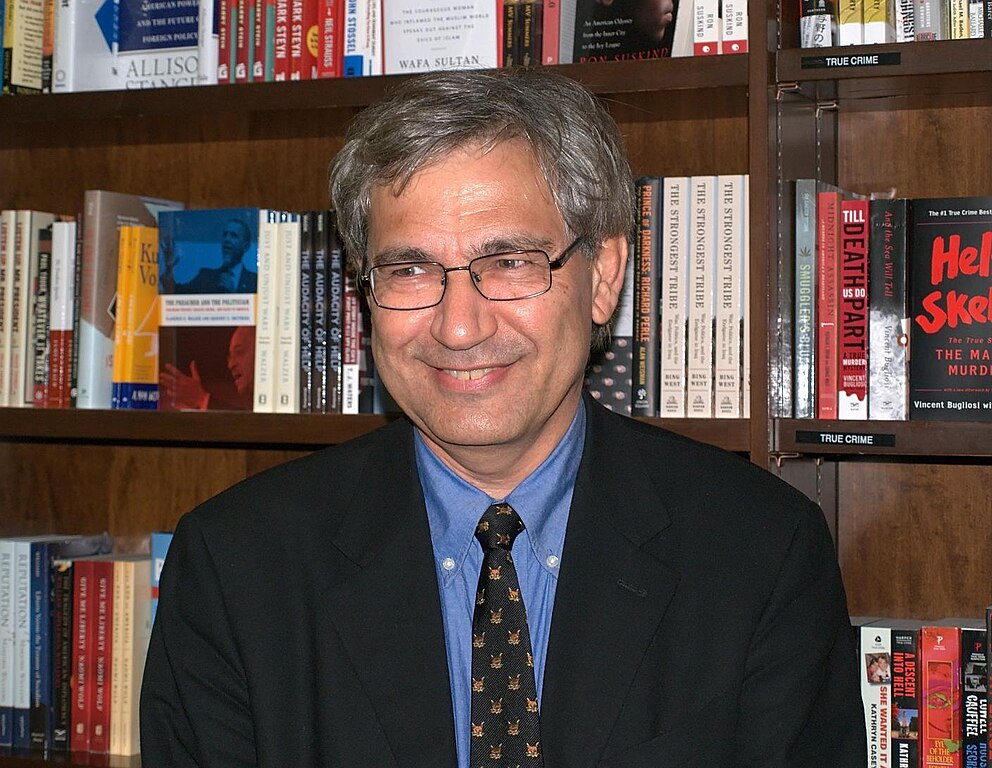
Image by David Shankbone, via Wiki­me­dia Com­mons

We now know the list of Nobel Prize win­ners for 2006, and the award cer­e­mo­ny in Stock­holm is not far off (Decem­ber 10th). This year’s prize in lit­er­a­ture went to Orhan Pamuk, who is almost a rock star in his home coun­try, Turkey, but less well known out­side. But that’s clear­ly about to change. If you’re not already famil­iar with Pamuk’s work, we’ve pulled togeth­er some resources for you. Born in Istan­bul in 1952 (check out the Nobel bio here), Pamuk has writ­ten 10 books in Turk­ish — of which 7 have been trans­lat­ed into Eng­lish — and, through com­plex plots and post-mod­ern devices, his books repeat­ed­ly come back to explor­ing a dual­i­ty — the rela­tion­ship between East and West, Islam­ic val­ues and West­ern val­ues, reli­gion and sec­u­lar­ism. As John Updike puts it in a review of Snow, a par­tic­u­lar­ly acclaimed work, what Pamuk deliv­ers is an artis­tic look at “the ten­sion between the sec­u­lar­ism estab­lished by Kemal Atatürk in the nine­teen-twen­ties and the recent rise of polit­i­cal Islam; … the cul­tur­al divide between a West­ern­ized élite and the the­is­tic mass­es.”

Much to his cha­grin, Pamuk has gained pub­lic stature not sim­ply because of his lit­er­ary achieve­ments, but because he has tak­en strong pub­lic stands against the repres­sive ten­den­cies of his gov­ern­ment and Islam­ic rad­i­cal­ism more gen­er­al­ly. And he has paid a per­son­al price. Notably, he was the first writer in the Mus­lim world to denounce the fat­wa against Salman Rushdie. Also, when he declared in a 2005 inter­view that “Thir­ty thou­sand Kurds and a mil­lion Arme­ni­ans were killed in these lands [Turkey between 1915 and 1917] and nobody dares to talk about it,” the Turk­ish gov­ern­ment respond­ed by har­rass­ing him and then bring­ing him up on charges — charges it was even­tu­al­ly forced to drop because of inter­na­tion­al pres­sure. As this inter­view makes clear, Pamuk is not exact­ly what you’d call an eager dis­si­dent. Rather, you get the strong sense that it’s a moral oblig­a­tion for him, the eth­i­cal cost of being famous in a coun­try that has too few peo­ple will­ing to call on the gov­ern­ment to account for its actions.

Resources:

Text

Media

  • Orhan Pamuk Inter­view: Nobel Prize Win­ner 2006 (Real Play­er — Audio)
  • Pamuk on his nov­el, “Snow” (Online Stream)

by | Permalink | Make a Comment ( 1 ) |

« Go Back — More in this category... »
Quantcast