Meet the “Grammar Vigilante,” Hell-Bent on Fixing Grammatical Mistakes on England’s Storefront Signs

In the age of Banksy, anonymi­ty, ener­gy, and act­ing with­out per­mis­sion com­bine to make a potent brew. Those whose work springs up in a pub­lic set­ting overnight, with­out pri­or announce­ment or trans­ac­tion, are freely assumed to be pas­sion­ate swash­buck­lers, brim­ming with tal­ent and sly social com­men­tary.

But what about an anony­mous mid­dle-aged man who roams the streets of Bris­tol, armed not with sten­cils and spray paint, but a sponge-tipped broom han­dle that allows him to cor­rect the improp­er punc­tu­a­tion on local busi­ness­es’ awnings and out-of-reach sig­nage?

The so-called “gram­mar vig­i­lante,” above, became an Inter­net sen­sa­tion after a BBC reporter trailed him on one of his night­ly rounds, watch­ing him apply adhe­sive-backed apos­tro­phes where need­ed and erad­i­cate incor­rect­ly placed ones with blank, col­or-matched stick­ers.

While the man­ag­er of Cam­bridge Motors (for­mer­ly known as Cam­bridge Motor’s) hailed the unknown cit­i­zen who mus­cled his splin­tery wood­en sign into com­pli­ance with the King’s Eng­lish, else­where, the back­lash has been bru­tal and swift.

The chair­man of the Queen’s Eng­lish Soci­ety shares the anony­mous crusader’s pain, but frowns on his uncred­it­ed exe­cu­tion.

The Tele­graph is one of sev­er­al pub­li­ca­tions to have called him a “pedant.”

And the own­er of Tux & Tails, whose web­site per­sists in describ­ing the busi­ness as a “gen­tle­mans out­fit­ters,” is angry over what he says will be the cost of restor­ing a large vinyl sign, installed less than a year ago. “It looks like bird shit,” he declared to The Bris­tol Post.

On this side of the pond, Erin Bren­ner, an instruc­tor in the Uni­ver­si­ty of Cal­i­for­nia San Diego Extension’s Copy­edit­ing Cer­tifi­cate pro­gram, comes down hard in her Copy­edit­ing blog. In her opin­ion, there’s noth­ing to be gained from pub­licly sham­ing strangers for their punc­tu­a­tion boo boos:

It is not a kindness—it’s abhor­rent behavior…It also gives the world a mis­guid­ed idea about what pro­fes­sion­al edi­tors, who are also pas­sion­ate about lan­guage, do. We don’t go around slap­ping our authors’ wrists in pub­lic and telling them how wrong and stu­pid they are. 

Those with rea­son to fear vig­i­lante jus­tice for their pub­lic punc­tu­a­tion should be advised that the web abounds with apos­tro­phe usage videos, one of which is above.

Watch a longer seg­ment on the Gram­mar Vig­i­lante here.

Relat­ed Con­tent:

“Weird Al” Yankovic Releas­es “Word Crimes,” a Gram­mar Nerd Par­o­dy of “Blurred Lines”

Cor­mac McCarthy’s Three Punc­tu­a­tion Rules, and How They All Go Back to James Joyce

Steven Pinker Iden­ti­fies 10 Break­able Gram­mat­i­cal Rules: “Who” Vs. “Whom,” Dan­gling Mod­i­fiers & More

Ayun Hal­l­i­day is an author, illus­tra­tor, the­ater mak­er and Chief Pri­ma­tol­o­gist of the East Vil­lage Inky zine.  Fol­low her @AyunHalliday.

Benedict Cumberbatch Reads Albert Camus’ Touching Thank You Letter to His Elementary School Teacher

It’s nev­er too late to thank the teacher who changed your life.

Oprah Win­frey fell to pieces when she was reunit­ed on air with Mrs. Dun­can, her fourth grade teacher, her “first lib­er­a­tor” and “val­ida­tor.”

Patrick Stew­art used his knight­hood cer­e­mo­ny as an occa­sion to thank Cecil Dor­mand, the Eng­lish teacher who told him that Shakespeare’s works were not dra­mat­ic poems, but plays to be per­formed on one’s feet.

And Bill Gates had kind words for Blanche Caffiere, the for­mer librar­i­an at View Ridge Ele­men­tary in Seat­tle, who des­tig­ma­tized his role as a “messy, nerdy boy who was read­ing lots of books.”

One of the most heart­felt stu­dent-to-teacher trib­utes is that of Nobel Prize-win­ning author and philoso­pher Albert Camus to Louis Ger­main, a father sub­sti­tute whose class­room was a wel­come reprieve from the extreme pover­ty Camus expe­ri­enced at home. Ger­main per­suad­ed Camus’ wid­owed moth­er to allow Camus to com­pete for the schol­ar­ship that enabled him to attend high school.

As read aloud by actor Bene­dict Cum­ber­batch, above, at Let­ters Live, a “cel­e­bra­tion of the endur­ing pow­er of lit­er­ary cor­re­spon­dence,” Camus’ 1957 mes­sage to Ger­main is an exer­cise in humil­i­ty and sim­ply stat­ed grat­i­tude:

Dear Mon­sieur Ger­main,

I let the com­mo­tion around me these days sub­side a bit before speak­ing to you from the bot­tom of my heart. I have just been giv­en far too great an hon­our, one I nei­ther sought nor solicit­ed.

But when I heard the news, my first thought, after my moth­er, was of you. With­out you, with­out the affec­tion­ate hand you extend­ed to the small poor child that I was, with­out your teach­ing and exam­ple, none of all this would have hap­pened.

I don’t make too much of this sort of hon­our. But at least it gives me the oppor­tu­ni­ty to tell you what you have been and still are for me, and to assure you that your efforts, your work, and the gen­er­ous heart you put into it still live in one of your lit­tle school­boys who, despite the years, has nev­er stopped being your grate­ful pupil. I embrace you with all my heart.

Albert Camus

The let­ter was grate­ful­ly received by his for­mer teacher, who wrote back a year and a half lat­er to say in part:

If it were pos­si­ble, I would squeeze the great boy whom you have become, and who will always remain for me “my lit­tle Camus.”

He com­pli­ment­ed his lit­tle Camus on not let­ting fame go to his head, and urged him to con­tin­ue mak­ing his fam­i­ly pri­or­i­ty. He shared some fond mem­o­ries of Camus as a gen­tle, opti­mistic, intel­lec­tu­al­ly curi­ous lit­tle fel­low, and praised his moth­er for doing her best in dif­fi­cult cir­cum­stances.

Read­ers, please use the com­ments sec­tion to share with us the teach­ers deserv­ing of your thanks.

You can find this let­ter, and many more, in the great Let­ters of Note book.

Relat­ed Con­tent:

Albert Camus: The Mad­ness of Sin­cer­i­ty — 1997 Doc­u­men­tary Revis­its the Philosopher’s Life & Work

Albert Camus, Edi­tor of the French Resis­tance News­pa­per Com­bat, Writes Mov­ing­ly About Life, Pol­i­tics & War (1944–47)

Hear Albert Camus Deliv­er His Nobel Prize Accep­tance Speech (1957)

Ayun Hal­l­i­day is an author, illus­tra­tor, the­ater mak­er and Chief Pri­ma­tol­o­gist of the East Vil­lage Inky zine.  Her play Zam­boni Godot is open­ing in New York City in March 2017. Fol­low her @AyunHalliday.

The Theater Dictionary: A Free Video Guide to Theatre Lingo

It’s 11 o’clock. Do you know where your show­stop­pers are? Or, more to the point, do you know why a musi­cal-com­e­dy writ­ing team seeks to ori­ent its show­stop­ping num­ber at “eleven o’clock”?

The The­ater Devel­op­ment Fund’s The­atre Dic­tio­nary is an ongo­ing attempt to define and doc­u­ment the­ater terms for both the rab­ble and any bud­ding prac­ti­tion­ers who’ve yet to mas­ter the lin­go.

Each term is accom­pa­nied by a loopy slap­dash skit. Not all of the per­form­ers exhib­it the pedi­gree Veron­i­ca J. Kuehn and Nick Kohn of Avenue Q bring to “Eleven O’Clock Num­ber,” above, but cast­ing admin­is­tra­tors and tick­et booth reps in star­ring roles lend a homey egal­i­tar­i­an­ism, such as when stu­dents from the Yale School of Drama’s Depart­ment of Dra­matur­gy and Dra­mat­ic Crit­i­cism are giv­en free license to explore the ori­gins of “vom.”

(This loosey goosey approach also allows for uncred­it­ed appear­ances by oth­er the­atri­cal tropes—the marathon rehearsals where pop­corn con­sti­tutes lunch and one actor repeat­ed­ly com­plains that his work has been insuf­fi­cient­ly acknowl­edged.)

A “What Does This Word Mean” tab for each term anchors the video silli­ness, pro­vid­ing his­tor­i­cal and anec­do­tal con­text. It’s in keep­ing with the Dictionary’s greater goal of bring­ing the­ater to the peo­ple, let­ting every­one play with the toys.

Some of the def­i­n­i­tions are prac­ti­cal short­hand…

Oth­ers are couched in long­time, pos­si­bly archa­ic the­ater lore…

I’d exer­cise cau­tion with some of this lin­go. Even though many of these terms are born of prac­ti­cal­i­ty, overus­ing them may cause oth­ers to view you as the most obnox­ious of self-declared Triple Threats, the kid in the com­e­dy-tragedy mask sweat­shirt, prone to belt­ing out the entire sound­track of CATS at the slight­est provo­ca­tion. (“Thanks, 5!!!”)

Some of these terms have unex­pect­ed crossover appeal, most recent­ly Ghost Light, above. Know­ing the mean­ing of the term will help you bet­ter appre­ci­ate the pow­er of the Ghost­light Project, a post-elec­tion com­ing togeth­er of the­ater artists and audi­ences in defense and sup­port of vul­ner­a­ble com­mu­ni­ties.

You can browse the The­ater Dic­tio­nary com­plete glos­sary here or watch the videos on TDF’s Youtube chan­nel.

The The­ater Dictionary’s FAQ con­tains infor­ma­tion on how pro­fes­sion­al the­atre com­pa­nies and orga­ni­za­tions and col­lege-lev­el the­atre pro­grams can apply to con­tribute a video.

Relat­ed Con­tent:

100,000+ Won­der­ful Pieces of The­ater Ephemera Dig­i­tized by The New York Pub­lic Library

Young Orson Welles Directs “Voodoo Mac­beth,” the First Shake­speare Pro­duc­tion With An All-Black Cast: Footage from 1936

Take a “Breath” and Watch Samuel Beckett’s One-Minute Play

Ayun Hal­l­i­day is an author, illus­tra­tor, the­ater mak­er and Chief Pri­ma­tol­o­gist of the East Vil­lage Inky zine.  Her play Zam­boni Godot is open­ing in New York City in March 2017. Fol­low her @AyunHalliday.

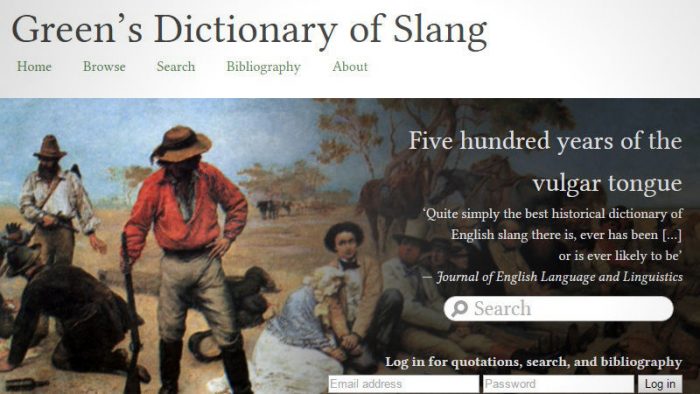
The Largest Historical Dictionary of English Slang Now Free Online: Covers 500 Years of the “Vulgar Tongue”

greens-dictionary-of-slang

“The three vol­umes of Green’s Dic­tio­nary of Slang demon­strate the sheer scope of a life­time of research by Jonathon Green, the lead­ing slang lex­i­cog­ra­ph­er of our time. A remark­able col­lec­tion of this often reviled but end­less­ly fas­ci­nat­ing area of the Eng­lish lan­guage, it cov­ers slang from the past five cen­turies right up to the present day, from all the dif­fer­ent Eng­lish-speak­ing coun­tries and regions. Total­ing 10.3 mil­lion words and over 53,000 entries, the col­lec­tion pro­vides the def­i­n­i­tions of 100,000 words and over 413,000 cita­tions. Every word and phrase is authen­ti­cat­ed by gen­uine and ful­ly-ref­er­enced cita­tions of its use, giv­ing the work a lev­el of author­i­ty and schol­ar­ship unmatched by any oth­er pub­li­ca­tion in this field.”

If you head over to Amazon.com, that’s how you will find Green’s Dic­tio­nary of Slang pitched to con­sumers. The dic­tio­nary is an attrac­tive three-vol­ume, hard-bound set. But it comes at a price. $264 for a used edi­tion. $600 for a new one.

Now comes the good news. In Octo­ber, Green’s Dic­tio­nary of Slang became avail­able as a free web­site, giv­ing you access to an even more updat­ed ver­sion of the dic­tio­nary. Col­lec­tive­ly, the web­site lets you trace the devel­op­ment of slang over the past 500 years. And, as Men­tal Floss notes, the site â€śallows lookups of word def­i­n­i­tions and ety­molo­gies for free, and, for a well-worth-it sub­scrip­tion fee, it offers cita­tions and more exten­sive search options.” If you’ve ever won­dered about the mean­ing of words like kid­ly­wink, gol­lier, and lint­head, you now know where to begin.

Relat­ed Con­tent:

Cab Calloway’s “Hep­ster Dic­tio­nary,” A 1939 Glos­sary of the Lin­go (the “Jive”) of the Harlem Renais­sance

Oh My God! Win­ston Churchill Received the First Ever Let­ter Con­tain­ing “O.M.G.” (1917)

Free Online Eng­lish Lessons

by | Permalink | Make a Comment ( 2 ) |

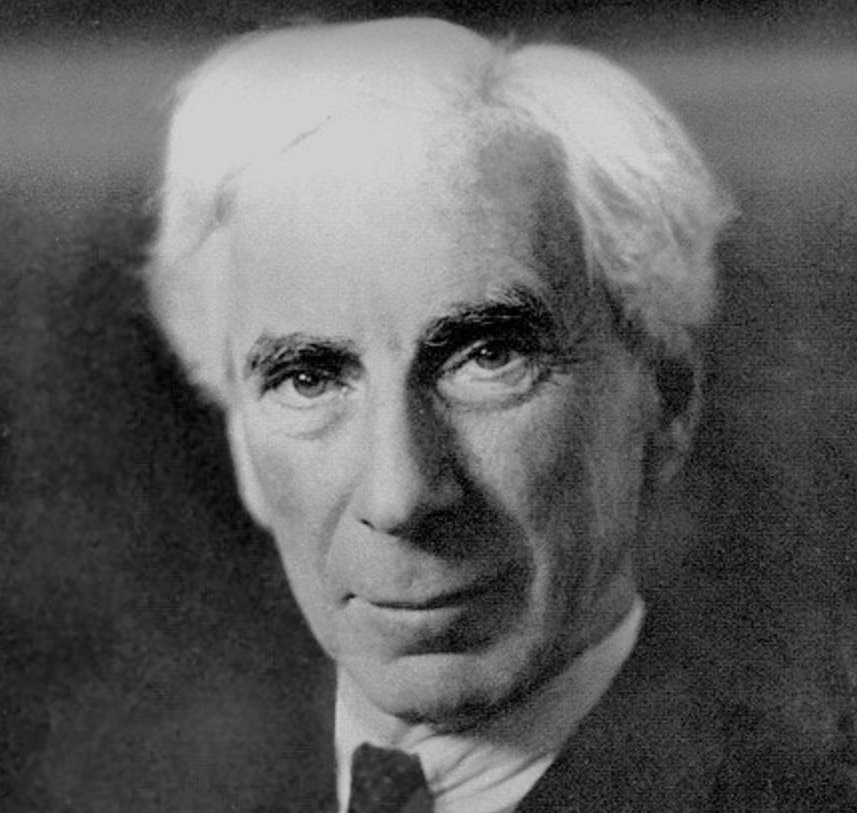
Bertrand Russell Lists His 20 Favorite Words in 1958 (and What Are Some of Yours?)

Russell_in_1938

Image via Wiki­me­dia Com­mons

Is it pos­si­ble to ful­ly sep­a­rate a word’s sound from its meaning—to val­ue words sole­ly for their music? Some poets come close: Wal­lace Stevens, Sylvia Plath, John Ash­bery. Rare pho­net­ic meta­physi­cians. Sure­ly we all do this when we hear words in a lan­guage we do not know. When I first encoun­tered the Span­ish word entonces, I thought it was the most beau­ti­ful three syl­la­bles I’d ever heard.

I still thought so, despite some dis­ap­point­ment, when I learned it was a com­mon­place adverb mean­ing “then,” not the rar­i­fied name of some mag­i­cal being. My rev­er­ence for entonces will not impress a native Span­ish speak­er. Since I do not think in Span­ish and strug­gle to find the right words when I speak it—always translating—the sound and sense of the lan­guage run on two dif­fer­ent tracks in my mind.

An exam­ple from my native tongue: the word obdu­rate, which I adore, became an instant favorite for its sound the first time I said it aloud, before I’d ever used it in a sen­tence or parsed its mean­ing. It’s not a com­mon Eng­lish word, how­ev­er, and maybe that makes it spe­cial. A word like always, which has a pret­ty sound, rarely strikes me as musi­cal or inter­est­ing, though non-Eng­lish speak­ers may find it so.

Every writer has favorite words. Some of those words are ordi­nary, some of them not so much. David Fos­ter Wallace’s lists of favorite words con­sist of obscu­ri­ties and archaisms unlike­ly to ever fea­ture in the aver­age con­ver­sa­tion. “James Joyce thought cus­pi­dor the most beau­ti­ful word in the Eng­lish lan­guage,” writes the blog Futil­i­ty Clos­et,” Arnold Ben­net chose pave­ment. J.R.R. Tolkien felt the phrase cel­lar door had an espe­cial­ly beau­ti­ful sound.”

Who’s to say how much these authors could sep­a­rate sound from sense? Futil­i­ty Clos­et illus­trates the prob­lem with a humor­ous anec­dote about Max Beer­bohm, and brings us the list below of philoso­pher Bertrand Russell’s 20 favorite words, offered in response to a reader’s ques­tion in 1958. Though Rus­sell him­self had a fas­ci­nat­ing the­o­ry about how we make words mean things, he sup­pos­ed­ly made this list with­out regard for these words’ mean­ings.

  1. wind
  2. heath
  3. gold­en
  4. begrime
  5. pil­grim
  6. quag­mire
  7. dia­pa­son
  8. alabaster
  9. chryso­prase
  10. astro­labe
  11. apoc­a­lyp­tic
  12. ineluctable
  13. ter­raque­ous
  14. inspis­sat­ed
  15. incar­na­dine
  16. sub­lu­nary
  17. choras­mean
  18. alem­bic
  19. ful­mi­nate
  20. ecsta­sy

So, what about you, read­er? What are some of your favorite words in English—or what­ev­er your native lan­guage hap­pens to be? And do you, can you, choose them for their sound alone? Please let us know in the com­ments below.

Relat­ed Con­tent:

David Fos­ter Wal­lace Cre­ates Lists of His Favorite Words: “Mau­gre,” “Taran­tism,” “Ruck,” “Prima­para” & More

“Tsun­doku,” the Japan­ese Word for the New Books That Pile Up on Our Shelves, Should Enter the Eng­lish Lan­guage

5 Won­der­ful­ly Long Lit­er­ary Sen­tences by Samuel Beck­ett, Vir­ginia Woolf, F. Scott Fitzger­ald & Oth­er Mas­ters of the Run-On

Josh Jones is a writer and musi­cian based in Durham, NC. Fol­low him at @jdmagness

How to Spot Bullshit: A Primer by Princeton Philosopher Harry Frankfurt

We live in an age of truthi­ness. Come­di­an Stephen Col­bert coined the word to describe the Bush administration’s ten­den­cy to fudge the facts in its favor.

Ten years after the Amer­i­can Dialect Soci­ety named it Word of the Year, for­mer pres­i­dent Bush’s cal­en­dar is packed with such leisure activ­i­ties as golf and paint­ing por­traits of world lead­ers, but “truthi­ness” remains on active duty.

It’s par­tic­u­lar­ly ger­mane in this elec­tion year, though politi­cians are far from its only prac­ti­tion­ers.

Take glob­al warm­ing. NASA makes a pret­ty rock sol­id case for both its exis­tence and our role in it:

97 per­cent or more of active­ly pub­lish­ing cli­mate sci­en­tists agree: Cli­mate-warm­ing trends over the past cen­tu­ry are extreme­ly like­ly due to human activ­i­ties. In addi­tion, most of the lead­ing sci­en­tif­ic orga­ni­za­tions world­wide have issued pub­lic state­ments endors­ing this posi­tion.

In view of such num­bers, its under­stand­able that a sub­ur­ban Joe with a freez­er full of fac­to­ry-farmed beef and mul­ti­ple SUVs in his garage would cling to the posi­tion that glob­al warm­ing is a lie. It’s his last resort, real­ly.

But such self-ratio­nal­iza­tions are not truth. They are truthi­ness.

Or to use the old-fash­ioned word favored by philoso­pher Har­ry Frank­furt, above: bull­shit!

Frank­furt–a philoso­pher at Prince­ton and the author of On Bull­shit–allows that bull­shit artists are often charm­ing, or at their very least, col­or­ful. They have to be. Achiev­ing their ends involves engag­ing oth­ers long enough to per­suade them that they know what they’re talk­ing about, when in fact, that’s the oppo­site of the truth.

Speak­ing of oppo­sites, Frank­furt main­tains that bull­shit is a dif­fer­ent beast from an out-and-out lie. The liar makes a spe­cif­ic attempt to con­ceal the truth by swap­ping it out for a lie.

The bull­shit artist’s approach is far more vague. It’s about cre­at­ing a gen­er­al impres­sion.

There are times when I admit to wel­com­ing this sort of manure. As a mak­er of low bud­get the­ater, your hon­est opin­ion of any show I have Lit­tle Red Hen’ed into exis­tence is the last thing I want to hear upon emerg­ing from the cramped dress­ing room, unless you tru­ly loved it.

I’d also encour­age you to choose your words care­ful­ly when dash­ing a child’s dreams.

But when it comes to mat­ters of pub­lic pol­i­cy, and the pub­lic good, yes, trans­paren­cy is best.

It’s inter­est­ing to me that film­mak­ers James Nee and Chris­t­ian Brit­ten trans­formed a por­tion of their learned subject’s thoughts into voiceover nar­ra­tion for a light­ning fast stock footage mon­tage. It’s divert­ing and fun­ny, fea­tur­ing such omi­nous char­ac­ters as Nos­fer­atu, Bill Clin­ton, Char­lie Chaplin’s Great Dic­ta­tor, and Don­ald Trump, but isn’t it also the sort of mis­di­rec­tion sleight of hand at which true bull­shit­ters excel?

Frank­furt expands upon his thoughts on bull­shit in his apt­ly titled best­selling book, On Bull­shit and its fol­lowup On Truth.

Relat­ed Con­tent:

Noam Chom­sky Schools 9/11 Truther; Explains the Sci­ence of Mak­ing Cred­i­ble Claims

Young T.S. Eliot Writes “The Tri­umph of Bullsh*t” and Gives the Eng­lish Lan­guage a New Exple­tive (1910)

Stephen Col­bert Explains How The Col­bert Report Is Made in a New Pod­cast

Ayun Hal­l­i­day is an author, illus­tra­tor, and Chief Pri­ma­tol­o­gist of the East Vil­lage Inky zine. Fol­low her @AyunHalliday

The “Brain Dictionary”: Beautiful 3D Map Shows How Different Brain Areas Respond to Hearing Different Words

We’ve all had those moments of strug­gle to come up with le mot juste, in our native lan­guage or a for­eign one. But when we look for a par­tic­u­lar word, where exact­ly do we go to find it? Neu­ro­sci­en­tists at Berke­ley have made a fas­ci­nat­ing start on answer­ing that ques­tion by going in the oth­er direc­tion, map­ping out which parts of the brain respond to the sound of cer­tain words, using func­tion­al mag­net­ic res­o­nance imag­ing (fMRI) to watch the action on the cere­bral cor­tices of peo­ple lis­ten­ing to The Moth Radio Hour â€” a pop­u­lar sto­ry­telling pod­cast you your­self may have spent some time with, albeit under some­what dif­fer­ent cir­cum­stances.

“No sin­gle brain region holds one word or con­cept,” writes The Guardian’s Ian Sam­ple on the “brain dic­tio­nary” thus devel­oped by researcher Jack Gal­lant and his team. “A sin­gle brain spot is asso­ci­at­ed with a num­ber of relat­ed words. And each sin­gle word lights up many dif­fer­ent brain spots. Togeth­er they make up net­works that rep­re­sent the mean­ings of each word we use: life and love; death and tax­es; clouds, Flori­da and bra. All light up their own net­works.”

Sam­ple quotes Alexan­der Huth, the first author on the study: “It is pos­si­ble that this approach could be used to decode infor­ma­tion about what words a per­son is hear­ing, read­ing, or pos­si­bly even think­ing.” You can learn more about this promis­ing research in the short video from Nature above, which shows how the team mapped out how, dur­ing those Moth lis­ten­ing ses­sions, â€śdif­fer­ent bits of the brain respond­ed to dif­fer­ent kinds of words”: some regions lit up in response to those hav­ing to do with num­bers, for instance, oth­ers in response to “social words,” and oth­ers in response to those indi­cat­ing place.

You can also browse this brain dic­tio­nary your­self in 3D on the Gal­lant Lab’s web site, which lets you click on any part of the cor­tex and see a clus­ter of the words which gen­er­at­ed the most activ­i­ty there. The oth­er neu­ro­sci­en­tists quot­ed in the Guardian piece acknowl­edge both the thrilling (if slight­ly scary, in terms of thought-read­ing pos­si­bil­i­ties in the maybe-not-that-far-flung future) impli­ca­tions of the work as well as the huge amount of unknowns that remain. The response of the pod­cast­ing com­mu­ni­ty has so far gone unrecord­ed, but sure­ly they’d like to see the research extend­ed in the direc­tion of oth­er lin­guis­ti­cal­ly inten­sive shows — Marc Maron’s WTF, per­haps.

via The Guardian

Relat­ed Con­tent:

Free Online Psy­chol­o­gy & Neu­ro­science Cours­es

Becom­ing Bilin­gual Can Give Your Brain a Boost: What Recent Research Has to Say

Steven Pinker Explains the Neu­ro­science of Swear­ing (NSFW)

This Is Your Brain on Jane Austen: The Neu­ro­science of Read­ing Great Lit­er­a­ture

Music in the Brain: Sci­en­tists Final­ly Reveal the Parts of Our Brain That Are Ded­i­cat­ed to Music

Based in Seoul, Col­in Mar­shall writes and broad­casts on cities, lan­guage, and style. He’s at work on a book about Los Ange­les, A Los Ange­les Primer, the video series The City in Cin­e­ma, the crowd­fund­ed jour­nal­ism project Where Is the City of the Future?, and the Los Ange­les Review of Books’ Korea Blog. Fol­low him on Twit­ter at @colinmarshall or on Face­book.

Why Do People Talk Funny in Old Movies?, or The Origin of the Mid-Atlantic Accent

“The first thing to notice about movies made in the clas­sic Hol­ly­wood stu­dio era,” writes New York­er film crit­ic Richard Brody, â€śfrom the twen­ties through the fifties, is the still­ness of the actors — not a sta­t­ic, micro­phone-bound stand-and-deliv­er the­atri­cal­i­ty but a lack of fid­geti­ness even while in motion, a self-mas­tery that pre­cludes uncon­trolled or inci­den­tal ges­tures,” an act­ing style reflec­tive of the fact, Brody sus­pects, that â€śAmer­i­can peo­ple of the era real­ly were more tight­ly con­trolled, more repressed by the gen­er­al expec­ta­tion of pub­lic deco­rum and expres­sive restraint.”

This has made it tough for film­mak­ers (in the case of Brody’s piece, Paul Thomas Ander­son mak­ing The Mas­ter, who pulled it off more con­vinc­ing­ly than any­one else in recent mem­o­ry) who want to do prop­er peri­od pieces set in those days: “even if styl­ists man­age to get the cloth­ing right, actors today — peo­ple today — have been raised by and large to let their emo­tions gov­ern their behav­ior,” and cur­rent actors “can hard­ly rep­re­sent the past with­out invest­ing it with the atti­tudes of our own day, which is why most new peri­od pieces seem either thin or unin­ten­tion­al­ly iron­ic.”

They’d have an espe­cial­ly for­mi­da­ble task set out for them in speak­ing, with­out any appar­ent irony, in the mid-atlantic accent, just as much a fix­ture of clas­sic Hol­ly­wood act­ing as that phys­i­cal self-mas­tery. Even if you haven’t heard its name, you’ve heard the accent, which gets exam­ined in the How­Stuff­Works video at the top of the post â€śWhy Do Peo­ple in Old Movies Talk Weird?” The “old-timey voice” you hear in news­reels from movies like His Girl Fri­day (watch it online here) and fig­ures like Katharine Hep­burn, Franklin D. Roo­sevelt, George Plimp­ton, and William F. Buck­ley, his­tor­i­cal­ly “the hall­mark of aris­to­crat­ic Amer­i­ca,” acquired, usu­al­ly in New Eng­land board­ing schools, as “an inter­na­tion­al norm for com­mu­ni­ca­tion.”

The video points out its sig­nal qual­i­ties, from its â€śqua­si-British ele­ments” like a soft­en­ing of Rs to its “empha­sis on clipped, sharped Ts,” result­ing in a speech pat­tern that “isn’t com­plete­ly British, not com­plete­ly Amer­i­can” — one we can only place, in oth­er words, some­where in the mid-Atlantic ocean. The accent emerged as an opti­mal man­ner of speak­ing in “the ear­ly days of radio” when speak­ers could­n’t repro­duce bass vary well, and it van­ished not long after the Sec­ond World War, when teach­ers stopped pass­ing it along to their stu­dents. Has the time has come for the true iro­nists among us to bring it back?

Relat­ed Con­tent:

The Speech Accent Archive: The Eng­lish Accents of Peo­ple Who Speak 341 Dif­fer­ent Lan­guages

The Lin­guis­tics Behind Kevin Spacey’s South­ern Accent in House of Cards: A Quick Primer

Watch Meryl Streep Have Fun with Accents: Bronx, Pol­ish, Irish, Aus­tralian, Yid­dish & More

A Brief Tour of British Accents: 14 Ways to Speak Eng­lish in 84 Sec­onds

Peter Sell­ers Presents The Com­plete Guide To Accents of The British Isles

Based in Seoul, Col­in Mar­shall writes and broad­casts on cities, lan­guage, and style. He’s at work on a book about Los Ange­les, A Los Ange­les Primer, the video series The City in Cin­e­ma, the crowd­fund­ed jour­nal­ism project Where Is the City of the Future?, and the Los Ange­les Review of Books’ Korea Blog. Fol­low him on Twit­ter at @colinmarshall or on Face­book.


« Go BackMore in this category... »
Quantcast