Leonardo da Vinci’s Inventions Come to Life as Museum-Quality, Workable Models: A Swing Bridge, Scythed Chariot, Perpetual Motion Machine & More

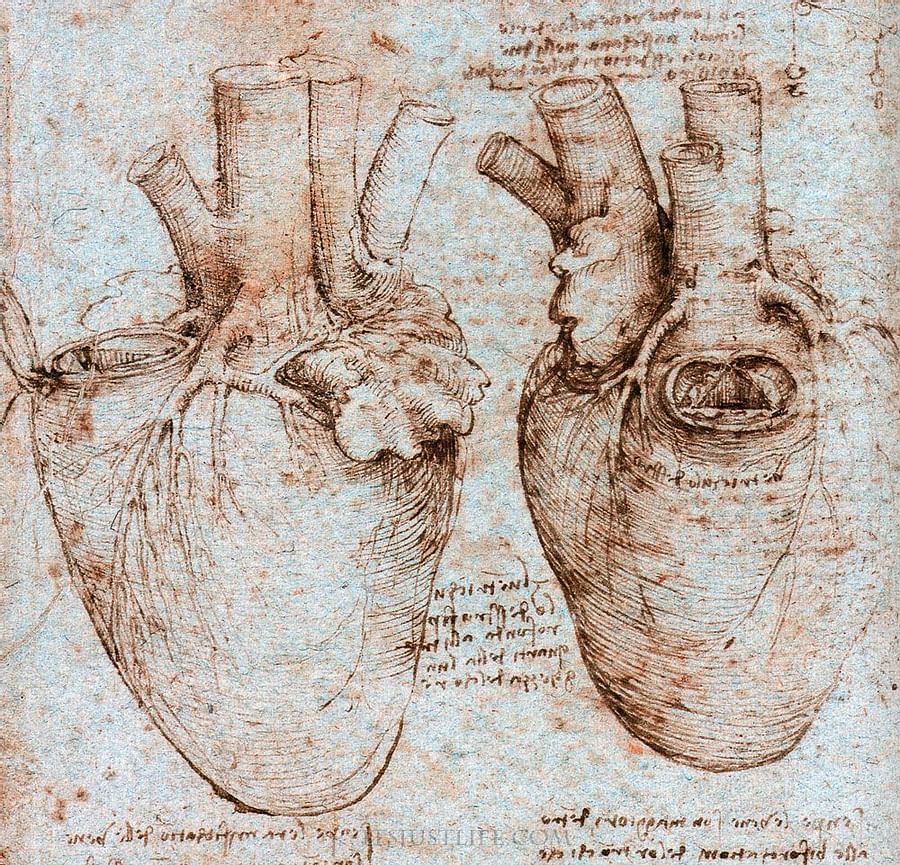
Per­pet­u­al motion is impos­si­ble. Even if we don’t know much about physics, we all know that to be true — or at least we’ve heard it from cred­i­ble enough sources that we might as well believe it. More accu­rate­ly, we might say that nobody has yet fig­ured out how to make a machine that keeps on going and going and going by itself, with­out any exter­nal ener­gy source. But it has­n’t been for lack of try­ing, and the effort has been on the part of not just crack­pots but some of the most impres­sive minds in human his­to­ry. Take char­ter mem­ber of that group Leonar­do da Vin­ci, the Renais­sance design­er of bridges, musi­cal instru­ments, war machines, and much else beside, whose fas­ci­na­tion with the sub­ject also had him imag­in­ing the occa­sion­al per­pet­u­al motion machine.

Our unflag­ging fas­ci­na­tion with Leonar­do has fueled the efforts of 21st-cen­tu­ry enthu­si­asts to build his inven­tions for them­selves, even those inven­tions that pre­vi­ous­ly exist­ed only in his note­books. In the video above you can see a series of such Leonar­do-imag­ined devices made real in func­tion­al mod­el form.

Some of them, like the fly­wheel, odome­ter, ver­ti­cal ball-bear­ing, and dou­ble-deck­er bridge, have become so com­mon in oth­er forms that we no longer even stop to con­sid­er their inge­nious­ness. Oth­ers, like the invad­er-repelling cas­tle wall defense mech­a­nism and some­thing called a “scythed char­i­ot” — a nasty-look­ing yet char­ac­ter­is­ti­cal­ly grace­ful piece of work — remind of us that, at least in most of the world, we live in less war­like times than Leonar­do did.

The video comes from Valeriy Ivanov, who on Youtube spe­cial­izes in build­ing and demon­strat­ing “work­ing mod­els of per­pet­u­al motion machines” as well as “Da Vin­ci inven­tions” and “mar­ble machines.” (Leonar­do’s odome­ter, fea­tured in the video, makes a par­tic­u­lar­ly impres­sive use of mar­bles.) “My mod­els of per­pet­u­al motion machines are of motor­ized ver­sions that were built to illus­trate how they were sup­posed to work in the minds of inven­tors,” writes Ivanov. We see not only the mechan­ics Leonar­do and oth­er hope­ful inven­tors must have imag­ined, but the mes­mer­iz­ing ele­gance of Leonar­do’s designs in par­tic­u­lar, such as the video’s over­bal­anced wheel. On a note­book page from 1494, Leonar­do told the seek­ers of per­pet­u­al motion to “go and take your place with the alchemists.” But now, with the aid of tech­nol­o­gy unimag­ined in Leonar­do’s time — even by Leonar­do him­self — we can see just how com­pelling that vision must have been.

Relat­ed Con­tent:

MIT Researchers 3D Print a Bridge Imag­ined by Leonar­do da Vin­ci in 1502— and Prove That It Actu­al­ly Works

How to Build Leonar­do da Vinci’s Inge­nious Self-Sup­port­ing Bridge: Renais­sance Inno­va­tions You Can Still Enjoy Today

Leonar­do da Vin­ci Draws Designs of Future War Machines: Tanks, Machine Guns & More

Watch Leonar­do da Vinci’s Musi­cal Inven­tion, the Vio­la Organ­ista, Being Played for the Very First Time

A Com­plete Dig­i­ti­za­tion of Leonar­do Da Vinci’s Codex Atlanti­cus, the Largest Exist­ing Col­lec­tion of His Draw­ings & Writ­ings

Leonar­do da Vinci’s Ele­gant Design for a Per­pet­u­al Motion Machine

Based in Seoul, Col­in Mar­shall writes and broad­casts on cities, lan­guage, and cul­ture. His projects include the book The State­less City: a Walk through 21st-Cen­tu­ry Los Ange­les and the video series The City in Cin­e­ma. Fol­low him on Twit­ter at @colinmarshall or on Face­book.

The Strange, Spiritual Origins of the Ouija Board

Even as an avid hor­ror movie fan, I find it hard to sus­pend dis­be­lief when Oui­ja boards show up, and they show up often enough, in clas­sics like The Exor­cist and mod­ern favorites like Para­nor­mal Activ­i­ty. Oui­ja boards have always seemed more like wands with plas­tic flow­ers in them than telegraphs to the after­life or the infer­nal abyss. But I grew up with peo­ple who con­sid­ered it a gate­way to hell, just as spir­i­tu­al­ists have con­sid­ered it a por­tal to the beyond, where their dead rel­a­tives wait­ed to give them mes­sages.

So, how did this nov­el­ty item become such a potent fig­ure of fear and fas­ci­na­tion in Amer­i­ca? When it was mass-mar­ket­ed by “a Pitts­burgh toy and nov­el­ty shop” in the late 19th cen­tu­ry, as Lin­da Rodriquez McRob­bie writes at Smith­son­ian, “this mys­te­ri­ous talk­ing board was basi­cal­ly what’s sold in board game aisles today.” Its adver­tise­ments promised “nev­er fail­ing amuse­ment and recre­ation for all the class­es,” and a bridge “between the known and unknown, the mate­r­i­al and imma­te­r­i­al.”

The Oui­ja board might have become a toy by the end of the cen­tu­ry, but through­out the ear­li­er decades, belief in the super­nat­ur­al held seri­ous sway among “all the class­es.” The aver­age lifes­pan was less than 50. “Women died in child­birth; chil­dren died of dis­ease; and men died in war. Even Mary Todd Lin­coln, wife of the ven­er­a­ble pres­i­dent, con­duct­ed séances in the White House after their 11-year-old son died of a fever in 1862.” Dis­ease epi­demics and the Civ­il War left mil­lions bereft.

“Com­mu­ni­cat­ing with the dead was com­mon,” says Oui­ja his­to­ri­an Robert Murch. “It wasn’t seen as bizarre or weird,” even among the staunchest reli­gious peo­ple who filled the pews each Sun­day. “It’s hard to imag­ine that now, we look at that and think, ‘Why are you open­ing the gates of hell?’” These com­mon­ly held beliefs may not have damned anyone’s soul, but they made even the rarest minds, like Sher­lock Holmes’ cre­ator Arthur Conan Doyle, sus­cep­ti­ble to fraud and trick­ery.

It was only a mat­ter of time before believ­ers in spir­i­tu­al­ism became a tar­get demo­graph­ic for the cheap com­modi­ties spread­ing across the coun­try with the rail­roads. “Peo­ple were des­per­ate for meth­ods of com­mu­ni­ca­tion” with the dead “that would be quick­er” than the local medi­um. “While sev­er­al entre­pre­neurs real­ized that,” McRob­bie writes, “it was the Ken­nard Nov­el­ty Com­pa­ny that real­ly nailed it” with their 1886 prod­uct. But they didn’t invent it. Such devices date back years ear­li­er.

Some ear­ly ver­sions “looked like Oui­ja boards, and some didn’t,” notes Vox. “Some devices even used planchettes (that’s the name for the thing you hold when you oper­ate a Oui­ja.” (Planchette, from medieval French, means a small board.) As for the non­sense word “Oui­ja,” one leg­end has it that the name came from an 1890 ses­sion in which the board was asked what it would like itself to be called. Learn more in the Vox video above about why the Oui­ja board came to loom so large, or in their words, became so “over­rat­ed,” in the Amer­i­can imag­i­na­tion.

Relat­ed Con­tent:

Eerie 19th Cen­tu­ry Pho­tographs of Ghosts: See Images from the Long, Strange Tra­di­tion of “Spir­it Pho­tog­ra­phy”

Eerie 19th Cen­tu­ry Pho­tographs of Ghosts: See Images from the Long, Strange Tra­di­tion of “Spir­it Pho­tog­ra­phy”

Arthur Conan Doyle & The Cot­tin­g­ley Fairies: How Two Young Girls Fooled Sher­lock Holmes’ Cre­ator

Josh Jones is a writer and musi­cian based in Durham, NC. Fol­low him at @jdmagness

A Brief Animated History of Alcohol

Almost any­thing can be pre­served in alco­hol, except health, hap­pi­ness and mon­ey…

Rod­er­ick Phillips’ Ted-Ed les­son, a Brief His­to­ry of Alco­hol, above, opens with a bon mot from ear­ly 20th-cen­tu­ry quote maven Mary Wil­son Lit­tle, after which, an unwit­ting chim­panzee quick­ly dis­cov­ers the intox­i­cat­ing effects of over­ripe plums.

His eyes pin­wheel, he falls off a branch, and grins, drunk as a monkey’s uncle.

And though the sub­ject is alco­hol, this pri­mate is the only char­ac­ter in Anton Bogaty’s 5‑minute ani­ma­tion who could be hauled in on a drunk and dis­or­der­ly charge.

The oth­ers take a more sober, indus­tri­ous approach, illus­trat­ing alcohol’s promi­nent role in ear­ly med­i­cine, reli­gious rit­u­als, and glob­al trad­ing.

Ancient Egyp­tians har­vest the cere­al grains that will pro­duce beer, includ­ed as part of work­ers’ rations and avail­able to all class­es.

A native of South Amer­i­ca stirs a ket­tle of chicha, a fist­ful of hal­lu­cino­genic herbs held at the ready.

A Greek physi­cian tends to a patient with a gob­let of wine, as a near­by poet pre­pares to deliv­er an ode on its cre­ative prop­er­ties.

Stu­dents with an inter­est in the sci­ence of alco­hol can learn a bit about the fer­men­ta­tion process and how the inven­tion of dis­til­la­tion allowed for much stronger spir­its.

Alco­hol was a wel­come pres­ence aboard sea­far­ing ves­sels. Not only did this valu­able trad­ing com­mod­i­ty spark live­ly par­ties on deck, it san­i­tized the sailors’ drink­ing water, mak­ing longer voy­ages pos­si­ble.

Cheers to that.

Edu­ca­tors can cus­tomize the les­son here.

Relat­ed Con­tent:

Beer Archae­ol­o­gy: Yes, It’s a Thing

5,000-Year-Old Chi­nese Beer Recipe Gets Recre­at­ed by Stan­ford Stu­dents

How Carl Jung Inspired the Cre­ation of Alco­holics Anony­mous

Ayun Hal­l­i­day is an author, illus­tra­tor, the­ater mak­er and Chief Pri­ma­tol­o­gist of the East Vil­lage Inky zine.  Join her in NYC tongight, Mon­day, Jan­u­ary 6 when her month­ly book-based vari­ety show, Necro­mancers of the Pub­lic Domain cel­e­brates Cape-Cod­di­ties (1920) by Roger Liv­ingston Scaife. Fol­low her @AyunHalliday.

The Vatican Library Goes Online and Digitizes Tens of Thousands of Manuscripts, Books, Coins, and More

If any one of us ran our own coun­try, we’d sure­ly dri­ve no small amount of resources toward build­ing an impres­sive nation­al library. That would be true even if we ran a coun­try the size of the Vat­i­can, the small­est sov­er­eign state in the world — but one that, unsur­pris­ing­ly, punch­es well above its weight in terms of the size and his­tor­i­cal val­ue of its hold­ings. “It was in 1451 when Pope Nicholas V, a renowned bib­lio­phile him­self, attempt­ed to re-estab­lish Rome as an aca­d­e­m­ic cen­ter of glob­al impor­tance,” writes Aleteia’s Daniel Esparza. That for­mi­da­ble task involved first “build­ing a rel­a­tive­ly mod­est library of over 1,200 vol­umes, includ­ing his per­son­al col­lec­tion of Greek and Roman clas­sics and a series of texts brought from Con­stan­tino­ple.”

The Vat­i­can Apos­tolic Library, known as “VAT,” has grown a bit over the past five and a half cen­turies. Today it con­tains around 75,000 codices and 85,000 incunab­u­la (which Esparza defines as “edi­tions made between the inven­tion of the print­ing press and the 16th cen­tu­ry”) amid a total of over one mil­lion vol­umes.

And in the case of increas­ing­ly many of these doc­u­ments, you no longer have to make the jour­ney to Vat­i­can City to see them. Thanks to an ongo­ing dig­i­ti­za­tion project launched a decade ago, increas­ing­ly many have become search­able and down­load­able on Digi­VatLib, a data­base of the Vat­i­can Library’s dig­i­tized col­lec­tions includ­ing not just the afore­men­tioned codices and incunab­u­la but “archival mate­ri­als and inven­to­ries as well as graph­ic mate­ri­als, coins and medals.”

Back in 2016 we fea­tured a dig­i­tal col­lec­tion of 5,300 rare man­u­scripts dig­i­tized by the col­lec­tion, includ­ing the Ili­ad and Aeneid as well as Japan­ese and Aztec illus­tra­tions. The VAT’s scan­ning, upload­ing, and orga­niz­ing has con­tin­ued apace since, and though it pri­or­i­tizes man­u­scripts “from the Mid­dle Age and Human­is­tic peri­od,” its mate­ri­als tak­en togeth­er have a wider his­tor­i­cal and indeed cul­tur­al sweep, one that only gets wider with each page added. You can get start­ed explor­ing this wealth of doc­u­ments by scrolling down a lit­tle on Digi­VatLib’s front page, in the mid­dle of which you’ll find the lat­est dig­i­tized mate­ri­als as well as a host of select­ed man­u­scripts, a few of whose pages you see above. The VAT has enjoyed its sta­tus as one of the chief repos­i­to­ries of West­ern civ­i­liza­tion longer than any of us has been alive, but we can count our­selves in the first gen­er­a­tion of human­i­ty to see it open up to the world.

Relat­ed Con­tent:

Take a 3D Vir­tu­al Tour of the Sis­tine Chapel, St. Peter’s Basil­i­ca and Oth­er Art-Adorned Vat­i­can Spaces

1,600-Year-Old Illu­mi­nat­ed Man­u­script of the Aeneid Dig­i­tized & Put Online by The Vat­i­can

How the Mys­ter­ies of the Vat­i­can Secret Archives Are Being Revealed by Arti­fi­cial Intel­li­gence

Explore 5,300 Rare Man­u­scripts Dig­i­tized by the Vat­i­can: From The Ili­ad & Aeneid, to Japan­ese & Aztec Illus­tra­tions

Behold 3,000 Dig­i­tized Man­u­scripts from the Bib­lio­the­ca Palati­na: The Moth­er of All Medieval Libraries Is Get­ting Recon­struct­ed Online

3,500 Occult Man­u­scripts Will Be Dig­i­tized & Made Freely Avail­able Online, Thanks to Da Vin­ci Code Author Dan Brown

Based in Seoul, Col­in Mar­shall writes and broad­casts on cities, lan­guage, and cul­ture. His projects include the book The State­less City: a Walk through 21st-Cen­tu­ry Los Ange­les and the video series The City in Cin­e­ma. Fol­low him on Twit­ter at @colinmarshall or on Face­book.

The Names of 1.8 Million Emancipated Slaves Are Now Searchable in the World’s Largest Genealogical Database, Helping African Americans Find Lost Ancestors

The suc­cess­es of the Freedman’s Bureau, ini­ti­at­ed by Abra­ham Lin­coln in 1865 and first admin­is­tered under Oliv­er Howard’s War Depart­ment, are all the more remark­able con­sid­er­ing the intense pop­u­lar and polit­i­cal oppo­si­tion to the agency. Under Lincoln’s suc­ces­sor, impeached South­ern Demo­c­rat Andrew John­son, the Bureau at times became a hos­tile enti­ty to the very peo­ple it was meant to aid and protect—the for­mer­ly enslaved, espe­cial­ly, but also poor whites dev­as­tat­ed by the war. After years of defund­ing, under­staffing, and vio­lent insur­gency the Freedman’s Bureau was offi­cial­ly dis­solved in 1872.

In those first few years after eman­ci­pa­tion, how­ev­er, the Bureau built sev­er­al hos­pi­tals and over a thou­sand rur­al schools in the South, estab­lished the His­tor­i­cal­ly Black Col­lege and Uni­ver­si­ty sys­tem, and “cre­at­ed mil­lions of records,” notes the Nation­al Muse­um of African Amer­i­can His­to­ry and Cul­ture (NMAAHC), “that con­tain the names of hun­dreds of thou­sands of for­mer­ly enslaved indi­vid­u­als and South­ern white refugees.” Those records have enabled his­to­ri­ans to recon­struct the lives of peo­ple who might oth­er­wise have dis­ap­peared from the record and helped geneal­o­gists trace fam­i­ly con­nec­tions that might have been irrev­o­ca­bly bro­ken.

As we not­ed back in 2015, those records have become part of a dig­i­ti­za­tion project named for the Bureau and spear­head­ed by the Smith­son­ian, the Nation­al Archives, the Afro-Amer­i­can His­tor­i­cal and Genealog­i­cal Soci­ety, and the Church of Jesus Christ of Lat­ter Day Saints, whose Fam­il­y­Search is the largest geneal­o­gy orga­ni­za­tion in the world. “Using mod­ern, dig­i­tal and web-based tech­nol­o­gy and the pow­er of [over 25,000!] vol­un­teers,” says Hol­lis Gen­try, a genealog­i­cal spe­cial­ist at the NMAAHC, the Freedman’s Bureau Project “is unlock­ing infor­ma­tion from a trans­for­ma­tive era in the his­to­ry of African Amer­i­can fam­i­lies and the Amer­i­can nation.”

That infor­ma­tion is now avail­able to the gen­er­al pub­lic, “glob­al­ly via the web” here, as of June 20th, 2016, allow­ing “all of us to enlarge our under­stand­ing of the past.” More specif­i­cal­ly, the Freedman’s Bureau Project and Fam­il­y­Search allows African Amer­i­cans to recov­er their fam­i­ly his­to­ry in a data­base that now includes “the names of near­ly 1.8 mil­lion men, women and chil­dren” record­ed by Freedman’s Bureau work­ers and entered by Freedman’s Bureau Project vol­un­teers 150 years lat­er. This incred­i­ble data­base will give mil­lions of peo­ple descend­ed from both for­mer slaves and white Civ­il War refugees the abil­i­ty to find their ances­tors.

There’s still more work to be done. In col­lab­o­ra­tion with the NMAAHC, the Smith­son­ian Tran­scrip­tion Cen­ter is cur­rent­ly rely­ing on vol­un­teers to tran­scribe all of the dig­i­tal scans pro­vid­ed by Fam­il­y­Search. “When com­plet­ed, the papers will be key­word search­able. This joint effort will help increase access to the Freedmen’s Bureau col­lec­tion and help the pub­lic learn more about the Unit­ed States in the Recon­struc­tion Era,” a crit­i­cal time in U.S. his­to­ry that is woe­ful­ly under­rep­re­sent­ed or delib­er­ate­ly white­washed in text­books and cur­ric­u­la.

“The records left by the Freed­men’s Bureau through its work between 1865 and 1872 con­sti­tute the rich­est and most exten­sive doc­u­men­tary source avail­able for inves­ti­gat­ing the African Amer­i­can expe­ri­ence in the post-Civ­il War and Recon­struc­tion eras,” writes the Nation­al Archives. Soon, all of those doc­u­ments will be pub­licly avail­able for every­one to read. For now, those with roots in the U.S. South can search the Freedman’s Bureau Project data­base to dis­cov­er more about their fam­i­ly her­itage and his­to­ry.

And while the Smithsonian’s tran­scrip­tion project is under­way, those who want to learn more can vis­it the Freedman’s Bureau Online, which has tran­scribed hun­dreds of doc­u­ments, includ­ing labor records, nar­ra­tives of “out­rages com­mit­ted on freed­men,” and mar­riage reg­is­ters.

Relat­ed Con­tent:

1.5 Mil­lion Slav­ery Era Doc­u­ments Will Be Dig­i­tized, Help­ing African Amer­i­cans to Learn About Their Lost Ances­tors

Visu­al­iz­ing Slav­ery: The Map Abra­ham Lin­coln Spent Hours Study­ing Dur­ing the Civ­il War

The Civ­il War and Recon­struc­tion: A Free Course

Josh Jones is a writer and musi­cian based in Durham, NC. Fol­low him at @jdmagness

The Voynich Manuscript: A New Documentary Takes a Deep Dive Into the Mysteries of the Bizarre Manuscript

If you’re a reg­u­lar read­er of Open Cul­ture, you know we like to bring you the lat­est attempts to deci­pher the leg­endary Voyn­ich Man­u­script, a strange medieval book whose lan­guage has baf­fled schol­ars for cen­turies. Like many oth­er ear­ly 15th cen­tu­ry texts, the Voyn­ich seems to com­bine med­i­cine, alche­my, her­bol­o­gy, botany, zool­o­gy, astrol­o­gy, and oth­er forms of folk knowl­edge in a com­pendi­um. But it’s filled with bizarre illus­tra­tions (see an online ver­sion here) and writ­ten in a lan­guage no one can read. Is it a lost ances­tor tongue? The secret code of a cult? Is it a hoax? Why was it made and by whom?

Researchers have tried to trans­late the Voyn­ich lan­guage as vari­ant forms Latin, Ara­bic, and Sino-Tibetan. An AI iden­ti­fied it as Hebrew. This year a father and son team con­vinc­ing­ly made the case for Old Tur­kic. No Voyn­ich trans­la­tion has been defin­i­tive­ly accept­ed by a schol­ar­ly con­sen­sus, and per­haps none ever will. This may say as much about the mys­te­ri­ous Voyn­ich as it does about the niche research area, in which aca­d­e­m­ic lin­guists, cod­i­col­o­gists, and all man­ner of ama­teur sleuths try to make a name for them­selves as Jean-François Cham­pol­lions of Voyn­ich stud­ies.

The hour-long doc­u­men­tary above tells the sto­ry of both the manuscript’s enig­mas and the cult of fas­ci­na­tion that has grown up around them. We first learn the ori­gin of the name: Acquired by Pol­ish book­seller Wil­frid Voyn­ich in 1912, the man­u­script passed into the care of his wife Ethel, an Irish artist and nov­el­ist, upon his death in 1930. Ethel died 30 years lat­er in New York, leav­ing the man­u­script behind, sealed in a bank vault. “Its fate had trou­bled both Mrs. Voyn­ich and her hus­band before her.”

Wil­fred Voyn­ich has often been sus­pect­ed as the man­u­scrip­t’s true author, but its mate­ri­als have been car­bon dat­ed to the ear­ly 1400s, and its first con­firmed own­er, an alchemist from Prague named George Baresch, lived in the 17th cen­tu­ry. Oth­er pro­posed authors have includ­ed Queen Eliz­a­beth I’s advi­sor John Dee, an alchemist and occult philoso­pher, and Fran­cis­can fri­ar and philoso­pher Roger Bacon, who was renowned as a wiz­ard almost two cen­turies before the extant Voyn­ich could have been pro­duced.

Evi­dence for these claims is often ten­u­ous, but the wealth of spec­u­la­tion to which the Voyn­ich has giv­en rise only deep­ens the mys­tery of its cre­ation. As more Voyn­ich schol­ars under­take frus­trat­ing, and often fruit­less, inves­ti­ga­tions, they add to the manuscript’s lore, itself so rich as to occa­sion anoth­er, two-hour, fol­low-up video from our doc­u­men­tar­i­an, who goes by the name The His­to­crat on YouTube. See the fur­ther “Deep Dive” on the Voyn­ich manuscript’s many his­tor­i­cal owners—both con­firmed and rumored—just above.

Relat­ed Con­tent:

Explore Online the Mys­te­ri­ous Voyn­ich Man­u­script: The 15th-Cen­tu­ry Text That Lin­guists & Code-Break­ers Can’t Under­stand

Arti­fi­cial Intel­li­gence May Have Cracked the Code of the Voyn­ich Man­u­script: Has Mod­ern Tech­nol­o­gy Final­ly Solved a Medieval Mys­tery?

The Writ­ing Sys­tem of the Cryp­tic Voyn­ich Man­u­script Explained: British Researcher May Have Final­ly Cracked the Code

Has the Voyn­ich Man­u­script Final­ly Been Decod­ed?: Researchers Claim That the Mys­te­ri­ous Text Was Writ­ten in Pho­net­ic Old Turk­ish

Josh Jones is a writer and musi­cian based in Durham, NC. Fol­low him at @jdmagness

A Recently-Discovered 44,000-Year-Old Cave Painting Tells the Oldest Known Story

Where did art begin? In a cave, most of us would say — espe­cial­ly those of us who’ve seen Wern­er Her­zog’s Cave of For­got­ten Dreams — and specif­i­cal­ly on the walls of caves, where ear­ly humans drew the first rep­re­sen­ta­tions of land­scapes, ani­mals, and them­selves. But when did art begin? The answer to that ques­tion has proven more sub­ject to revi­sion. The well-known paint­ings of the Las­caux cave com­plex in France go back 17,000 years, but the paint­ings of that same coun­try’s Chau­vet cave, the ones Her­zog cap­tured in 3D, go back 32,000 years. And just two years ago, Grif­fith Uni­ver­si­ty researchers dis­cov­ered art­work on a cave on the Indone­sian island of Sulawe­si that turns out to be about 44,000 years old.

Here on Open Cul­ture we’ve fea­tured the argu­ment that ancient rock-wall art con­sti­tutes the ear­li­est form of cin­e­ma, to the extent that its unknown painters sought to evoke move­ment. But cave paint­ings like the one in Sulawe­si’s cave Leang Bulu’ Sipong 4, which you can see in the video above, also shed light on the nature of the ear­li­est known forms of sto­ry­telling.

The “four­teen-and-a-half-foot-wide image, paint­ed in dark-red pig­ment,” writes The New York­er’s Adam Gop­nik, depicts “about eight tiny bipedal fig­ures, bear­ing what look to be spears and ropes, brave­ly hunt­ing the local wild pigs and buf­fa­lo.” This first known narrative“tells one of the sim­plest and most res­o­nant sto­ries we have: a tale of the hunter and the hunt­ed, of small and eas­i­ly mocked pur­suers try­ing to bring down a scary but vul­ner­a­ble beast.”

Like oth­er ancient cave art, the paint­ing’s char­ac­ters are the­ri­anthropes, described by the Grif­fith researchers’ Nature arti­cle as “abstract beings that com­bine qual­i­ties of both peo­ple and ani­mals, and which arguably com­mu­ni­cat­ed nar­ra­tive fic­tion of some kind (folk­lore, reli­gious myths, spir­i­tu­al beliefs and so on).” Giv­en the appar­ent impor­tance of their roles in ear­ly sto­ries, how much of a stretch would it be to call these fig­ures the first super­heroes? “Indeed, the cave paint­ing could be entered as evi­dence into a key aes­thet­ic and sto­ry­telling argu­ment of today — the debate between the pal­adins of Amer­i­can film, Mar­tin Scors­ese and Fran­cis Ford Cop­po­la, and their Mar­vel Cin­e­mat­ic Uni­verse con­tem­po­raries,” writes Gop­nik.

If you haven’t fol­lowed this strug­gle for the soul of sto­ry­telling in the 21st cen­tu­ry, Scors­ese wrote a piece in The New York Times claim­ing that today’s kind of block­buster super­hero pic­ture isn’t cin­e­ma, in that it shrinks from “the com­plex­i­ty of peo­ple and their con­tra­dic­to­ry and some­times para­dox­i­cal natures, the way they can hurt one anoth­er and love one anoth­er and sud­den­ly come face to face with them­selves.” (“He didn’t say it’s despi­ca­ble,” Cop­po­la lat­er added, “which I just say it is.”) And yet, as Gop­nik puts it, “our old­est pic­ture sto­ry seems to belong, whether we want it to or not, more to the Mar­vel uni­verse than to Mar­ty Scorsese’s.” If we just imag­ine how those the­ri­anthropes — “A human with the strength of a bull! Anoth­er with the guile of a croc­o­dile!” — must have thrilled their con­tem­po­rary view­ers, we’ll under­stand these cave paint­ings for what they are: ear­ly art, ear­ly sto­ry­telling, ear­ly cin­e­ma, but above all, ear­ly spec­ta­cle.

Relat­ed Con­tent:

Was a 32,000-Year-Old Cave Paint­ing the Ear­li­est Form of Cin­e­ma?

40,000-Year-Old Sym­bols Found in Caves World­wide May Be the Ear­li­est Writ­ten Lan­guage

Archae­ol­o­gists Dis­cov­er the World’s First “Art Stu­dio” Cre­at­ed in an Ethiopi­an Cave 43,000 Years Ago

Hear the World’s Old­est Instru­ment, the “Nean­derthal Flute,” Dat­ing Back Over 43,000 Years

Based in Seoul, Col­in Mar­shall writes and broad­casts on cities, lan­guage, and cul­ture. His projects include the book The State­less City: a Walk through 21st-Cen­tu­ry Los Ange­les and the video series The City in Cin­e­ma. Fol­low him on Twit­ter at @colinmarshall or on Face­book.

Roman Statues Weren’t White; They Were Once Painted in Vivid, Bright Colors

The idea of the clas­si­cal period—the time of ancient Greece and Rome—as an ele­gant­ly uni­fied col­lec­tion of supe­ri­or aes­thet­ic and philo­soph­i­cal cul­tur­al traits has its own his­to­ry, one that comes in large part from the era of the Neo­clas­si­cal. The redis­cov­ery of antiq­ui­ty took some time to reach the pitch it would dur­ing the 18th cen­tu­ry, when ref­er­ences to Greek and Latin rhetoric, archi­tec­ture, and sculp­ture were inescapable. But from the Renais­sance onward, the clas­si­cal achieved the sta­tus of cul­tur­al dog­ma.

One ten­ant of clas­si­cal ide­al­ism is the idea that Roman and Greek stat­u­ary embod­ied an ide­al of pure whiteness—a mis­con­cep­tion mod­ern sculp­tors per­pet­u­at­ed for hun­dreds of years by mak­ing busts and stat­ues in pol­ished white mar­ble. But the truth is that both Greek stat­ues and their Roman counterparts—as you’ll learn in the Vox video above—were orig­i­nal­ly bright­ly paint­ed in riotous col­or.

This includes the 1st cen­tu­ry A.D. Augus­tus of Pri­ma Por­ta, the famous fig­ure of the Emper­or stand­ing tri­umphant­ly with one hand raised. Rather than left as blank white mar­ble, the stat­ue would have had bronzed skin, brown hair, and a fire-engine red toga. “Ancient Greece and Rome were real­ly col­or­ful,” we learn. So how did every­one come to believe oth­er­wise?

It’s part­ly an hon­est mis­take. After the fall of Rome, ancient sculp­tures were buried or left out in the open air for hun­dreds of years. By the time the Renais­sance began in the 1300s, their paint had fad­ed away. As a result, the artists unearthing, and copy­ing ancient art didn’t real­ize how col­or­ful it was sup­posed to be.

But white mar­ble couldn’t have become the norm with­out some will­ful igno­rance. Even though there was a bunch of evi­dence that ancient sculp­ture was paint­ed, artists, art his­to­ri­ans and the gen­er­al pub­lic chose to dis­re­gard it. West­ern cul­ture seemed to col­lec­tive­ly accept that white mar­ble was sim­ply pret­ti­er.

White stat­u­ary sym­bol­ized a clas­si­cal ide­al that “depends high­ly on the great­est pos­si­ble decon­tex­tu­al­iza­tion,” writes James I. Porter, pro­fes­sor of Rhetoric and Clas­sics at the Uni­ver­si­ty of Cal­i­for­nia, Berke­ley. “Only so can the val­ues it cher­ish­es be iso­lat­ed: sim­plic­i­ty, tran­quil­i­ty, bal­anced pro­por­tions, restraint, puri­ty of form… all of these are fea­tures that under­score the time­less qual­i­ty of the high­est pos­si­ble expres­sion of art, like a breath held indef­i­nite­ly.” These ideals became insep­a­ra­ble from the devel­op­ment of racial the­o­ry.

Learn­ing to see the past as it was requires us to put aside his­tor­i­cal­ly acquired blind­ers. This can be exceed­ing­ly dif­fi­cult when our ideas about the past come from hun­dreds of years of inher­it­ed tra­di­tion, from every peri­od of art his­to­ry since the time of Michelan­ge­lo. But we must acknowl­edge this tra­di­tion as fab­ri­cat­ed. Influ­en­tial art his­to­ri­an Johann Joachim Winck­el­mann, for exam­ple, extolled the val­ue of clas­si­cal sculp­ture because, in his opin­ion, “the whiter the body is, the more beau­ti­ful it is.”

Winck­el­mann also, Vox notes, “went out of his way to ignore obvi­ous evi­dence of col­ored mar­ble, and there was a lot of it.” He dis­missed fres­cos of col­ored stat­u­ary found in Pom­peii and judged one paint­ed sculp­ture dis­cov­ered there as “too prim­i­tive” to have been made by ancient Romans. “Evi­dence wasn’t just ignored, some of it may have been destroyed” to enforce an ide­al of white­ness. While many stat­ues were denud­ed by the ele­ments over hun­dreds of years, the first archae­ol­o­gists to dis­cov­er the Augus­tus of Pri­ma Por­ta in the 1860s described its col­or scheme in detail.

Cri­tiques of clas­si­cal ide­al­ism don’t orig­i­nate in a polit­i­cal­ly cor­rect present. As Porter shows at length in his arti­cle “What Is ‘Clas­si­cal’ About Clas­si­cal Antiq­ui­ty?,” they date back at least to 19th cen­tu­ry philoso­pher Lud­wig Feuer­bach, who called Winckelmann’s ideas about Roman stat­ues “an emp­ty fig­ment of the imag­i­na­tion.” But these ideas are “for the most part tak­en for grant­ed rather than ques­tioned,” Porter argues, “or else clung to for fear of los­ing a pow­er­ful cachet that, even in the belea­guered present, con­tin­ues to trans­late into cul­tur­al pres­tige, author­i­ty, elit­ist sat­is­fac­tions, and eco­nom­ic pow­er.”

Relat­ed Con­tent:

How Ancient Greek Stat­ues Real­ly Looked: Research Reveals Their Bold, Bright Col­ors and Pat­terns

The Met Dig­i­tal­ly Restores the Col­ors of an Ancient Egypt­ian Tem­ple, Using Pro­jec­tion Map­ping Tech­nol­o­gy

Watch Art on Ancient Greek Vas­es Come to Life with 21st Cen­tu­ry Ani­ma­tion

Josh Jones is a writer and musi­cian based in Durham, NC. Fol­low him at @jdmagness

« Go BackMore in this category... »
Quantcast