Native Lands: An Interactive Map Reveals the Indigenous Lands on Which Modern Nations Were Built

“Now when I was a lit­tle chap I had a pas­sion for maps. I would look for hours at South Amer­i­ca, or Africa, or Aus­tralia, and lose myself in the all the glo­ries of explo­ration. At that time there were many blank spaces on the earth, and when I saw one that looked par­tic­u­lar­ly invit­ing on a map (but they all look that) I would put my fin­ger on it and say, ‘When I grow up I will go there.’”

                     —Joseph Con­rad, Heart of Dark­ness

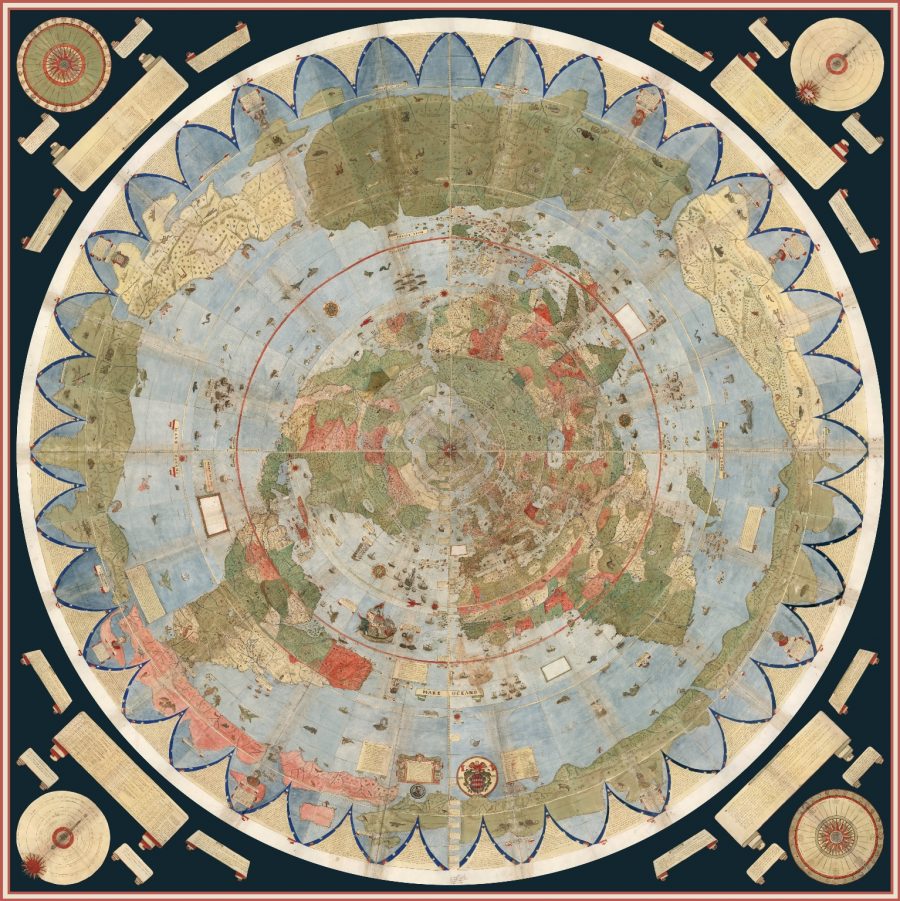
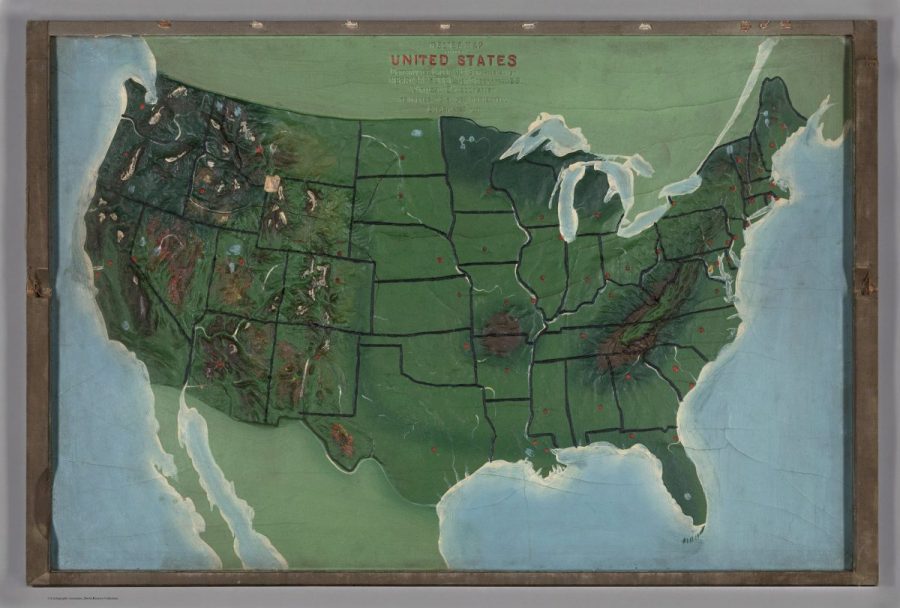
In his post-WWII his­tor­i­cal sur­vey, The Sto­ry of Maps, Lloyd A. Brown observes that “the very mate­r­i­al used in the mak­ing of maps, charts and globes con­tributed to their destruc­tion.” Paper burns, rots, suc­cumbs to water-dam­age and insects. Maps and globes made from sol­id sil­ver, brass, cop­per, and oth­er met­als made too-tempt­ing tar­gets for loot­ers and thieves. In this way, maps serve dou­bly as sym­bol­ic indices of what they represent—lands that, in the very act of map­ping them, were often despoiled, over­run, and stolen from their inhab­i­tants.

More­over, in map­ping his­to­ry, it often hap­pened that “if a map were old and obso­lete and parch­ment was scarce, the old ink and rubri­ca­tion could be scraped off and the skin used over again. This prac­tice, account­ing for the loss of many codices as well as valu­able maps and charts, at one time became so per­ni­cious” that the Catholic Church issued decrees to for­bid it. What bet­ter alle­go­ry for con­quest, the wip­ing away of civ­i­liza­tions in order to write new names and bor­ders over them?

The old impe­r­i­al tropes of “blank spaces” on the map and “dark places of the earth” (like “dark­est Africa”), used with such effec­tive­ness in Joseph Conrad’s Heart of Dark­ness, hide the plain truth, in the words of Conrad’s Mar­low:

The con­quest of the earth, which most­ly means the tak­ing it away from those who have a dif­fer­ent com­plex­ion or slight­ly flat­ter noses than our­selves, is not a pret­ty thing when you look into it too much. What redeems it is the idea only. An idea at the back of it; not a sen­ti­men­tal pre­tence but an idea; and an unselfish belief in the idea—something you can set up, and bow down before, and offer a sac­ri­fice to.…

Blank spaces rep­re­sent those areas that had not yet been forcibly brought into the Euro­pean econ­o­my of prop­er­ty, the sine qua non of Enlight­en­ment human­i­ty. “Once dis­cov­ered by Euro­peans,” writes his­to­ri­an Michel-Rolph Trouil­lot—once clas­si­fied, mapped, and made sub­ject, “the Oth­er final­ly enters the human world.” For sev­er­al decades now, post­colo­nial projects have engaged in the pro­gres­sive dis­en­chant­ment of “the idea,” in the recog­ni­tion of messy rela­tion­ships between nam­ing, map­ping, and pow­er, and the recov­ery, to the extent pos­si­ble, of the names, bor­ders, and iden­ti­ties beneath palimpsest his­to­ries.

Such projects pro­lif­er­ate out­side acad­e­mia as tech­nol­o­gy ampli­fies pre­vi­ous­ly unheard dis­sent­ing voic­es and per­spec­tives and as, to use an old post­colo­nial phrase, “the empire writes back”—or, in this case, “maps back.” Such is the intent of the online project Native Land, an inter­ac­tive web­site that “does the oppo­site” of cen­turies of colo­nial map­ping, writes Atlas Obscu­ra, “by strip­ping out coun­try and state bor­ders in order to high­light the com­plex patch­work of his­toric and present-day Indige­nous ter­ri­to­ries, treaties, and lan­guages that stretch across the Unit­ed States, Cana­da,” the Cana­di­an Arc­tic, Green­land, and Aus­tralia.

Also a mobile app for Apple and Android, the map allows vis­i­tors to enter street address­es or ZIP codes in the search bar, “to dis­cov­er whose tra­di­tion­al ter­ri­to­ry their home was built on.”

White House offi­cials will dis­cov­er that 1600 Penn­syl­va­nia Avenue is found on the over­lap­ping tra­di­tion­al ter­ri­to­ries of the Pamunkey and Pis­cat­away tribes. Tourists will learn that the Stat­ue of Lib­er­ty was erect­ed on Lenape land, and aspir­ing lawyers that Har­vard was erect­ed in a place first inhab­it­ed by the Wamponoag and Mass­a­chu­sett peo­ples.

The map was cre­at­ed by Cana­di­an activist and pro­gram­mer Vic­tor Tem­pra­no, founder of the com­pa­ny Map­ster, which funds the project. Tem­pra­no pref­aces the Native Land “About” page with a dis­claimer: “This is not an aca­d­e­m­ic or pro­fes­sion­al sur­vey,” he writes, and is “con­stant­ly being refined from user input.” He defines his pur­pose as “help­ing peo­ple get inter­est­ed and engaged” by ask­ing ques­tions like “who has the right to define where a par­tic­u­lar ter­ri­to­ry ends, and anoth­er begins?”

As neo-colo­nial projects like oil pipelines once again threat­en the sur­vival of Indige­nous com­mu­ni­ties, and indige­nous peo­ple find them­selves and their chil­dren caged in pris­ons for cross­ing mil­i­ta­rized nation­al bor­ders, such ques­tions could not be more rel­e­vant. Tem­pra­no does not make any claims to defin­i­tive his­tor­i­cal accu­ra­cy and points to oth­er, sim­i­lar projects that sup­ple­ment the “blank spaces” in his own online map, such as huge areas of South Amer­i­ca being re-mapped on the ground by Ama­zon­ian tribes enter­ing field data into smart phones, and Aaron Capella’s Trib­al Nations Maps, which offers attrac­tive print­ed prod­ucts, per­fect for use in class­rooms.

Tem­pra­no quotes Capel­la in order to illu­mi­nate his work: “This map is in hon­or of all the Indige­nous Nations [of colo­nial states]. It seeks to encour­age people—Native and non-Native—to remem­ber that these were once a vast land of autonomous Native peo­ples, who called the land by many dif­fer­ent names accord­ing to their lan­guages and geog­ra­phy. The hope is that it instills pride in the descen­dants of these Peo­ple, brings an aware­ness of Indige­nous his­to­ry and remem­bers the Nations that fought and con­tin­ue to fight valiant­ly to pre­serve their way of life.”

Vis­it Native Land here and enter an address in North or South Amer­i­ca or Aus­tralia to learn about pre­vi­ous or con­cur­rent Native inhab­i­tants, their lan­guages, and the his­tor­i­cal treaties signed and bro­ken over the cen­turies. Click­ing on the ter­ri­to­ry of each Indige­nous nation brings up links to oth­er infor­ma­tive sites and allows users to sub­mit cor­rec­tions to help guide this inclu­sive project toward greater accu­ra­cy.

The site also fea­tures a Teacher’s Guide, Blog by Tem­pra­no, and a page on the impor­tance of Ter­ri­to­ry Acknowl­edge­ment, a way for us to “insert an aware­ness of indige­nous pres­ence and land rights in every­day life,” and one of many “trans­for­ma­tive acts,” as Chelsea Vow­el, a Métis woman from the Plains Cree writes, “that to some extent undo Indige­nous era­sure.”

via Atlas Obscu­ra

Relat­ed Con­tent:

Inter­ac­tive Map Shows the Seizure of Over 1.5 Bil­lion Acres of Native Amer­i­can Land Between 1776 and 1887

Opti­cal Scan­ning Tech­nol­o­gy Lets Researchers Recov­er Lost Indige­nous Lan­guages from Old Wax Cylin­der Record­ings

200+ Films by Indige­nous Direc­tors Now Free to View Online: A New Archive Launched by the Nation­al Film Board of Cana­da

Josh Jones is a writer and musi­cian based in Durham, NC. Fol­low him at @jdmagness

The “Weird Objects” in the New York Public Library’s Collections: Virginia Woolf’s Cane, Charles Dickens’ Letter Opener, Walt Whitman’s Hair & More

On March 28, 1941, Vir­ginia Woolf took her final walk, into the Riv­er Ouse near her home in Sus­sex. She did it with her trusty cane in hand, the very cane you can see laid out along­side oth­er Woolf-relat­ed arti­facts in the New York­er video above. Its five min­utes pro­vide a short intro­duc­tion to the “weird objects” of the New York Pub­lic Library’s Berg Col­lec­tion, an archive con­tain­ing, in the words of the New York­er’s Gareth Smit, “rough­ly two thou­sand lin­ear feet of man­u­scripts and archival mate­ri­als” donat­ed in 1940 by the broth­ers Hen­ry W. and Albert A. Berg, doc­tors who were also “avid col­lec­tors of Eng­lish and Amer­i­can lit­er­a­ture — and of lit­er­ary para­pher­na­lia.”

The NYPL labels as “realia” such non-paper items as  Woolf’s cane as well as “Char­lotte Brontë’s writ­ing desk, with a lock of her hair inside; trin­kets belong­ing to Jack Ker­ouac, includ­ing his har­mon­i­cas, and a card upon which he wrote ‘blood’ in his own blood; type­writ­ers belong­ing to S. J. Perel­man and Paul Met­calf; Mark Twain’s pen and wire-rimmed glass­es; Vladimir Nabokov’s but­ter­fly draw­ings; and the death masks of the poets James Mer­rill and E. E. Cum­mings.” We’ve pre­vi­ous­ly fea­tured Nabokov-drawn but­ter­flies here on Open Cul­ture, as well the let­ter open­er seen in the video that Charles Dick­ens had made from the foot of his beloved cat Bob.

All this may sound on the grim side, but these objects bring their behold­ers that much clos­er to the long-passed lit­er­ary fig­ures who once pos­sessed them. “If you are look­ing at, say, Jack Ker­ouac’s lighter or his boots, you’re see­ing the man, in a sense,” the NYPL’s direc­tor of exhi­bi­tions Declan Kiely says in the video. “What you’re try­ing to get clos­est to is the cre­ative spir­it at work, and I think that’s why these objects are so evoca­tive.” Though vis­i­tors to the Berg Col­lec­tion can only do so by appoint­ment, the library, as Kiely told Smit, “does intend to have an exhi­bi­tion to present these and oth­er trea­sures in the Gottes­man Hall by 2020.” Some­thing to look for­ward to for any­one who yearns to approach the cre­ative spir­it — and who among us does­n’t?

Relat­ed Con­tent:

The New York Pub­lic Library Lets You Down­load 180,000 Images in High Res­o­lu­tion: His­toric Pho­tographs, Maps, Let­ters & More

The Smith­son­ian Design Muse­um Dig­i­tizes 200,000 Objects, Giv­ing You Access to 3,000 Years of Design Inno­va­tion & His­to­ry

Vladimir Nabokov’s Delight­ful But­ter­fly Draw­ings

Charles Dick­ens Gave His Cat “Bob” a Sec­ond Life as a Let­ter Open­er

Based in Seoul, Col­in Mar­shall writes and broad­casts on cities and cul­ture. His projects include the book The State­less City: a Walk through 21st-Cen­tu­ry Los Ange­les and the video series The City in Cin­e­ma. Fol­low him on Twit­ter at @colinmarshall or on Face­book.

A Modern Drummer Plays a Rock Gong, a Percussion Instrument from Prehistoric Times

Rock Gong. It sounds like a B‑52s song. But a rock gong is not a New Wave surf-rock par­ty groove. It’s not a neo-syn­th­pop act, hip hop group, or indie band (not yet). It’s a pre­his­toric instrument—as far away in time as one can get from syn­the­siz­ers and elec­tric gui­tars. Rock gongs are ancient, maybe as old as humankind. But they’re still groovy, in their way. As they say, the groove is in the play­er, not the instru­ment.

Rock gongs, or “litho­phones,” if you want to get tech­ni­cal, have been found all over the African con­ti­nent, in South Amer­i­ca, Aus­tralia, Azer­bai­jan, Eng­land, Hawaii, Ice­land, India, and every­where else pre­his­toric peo­ple lived. Not the cul­tur­al prop­er­ty of any one group, the rock gong came, rather, from a uni­ver­sal human insight into the nat­ur­al son­ic prop­er­ties of stone. (One the­o­ry even spec­u­lates that Stone­henge might have been a mas­sive col­lec­tion of rock gongs.)

Though some schol­ars have sug­gest­ed that the term “rock gong” should be reserved for sta­tion­ary, rather than portable, rocks that were used as instru­ments, the British Muse­um seems untrou­bled by the dis­tinc­tion. In the video above, archae­ol­o­gist Cor­nelia Kleinitz explains the prin­ci­ples of rock gongs found in Sudan to mod­ern rock drum­mer Liam Williamson of the band Cats on the Beach.

You can hear one of those Nubian rock gongs in its nat­ur­al habi­tat, before it was moved to the British Muse­um, in the clip just above. The rock, the nar­ra­tor tells us, has been “worn smooth by the action of peo­ple play­ing it more than 7,000 years ago. Long before the Romans, long before the Pharaohs.” Ear­ly humans would have searched long and hard for rocks that res­onat­ed at par­tic­u­lar fre­quen­cies, for ring­ing rocks that could be com­bined into scales for ear­ly xylo­phones or pro­duce a vari­ety of tones like a steel drum.

Despite their antiq­ui­ty, the study of rock gongs is a rather recent phe­nom­e­non, part of the emerg­ing field of archaeoa­coustics. “Method­olog­i­cal­ly,” write the authors of a 2016 paper on the sub­ject, “this field of research is still  in its infan­cy,” and there is much researchers do not know about the uses and vari­eties of rock gongs around the world. As Kleinitz explains to Williamson in the video at the top, archae­ol­o­gists are try­ing to under­stand the con­text in which the Nubian gongs at the British Muse­um would have been played, whether as instru­ments for rit­u­als, sig­nal­ing, fun, or all of the above.

As for the tech­niques involved in rock gong play­ing, we can only guess, but Williamson does his best to adapt his drum chops to the ancient stone kit. One crit­i­cal dif­fer­ence between our mod­ern human musi­cal instru­ments and this ancient kind, Kleinitz notes, is that the lat­ter were inte­grat­ed into the land­scape; their dis­tinc­tive sound depend­ed not only on the rock itself, but on its inter­ac­tion with the wild and unpre­dictable envi­ron­ment around it.

Relat­ed Con­tent:

Hear a 9,000 Year Old Flute—the World’s Old­est Playable Instrument—Get Played Again

What Did Ancient Greek Music Sound Like?: Lis­ten to a Recon­struc­tion That’s ‘100% Accu­rate’

Vis­it an Online Col­lec­tion of 61,761 Musi­cal Instru­ments from Across the World

Josh Jones is a writer and musi­cian based in Durham, NC. Fol­low him at @jdmagness

Meet Ellen Rubin (aka The Popuplady) and Her Collection of 9,000 Pop-Up Books

It’s unusu­al to encounter a pop-up book for sale in a thrift store.

Their enthu­si­as­tic child own­ers tend to work them so hard, that even­tu­al­ly even sen­ti­men­tal val­ue is trashed.

Stuck slid­er bars and torn flaps scotch the ele­ment of sur­prise.

Scenes that once sprang to crisp atten­tion can bare­ly man­age a flac­cid 45° angle.

One good yank and Cinderella’s coach gives way for­ev­er, leav­ing an unsight­ly crust of dried glue.

Their nat­ur­al ten­den­cy toward obso­les­cence only serves to make author Ellen G. K. Rubin’s inter­na­tion­al col­lec­tion of more than 9000 pop-up and move­able books all the more aston­ish­ing.

The Popuplady—an hon­orif­ic she sports with pride—would like to cor­rect three com­mon­ly held beliefs about the objects of her high­ly spe­cial­ized exper­tise:

  1. They are not a recent phe­nom­e­non. One item in her col­lec­tion dates back to 1547.
  2. They were not orig­i­nal­ly designed for use by chil­dren (as a 1933 flip book with pho­to illus­tra­tions on how women can become bet­ter sex­u­al part­ners would seem to indi­cate.)
  3. They were once con­ceived of as excel­lent edu­ca­tion­al tools in such weighty sub­jects as math­e­mat­ics, astron­o­my, med­i­cine… and, as men­tioned above, the boudoir.

A Yale trained physician’s assis­tant, she found that her hob­by gen­er­at­ed much warmer inter­est at social events than her dai­ly toil in the area of bone mar­row trans­plants.

And while paper engi­neer­ing may not be not brain surgery, it does require high lev­els of artistry and tech­ni­cal prowess. It galls Rubin that until recent­ly, paper engi­neers went uncred­it­ed on the books they had ani­mat­ed:

Paper engi­neers are the artists who take the illus­tra­tions and make them move. They are pup­pet­mas­ters, but they hand the strings to us, the read­er.

As seen in Atlas Obscu­ra’s video, above, Rubin’s col­lec­tion includes a mov­ing postage stamp, a num­ber of wheel-shaped volvelles, and a one-of-a-kind ele­phant-themed mini-book her friend, paper engi­neer, Edward H. Hutchins, cre­at­ed from ele­phant dung paper she found on safari.

She has curat­ed or served as con­sul­tant for a num­ber of pop-up exhi­bi­tions at venues includ­ing the Brook­lyn Pub­lic Library, the Biennes Cen­ter of the Lit­er­ary Arts and the Smithsonian’s Nation­al Muse­um of Amer­i­can His­to­ry. See a few more exam­ples from her col­lec­tion, which were dis­played as part of the latter’s Paper Engi­neer­ing: Fold, Pull, Pop & Turn exhi­bi­tion here.

Relat­ed Con­tent:

The Raven: a Pop-up Book Brings Edgar Allan Poe’s Clas­sic Super­nat­ur­al Poem to 3D Paper Life

French Book­store Blends Real People’s Faces with Book Cov­er Art

Won­der­ful­ly Weird & Inge­nious Medieval Books

Ayun Hal­l­i­day is an author, illus­tra­tor, the­ater mak­er and Chief Pri­ma­tol­o­gist of the East Vil­lage Inky zine.  Fol­low her @AyunHalliday.

Watch the First “Interactive” TV Show: Winky Dink and You Encouraged Kids to Draw on the Screen (1953)

Near­ly every­one born with­in the past fif­teen years nat­u­ral­ly thinks of screens as both touch­able and respon­sive to touch. But smart­phones, tablets, and the oth­er devices those kids have nev­er known a world with­out will always look like tech­no­log­i­cal mar­vels to their grand­par­ents’ gen­er­a­tion. Grow­ing up in the 1950s as part of one of tele­vi­sion’s most enthu­si­as­tic view­er­ships, they expe­ri­enced the rise of that then-mar­velous medi­um and the var­i­ous con­cepts it tried out before set­tling into con­ven­tion. Some may even remem­ber hap­py Sat­ur­day morn­ings with CBS’ Winky Dink and You, the show that they did­n’t just watch but actu­al­ly “inter­act­ed” with by break­ing out their crayons and draw­ing on the screen.

First aired in 1953, Winky Dink and You came host­ed by Jack Bar­ry, a famous tele­vi­sion per­son­al­i­ty since the begin­ning of tele­vi­sion broad­cast­ing. (He would remain so until his death in the mid-1980s, hav­ing bounced back from the quiz show scan­dals of the lat­er 1950s.) His ani­mat­ed side­kick, the tit­u­lar Winky Dink, was voiced by Mae Ques­tel, best known as the voice of Bet­ty Boop and Olive Oyl. “Winky Dink said he want­ed the chil­dren to mail away for a ‘Mag­ic Win­dow,’ which was actu­al­ly a cheap­ly pro­duced, thin sheet of plas­tic that adhered to the TV screen by sta­t­ic elec­tric­i­ty,” writes Winky Dink-gen­er­a­tion colum­nist Bob Greene. “Along with the plas­tic sheet that arrived in the mail were ‘mag­ic crayons.’ Chil­dren were encour­aged to place the sheet on their TV screen and watch the show each Sat­ur­day, so that Winky Dink could tell them what to do.”

Winky Dink, and Bar­ry, often told them to draw in the miss­ing parts of a pic­ture, or to con­nect dots that would reveal a cod­ed mes­sage. In the episode above, writes Pale­o­fu­ture’s Matt Novak, Bar­ry invites kids to “draw things on Winky Dink’s fam­i­ly mem­bers, like flow­ers on the but­ton hole of Uncle Slim’s jack­et, or an entire­ly new nose on the old guy. Uncle Slim sneezes in reac­tion to get­ting a nose drawn on his face, as you might expect” — by the stan­dards of 1950s chil­dren’s pro­gram­ming, “com­e­dy gold.” Dull though it may sound today, Winky Dink and You dates from an era when tele­vi­sion “was still seen as an edu­ca­tion force for good,” when “Amer­i­cans weren’t quite jad­ed enough to believe TV was a pas­sive tech­nol­o­gy that didn’t actu­al­ly stim­u­late the mind.”

And though the show man­aged to move two mil­lion mag­ic screens, con­cerns about X‑rays ema­nat­ing from pic­ture tubes (as well as the like­li­hood of impa­tient kids draw­ing right on the glass) end­ed its run in 1957. But in a sense, its lega­cy lives on: a much-cir­cu­lat­ed quote attrib­uted to Bill Gates describes Winky Dink and You “the first inter­ac­tive TV show,” and it does indeed seem to have pio­neered a kind of con­tent that has only in recent years reached full tech­no­log­i­cal pos­si­bil­i­ty. Any­one who has watched young chil­dren of the 21st cen­tu­ry play on smart­phones and tablets will notice a strik­ing resem­blance to the activ­i­ties led by Winky Dink and Bar­ry. Dif­fer­ent reboots have been attempt­ed in dif­fer­ent eras, but has the time come for a Winky Dink and You app?

(via Pale­o­fu­ture)

Relat­ed Con­tent:

Duck and Cov­er: The 1950s Film That Taught Mil­lions of School­child­ren How to Sur­vive a Nuclear Bomb

1950 Super­man Poster Urged Kids to Defend All Amer­i­cans, Regard­less of Their Race, Reli­gion or Nation­al Ori­gin

1950s Bat­man Car­toon Tells Kids: “Don’t Believe Those Crack­pot Lies About Peo­ple Who Wor­ship Dif­fer­ent­ly”

Did Stan­ley Kubrick Invent the iPad in 2001: A Space Odyssey?

Before Mad Men: Famil­iar and For­got­ten Ads from 1950s to 1980s Now Online

Based in Seoul, Col­in Mar­shall writes and broad­casts on cities and cul­ture. His projects include the book The State­less City: a Walk through 21st-Cen­tu­ry Los Ange­les and the video series The City in Cin­e­ma. Fol­low him on Twit­ter at @colinmarshall or on Face­book.

Who Was Joan Vollmer, the Wife William Burroughs Allegedly Shot While Playing William Tell?

Pop­u­lar cul­ture knows William S. Bur­roughs pri­mar­i­ly for three of the things he did in life: using drugs, writ­ing Naked Lunch, and killing his wife. If pop­u­lar cul­ture remem­bers that wife, Joan Vollmer, it most­ly remem­bers her for the man­ner of her death: shot, they say, as a result of Bur­roughs’ drunk­en imi­ta­tion of William Tell. But in life she played an impor­tant role in the intel­lec­tu­al devel­op­ment of not just Bur­roughs but oth­er major Beat writ­ers as well, includ­ing Allen Gins­berg and Jack Ker­ouac. As Bren­da Knight writes in Women of the Beat Gen­er­a­tion, Vollmer “was sem­i­nal in the cre­ation of the Beat rev­o­lu­tion; indeed the fires that stoked the Beat engine were start­ed with Joan as patron and muse.”

When her first hus­band Paul Adams was draft­ed into World War II, Vollmer moved in with her fel­low future woman of the Beat Gen­er­a­tion, and future wife of Jack Ker­ouac, Edie Park­er. Into their series of Upper West Side apart­ments came a wide vari­ety of sub­stance-abus­ing artists, Bur­roughs, Ker­ouac, and Gins­berg includ­ed. Vollmer’s new coterie, as well as her own amphet­a­mine addic­tion, so appalled Adams that he left her upon his return from the mil­i­tary. She took up with Bur­roughs in 1946, lat­er becom­ing his com­mon-law wife and the moth­er of their child, William Bur­roughs, Jr.. In seem­ing­ly con­stant flight from the law, they moved from New York to Texas to New Orleans to Mex­i­co City, where the fate­ful game of William Tell would hap­pen in 1951.

But did that game of William Tell hap­pen? His­to­ry has record­ed that Vollmer did indeed die by gun­shot, but as to exact­ly how or why it hap­pened, nobody quite knows. Hence the inves­ti­ga­tions that aca­d­e­mics, Beat Gen­er­a­tion enthu­si­asts, and oth­ers have con­duct­ed since. The Bur­roughs-themed site Real­i­tyS­tu­dio has one page on Bur­roughs and the William Tell Leg­end and anoth­er gath­er­ing doc­u­ments on the death of Joan Vollmer. You can get fur­ther in depth by read­ing “The Death of Joan Vollmer Bur­roughs: What Real­ly Hap­pened?”, a 70-page research paper by James Grauer­holz, Bur­roughs’ biog­ra­ph­er and the execu­tor of his lit­er­ary estate.

Despite his con­sid­er­able inter­est in Bur­roughs, Grauer­holz does­n’t show an out­sized inter­est in absolv­ing the writer of his crime. But he does know more than enough to cast doubt on, or at least add nuance to, the sim­ple sto­ry every­one “knows.” Bur­roughs him­self, though he gave con­tra­dic­to­ry accounts of the event at dif­fer­ent times, nev­er denied shoot­ing Vollmer. He did, how­ev­er, blame a kind of demon­ic pos­ses­sion for it: “I am forced to the appalling con­clu­sion that I would have nev­er become a writer but for Joan’s death,”  he wrote in the intro­duc­tion to a 1985 edi­tion of his nov­el Queer. “I live with the con­stant threat of pos­ses­sion, and a con­stant need to escape from pos­ses­sion, from Con­trol.”

Vollmer’s death, in Bur­roughs’ view, “brought me in con­tact with the invad­er, the Ugly Spir­it, and maneu­vered me into a life long strug­gle, in which I have had no choice except to write my way out.” Sound like self-jus­ti­fi­ca­tion though that may, the fact remains that Bur­roughs’ life freight­ed him with plen­ty of con­di­tions to write his way out of. It also went on for 46 years after the end of Vollmer’s which, though short, saw her become, as Knight writes, “the whet­stone against which the main Beat writ­ers — Allen, Jack, and Bill — sharp­ened their intel­lect. Wide­ly con­sid­ered one of the most per­cep­tive peo­ple in the group, her strong mind and inde­pen­dent nature helped bull­doze the Beats toward a new sen­si­bil­i­ty.”

Relat­ed Con­tent:

William S. Bur­roughs Reads & Sings His Exper­i­men­tal Prose in a Big, Free 7‑Hour Playlist

How William S. Bur­roughs Embraced, Then Reject­ed Sci­en­tol­ogy, Forc­ing L. Ron Hub­bard to Come to Its Defense (1959–1970)

How William S. Bur­roughs Used the Cut-Up Tech­nique to Shut Down London’s First Espres­so Bar (1972)

How to Jump­start Your Cre­ative Process with William S. Bur­roughs’ Cut-Up Tech­nique

Hear a Great Radio Doc­u­men­tary on William S. Bur­roughs Nar­rat­ed by Iggy Pop

Based in Seoul, Col­in Mar­shall writes and broad­casts on cities and cul­ture. His projects include the book The State­less City: a Walk through 21st-Cen­tu­ry Los Ange­les and the video series The City in Cin­e­ma. Fol­low him on Twit­ter at @colinmarshall or on Face­book.

Watch the Original TV Coverage of the Historic Apollo 11 Moon Landing: Recorded on July 20, 1969

Dur­ing a recent din­ner a few friends and I found our­selves rem­i­nisc­ing about for­ma­tive moments in our col­lec­tive youth. The con­ver­sa­tion took a decid­ed­ly down­beat turn when a nation­al­ly tele­vised moment we all remem­bered all too well came up: the 1986 explo­sion of the space shut­tle Chal­lenger. Like mil­lions of oth­er schoolkids at the time we had been glued to the live broad­cast, and became wit­ness­es to hor­ror. “It was NASA’s dark­est tragedy,” writes Eliz­a­beth How­ell at Space.com, an acci­dent that “changed the space pro­gram for­ev­er.”

The con­trast with our par­ents’ indeli­ble mem­o­ries of a tele­vised space broad­cast from sev­en­teen years ear­li­er could not be stark­er. On July 20, 1969, the nation wit­nessed what could eas­i­ly be called NASA’s great­est tri­umph, the Apol­lo 11 moon land­ing, which not only real­ly hap­pened, but was broad­cast live on CBS, with com­men­tary by Wal­ter Cronkite and for­mer astro­naut Wal­ly Schirra and live audio from Mis­sion Con­trol in Hous­ton and Buzz Aldrin him­self, “whose job dur­ing the land­ing,” Jason Kot­tke writes, “was to keep an eye on the LM (lunar module)’s alti­tude and speed.”

We don’t hear much from Neil Armstrong—“he’s busy fly­ing and furi­ous­ly search­ing for a suit­able land­ing site. But it’s Arm­strong that says after they land, ‘Hous­ton, Tran­quil­i­ty Base here. The Eagle has land­ed.’” Kottke’s fas­ci­nat­ing descrip­tion of the events points out details that height­en the dra­ma, such as the fact that Armstrong’s heartrate “peaked at 150 beats per minute at land­ing” (his rest­ing heartrate was 60 bpm). At around 10 min­utes to land­ing, the astro­nauts link to Mis­sion Con­trol cut out briefly, which must have been ter­ri­fy­ing.

“Then there were the inter­mit­tent 1201 and 1202 pro­gram alarms, which nei­ther the LM crew nor Hous­ton had encoun­tered in any of the train­ing sim­u­la­tions.” These turn out “to be a sim­ple case,” notes NASA, “of the com­put­er try­ing to do too many things at once.” Giv­en that the Lunar Module’s com­put­er only had 4KB of mem­o­ry, this is hard­ly a sur­prise. What is aston­ish­ing is that such a rel­a­tive­ly prim­i­tive machine could han­dle the task at all.

The film view­ers saw on their screens was not, of course, a live feed—CBS did not have cam­eras in space or on the moon—but rather an ani­ma­tion.

The CBS ani­ma­tion shows the fake LM land­ing on the fake Moon before the actu­al land­ing — when Buzz says “con­tact light” and then “engine stop”. The ani­ma­tion was based on the sched­uled land­ing time and evi­dent­ly couldn’t be adjust­ed. The sched­uled time was over­shot because of the crater and boul­ders sit­u­a­tion men­tioned above.

There were, how­ev­er, cam­eras mount­ed on the Lunar Mod­ule, and that 16mm footage of the land­ing, which you can see above, was lat­er released. And then there’s that moon walk (which real­ly hap­pened), which you can see below—blurry and indis­tinct but no less amaz­ing.

Just a lit­tle over eight years “since the flights of Gagarin and Shep­ard,” NASA writes, “fol­lowed quick­ly by Pres­i­dent Kennedy’s chal­lenge to put a man on the moon before the decade is out,” it hap­pened. Arm­strong, Aldrin, and Michael Collins land­ed on the moon. Arm­strong and Aldrin walked around and col­lect­ed sam­ples for two hours, then returned safe­ly to Earth. In a post-flight press con­fer­ence, Arm­strong called the suc­cess­ful mis­sion “a begin­ning of a new age,” and it was, though his opti­mism would seem almost quaint when a cou­ple decades lat­er, the U.S. turned its sights on weaponiz­ing space.

Read more about this extra­or­di­nary event at NASA and Kot­tke.

via Kot­tke

Relat­ed Con­tent:

Stan­ley Kubrick’s Daugh­ter Vivian Debunks the Age-Old Moon Land­ing Con­spir­a­cy The­o­ry

The Source Code for the Apol­lo 11 Moon Land­ing Mis­sion Is Now Free on Github

Neil Arm­strong, Buzz Aldrin & Michael Collins Go Through Cus­toms and Sign Immi­gra­tion Form After the First Moon Land­ing (1969)

Josh Jones is a writer and musi­cian based in Durham, NC. Fol­low him at @jdmagness

Rare Photos of Frida Kahlo, Age 13–23

“Before they were famous” pho­tos are a click­bait sta­ple, espe­cial­ly if they reveal a hereto­fore unseen side of some­one whose image is tight­ly con­trolled:

The smol­der­ing activist-actress-direc­tor as a gawky, open-faced sopho­more, her hair moussed to the very lim­its of her mod­el­ing school test shots?

The ris­ing polit­i­cal star, pim­ple-faced and cen­ter-part­ed, pos­ing with the oth­er three mem­bers of his high school’s Dun­geons and Drag­ons Club?

What about ever­green art star Fri­da Kahlo?

Though her hus­band, mural­ist Diego Rivera, was the one who urged her to adopt the tra­di­tion­al Tehua­na dress of their native Mex­i­co as a uni­form of sorts, Fri­da engi­neered her image by plac­ing her­self cen­ter stage in dozens of alle­gor­i­cal, inti­mate self-por­traits.

Much of her work alludes to the hor­rif­ic acci­dent she suf­fered at 18, and the tor­tu­ous treat­ments and surg­eries she under­went as a result for the rest of her life.

It shaped the way she saw her­self, and, in turn, the way we see her. Her endur­ing appeal is such that even those who aren’t over­ly famil­iar with her work feel they have a pret­ty good han­dle on her, thanks to her ubiq­ui­ty on tote­bags, appar­el, and var­i­ous gift relat­ed items—even Fri­da Kahlo action fig­ures and paper dolls.

We know this lady, right?

What a plea­sure to get to know her bet­ter. A col­lec­tion of pho­tos that has recent­ly come to light intro­duces us to a younger, more can­did Frida—both before and after the acci­dent, when she returned to her stud­ies at Nation­al Prepara­to­ry School.

Tak­en togeth­er with the por­traits made by her pho­tog­ra­ph­er father, they show ear­ly evi­dence of the force­ful per­son­al­i­ty that would dom­i­nate and define her pub­lic image, Mary Jane-style pumps with socks, a mid­dy blouse, and a vari­ety of blunt bobs aside.

Some of the lat­er pho­tos in this batch speak to her increas­ing inter­est in dis­tin­guish­ing her­self from her female peers. Her exper­i­ments in cross dress­ing ensured she would stand out in every group pho­to, a dash­ing fig­ure in suit, tie, and slicked back hair.

Though this peri­od of her life is less a mat­ter of pub­lic record, it gets its due in the 2017 graph­ic nov­el Fri­da: The Sto­ry of Her Life by Van­na Vin­ci. Some of the oth­ers in these pho­tos, includ­ing her sis­ters and her first boyfriend, Ale­jan­dro Gómez Arias, appear as char­ac­ters, as does Death in the form of print­mak­er José Guadalupe Posada’s La Calav­era Cat­ri­na—per­haps the only image for­mi­da­ble enough to hold its own against the fab­u­lous Fri­da.

Fri­da Kahlo The Sto­ry of Her Life p. 22–23

Relat­ed Con­tent:

Vis­it the Largest Col­lec­tion of Fri­da Kahlo’s Work Ever Assem­bled: 800 Arti­facts from 33 Muse­ums, All Free Online

1933 Arti­cle on Fri­da Kahlo: “Wife of the Mas­ter Mur­al Painter Glee­ful­ly Dab­bles in Works of Art”

The Fri­da Kahlo Action Fig­ure

Ayun Hal­l­i­day is an author, illus­tra­tor, the­ater mak­er and Chief Pri­ma­tol­o­gist of the East Vil­lage Inky zine.  Fol­low her @AyunHalliday.

« Go BackMore in this category... »
Quantcast