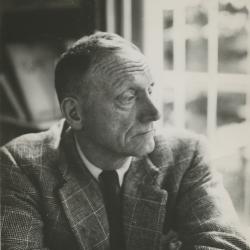
Lawrence of Arabia Remembered with Rare Footage


Sev­en­ty-five years ago today, on the morn­ing of May 13, 1935, a 46-year-old retired British army offi­cer was rid­ing his motor­cy­cle home from the post office, when he swerved to avoid hit­ting two boys on bicy­cles. He was thrown onto the road and sus­tained head injuries, then died six days lat­er in a provin­cial hos­pi­tal. It was a mun­dane cir­cum­stance for the death of an extra­or­di­nary man.

Thomas Edward (T. E.) Lawrence was an intel­lec­tu­al and adven­tur­er who became known to the world as “Lawrence of Ara­bia.” Lawrence could read books by the age of four. He attend­ed Oxford on schol­ar­ship and spent one of his sum­mer vaca­tions hik­ing 1,100 miles through Syr­ia, Pales­tine and Turkey to sur­vey cru­sad­er cas­tles for a the­sis on mil­i­tary archi­tec­ture. He spoke Ara­bic, Turk­ish, Ger­man, French, Latin and Greek. When World War I broke out in 1914, he was recruit­ed into the British army for his exten­sive first-hand knowl­edge of the Mid­dle East. Dur­ing the course of the war, Lawrence became one of the archi­tects and lead­ers of the Arab Revolt against the Ottoman Turks – a remark­able adven­ture that was retold in David Lean’s 1962 film, Lawrence of Ara­bia, star­ring Peter O’Toole, Omar Sharif and Alec Guin­ness.

Lawrence was an intense­ly pri­vate man who, as Low­ell Thomas famous­ly put it, “had a genius for back­ing into the lime­light.” When the war was over, how­ev­er, he suc­ceed­ed in stay­ing out of the lime­light by refus­ing a knight­hood and serv­ing out his mil­i­tary career under assumed names. He trans­lat­ed Homer and wrote a mem­oir of the Arab Revolt, The Sev­en Pil­lars of Wis­dom. And he had a pen­chant for fast motor­cy­cles, includ­ing the cus­tom-made Brough Supe­ri­or SS100 which he rode into town on a mun­dane errand 75 years ago today.

Today, to mark the 75th anniver­sary of his trag­ic motor cycle acci­dent, we fea­ture some of the only known footage of T.E. Lawrence above.

by | Permalink | Make a Comment ( 1 ) |

Building The Colosseum: The Icon of Rome

When you think Rome, you think the Colos­se­um. It’s one of the great struc­tures of the Roman Empire, and it still dom­i­nates the land­scape of the mod­ern city. But how deep does your knowl­edge of the Colos­se­um actu­al­ly go? Which emper­or built the Amphithe­atrum Flav­i­um (as it was orig­i­nal­ly called)? For what pur­pose? And how, styl­is­ti­cal­ly, was it orig­i­nal­ly built and dec­o­rat­ed? All of this gets answered in an image-packed lec­ture by Yale pro­fes­sor Diana E.E. Klein­er, which forms part of her larg­er course on Roman Archi­tec­ture. (Find it on YouTubeiTunes and Yale’s Open Course web site). I queued up the lec­ture at the 20 minute, when Klein­er starts talk­ing about the Colos­se­um itself. But you can move back to the very begin­ning if you want to get some more polit­i­cal con­text.

Final­ly, let me men­tion that Google also lets you revis­it Ancient Rome. Google Earth offers a nice 3D view of the Colos­se­um and oth­er impor­tant Roman mon­u­ments, while Google Street View you tour the ancient ruins of Pom­peii. It’s all free, of course.

Please vis­it our col­lec­tion of Free Online Cours­es to learn more about his­to­ry, lit­er­a­ture, phi­los­o­phy or what­ev­er else piques your inter­est. You’ll find a good 250 free cours­es in the col­lec­tion.

Alice In Openland

This year, Tim Bur­ton’s pro­duc­tion of Alice In Won­der­land was wel­comed by a flur­ry of media buzz and a rather polar­ized pub­lic response debat­ing whether the icon­ic direc­tor had butchered or rein­vent­ed the even more icon­ic chil­dren’s clas­sic. But dis­cus­sion of the film’s cre­ative mer­its aside, one thing it did do bril­liant­ly was rekin­dle the pub­lic’s inter­est in what’s eas­i­ly the most beloved work of chil­dren’s lit­er­a­ture of the past two cen­turies.

So beloved, in fact, that Lewis Car­rol­l’s 1865 nov­el has gen­er­at­ed hun­dreds of reprints, film adap­ta­tions and var­i­ous deriv­a­tive works over the years. Many of these works are now avail­able in the pub­lic domain — even a sim­ple search in the Inter­net Archive sends you down a rab­bit hole of adap­ta­tions and remakes, span­ning from land­mark ear­ly cin­e­ma trea­sures to off­beat prod­ucts of con­tem­po­rary dig­i­tal cul­ture.

Today, we’ve curat­ed a selec­tion of the most inter­est­ing and cul­tur­al­ly sig­nif­i­cant — the “curi­ouser and curi­ouser,” if you will — free ver­sions of, trib­utes to, and deriv­a­tives of Alice’s Adven­tures In Won­der­land.

  • The fun­da­men­tals: A Project Guten­berg free dig­i­tal copy of Car­rol­l’s orig­i­nal Alice’s Adven­tures In Won­der­land text
  • A 1916 abridged ver­sion intend­ed for younger chil­dren, dig­i­tized by the Library of Con­gress, is avail­able from the Inter­na­tion­al Chil­dren’s Dig­i­tal Library and fea­tures some won­der­ful illus­tra­tion — though, regret­tably, it lacks the Cheshire Cat
  • For a clas­sic with a spin, try this audio ver­sion read by blog­ger extra­or­di­naire, Boing­Bo­ing co-edi­tor, Pop­u­lar Sci­ence colum­nist and vocal free con­tent advo­cate Cory Doc­torow
  • The ear­li­est cin­e­mat­ic adap­ta­tion of the book, direct­ed by Cecil Hep­worth in 1903, is a silent film gem, clock­ing in at just 8 min­utes and 19 sec­onds. Watch above.
  • In 1915, W. W. Young direct­ed the sec­ond Amer­i­can adap­ta­tion of Alice — a mas­sive six-reel pro­duc­tion that show­cased the rapid evo­lu­tion of film­mak­ing in just a decade since the first pro­duc­tion. Though much of the film is now lost, 42 min­utes of it can be seen at the Inter­net Archive for free
  • A 1966 British adap­ta­tion by direc­tor Jonathan Miller for the BBC fea­tures an ambi­tious cast — includ­ing Peter Sell­ers as the King of Hearts, Sir John Giel­guld as Mock Tur­tle, Michael Red­grave as The Cater­pil­lar and Peter Cook as the Mad Hat­ter — and its sound­track, scored by the leg­endary Ravi Shankar, exudes the bor­der­line folk-psy­che­delia sound of the Wood­stock era. The film, divid­ed into sev­en parts, is avail­able for free on YouTube.
  • This 2‑minute ver­sion of Alice In Won­der­land shot in the vir­tu­al world Sec­ond Life is an eerie tes­ta­ment to just how wide­ly Car­rol­l’s clas­sic res­onates.
  • Per­haps the biggest trea­sure of all, Lewis Car­rol­l’s orig­i­nal man­u­script, avail­able from the British Library — 91 pages of pre­cious lit­er­ary his­to­ry, with orig­i­nal illus­tra­tions from artist John Ten­niel. The online gallery also fea­tures a pref­ace telling the fas­ci­nat­ing sto­ry of the Oxford math­e­mati­cian’s real-life inspi­ra­tion for the book and the fate of the real Alice

Maria Popo­va is the founder and edi­tor in chief of Brain Pick­ings, a curat­ed inven­to­ry of eclec­tic inter­est­ing­ness and indis­crim­i­nate curios­i­ty. She writes for Wired UK, GOOD Mag­a­zine and Huff­in­g­ton Post, and spends a dis­turb­ing amount of time curat­ing inter­est­ing­ness on Twit­ter.

Apollo 11 Launch in Very Slow Motion

We take you back to July 16, 1969 and the launch of Apol­lo 11, which land­ed humans on the moon for the first time. The footage slows things down, stretch­ing 30 sec­onds of action to over eight min­utes of view­ing time. Here’s what it looked like in real time.

via @SteveSilberman

An Epic Journey on the Trans-Siberian Railroad


Google and the Russ­ian Rail­ways recent­ly joined forces to cre­ate a vir­tu­al tour of the his­toric Trans-Siber­ian rail­road. It’s the longest rail­way in the world, mov­ing from Moscow to Vladi­vos­tok, cut­ting across two con­ti­nents, 12 regions and 87 cities. Now, you can take the six-day jour­ney from the com­fort of your own home. Through a spe­cial page on Google Maps, you can watch video of the trip unfold, as if you were a pas­sen­ger, and also enjoy clas­sic Russ­ian lit­er­a­ture, music and pho­tos along the way. As you roll out of Moscow, start lis­ten­ing to a free audio ver­sion of  Tol­stoy’s War & Peace (in Russ­ian, of course) and ease into the 150 hour trip. How’s that for an epic vir­tu­al jour­ney?

via @6oz

by | Permalink | Make a Comment ( 1 ) |

David Remnick on Obama

David Rem­nick won a Pulitzer in 1994 for Lenin’s Tomb: The Last Days of the Sovi­et Empire. Then, in 1998, he began his suc­cess­ful run as edi­tor-in-chief of the New York­er mag­a­zine. Now, he gives you a long biog­ra­phy (672 pages) of Barack Oba­ma, the first African-Amer­i­can pres­i­dent of the Unit­ed States. Oba­ma’s per­son­al sto­ry is well known, thanks in part to Oba­ma’s own auto­bi­o­graph­i­cal account. But, Rem­nick­’s work (which debuted as the #3 best­seller on The New York Times non-fic­tion list) nonethe­less has some­thing new to say. It is exhaus­tive­ly researched and dense­ly detailed, and adds col­or in areas miss­ing from oth­er accounts. It also places Oba­ma a bit more square­ly with­in the con­text of Amer­i­ca’s black free­dom strug­gle.

To get a glimpse inside this new work, you’ll want to lis­ten to this inter­view with David Rem­nick. It was con­duct­ed by Michael Kras­ny in San Fran­cis­co last week. Down­load the mp3 or grab the iTunes ver­sion here. Or sim­ply stream it below. The book, by the way, is avail­able in audio for­mat via Audible.com, and if you try out their 14 day free tri­al, you can even down­load the audio­book for free. More info on that here.

Tony Judt on our Uncertain Future

As we men­tioned two weeks ago, Tony Judt, a promi­nent his­to­ri­an and pub­lic intel­lec­tu­al, has been grap­pling with ALS (oth­er­wise known as Lou Gehrig’s dis­ease) since 2008. With the dis­ease now tak­ing its toll, Judt has gone more pub­lic and start­ed pub­lish­ing with more urgency. On Mon­day, he was inter­viewed by Ter­ry Gross on NPR’s Fresh Air (lis­ten below, here or on iTunes). Of the many items dis­cussed, one par­tic­u­lar­ly struck me. When Gross asked whether his­to­ry still mat­tered deeply to him, the his­to­ri­an answered: yes, but:

I think now, I’m more wor­ried about the future. The past is always going to be a mess. It’s going to be a mess because it was mess and because peo­ple are going to abuse it, get it wrong and so on. But I’m rea­son­ably con­fi­dent that with each gen­er­a­tion of his­to­ri­ans, we keep fight­ing hard to get it right again. But we could get the future very seri­ous­ly wrong, and there it’s much hard­er to get it right… I’m encoun­ter­ing the first gen­er­a­tion of young peo­ple in col­leges and schools who real­ly do not believe in the future, who don’t think not just that things will get evi­dent­ly and per­ma­nent­ly bet­ter but who feel that some­thing has gone very bad­ly wrong that they can’t quite put their fin­ger on, but that is going to spoil the world that they’re grow­ing up into.

Whether it’s cli­mate change or polit­i­cal cyn­i­cism or over­re­ac­tion or lack of reac­tion, to exter­nal chal­lenges, whether it’s ter­ror­ism or pover­ty, the sense that it’s all got out of con­trol, that they, the politi­cians and so on, media peo­ple, are nei­ther doing any­thing nor telling us the truth. That sense seems to have per­vad­ed the younger gen­er­a­tion in ways that were not true in my expe­ri­ence.

Maybe the last time that might have been true was in the 1920s, where you had the com­bi­na­tion of shock and anger from World War I, the begin­nings of eco­nom­ic depres­sion and the ter­ri­fy­ing real­iza­tion that there might very well be a World War II. I don’t think we’re on the edge of World War III or IV. But I do think that we are on the edge of a ter­ri­fy­ing world. That’s why I wrote the book [Ill Fares the Land].

The first chap­ter of Ill Fares the Land is now avail­able (for free) on The New York Times web­site, and it will give you a quick feel for the issues that Judt thinks we need to con­front. The com­plete Fresh Air inter­view ranges much more broad­ly, going into Judt’s per­son­al expe­ri­ence with ALS, and I’d encour­age you to give it your time. (Stream below.) Also please vis­it Move For ALS to con­tribute to a new cam­paign affil­i­at­ed with Tony Judt to fund ALS research.

by | Permalink | Make a Comment ( 5 ) |

Aldous Huxley Warns Against Dictatorship in America

Warn­ings of dic­ta­tor­ship are noth­ing new in Amer­i­ca. We have them now, and we’ve had them before, and we’ve even had them come from the intel­li­gentsia at times. Above, Aldous Hux­ley, author of Brave New World (get free text here), talks with Mike Wal­lace in 1958 — smack in the mid­dle of the Cold War — about the major threats to Amer­i­can free­dom. Who were the vil­lains? Not elect­ed rep­re­sen­ta­tives who passed laws with a major­i­ty in Con­gress. No, it was a dif­fer­ent set of char­ac­ters: over­pop­u­la­tion, bureau­cra­cy, pro­pa­gan­da, drugs, adver­tis­ing, and, yes, tele­vi­sion. Part 1 of the inter­view appears above, and you can con­tin­ue with Part 2, and Part 3. For more inter­views from The Mike Wal­lace Inter­view (1957–1960), please revis­it our ear­li­er piece. You’ll find some more thought pro­vok­ing inter­views there (and lots of cig­a­rette ped­dling).

If you would like to sign up for Open Culture’s free email newslet­ter, please find it here. It’s a great way to see our new posts, all bun­dled in one email, each day.

If you would like to sup­port the mis­sion of Open Cul­ture, con­sid­er mak­ing a dona­tion to our site. It’s hard to rely 100% on ads, and your con­tri­bu­tions will help us con­tin­ue pro­vid­ing the best free cul­tur­al and edu­ca­tion­al mate­ri­als to learn­ers every­where. You can con­tribute through Pay­Pal, Patre­on, and Ven­mo (@openculture). Thanks!

by | Permalink | Make a Comment ( 2 ) |

« Go BackMore in this category... »
Quantcast