Paulo Coelho on How to Handle the Fear of Failure

The road to suc­cess runs right through fail­ure. It’s an idea that’s get­ting a lot of atten­tion late­ly. Ear­li­er this month, the Berghs School of Com­mu­ni­ca­tion in Stock­holm orga­nized an exhi­bi­tion around the whole premise that “suc­cess nev­er hap­pens with­out tak­ing risks. And risks are what you’re capa­ble of tak­ing when you over­come the fear of fail­ing.” But how to do that? How to take that leap? The exhi­bi­tion put that ques­tion to artists and thinkers who know suc­cess in a very inti­mate way. (See full list on Brain­Pick­ings here.) That includes Paulo Coel­ho, the author of The Alchemist, a book that has sold 65 mil­lion copies across 150 coun­tries, and he had this to say:

I’m nev­er par­a­lyzed by my fear of fail­ure… I say “Ok, I’m doing my best… ” And, from the moment that I can say that I’m doing my best … I sit down, I breathe, and I say “I put all of my love into it, I did it with all my heart.” … And whether they like [the book] or not is irrel­e­vant, because I like it. I’m com­mit­ted to the thing that I did. And so far nobody has crit­i­cized or refused it. When you put love and enthu­si­asm into your work, even if peo­ple don’t see it, they know it’s there, that you did this with all of your body and soul, so that is what I encour­age you to do.

It’s a good thought, which gets pur­sued on a par­al­lel track by Tim Har­ford. In 2005, Har­ford wrote the best­selling book, The Under­cov­er Econ­o­mist, and now he returns with Adapt: Why Suc­cess Always Starts with Fail­ure. Speak­ing yes­ter­day on KQED in San Fran­cis­co, the writer, some­times likened to Mal­colm Glad­well, talked about the impor­tance of exper­i­men­ta­tion, tak­ing cal­cu­lat­ed risks, and cre­at­ing room for fail­ure, some­thing that mat­ters as much to indi­vid­u­als as it does to cor­po­ra­tions or nations try­ing to solve dif­fi­cult prob­lems. You can lis­ten to the full inter­view here.

If you would like to sup­port the mis­sion of Open Cul­ture, con­sid­er mak­ing a dona­tion to our site. It’s hard to rely 100% on ads, and your con­tri­bu­tions will help us con­tin­ue pro­vid­ing the best free cul­tur­al and edu­ca­tion­al mate­ri­als to learn­ers every­where. You can con­tribute through Pay­Pal, Patre­on, and Ven­mo (@openculture). Thanks!

by | Permalink | Make a Comment ( 12 ) |

A Paul Simon Feelin’-Very-Groovy Moment

Play­ing in Toron­to last week, Paul Simon did some­thing, well, awe­some. A fan asks him to play “Dun­can,” his 1972 clas­sic, and lets him know that she learned to play gui­tar to that song. So Simon agrees. And, even bet­ter, he invites her on stage to take over gui­tar and vocals. Ner­vous, almost hyper­ven­ti­lat­ing, she hes­i­tant­ly gets going, as does the crowd. From there, a big feel­in’ groovy moment unfolds, and it just gets bet­ter as it goes along. Kudos to NPR’s All Songs Con­sid­ered for mak­ing this great find …

Relat­ed Con­tent:

13,500 Sing “Hey Jude” in Trafal­gar Square

Paul Simon’s Christ­mas Gets Ani­mat­ed in April

by | Permalink | Make a Comment ( 2 ) |

Way of Life: Rare Footage of the Hiroshima Aftermath, 1946

The recent 9.0‑magnitude Tōhoku earth­quake and tsuna­mi, and sub­se­quent Fukushi­ma nuclear acci­dents were among the most dev­as­tat­ing envi­ron­men­tal dis­as­ters in record­ed his­to­ry. The imme­di­ate con­se­quences are fright­en­ing, but their full, long-term impact remains an unset­tling mys­tery.

This, of course, isn’t the first time Japan has faced a nuclear emer­gency. After the World War II atom­ic bomb­ings of Hiroshi­ma and Nagasa­ki, the U.S. gov­ern­ment record­ed the raw after­math of Hiroshi­ma in can­did, grim detail (while Hol­ly­wood was busy lam­poon­ing Amer­i­ca’s nuclear obses­sion). Filmed in the spring of 1946 by the Depart­ment of Defense, Way of Life doc­u­ments how the peo­ple of Hiroshi­ma adapt­ed to life after the atom­ic bomb. Though the archival footage lacks sound, its imagery — mov­ing, heart­break­ing, deeply human — speaks vol­umes about the del­i­cate dual­i­ty of despair and resilience.

Maria Popo­va is the founder and edi­tor in chief of Brain Pick­ings, a curat­ed inven­to­ry of cross-dis­ci­pli­nary inter­est­ing­ness. She writes for Wired UK, The Atlantic and Desig­nOb­serv­er, and spends a great deal of time on Twit­ter.

Diary: The Last Short Film by Tim Hetherington

Ear­li­er today, Tim Het­her­ing­ton, the pho­tog­ra­ph­er who pro­duced and direct­ed the award-win­ning film Restre­po, was killed in the Libyan city of Mis­ura­ta. Although inter­est­ed in diverse art forms, Het­her­ing­ton spent more than a decade work­ing in war zones. He was a cam­era­man on Liberia: An Unciv­il War (2004) and The Dev­il Came on Horse­back (2007), then direct­ed Restre­po, a film about a pla­toon of sol­diers in Afghanistan. It won the Grand Jury Prize at the 2010 Sun­dance Film Fes­ti­val. And, that same year, Het­her­ing­ton also shot a short film, Diary, which he sum­ma­rized in this fash­ion:

‘Diary’ is a high­ly per­son­al and exper­i­men­tal film that express­es the sub­jec­tive expe­ri­ence of my work, and was made as an attempt to locate myself after ten years of report­ing. It’s a kalei­do­scope of images that link our west­ern real­i­ty to the seem­ing­ly dis­tant worlds we see in the media.”

You can watch Diary above and also vis­it a slideshow of Het­her­ing­ton’s pho­to­graph­ic work here.

via Boing­Bo­ing

by | Permalink | Make a Comment ( 6 ) |

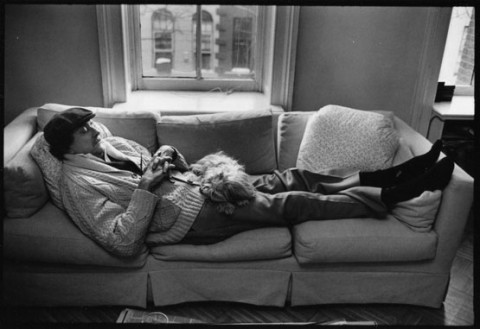
Photos of Famous Writers (and Rockers) with their Dogs

Cour­tesy of New York Social Diary, here is a love­ly series of pho­tographs fea­tur­ing famous authors and their dogs. If you’ve ever won­dered which breeds have served as muse to William Sty­ron, Stephen King, William F. Buck­ley, Kurt Von­negut, then this col­lec­tion is for you. But be warned: We’re still recov­er­ing from the sight of that Lhasa Apso flopped on Von­negut’s lap–we were hop­ing for a wolfhound.

For more artist-canine com­bi­na­tions, Fla­vor­wire has round­ed up a col­lec­tion of musi­cians and their dogs. Unlike the authors, these own­ers real­ly do look like their pets. (See Robert Plant.)

via @brainpicker and The Mil­lions

Sheer­ly Avni is a San Fran­cis­co-based arts and cul­ture writer. Her work has appeared in Salon, LA Week­ly, Moth­er Jones, and many oth­er pub­li­ca­tions. You can fol­low her on twit­ter at @sheerly.

Everything Is Rhythm

“Foli” is the word used for rhythm by the Malinke tribe in West Africa. But Foli is not only found in Malinke music, but in all parts of their dai­ly lives. Direct­ed by Thomas Roe­bers, this short film por­trays the peo­ple of Baro, a small town in east­ern-cen­tral Guinea, and gives you a glimpse inside their cul­ture of rhythm. As the Malinke man says, “Tous les choses, c’est du rythme.” (“Every­thing is rhythm.”) What makes this film even more beau­ti­ful is the fact that it was edit­ed so as to reflect Malinke rhythms.

By pro­fes­sion, Matthias Rasch­er teach­es Eng­lish and His­to­ry at a High School in north­ern Bavaria, Ger­many. In his free time he scours the web for good links and posts the best finds on Twit­ter.

Kutiman’s Trip to Jerusalem

The Israeli artist Ophir Kutiel, oth­er­wise known as Kuti­man, returns to YouTube with a rather dif­fer­ent project. No Moth­er of All Funk Chords. No Kuti­man-Thru-You. No new take on the remix, but rather a three-day stroll through Jerusalem with a Canon T21. An ancient, holy city seen through a mod­ern lens. The back­ground music is a Kuti­man orig­i­nal with Ita­mar Duari on per­cus­sion…

Adieu Alfred

The actor Michael Gough died this past week. He was 94 years old, and best remem­bered for his role as Alfred the But­ler in the Bat­man movies. (We pay quick trib­ute to that role above). Beyond that, Gough had a long stage career, begin­ning back in the mid 1940s, and played char­ac­ter roles in films rang­ing from campy hor­ror films to Out of Africa. The Guardian revis­its his life and act­ing career in fin­er detail right here…

« Go Back — More in this category... »
Quantcast