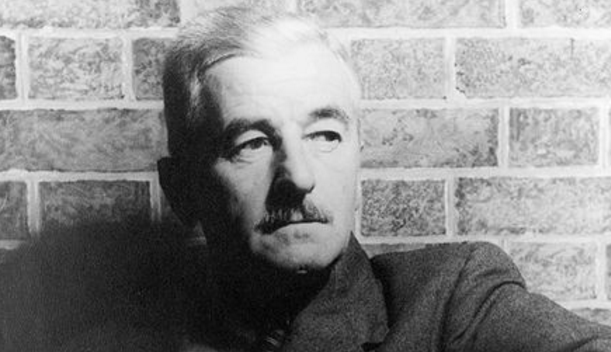
Thomas Pynchon Novels Coming to eBook, at Long Last

Thomas Pyn­chon has nev­er made things par­tic­u­lar­ly easy for his pub­lish­ers. He has famous­ly shunned any kind of media atten­tion for decades. (Book tours? No thanks.) And, dur­ing recent years, he resist­ed the idea of repub­lish­ing his books in elec­tron­ic for­mat. But that has all offi­cial­ly changed with Pen­guin’s announce­ment that you can now pur­chase eight of Pyn­chon’s works in elec­tron­ic for­mat, with prices rang­ing from $9.99 to $12.99. The books (list­ed below) can be found on Ama­zon right here.

Against the Day
Grav­i­ty’s Rain­bow
Inher­ent Vice
Mason & Dixon
Slow Learn­er
The Cry­ing of Lot 49
V.
Vineland

Find a great num­ber of clas­sics in our col­lec­tion of 300 Free eBooks.

via Media Decoder

Watch Ray Bradbury: Story of a Writer, a 1963 Film That Captures the Creative Process of the Legendary Sci-Fi Author

Sto­ry of a Writer shows all the con­tra­dic­tions the late Ray Brad­bury embod­ied: An unstop­pably curi­ous admir­er of sci­ence and tech­nol­o­gy who some called a “mechan­i­cal moron,” a non-dri­ver in mid­cen­tu­ry Los Ange­les, an imag­in­er of the future who worked in a base­ment crowd­ed with paper files and trib­al masks. We watch the clas­sic IBM mot­to “THINK” catch the 43-year-old writer’s eye, yet we notice anoth­er sign post­ed above his type­writer: “DON’T THINK!” This half-hour tele­vi­sion doc­u­men­tary cap­tures that most instinc­tu­al of crafts­men in the ratio­nal genre of sci­ence fic­tion in all sorts of activ­i­ties ground­ed in his time, place, and pro­fes­sion: telling sto­ries and per­form­ing mag­ic for his daugh­ters, offer­ing guid­ance to younger writ­ers, “work­shop­ping” a piece with a cir­cle of asso­ciates in his liv­ing room, bicy­cling through town to get ideas, and tour­ing a fall­out shel­ter show­ground.

Pro­duced by David L. Wolper, best known for pro­grams like Roots, The Thorn Birds, and This is Elvis, Sto­ry of a Writer inter­weaves with these scenes from Brad­bury’s dai­ly life a jagged­ly cin­e­mat­ic adap­ta­tion of his short sto­ry “Dial Dou­ble Zero.” In it, a man receives a series of unwant­ed phone calls from what even­tu­al­ly starts to sound like the phone sys­tem itself, which has, for unex­plained rea­sons, spon­ta­neous­ly devel­oped intel­li­gence. In Brad­bury’s imag­i­na­tion, tech­nol­o­gy may do trou­bling things, but rarely malev­o­lent ones. “I’ve always been in favor of sci­ence that can pro­long and beau­ti­fy our lives,” he says in voiceover. The broad­cast even includes one of Brad­bury’s many plain­spo­ken but enthu­si­as­tic lec­tures about the craft of writ­ing, which has much in com­mon with his sim­i­lar­ly themed 2001 speech pre­vi­ous­ly fea­tured on Open Cul­ture. As he sums up his rec­om­men­da­tions to aspi­rants con­cerned about the qual­i­ty of their work: “It does­n’t have to be the great­est. It does have to be you.”

You can find Ray Brad­bury: Sto­ry of a Writer list­ed in our col­lec­tion, 4,000+ Free Movies Online: Great Clas­sics, Indies, Noir, West­erns, Doc­u­men­taries & More.

via The Atlantic

Relat­ed con­tent:

Ray Brad­bury: Lit­er­a­ture is the Safe­ty Valve of Civ­i­liza­tion

Ray Brad­bury Gives 12 Pieces of Writ­ing Advice to Young Authors (2001)

Ray Brad­bury Reads Mov­ing Poem on the Eve of NASA’s 1971 Mars Mis­sion

Col­in Mar­shall hosts and pro­duces Note­book on Cities and Cul­ture. Fol­low him on Twit­ter at @colinmarshall.

Rare 1930s Audio: W.B. Yeats Reads Four of His Poems

The great Irish poet William But­ler Yeats was born on this day in 1865. To mark the date we bring you a series of record­ings he made for BBC radio in the final decade of his life.

“I’m going to read my poems with great empha­sis upon their rhythm,” says Yeats in the first seg­ment, record­ed in 1932, “and that may seem strange if you are not used to it. I remem­ber the great Eng­lish poet William Mor­ris com­ing in a rage out of some lec­ture hall, where some­body had recit­ed a pas­sage out of his Sig­urd the Vol­sung. ‘It gave me a dev­il of a lot of trou­ble,’ said Mor­ris, ‘to get that thing into verse!’ It gave me a dev­il of a lot of trou­ble to get into verse the poems that I am going to read, and that is why I will not read them as if they were prose.”

Yeats made ten radio broad­casts between 1931 and 1937. In the first read­ing, from 1932, Yeats begins with his famous ear­ly poem, “The Lake Isle of Inn­is­free,” which he once called “my first lyric with any­thing in its rhythm of my own music. ” He recites his verse in a somber tone that con­tem­po­rary poet Sea­mus Heaney once described as an “ele­vat­ed chant”:

The Lake Isle of Inn­is­free

I will arise and go now, and go to Inn­is­free,
And a small cab­in build there, of clay and wat­tles made:
Nine bean-rows will I have there, a hive for the hon­ey­bee,
And live alone in the bee-loud glade.

And I shall have some peace there, for peace comes drop­ping slow,
Drop­ping from the veils of the morn­ing to where the crick­et sings;
There mid­night’s all a glim­mer, and noon a pur­ple glow,
And evening full of the lin­net’s wings.

I will arise and go now, for always night and day
I hear lake water lap­ping with low sounds by the shore;
While I stand by the road­way, or on the pave­ments gray,
I hear it in the deep heart’s core.

The next poem was writ­ten in 1889, less than a year after “The Lake Isle of Inn­is­free.” “A cou­ple of miles from Inn­is­free,” says Yeats, “no, four or five miles from Inn­is­free, there’s a great rock called Dooney Rock where I had often pic­nicked when a child. And when in my 24th year I made up a poem about a mer­ry fid­dler I called him ‘The Fid­dler of Dooney’ in com­mem­o­ra­tion of that rock and all of those pic­nics.”

The Fid­dler of Dooney

When I play on my fid­dle in Dooney,
Folk dance like a wave of the sea;
My cousin is priest in Kil­var­net,
My broth­er in Moharabuiee.

I passed my broth­er and cousin:
They read in their books of prayer;
I read in my book of songs
I bought at the Sli­go fair.

When we come at the end of time,
To Peter sit­ting in state,
He will smile on the three old spir­its,
But call me first through the gate;

For the good are always the mer­ry,
Save by an evil chance,
And the mer­ry love the fid­dle,
And the mer­ry love to dance:

And when the folk there spy me,
They will all come up to me,
With ‘Here is the fid­dler of Dooney!’
And dance like a wave of the sea.

The third poem was record­ed in March of 1934. It was first pub­lished in Yeat­s’s 1899 anthol­o­gy, The Wind Among the Reeds, and tells the sto­ry of an old and weary peas­ant woman:

The Song of the Old Moth­er

I rise in the dawn, and I kneel and blow
Till the seed of the fire flick­er and glow;
And then I must scrub and bake and sweep
Till stars are begin­ning to blink and peep;
And the young lie long and dream in their bed
Of the match­ing of rib­bons for bosom and head,
And their day goes over in idle­ness,
And they sigh if the wind but lift up a tress:
While I must work because I am old,
And the seed of the fire gets fee­ble and cold.

The tape ends with a pair of record­ings from 1937: anoth­er read­ing of “The Lake Isle of Inn­is­free,” fol­lowed by two stan­zas from the 1931 poem “Coole and Bal­lylee.” (Find the com­plete six-stan­za poem here.) The poem was inspired by the grace­ful Gal­way estate of Isabel­la Augus­ta, Lady Gre­go­ry, a co-founder of the Abbey The­atre. The poem was first pub­lished as “Coole Park and Bal­lylee” in the 1932 vol­ume Words for Music Per­haps and Oth­er Poems, but was short­ened to “Coole and Bal­lylee” in the 1933 edi­tion of The Wind­ing Stair and Oth­er Poems.

Coole and Bal­lylee (two stan­zas)

Anoth­er emblem there! That stormy white
But seems a con­cen­tra­tion of the sky;
And, like the soul, it sails into the sight
And in the morn­ing’s gone, no man knows why;
And is so love­ly that it sets to right
What knowl­edge or its lack had set awry,
So arro­gant­ly pure, a child might think
It can be mur­dered with a spot of ink.

Sound of a stick upon the floor, a sound
From some­body that toils from chair to chair;
Beloved books that famous hands have bound,
Old Mar­ble heads, old pic­tures every­where;
Great rooms where trav­elled men and chil­dren found
Con­tent or joy; a last inher­i­tor
Where none has reigned that lacked a name and fame
Or out of fol­ly into fol­ly came.

The record­ings will be added to the Poet­ry sec­tion in our Free Audio Books col­lec­tion. You can also lis­ten to a ver­sion of these record­ings on Spo­ti­fy below:

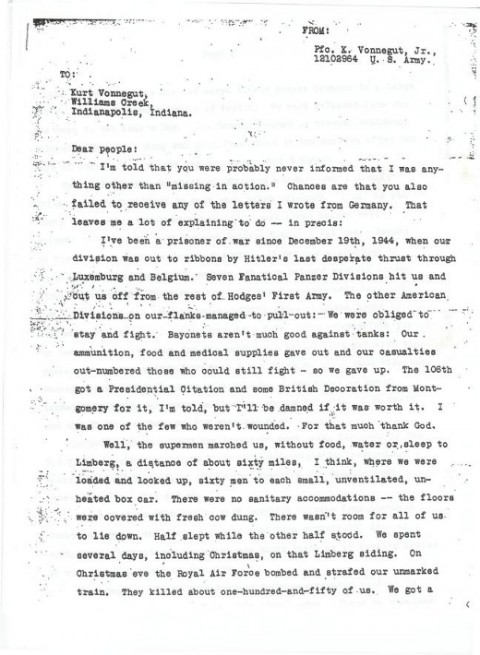
Kurt Vonnegut: “How To Get A Job Like Mine” (2002)

Kurt Von­negut had many endear­ing qual­i­ties, one being that he liked to trav­el to uni­ver­si­ties where he deliv­ered a talk called “How To Get A Job Like Mine.” The sub­stance, how­ev­er, was always dif­fer­ent, and the con­ver­sa­tion often did­n’t focus on the writ­ing life, or any­thing like it. The talk was real­ly a ves­sel for what­ev­er hap­pened to be on Von­negut’s mind, and it prob­a­bly was­n’t uncom­mon for him to mean­der through his talk, as he did here, then pause and say, “Now, let’s see what the hell else I’ve got here. Where did I even start? I don’t know.”

The talk will give you a glimpse into the quirky per­son­al­i­ty that was Von­negut’s, some non sequiturs on sex & gen­der, anec­dotes about his uncle Alex, and then a few heart­felt thoughts on the life worth liv­ing. Even­tu­al­ly, we final­ly get to writ­ing, or some­thing remote­ly approach­ing it. Von­negut was known for giv­ing a humor­ous spiel on the “shape” or “blue­print” of the sto­ry, explain­ing what Kafka’s Meta­mor­pho­sis, Shake­speare’s Ham­let and Cin­derel­la all have in com­mon. If you want to zero in on that famous bit, feel free to jump ahead. But be warned that you’ll be miss­ing a lot of sweet ran­dom­ness and good fun.

Relat­ed Con­tent:

Writ­ing Tips from Hen­ry Miller, Elmore Leonard, Mar­garet Atwood, Neil Gaiman & George Orwell

John Steinbeck’s Six Tips for the Aspir­ing Writer and His Nobel Prize Speech

by | Permalink | Make a Comment ( 2 ) |

Ray Bradbury Offers 12 Essential Writing Tips and Explains Why Literature Saves Civilization

We woke up today to learn about the sad pass­ing of Ray Brad­bury. Brad­bury now joins Isaac Asi­mov, Arthur C. Clarke, Robert A. Hein­lein, and Philip K. Dick in the pan­theon of sci­ence fic­tion. It’s a place well deserved, see­ing that he effec­tive­ly brought mod­ern sci­ence fic­tion into the lit­er­ary main­stream. His first short sto­ry, “Holler­bochen’s Dilem­ma,” appeared in 1938. And his last one, “Take Me Home,” was just pub­lished this week in The New York­er’s first spe­cial issue devot­ed to sci­ence fic­tion. Dur­ing the 74 years in between, Brad­bury pub­lished eleven nov­els, includ­ing the great Fahren­heit 451, and count­less short sto­ries. His books, now trans­lat­ed into 36 lan­guages, have sold over eight mil­lion copies.

To help cel­e­brate his lit­er­ary lega­cy, we want to revis­it two moments when Brad­bury offered his per­son­al thoughts on the art and pur­pose of writ­ing. Above, we start you off with a 1970s clip where Brad­bury explains why lit­er­a­ture serves more than an aes­thet­ic pur­pose — it’s actu­al­ly the safe­ty valve of civ­i­liza­tion. (See our orig­i­nal post here.) And below we bring you back to Brad­bury’s 2001 keynote address at Point Loma Nazarene University’s Writer’s Sym­po­sium By the Sea. There, he gives 12 essen­tial pieces of writ­ing advice to young writ­ers. You can find a nice list of his tips in our orig­i­nal post here. And, if you’re hun­ger­ing for more, let us direct you to anoth­er clip rec­om­mend­ed by one of our read­ers: a lengthy talk record­ed in 2005 at the Los Ange­les Times Fes­ti­val of Books.

Relat­ed Con­tent:

Free Sci­ence Fic­tion Clas­sics on the Web: Hux­ley, Orwell, Asi­mov, Gaiman & Beyond

Leonard Nimoy Reads Ray Brad­bury Sto­ries From The Mar­t­ian Chron­i­cles & The Illus­trat­ed Man (1975–76)

Watch Ray Brad­bury: Sto­ry of a Writer, a 1963 Film That Cap­tures the Para­dox­es of the Leg­endary Sci-Fi Author


by | Permalink | Make a Comment ( 3 ) |

Salvador Dalí’s Illustrations of Dante’s The Divine Comedy

In 1957, the Ital­ian gov­ern­ment com­mis­sioned Sal­vador Dalí to paint a series of 100 water­col­or illus­tra­tions of Dante’s Divine Com­e­dy, the great­est lit­er­ary work writ­ten in the Ital­ian lan­guage. The illus­tra­tions were to be fin­ished by 1965, the 700th anniver­sary of the poet­’s birth, and then repro­duced and released in lim­it­ed print edi­tions. The deal fell apart, how­ev­er, when the Ital­ian pub­lic learned that their lit­er­ary pat­ri­mo­ny had been put in the hands of a Spaniard. Unde­terred, Dalí pushed for­ward on his own, paint­ing illus­tra­tions for the epic poem that col­lec­tive­ly recount Dante’s sym­bol­ic trav­els through Hell, Pur­ga­to­ry and Heav­en. After Dalí did his part, the project was hand­ed over to two wood engravers, who spent five years hand-carv­ing 3,500 blocks used to cre­ate the repro­duc­tions of Dalí’s mas­ter­piece. Almost 50 years lat­er, print edi­tions can still be pur­chased online. And the paint­ings them­selves still trav­el the globe, mak­ing their way to muse­ums large and small. You can view images from the col­lec­tion at this Cor­nell Uni­ver­si­ty web­site.

Relat­ed Con­tent 

Sal­vador Dalí’s Haunt­ing 1975 Illus­tra­tions for Shakespeare’s Romeo and Juli­et

The Most Com­plete Col­lec­tion of Sal­vador Dalí’s Paint­ings Pub­lished in a Beau­ti­ful New Book by Taschen: Includes Nev­er-Seen-Before Works

Alice’s Adven­tures in Won­der­land, Illus­trat­ed by Sal­vador Dalí in 1969, Final­ly Gets Reis­sued

by | Permalink | Make a Comment ( 8 ) |

Author Flannery O’Connor Captured on Film at Age 5, with Her Chickens


In 1961, Flan­nery O’Con­nor wrote an essay called “Liv­ing with a Pea­cock,” which begins like this:

When I was five, I had an expe­ri­ence that marked me for life. Pathé News sent a pho­tog­ra­ph­er from New York to Savan­nah to take a pic­ture of a chick­en of mine. This chick­en, a buff Cochin Ban­tam, had the dis­tinc­tion of being able to walk either for­ward or back­ward. Her fame has spread through the press and by the time she reached the at­tention of Pathé News, I sup­pose there was nowhere left for her to go—forward or back­ward. Short­ly after that she died, as now seems fit­ting.

If I put this infor­ma­tion in the begin­ning of an arti­cle on pea­cocks, it is because I am always being asked why I raise them, and I have no short or rea­son­able answer.

From that day with the Pathé man I began to col­lect chick­ens. What had been only a mild inter­est became a pas­sion, a quest. I had to have more and more chick­ens. I favored those with one green eye and one orange or with over-long necks and crooked combs. I want­ed one with three legs or three wings but noth­ing in that line turned up. I pon­dered over the pic­ture in Robert Ripley’s book, Believe It Or Not, of a roost­er that had sur­vived for thir­ty days with­out his head; but I did not have a sci­en­tif­ic tem­pera­ment . I could sew in a fash­ion and I began to make clothes for chick­ens. A gray ban­tam named Colonel Egg­bert wore a white piqué coat with a lace col­lar and two but­tons in the back. Appar­ent­ly Pathé News nev­er heard of any of these oth­er chick­ens of mine; it nev­er sent anoth­er pho­tog­ra­ph­er.

Now you have the back­sto­ry for the video above — the young girl caught on film, tend­ing to her chick­ens, many years before she wrote “A Good Man is Hard to Find” (lis­ten to her read it here) and oth­er sto­ries. Thanks goes to Josh for flag­ging this for us.…

Allen Ginsberg Reads His Famously Censored Beat Poem, Howl (1959)

Before Banned Books Week comes to a close, we bring you Allen Gins­berg’s 1955 poem, Howl. The con­tro­ver­sial poem became his best known work, and it now occu­pies a cen­tral place in the Beat lit­er­ary canon, stand­ing right along­side Jack Kerouac’s On the Road and William S. Burroughs’s Naked Lunch. Gins­berg first read the poem aloud on Octo­ber 7, 1955, to a crowd of about 150 at San Francisco’s Six Gallery. (James Fran­co reen­act­ed that moment in the 2010 film sim­ply called Howl.)

Things got dicey when City Lights pub­lished the poem in 1956, and espe­cial­ly when they tried to import 520 print­ed copies from Lon­don in ’57. US cus­toms offi­cials seized the copies, and Cal­i­for­nia pros­e­cu­tors tried City Lights founder Lawrence Fer­linghet­ti and his part­ner, Shigeyosi Murao, on obscen­i­ty charges that same year. Nine lit­er­ary experts tes­ti­fied to the redeem­ing social val­ue of Howl, and, after a lengthy tri­al, the judge ruled that the poem was of “redeem­ing social impor­tance.”

Above, we give you Gins­berg read­ing Howl in 1959. It’s also list­ed in the Poet­ry sec­tion of our Free Audio Books col­lec­tion. An online ver­sion of the text appears here.

If you would like to sign up for Open Culture’s free email newslet­ter, please find it here. It’s a great way to see our new posts, all bun­dled in one email, each day.

If you would like to sup­port the mis­sion of Open Cul­ture, con­sid­er mak­ing a dona­tion to our site. It’s hard to rely 100% on ads, and your con­tri­bu­tions will help us con­tin­ue pro­vid­ing the best free cul­tur­al and edu­ca­tion­al mate­ri­als to learn­ers every­where. You can con­tribute through Pay­Pal, Patre­on, and Ven­mo (@openculture). Thanks!

Relat­ed Con­tent:

John Waters Reads Steamy Scene from Lady Chatterley’s Lover for Banned Books Week (NSFW)

See Pat­ti Smith Give Two Dra­mat­ic Read­ings of Allen Ginsberg’s “Foot­note to Howl”

2,000+ Cas­settes from the Allen Gins­berg Audio Col­lec­tion Now Stream­ing Online


by | Permalink | Make a Comment ( 3 ) |

« Go BackMore in this category... »
Quantcast