Jorge Luis Borges Explains The Task of Art

As he neared the end of his life, Jorge Luis Borges (1899 – 1986) offered his thoughts on the “task of art,” essen­tial­ly dis­till­ing 80+ years of wis­dom into a few pithy lines. He says:

The task of art is to trans­form what is con­tin­u­ous­ly hap­pen­ing to us, to trans­form all these things into sym­bols, into music, into some­thing which can last in man’s mem­o­ry. That is our duty. If we don’t ful­fill it, we feel unhap­py. A writer or any artist has the some­times joy­ful duty to trans­form all that into sym­bols. These sym­bols could be col­ors, forms or sounds. For a poet, the sym­bols are sounds and also words, fables, sto­ries, poet­ry. The work of a poet nev­er ends. It has noth­ing to do with work­ing hours. Your are con­tin­u­ous­ly receiv­ing things from the exter­nal world. These must be trans­formed, and even­tu­al­ly will be trans­formed. This rev­e­la­tion can appear any­time. A poet nev­er rests. He’s always work­ing, even when he dreams. Besides, the life of a writer, is a lone­ly one. You think you are alone, and as the years go by, if the stars are on your side, you may dis­cov­er that you are at the cen­ter of a vast cir­cle of invis­i­ble friends whom you will nev­er get to know but who love you. And that is an immense reward.

Thanks to Matthew for send­ing this clip along. Also, on a relat­ed note, let me remind you of the doc­u­men­tary we high­light­ed ear­li­er this year. Jorge Luis Borges: The Mir­ror Man, a film that’s “part biog­ra­phy, part lit­er­ary crit­i­cism, part hero-wor­ship, part book read­ing, and part psy­chol­o­gy.”

If you would like to sign up for Open Culture’s free email newslet­ter, please find it here. It’s a great way to see our new posts, all bun­dled in one email, each day.

If you would like to sup­port the mis­sion of Open Cul­ture, con­sid­er mak­ing a dona­tion to our site. It’s hard to rely 100% on ads, and your con­tri­bu­tions will help us con­tin­ue pro­vid­ing the best free cul­tur­al and edu­ca­tion­al mate­ri­als to learn­ers every­where. You can con­tribute through Pay­Pal, Patre­on, and Ven­mo (@openculture). Thanks!

via Maud New­ton

Relat­ed Con­tent

Hear Jorge Luis Borges Read 30 of His Poems (in the Orig­i­nal Span­ish)

Hear the Enchant­i­ng Jorge Luis Borges Read “The Art of Poet­ry”

Jorge Luis Borges’ 1967–8 Nor­ton Lec­tures On Poet­ry (And Every­thing Else Lit­er­ary)

Borges Explains The Task of Art

What Does Jorge Luis Borges’ “Library of Babel” Look Like? An Accu­rate Illus­tra­tion Cre­at­ed with 3D Mod­el­ing Soft­ware

by | Permalink | Make a Comment ( 6 ) |

“The Best Magazine Articles Ever”

“The Best Mag­a­zine Arti­cles Ever” – Sure the list is sub­jec­tive. It’s all in Eng­lish, and heav­i­ly slant­ed toward male writ­ers. But you can’t quib­ble with this. This curat­ed col­lec­tion fea­tures pieces by some of the finest Amer­i­can writ­ers of the past gen­er­a­tion. We’ve high­light­ed 10 nota­bles ones from a much longer list avail­able here.

1 ) John Updike, “Hub Fans Bid Kid Adieu.” The New York­er, Octo­ber 22, 1960.

2) Nor­man Mail­er, “Super­man Comes to the Super­mar­ket.” Esquire, Novem­ber 1960.

3) Tom Wolfe, â€śThe Last Amer­i­can Hero is Junior John­son. Yes!” Esquire, March 1965.

4) Hunter Thomp­son, â€śThe Ken­tucky Der­by is Deca­dent and Depraved.” Scan­lan’s Month­ly, June 1970.

5) Stew­art Brand, “Space War: Fanat­ic Life and Sym­bol­ic Dearth Among Com­put­er Bums. Rolling Stone, Decem­ber 7, 1972.

6) David Fos­ter Wal­lace, “The String The­o­ry.” Esquire, July 1996.

7) Jon Krakauer, “Into Thin Air.” Out­side Mag­a­zine, Sep­tem­ber 1996.

8) Susan Orlean, “Orchid Fever.” The New York­er, Jan­u­ary 23, 1995.

9) Mal­colm Glad­well, “The Pitch­man.” The New York­er, Octo­ber 30, 2000. (Yup, he’s Cana­di­an, I know.)

10) Katie Hafn­er, “The Epic Saga of The Well.” Wired, May 1997.

via @caitlinroper

by | Permalink | Make a Comment ( 2 ) |

20 Great Authors (and Actors) Read Famous Literature Out Loud

Every now and then, we like to present vin­tage clips of great authors read­ing clas­sic lit­er­ary works – works they have often writ­ten them­selves. These clips can be fair­ly reveal­ing. Through them, you can recap­ture the voic­es of lit­er­ary greats, most long since passed. And you can hear how they give char­ac­ter and expres­sion to their own works … or those of oth­ers. In response to a read­er’s request, we have pulled togeth­er some of the finest exam­ples pre­vi­ous­ly fea­tured here. And, for good mea­sure, we’ve added prime clips of famous celebri­ties giv­ing lit­er­ary read­ings too. Hope you enjoy (and share):

1) William Faulkn­er Reads from As I Lay Dying

2) James Joyce Read­ing Finnegans Wake

3) Vin­tage Radio: Aldous Hux­ley Nar­rates Brave New World

4) Dominic West (aka Jim­my McNul­ty) Reads Jane Austen

5) Tru­man Capote Reads from Break­fast at Tiffany’s

6) Joyce Car­ol Oates Reads Eudo­ra Wel­ty’s “Where Is the Voice Com­ing From?”

7) Orson Welles Reads Moby Dick

8) John­ny Depp Reads Let­ters from Hunter S. Thomp­son

9) Ernest Hem­ing­way Reads “In Harry’s Bar in Venice”

10) T.S. Eliot Read­ing from The Waste­land

11) F. Scott Fitzger­ald Reads Shake­speare Out Loud

12) Den­nis Hop­per Reads Rud­yard Kipling on John­ny Cash Show

13) Kurt Von­negut Reads from Slaugh­ter­house-Five

14) Tom Waits Reads Charles Bukows­ki

15) William Car­los Williams Reads His Poet­ry (1954)

16) Orhan Pamuk Reads Vladimir Nabokov

17) Charles Bukows­ki “Blue­bird”

18) Wal­lace Stevens Reads His Own Poet­ry

19) Tobias Wolff Reads From His New Short Sto­ry Col­lec­tion

20) Lis­ten­ing to Famous Poets Read­ing Their Own Work

by | Permalink | Make a Comment ( 5 ) |

Eudora Welty on “A Worn Path”

First pub­lished in The Atlantic Month­ly in Feb­ru­ary 1940, “A Worn Path” is per­haps Eudo­ra Wel­ty’s most prized piece of short fic­tion. In this video, Wel­ty talks with drama­tist Beth Hen­ley about the writ­ing of the famous short sto­ry. The two women, it’s worth not­ing, share a good deal in com­mon. Both are Pulitzer Prize win­ners who have their com­mon roots in Jack­son, Mis­sis­sip­pi. Thanks to Mike S. for send­ing our way…

William Faulkner Audio Archive Goes Online

Faulkner1

Image by Carl Van Vecht­en, via Wiki­me­dia Com­mons

In 1957 and 1958, the great Amer­i­can writer William Faulkn­er spent two years as Writer-in-Res­i­dence at the Uni­ver­si­ty of Vir­ginia. Dur­ing this stint, he pre­sent­ed sev­er­al pub­lic speech­es, gave many read­ings from his lit­er­ary works, spoke at count­less pub­lic events, and answered ques­tions from hun­dreds of stu­dents. The talks were orig­i­nal­ly record­ed on reel-to-reel tapes, and now UVA has dig­i­tized the audio col­lec­tion and made it avail­able through a new web site: Faulkn­er at Vir­ginia: An Audio Archive. In total, the archive presents 1690 min­utes (over 28 hours) of Faulkn­er record­ings. It also includes an archive of pho­tos and news­pa­per items, as well as an audio record­ing of a press con­fer­ence the Eng­lish depart­ment gave when Faulkn­er died on July 6, 1962. A real trea­sure. You can dive into the audio trove right here.

Note: To access the audio, you will need a Quick­Time play­er. If your brows­er does­n’t already sup­port Quick­Time, you can down­load a free Quick­Time plug-in here.

via NPR

by | Permalink | Make a Comment ( 2 ) |

New Twain Online

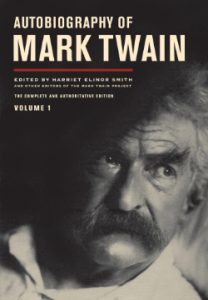
Mark Twain died a good cen­tu­ry ago. But new Twain writ­ings keep com­ing out. Lat­er this fall, his auto­bi­og­ra­phy will hit book­stores for the first time. And just this week, PBS pub­lished online a new Twain essay called “Con­cern­ing the Inter­view.” It begins:

No one likes to be inter­viewed, and yet no one likes to say no; for inter­view­ers are cour­te­ous and gen­tle-man­nered, even when they come to destroy.

You can read a high res­o­lu­tion, hand-writ­ten copy of the essay here.

via @alyssa_milano

Heartless: The Story of the Tin Man

In 1900, L. Frank Baum wrote The Won­der­ful Wiz­ard of Oz, which went on to become one of the most beloved chil­dren’s books of all time, reprint­ed and rein­vent­ed in a myr­i­ad stage plays, films, TV series, musi­cals and oth­er adap­ta­tions. But Baum’s orig­i­nal tale fea­tured a lit­tle-known back­sto­ry about the Tin Woods­man – a moral­i­ty tale about a man who gets so caught up in his work that he los­es sight of what real­ly mat­ters in life.

Direc­tor Bri­an McCormick decid­ed to cap­ture this poet­ic tale and the hid­den love sto­ry about a sim­ple woods­man and a beau­ti­ful maid­en in Heart­less: The Sto­ry of the Tin Man — an art­ful­ly shot short film, view­able for free online.

Addi­tion­al behind-the-scenes footage reveals the pro­duc­tion process and metic­u­lous crafts­man­ship of the film’s art direc­tion, sound design and cin­e­matog­ra­phy.

Maria Popo­va is the founder and edi­tor in chief of Brain Pick­ings, a curat­ed inven­to­ry of eclec­tic inter­est­ing­ness and indis­crim­i­nate curios­i­ty. She writes for Wired UK, GOOD Mag­a­zine, Big­Think and Huff­in­g­ton Post, and spends too much time curat­ing inter­est­ing­ness on Twit­ter.

Crime and Punishment: Free AudioBook and eBook

In 1865, Fyo­dor Dos­to­evsky found him­self in a deep hole. He had gam­bled away his last sav­ings and wracked up big debts. He also had to sup­port the fam­i­ly of his recent­ly deceased broth­er. Look­ing to make some quick mon­ey, Dos­to­evsky asked Mikhail Katkov, pub­lish­er of The Russ­ian Mes­sen­ger, for an advance. Then he began writ­ing in earnest a novel­la that soon sprawled into a grand nov­el. The first part of Crime and Pun­ish­ment would appear in The Russ­ian Mes­sen­ger in Jan­u­ary 1866; the sec­ond part in Decem­ber of that same year. Like The Broth­ers Kara­ma­zov (Dos­to­evsky’s oth­er major work), Crime and Pun­ish­ment probes the dark side of human psy­chol­o­gy and asks some hard exis­ten­tial ques­tions. Niet­zsche would lat­er call Dos­to­evsky “the only psy­chol­o­gist from whom I have some­thing to learn: he belongs to the hap­pi­est wind­falls of my life, hap­pi­er even than the dis­cov­ery of Stend­hal.” One of the mas­ter­pieces of the Russ­ian lit­er­ary tra­di­tion, Crime and Pun­ish­ment is now avail­able as a free audio book thanks to Lit2Go. You can down­load the nov­el in full via iTunes, or as mp3s via the Lit2Go web site. Mean­while, if you’re look­ing for a free etext ver­sion of the nov­el, you can find it in the fol­low­ing for­mats: Google Mobile – Kin­dle – Feed­books — ePub.

Note: Crime and Pun­ish­ment appears in our Free Audio Books and Free eBooks col­lec­tions.

Learn how you can get a Free Audio Book (no strings attached) from Audible.com here.

by | Permalink | Make a Comment ( 7 ) |

« Go BackMore in this category... »
Quantcast