On a more seriÂous note, if you want some free audio books by the BronÂtë’s (includÂing WutherÂing Heights and Jane Eyre), simÂply find them in our colÂlecÂtion of Free Audio Books.
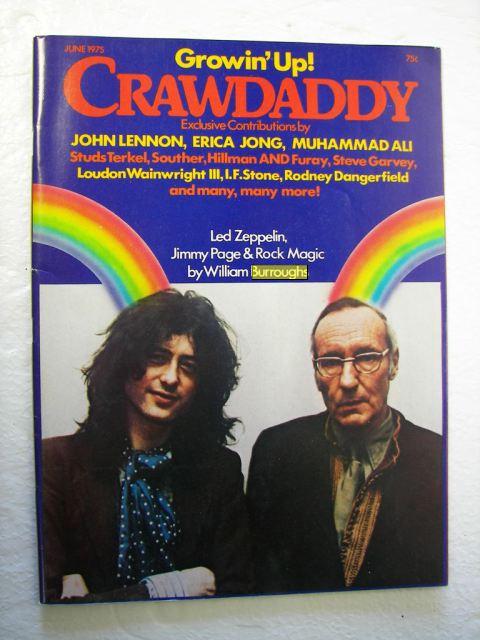
Even at the age of 81, the Beat writer William S. BurÂroughs was still resistÂing litÂerÂary conÂvenÂtion. This footage was shot in Lawrence, Kansas, just two years before his death in 1997.
Ernest HemÂingÂway | The Sun Also RisÂes | 1926
Dear Brett,
I find myself in the horÂriÂble posiÂtion of telling you what a truÂly terÂriÂble human being you are. I know what you’re doing with Jake and Robert when you’re very much engaged to Michael. Now, don’t give me any sob stoÂry about how you lost your “only true love” at such a young age. This gives you NO right to be a tramp. Also, half the women in Paris would agree that you are NOT charmÂing when you are drunk like you think you are. In fact I would go as far as to say you are repulÂsive in all forms of the word. OccaÂsionÂalÂly, I cringe when you speak because it is always to use someÂone. You’re despiÂcaÂble. DisÂgustÂing. You’re a pedanÂtic weeÂnie.
File this under “betÂter late than nevÂer.” Mark Twain spent his last decade writÂing his memÂoirs, proÂducÂing some 5,000 uneditÂed pages. HowÂevÂer, he stipÂuÂlatÂed that they couldÂn’t be pubÂlished for at least a cenÂtuÂry folÂlowÂing his death. (AproÂpos see this very rare footage recordÂed by Thomas EdiÂson showÂing Twain in his last year.) Fast forÂward to 2010. We have now clocked 100 years. And this NovemÂber, UC BerkeÂley will pubÂlish the first volÂume of Twain’s manÂuÂscript. The IndeÂpenÂdent tells you more about this litÂerÂary event, and sugÂgests why Twain wantÂed to keep his autoÂbiÂogÂraÂphy under wraps. Get the full artiÂcle here.
You may have heard the news last week: J. Craig VenÂter and a team of sciÂenÂtists creÂatÂed the first livÂing organÂism – a “synÂthetÂic cell” – by way of a comÂputÂer-genÂerÂatÂed genome. We’re now seeÂing the beginÂnings of artiÂfiÂcial life. And it’s a big stoÂry, with many far-reachÂing impliÂcaÂtions. But where does James Joyce fit into this picÂture? Let me add this litÂtle facÂtoid to the mix: AccordÂing to The ChrisÂtÂian SciÂence MonÂiÂtor, VenÂter’s team insertÂed DNA waterÂmark codes into the genome so that they can disÂtinÂguish between natÂurÂal and synÂthetÂic bacÂteÂria movÂing forÂward. And when this code is transÂlatÂed into EngÂlish, it will “spell out the names of the 46 researchers who helped with the project, quoÂtaÂtions from James Joyce, physiÂcist Richard FeynÂman and J. Robert OppenÂheimer, and a URL that anyÂone who deciÂphers the code can e‑mail.” Lots of smarts packed into the tiniÂest of packÂages.
UPDATE: The quotes in waterÂmark apparÂentÂly read: “TO LIVE, TO ERR, TO FALL, TO TRIUMPH, TO RECREATE LIFE OUT OF LIFE.” — James Joyce’s A PorÂtrait of the Artist as a Young Man; “SEE THINGS NOT AS THEY ARE, BUT AS THEY MIGHT BE.”-A quote from an OppenÂheimer biogÂraÂphy, AmerÂiÂcan Prometheus; “WHAT I CANNOT BUILD, I CANNOT UNDERSTAND.” — Richard FeynÂman.
HuffÂPo has pulled togethÂer a list of The 12 GreatÂest LitÂerÂary One-Hit WonÂders. And it’s a strange list indeed. When you think of “one-hit wonÂders,” you think of memÂoÂrable songs recordÂed by very unmemÂoÂrable artists – artists who got their 15 minÂutes of fame and then fell right off the radar. MeanÂwhile, the HuffÂPo list includes some of the most endurÂing names in AmerÂiÂcan litÂerÂaÂture – F. Scott FitzgerÂald, J.D. Salinger, and HerÂman Melville. They gave us their big novÂels – The Great GatsÂby, The CatchÂer in the Rye, and Moby Dick – then wrote some othÂer lastÂing pieces of ficÂtion, both short and long. They hardÂly fadÂed into oblivÂion. And, years latÂer, we’re cerÂtainÂly not askÂing, “what ever hapÂpened to old what’s his name?”
British filmÂmakÂer TemuÂjin Doran may be betÂter known for his strong, highÂly opinÂionÂatÂed views on democÂraÂcy and polÂiÂtics, but his adapÂtaÂtion of Ernest HemÂingÂway’s memÂoir, A MoveÂable Feast, is someÂthing else entireÂly.
Though still narÂratÂed in Doran’s charÂacÂterÂisÂtiÂcalÂly urgent, restÂless tone, Spring offers a quiÂet tribÂute to Parisian urbanÂiÂty and the richÂness of seaÂsonÂalÂiÂty, capÂtured with cinÂeÂmatÂic minÂiÂmalÂism and eeriÂly indulÂgent aesÂthetÂic ausÂterÂiÂty.
Maria PopoÂva is the founder and ediÂtor in chief of Brain PickÂings, a curatÂed invenÂtoÂry of eclecÂtic interÂestÂingÂness and indisÂcrimÂiÂnate curiosÂiÂty. She writes for Wired UK, GOOD MagÂaÂzine, BigÂThink and HuffÂinÂgÂton Post, and spends a disÂturbÂing amount of time curatÂing interÂestÂingÂness on TwitÂter.
We're hoping to rely on loyal readers, rather than erratic ads. Please click the Donate button and support Open Culture. You can use Paypal, Venmo, Patreon, even Crypto! We thank you!
Open Culture scours the web for the best educational media. We find the free courses and audio books you need, the language lessons & educational videos you want, and plenty of enlightenment in between.