A Child’s Introduction to Jazz by Cannonball Adderley (with Louis Armstrong & Thelonious Monk)

In 1961, Julian “Can­non­ball” Adder­ley, the jazz sax­o­phon­ist best known for his work on Miles Davis’ epic album Kind of Blue, nar­rat­ed a chil­dren’s intro­duc­tion to jazz music. Part of a larg­er series of edu­ca­tion­al albums for chil­dren, this 12-inch LP offered an “easy-going, con­ver­sa­tion­al dis­cus­sion of the high­lights of the jazz sto­ry,” high­light­ing the “major styles and great per­form­ers” that began in New Orleans and spread beyond. Includ­ed on the album are some leg­endary jazz fig­ures — Louis Arm­strong, Fats Waller, Jel­ly Roll Mor­ton, Duke Elling­ton, Cole­man Hawkins, Sid­ney Bechet, Thelo­nious Monk, and, of course, Can­non­ball him­self. The album, A Child’s Intro­duc­tion to Jazz, has long been out of cir­cu­la­tion. But you can catch it on YouTube, or above.

Thanks to James for telling us about this album on our Face­book page. Feel free to mes­sage us good ideas for posts at Face­book or cc: us on Twit­ter (cc: @openculture). And then there’s always old-fash­ioned email.

Relat­ed Con­tent: 

Thelo­nious Monk, Bill Evans and More on the Clas­sic Jazz 625 Show

1959: The Year that Changed Jazz

The Uni­ver­sal Mind of Bill Evans: Advice on Learn­ing to Play Jazz & The Cre­ative Process

by | Permalink | Make a Comment ( 3 ) |

Willie Nelson Sings Pearl Jam’s “Just Breathe” (And We’re Taking a Deep Breath Too)

Usu­al­ly the young cov­er songs by the old. But these days, it’s often the oth­er way around. Per­haps you remem­ber John­ny Cash cov­er­ing U2’s song “One.” Now, we have the great Willie Nel­son singing a ver­sion of Pearl Jam’s “Just Breathe” with his sons Lukas and Mic­ah. The tune also hap­pens to appear on his new album Heroes.

“Just Breathe” isn’t a zen com­mand­ment, at least that’s not what Pearl Jam meant by the phrase here. But “Just Breathe” has been our mantra dur­ing the past two days as we’ve expe­ri­enced some down­right hideous host­ing prob­lems. Hope­ful­ly things are now sta­ble, and, with a lit­tle luck, we’ll be in a much bet­ter posi­tion to recov­er in the future. We real­ly appre­ci­ate your patience and sup­port dur­ing this bad hic­cup. H/T @webacion

Fol­low us on Face­bookTwit­ter and now Google Plus and share intel­li­gent media with your friends! 

Freddie Mercury: The Untold Story of the Singer’s Journey From Zanzibar to Stardom

How to explain a per­former like Fred­die Mer­cury? First you’d have to describe, in con­ven­tion­al terms, the thor­ough­ly uncon­ven­tion­al musi­cal per­sona he devel­oped as the front­man of the glam rock band Queen. Then you’d have to explain how he got there from his birth as Far­rokh Bol­sara, his child­hood in Zanz­ibar — yes, Zanz­ibar — and his school­ing in the strict, tra­di­tion­al British Indi­an envi­ron­ment of St. Peter’s Board­ing School. In 2000’s Fred­die Mer­cury: The Untold Sto­ry, direc­tors Rudi Dolezal and Hannes Rossach­er attempt just this, talk­ing to those who knew Mer­cury well in the many ways one could know him: fam­i­ly mem­bers, teach­ers, col­lab­o­ra­tors, lovers. This in addi­tion to dozens of brief, high­ly admir­ing com­ments from Mer­cury’s famous col­leagues in both rock and flam­boy­ance: Phil Collins, Mick Jag­ger, Elton John, Liza Min­nel­li.

By 2000, Mer­cury had already been dead of AIDS for near­ly a decade. At the time he acquired it, the dis­ease remained poor­ly under­stood, and any­one liv­ing as far out on the social, phys­i­cal, and sex­u­al edge as he did must have run a great risk of it. But the provoca­tive, uncom­pro­mis­ing Fred­die Mer­cury of The Untold Sto­ry could nev­er have exist­ed with­out great risk, espe­cial­ly of the aes­thet­ic and per­for­ma­tive vari­eties. The film spends time gaz­ing upon the draw­ings the young Fred Bol­sara, as he was then known, made as a visu­al art stu­dent. Who could resist think­ing of him as a kind of a visu­al artist all his life, one who craft­ed the image of Fred­die Mer­cury, embod­ied this image, and ulti­mate­ly became it? Only a man dar­ing enough to cre­ate him­self, after all, could pos­si­bly have been dar­ing enough to stage the Felli­ni-esque birth­day par­ty we see pieces of and hear hazi­ly remem­bered. Who among us feels bold enough to cel­e­brate our own 39th with dwarfs cov­ered in liv­er?

Col­in Mar­shall hosts and pro­duces Note­book on Cities and Cul­ture. Fol­low him on Twit­ter at @colinmarshall.

Glenn Gould Predicts Mash-up Culture in 1969 Documentary

Like the Bea­t­les, Cana­di­an piano vir­tu­oso Glenn Gould gave up live per­for­mance in the mid-1960s and focused his cre­ative ener­gies on record­ing. “At live con­certs,” he told an inter­view­er, “I feel demeaned, like a vaude­vil­lian.” Gould ruf­fled quite a few feath­ers in the clas­si­cal music estab­lish­ment when he pub­licly embraced the prac­tice of splic­ing togeth­er pieces of tape from dif­fer­ent record­ings to cre­ate a new per­for­mance. In effect, he pro­voked a re-eval­u­a­tion of the word “per­for­mance.” In this short 1969 doc­u­men­tary from the Cana­di­an Broad­cast­ing Cor­po­ra­tion’s Tele­scope series, Gould talks about the rea­sons for his dis­like of play­ing con­certs and his phi­los­o­phy of art in the age of elec­tron­ic record­ing. In the pro­logue, he more or less pre­dicts today’s mash-up cul­ture:

I have a feel­ing that the end result of all our labors in the record­ing stu­dio is not going to become some kind of auto­crat­ic fin­ished prod­uct such as we turn out now with rel­a­tive ease, with the help of splice-mak­ing which we do or which engi­neers do for us, but is going to be a rather more demo­c­ra­t­ic assem­blage. I think we’re going to make kits, and I think we’re going to send out these kits to lis­ten­ers, per­haps to view­ers also, as video­tape car­tridge gets into the act, as I think it will, and we’re going to say, Do it your­self. Take the assem­bled com­po­nents and make of those com­po­nents some­thing that you gen­uine­ly appre­ci­ate. If you don’t like the result as you put togeth­er the first time, put it togeth­er a sec­ond time. Be in fact your own edi­tor. Be, in a sense, your own per­former.

Vari­a­tions on Glenn Gould offers a fas­ci­nat­ing take–or, as the title sug­gests, sev­er­al dif­fer­ent takes–on Gould’s world-view. There is a short musi­cal inter­lude, in which he plays an excerpt from the first move­ment, “Alle­gro ma non trop­po,” of Beethoven’s Sym­pho­ny No. 6 in F Major. And with­in the 24-minute time frame, the film­mak­ers allow Gould to devel­op his idio­syn­crat­ic thoughts on sev­er­al sub­jects, includ­ing his “con­tra­pun­tal radio doc­u­men­taries’ and his sense of iso­la­tion from soci­ety. “I absolute­ly enjoy being sur­round­ed by a sort of elec­tron­ic wall­pa­per, hav­ing music every­where about me,” says Gould. “I think that it gives a cer­tain shel­ter, and sets you apart. And I think that the only val­ue I have as an artist–the only val­ue most artists have, whether they real­ize it or not– is their par­tic­u­lar iso­la­tion from the world about which they write, and to which they hope to con­tribute.”

Relat­ed Con­tent:

A Young Glenn Gould Plays Bach

Glenn Gould and Leonard Bern­stein Play Bach

Headbanging Anthropologist Takes Us Through the World of Heavy Metal in 2005 Documentary

Don’t wor­ry; I don’t know any­thing about met­al either. As least, I did­n’t know any­thing about it before I watched Met­al: A Head­banger’s Jour­ney, a 2005  doc­u­men­tary on this vast yet much-derid­ed musi­cal sub­cul­ture that you can watch on YouTube. Sam Dunn, an anthro­pol­o­gist, bassist, and unapolo­getic met­al­head, uses the film to ask many ques­tion about his favorite music: what exact­ly is met­al? How do met­al play­ers get it to sound so evil? Why does one per­son give him­self over com­plete­ly to the met­al lifestyle, while anoth­er bare­ly notices its exis­tence at all? What feel­ing do the most die-hard fans get from met­al, and how do they get addict­ed to it? Why does met­al’s most­ly straight male audi­ence thrill to the sight of met­al’s most­ly straight male per­form­ers strut­ting around in tight leather? How did met­al grow so many sub­gen­res — black met­al, glam met­al, pow­er met­al, death met­al? Does Satan real­ly have any­thing to do with met­al, or does it all come down to a big piece of Hal­loween-ish the­ater? And how come north­ern Euro­peans take met­al so dead­ly seri­ous­ly?

In pur­suit of the answers, Dunn trav­els the world inter­view­ing met­al­ists of every stripe, from Rob Zom­bie to Alice Coop­er to Rush bassist Ged­dy Lee to Twist­ed Sis­ter front­man Dee Snider to Iron Maid­en’s mul­ti­tal­ent­ed Rob Dick­in­son to a pair of masked men from Slip­knot. He even talks twice to the late Ron­nie James Dio, the singer who sup­pos­ed­ly pop­u­lar­ized the now-uni­ver­sal sign of the horns met­al hand ges­ture. Seek­ing con­text for these first-hand accounts, Dunn talks to aca­d­e­m­ic soci­ol­o­gists and musi­col­o­gists as well as the mile-a-minute cul­tur­al essay­ist Chuck Kloster­man. Fol­low­ing his anthro­po­log­i­cal instinct, he also puts in a great deal of time with fel­low met­al­heads of myr­i­ad ages and nation­al­i­ties (though they usu­al­ly come from the same range of grim­ly dull child­hoods). Dun­n’s dis­arm­ing per­son­al­i­ty and undy­ing enthu­si­asm for the mate­r­i­al offer a way into this seem­ing­ly con­tra­dic­to­ry musi­cal cul­ture of vir­tu­os­i­ty and bru­tal­i­ty, whose cre­ators sing in death grows yet speak elo­quent­ly, whose hard­ened out­sider fol­low­ers some­how find in it a fount of com­mu­ni­ty, friend­ship and belong­ing.

via Metafil­ter

Col­in Mar­shall hosts and pro­duces Note­book on Cities and Cul­ture. Fol­low him on Twit­ter at @colinmarshall.

Remembering Donald ‘Duck’ Dunn, the Backbone of Memphis Soul, with Grooving Video

The leg­endary bassist Don­ald ‘Duck’ Dunn has died at the age of 70. As a mem­ber of the Stax Records house band in the 1960s, Dunn laid down the bass line for some of the great­est songs of the era, includ­ing Wil­son Pick­et­t’s “In the Mid­night Hour,” Sam & Dav­e’s “Soul Man,” and Albert King’s “Born Under a Bad Sign.” He and oth­er mem­bers of the Stax band record­ed a series of clas­sic instru­men­tals under the name Book­er T. and the MG’s. The video above fea­tures Dunn and his bandmates–guitarist Steve Crop­per, drum­mer Al Jack­son, Jr., and key­boardist Book­er T. Jones–performing “Green Onions,” though that par­tic­u­lar song was first record­ed before Dunn joined the band.

Dunn died while on a Stax music tour of Japan with Crop­per and Eddie Floyd. Crop­per, who grew up with Dunn in Mem­phis, broke the news on his Face­book page. “Today I lost my best friend, the World has lost the best guy and bass play­er to ever live,” wrote Crop­per. “Duck Dunn died in his sleep Sun­day morn­ing May 13 in Tokyo Japan after fin­ish­ing 2 shows at the Blue Note Night Club.”  No cause of death has been announced.

Expres­sions of sym­pa­thy and grief have been spread­ing across the Inter­net. “I can’t imag­ine not being able to hear Duck laugh and curse,” wrote Book­er T. Jones on his Web site, “but I’m thank­ful I got to spend time and make music with him.” On Twit­ter, Red Hot Chili Pep­pers bassist Flea wrote, “What a deep pock­et that dude had, so glad I got to see him play, beau­ti­ful bass play­er we’ll be lis­ten­ing to for­ev­er.” And for­mer Rolling Stones bassist Bill Wyman, who had been in dai­ly e‑mail con­tact with Dunn up until the day before he died, paid trib­ute to his friend by post­ing a video on his Web site show­ing Dunn per­form­ing “Try a Lit­tle Ten­der­ness” with Otis Red­ding on the 1967 Stax Euro­pean tour. You can see it below.

Duke Ellington Plays for Joan Miró in the South of France, 1966: Bassist John Lamb Looks Back on the Day

On a sun­ny July morn­ing in 1966, two of the 20th cen­tu­ry’s great­est artists–Duke Elling­ton and Joan Miró–met in the medieval vil­lage of St. Paul de Vence in the south of France.

The meet­ing was arranged by the leg­endary jazz impre­sario Nor­man Granz, who was pro­duc­ing a music fes­ti­val at Juan-le-Pins while at the same time con­tin­u­ing work on a doc­u­men­tary film project he had start­ed in 1950, called Impro­vi­sa­tion. Granz had the idea of bring­ing Elling­ton and his trio to play in the gar­den at the Fon­da­tion Maeght, where, as he explains in this excerpt from the film, by sheer luck Miró hap­pened to be work­ing. The two men could­n’t under­stand a word each oth­er said, but showed each oth­er their work. Miro took Elling­ton on a tour of his sculp­tures; Elling­ton and his trio played a cou­ple of num­bers for Miró.

We spoke this week with a mem­ber of Elling­ton’s trio, bassist John Lamb. Now 78, Lamb said he does­n’t remem­ber much about that day, except that the trip to St. Paul de Vence was at 10 or 11 in the morning–early for the musi­cians, who had been up late the night before. After per­form­ing at the fes­ti­val with musi­cians like Ella Fitzger­ald, Jean-Luc Pon­ty, Charles Lloyd and Kei­th Jar­rett, meet­ing Miró was no big deal for Lamb. “It did­n’t mean too much,” he said, “because we were in the lime­light all the time. It was just anoth­er thing.”

The song in the video is an E‑minor blues with a call-and-response form that Elling­ton would lat­er name “The Shep­herd (Who Watch­es Over His Flock)” in hon­or of Luther­an cler­gy­man John Gar­cia Gensel, who min­is­tered to the jazz com­mu­ni­ty in New York City. Although it’s true, as Granz says in the film, that Elling­ton first chart­ed the song for his full orches­tra at the fes­ti­val, “The Shep­herd” was not impro­vised on the spot. “The actu­al piece evolved over a peri­od of time on the road,” said Lamb.

In the film clip, drum­mer Sam Wood­yard keeps the beat with his back turned to the oth­ers while Lamb leans in to watch every move of Elling­ton’s hands. “There was a com­plete mar­riage between the piano and the bass,” said Lamb. “He did­n’t do any­thing to sur­prise me too much because I had worked with him awhile and I knew what he would do. I sort of antic­i­pat­ed. That’s what bass play­ers have to do–anticipate what the piano play­er is going to do. So I watched him in case he decid­ed to do some­thing dif­fer­ent.”

Lamb toured with Elling­ton for three years. At the time, he did­n’t ful­ly appre­ci­ate the elder musi­cian’s style. He was more into play­ers like Miles Davis and Red Gar­land. “I was very young and very cocky. I thought I knew more than Duke at that time,” Lamb said, laugh­ing at the mem­o­ry. “The music to me is much more impor­tant now than it was then. I need­ed a job then, I need­ed to work. I was hun­gry. I have more time today to reflect on the things that were accom­plished back then, and the places we trav­eled to and all the won­der­ful peo­ple that we met. So one has to be care­ful what one does in his young years, because if they’re for­tu­nate to live long, it all comes back.”

Note: You can learn more about bassist John Lam­b’s adven­tures with the Duke Elling­ton Trio at Jazz Back­sto­ry. And for more of the per­for­mance at the Fon­da­tion Maeght, along with scenes from the 1966 jazz fes­ti­val at Juan-le-Pins, watch Duke Elling­ton at the Côte d’Azur with Ella Fitzger­ald and Joan Miró, which comes on a two-disc DVD with the lat­er per­for­mance Duke: The Last Jam Ses­sion.

The Making of “Tomorrow Never Knows,” The Beatles’ Song That Aired on an Historic Episode of Mad Men

https://www.youtube.com/watch?v=RkirE9uH5SE

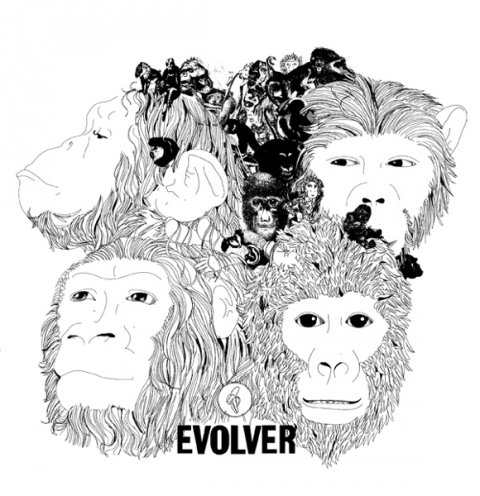
On Sun­day night, The Bea­t­les made his­to­ry again when Don Drap­er slipped a copy of Revolver onto his turntable and start­ed lis­ten­ing to “Tomor­row Nev­er Knows.” Accord­ing to Matthew Wein­er, the cre­ator of Mad Men, this marked the first time a Bea­t­les song appeared on a tele­vi­sion show (exclud­ing the band’s live TV per­for­mances dur­ing the 1960s). And the priv­i­lege of play­ing a Bea­t­les tune came at a cost — a report­ed $250,000.

If you’re not famil­iar with “Tomor­row Nev­er Knows” (lis­ten below), we’ll tell you a few sim­ple things about it. Accord­ing to Steve Turn­er, author of A Hard Day’s Write, this was John Lennon’s “attempt to cre­ate in words and sounds a suit­able track for the LSD expe­ri­ence” (John dis­cuss­es his first encounter with the drug here), and it was also the “weird­est and most exper­i­men­tal piece of music to appear under the Bea­t­les’ name at the time.” With­out a doubt, this psy­che­del­ic tune would have fit hand-in-glove with Mad Men’s fifth episode of the sea­son, when Roger and Jane drop acid at a psy­chi­a­trist’s din­ner par­ty. But it sits com­fort­ably too in Episode 8. Just as the song marked a tun­ing point in the band’s sound, so too does it presage a turn­ing point in Mad Men’s nar­ra­tive. We begin to see indi­vid­ual char­ac­ters mov­ing in new per­son­al direc­tions and the show itself enter­ing the lat­er rad­i­cal 60s.

Above, we’ve includ­ed a clip where Paul McCart­ney, George Har­ri­son and George Mar­tin talk about the mak­ing of “Tomor­row Nev­er Knows.” Wikipedia actu­al­ly offers some more good details on the song’s struc­ture and record­ing. Below you’ll also find the orig­i­nal track.

by | Permalink | Make a Comment ( 9 ) |

« Go BackMore in this category... »
Quantcast