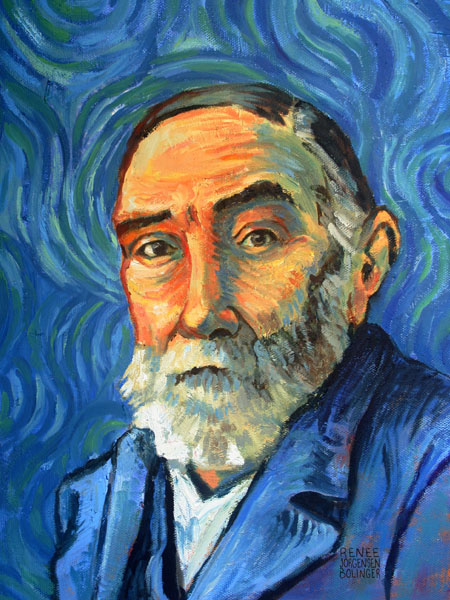
Is Modern Society Stealing What Makes Us Human?: A Glimpse Into Nietzsche’s Thus Spoke Zarathustra by The Partially Examined Life

Image by Genevieve Arnold

The pro­logue of Friedrich Niet­zsche’s Thus Spoke Zarathus­tra (1883) intro­duced his notion of the “last man,” who is no longer cre­ative, no longer explor­ing, no longer risk tak­ing. He took this to be the implic­it aim of efforts to “dis­cov­er hap­pi­ness” by fig­ur­ing out human nature and engi­neer­ing soci­ety to ful­fill human needs. If needs are met, no suf­fer­ing occurs, no effort is need­ed to counter the suf­fer­ing, and we all stag­nate. Is our tech­nol­o­gy-enhanced con­sumer cul­ture well on its way to deliv­er­ing us up to such a fate?

In the clip below, Mark Lin­sen­may­er from the Par­tial­ly Exam­ined Life phi­los­o­phy pod­cast con­sid­ers this pos­si­bil­i­ty, explores Niet­zsche’s pic­ture of ethics, and con­cludes that the poten­tial mis­take by poten­tial social engi­neers lies in under­es­ti­mat­ing the com­plex­i­ty of human needs. As Niet­zsche argued, we’re all idio­syn­crat­ic, and our needs are not just for peace, warmth, food, exer­cise and enter­tain­ment, but (once these are sat­is­fied, per Maslow’s hier­ar­chy of needs) self-actu­al­iza­tion, which is an indi­vid­ual pur­suit, and so is impos­si­ble to mass engi­neer. Hav­ing our more basic needs ful­filled with­out life-fill­ing effort (i.e. full time jobs) would not leave us com­pla­cent but actu­al­ly free to enter­tain these “high­er needs,” and so to pur­sue the cre­ative pur­suits that Niet­zsche thought were the pin­na­cle of human achieve­ment.

Niet­zsche’s tar­get is util­i­tar­i­an­ism, which urges indi­vid­u­als and pol­i­cy-mak­ers to max­i­mize hap­pi­ness, and the more this is pur­sued sci­en­tif­i­cal­ly, the more that “hap­pi­ness” needs to be reduced to some­thing poten­tial­ly mea­sur­able, like plea­sure, but clear­ly plea­sure does not add up to a mean­ing­ful life. While we may not be able to quan­ti­fy mean­ing­ful­ness and aim pub­lic pol­i­cy in that direc­tion, it should be eas­i­er to iden­ti­fy clear obsta­cles to pur­su­ing mean­ing­ful activ­i­ty, such as ill­ness, pover­ty, drudgery and servi­tude. We should be glad that choos­ing the most eth­i­cal path is not a mat­ter of mere cal­cu­la­tion, because on Niet­zsche’s view, we thrive as “cre­ators of val­ues,” and fig­ur­ing out for our­selves what makes each us tru­ly hap­py (what we find valu­able) is itself a mean­ing­ful activ­i­ty.

The Par­tial­ly Exam­ined Life episodes 213 and 214 (forth­com­ing) pro­vide a 4‑man walk­through of Thus Spoke Zarathus­tra, explor­ing the Last Man, the Over­man, Will to Pow­er, the dec­la­ra­tion that “God Is Dead,” and oth­er noto­ri­ous ideas.

Episode 213 Part One:

Episode 213 Part Two: 

Mark Lin­sen­may­er is the host of The Par­tial­ly Exam­ined Life and Naked­ly Exam­ined Music pod­casts. 

Steven Pinker & Rebecca Goldstein Debate the Value of Reason in an Animated Socratic Dialogue

Aca­d­e­m­ic pow­er cou­ple Steven Pinker and Rebec­ca New­berg­er Gold­stein prob­a­bly need no intro­duc­tion to Open Cul­ture read­ers, but if so, their lengthy and impres­sive CVs are only a search and click away. The Har­vard cog­ni­tive psy­chol­o­gist and nov­el­ist and philoso­pher, respec­tive­ly, are sec­u­lar human­ist heroes of a sort—public intel­lec­tu­als who have ded­i­cat­ed their lives to defend­ing sci­ence and clas­si­cal log­ic and rea­son­ing. So, what do two such peo­ple talk about when they go out to din­ner?

The TED-Ed video above depicts a date night sce­nario, with dia­logue record­ed live at TED in 2012 and edit­ed into an “ani­mat­ed Socrat­ic dia­logue.” The first scene begins with a defen­sive Gold­stein hold­ing forth on the decline of rea­son in polit­i­cal dis­course and pop­u­lar cul­ture. “Peo­ple who think too well are often accused of elit­ism,” says Gold­stein, while she and Pinker’s ani­mat­ed avatars stroll under a Star Trek bill­board fea­tur­ing Spock giv­ing the Vul­can salute, just one of many clever details insert­ed by ani­ma­tion stu­dio Cog­ni­tive.

Pinker nar­rows the debate to a dilemma—a Spock­ean dilem­ma, if you will—between the head and heart. “Per­haps rea­son is over­rat­ed,” he ven­tures (artic­u­lat­ing a posi­tion he may not actu­al­ly hold): “Many pun­dits have argued that a good heart and stead­fast moral clar­i­ty are supe­ri­or to the tri­an­gu­la­tions of over-edu­cat­ed pol­i­cy wonks.” The cow­boy with a six-shoot­er and a heart of gold depict­ed in the ani­ma­tion bests the stereo­typ­i­cal eggheads in every Hol­ly­wood pro­duc­tion.

The “best and bright­est” of the eggheads, after all, says Pinker, “dragged us into the quag­mire in Viet­nam.” Oth­er quag­mires advo­cat­ed by oth­er pol­i­cy wonks might come to mind (as might the unrea­son­ing cow­boys who made the big deci­sions.) Rea­son, says Pinker, gave us envi­ron­men­tal despo­li­a­tion and weapons of mass destruc­tion. He sets up a dichoto­my between “char­ac­ter & con­science” on the one side and “cold-heart­ed cal­cu­la­tion” on the oth­er. “My fel­low psy­chol­o­gists have shown that we are led by our bod­ies and our emo­tions and use our puny pow­ers of rea­son mere­ly to ratio­nal­ize our gut feel­ings after the fact.”

Gold­stein coun­ters, “how could a rea­soned argu­ment entail the inef­fec­tive­ness of rea­soned argu­ments?” (Visu­al learn­ers may remem­ber the image of a per­son blithe­ly saw­ing off the branch on which they sit.) “By the very act of try­ing to rea­son us into your posi­tion, you’re con­ced­ing reason’s poten­cy.” One might object that stat­ing a sci­en­tif­ic theory—such as the the­o­ry that sen­sa­tion and emo­tion come before reasoning—is not the same as mak­ing an Aris­totelian argu­ment.

But this is a 15-minute debate, not a philo­soph­i­cal trea­tise. There will, by nature of the forum and the edit­ing process, be eli­sions and some slip­pery uses of ter­mi­nol­o­gy. Still, when Gold­stein dis­miss­es the cri­tique of “logo­cen­trism” as an alle­ga­tion of “the crime of let­ting log­ic dom­i­nate our think­ing,” some philoso­phers may grind their teeth. The prob­lem of logo­cen­trism is not “too much log­ic” but the under­ly­ing influ­ence of Pla­ton­ic ide­al­ism and the so-called “meta­physics of pres­ence” on West­ern think­ing.

With­out the cri­tique of logo­cen­trism, argues philoso­pher Peter Grat­ton, “there is no 20th-cen­tu­ry con­ti­nen­tal phi­los­o­phy.” Hand­wav­ing away an entire body of thought seems rather hasty. Out­side of spe­cif­ic con­texts, ide­al­ized abstrac­tions like “rea­son” and “progress” may mean lit­tle to noth­ing at all in the messy real­i­ty of human affairs. This is the prob­lem Pinker alludes to in ask­ing whether rea­son can have moral ends if it is main­ly a tool we use to sat­is­fy short-term bio­log­i­cal and emo­tion­al needs and desires.

By the time the check arrives, Pinker has been per­suad­ed by Goldstein’s argu­ment that in the course of time, maybe a long time, rea­son is the key dri­ver of moral progress, pro­vid­ed that cer­tain con­di­tions are met: that rea­son­ers care about their well-being and that they belong to a com­mu­ni­ty of oth­er rea­son­ers who hold each oth­er account­able and pro­duce bet­ter out­comes than indi­vid­u­als can alone. Drop your assump­tions, watch their stim­u­lat­ing ani­mat­ed din­ner and see if, by the final course, you are per­suad­ed too.

Relat­ed Con­tent:

Steven Pinker: “Dear Human­ists, Sci­ence is Not Your Ene­my”

What is the Good Life? Pla­to, Aris­to­tle, Niet­zsche, & Kant’s Ideas in 4 Ani­mat­ed Videos

How Can I Know Right From Wrong? Watch Phi­los­o­phy Ani­ma­tions on Ethics Nar­rat­ed by Har­ry Shear­er

Josh Jones is a writer and musi­cian based in Durham, NC. Fol­low him at @jdmagness

A Short Animated Film Explores the Fluidity of Gender in the Thought of Simone de Beauvoir and Judith Butler

In hind­sight, it seems like a very dif­fer­ent world when I first read Judith Butler’s Gen­der Trou­ble in col­lege in the 90s. (Mash togeth­er all your stereo­types about col­lege cam­pus­es in the 90s and you’ve pret­ty much got the pic­ture.) For one thing, colum­nists in major nation­al news­pa­pers and mag­a­zines weren’t writ­ing con­tro­ver­sial, or sim­ply explana­to­ry, arti­cles about gen­der flu­id­i­ty. The con­cept did not exist in the main­stream press. It seemed both hip and rar­i­fied, con­fined to the­o­ry dis­cus­sion groups, aca­d­e­m­ic sem­i­nars, and punk zines.

As rad­i­cal as Butler’s ideas about gen­der seemed, she acknowl­edged that she did not orig­i­nate the cri­tique. She found it first artic­u­lat­ed in Simone de Beauvoir’s The Sec­ond Sex, in which the French exis­ten­tial­ist fem­i­nist wrote, “one is not born a woman, but rather becomes one.”

In the short film above, Devenir (To Become), by French film­mak­er Géral­dine Char­p­en­tier-Basille, But­ler describes her reac­tion to read­ing the pas­sage. “I wrote some­thing about this prob­lem of becom­ing. And I want­ed to know: does one ever become one? Or is that to be a woman is a mode of becom­ing… that has no goal…. You could say the same of gen­der more gen­er­al­ly.”

As the images illus­trat­ing this extract from a 2006 inter­view with But­ler show, the goal­posts of fem­i­nine and mas­cu­line iden­ti­ties move all the time, from year to year, from cul­ture to cul­ture. Gen­der is a pas­tiche of rep­re­sen­ta­tions we inhab­it. It is pro­duced, per­for­ma­tive, But­ler thought, but we can nev­er get it “right” because there is no true ref­er­ent. The idea descends from the exis­ten­tial­ist insights of de Beau­voir, who wrote about and dra­ma­tized sim­i­lar prob­lems of the per­son­al and social self.

De Beau­voir extend­ed Sartre’s claim that “exis­tence pre­cedes essence” in her pio­neer­ing fem­i­nist work—we come into the world, then acquire iden­ti­ties through accul­tur­a­tion, social con­di­tion­ing, and coer­cion. But­ler extend­ed the argu­ment fur­ther. “For her, writes Aeon’s Will Frak­er, “gen­der wasn’t pre­de­ter­mined by nature or biol­o­gy, nor was it sim­ply ‘made up’ by cul­ture. Rather, But­ler insist­ed that gen­der resides in repeat­ed words and actions, words and actions that both shape and are shaped by the bod­ies of real, flesh-and-blood human beings. And cru­cial­ly, such rep­e­ti­tions are rarely per­formed freely.”

From our ear­li­est years, we are trained how to behave as a gen­der, just as we are taught to per­form oth­er identities—trained by the expec­ta­tions of par­ents, teach­ers, reli­gious lead­ers, adver­tis­ers, and the bul­ly­ing and social pres­sure of our peers. Hear But­ler explain fur­ther how gen­der, in her the­o­ry, func­tions as “a phe­nom­e­non that is pro­duced and is being repro­duced all the time…. Nobody real­ly is a gen­der from the start. I know it’s con­tro­ver­sial,” she says. “But that’s my claim.” It is one that pos­es com­pli­cat­ed ques­tions more broad­ly, notes Aeon, about “the pur­suit of the ‘authen­tic’ self” as a mean­ing­ful idea—questions West­ern philoso­phers have been ask­ing for well over half a cen­tu­ry.

via Aeon

Relat­ed Con­tent:

The­o­rist Judith But­ler Explains How Behav­ior Cre­ates Gen­der: A Short Intro­duc­tion to “Gen­der Per­for­ma­tiv­i­ty”

Judy!: 1993 Judith But­ler Fanzine Gives Us An Irrev­er­ent Punk-Rock Take on the Post-Struc­tural­ist Gen­der The­o­rist

Simone de Beau­voir Explains “Why I’m a Fem­i­nist” in a Rare TV Inter­view (1975)

Josh Jones is a writer and musi­cian based in Durham, NC. Fol­low him at @jdmagness

What Is a Zen Koan? An Animated Introduction to Eastern Philosophical Thought Experiments

If you know any­thing at all about Zen, you know the famous ques­tion about the sound of one hand clap­ping. While the brain teas­er did indeed orig­i­nate with a Zen mas­ter, it does not ful­ly rep­re­sent the nature of the koan. Between the 9th and 13th cen­turies, when Chan Bud­dhism, as Zen was known in Chi­na, flour­ished, koans became wide­ly-used, explains the TED-Ed ani­mat­ed video above, as objects of med­i­ta­tion. “A col­lec­tion of rough­ly one thou­sand, sev­en hun­dred bewil­der­ing philo­soph­i­cal thought exper­i­ments,” koans were osten­si­bly tools to prac­tice liv­ing with the unex­plain­able mys­ter­ies of exis­tence.

The name, notes the les­son, “orig­i­nal­ly gong-an in Chi­nese, trans­lates to ‘pub­lic record or case.’ But unlike real-world court cas­es, koans were inten­tion­al­ly incom­pre­hen­si­ble.” Koans are “Sur­pris­ing, sur­re­al, and fre­quent­ly con­tra­dict­ed them­selves.” The lessons in ambi­gu­i­ty and para­dox have their ana­logue, per­haps, in cer­tain trains of thought in Medieval Catholic phi­los­o­phy or the ide­al­ism of thinkers like George Berke­ley, who might have first come up with the one about the tree falling in the for­est.

But is the pur­pose of the koan sim­ply to break the brain’s reliance on rea­son? It was cer­tain­ly used this way. Zen Mas­ter Eihei Dogen, founder of Japan­ese Soto Zen trav­eled to Chi­na to study under the Chan Mas­ters, and lat­er crit­i­cized this kind of koan prac­tice and oth­er aspects of Chan, though he also col­lect­ed 300 koans him­self and they became inte­gral to Soto tra­di­tion. Koans are not just absur­dist zingers, they are, as the name says, cases—little sto­ries, often about two monks in some kind of teacher and stu­dent rela­tion­ship. Many of the stu­dents and teach­ers in these sto­ries were patri­archs of Chan.

Like the say­ings and doings of oth­er reli­gious patri­archs in oth­er world reli­gions, these “cas­es” have been col­lect­ed with copi­ous com­men­tary in books like The Blue Cliff Record and The Book of Seren­i­ty. They show in snap­shots the trans­mis­sion of the teach­ing direct­ly from teacher to stu­dent, rather than through sacred texts or rit­u­als (hun­dreds of koans, rules, and rit­u­als notwith­stand­ing). That they are puz­zling and ambigu­ous does not mean they are incom­pre­hen­si­ble. Many seem more or less like fables, such as the oft-told sto­ry of the monk who car­ries a beau­ti­ful woman across a mud patch, then chas­tis­es his younger com­pan­ion for bring­ing it up miles down the road.

Oth­er koans are like Greek philo­soph­i­cal dia­logues in minia­ture, such as the sto­ry in which two monks argue about the nature of a flag wav­ing in the wind. A third steps in, Socrates-like, with a seem­ing­ly “right” answer that tran­scends both of their posi­tions. The longevi­ty of these vignettes lies in their subtlety—surface mean­ings only hint at what the sto­ries are up to. Koans force those who take up their study to strug­gle with uncer­tain­ty and irres­o­lu­tion. They also fre­quent­ly under­mine the most com­mon expec­ta­tion that the teacher knows best.

Often posed as a kind of oblique ver­bal com­bat between teacher and stu­dent, koans include extreme­ly harsh, even vio­lent teach­ers, or teach­ers who seem to admit defeat, tac­it­ly or oth­er­wise, when a stu­dent gets the upper hand, or when both con­front the speech­less awe of not know­ing. Atti­tudes of respect, rev­er­ence, humil­i­ty, can­dor, and good humor pre­vail. Per­haps under all koan prac­tice lies the idea of skill­ful means—the appro­pri­ate action to take in the moment, which can only be known in the moment.

In his short, humor­ous dis­cus­sion of Zen koans above, Alan Watts tells the sto­ry of a Zen stu­dent who tricks his mas­ter and hits him with his own stick. The mas­ter responds with approval of the student’s tac­tics, but the koan does not sug­gest that every­one should do the same. That, as Dogen would argue, would be to have an idea about real­i­ty, rather than a whol­ly-engaged response to it. What­ev­er else koans show their stu­dents, they point again and again to this cen­tral human dilem­ma of think­ing about living—in the past, present, or future—versus actu­al­ly expe­ri­enc­ing our lives.

Relat­ed Con­tent:

Alan Watts Presents a 15-Minute Guid­ed Med­i­ta­tion: A Time-Test­ed Way to Stop Think­ing About Think­ing

Take Harvard’s Intro­duc­to­ry Course on Bud­dhism, One of Five World Reli­gions Class­es Offered Free Online

The World’s Largest Col­lec­tion of Tibetan Bud­dhist Lit­er­a­ture Now Online

Josh Jones is a writer and musi­cian based in Durham, NC. Fol­low him

150 Renowned Secular Academics & 20 Christian Thinkers Talking About the Existence of God

Of the many books released over the past cou­ple decades about the exis­tence or nonex­is­tence of God (and there were a lot) one of the best comes from philoso­pher and nov­el­ist Rebec­ca Gold­stein. Her 2010 36 Argu­ments for the Exis­tence of God is not, how­ev­er, a work of pop­u­lar the­ol­o­gy or anti-the­ol­o­gy; it is fic­tion, a satire of acad­e­mia, the pub­lish­ing world, the Judaism she left behind, and the bub­ble of hype that once inflat­ed around so-called “new athe­ism.”

In a book with­in the book, Goldstein’s hero, Cass Seltzer strikes it big with his own pop­u­lar knock­down of reli­gion, The Vari­eties of Reli­gious Illu­sion, which ends with 36 refu­ta­tions of argu­ments for God in the appen­dix, which itself pro­vides the appen­dix for Goldstein’s book. If this sounds com­pli­cat­ed, there’s no rea­son it shouldn’t be. Con­ver­sa­tions about God, for hun­dreds of years the biggest top­ic in West­ern phi­los­o­phy, should not be reduced to syl­lo­gisms and stereo­types.

Yet over­sim­pli­fy­ing the big ques­tions is what many pop athe­ist books do, Gold­stein sug­gests. Seltzer’s book arrives when there is “a glut of god­less­ness” in book­stores. Such books “were sell­ing well,” writes Gold­stein, “some­times edg­ing out cook­books and mem­oirs writ­ten by house­hold pets to rise to the top of the best-sell­er list.” The two deep thinkers and reli­gious crit­ics Seltzer self-con­scious­ly draws on in his title make his project seem all the more iron­i­cal­ly triv­ial:

First had come the book, which he had enti­tled The Vari­eties of Reli­gious Illu­sion, a nod to both William James’s The Vari­eties of Reli­gious Expe­ri­ence and to Sig­mund Freud’s The Future of An Illu­sion. The book had brought Cass an inde­cent amount of atten­tion. Time Mag­a­zine, in a cov­er sto­ry on the so-called new athe­ists, had end­ed by dub­bing him “the athe­ist with a soul.” 

By embed­ding argu­ments for the exis­tence of God in each of the books 36 chap­ters, Gold­stein implies “the joke—or sort of joke,” as Janet Maslin writes at The New York Times, “is that Cass’s conun­drum-filled life illus­trates and affirms thoughts of the divine even as his appen­dix repu­di­ates them.” Dwelling per­sis­tent­ly on an idea grants it the very valid­i­ty one argues it should not have, per­haps.

This does seem to be an effect of cer­tain hard-nosed athe­ist writ­ing, as Niet­zsche rec­og­nized very well. “I am afraid we are not rid of God,” he once lament­ed, “because we still have faith in gram­mar.” Reli­gious ideas are embed­ded in the struc­ture of the lan­guage; lan­guage itself seems to have meta­phys­i­cal prop­er­ties. It is like ecto­plasm, slip­pery, opaque, made of metaphors both liv­ing and dead. It both enables and thwarts all attempts at cer­tain­ty.

Goldstein’s cre­ative approach to the God debate stands out for its ambiva­lence and humor. (See her dis­cuss faith, fic­tion, and rea­son with her part­ner, Har­vard psy­chol­o­gist Steven Pinker, in the video at the top of the post.) In the com­pi­la­tions here, Gold­stein and 149 more renowned aca­d­e­mics offer their agnos­tic or athe­ist thoughts on God. Some are less nuanced, some lean more heav­i­ly on sta­tis­tics, physics, and math; many come from the the­o­ret­i­cal sci­ences and from ana­lyt­ic and moral phi­los­o­phy. Some are sym­pa­thet­ic to reli­gion, some are con­temp­tu­ous. A wide breadth of intel­lec­tu­al per­spec­tives is rep­re­sent­ed here.

Yet oth­er than Gold­stein and a hand­ful of oth­er promi­nent women, the selec­tions skew almost entire­ly male (rather like the char­ac­ters in most reli­gious scrip­tures), and skew almost entire­ly white Euro­pean and North Amer­i­can. We can do what we like with this infor­ma­tion. It should not prej­u­dice us against the finest thinkers in the com­pi­la­tion, which includes sev­er­al Nobel Prize win­ning sci­en­tists, famous philoso­phers, Richard Feyn­man, Oliv­er Sacks, and Noam Chom­sky, as well as a few fig­ures who have recent­ly become infa­mous for alleged sex­u­al harass­ment, racism, and far worse.

But we might wish the less engag­ing con­trib­u­tors to this dis­cus­sion had giv­en way to a greater diver­si­ty of per­spec­tives, not only from oth­er cul­tures, but from the arts and human­i­ties. On the oth­er side of the coin, we have a small­er list of 20 Chris­t­ian aca­d­e­mics address­ing the ques­tion of God, below. These include respect­ed sci­en­tists like Fran­cis Collins and John Polk­ing­horne and many well-regard­ed (and some not so) Chris­t­ian philoso­phers. The line­up is entire­ly male, and also includes an apol­o­gist accused of fak­ing his aca­d­e­m­ic cre­den­tials and an apol­o­gist turned right-wing pro­pa­gan­dist who was con­vict­ed and jailed for fraud. At the very least, these details might call into ques­tion their intel­lec­tu­al hon­esty.

Here again, maybe some of these selec­tions should have been bet­ter vet­ted in favor of the many women in phi­los­o­phy, the­ol­o­gy, sci­ence, etc. But there are voic­es worth hear­ing here, from pro­fess­ing intel­lec­tu­als who can keep the ques­tions open even while in a state of belief, a skill even rar­er in the world than in this col­lec­tion of Chris­t­ian sci­en­tists, schol­ars, and apol­o­gists.

Relat­ed Con­tent:

Athe­ism: A Rough His­to­ry of Dis­be­lief, with Jonathan Miller

Does God Exist? Christo­pher Hitchens Debates Chris­t­ian Philoso­pher William Lane Craig

In His Lat­est Film, Slavoj Žižek Claims “The Only Way to Be an Athe­ist is Through Chris­tian­i­ty”

Athe­ist Ira Glass Believes Chris­tians Get the Short End of the Media Stick

Josh Jones is a writer and musi­cian based in Durham, NC. Fol­low him at @jdmagness


Should Literature Be Political? A Glimpse into Sartre by The Partially Examined Life

Image by Solomon Gundry

Jean-Paul Sartre pro­duced plays and nov­els like The Respect­ful Pros­ti­tute (1946), which explored racism in the Amer­i­can South. These works were crit­i­cized as too polem­i­cal to count as good lit­er­a­ture. What might in the present day cul­mi­nate only in a Twit­ter fight led Sartre to pub­lish a whole book defend­ing his prac­tices, called What Is Lit­er­a­ture? (1946).

In the clip below, Mark Lin­sen­may­er from the Par­tial­ly Exam­ined Life Phi­los­o­phy Pod­cast explains Sartre’s view, out­lin­ing both how strange it is and why you might want to take it seri­ous­ly any­way. In short, Sartre sees the act of writ­ing fic­tion as an eth­i­cal appeal to his read­er’s free­dom. The read­er is chal­lenged to hear the truths the work express­es, to under­stand and take action on them. More direct­ly, the read­er is chal­lenged to read the work, which involves a demand on the read­er’s atten­tion and imag­i­na­tion to “flesh out” the sit­u­a­tions the book describes. The read­er takes an active role in com­plet­ing the work, and this role can be aban­doned freely at any time. If a writer cre­ates an escapist fan­ta­sy, the read­er is invit­ed to escape. If the writer pro­duces a piece of lying pro­pa­gan­da, then the read­er is being invit­ed to col­lab­o­rate in that fun­da­men­tal­ly cor­rupt work.

So if writ­ing is always an eth­i­cal, polit­i­cal act, then Sartre should­n’t be blamed for pro­duc­ing overt­ly polit­i­cal work. In fact, writ­ers who deny that their work is polit­i­cal are dodg­ing their own respon­si­bil­i­ty for play­ing hap­haz­ard­ly with this poten­tial­ly dan­ger­ous tool. Their work will pro­duce polit­i­cal effects whether they like it or not.

The Par­tial­ly Exam­ined Life episode 212 (Sartre on Lit­er­a­ture) is a two-part treat­ment of the first two chap­ters of this text, weigh­ing Sartre’s words to try to under­stand them and deter­mine whether they ulti­mate­ly make sense. Lis­ten to the full episode below or go sub­scribe to The Par­tial­ly Exam­ined Life Phi­los­o­phy Pod­cast at partiallyexaminedlife.com.

Part 1:

Part 2:

Mark Lin­sen­may­er is the host of The Par­tial­ly Exam­ined Life and Naked­ly Exam­ined Music pod­casts. 

Relat­ed Con­tent:

An Ani­mat­ed Intro­duc­tion to the Exis­ten­tial­ist Phi­los­o­phy of Jean-Paul Sartre… and How It Can Open Our Eyes to Life’s Pos­si­bil­i­ties

A Crash Course in Exis­ten­tial­ism: A Short Intro­duc­tion to Jean-Paul Sartre & Find­ing Mean­ing in a Mean­ing­less World

Jean-Paul Sartre’s Con­cepts of Free­dom & “Exis­ten­tial Choice” Explained in an Ani­mat­ed Video Nar­rat­ed by Stephen Fry

Jean-Paul Sartre on How Amer­i­can Jazz Lets You Expe­ri­ence Exis­ten­tial­ist Free­dom & Tran­scen­dence

Jean-Paul Sartre Breaks Down the Bad Faith of Intel­lec­tu­als

What Does “Machiavellian” Really Mean?: An Animated Lesson

The word Machi­avel­lian has come to invari­ably refer to an “unscrupu­lous schemer for whom the ends jus­ti­fy the means,” notes the ani­mat­ed TED-Ed video above, a descrip­tion of char­ac­ters “we love to hate” in fic­tion past and present. The adjec­tive has even become enshrined in psy­cho­log­i­cal lit­er­a­ture as one third of the “dark tri­ad” that also fea­tures nar­cis­sism and psy­chopa­thy, per­son­al­i­ties often mis­tak­en for the Machi­avel­lian type.

The ter­m’s “last­ing noto­ri­ety comes from a brief polit­i­cal essay known as The Prince,” writ­ten by Renais­sance Ital­ian writer and diplo­mat Nic­colò Machi­avel­li and “framed as advice to cur­rent and future mon­archs.” The Prince and its author have acquired such a fear­some rep­u­ta­tion that they seem to stand alone, like the work of the Mar­quis de Sade and Leopold von Sach­er-Masoch, who like­wise lent their names to the psy­chol­o­gy of pow­er. But Machi­avel­li’s book is part of “an entire tra­di­tion of works known as ‘mir­rors for princes’ going back to antiq­ui­ty.”

Machi­avel­li inno­vat­ed on the tra­di­tion by cast­ing fuzzy abstrac­tions like jus­tice and vir­tu­ous­ness aside to focus sole­ly on virtù, the clas­si­cal Ital­ian word derived from the Latin vir­tus (man­hood), which had lit­tle to do with ethics and every­thing to do with strength, brav­ery, and oth­er war­like traits. Though thinkers in the tra­di­tion of Aris­to­tle argued for cen­turies that civic and moral virtue may be syn­ony­mous, for Machi­avel­li they most cer­tain­ly were not, it seems. “Through­out [The Prince] Machi­avel­li appears entire­ly uncon­cerned with moral­i­ty except inso­far as it’s help­ful or harm­ful to main­tain­ing pow­er.”

The work became infa­mous after its author’s death. Catholics and Protes­tants both blamed Machi­avel­li for the oth­ers’ excess­es dur­ing the bloody Euro­pean reli­gious wars. Shake­speare coined Machi­av­el “to denote an amoral oppor­tunist.” The line to con­tem­po­rary usage is more or less direct. But is The Prince real­ly “a man­u­al for tyran­ny”? The book, after all, rec­om­mends com­mit­ting atroc­i­ties of all kinds, oppress­ing minori­ties, and gen­er­al­ly ter­ri­fy­ing the pop­u­lace as a means of quelling dis­sent. Keep­ing up the appear­ance of benev­o­lence might smooth things over, Machi­avel­li advis­es, unless it doesn’t. Then the ruler must do what­ev­er it takes. The guid­ing prin­ci­ple here is that “it is much safer to be feared than loved.”

Was Machi­avel­li an “unsen­ti­men­tal real­ist”? A Renais­sance Kissinger, so to speak, who saw the greater good in polit­i­cal hege­mo­ny no mat­ter what the cost? Or was he a neo-clas­si­cal philoso­pher hear­ken­ing back to antiq­ui­ty? He “nev­er seems to have con­sid­ered him­self a philoso­pher,” writes the Stan­ford Ency­clo­pe­dia of Phi­los­o­phy—“indeed, he often overt­ly reject­ed philo­soph­i­cal inquiry as beside the point.” Or at least he seemed to have reject­ed the Chris­t­ian-influ­enced human­ism of his day. Nonethe­less, “Machi­avel­li deserves a place at the table in any com­pre­hen­sive sur­vey of phi­los­o­phy,” not least because “philoso­phers of the first rank did (and do) feel com­pelled to engage with his ideas.”

Of the many who engaged with Machi­avel­li, Isa­iah Berlin saw him as reclaim­ing ancient Greek val­ues of the state over the indi­vid­ual. But there’s more to the sto­ry, and it includes Machiavelli’s polit­i­cal biog­ra­phy as a defend­er of repub­li­can gov­ern­ment and a polit­i­cal pris­on­er of those who over­threw it. On one read­ing, The Prince becomes a “scathing descrip­tion” of how pow­er actu­al­ly oper­ates behind its var­i­ous masks; a guide not for princes but for ordi­nary cit­i­zens to grasp the ruler’s actions for what they are tru­ly designed to do: main­tain pow­er, pure­ly for its own sake, by any means nec­es­sary.

Relat­ed Con­tent:

Salman Rushdie: Machiavelli’s Bad Rap

How Machi­avel­li Real­ly Thought We Should Use Pow­er: Two Ani­mat­ed Videos Pro­vide an Intro­duc­tion

What “Orwellian” Real­ly Means: An Ani­mat­ed Les­son About the Use & Abuse of the Term

Josh Jones is a writer and musi­cian based in Durham, NC. Fol­low him at @jdmagness

800+ Treasured Medieval Manuscripts to Be Digitized by Cambridge & Heidelberg Universities

West­ern civ­i­liza­tion may fast be going dig­i­tal, but it still retains its roots in Ancient Greece. And so it makes a cer­tain cir­cle-clos­ing sense to dig­i­tize the lega­cy left us by our Ancient Greek fore­bears and the medieval schol­ars who pre­served it. Cam­bridge and Hei­del­berg, two of Europe’s old­est uni­ver­si­ties, this month announced their joint inten­tion to embark upon just such a project. It will take two years and cost £1.6 mil­lion, reports the BBC, but it will dig­i­tize “more than 800 vol­umes fea­tur­ing the works of Pla­to and Aris­to­tle, among oth­ers.” As the announce­ment of the project puts it, the texts will then “join the works of Charles Dar­win, Isaac New­ton, Stephen Hawk­ing and Alfred Lord Ten­nyson on the Cam­bridge Dig­i­tal Library.”

These medieval and ear­ly mod­ern Greek man­u­scripts, which date more specif­i­cal­ly “from the ear­ly Chris­t­ian peri­od to the ear­ly mod­ern era (about 1500 — 1700 AD),” present their dig­i­tiz­ers with cer­tain chal­lenges, not least the “frag­ile state” of their medieval bind­ing.

But as Hei­del­berg Uni­ver­si­ty Library direc­tor Dr. Veit Prob­st says in the announce­ment, “Numer­ous dis­cov­er­ies await. We still lack detailed knowl­edge about the pro­duc­tion and prove­nance of these books, about the iden­ti­ties and activ­i­ties of their scribes, their artists and their own­ers – and have yet to uncov­er how they were stud­ied and used, both dur­ing the medieval peri­od and in the cen­turies beyond.” And from threads includ­ing “the anno­ta­tions and mar­gin­a­lia in the orig­i­nal man­u­scripts” a “rich tapes­try of Greek schol­ar­ship will be woven.”

This mas­sive under­tak­ing involves not just Cam­bridge and Hei­del­berg but the Vat­i­can as well. Togeth­er Hei­del­berg Uni­ver­si­ty and the Vat­i­can pos­sess the entire­ty of the Bib­lio­the­ca Palati­na, split between the libraries of the two insti­tu­tions, and the dig­i­ti­za­tion of the “moth­er of all medieval libraries” pre­vi­ous­ly fea­tured here on Open Cul­ture, is a part of the project. This col­lect­ed wealth of texts includes not just the work of Pla­to, Aris­to­tle, and Homer as they were “copied and recopied through­out the medieval peri­od,” in the words of Cam­bridge Uni­ver­si­ty Library Keep­er of Rare Books and Ear­ly Man­u­scripts Dr. Suzanne Paul, but a great many oth­er “mul­ti­lin­gual, mul­ti­cul­tur­al, mul­ti­far­i­ous works, that cross bor­ders, dis­ci­plines and the cen­turies” as well. And with luck, their dig­i­tal copies will stick around for cen­turies of West­ern civ­i­liza­tion to come.

Relat­ed Con­tent:

800 Illu­mi­nat­ed Medieval Man­u­scripts Are Now Online: Browse & Down­load Them Cour­tesy of the British Library and Bib­lio­thèque Nationale de France

Behold 3,000 Dig­i­tized Man­u­scripts from the Bib­lio­the­ca Palati­na: The Moth­er of All Medieval Libraries Is Get­ting Recon­struct­ed Online

Explore 5,300 Rare Man­u­scripts Dig­i­tized by the Vat­i­can: From The Ili­ad & Aeneid, to Japan­ese & Aztec Illus­tra­tions

How the Mys­ter­ies of the Vat­i­can Secret Archives Are Being Revealed by Arti­fi­cial Intel­li­gence

Based in Seoul, Col­in Mar­shall writes and broad­casts on cities, lan­guage, and cul­ture. His projects include the book The State­less City: a Walk through 21st-Cen­tu­ry Los Ange­les and the video series The City in Cin­e­ma. Fol­low him on Twit­ter at @colinmarshall or on Face­book.

« Go BackMore in this category... »
Quantcast