A Beautiful Short Documentary Takes You Inside New York City’s Last Great Chess Store

Chess Forum in Green­wich Vil­lage is, like Gramer­cy Type­writer and the Upper East Side’s Ten­der But­tons, the sort of shop New York­ers feel pro­tec­tive of, even if they’ve nev­er actu­al­ly crossed the thresh­old.

“How can it still exist?” is a ques­tion left unan­swered by “King of the Night,” Lone­ly Leap’s love­ly short pro­file of Chess Forum’s own­er, Imad Khachan, above, but no mat­ter. We’re just glad it does.

The store, locat­ed a block and a half south of Wash­ing­ton Square, looks old­er than it is. Khachan, hung out his shin­gle in 1995, after five years as an employ­ee of the now-defunct Vil­lage Chess Shop, a rift that riled the New York chess com­mu­ni­ty.

Now, things are much more placid, though the film incor­rect­ly sug­gests that Chess Forum is the only refuge where chess lov­ing New York­ers can avail them­selves of an impromp­tu game, take lessons, and buy sets. (There are also shops in Brook­lyn, Harlem, and the Upper East Side.) That said, Chess Forum might not be wrong to call itself “New York’s last great chess store.” It may well be the best of the last.

The nar­row shop’s inte­ri­or trig­gers nos­tal­gia with­out seem­ing cal­cu­la­tion, an organ­ic reminder of the Village’s Bohemi­an past, when beret-clad folkies, artists, and stu­dents wiled away hours at bat­tered wood­en tables in its many cheap cafes and bars. (Two blocks away, sole sur­vivor Caf­fé Reggio’s ambi­ence is intact, but the prices have kept pace with the neigh­bor­hood, and the major­i­ty of its clien­tele are clutch­ing guide­books or the dig­i­tal equiv­a­lent there­of.)

Khachan, born in Lebanon to Pales­tin­ian refugees, gives a warm wel­come to tourists and locals alike, espe­cial­ly those who might make for an uneasy fit at tonier neigh­bor­hood estab­lish­ments.

In an inter­view with the Green­wich Vil­lage Soci­ety for His­toric Preser­va­tion, he recalled a “well-dressed and high­ly edu­cat­ed doc­tor who would come in wear­ing his Har­vard logo sweater, and lose repeat­ed­ly to a home­less man who was a reg­u­lar at Chess Forum and a chess mas­ter.”

The game also pro­vides com­mon ground for strangers who share no com­mon tongue. In Jonathan Lord’s rougher New York City chess-themed doc, Pass­port Play, Khachan points out how dia­grams in chess books speak vol­umes to expe­ri­enced play­ers, regard­less of the lan­guage in which the book is writ­ten.

The store’s mot­tos also bear wit­ness to the val­ue its own­er places on face-to-face human inter­ac­tion:

Cool in the sum­mer, warm in the win­ter and fuzzy all year long.

Chess Forum: An expe­ri­ence not a trans­ac­tion

Smart peo­ple not smart phones.  (You can play a game of chess on your phone, Khachan admits, but don’t fool your­self into think­ing that it’s giv­ing you a full chess expe­ri­ence.)

An hour of play costs about the same as a small lat­te in a cof­fee­house chain (whose preva­lence Khachan refers to as the Bostoniza­tion of NYC.) Senior cit­i­zens and chil­dren, both revered groups at Chess Forum, get an even bet­ter deal—from $1/hour to free.

Although the store’s offi­cial clos­ing time is mid­night, Khachan, sin­gle and child­less, is always will­ing to oblige play­ers who would stay lat­er. His soli­tary mus­ings on the neighborhood’s wee hours trans­for­ma­tion sup­ply the film’s title and med­i­ta­tive vibe, while remind­ing us that this gen­tle New York char­ac­ter was orig­i­nal­ly drawn to the city by the specter of a PhD in lit­er­a­ture at near­by NYU.

Read­ers who would like to con­tribute to the health of this inde­pen­dent­ly owned New York City estab­lish­ment from afar can do so by pur­chas­ing a chess or backgam­mon set online.

Relat­ed Con­tent:

When John Cage & Mar­cel Duchamp Played Chess on a Chess­board That Turned Chess Moves Into Elec­tron­ic Music (1968)

Chess Grand­mas­ter Gar­ry Kas­parov Relives His Four Most Mem­o­rable Games

Man Ray Designs a Supreme­ly Ele­gant, Geo­met­ric Chess Set in 1920–and It Now Gets Re-Issued

A Human Chess Match Gets Played in Leningrad, 1924

A Free 700-Page Chess Man­u­al Explains 1,000 Chess Tac­tics in Plain Eng­lish

Clay­ma­tion Film Recre­ates His­toric Chess Match Immor­tal­ized in Kubrick’s 2001: A Space Odyssey

Play Chess Against the Ghost of Mar­cel Duchamp: A Free Online Chess Game

Chess Grand­mas­ter Mau­rice Ash­ley Plays Unsus­pect­ing Trash Talk­er in Wash­ing­ton Square Park

Ayun Hal­l­i­day is an author, illus­tra­tor, the­ater mak­er and Chief Pri­ma­tol­o­gist of the East Vil­lage Inky zine.  See her onstage in New York City through Decem­ber 20th in the 10th anniver­sary pro­duc­tion of Greg Kotis’ apoc­a­lyp­tic hol­i­day tale, The Truth About San­ta. Fol­low her @AyunHalliday.

Bertrand Russell’s Advice For How (Not) to Grow Old: “Make Your Interests Gradually Wider and More Impersonal”

Advice on how to grow old fre­quent­ly comes from such banal or blood­less sources that we can be for­giv­en for ignor­ing it. Pub­lic health offi­cials who dis­pense wis­dom may have good inten­tions; phar­ma­ceu­ti­cal com­pa­nies who do the same may not. In either case, the mes­sages arrive in a form that can bring on the despair they seek to avert. Elder­ly peo­ple in well-lit pho­tographs stroll down gar­den paths, ball­room dance, do yoga. Bul­let­ed lists punc­tu­at­ed by dry cita­tions issue gen­tly-word­ed guide­lines for sen­si­ble liv­ing. Inof­fen­sive bland­ness as a pre­scrip­tion for liv­ing well.

At the oth­er extreme are pro­files of excep­tion­al cases—relatively spry indi­vid­u­als who have passed the cen­tu­ry mark. Rarely do their sto­ries con­form to the mod­el of abstemious­ness enjoined upon us by pro­fes­sion­als. But we know that grow­ing old with dig­ni­ty entails so much more than diet and exer­cise or mak­ing it to a hun­dred-and-two. It entails fac­ing death as square­ly as we face life. We need writ­ers with depth, sen­si­tiv­i­ty, and elo­quence to deliv­er this mes­sage. Bertrand Rus­sell does just that in his essay “How to Grow Old,” writ­ten when the philoso­pher was 81 (six­teen years before he even­tu­al­ly passed away, at age 97).

Rus­sell does not flat­ter his read­ers’ ratio­nal­ist con­ceits by cit­ing the lat­est sci­ence. “As regards health,” he writes, “I have noth­ing use­ful to say…. I eat and drink what­ev­er I like, and sleep when I can­not keep awake.” (We are inclined, per­haps, to trust him on these grounds alone.) He opens with a dri­ly humor­ous para­graph in which he rec­om­mends, “choose your ances­tors well,” then he issues advice on the order of not dwelling on the past or becom­ing a bur­den to your chil­dren.

But the true ker­nel of his short essay, “the prop­er recipe for remain­ing young,” he says, came to him from the exam­ple of a mater­nal grand­moth­er, who was so absorbed in her life, “I do not believe she ever had time to notice she was grow­ing old.” “If you have wide and keen inter­ests and activ­i­ties in which you can still be effec­tive,” Rus­sell writes. “you will have no rea­son to think about the mere­ly sta­tis­ti­cal fact of the num­ber of years you have already lived, still less of the prob­a­ble short­ness of your future.”

Such inter­ests, he argues, should be “imper­son­al,” and it is this qual­i­ty that loosens our grip. As Maria Popo­va puts it, “Rus­sell places at the heart of a ful­fill­ing life the dis­so­lu­tion of the per­son­al ego into some­thing larg­er.” The idea is famil­iar; in Russell’s hands it becomes a med­i­ta­tion on mor­tal­i­ty as ever-time­ly as the so-often-quot­ed pas­sages from Donne’s “Med­i­ta­tion XVII.” Philoso­pher and writer John G. Messer­ly calls Russell’s con­clud­ing pas­sage “one of the most beau­ti­ful reflec­tions on death I have found in all of world lit­er­a­ture.”

The best way to over­come it [the fear of death]—so at least it seems to me—is to make your inter­ests grad­u­al­ly wider and more imper­son­al, until bit by bit the walls of the ego recede, and your life becomes increas­ing­ly merged in the uni­ver­sal life. An indi­vid­ual human exis­tence should be like a riv­er: small at first, nar­row­ly con­tained with­in its banks, and rush­ing pas­sion­ate­ly past rocks and over water­falls. Grad­u­al­ly the riv­er grows wider, the banks recede, the waters flow more qui­et­ly, and in the end, with­out any vis­i­ble break, they become merged in the sea, and pain­less­ly lose their indi­vid­ual being. The man who, in old age, can see his life in this way, will not suf­fer from the fear of death, since the things he cares for will con­tin­ue. And if, with the decay of vital­i­ty, weari­ness increas­es, the thought of rest will not be unwel­come. I should wish to die while still at work, know­ing that oth­ers will car­ry on what I can no longer do and con­tent in the thought that what was pos­si­ble has been done.

Read Russell’s “How to Grow Old” in full here. And see many more elo­quent med­i­ta­tions on aging and death—from Hen­ry Miller, André Gide, Ursu­la K. Le Guin, and Grace Paley—at Brain Pick­ings.

Relat­ed Con­tent:  

Bertrand Russell’s Advice to Peo­ple Liv­ing 1,000 Years in the Future: “Love is Wise, Hatred is Fool­ish”

Bertrand Rus­sell: The Every­day Ben­e­fit of Phi­los­o­phy Is That It Helps You Live with Uncer­tain­ty

Bertrand Rus­sell Author­i­ty and the Indi­vid­ual (1948) 

Josh Jones is a writer and musi­cian based in Durham, NC. Fol­low him at @jdmagness

Hunter S. Thompson, Existentialist Life Coach, Presents Tips for Finding Meaning in Life

hst

Image by Steve Ander­son, via Wiki­me­dia Com­mons

At first blush, Hunter S. Thomp­son might be the last per­son you would want to ask for advice. After all, his dai­ly rou­tine involved copi­ous amounts of cocaine, LSD and Chivas Regal. He once raked a neighbor’s house with gun­fire. And he once almost acci­den­tal­ly blew up John­ny Depp. Yet beneath his gonzo per­sona lay a man who thought deeply and often about the mean­ing of it all. He was some­one who spent a life­time star­ing into the abyss.

So in 1958, before he became a counter-cul­ture icon, before he even start­ed writ­ing pro­fes­sion­al­ly, Thomp­son wrote a long let­ter about some of the big ques­tions in life to his friend, Hume Logan, who was in the throes of an exis­ten­tial cri­sis.

While the first cou­ple of para­graphs warns against the dan­gers of seek­ing advice, Hunter then expounds at length on some deep, and sur­pris­ing­ly lev­el-head­ed truths. Below are a few pearls of wis­dom:

  • Whether to float with the tide, or to swim for a goal. It is a choice we must all make con­scious­ly or uncon­scious­ly at one time in our lives. So few peo­ple under­stand this!
  • You might also try some­thing called Being and Noth­ing­ness by Jean-Paul Sartre, and anoth­er lit­tle thing called Exis­ten­tial­ism: From Dos­toyevsky to Sartre. These are mere­ly sug­ges­tions. If you’re gen­uine­ly sat­is­fied with what you are and what you’re doing, then give those books a wide berth. (Let sleep­ing dogs lie.)
  • To put our faith in tan­gi­ble goals would seem to be, at best, unwise. We do not strive to be fire­men, we do not strive to be bankers, nor police­men, nor doc­tors. WE STRIVE TO BE OURSELVES.
  • Let’s assume that you think you have a choice of eight paths to fol­low (all pre-defined paths, of course). And let’s assume that you can’t see any real pur­pose in any of the eight. THEN— and here is the essence of all I’ve said— you MUST FIND A NINTH PATH.
  • Is it worth giv­ing up what I have to look for some­thing bet­ter? I don’t know— is it? Who can make that deci­sion but you? But even by DECIDING TO LOOK, you go a long way toward mak­ing the choice.

The let­ter was pub­lished in the 2013 book, Let­ters of Note. You can read it in its entire­ty below.

April 22, 1958
57 Per­ry Street
New York City

Dear Hume,

You ask advice: ah, what a very human and very dan­ger­ous thing to do! For to give advice to a man who asks what to do with his life implies some­thing very close to ego­ma­nia. To pre­sume to point a man to the right and ulti­mate goal— to point with a trem­bling fin­ger in the RIGHT direc­tion is some­thing only a fool would take upon him­self.

I am not a fool, but I respect your sin­cer­i­ty in ask­ing my advice. I ask you though, in lis­ten­ing to what I say, to remem­ber that all advice can only be a prod­uct of the man who gives it. What is truth to one may be dis­as­ter to anoth­er. I do not see life through your eyes, nor you through mine. If I were to attempt to give you spe­cif­ic advice, it would be too much like the blind lead­ing the blind.

“To be, or not to be: that is the ques­tion: Whether ’tis nobler in the mind to suf­fer the slings and arrows of out­ra­geous for­tune, or to take arms against a sea of trou­bles … ” (Shake­speare)

And indeed, that IS the ques­tion: whether to float with the tide, or to swim for a goal. It is a choice we must all make con­scious­ly or uncon­scious­ly at one time in our lives. So few peo­ple under­stand this! Think of any deci­sion you’ve ever made which had a bear­ing on your future: I may be wrong, but I don’t see how it could have been any­thing but a choice how­ev­er indi­rect— between the two things I’ve men­tioned: the float­ing or the swim­ming.

But why not float if you have no goal? That is anoth­er ques­tion. It is unques­tion­ably bet­ter to enjoy the float­ing than to swim in uncer­tain­ty. So how does a man find a goal? Not a cas­tle in the stars, but a real and tan­gi­ble thing. How can a man be sure he’s not after the “big rock can­dy moun­tain,” the entic­ing sug­ar-can­dy goal that has lit­tle taste and no sub­stance?

The answer— and, in a sense, the tragedy of life— is that we seek to under­stand the goal and not the man. We set up a goal which demands of us cer­tain things: and we do these things. We adjust to the demands of a con­cept which CANNOT be valid. When you were young, let us say that you want­ed to be a fire­man. I feel rea­son­ably safe in say­ing that you no longer want to be a fire­man. Why? Because your per­spec­tive has changed. It’s not the fire­man who has changed, but you. Every man is the sum total of his reac­tions to expe­ri­ence. As your expe­ri­ences dif­fer and mul­ti­ply, you become a dif­fer­ent man, and hence your per­spec­tive changes. This goes on and on. Every reac­tion is a learn­ing process; every sig­nif­i­cant expe­ri­ence alters your per­spec­tive.

So it would seem fool­ish, would it not, to adjust our lives to the demands of a goal we see from a dif­fer­ent angle every day? How could we ever hope to accom­plish any­thing oth­er than gal­lop­ing neu­ro­sis?

The answer, then, must not deal with goals at all, or not with tan­gi­ble goals, any­way. It would take reams of paper to devel­op this sub­ject to ful­fill­ment. God only knows how many books have been writ­ten on “the mean­ing of man” and that sort of thing, and god only knows how many peo­ple have pon­dered the sub­ject. (I use the term “god only knows” pure­ly as an expres­sion.) There’s very lit­tle sense in my try­ing to give it up to you in the prover­bial nut­shell, because I’m the first to admit my absolute lack of qual­i­fi­ca­tions for reduc­ing the mean­ing of life to one or two para­graphs.

I’m going to steer clear of the word “exis­ten­tial­ism,” but you might keep it in mind as a key of sorts. You might also try some­thing called Being and Noth­ing­ness by Jean-Paul Sartre, and anoth­er lit­tle thing called Exis­ten­tial­ism: From Dos­toyevsky to Sartre. These are mere­ly sug­ges­tions. If you’re gen­uine­ly sat­is­fied with what you are and what you’re doing, then give those books a wide berth. (Let sleep­ing dogs lie.) But back to the answer. As I said, to put our faith in tan­gi­ble goals would seem to be, at best, unwise. So we do not strive to be fire­men, we do not strive to be bankers, nor police­men, nor doc­tors. WE STRIVE TO BE OURSELVES.

But don’t mis­un­der­stand me. I don’t mean that we can’t BE fire­men, bankers, or doc­tors— but that we must make the goal con­form to the indi­vid­ual, rather than make the indi­vid­ual con­form to the goal. In every man, hered­i­ty and envi­ron­ment have com­bined to pro­duce a crea­ture of cer­tain abil­i­ties and desires— includ­ing a deeply ingrained need to func­tion in such a way that his life will be MEANINGFUL. A man has to BE some­thing; he has to mat­ter.

As I see it then, the for­mu­la runs some­thing like this: a man must choose a path which will let his ABILITIES func­tion at max­i­mum effi­cien­cy toward the grat­i­fi­ca­tion of his DESIRES. In doing this, he is ful­fill­ing a need (giv­ing him­self iden­ti­ty by func­tion­ing in a set pat­tern toward a set goal), he avoids frus­trat­ing his poten­tial (choos­ing a path which puts no lim­it on his self-devel­op­ment), and he avoids the ter­ror of see­ing his goal wilt or lose its charm as he draws clos­er to it (rather than bend­ing him­self to meet the demands of that which he seeks, he has bent his goal to con­form to his own abil­i­ties and desires).

In short, he has not ded­i­cat­ed his life to reach­ing a pre-defined goal, but he has rather cho­sen a way of life he KNOWS he will enjoy. The goal is absolute­ly sec­ondary: it is the func­tion­ing toward the goal which is impor­tant. And it seems almost ridicu­lous to say that a man MUST func­tion in a pat­tern of his own choos­ing; for to let anoth­er man define your own goals is to give up one of the most mean­ing­ful aspects of life— the defin­i­tive act of will which makes a man an indi­vid­ual.

Let’s assume that you think you have a choice of eight paths to fol­low (all pre-defined paths, of course). And let’s assume that you can’t see any real pur­pose in any of the eight. THEN— and here is the essence of all I’ve said— you MUST FIND A NINTH PATH.

Nat­u­ral­ly, it isn’t as easy as it sounds. You’ve lived a rel­a­tive­ly nar­row life, a ver­ti­cal rather than a hor­i­zon­tal exis­tence. So it isn’t any too dif­fi­cult to under­stand why you seem to feel the way you do. But a man who pro­cras­ti­nates in his CHOOSING will inevitably have his choice made for him by cir­cum­stance.

So if you now num­ber your­self among the dis­en­chant­ed, then you have no choice but to accept things as they are, or to seri­ous­ly seek some­thing else. But beware of look­ing for goals: look for a way of life. Decide how you want to live and then see what you can do to make a liv­ing WITHIN that way of life. But you say, “I don’t know where to look; I don’t know what to look for.”

And there’s the crux. Is it worth giv­ing up what I have to look for some­thing bet­ter? I don’t know— is it? Who can make that deci­sion but you? But even by DECIDING TO LOOK, you go a long way toward mak­ing the choice.

If I don’t call this to a halt, I’m going to find myself writ­ing a book. I hope it’s not as con­fus­ing as it looks at first glance. Keep in mind, of course, that this is MY WAY of look­ing at things. I hap­pen to think that it’s pret­ty gen­er­al­ly applic­a­ble, but you may not. Each of us has to cre­ate our own cre­do— this mere­ly hap­pens to be mine.

If any part of it doesn’t seem to make sense, by all means call it to my atten­tion. I’m not try­ing to send you out “on the road” in search of Val­hal­la, but mere­ly point­ing out that it is not nec­es­sary to accept the choic­es hand­ed down to you by life as you know it. There is more to it than that— no one HAS to do some­thing he doesn’t want to do for the rest of his life. But then again, if that’s what you wind up doing, by all means con­vince your­self that you HAD to do it. You’ll have lots of com­pa­ny.

And that’s it for now. Until I hear from you again, I remain,

your friend,
Hunter

Note: An ear­li­er ver­sion of this post appeared on our site in Feb­ru­ary 2015.

Relat­ed Con­tent:

Read 10 Free Arti­cles by Hunter S. Thomp­son That Span His Gonzo Jour­nal­ist Career (1965–2005)

Hunter S. Thompson’s Deca­dent Dai­ly Break­fast: The “Psy­chic Anchor” of His Fre­net­ic Cre­ative Life

How Hunter S. Thomp­son Gave Birth to Gonzo Jour­nal­ism: Short Film Revis­its Thompson’s Sem­i­nal 1970 Piece on the Ken­tucky Der­by

Hunter S. Thomp­son Chill­ing­ly Pre­dicts the Future, Telling Studs Terkel About the Com­ing Revenge of the Eco­nom­i­cal­ly & Tech­no­log­i­cal­ly “Obso­lete” (1967)

Jonathan Crow is a Los Ange­les-based writer and film­mak­er whose work has appeared in Yahoo!, The Hol­ly­wood Reporter, and oth­er pub­li­ca­tions. You can fol­low him at @jonccrow. And check out his blog Veep­to­pus, fea­tur­ing lots of pic­tures of bad­gers and even more pic­tures of vice pres­i­dents with octo­pus­es on their heads.  The Veep­to­pus store is here.

Alan Watts Dispenses Wit & Wisdom on the Meaning of Life in Three Animated Videos

Since his death in 1973, the pop­u­lar British philoso­pher, writer, speak­er, and one­time-Epis­co­pal-priest-turned-stu­dent-of-Zen-and-wild­ly-eclec­tic-coun­ter­cul­tur­al-spir­i­tu­al-thinker Alan Watts has become a cot­tage indus­try of sorts. And if you were unfa­mil­iar with his work, you might think—given this descrip­tion and the men­tion of the word “industry”—that Watts found­ed some sort of self-help sem­i­nar series, the kind in which peo­ple make a con­sid­er­able invest­ment of time and mon­ey.

In a sense, he did: the Alan Watts Orga­ni­za­tion (pre­vi­ous­ly known as the Alan Watts Elec­tron­ic Uni­ver­si­ty, the Alan Watts Cen­ter, or the Alan Watts Project) main­tains Watts’ pro­lif­ic audio and video archives. Found­ed in the last year of his life by Watts and his son Mark, the Orga­ni­za­tion charges for access to most of his work. The col­lec­tions are pricey. Albums of talks on such sub­jects as Bud­dhism and Com­par­a­tive Phi­los­o­phy and Reli­gion are exten­sive, but come at a cost.

Though the orga­ni­za­tion offers free con­tent, you could find your­self spend­ing sev­er­al hun­dred dol­lars to hear the col­lect­ed Watts lec­tures. It’s mon­ey the Mark Watts sug­gests cov­ers the “sub­stan­tial under­tak­ing” of dig­i­tiz­ing hun­dreds of hours of record­ings on lac­quered disks and mag­net­ic reels. These are noble and nec­es­sary efforts, but fans of Watts will know that hun­dreds of selec­tions from his deeply engag­ing talks are also freely avail­able on YouTube, many of them with nifty ani­ma­tions and musi­cal accom­pa­ni­ment, like the videos here from After Skool.

Watts would like­ly have been pleased with this situation—he loved to give out wis­dom wide­ly and kept no eso­teric trade secrets. But he was also, by his own admis­sion, “a spiritual/philosophical enter­tain­er,” who made a liv­ing telling peo­ple some of the most unset­tling, coun­ter­in­tu­itive meta­phys­i­cal truths there are. He did it with humor, eru­di­tion and com­pas­sion, with intel­lec­tu­al clar­i­ty and rhetor­i­cal aplomb.

So what did he have to tell us? That we should join the church of Alan Watts? Attend his next lec­ture and buy his book? Shape our lives into an emu­la­tion of Alan Watts? Though he wore the trap­pings of a West­ern expos­i­tor of East­ern thought, and embraced all kinds of non-tra­di­tion­al beliefs and prac­tices, Watts was too iron­i­cal and detached to be a guru. He couldn’t take him­self seri­ous­ly enough for that.

If there’s any one thread that runs through the incred­i­bly broad range of sub­jects he cov­ered, it’s that we should nev­er take our­selves too seri­ous­ly either. We buy into sto­ries and ideas and think of them as con­crete enti­ties that form the bound­aries of iden­ti­ty and exis­tence: sto­ries like think­ing of life as a “jour­ney” on the way to some spe­cif­ic denoue­ment. Not so, as Watts says in the ani­mat­ed video at the top. Life is an art, a form of play: “the whole point of the danc­ing is the dance.”

But what about the mean­ing of life? Is Alan Watts going to reveal it in the last course of his ten-week ses­sion (payable in install­ments)? Will we dis­cov­er it in a series of self-improve­ment pack­ages? No. The mean­ing of life he says, is life. “The sit­u­a­tion of life is opti­mal.” But how is any­one sup­posed to judge what’s good with­out unchang­ing exter­nal stan­dards? A clas­sic Zen sto­ry about a Chi­nese farmer offers a con­cise illus­tra­tion of why we may have no need—and no real ability—to make any judg­ments at all.

You’ll find many more free excerpts of Watts’ lectures—of vary­ing lengths and with or with­out ani­ma­tions, on YouTube. To get a fur­ther taste of his spir­i­tu­al and philo­soph­i­cal dis­til­la­tions, see the links below.

Relat­ed Con­tent:

The Wis­dom of Alan Watts in Four Thought-Pro­vok­ing Ani­ma­tions

Zen Mas­ter Alan Watts Explains What Made Carl Jung Such an Influ­en­tial Thinker

Take a Break from Your Fran­tic Day & Let Alan Watts Intro­duce You to the Calm­ing Ways of Zen

Josh Jones is a writer and musi­cian based in Durham, NC. Fol­low him at @jdmagness

The Journal of Controversial Ideas, Co-Founded by Philosopher Peter Singer, Will Publish & Defend Pseudonymous Articles, Regardless of the Backlash

Pho­to of Peter Singer by Mat Vick­ers, via Wiki­me­dia Com­mons

Aus­tralian bioethi­cist Peter Singer has made head­lines as few philoso­phers do with claims about the moral sta­tus of ani­mals and the “Singer solu­tion to world pover­ty,” and with far more con­tro­ver­sial posi­tions on abor­tion and dis­abil­i­ty. Many of his claims have placed him out­side the pale for stu­dents at Prince­ton, his cur­rent employ­er, where he has faced protests and calls for his ter­mi­na­tion. “I favor the abil­i­ty to put new ideas out there for dis­cus­sion,” he has said in response to what he views as a hos­tile aca­d­e­m­ic cli­mate, “and I see an atmos­phere in which some peo­ple may be inti­mat­ed from doing that.”

For those who, like him, make con­tro­ver­sial argu­ments such as those for euth­a­niz­ing “defec­tive infants,” for exam­ple, as he wrote about in his 1979 Prac­ti­cal Ethics, Singer has decid­ed to launch a new venue, The Jour­nal of Con­tro­ver­sial Ideas. As The Chron­i­cle of High­er Edu­ca­tion reports, the jour­nal aims to be “an annu­al, peer-reviewed, open-access pub­li­ca­tion that will print wor­thy papers, and stand behind them, regard­less of the back­lash.” The idea, says Singer, “is to estab­lish a jour­nal where it’s clear from the name and object that con­tro­ver­sial ideas are wel­come.”

Is it true that “con­tro­ver­sial ideas” have been denied a hear­ing else­where in acad­e­mia? The wide­ly-cov­ered tac­tics of “no-plat­form­ing” prac­ticed by some cam­pus activists have cre­at­ed the impres­sion that cen­sor­ship or illib­er­al­ism in col­leges and uni­ver­si­ties has become an epi­dem­ic prob­lem. No so, argues Princeton’s Eddie Glaude, Jr., who points out that fig­ures who have been dis­in­vit­ed to speak at cer­tain insti­tu­tions have been wel­comed on dozens of oth­er cam­pus­es “with­out it becom­ing a nation­al spec­ta­cle.” Sen­sa­tion­al­ized cam­pus protests are “not the norm,” as many would have us believe, he writes.

But the ques­tion Singer and his co-founders pose isn’t whether con­tro­ver­sial ideas get aired in debates or lec­ture forums, but whether schol­ars have been cen­sored, or have cen­sored them­selves, in the spe­cial­ized forums of their fields, the aca­d­e­m­ic jour­nals. Singer’s co-founder/ed­i­tor Jeff McMa­han, pro­fes­sor of moral phi­los­o­phy at Oxford, believes so, as he told the BBC in a Radio 4 doc­u­men­tary called “Uni­ver­si­ty Unchal­lenged.” The new jour­nal, said McMa­han, “would enable peo­ple whose ideas might get them in trou­ble either with the left or with the right or with their own uni­ver­si­ty admin­is­tra­tion, to pub­lish under a pseu­do­nym.”

Those who feel cer­tain posi­tions might put their career in jeop­ardy will have cov­er, but McMa­han declares that “the screen­ing pro­ce­dure” for pub­li­ca­tion “will be as rig­or­ous as those for oth­er aca­d­e­m­ic jour­nals. The lev­el of qual­i­ty will be main­tained.” Some skep­ti­cism may be war­rant­ed giv­en the journal’s intent to pub­lish work from every dis­ci­pline. The edi­tors of spe­cial­ist jour­nals bring net­works of review­ers and spe­cial­ized knowl­edge them­selves to the usu­al vet­ting process. In this case, the core found­ing team are all philoso­phers: Singer, McMa­han, and Francesca Min­er­va, post­doc­tor­al fel­low at the Uni­ver­si­ty of Ghent.

One might rea­son­ably ask how that process can be “as rig­or­ous” on this whole­sale scale. Though the BBC reports that there will be an “intel­lec­tu­al­ly diverse inter­na­tion­al edi­to­r­i­al board,” board mem­bers are rarely very involved in the edi­to­r­i­al oper­a­tions of an aca­d­e­m­ic jour­nal. Justin Wein­berg at Dai­ly Nous has some oth­er ques­tions, includ­ing whether the degree, or exis­tence, of aca­d­e­m­ic cen­sor­ship even war­rants the journal’s cre­ation. “No evi­dence was cit­ed,” he writes “to sup­port the claim that ‘a cul­ture of fear and self-cen­sor­ship’ is pre­vent­ing arti­cles that would pass a review process” from see­ing pub­li­ca­tion.

Fur­ther­more, Wein­berg says, the journal’s puta­tive founders have giv­en no argu­ment “to allay what seems to be a rea­son­able con­cern that the cre­ation of such a jour­nal will fos­ter more of a ‘cul­ture of fear and self-cen­sor­ship’ com­pared to oth­er options, or that it plays into and rein­forces exper­tise-under­min­ing mis­con­cep­tions about acad­e­mia bandied about in pop­u­lar media that may have neg­a­tive effects…. Giv­en that the found­ing team is com­prised of peo­ple not­ed for views that empha­size empir­i­cal facts and con­se­quences, one might rea­son­ably hope for a pub­lic dis­cus­sion of such evi­dence and argu­ments.”

Should schol­ars pub­lish pseu­do­ny­mous­ly in peer-reviewed jour­nals? Shouldn’t they be will­ing to defend their ideas on the mer­its with­out hid­ing their iden­ti­ty? Is such sub­terfuge real­ly nec­es­sary? “Right now,” McMa­han asserts, “in cur­rent con­di­tions some­thing like this is need­ed…. I think all of us will be very hap­py if, and when, the need for such a jour­nal dis­ap­pears, and the soon­er the bet­ter.” Giv­en that the journal’s co-founders paint such a broad­ly dire pic­ture of the state of acad­e­mia, it’s rea­son­able to ask for more than anec­do­tal evi­dence of their claims. A few high-pro­file inci­dents do not prove a wide­spread cul­ture of repres­sion.

It is also “fair to won­der,” writes Annabelle Tim­sit at Quartz, “whether the board of a jour­nal ded­i­cat­ed to free speech might have a bias toward pub­lish­ing par­tic­u­lar­ly con­tro­ver­sial ideas in the inter­est of free­dom of thought” over the inter­ests of good schol­ar­ship and sound eth­i­cal prac­tice.

via Dai­ly Nous

Relat­ed Con­tent:

A New Aca­d­e­m­ic Hoax–Complete with Fake Arti­cles Pub­lished in Aca­d­e­m­ic Journals–Ventures to Show the “Cor­rup­tion” of Cul­tur­al Stud­ies

What Are the Most Influ­en­tial Books Writ­ten by Schol­ars in the Last 20 Years?: Lead­ing Aca­d­e­mics Pick “The New Canon”

The 20 Most Influ­en­tial Aca­d­e­m­ic Books of All Time: No Spoil­ers

Josh Jones is a writer and musi­cian based in Durham, NC. Fol­low him at @jdmagness

The Philosophy of Hayao Miyazaki: A Video Essay on How the Traditional Japanese Religion Shinto Suffuses Miyazaki’s Films

Even if you’ve nev­er watched it before, you always know a Stu­dio Ghi­b­li movie when you see one, and even more so in the case of a Stu­dio Ghi­b­li movie direct­ed by Hayao Miyaza­ki. That goes for his work’s com­mon aes­thet­ic qual­i­ties as well as its com­mon the­mat­ic ones, the lat­ter of which run deep, all the way down to the tra­di­tion­al Japan­ese reli­gion of Shin­to. Or so, any­way, argues “The Phi­los­o­phy of Miyaza­ki,” the Wise­crack video essay above that finds in Shin­to, a belief sys­tem premised on the notion that “we share our world with a vari­ety of gods and spir­its called kami,” the qual­i­ties that give “the films of Miyaza­ki and his team of badass­es at Stu­dio Ghi­b­li that extra Miyaza­ki feel.”

Even view­ers with no knowl­edge of Shin­to and its role in Japan­ese soci­ety — where 80 per­cent of the pop­u­la­tion pro­fess­es to prac­tice its tra­di­tions — can sense that “a recur­rent theme run­ning through­out all of Miyaza­k­i’s films is a love for nature.” Going back at least as far as 1984’s World Wildlife Fed­er­a­tion-approved Nau­si­caä of the Val­ley of the Wind, whose hero­ine takes up the fight on behalf of a race of large bugs, Miyaza­k­i’s work has depict­ed the exploita­tion of nature by the many and the defense of nature by the few.

None of his films have ren­dered kami quite so vivid­ly as My Neigh­bor Totoro, the tit­u­lar crea­ture being just one of the wood­land spir­its that sur­round and even inhab­it a human fam­i­ly’s house. In the world­views of both Shin­to teach­ing and Miyaza­k­i’s cin­e­ma, nature isn’t just nature but “part of the divine fab­ric of real­i­ty, and as such deserves our respect.”

This con­trasts sharply with Aris­totle’s claim that “nature has made all things specif­i­cal­ly for the sake of man,” and indeed to Amer­i­ca’s idea of Man­i­fest Des­tiny and the con­se­quent sub­ju­ga­tion of all things to human use. Any­one who’s only seen one or two of Miyaza­k­i’s movies would be for­giv­en for assum­ing that he con­sid­ers all tech­nol­o­gy evil, but a clos­er view­ing (espe­cial­ly of his “final” film The Wind Ris­es about the design­er of the Zero fight­er plane, which depicts the inven­tion itself as a thing of beau­ty despite its use in war) reveals a sub­tler mes­sage: “Because we’re focused on nature only through the lens of sci­ence and tech­nol­o­gy, we’re blind­ed to the true essence of things.” We’ll learn to live in a prop­er bal­ance with nature only when we learn to see that essence, and Miyaza­ki has spent his career doing his part to reveal it to us.

Relat­ed Con­tent:

500,000 Years of Humans Degrad­ing Nature Cap­tured in a Bit­ing Three Minute Ani­ma­tion by Steve Cutts

The Essence of Hayao Miyaza­ki Films: A Short Doc­u­men­tary About the Human­i­ty at the Heart of His Ani­ma­tion

Watch Hayao Miyaza­ki Ani­mate the Final Shot of His Final Fea­ture Film, The Wind Ris­es

How the Films of Hayao Miyaza­ki Work Their Ani­mat­ed Mag­ic, Explained in 4 Video Essays

Watch Moe­bius and Miyaza­ki, Two of the Most Imag­i­na­tive Artists, in Con­ver­sa­tion (2004)

Hayao Miyaza­ki Tells Video Game Mak­ers What He Thinks of Their Char­ac­ters Made with Arti­fi­cial Intel­li­gence: “I’m Utter­ly Dis­gust­ed. This Is an Insult to Life Itself”

Based in Seoul, Col­in Mar­shall writes and broad­casts on cities, lan­guage, and cul­ture. His projects include the book The State­less City: a Walk through 21st-Cen­tu­ry Los Ange­les and the video series The City in Cin­e­ma. Fol­low him on Twit­ter at @colinmarshall or on Face­book.

A Data Visualization of Modern Philosophy, 1950–2018

Those of us who think of our­selves as phi­los­o­phy enthu­si­asts remain free to read and think about what­ev­er we like, no mat­ter how obscure, mar­gin­al, or out-of-fash­ion the ideas. But the acad­e­my presents a dif­fer­ent pic­ture, one fraught with polit­i­cal maneu­ver­ing, fund­ing issues, and fret­ting about tenure. Does pro­fes­sion­al­iza­tion do phi­los­o­phy a dis­ser­vice by cod­i­fy­ing the kinds of prob­lems we should be think­ing and writ­ing about? Or do we need pro­fes­sion­al phi­los­o­phy for exact­ly this rea­son? It depends on who you ask.

One argu­ment against the acad­e­my con­sists in point­ing out that many, if not most, of history’s influ­en­tial philoso­phers have been ama­teurs in one sense or anoth­er: grind­ing away at day jobs, for exam­ple, like Baruch Spin­oza, or liv­ing on fam­i­ly mon­ey, like Lud­wig Wittgen­stein, two rad­i­cal philo­soph­i­cal out­siders whose Ethics and Trac­ta­tus, respec­tive­ly, have been turned into data visu­al­iza­tions by Max­i­m­il­ian Noichl. It’s inter­est­ing to spec­u­late about how these thinkers, both so visu­al­ly-inclined, would respond to the treat­ment.

Noichl’s lat­est project, now in its third and, so far, final iter­a­tion, involves trac­ing “The Struc­ture of Recent Phi­los­o­phy from the 1950s to this day.” Clear­ly implied, but unstat­ed in his descrip­tion is that these maps chart only the spe­cial­ized inter­ests of aca­d­e­m­ic phi­los­o­phy, but the omis­sion high­lights the fact that con­tem­po­rary philo­soph­i­cal work out­side the acad­e­my receives no recog­ni­tion in the lit­er­a­ture and, there­fore, hard­ly qual­i­fies as phi­los­o­phy at all under cur­rent stric­tures.

To con­struct the map at the top (click here to see the full info­graph­ic, then click it again for a high res­o­lu­tion ver­sion), Noichl aggre­gat­ed over 50,000 arti­cles “from var­i­ous phi­los­o­phy jour­nals.” The jour­nals all come from Clar­i­vate Ana­lyt­ics Web of Sci­ence col­lec­tion, which skews the selec­tion. Noichl began with a “snow-ball-sam­pling (a few thou­sand papers),” then extend­ed his sam­ple by “repeat­ed­ly look­ing at the most cit­ed pub­li­ca­tions.” The result­ing papers were then “spa­tial­ly dis­trib­uted accord­ing to their cita­tion-pat­terns.”

Every point on the graph­ic rep­re­sents one arti­cle. Noichl used two dif­fer­ent algo­rithms to sort and group the data, and his explana­to­ry text on the orig­i­nal graph­ic at his site explains the tech­ni­cal details. The clus­ters are “a bit het­ero­genic in their nature,” he writes.

While some are the­mat­ic, oth­ers are deter­mined strong­ly by spe­cif­ic per­sons or eras, which seems in itself to be an inter­est­ing obser­va­tion about the struc­ture of the lit­er­a­ture….. [T]here is… a remark­able cleft between the­o­ry of sci­ence and epis­te­mol­o­gy. And the ways var­i­ous his­tor­i­cal clus­ters group them­selves around moral phi­los­o­phy sug­gests an inter­nal rela­tion. We can also observe that con­ti­nen­tal phi­los­o­phy seems to split into two halves…

The exer­cise presents us with a sum­ma­ry image of some of the field’s most per­sis­tent con­cerns for the past 60 years or so. I can imag­ine his­to­ri­ans of philosophy—and maybe crit­ics of aca­d­e­m­ic philosophy—making excel­lent use of this col­or­ful­ly orga­nized data. Noichl vague­ly men­tions a pos­si­ble use of the map as a “real­i­ty check for some debates.” The ques­tion of what it con­tributes to philo­soph­i­cal think­ing remains open. And we might ask whether big data does phi­los­o­phy a dis­ser­vice by algo­rith­mi­cal­ly repro­duc­ing cer­tain exist­ing con­di­tions, rather than crit­i­cal­ly inter­ro­gat­ing them as philoso­phers have always done.

Yet it’s clear that data visu­al­iza­tions are now stan­dard tools for teach­ing and learn­ing any num­ber of sub­jects, and in many cas­es, they offer help­ful short­hand, as does anoth­er of Noichl’s inter­ac­tive graph­ics, “Rela­tion­ships Between Philoso­phers, 600 B.C.-160 B.C.,” a “delight­ful depic­tion,” writes Justin Wein­berg at Dai­ly Nous, “of the inter­re­la­tion of the ideas of ancient philoso­phers over time.” See Noichl’s site for the three ver­sions of “The Struc­ture of Recent Phi­los­o­phy” and oth­er phi­los­o­phy data visu­al­iza­tions.

And at the links below, see how oth­ers have used data visu­al­iza­tion tools to orga­nize the his­to­ry of phi­los­o­phy in dif­fer­ent ways.

via Dai­ly Nous

Relat­ed Con­tent:

“The Philosopher’s Web,” an Inter­ac­tive Data Visu­al­iza­tion Shows the Web of Influ­ences Con­nect­ing Ancient & Mod­ern Philoso­phers

The Entire Dis­ci­pline of Phi­los­o­phy Visu­al­ized with Map­ping Soft­ware: See All of the Com­plex Net­works

The His­to­ry of Phi­los­o­phy Visu­al­ized in an Inter­ac­tive Time­line

The His­to­ry of Phi­los­o­phy Visu­al­ized

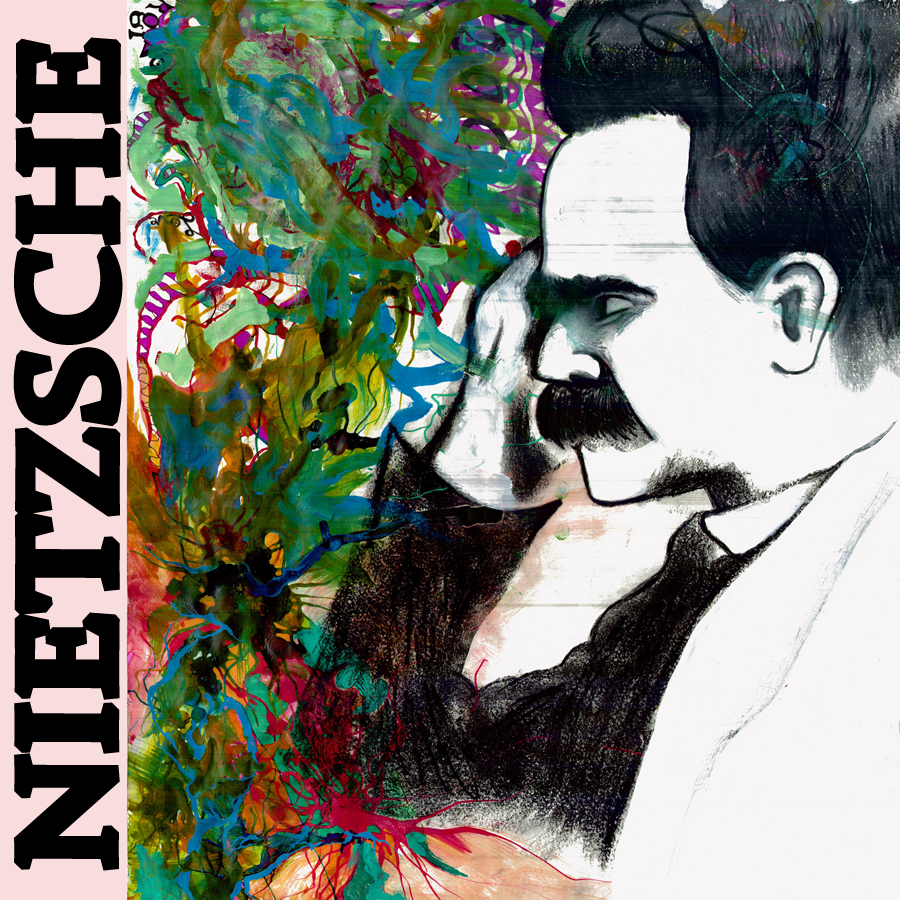
Niet­zsche Lays Out His Phi­los­o­phy of Edu­ca­tion and a Still-Time­ly Cri­tique of the Mod­ern Uni­ver­si­ty (1872)

Josh Jones is a writer and musi­cian based in Durham, NC. Fol­low him at @jdmagness

Philosophers Name the Best Philosophy Books: From Stoicism and Existentialism, to Metaphysics & Ethics for Artificial Intelligence

As an Eng­lish major under­grad in the 90s, I had a keen side inter­est in read­ing phi­los­o­phy of all kinds. But I had lit­tle sense of what I should be read­ing. I browsed the library shelves, pick­ing out what caught my atten­tion. Not a bad way to make unusu­al dis­cov­er­ies, but if you want to get a focused, not to men­tion cur­rent, view of a par­tic­u­lar field, you need to have a knowl­edge­able guide.

Back in those days, the inter­net was, as they say, in its infan­cy. How much bet­ter I would have fared if some­thing like Five Books had exist­ed! The site’s gen­er­al idea, as it trum­pets on its home­page, is to rec­om­mend “the best books on every­thing.” Argue amongst your­selves about whether any one resource can deliv­er on that promise, but let’s keep our focus on the excel­lent space of their Phi­los­o­phy sec­tion, curat­ed by free­lance philoso­pher-at-large Nigel War­bur­ton.

You may know Dr. War­bur­ton from his many for­ays in pub­lic phi­los­o­phy. Whether it’s the Phi­los­o­phy Bites pod­cast, or its spin-offs Free Speech Bites and Ethics Bites, or his work on the BBC’s ani­mat­ed his­to­ry of ideas series, or any one of his books, he has a rare knack for bring­ing the obscure and often dif­fi­cult con­cepts of aca­d­e­m­ic phi­los­o­phy to light with both con­ver­sa­tion­al good humor and intel­lec­tu­al rig­or. Most of that work takes place in dia­logue, the orig­i­nal form of clas­si­cal phi­los­o­phy.

The Five Books forum is no excep­tion. In the lat­est post, War­bur­ton inter­views Uni­ver­si­ty of Sheffield’s Kei­th Frank­ish on the five best books on Phi­los­o­phy of Mind. What is “Phi­los­o­phy of Mind”? Read Frankish’s answer to that ques­tion here. What are his five picks? See below:

  1. A Mate­ri­al­ist The­o­ry of the Mind, by D.M. Arm­strong
  2. Con­scious­ness Explained, by Daniel C. Den­nett
  3. Vari­eties of Mean­ing: The 2002 Jean Nicod Lec­tures, by Ruth Gar­rett Milikan
  4. The Archi­tec­ture of the Mind, by Peter Car­ruthers
  5. Super­siz­ing the Mind: Embod­i­ment, Action, and Cog­ni­tive Exten­sion, by Andy Clark

What about the best books on Ethics for Arti­fi­cial Intel­li­gence? It’s a far more press­ing ques­tion than it was when Arthur C. Clarke pub­lished 2001: A Space Odyssey, which hap­pens to be one of the books on Oxford aca­d­e­m­ic Paula Boddington’s list. In his inter­view with Bod­ding­ton, War­bur­ton asks for, and receives, a clar­i­fi­ca­tion of the phrase “ethics for arti­fi­cial intel­li­gence.” In her choice of books, Bod­ding­ton rec­om­mends those below. You may not find some of them shelved in phi­los­o­phy sec­tions, but when it comes to our sci-fi present, it seems, we may need to expand our cat­e­gories of thought.

  1. Hearti­fi­cial Intel­li­gence: Embrac­ing Our Human­i­ty to Max­i­mize Machines, by John Havens
  2. The Tech­no­log­i­cal Sin­gu­lar­i­ty, by Mur­ray Shana­han
  3. Weapons of Math Destruc­tion: How Big Data Increas­es Inequal­i­ty and Threat­ens Democ­ra­cy, by Cathy O’Neil
  4. Moral Machines: Teach­ing Robots Right from Wrong, by Wen­dell Wal­lach and Col­in Allen
  5. 2001: A Space Odyssey, by Arthur C. Clarke

There are dozens more enlight­en­ing inter­views and lists of five best books—on Niet­zsche, Marx, and Hegel, on Exis­ten­tial­ism, Sto­icism, Con­scious­ness, Chi­nese Phi­los­o­phy…. Too many to direct­ly quote here. There are lists from War­bur­ton him­self, on the best phi­los­o­phy books from 2017, and best intro­duc­tions to phi­los­o­phy. The whole expe­ri­ence is a lit­tle like vis­it­ing, vir­tu­al­ly, a cou­ple dozen or so high­ly-regard­ed philoso­phers in every field, lis­ten­ing in on an infor­ma­tive chat, and get­ting a book­list from every one. You’ve still got to find and buy the books your­self (and read and talk about them), but this kind of guid­ance from liv­ing philoso­phers cur­rent­ly work­ing in the field has nev­er before been so wide­ly and freely avail­able out­side of acad­e­mia.

Relat­ed Con­tent:

170+ Free Online Phi­los­o­phy Cours­es

Emi­nent Philoso­phers Name the 43 Most Impor­tant Phi­los­o­phy Books Writ­ten Between 1950–2000: Wittgen­stein, Fou­cault, Rawls & More

28 Impor­tant Philoso­phers List the Books That Influ­enced Them Most Dur­ing Their Col­lege Days

48 Ani­mat­ed Videos Explain the His­to­ry of Ideas: From Aris­to­tle to Sartre

Josh Jones is a writer and musi­cian based in Durham, NC. Fol­low him at @jdmagness

« Go BackMore in this category... »
Quantcast