Read Joyce’s Ulysses Line by Line, for the Next 22 Years, with Frank Delaney’s Podcast

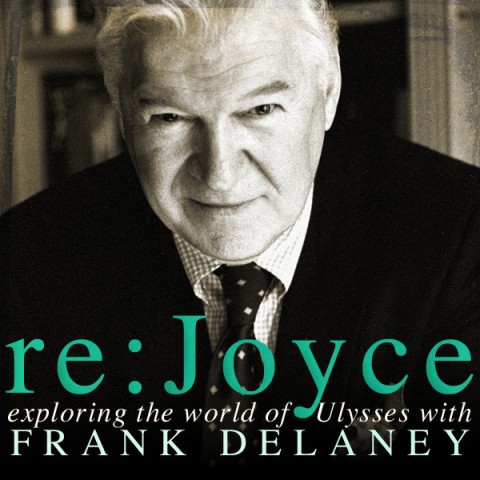
If you need some­one to host a mul­ti-decade pod­cast on James Joyce’s Ulysses, then why set­tle for less than the most elo­quent man in the world? Vis­it Frank Delaney’s site, and you’ll find it less than shy about pro­claim­ing that Nation­al Pub­lic Radio once dubbed him just that. A pro­lif­ic man of let­ters, Delaney has in his 42-year-long career logged time as a news­read­er, book jour­nal­ist, inter­view­er, Edin­burgh Fes­ti­val Lit­er­a­ture Direc­tor, talk show host, Man Book­er Prize judge, radio broad­cast­er, nov­el­ist, and his­to­ri­an. In 1981, his book James Joyce’s Odyssey brought his sur­pass­ing enthu­si­asm for Joyce schol­ar­ship to pub­lic atten­tion, and it took a whole new form on, appro­pri­ate­ly enough, Blooms­day 2010, when Delaney added the title of pod­cast­er to his résumé by launch­ing Re: Joyce (iTunes — RSS). The show oper­ates on a sim­ple con­cept: each Wednes­day, Delaney decon­structs a piece of Ulysses, usu­al­ly for four to fif­teen min­utes. This will run, so the plan goes, for the next twen­ty-two years.

An ambi­tious project, cer­tain­ly, but I find that pod­cast­ing, espe­cial­ly lit­er­ary pod­cast­ing, could always use a lit­tle more ambi­tion. “Why?” Delaney asks of the show on its debut episode. “Well, why not? You could say, ‘Why both­er?’ And I would say, for the sheer fun of it. Because this is a book that has engrossed and delight­ed me for most of my adult life, and I know the enjoy­ment to be had from it. And I also know that such enjoy­ment has been denied to many, many peo­ple who would read Ulysses if they weren’t so daunt­ed by it, and indeed, who tried to read it but had to give up. How do I know this? Because I was one of them.” If this sounds a lit­tle like the script of an infomer­cial, Delaney embraces the sen­si­bil­i­ty, label­ing Re: Joyce his “infomer­cial for Ulysses.” As far as elo­quence — and eru­di­tion, not to men­tion rich­ness of sub­ject mat­ter — he’s cer­tain­ly sur­passed Ron Popeil.

You can down­load the pod­cast from iTunes for free or fol­low the RSS feed here. Copies of Joyce’s Ulysses can be found in our col­lec­tions of Free eBooks and Free Audio Books. The first episode of Re:Joyce appears below:

Relat­ed con­tent:

James Joyce Man­u­scripts Online, Free Cour­tesy of The Nation­al Library of Ire­land

Stephen Fry Explains His Love for James Joyce’s Ulysses

James Joyce’s Ulysses: Down­load the Free Audio Book

Hen­ri Matisse Illus­trates 1935 Edi­tion of James Joyce’s Ulysses

Col­in Mar­shall hosts and pro­duces Note­book on Cities and Cul­ture. Fol­low him on Twit­ter at @colinmarshall.

Great Cinema Discussed Director By Director on The Auteurcast

Few propo­si­tions in film schol­ar­ship inspire as much con­tro­ver­sy as the so-called “auteur the­o­ry,” which holds that a film’s direc­tor imbues the work with its strongest and most iden­ti­fi­able cre­ative influ­ence. Some con­sid­er this notion laugh­ably implau­si­ble; oth­ers con­sid­er it untouch­ably self-evi­dent. But even if you don’t ful­ly buy into this auteur-cen­trism — and it can’t hurt to throw down a fist­ful of salt before the entire edi­fice of film the­o­ry — you can still use it as a help­ful tool to nav­i­gate the realm of cin­e­ma, espe­cial­ly if most of it remains ter­ra incogin­ta to you. Say you hap­pen onto a movie you enjoy — Full Met­al Jack­et, for instance — and find out it was direct­ed by a cer­tain Stan­ley Kubrick. You could then do much worse for addi­tion­al view­ing mate­r­i­al than to watch every­thing else the man ever direct­ed.

As for accom­pa­ni­ment in this cul­tur­al jour­ney, you could do much worse than Rudie Obias and West Antho­ny, hosts of The Auteur­cast. Tak­ing one film­mak­er at a time, they watch and dis­cuss every movie that film­mak­er has made. Of course they’ve cov­ered Stan­ley Kubrick: you can lis­ten to their con­ver­sa­tion on Full Met­al Jack­et right above, and I myself joined them as a guest when they talked about A Clock­work Orange. Hav­ing put out 136 episodes so far, Obias and Antho­ny have recent­ly made their way to two auteurs as seem­ing­ly on the oppo­site ends of a spec­trum (though exact­ly what spec­trum, I can’t say for sure) as James Cameron, he of Titan­ic and Avatar, and Paul Thomas Ander­son, he of Mag­no­lia, There Will Be Blood, and (to be dis­cussed in an upcom­ing episode) The Mas­ter. To catch up on The Auteur­cast as you catch up on cin­e­ma itself, you can down­load all of their past episodes as a tor­rent, then sub­scribe via RSS or iTunes.

Relat­ed con­tent:

500 Free Movies Online: Great Clas­sics, Indies, Noir, West­erns, etc.

Col­in Mar­shall hosts and pro­duces Note­book on Cities and Cul­ture. Fol­low him on Twit­ter at @colinmarshall.

The Dead Authors Podcast: H.G. Wells Comically Revives Literary Greats with His Time Machine

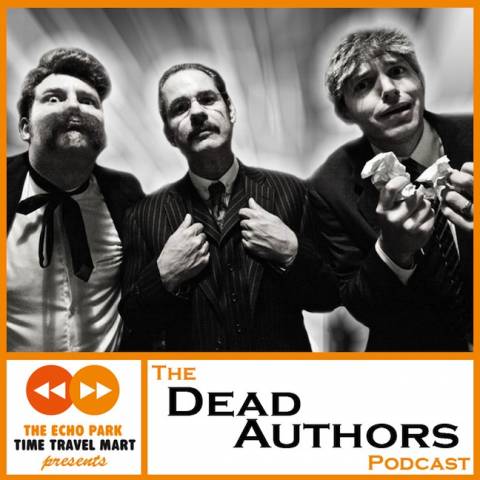
Record­ed live in front of an audi­ence at the Upright Cit­i­zens Brigade The­atre in Los Ange­les, The Dead Authors Pod­cast—“Unscript­ed, bare­ly researched, all fun!”—showcases rau­cous con­ver­sa­tions between “time-trav­el­er” H.G. Wells (Paul F. Tomp­kins) and var­i­ous “dead authors.” Some of Wells’ guests have includ­ed Aesop, Dorothy Park­er, Gertrude Stein, Carl Sagan, and Jorge Luis Borges, all played by come­di­ans like Andy Richter (as Emi­ly Dick­in­son) and Bri­an Stack (as P.G. Wode­house).

In the episode above, Wells wel­comes the noto­ri­ous­ly misog­y­nis­tic and alleged­ly anti-Semit­ic Friedrich Niet­zsche (James Ado­mi­an) and the noto­ri­ous­ly racist writer of “weird tales” H.P. Love­craft (Paul Scheer). As the pod­cast descrip­tion has it, “if you are eas­i­ly offend­ed, you may find this one a bit chal­leng­ing.” The offense is mit­i­gat­ed by the fact that the dis­cus­sion “very rarely makes any sense AT ALL,” and that it’s damned fun­ny.

Both “authors” spout exag­ger­at­ed par­o­dies of their philoso­phies, in ridicu­lous accents, and (as you can see from the pho­to above), look equal­ly ridicu­lous to an audi­ence that some­times laughs along, some­times doesn’t, as will hap­pen in live com­e­dy. The actors are game, ad-lib­bing with ease and con­fi­dence and clear­ly hav­ing a great time. The only moments that aren’t impro­vised are when the actors play­ing Niet­zsche and Love­craft read from the writ­ers’ actu­al texts. In this con­text (and in these voic­es), the two both indeed make lit­tle sense. They’ll sur­vive the takedown—these are two dead authors who tend to be tak­en far too seri­ous­ly by their devo­tees. So, go ahead, lis­ten to Niet­zsche huff and puff his way through his bom­bas­tic and orac­u­lar pro­nounce­ments; hear Love­craft hiss through his florid and para­noid prose. It’s all for a good cause. The Dead Authors pod­cast ben­e­fits 826LA, a non-prof­it writ­ing and tutor­ing cen­ter for kids age 6–18.

You can find real works by Niet­zsche and Love­craft in our col­lec­tion of Free eBooks and Free Audio Books.

Josh Jones is a doc­tor­al can­di­date in Eng­lish at Ford­ham Uni­ver­si­ty and a co-founder and for­mer man­ag­ing edi­tor of Guer­ni­ca / A Mag­a­zine of Arts and Pol­i­tics.

Neil deGrasse Tyson’s StarTalk Radio Show Podcast Tackles the History of Video Games

Neil deGrasse Tyson has a pod­cast. I repeat, Neil deGrasse Tyson has a pod­cast. If you’re unfa­mil­iar (and you shouldn’t be), Tyson is Astro­physi­cist-in-res­i­dence at New York’s Nat­ur­al His­to­ry Muse­um and Direc­tor of its Hay­den Plan­e­tar­i­um. He’s also the most promi­nent advo­cate for a revi­tal­ized U.S. space pro­gram. Okay, back to the pod­cast. As an avid con­sumer of every sci­ence-based pod­cast out there, I can tell you that the StarTalk Radio Show (iTunesFeedWeb Site) has quick­ly risen to the top of my list. The very per­son­able Tyson is the big draw, but he has also made the wise deci­sion to include “come­di­an co-hosts, celebri­ties, and oth­er spe­cial guests.” In the episode right below, Tyson and come­di­an Eugene Mir­man (whom you might rec­og­nize as the voice of Gene from Bob’s Burg­ers) mix it up with video game design­er Will Wright and author Jeff Ryan.

Ryan’s Super Mario: How Nin­ten­do Con­quered Amer­i­ca—and the his­to­ry of video games more generally—is the top­ic of the show. Despite the less-than-stel­lar audio qual­i­ty, this is not to be missed. The con­ver­sa­tion is rapid-fire: Mir­man inter­jects hilar­i­ous inani­ties while Wright and Ryan speed through the fas­ci­nat­ing his­to­ry and Tyson throws knuck­le­ball ques­tions and enthus­es (at 4:30) that the “first real video game,” Space Wars, was about, what else, space. We also get the his­to­ry of the unfor­get­table Pong (at 5:59), the orig­i­nal Star Wars game (at 8:17), and, nat­u­ral­ly, Don­key Kong (at 3:19), designed by the now wild­ly famous (in Japan, at least) Shigeru Miyamo­to–who also invent­ed Mario, and who had nev­er designed a game in his life before Don­key Kong. All this and some clas­sic 8‑bit video game music to boot.

StarTalk in gen­er­al has much to rec­om­mend it. Tyson is the “nation’s fore­most expert on space,” and is prob­a­bly instant­ly rec­og­niz­able from his host­ing of NOVA sci­en­ceNow and his best­selling books. He is the pub­lic face of a sci­en­tif­ic com­mu­ni­ty often in need of good press, and he has the rare abil­i­ty to trans­late abstruse con­cepts to the gen­er­al pub­lic in a humor­ous and approach­able way. Pre­vi­ous guest­s/­co-hosts have includ­ed Janeane Garo­fa­lo (in the “most argu­men­ta­tive Startalk pod­cast ever”) and John Hodg­man (of the Dai­ly Show and the “Mac vs. PC” ads). But above all, c’mon, it’s Neil deGrasse Tyson. The man deserved­ly has his own inter­net meme, inspired by his dra­mat­ic ges­tures in this video dis­cus­sion of Isaac New­ton from Big Think.

Enough said.

Watch the full Big Think inter­view with Tyson here. And don’t for­get to sub­scribe to the StarTalk Radio Show (iTunes — Feed — Web Site).

Josh Jones is a doc­tor­al can­di­date in Eng­lish at Ford­ham Uni­ver­si­ty and a co-founder and for­mer man­ag­ing edi­tor of Guer­ni­ca / A Mag­a­zine of Arts and Pol­i­tics.

The Complete History of the World (and Human Creativity) in 100 Objects

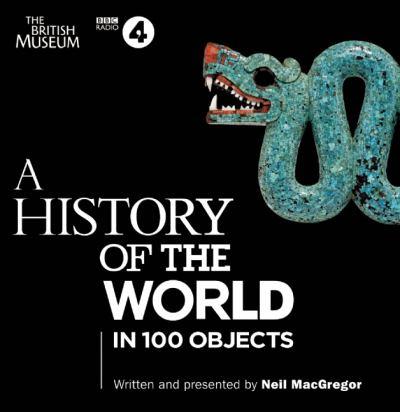
While we’re catch­ing up with his­tor­i­cal pod­casts, note that BBC Radio 4’s The His­to­ry of the World in 100 Objects (iTunes – RSS Feed – Web Site) has wrapped up and cov­ered all 100 objects. And not, mind you, just any old objects: these objects come straight from the col­lec­tion of the British Muse­um, and thus almost cer­tain­ly reveal the sto­ry of mankind more effec­tive­ly than most. For that has con­sti­tut­ed the pro­gram’s project since its incep­tion: to tell, for just under fif­teen min­utes at a stretch, one chap­ter of human his­to­ry as the trained eye can read it in an object like an ear­ly writ­ing tablet, a Chi­nese bronze bell, or an Egypt­ian clay mod­el of cat­tle. Don’t let the seem­ing plain­ness of these arti­facts fool you; the show approach­es them with all the most advanced audio pro­duc­tion tech­niques. And after you’ve lis­tened, you’ll real­ize that, looked at from a suit­ably his­tor­i­cal per­spec­tive, there’s not a plain object in this bunch.

Since A His­to­ry of the World in 100 Objects has fin­ished its jour­ney to the present day, the new lis­ten­er has no oblig­a­tion to begin in the ancient world and work their way for­ward. You might well pre­fer to begin at the end, as it were, and draw insights from one of our every­day objects like a cred­it card (albeit, in this broad­cast, one that con­forms to Shar­i’a law), or a slight­ly futur­is­tic object now enter­ing our every­day lives like a solar-pow­ered lamp. From there, you can delve deep­er and deep­er into our cul­ture and tech­nol­o­gy’s past: the nifty lamp gives way to the cred­it card which gives way to a David Hock­ney paint­ing, which gives way to the HMS Bea­gle’s chronome­ter to the mechan­i­cal galleon and a Kore­an roof tile until you’re back at the Mum­my of Horned­jitef. If you get back that far and still find your­self long­ing for more from host Neil Mac­Gre­gor, be aware that he’s got a new, 20-part his­tor­i­cal series going called Shake­speare’s Rest­less World. The range of source mate­r­i­al may have nar­rowed, but the depth remains.

Relat­ed con­tent:

The His­to­ry of Rome in 179 Pod­casts

The His­to­ry of Phi­los­o­phy With­out Any Gaps – Peter Adamson’s Pod­cast Still Going Strong

Col­in Mar­shall hosts and pro­duces Note­book on Cities and Cul­ture. Fol­low him on Twit­ter at @colinmarshall.

The History of Philosophy Without Any Gaps — Peter Adamson’s Podcast Still Going Strong

Last August, we fea­tured Peter Adam­son’s pod­cast The His­to­ry of Phi­los­o­phy With­out Any Gaps (iTunes – RSS Feed – Web Site), a chrono­log­i­cal­ly unin­ter­rupt­ed “look at the ideas and lives of the major philoso­phers (even­tu­al­ly cov­er­ing in detail such giants as Pla­to, Aris­to­tle, Aquinas, Descartes, and Kant) as well as the less­er-known fig­ures of the tra­di­tion.” Con­tin­u­ing at the rate of one episode a week, Adam­son and his guest philo­soph­i­cal experts have since cov­ered names like Lucretius, Seneca, and Plutarch. They’ve most recent­ly reached Alexan­der of Aphro­disias, an espe­cial­ly astute ancient com­men­ta­tor on Aris­to­tle and oppo­nent of Sto­ic atti­tudes toward fate; Quin­til­ian, Lucian, Themistius, and the inter­play between rhetoric and phi­los­o­phy in the Roman Empire; and the emer­gence of astron­o­my, ush­ered in by Ptole­my dur­ing a time when observers still had much to say about astrol­o­gy.

Don’t miss the episodes where Adam­son brings in spe­cial­ists on the par­tic­u­lar philoso­pher, philo­soph­i­cal sub­field, or quirk in philo­soph­i­cal his­to­ry to which his pod­cast­ing jour­ney brings him. Since our last post on the show, we’ve heard Richard Sorab­ji talk about time and eter­ni­ty in Aris­to­tle, James War­ren on Epi­cure­anism, and Raphael Wolf on Cicero, to name but a few. Such is Adamson’s atten­tion to detail — and ded­i­ca­tion to the Zeno’s Para­dox-rem­i­nis­cent cause of pure con­ti­nu­ity — that, after putting out 85 episodes, he remains in the ancient world. Imag­ine the boun­ty of dis­cus­sion when he reach­es, say, the eigh­teenth cen­tu­ry, let alone the twen­ti­eth. To pre­pare your­self for that, you’d bet­ter start lis­ten­ing now; a show express­ly cre­at­ed with­out gaps must, it seems only nat­ur­al, be expe­ri­enced with­out them.

Relat­ed con­tent:

The Par­tial­ly Exam­ined Life: A Phi­los­o­phy Pod­cast

Phi­los­o­phy Bites: Pod­cast­ing Ideas From Pla­to to Sin­gu­lar­i­ty Since 2007

55 Free Phi­los­o­phy Cours­es

Col­in Mar­shall hosts and pro­duces Note­book on Cities and Cul­ture. Fol­low him on Twit­ter at @colinmarshall.

The New Yorker’s Fiction Podcast: Where Great Writers Read Stories by Great Writers

Each major print pub­li­ca­tion expands into pod­cast­ing dif­fer­ent­ly. Some, hav­ing failed to find a suit­able form for the audio com­pan­ion to their text, scale the oper­a­tion way back and declare pod­cast­ing dead or dying. Oth­ers, through tri­al and error, even­tu­al­ly hap­pen upon a way of pod­cast­ing that clicks with both their own sen­si­bil­i­ty as well as their read­ers’ lis­ten­ing fas­ci­na­tions. The New York­er’s fic­tion pod­cast stands as an exam­ple of the lat­ter, trad­ing on more than one of the mag­a­zine’s strengths. As one of the longest-run­ning and last remain­ing venues for the short sto­ry, the New York­er has access to a wealth of fic­tion that one can read out loud with­in a com­fort­able pod­cast run­time. Giv­en their count­less con­nec­tions to respect­ed writ­ers, they’ve also got access to plen­ty of inter­est­ing peo­ple to do the read­ing.

Here’s the big inno­va­tion: these writ­ers don’t read their sto­ries out loud; they read their favorite sto­ries by oth­er writ­ers out loud. This has brought us pod­casts from, to name a few pair­ings:

In the past year, we’ve also heard Alle­gra Good­man read John Updike, Salman Rushdie read John Barthelme, and Matthew Klam read Charles D’Am­bro­sio. (A new episode appears every month.) The read­ers also have a brief dis­cus­sion about the sto­ry they’ve select­ed with the New York­er’s fic­tion edi­tor Deb­o­rah Treis­man. Being writ­ers them­selves, they talk about the pieces with a much dif­fer­ent sort of scruti­ny than you might remem­ber from all those hours of short-sto­ry analy­sis in Eng­lish class. They engage, to put it broad­ly, more with the writ­ing’s craft than with its testable mechan­ics. Some pod­cast-lis­ten­ers won­der aloud about the place of fic­tion in this new form; the New York­er has devel­oped a place for it by look­ing back to an old one.

The record­ings above have been indexed in our col­lec­tion of Free Audio Books.

Col­in Mar­shall hosts and pro­duces Note­book on Cities and Cul­ture. Fol­low him on Twit­ter at @colinmarshall.

Entitled Opinions, the “Life and Literature” Podcast That Refuses to Dumb Things Down

Proust. Mimet­ic desire. The infla­tion­ary uni­verse. 1910, Amer­i­can writ­ers in Paris. The his­to­ry of the book. These top­ics may sound unusu­al enough to pique your inter­est. They may float through your mind once in a while, cap­tur­ing an hour or two of your curios­i­ty. They may peri­od­i­cal­ly send you to the library on read­ing binges. But for KZSU-FM’s Enti­tled Opin­ions, they are meat and drink. Since 2005, pro­fes­sor-broad­cast­er Robert Har­ri­son has explored these top­ics and many more besides in the intel­lec­tu­al­ly expan­sive long-form con­ver­sa­tions he con­ducts on Stan­ford Uni­ver­si­ty’s radio sta­tion. Always begin­ning with a mono­logue, Har­ri­son spends the bulk of his broad­casts think­ing aloud about these rich top­ics with philoso­phers like Richard Rorty, nov­el­ists like Orhan Pamuk, many a fel­low aca­d­e­m­ic, lis­ten­ers, and his own broth­er. (Some­times he up and con­ducts the entire show in French.) Each and every one of these he makes avail­able as a pod­cast, on the show’s site and on iTunes.

“These are not like Stan­ford cours­es online,” said Har­ri­son in a Stan­ford Uni­ver­si­ty News pro­file. “These are pro­grams where intel­lec­tu­als speak to each oth­er at a high lev­el of intel­lec­tu­al exchange—no one is exclud­ed per se, but you do have to have intel­lec­tu­al curios­i­ty. We refuse to dumb it down.” Hav­ing recent­ly returned from a pro­longed hia­tus, Enti­tled Opin­ions has kept not dumb­ing it down with con­ver­sa­tions on geog­ra­phy, her­maph­ro­ditism, polit­i­cal philoso­pher John Rawls, and Petrar­ch and Petrar­chism. I myself engaged Har­ri­son in a long-form inter­view on my pre­vi­ous pod­cast, The Mar­ket­place of Ideas, in which we dis­cussed the evo­lu­tion of his show; his books on forests, gar­dens, and the dead;  his life as a rock musi­cian (so that explains those episodes on Pink Floyd, The Doors, and Jimi Hen­drix); and get­ting called “the most pre­ten­tious man in the world” over e‑mail. We die-hard Enti­tled Opin­ions fans demand to know these things.

Col­in Mar­shall hosts and pro­duces Note­book on Cities and Cul­ture. Fol­low him on Twit­ter at @colinmarshall.

« Go BackMore in this category... »
Quantcast