Stephen Colbert & Louis CK Recite The Gettysburg Address, With Some Help from Jerry Seinfeld

On a Thurs­day after­noon in Novem­ber of 1863, Edward Everett took to the stage in Get­tys­burg, Penn­syl­va­nia, to deliv­er the main address at the Con­se­cra­tion Cer­e­mo­ny of the Nation­al Ceme­tery. Everett was a politi­cian who had served as both a clas­sics pro­fes­sor and pres­i­dent of Har­vard Uni­ver­si­ty, and was also a renowned ora­tor. His address to the 15,000-strong crowd began on the fol­low­ing grandil­o­quent note, which Everett pro­ceed­ed to hold for two hours:

“Stand­ing beneath this serene sky, over­look­ing these broad fields now repos­ing from the labors of the wan­ing year, the mighty Alleghe­nies dim­ly tow­er­ing before us, the graves of our brethren beneath our feet, it is with hes­i­ta­tion that I raise my poor voice to break the elo­quent silence of God and Nature. But the duty to which you have called me must be per­formed; grant me, I pray you, your indul­gence and your sym­pa­thy.”

Despite this wave of lofty sen­ti­ment, Everett’s speech was over­shad­owed by the 278-word for­mu­la­tion that would for­ev­er com­mem­o­rate that day, deliv­ered by Abra­ham Lin­coln.

Unlike Everett’s remarks, Lincoln’s Get­tys­burg address (whose five ver­sions can be found here) has shown lit­tle wear since its deliv­ery on Novem­ber 19, exact­ly 150 years ago. While there is some evi­dence to sug­gest that the audi­ence was ini­tial­ly non­plussed by the speech’s sim­ple lan­guage and strik­ing brevi­ty, today Lincoln’s words are con­sid­ered to be among the most fine­ly wrought rhetoric in the West­ern canon: they remain acces­si­ble to all, yet seam­less­ly entwine the thread of equal­i­ty that ran so clear­ly through the Dec­la­ra­tion of Inde­pen­dence with the idea of the war being essen­tial to the preser­va­tion of the Union. One can­not help but sus­pect that hon­est Abe failed to grasp the impact that his pithy ora­tion would have; Everett’s sub­se­quent com­ments to the Pres­i­dent, how­ev­er, pre­fig­ured the speech’s his­tor­i­cal arc:

“I should be glad if I could flat­ter myself that I came as near to the cen­tral idea of the occa­sion, in two hours, as you did in two min­utes.”

In hon­or of the 150th anniver­sary of Lincoln’s deliv­ery of the Get­tys­burg address, doc­u­men­tar­i­an Ken Burns has embarked on a project called Learn The Address in an attempt to get Amer­i­cans to record their recita­tions of the speech. In the mashup below, Burns pro­vides footage of politi­cians, enter­tain­ers, and jour­nal­ists giv­ing their ren­di­tions. We’ve also includ­ed some of our favorites, includ­ing Stephen Colbert’s high­ly com­i­cal mono­logue (top) and Jer­ry Sein­feld explain­ing the sig­nif­i­cance of the address to Louis CK, right above.

For more ver­sions of Lin­col­n’s Get­tys­burg address, includ­ing those by Pres­i­dent Oba­ma, Conan O’Brien, and Bill O’Reil­ly, head to Ken Burn’s Learn The Address site.

Ilia Blin­d­er­man is a Mon­tre­al-based cul­ture and sci­ence writer. Fol­low him at @iliablinderman.

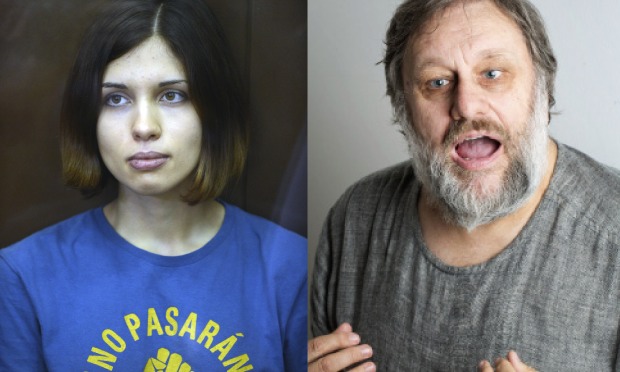
Slavoj Žižek & Pussy Riot’s Nadezhda Tolokonnikova Exchange An Extraordinary Series of Letters

Nadezhda Tolokonnikova of Pussy Riot writing to Slavoj Žižek

Miss­ing for almost a month, impris­oned Pussy Riot mem­ber Nadezh­da Tolokon­niko­va has been report­ed by her hus­band as recov­er­ing in a Siber­ian hos­pi­tal from issues relat­ed to her hunger strike. As The Guardian reports, Tolokon­niko­va didn’t only resist by refus­ing to eat, she also kept up a live­ly cor­re­spon­dence with Sloven­ian the­o­rist Slavoj Žižek while endur­ing report­ed abuse at the penal colony in Mor­dovia where she had been sen­tenced. It seems from the edit­ed cor­re­spon­dence pub­lished by The Guardian that Žižek began the con­ver­sa­tion in ear­ly Jan­u­ary. “All hearts were beat­ing for you” he writes, until “it became clear that you reject­ed glob­al cap­i­tal­ism.” In a lat­er, April 16 reply, Tolokon­niko­va explains exact­ly what Pussy Riot rejects:

As a child I want­ed to go into adver­tis­ing. I had a love affair with the adver­tis­ing indus­try. And this is why I am in a posi­tion to judge its mer­its. The anti-hier­ar­chi­cal struc­tures and rhi­zomes of late cap­i­tal­ism are its suc­cess­ful ad cam­paign. Mod­ern cap­i­tal­ism has to man­i­fest itself as flex­i­ble and even eccen­tric. Every­thing is geared towards grip­ping the emo­tion of the con­sumer. Mod­ern cap­i­tal­ism seeks to assure us that it oper­ates accord­ing to the prin­ci­ples of free cre­ativ­i­ty, end­less devel­op­ment and diver­si­ty. It gloss­es over its oth­er side in order to hide the real­i­ty that mil­lions of peo­ple are enslaved by an all-pow­er­ful and fan­tas­ti­cal­ly sta­ble norm of pro­duc­tion. We want to reveal this lie.

Read the full pub­lished exchange at The Guardian’s site.

Relat­ed Con­tent:

Fear of a Female Plan­et: Kim Gor­don (Son­ic Youth) on Why Rus­sia and the US Need a Pussy Riot

Russ­ian Punk Band, Sen­tenced to Two Years in Prison for Derid­ing Putin, Releas­es New Sin­gle

Slavoj Žižek Demys­ti­fies the Gang­nam Style Phe­nom­e­non

Josh Jones is a writer and musi­cian based in Durham, NC. Fol­low him at @jdmagness

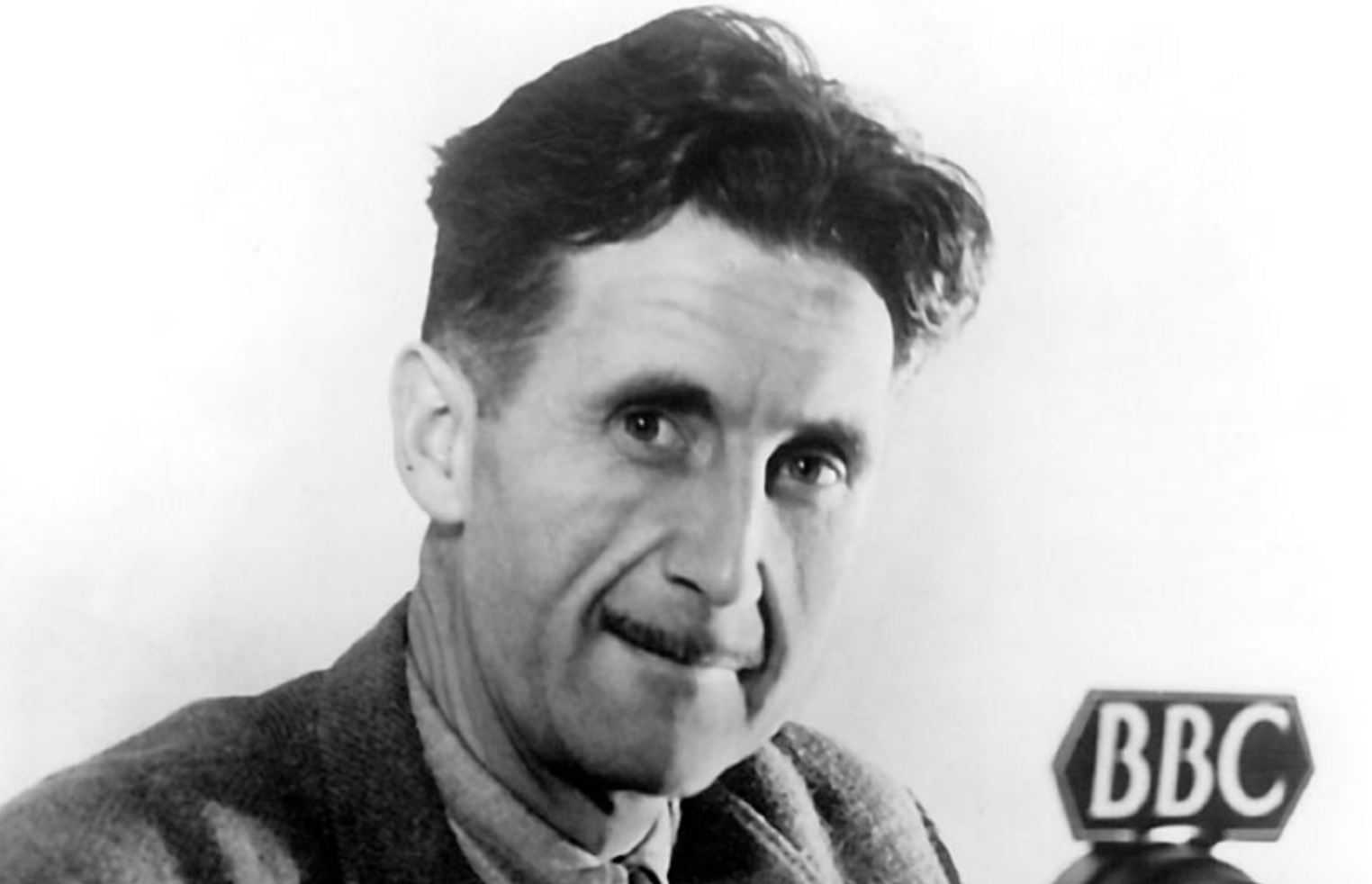
George Orwell’s Five Greatest Essays (as Selected by Pulitzer-Prize Winning Columnist Michael Hiltzik)

Image via Wiki­me­dia Com­mons

Every time I’ve taught George Orwell’s famous 1946 essay on mis­lead­ing, smudgy writ­ing, “Pol­i­tics and the Eng­lish Lan­guage,” to a group of under­grad­u­ates, we’ve delight­ed in point­ing out the num­ber of times Orwell vio­lates his own rules—indulges some form of vague, “pre­ten­tious” dic­tion, slips into unnec­es­sary pas­sive voice, etc.  It’s a pet­ty exer­cise, and Orwell him­self pro­vides an escape clause for his list of rules for writ­ing clear Eng­lish: “Break any of these rules soon­er than say any­thing out­right bar­barous.” But it has made us all feel slight­ly bet­ter for hav­ing our writ­ing crutch­es pushed out from under us.

Orwell’s essay, writes the L.A. Times’ Pulitzer-Prize win­ning colum­nist Michael Hiltzik, “stands as the finest decon­struc­tion of sloven­ly writ­ing since Mark Twain’s “Fen­i­more Cooper’s Lit­er­ary Offens­es.” Where Twain’s essay takes on a pre­ten­tious aca­d­e­m­ic estab­lish­ment that unthink­ing­ly ele­vates bad writ­ing, “Orwell makes the con­nec­tion between degrad­ed lan­guage and polit­i­cal deceit (at both ends of the polit­i­cal spec­trum).” With this con­cise descrip­tion, Hiltzik begins his list of Orwell’s five great­est essays, each one a bul­wark against some form of emp­ty polit­i­cal lan­guage, and the often bru­tal effects of its “pure wind.”

One spe­cif­ic exam­ple of the lat­ter comes next on Hiltzak’s list (actu­al­ly a series he has pub­lished over the month) in Orwell’s 1949 essay on Gand­hi. The piece clear­ly names the abus­es of the impe­r­i­al British occu­piers of India, even as it strug­gles against the can­on­iza­tion of Gand­hi the man, con­clud­ing equiv­o­cal­ly that “his char­ac­ter was extra­or­di­nar­i­ly a mixed one, but there was almost noth­ing in it that you can put your fin­ger on and call bad.” Orwell is less ambiva­lent in Hiltzak’s third choice, the spiky 1946 defense of Eng­lish com­ic writer P.G. Wode­house, whose behav­ior after his cap­ture dur­ing the Sec­ond World War under­stand­ably baf­fled and incensed the British pub­lic. The last two essays on the list, “You and the Atom­ic Bomb” from 1945 and the ear­ly “A Hang­ing,” pub­lished in 1931, round out Orwell’s pre- and post-war writ­ing as a polemi­cist and clear-sight­ed polit­i­cal writer of con­vic­tion. Find all five essays free online at the links below. And find some of Orwell’s great­est works in our col­lec­tion of Free eBooks.

1. “Pol­i­tics and the Eng­lish Lan­guage

2. “Reflec­tions on Gand­hi

3. “In Defense of P.G. Wode­house

4. “You and the Atom­ic Bomb

5. “A Hang­ing

Relat­ed Con­tent:

George Orwell’s Rules for Mak­ing the Per­fect Cup of Tea: A Short Ani­ma­tion

The Only Known Footage of George Orwell (Cir­ca 1921)

George Orwell and Dou­glas Adams Explain How to Make a Prop­er Cup of Tea

Josh Jones is a writer and musi­cian based in Durham, NC. Fol­low him at @jdmagness

Noam Chomsky Schools 9/11 Truther; Explains the Science of Making Credible Claims

We don’t often write up videos post­ed by 9–11 Truthers, but you can watch an inter­est­ing exchange when this par­tic­u­lar Truther con­fronts well-known lin­guist and polit­i­cal observ­er Noam Chom­sky dur­ing the ques­tion ses­sion after the lat­ter’s talk at the Uni­ver­si­ty of Flori­da. “You’ve men­tioned quite a few con­tra­dic­tions from the media and their pre­sen­ta­tions on things, and I think the most noto­ri­ous case of this is with Sep­tem­ber 11, 2001,” says the Truther after tak­ing the micro­phone. “You want­ed to see a con­sen­sus of engi­neers and spe­cial­ists that under­stand the actu­al struc­tures of these build­ings and their pos­si­ble col­lapse, and there is such a group. It’s called Archi­tects and Engi­neers for 9–11 Truth.” As the Truther gets into the “con­sen­sus of over 2000 of them,” the mod­er­a­tor inter­rupts, won­der­ing if he actu­al­ly has a ques­tion. (Sure­ly we’ve all endured these moments in ques­tion seg­ment.) But the Truther con­tin­ues: “This con­sen­sus shows that Build­ing 7, the third build­ing that fell on 9/11, fell in freefall speed as the [Nation­al Insti­tute of Stan­dard and Tech­nol­o­gy] report acknowl­edges. Are you ready to come for­ward and jump on board with 9/11?” Thus asked to com­ment on whether the media has cov­ered up the man­ner in which this par­tic­u­lar build­ing col­lapsed, Chom­sky replies with a defense of stan­dard sci­en­tif­ic pro­ce­dures.

“In fact, you’re right that there’s a con­sen­sus among a minis­cule num­ber of archi­tects and engi­neers. They are not doing what sci­en­tists and engi­neers do when they think they’ve dis­cov­ered some­thing. What you do is write arti­cles in sci­en­tif­ic jour­nals, give talks at the pro­fes­sion­al soci­eties, go to the civ­il engi­neer­ing depart­ment at MIT or Flori­da or wher­ev­er you are, and present your results, then pro­ceed to try to con­vince the nation­al acad­e­mies, the pro­fes­sion­al soci­ety of physi­cists and civ­il engi­neers, the depart­ments of the major uni­ver­si­ties, that you’ve dis­cov­ered some­thing. There hap­pen to be a lot of peo­ple around who spend an hour on the inter­net and think they know a lot physics, but it does­n’t work like that. There’s a rea­son there are grad­u­ate schools in these depart­ments.” But has­n’t the gov­ern­ment intim­i­dat­ed those who know the real sto­ry from speak­ing out against the offi­cial line? “Any­body who has any famil­iar­i­ty with polit­i­cal activism knows that this is one of the safest things you can do. It’s almost risk­less. Peo­ple take risks far beyond this con­stant­ly — includ­ing sci­en­tists and engi­neers.” Chom­sky has more to say about the facts we can use, the opin­ions he dis­avows, and the forces dri­ving the Iraq War in the remain­der of the sev­en-minute clip. “We will let you be the judge of his response,” say the video’s notes. Indeed.

via Crit­i­cal The­o­ry

Relat­ed Con­tent:

Noam Chom­sky Slams Žižek and Lacan: Emp­ty ‘Pos­tur­ing’

Clash of the Titans: Noam Chom­sky and Michel Fou­cault Debate Human Nature and Pow­er on Dutch TV, 1971

Noam Chom­sky vs. William F. Buck­ley, 1969

Col­in Mar­shall hosts and pro­duces Note­book on Cities and Cul­ture and writes essays on lit­er­a­ture, film, cities, Asia, and aes­thet­ics. He’s at work on a book about Los Ange­lesA Los Ange­les Primer. Fol­low him on Twit­ter at @colinmarshall.

Watch World War II Rage Across Europe in a 7 Minute Time-Lapse Film: Every Day From 1939 to 1945

The Sec­ond World War was waged over six long years on every con­ti­nent save South Amer­i­ca and Antarc­ti­ca. Sev­en­ty-some years lat­er, the dai­ly shifts of the Euro­pean The­ater’s front lines can be tracked in under sev­en min­utes, thanks to a mys­te­ri­ous, map-lov­ing ani­ma­tor known var­i­ous­ly as Emper­or Tiger­star or Kaiser Tiger­star (the lat­ter accounts for the hel­met-wear­ing kit­ten grac­ing the upper cor­ner of his World War I time-lapse).

The pow­er-shift­ing col­ors (blue for Allies, red for Axis) are mes­mer­iz­ing, as is a relent­less timer tick­ing off the days between Ger­many’s inva­sion of Poland on Sep­tem­ber 1, 1939 and VE Day, May 8, 1945. Roy­al­ty-free music by Kevin MacLeod and audio sam­ples rang­ing from Hitler and Mus­soli­ni’s dec­la­ra­tions of war to Roo­sevelt’s Day of Infamy speech add import.

I def­i­nite­ly felt like throw­ing some tick­er tape around when blue tri­umphed, but most­ly I was curi­ous about this Emper­or Tiger­star, who relied on such dis­parate sources as Chris Bish­op’s Mil­i­tary Atlas of World War II and Wikipedia to cre­ate this extra­or­di­nary record in Win­dows Paint.

Care­ful read­ing of his blog reveals a diehard his­to­ry buff with a weak­ness for met­al music, whole­some CGI movies, and sta­tis­tics.

He’s also a worka­holic. His YouTube chan­nel boasts a bog­gling assort­ment of map ani­ma­tions. This in addi­tion to an alter­nate YouTube channel where he remaps his­to­ry in response to his own “what if” type prompts. Some­how he finds the time to pre­side over  The Blank Atlas, a site whose mem­bers con­tribute unla­beled, non-copy­right­ed maps avail­able for free pub­lic down­load. And he may well be a brony, as evi­denced by the video he was pur­port­ed­ly work­ing on this sum­mer, World War II: As Told by Ponies.

Only time will tell.

Mean­while, let us hope that he makes good on his threat to make a uni­ver­sal World War II map ani­ma­tion. Could that be the secret project he’s aim­ing to launch on Jan­u­ary 1, 2014? I can’t wait to find out.

via io9

Relat­ed Con­tent:

132 Years of Glob­al Warm­ing Visu­al­ized in 26 Dra­mat­i­cal­ly Ani­mat­ed Sec­onds

53 Years of Nuclear Test­ing in 14 Min­utes: A Time Lapse Film by Japan­ese Artist Isao Hashimo­to

5,000 Years of Reli­gion in 90 Sec­onds

Ayun Hal­l­i­day did­n’t know she’d be keep­ing things fresh by fail­ing to lis­ten to a sin­gle sec­ond of 8th grade Geog­ra­phy. Fol­low her @AyunHalliday

Edward Said Speaks Candidly about Politics, His Illness, and His Legacy in His Final Interview (2003)

In an excerpt from her mem­oir pub­lished in Salon last month, Najla Said—daughter of lit­er­ary crit­ic and Pales­tin­ian-Amer­i­can polit­i­cal activist Edward Said—recalls her father’s lega­cy:

To very smart peo­ple who study a lot, Edward Said is the “father of post­colo­nial stud­ies” or, as he told me once when he insist­ed I was wast­ing my col­lege edu­ca­tion by tak­ing a course on post­mod­ernism and I told him he didn’t even know what it was:

“Know what it is, Najla? I invent­ed it!!!”

I still don’t know if he was jok­ing or seri­ous.

Most like­ly Said was only half seri­ous, but it’s impos­si­ble to over­state the impact of his 1978 book Ori­en­tal­ism on the gen­er­a­tions of stu­dents and activists that fol­lowed. As Najla writes, it’s “the book that every­one reads at some point in col­lege, whether in his­to­ry, pol­i­tics, Bud­dhism, or lit­er­a­ture class.” Said’s “post­mod­ernism,” unlike that of Fran­cois Lyotard or many oth­ers, avoid­ed the pejo­ra­tive bag­gage that came to attach to the term, large­ly because while he called into doubt cer­tain ossi­fied and per­ni­cious cat­e­gor­i­cal dis­tinc­tions, he nev­er stopped believ­ing in the pos­i­tive intel­lec­tu­al enter­prise that gave him the tools and the posi­tion to make his cri­tiques. He stub­born­ly called him­self a human­ist, “despite,” as he writes in the pref­ace to the 2003 edi­tion of his most famous book, “the scorn­ful dis­missal of the term by sophis­ti­cat­ed post-mod­ern crit­ics”:

It isn’t at all a mat­ter of being opti­mistic, but rather of con­tin­u­ing to have faith in the ongo­ing and lit­er­al­ly unend­ing process of eman­ci­pa­tion and enlight­en­ment that, in my opin­ion, frames and gives direc­tion to the intel­lec­tu­al voca­tion.

In that same pref­ace Said also writes of his aging, of the recent death of two men­tors, and of “the nec­es­sary diminu­tions in expec­ta­tions and ped­a­gog­ic zeal which usu­al­ly frame the road to senior­i­ty.” He does not write about the leukemia that would take his life that same year at the age of 67, ten years ago this month.

For the inter­view above, how­ev­er, Said’s last, he speaks can­did­ly about his ill­ness. Fit­ting­ly, the video opens with a quote from Roland Barthes: “The only sort of inter­view that one could, if forced to, defend would be where the author is asked to artic­u­late what he can­not write.” Said tells inter­view­er Charles Glass that his main pre­oc­cu­pa­tion in the past few months had been his ill­ness, some­thing he thought he had “mas­tered” but which had forced him to con­front the incon­tro­vert­ible fact of his mor­tal­i­ty and sapped him of his will to work.

Said, as always, is artic­u­late and engag­ing, and the con­ver­sa­tion soon turns to his oth­er pre­oc­cu­pa­tions: the sit­u­a­tion of the Pales­tin­ian peo­ple and the pol­i­tics and per­son­al toll of liv­ing “between worlds.” He also express­es his dis­ap­point­ment in friends who had become “mouth­pieces of the sta­tus quo,” bang­ing the drums for war and West­ern Impe­ri­al­ism in this, the first year of the war in Iraq. One sus­pects that he refers to Christo­pher Hitchens, among oth­ers, though he is too dis­creet to name names. Said has a tremen­dous amount to say on not only the cur­rent events of the time but on his entire career as a writer and thinker. Though he’s giv­en dozens of impas­sioned inter­views over the decades, this may be the most hon­est and unguard­ed, as he unbur­dens him­self dur­ing his final days of those things, per­haps, he could not bring him­self to write.

Thanks to Stephanos for send­ing this video our way.

Relat­ed Con­tent:

Stephen Fry & Friends Pay Trib­ute to Christo­pher Hitchens

Christo­pher Hitchens: No Deathbed Con­ver­sion for Me, Thanks, But it was Good of You to Ask

Noam Chom­sky Calls Post­mod­ern Cri­tiques of Sci­ence Over-Inflat­ed “Poly­syl­lab­ic Tru­isms”

Josh Jones is a writer and musi­cian based in Durham, NC. Fol­low him at @jdmagness

Rare Recording of Controversialist, Journalist and American Literary & Social Critic, H.L. Mencken

http://www.youtube.com/watch?v=QpGzpqU-b04

Hen­ry Louis Menck­en (1880–1956) was a famous Amer­i­can jour­nal­ist, essay­ist, crit­ic of Amer­i­can life and cul­ture, and a schol­ar of Amer­i­can Eng­lish. An expert in so many fields, he was called “the Bal­ti­more Sage.” At the age of 22, Menck­en became man­ag­ing edi­tor of the Morn­ing Her­ald in his home­town of Bal­ti­more. But it was not only through his work as a jour­nal­ist that he was “as famous in Amer­i­ca as George Bernard Shaw was in Eng­land.” The influ­en­tial lit­er­ary crit­ic helped launch the South­ern and Harlem lit­er­ary renais­sances. With his lit­er­ary jour­nal The Smart Set, Menck­en paved the way for writ­ers such as F. Scott Fitzger­ald, Eugene O’Neill, Sin­clair Lewis, Theodore Dreis­er, and James Joyce. He also wrote sev­er­al books, most notably his mon­u­men­tal study The Amer­i­can Lan­guage.

“The two main ideas that run through all of my writ­ing, whether it be lit­er­ary crit­i­cism or polit­i­cal polemic are these: I am strong in favor of lib­er­ty and I hate fraud.” (source) His spir­it­ed defense of the free­dom of speech and of the press almost land­ed him in jail when he fought against the ban­ning of his sec­ond lit­er­ary jour­nal, The Amer­i­can Mer­cury.

This inter­view above was con­duct­ed by Menck­en’s col­league Don­ald Howe Kirkley of The Bal­ti­more Sun in a small record­ing room at the Library of Con­gress in Wash­ing­ton on June 30, 1948. It gives you a rare chance to hear his voice.

Bonus mate­r­i­al:

By pro­fes­sion, Matthias Rasch­er teach­es Eng­lish and His­to­ry at a High School in north­ern Bavaria, Ger­many. In his free time he scours the web for good links and posts the best finds on Twit­ter.

Albert Einstein Called Racism “A Disease of White People” in His Little-Known Fight for Civil Rights

einstein speaks

Albert Einstein’s activ­i­ties as a pas­sion­ate advo­cate for peace were well-doc­u­ment­ed dur­ing his life­time. His celebri­ty as a famous physi­cist and one of the world’s most rec­og­niz­able faces lent a great deal of weight to his paci­fism, a view oth­er­wise not giv­en much con­sid­er­a­tion in the pop­u­lar press at almost any time in his­to­ry. How­ev­er, accord­ing to a 2006 book titled Ein­stein on Race and Racism by Fred Jerome and Roger Tay­lor, the sci­en­tist was also as pas­sion­ate about com­bat­ing racism and seg­re­ga­tion as he was about com­bat­ing war. This facet of Einstein’s life was vir­tu­al­ly ignored by the media, as was a vis­it he made in 1946 to Lin­coln Uni­ver­si­ty in Penn­syl­va­nia, the first degree-grant­i­ng col­lege for African-Amer­i­cans and the alma mater of Langston Hugh­es and Thur­good Mar­shall.

Invit­ed to Lin­coln to receive an hon­orary degree, Ein­stein gave a lec­ture on physics but also blunt­ly addressed the racial ani­mus that held the coun­try in its grip, report­ed­ly call­ing racism, “a dis­ease of white peo­ple” and say­ing he “did not intend to be qui­et” about his oppo­si­tion to seg­re­ga­tion and racist pub­lic pol­i­cy. Lest any­one think the Nobel-prize-win­ning physi­cist was pan­der­ing to his audi­ence, the Har­vard Gazette offers a com­pre­hen­sive sum­ma­ry of Einstein’s sup­port of pro­gres­sive anti-racist caus­es, includ­ing his per­son­al sup­port of mem­bers of Princeton’s black com­mu­ni­ty (he paid one man’s col­lege tuition), a town Prince­ton native Paul Robe­son once called “the north­ern­most town in the south.”

Ein­stein formed rela­tion­ships with sev­er­al promi­nent black leaders—inviting opera singer Mar­i­an Ander­son to stay in his home after she was refused a room at the Nas­sau Inn and appear­ing as a char­ac­ter wit­ness for W.E.B. Dubois when the lat­ter stood accused of “fail­ing to reg­is­ter as a for­eign agent.” But it was his 20-year friend­ship with Robe­son that seems cen­tral to his involve­ment in civ­il rights caus­es. The Har­vard Gazette writes:

Ein­stein met Paul Robe­son when the famous singer and actor came to per­form at Princeton’s McCarter The­atre in 1935. The two found they had much in com­mon. Both were con­cerned about the rise of fas­cism, and both gave their sup­port to efforts to defend the demo­c­ra­t­i­cal­ly elect­ed gov­ern­ment of Spain against the fas­cist forces of Fran­cis­co Fran­co. Ein­stein and Robe­son also worked togeth­er on the Amer­i­can Cru­sade to End Lynch­ing, in response to an upsurge in racial mur­ders as black sol­diers returned home in the after­math of World War II.

At the time of the Gazette arti­cle, 2007, a movie about Ein­stein and Robeson’s friend­ship was appar­ent­ly in the works, with Dan­ny Glover as Robe­son and Ben Kings­ley as Ein­stein. The project is appar­ent­ly stalled, but with the upsurge in pop­u­lar inter­est in the his­to­ry of civ­il rights—with the over­turn­ing of the Vot­ing Rights Act and the wide­spread cov­er­age of the 50th anniver­sary of the March on Washington—perhaps the project will see new life soon. I cer­tain­ly hope so.

via PourMe­Cof­fee

Relat­ed Con­tent:

Albert Ein­stein Express­es His Admi­ra­tion for Mahat­ma Gand­hi, in Let­ter and Audio

Lis­ten as Albert Ein­stein Calls for Peace and Social Jus­tice in 1945

MLK’s Last Days and Final Speech

Josh Jones is a writer and musi­cian based in Durham, NC. Fol­low him at @jdmagness

« Go BackMore in this category... »
Quantcast