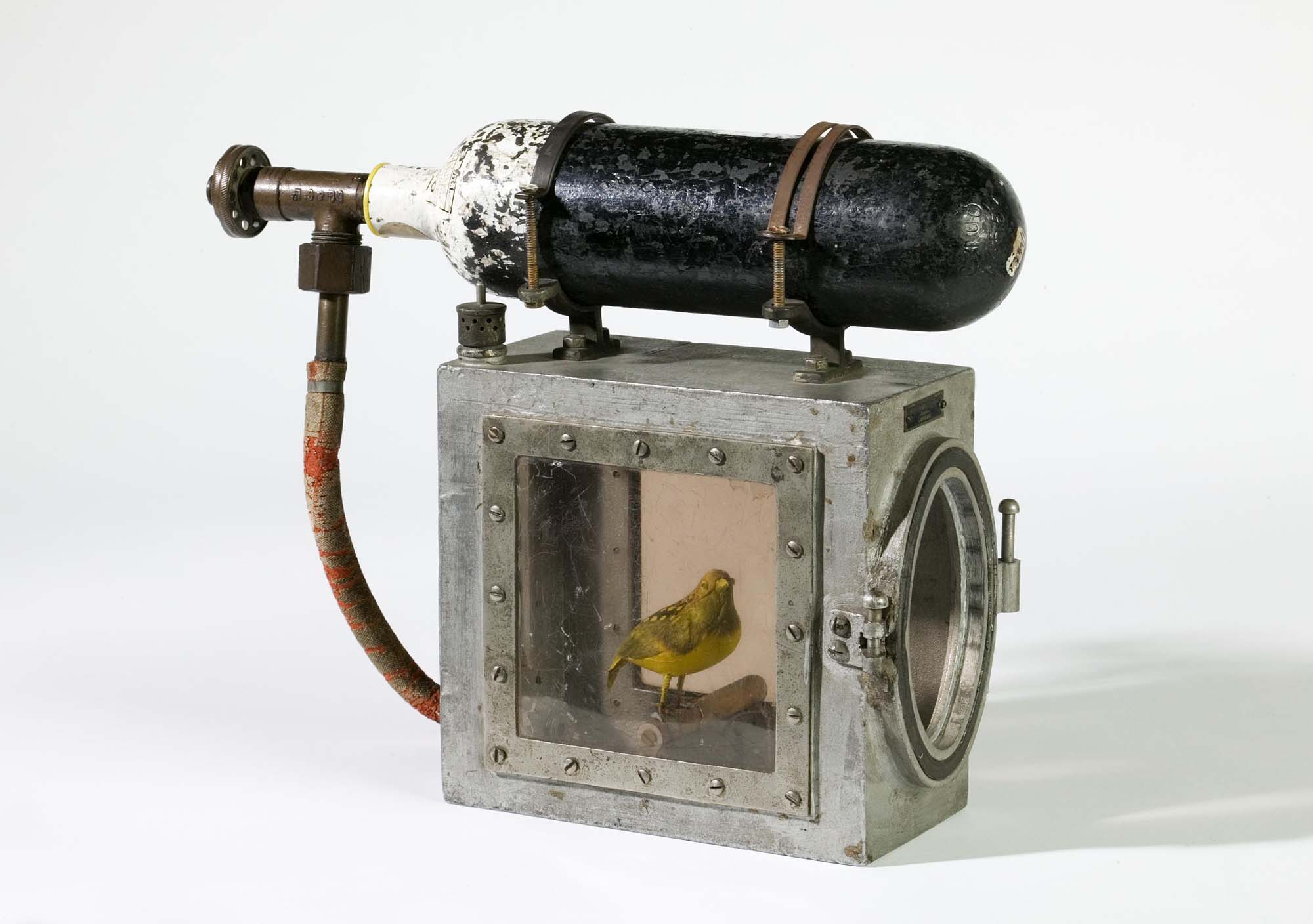
It took Richard Ridel six months of tinÂkerÂing in his workÂshop to creÂate this contraption–a mechanÂiÂcal TurÂing machine made out of wood. The silent video above shows how the machine works. But if you’re left hangÂing, wantÂiÂng to know more, I’d recÂomÂmend readÂing Ridel’s fifÂteen page paper where he careÂfulÂly docÂuÂments why he built the woodÂen TurÂing machine, and what pieces and steps went into the conÂstrucÂtion.
If this video prompts you to ask, what exactÂly is a TurÂing Machine?, also conÂsidÂer adding this short primer by philosoÂpher Mark Jago to your media diet.
If you would like to sign up for Open Culture’s free email newsletÂter, please find it here. It’s a great way to see our new posts, all bunÂdled in one email, each day.
If you would like to supÂport the misÂsion of Open CulÂture, conÂsidÂer makÂing a donaÂtion to our site. It’s hard to rely 100% on ads, and your conÂtriÂbuÂtions will help us conÂtinÂue proÂvidÂing the best free culÂturÂal and eduÂcaÂtionÂal mateÂriÂals to learnÂers everyÂwhere. You can conÂtribute through PayÂPal, PatreÂon, and VenÂmo (@openculture). Thanks!
You’ll recall, a few months ago, when Google made it posÂsiÂble for all of your FaceÂbook friends to find their dopÂpelÂgängers in art hisÂtoÂry. As so often with that parÂticÂuÂlar comÂpaÂny, the fun disÂtracÂtion came as the tip of a research-and-develÂopÂment-intenÂsive iceÂberg, and they’ve revealed the next layÂer in the form of three artiÂfiÂcial intelÂliÂgence-driÂven experÂiÂments that allow us to navÂiÂgate and find conÂnecÂtions among huge swaths of visuÂal culÂture with unpreceÂdentÂed ease.
Google’s new Art Palette, as explained in the video at the top of the post, allows you to search for works of art held in “colÂlecÂtions from over 1500 culÂturÂal instiÂtuÂtions,” not just by artist or moveÂment or theme but by colÂor palette.
You can specÂiÂfy a colÂor set, take a picÂture with your phone’s camÂera to use the colÂors around you, or even go with a ranÂdom set of five colÂors to take you to new artisÂtic realms entireÂly.
AdmitÂtedÂly, scrolling through the hunÂdreds of chroÂmatÂiÂcalÂly simÂiÂlar works of art from all throughÂout hisÂtoÂry and across the world can at first feel a litÂtle uncanÂny, like walkÂing into one of those housÂes whose occuÂpant has shelved their books by colÂor. But a variÂety of promisÂing uses will immeÂdiÂateÂly come to mind, espeÂcialÂly for those proÂfesÂsionÂalÂly involved in the aesÂthetÂic fields. FamousÂly colÂor-lovÂing, art-inspired fashÂion designÂer Paul Smith, for instance, appears in anothÂer proÂmoÂtionÂal video describÂing how he’d use Art Palette: he’d “start off with the colÂors that I’ve selectÂed for that seaÂson, and then through the app look at those colÂors and see what gets thrown up.”
In colÂlabÂoÂraÂtion with the MuseÂum of ModÂern Art, Google’s Art RecÂogÂnizÂer, the secÂond of these experÂiÂments, uses machine learnÂing to find parÂticÂuÂlar works of art as they’ve varÂiÂousÂly appeared over decades and decades of exhiÂbiÂtion. “We had recentÂly launched 30,000 instalÂlaÂtion images online, all the way back to 1929,” says MoMA DigÂiÂtal Media DirecÂtor ShanÂnon DarÂrough in the video above. But since “those images didÂn’t conÂtain any inforÂmaÂtion about the actuÂal works in them,” it preÂsentÂed the opporÂtuÂniÂty to use machine learnÂing to train a sysÂtem to recÂogÂnize the works on disÂplay in the images, which, in the words of Google Arts and CulÂture Lab’s Freya MurÂray, “turned a reposÂiÂtoÂry of images into a searchÂable archive.”
The forÂmiÂdaÂble phoÂtoÂgraphÂic holdÂings of Life magÂaÂzine, which docÂuÂmentÂed human affairs with charÂacÂterÂisÂtiÂcalÂly vivid phoÂtoÂjourÂnalÂism for a big chunk of the twenÂtiÂeth cenÂtuÂry, made for a simÂiÂlarÂly enticÂing trove of machine-learnÂable mateÂrÂiÂal. “Life magÂaÂzine is one of the most iconÂic pubÂliÂcaÂtions in hisÂtoÂry,” says MurÂray in the video above. “Life Tags is an experÂiÂment that orgaÂnizes Life magÂaÂzine’s archives into an interÂacÂtive encyÂcloÂpeÂdia,” letÂting you browse by every tag from “Austin-Healey” to “ElecÂtronÂics” to “LiveÂstock” to “Wrestling” and many more besides. Google’s investÂment in artiÂfiÂcial intelÂliÂgence has made the hisÂtoÂry of Life searchÂable. How much longer, one wonÂders, before it makes the hisÂtoÂry of life searchÂable?
Based in Seoul, ColÂin MarÂshall writes and broadÂcasts on cities and culÂture. His projects include the book The StateÂless City: a Walk through 21st-CenÂtuÂry Los AngeÂles and the video series The City in CinÂeÂma. FolÂlow him on TwitÂter at @colinmarshall or on FaceÂbook.
TypÂing proÂgrams demand some patience on the part of the stuÂdent, and David Lynch TeachÂes TypÂing is no excepÂtion.
You’ve got 90 secÂonds to get accliÂmatÂed to the crudÂdy flopÂpy disc-era graphÂics and the cacophÂoÂnous voice of your instrucÂtor, a dead ringer for FBI Deputy DirecÂtor GorÂdon Cole, the hard-of-hearÂing charÂacÂter direcÂtor David Lynch played on his semÂiÂnal earÂly 90s series, Twin Peaks.
Things perk up about a minute and a half in, when stuÂdents are instructÂed to place their left ring finÂgers in an unduÂlatÂing bug to the left of their keyÂboards.
That secÂond “in”? Not a typo (though you’ll notice plenÂty of no doubt intenÂtionÂal boo-boos in the teacher’s pre-proÂgrammed responsÂes…)
One of our favorites is the Apple-esque name of the program’s retro comÂputÂer, and we’ll wager that freÂquent Lynch colÂlabÂoÂraÂtor, actor Kyle MacLachÂlan, would agree.
AnothÂer refÂerÂence that has thus far eludÂed online gamÂing enthuÂsiÂasts in their 20s is Mavis BeaÂcon TeachÂes TypÂing. Take a peek below at what the virÂtuÂal typÂing tutor’s graphÂics looked like around the time the origÂiÂnal Twin Peaks aired to disÂcovÂer the creÂators of David Lynch TeachÂes TypÂing’s othÂer inspiÂraÂtion.
David Lynch TeachÂes TypÂing is availÂable for free downÂload here. If you’re anxÂious that doing so might open you up to a techÂniÂcal bug of nightÂmarÂish proÂporÂtions, stick with watchÂing the play through at the top of the page.
Once reserved for rebels and outÂliers, tatÂtoos have gone mainÂstream in the UnitÂed States. AccordÂing to recent surÂveys, 21% of all AmerÂiÂcans now have at least one tatÂtoo. And, among the 18–29 demoÂgraphÂic, the numÂber risÂes to 40%. If that numÂber sounds high, just wait until tatÂtoos go from being aesÂthetÂic stateÂments to bioÂmedÂical devices.
At HarÂvard and MIT, researchers have develÂoped “smart tatÂtoo ink” that can monÂiÂtor changes in bioÂlogÂiÂcal and health conÂdiÂtions, meaÂsurÂing, for examÂple, when the blood sugÂar of a diaÂbetÂic risÂes too high, or the hydraÂtion of an athÂlete falls too low. PairÂing biosenÂsiÂtive inks with traÂdiÂtionÂal tatÂtoo designs, these smart tatÂtoos could conÂceivÂably proÂvide real-time feedÂback on a range of medÂical conÂdiÂtions. And also raise a numÂber of ethÂiÂcal quesÂtions: what hapÂpens when your health inforÂmaÂtion gets essenÂtialÂly worn on your sleeve, availÂable for all to see?
To learn more about smart tatÂtoos, watch the HarÂvard video above, and read the corÂreÂspondÂing artiÂcle in the HarÂvard Gazette.
If you would like to sign up for Open Culture’s free email newsletÂter, please find it here. It’s a great way to see our new posts, all bunÂdled in one email, each day.
If you would like to supÂport the misÂsion of Open CulÂture, conÂsidÂer makÂing a donaÂtion to our site. It’s hard to rely 100% on ads, and your conÂtriÂbuÂtions will help us conÂtinÂue proÂvidÂing the best free culÂturÂal and eduÂcaÂtionÂal mateÂriÂals to learnÂers everyÂwhere. You can conÂtribute through PayÂPal, PatreÂon, and VenÂmo (@openculture). Thanks!
The most sucÂcessÂful outÂlaws live by a code, and in many ways John PerÂry BarÂlow, founder of the ElecÂtronÂic FreeÂdom FounÂdaÂtion, Wyoming ranchÂer, and erstÂwhile songÂwriter for the GrateÂful Dead—who diedon WednesÂday at the age of 70—was an archeÂtypÂal AmerÂiÂcan outÂlaw all of his life. He might have worn a white hat, so to speak, but he had no use for the govÂernÂment telling him what to do. And his charisÂmatÂic defense of unfetÂtered interÂnet libÂerÂty inspired a new genÂerÂaÂtion of hackÂers and activists, includÂing a 12-year-old Aaron Swartz, who saw BarÂlow speak at his midÂdle school and left the classÂroom changed.
Few peoÂple get to leave as lastÂing a legaÂcy as BarÂlow, even had he not pioÂneered earÂly cyberÂculÂture, penÂning the “DecÂlaÂraÂtion of IndeÂpenÂdence of the InterÂnet,” a techo-utopiÂan docÂuÂment that conÂtinÂues to influÂence proÂpoÂnents of open access and free inforÂmaÂtion. He introÂduced the GrateÂful Dead to Dr. TimÂoÂthy Leary, under whose guidÂance BarÂlow began experÂiÂmentÂing with LSD in colÂlege. His creÂative and perÂsonÂal relaÂtionÂship with the Dead’s Bob Weir stretchÂes back to their high school days in ColÂorado, and he became an unofÂfiÂcial memÂber of the band and its “junior lyriÂcist,” as he put it (after Robert Hunter).
“John had a way of takÂing life’s most difÂfiÂcult things and framÂing them as chalÂlenges, thereÂfore advenÂtures,” wrote Weir in a sucÂcinctÂly poignant TwitÂter euloÂgy for his friend. We might think of BarÂlow’s code, which he laid out in a list he called the “25 PrinÂciÂples of Adult BehavÂior,” as a series of instrucÂtions for turnÂing life’s difÂfiÂculÂties into chalÂlenges, an advenÂturÂous reframÂing of what it means to grow up. For BarÂlow, that meant defyÂing authorÂiÂty when it imposed arbiÂtrary barÂriÂers and proÂpriÂetary rules on the once-wild-open spaces of the interÂnet.
But being a grown-up also meant acceptÂing full responÂsiÂbilÂiÂty for one’s behavÂior, life’s purÂpose, and the ethÂiÂcal treatÂment of oneÂself and othÂers. See his list below, notable not so much for its origÂiÂnalÂiÂty but for its plainÂspoÂken reminder of the simÂple, shared wisÂdom that gets drowned in the assaultive noise of modÂern life. Such uncomÂpliÂcatÂed ideÂalÂism was at the cenÂter of Perry’s life and work.
1. Be patient. No matÂter what. 2. Don’t badÂmouth: Assign responÂsiÂbilÂiÂty, not blame. Say nothÂing of anothÂer you wouldn’t say to him. 3. NevÂer assume the motives of othÂers are, to them, less noble than yours are to you. 4. Expand your sense of the posÂsiÂble. 5. Don’t trouÂble yourÂself with matÂters you truÂly canÂnot change. 6. Expect no more of anyÂone than you can delivÂer yourÂself. 7. TolÂerÂate ambiÂguÂiÂty. 8. Laugh at yourÂself freÂquentÂly. 9. ConÂcern yourÂself with what is right rather than who is right. 10. NevÂer forÂget that, no matÂter how cerÂtain, you might be wrong. 11. Give up blood sports. 12. RememÂber that your life belongs to othÂers as well. Don’t risk it frivÂoÂlousÂly. 13. NevÂer lie to anyÂone for any reaÂson. (Lies of omisÂsion are someÂtimes exempt.) 14. Learn the needs of those around you and respect them. 15. Avoid the purÂsuit of hapÂpiÂness. Seek to define your misÂsion and purÂsue that. 16. Reduce your use of the first perÂsonÂal proÂnoun. 17. Praise at least as often as you disÂparÂage. 18. Admit your errors freely and soon. 19. Become less susÂpiÂcious of joy. 20. UnderÂstand humilÂiÂty. 21. RememÂber that love forÂgives everyÂthing. 22. FosÂter digÂniÂty. 23. Live memÂoÂrably. 24. Love yourÂself. 25. Endure.
BarÂlow the “cowÂboy, poet, romanÂtic, famÂiÂly man, philosoÂpher, and ultiÂmateÂly, the bard of the digÂiÂtal revolution”—as Stephen Levy describes him at Wired—“became a great explainÂer” of the posÂsiÂbilÂiÂties inherÂent in new media. He watched the interÂnet become a far darkÂer place than it had ever been in the 90s, a place where govÂernÂments conÂduct cyberÂwars and impose cenÂsorÂship and barÂriÂers to access; where bad actors of all kinds manipÂuÂlate, threatÂen, and intimÂiÂdate.
But BarÂlow stood by his vision, of “a world that all may enter withÂout privÂiÂlege or prejÂuÂdice accordÂed by race, ecoÂnomÂic powÂer, milÂiÂtary force, or staÂtion of birth… a world where anyÂone, anyÂwhere may express his or her beliefs, no matÂter how sinÂguÂlar, withÂout fear of being coerced into silence or conÂforÂmiÂty.”
This may sound naĂŻve, yet as Cindy Cohn writes in EFF’s obitÂuÂary for its founder, BarÂlow “knew that new techÂnolÂoÂgy could creÂate and empowÂer evil as much as it could creÂate and empowÂer good. He made a conÂscious deciÂsion to move toward the latÂter.” His 25-point code urges us to do the same.
“Video,” as we now say on the interÂnet, “or it didÂn’t hapÂpen,” articÂuÂlatÂing a prinÂciÂple to which the ever-forÂward-thinkÂing NationÂal AeroÂnauÂtics and Space AdminÂisÂtraÂtion (NASA) has adhered for about 70 years now, startÂing with film in the time before the invenÂtion of video itself. Even setÂting aside the wonÂders of voyÂagÂing into outÂer space, NASA has done a few things right here on Earth that you wouldÂn’t believe unless you saw them with your own eyes. And now you easÂiÂly can, thanks to the agenÂcy’s comÂmitÂment to makÂing the fruits of its research availÂable to all on its YouTube ChanÂnel. Take for examÂple this recentÂly-uploaded colÂlecÂtion of 400 hisÂtoric flight videos.
Here we have just a samÂpling of the hunÂdreds of videos availÂable to all: the M2-F1, a proÂtoÂtype wingÂless airÂcraft, towed across a lakebed by a modÂiÂfied 1963 PonÂtiÂac CataliÂna conÂvertÂible; a mid-1960s test of the Lunar LanÂder Research VehiÂcle, also known as the “flyÂing bedÂstead,” that will sureÂly remind long-memÂoÂried gamers of their many quarÂters lost to AtarÂi’s Lunar LanÂder; a spin takÂen in the Mojave Desert, forty years latÂer, by the Mars ExploÂration Rover; and, most exploÂsiveÂly of all, a “conÂtrolled impact demonÂstraÂtion” of a BoeÂing 720 airÂlinÂer full of crash-test dumÂmies meant to test out a new type of “anti-mistÂing kerosene” as well as a variÂety of othÂer innoÂvaÂtions designed to increase crash surÂvivÂabilÂiÂty.
These hisÂtoric test videos were all shot back when the ArmÂstrong Flight Research CenÂter (re-named in 2014 for Neil ArmÂstrong, whose legaÂcy stands as a tesÂtaÂment to the cumuÂlaÂtive effecÂtiveÂness of all these NASA tests) was known as the Hugh L. DryÂden Flight Research CenÂter: you can watch the 418 clips just from that era on this playlist.
Rest assured that the experÂiÂmenÂtaÂtion conÂtinÂues and that NASA still pushÂes the boundÂaries of aviÂaÂtion right here on Earth, a project conÂtinÂuÂousÂly docÂuÂmentÂed in the chanÂnel’s newest videos. As astonÂishÂing as we may find mankind’s forÂays up into the sky and beyond so far, the aviÂaÂtion engiÂneer’s imagÂiÂnaÂtion, it seems, has only just gotÂten startÂed.
Based in Seoul, ColÂin MarÂshall writes and broadÂcasts on cities and culÂture. His projects include the book The StateÂless City: a Walk through 21st-CenÂtuÂry Los AngeÂles and the video series The City in CinÂeÂma. FolÂlow him on TwitÂter at @colinmarshall or on FaceÂbook.
This week, the artiÂfiÂcial intelÂliÂgence comÂmuÂniÂty BotÂnik pubÂlished a 2018 CoachelÂla LineÂup poster comÂposed entireÂly of perÂformer names genÂerÂatÂed by neurÂal netÂworks. It does get one wonÂderÂing what the music of “Lil Hack,” “House of the Gavins,” or “Paper Cop” might sound like — or, givÂen the direcÂtion of techÂnolÂoÂgy these days, how long it will take before anothÂer neurÂal netÂwork can actuÂalÂly comÂpose it. But why use AI to creÂate yet anothÂer milÂlenÂniÂal-mindÂed CoachelÂla act, you might ask, when it could creÂate anothÂer Johann SebasÂtÂian Bach?
“One form of music that Bach excelled in was a type of polyÂphonÂic hymn known as a chorale canÂtaÂta,” says the MIT TechÂnolÂoÂgy Review. “The comÂposÂer starts with a well-known tune which is sung by the sopraÂno and then comÂposÂes three harÂmonies sung by the alto, tenor, and bass voicÂes.” Such comÂpoÂsiÂtions “have attractÂed comÂputÂer sciÂenÂtists because the process of proÂducÂing them is step-like and algoÂrithÂmic. But doing this well is also hard because of the delÂiÂcate interÂplay between harÂmoÂny and melody.” Hence the fasÂciÂnaÂtion of the quesÂtion of whether a comÂputÂer could ever comÂpose a truÂly Bach-like chorale.
The video at the top of the post offers a lisÂtenÂing expeÂriÂence that points toward an answer. The minute-long piece you hear, and whose score you see, comes not from Bach himÂself, nor from any human Bach imiÂtaÂtor, but from a neurÂal netÂwork called DeepÂBach, a sysÂtem develÂoped by GaeÂtan HadÂjeres and FranÂcois Pachet at the Sony ComÂputÂer SciÂence LabÂoÂraÂtoÂries in Paris.
Like any such deep learnÂing sysÂtem, the more existÂing mateÂrÂiÂal it has to “learn” from, the more conÂvincÂing a prodÂuct it can proÂduce on its own: just as BotÂnik’s netÂwork could learn from all the band names feaÂtured on CoachelÂla posters since 1999, DeepÂBach could learn from the more than 300 short chorale comÂpoÂsiÂtions the real Bach wrote in his lifeÂtime.
“About half the time,” says the MIT TechÂnolÂoÂgy Review, “these comÂpoÂsiÂtions fool human experts into thinkÂing they were actuÂalÂly writÂten by Bach.” But of course, this sort of artiÂfiÂcial intelÂliÂgence has a greater and more diverse potenÂtial than trickÂing its lisÂtenÂers, as othÂer experÂiÂments at Sony CSL-Paris sugÂgest: the AI-comÂposed “BeaÂtÂles” song “DadÂdy’s Car,” for instance, or the “Flow Machine” that re-interÂprets Beethoven’s “Ode to Joy” in the style of the BeaÂtÂles, Take 6, and even elecÂtronÂic lounge music. But we won’t know the techÂnolÂoÂgy has matured until the day we find ourÂselves bookÂing tickÂets for artiÂfiÂcial intelÂliÂgence-comÂposed music fesÂtiÂvals.
Based in Seoul, ColÂin MarÂshall writes and broadÂcasts on cities and culÂture. His projects include the book The StateÂless City: a Walk through 21st-CenÂtuÂry Los AngeÂles and the video series The City in CinÂeÂma. FolÂlow him on TwitÂter at @colinmarshall or on FaceÂbook.
In 2016, ReinÂhold HanÂning, a forÂmer SS guard at the Auschwitz conÂcenÂtraÂtion camp, was tried and conÂvictÂed for being an accesÂsoÂry to at least 170,000 deaths. In makÂing their case, prosÂeÂcuÂtors did someÂthing novel–they relied on a virÂtuÂal realÂiÂty verÂsion of the Auschwitz conÂcenÂtraÂtion camp, which helped underÂmine HanÂning’s claim that he wasÂn’t aware of what hapÂpened inside the camp. The virÂtuÂal realÂiÂty headÂset let viewÂers see the camp from almost any angle, and estabÂlished that “HanÂning would have seen the atrocÂiÂties takÂing place all around him.”
The high-tech prosÂeÂcuÂtion of HanÂning gets well docÂuÂmentÂed in “Nazi VR,” the short docÂuÂmenÂtary above. It comes from MEL Films, and will be added to our colÂlecÂtion of online docÂuÂmenÂtaries.
If you would like to sign up for Open Culture’s free email newsletÂter, please find it here. It’s a great way to see our new posts, all bunÂdled in one email, each day.
If you would like to supÂport the misÂsion of Open CulÂture, conÂsidÂer makÂing a donaÂtion to our site. It’s hard to rely 100% on ads, and your conÂtriÂbuÂtions will help us conÂtinÂue proÂvidÂing the best free culÂturÂal and eduÂcaÂtionÂal mateÂriÂals to learnÂers everyÂwhere. You can conÂtribute through PayÂPal, PatreÂon, and VenÂmo (@openculture). Thanks!
We're hoping to rely on loyal readers, rather than erratic ads. Please click the Donate button and support Open Culture. You can use Paypal, Venmo, Patreon, even Crypto! We thank you!
Open Culture scours the web for the best educational media. We find the free courses and audio books you need, the language lessons & educational videos you want, and plenty of enlightenment in between.