Fleetwood Mac Unveils Their New Singer Stevie Nicks & The World Takes Notice: Watch Bewitching Performances of “Rhiannon” (1975–1976)

Fleet­wood Mac lost one lead singer and gui­tarist after anoth­er in the 70s, first to a men­tal health cri­sis, then a reli­gious cult, then dra­mat­ic fir­ings and rela­tion­al break­downs. They were in a bit of a sham­bles when new prospect Lind­say Buck­ing­ham arrived, bring­ing with him even more dra­ma, as well as an unknown singer, Ste­vie Nicks. One year lat­er, their breakup coin­cid­ed with the dis­so­lu­tion of John and Chris­tine McVie’s mar­riage, and drum­mer and name­sake Mick Fleet­wood’s divorce, dur­ing the record­ing of the mas­sive-sell­ing Rumors album in 1976.

Some­how, the band kept on, mak­ing greater leaps for­ward with Tusk, sur­viv­ing into the 90s intact and mount­ing sev­er­al reunion tours after­ward. How? Many a book and doc­u­men­tary have tack­led the sub­ject. But maybe the main rea­son is plain.

Despite endur­ing cir­cum­stances that would tear most bands apart, despite the cyn­i­cal lures and traps of wealth and fame, Fleet­wood Mac’s pro­fes­sion­al longevi­ty came from the fact that they were musi­cians who loved play­ing togeth­er, who knew how good they were at what they did, and knew they were bet­ter when they did it togeth­er.

Not only did the new five-piece put aside huge per­son­al con­flicts and an already leg­endary his­to­ry to make some of the great­est pop music ever writ­ten, both col­lab­o­rat­ing and let­ting indi­vid­ual song­writ­ers take the lead, but they had the smarts to rec­og­nize the enor­mous tal­ent they had in Nicks, who first joined the band at Buckingham’s insis­tence then quick­ly became its star front­woman. Her mag­net­ism was unde­ni­able, her song­writ­ing bewitch­ing, her stage pres­ence trans­for­ma­tive.

Fans see­ing Nicks onstage with the band after the release of 1975’s Fleet­wood Mac have “no idea who Ste­vie Nicks is,” writes Rob Sheffield at Rolling Stone. They have “heard ‘Rhi­an­non’ on the radio,” have maybe bought the record, but “they’ve nev­er seen her rock.” Then they did—explaining the ori­gins of “Rhi­an­non” on The Old Grey Whis­tle Test (top) before launch­ing into the “song about a Welsh witch,” and going full-on new-age diva with super-feath­ered hair on The Mid­night Spe­cial (above).

“She’s the new girl in a long-run­ning band,” writes Sheffield, “but she’s here to blow all that his­to­ry away. She keeps push­ing the song hard­er, faster, as if she’s impa­tient to prove the new Mac is a real sav­age-like rock mon­ster, now that she’s ful­ly arrived.” Buck­ing­ham was the right gui­tarist at the right time in the band’s evo­lu­tion, step­ping into sev­er­al huge pairs of shoes to help them recre­ate their sound. But Ste­vie Nicks pro­vid­ed the voice and elec­tri­fy­ing­ly weird ener­gy they need­ed to become their best new selves.

Big, dra­mat­ic TV appear­ances were one thing, but the band’s tran­si­tion from British blues rock­ers to pop radio super­stars wasn’t a total eclipse of their past. While they may have been pro­mot­ed as a Ste­vie Nicks-cen­tric enti­ty, Chris­tine McVie still played a major singer/songwriter role, as did Buck­ing­ham. In one of their first live con­certs with the two new mem­bers, at the Capi­tol The­atre in New Jer­sey, above, McVie opens the set with “Get Like You Used to Be” and “Spare Me a Lit­tle of Your Love.”

Buck­ing­ham shows off his impec­ca­ble blues and coun­try chops, and Nicks sits in on back­ing vocals, then takes the lead three songs in on “Rhi­an­non.” Oth­er new songs in the short setlist include “World Turn­ing,” sung by McVie and Buck­ing­ham, and the Buck­ing­ham-led “Blue Let­ter” and “I’m So Afraid.” (They reach as far back in the back cat­a­log as Peter Green’s “Green Man­al­ishi.”) It’s clear at this point that the band doesn’t quite know what to do with Ste­vie Nicks. But once they debuted on tele­vi­sion, she knew exact­ly how to sell her­self to audi­ences.

FYI: If you hap­pen to be an Audi­ble mem­ber, you can down­load Rob Sheffield­’s audio­book, The Wild Heart of Ste­vie Nicks, as a free addi­tion­al book this month. (It’s part of their Audi­ble Orig­i­nals pro­gram.) If you’re not an Audi­ble mem­ber, you can always sign up for a free 30-day tri­al here.

Relat­ed Con­tent:

Ste­vie Nicks “Shows Us How to Kick Ass in High-Heeled Boots” in a 1983 Women’s Self Defense Man­u­al

How Fleet­wood Mac Makes A Song: A Video Essay Explor­ing the “Son­ic Paint­ings” on the Clas­sic Album, Rumours

Watch Clas­sic Per­for­mances by Peter Green, Founder of Fleet­wood Mac & the Only British Blues Gui­tarist Who Gave B.B. King “the Cold Sweats”

Josh Jones is a writer and musi­cian based in Durham, NC. Fol­low him at @jdmagness

Star Trek’s Nichelle Nichols Creates a Short Film for NASA to Recruit New Astronauts (1977)

Imag­ine grow­ing up in the late 1960s, wit­ness­ing at an impres­sion­able age the hey­day of the orig­i­nal Star Trek fol­lowed by the real-life moon land­ing. (If you actu­al­ly did grow up in the late 1960s, just remem­ber your child­hood.) How could you not have dreamed of work­ing on some­thing to do with out­er space, or indeed in out­er space itself? It seems that both the pro­mot­ers of NASA and the cre­ators of Star Trek know that both their projects draw from the same well of won­der about the world beyond our plan­et. As we’ve pre­vi­ous­ly fea­tured here on Open Cul­ture, William Shat­ner has nar­rat­ed a doc­u­men­tary on the space shut­tle as well as a Mars land­ing video, and Leonard Nimoy nar­rat­ed a short about NASA’s space­craft Dawn.

Nichelle Nichols, who played Lieu­tenant Uhu­ra in the orig­i­nal series, also did her NASA-pro­mot­ing bit — or per­haps more than her bit — by star­ring in the agen­cy’s 1977 recruit­ment film. In the years since the end of Star Trek, she had already been vol­un­teer­ing with NASA’s push to recruit more women and minori­ties.

“I am going to bring you so many qual­i­fied women and minor­i­ty astro­naut appli­cants for this posi­tion that if you don’t choose one… every­body in the news­pa­pers across the coun­try will know about it,” she has since remem­bered telling NASA at the time. In the event, NASA chose more than a few, includ­ing astro­nauts like Sal­ly Ride, Guion Blu­ford, Judith Resnik, and Ronald McNair.

“I still feel a lit­tle bit like Lieu­tenant Uhu­ra on the star­ship Enter­prise,” Nichols says at the begin­ning of the film. “You know, now there’s a 20th-cen­tu­ry Enter­prise, an actu­al space vehi­cle built by NASA and designed to put us in the busi­ness of space, and not mere­ly space explo­ration.” NASA’s Enter­prise, she explains, is “a space shut­tle built to make reg­u­lar­ly sched­uled runs into space and back, just like a com­mer­cial air­line,” one that “may even be used to build a space sta­tion in orbit around the Earth, and this would require the ser­vices of peo­ple with a vari­ety of skills and qual­i­fi­ca­tions.” At the very end, she empha­sizes a dif­fer­ent sense of vari­ety: “I’m speak­ing to the whole fam­i­ly of humankind, minori­ties and women alike. If you qual­i­fy and would like to be an astro­naut, now is the time. This is your NASA, a space agency embarked on a mis­sion to improve the qual­i­ty of life on plan­et Earth right now” — an even wor­thi­er mis­sion, some might say, than bold­ly going where no man has gone before.

via Boing Boing

Relat­ed Con­tent:

Star Trek Celebri­ties William Shat­ner and Wil Wheaton Nar­rate Mars Land­ing Videos for NASA

William Shat­ner Nar­rates Space Shut­tle Doc­u­men­tary

William Shat­ner Puts in a Long Dis­tance Call to Astro­naut Aboard the Inter­na­tion­al Space Sta­tion

Leonard Nimoy Nar­rates Short Film About NASA’s Dawn: A Voy­age to the Ori­gins of the Solar Sys­tem

NASA Cre­ates Movie Par­o­dy Posters for Its Expe­di­tion Flights: Down­load Par­o­dies of Metrop­o­lis, The Matrix, The Hitchhiker’s Guide to the Galaxy and More

Based in Seoul, Col­in Mar­shall writes and broad­casts on cities, lan­guage, and cul­ture. His projects include the book The State­less City: a Walk through 21st-Cen­tu­ry Los Ange­les and the video series The City in Cin­e­ma. Fol­low him on Twit­ter at @colinmarshall, on Face­book, or on Insta­gram.

Mr. Rogers’ Nine Rules for Speaking to Children (1977)

The max­im “chil­dren need rules” does not nec­es­sar­i­ly describe either a right-wing posi­tion or a left­ist one; either a polit­i­cal or a reli­gious idea. Ide­al­ly, it points to observ­able facts about the biol­o­gy of devel­op­ing brains and psy­chol­o­gy of devel­op­ing per­son­al­i­ties. It means cre­at­ing struc­tures that respect kids’ intel­lec­tu­al capac­i­ties and sup­port their phys­i­cal and emo­tion­al growth. Sub­sti­tut­ing “struc­ture” for rules sug­gests even more strong­ly that the “rules” are main­ly require­ments for adults, those who build and main­tain the world in which kids live.

Grown-ups must, to the best of their abil­i­ties, try and under­stand what chil­dren need at their stage of devel­op­ment, and try to meet those needs. When Susan Sontag’s son David was 7 years old, for exam­ple, the writer and film­mak­er made a list of ten rules for her­self to fol­low, touch­ing on con­cerns about his self-con­cept, rela­tion­ship with his father, indi­vid­ual pref­er­ences, and need for rou­tine. Her first rule serves as a gen­er­al head­ing for the pre­scrip­tions in the oth­er nine: “Be con­sis­tent.”

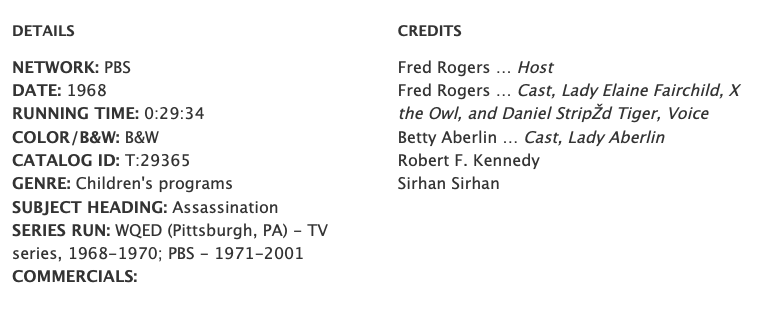
Sontag’s rules only emerged from her jour­nals after her death. She did not turn them into pub­lic par­ent­ing tips. But near­ly ten years after she wrote them, a man appeared on tele­vi­sion who seemed to embody their exac­ti­tude and sim­plic­i­ty. From the very begin­ning in 1968, Fred Rogers insist­ed that his show be built on strict rules. “There were no acci­dents on Mr. Rogers’ Neigh­bor­hood,” says for­mer pro­duc­er Arthur Green­wald. Or as Maxwell King, author of a recent biog­ra­phy on Rogers, writes at The Atlantic:

He insist­ed that every word, whether spo­ken by a per­son or a pup­pet, be scru­ti­nized close­ly, because he knew that children—the preschool-age boys and girls who made up the core of his audience—tend to hear things lit­er­al­ly…. He took great pains not to mis­lead or con­fuse chil­dren, and his team of writ­ers joked that his on-air man­ner of speak­ing amount­ed to a dis­tinct lan­guage they called “Fred­dish.”

In addi­tion to his con­sis­ten­cy, almost to the point of self-par­o­dy, Rogers made sure to always be absolute­ly crys­tal clear in his speech. He under­stood that young kids do not under­stand metaphors, most­ly because they haven’t learned the com­mon­ly agreed-upon mean­ings. Preschool-age chil­dren also have trou­ble under­stand­ing the same uses of words in dif­fer­ent con­texts. In one seg­ment on the show, for exam­ple, a nurse says to a child wear­ing a blood-pres­sure cuff, “I’m going to blow this up.”

Rogers had the crew redub the line with “’I’m going to puff this up with some air.’ ’Blow up’ might sound like there’s an explo­sion,” Green­wald remem­bers, “and he didn’t want kids to cov­er their ears and miss what would hap­pen next.” In anoth­er exam­ple, Rogers wrote a song called “You Can Nev­er Go Down the Drain,” to assuage a com­mon fear that very young chil­dren have. There is a cer­tain log­ic to the think­ing. Drains take things away, why not them?

Rogers “was extra­or­di­nar­i­ly good at imag­in­ing where children’s minds might go,” writes King, explain­ing to them, for exam­ple, that an oph­thal­mol­o­gist could not look into his mind and see his thoughts. His care with lan­guage so amused and awed the show’s cre­ative team that in 1977, Green­wald and writer Bar­ry Head cre­at­ed an illus­trat­ed satir­i­cal man­u­al called “Let’s Talk About Fred­dish.” Any­one who’s seen the doc­u­men­tary Won’t You Be My Neigh­bor? knows Rogers could take a good-natured joke at his expense, like­ly includ­ing the imag­i­na­tive recon­struc­tion of his meth­ods below.

  1. “State the idea you wish to express as clear­ly as pos­si­ble, and in terms preschool­ers can under­stand.” Exam­ple: It is dan­ger­ous to play in the street.
  2. “Rephrase in a pos­i­tive man­ner,” as in It is good to play where it is safe.
  3. “Rephrase the idea, bear­ing in mind that preschool­ers can­not yet make sub­tle dis­tinc­tions and need to be redi­rect­ed to author­i­ties they trust.” As in, “Ask your par­ents where it is safe to play.”
  4. “Rephrase your idea to elim­i­nate all ele­ments that could be con­sid­ered pre­scrip­tive, direc­tive, or instruc­tive.” In the exam­ple, that’d mean get­ting rid of “ask”: Your par­ents will tell you where it is safe to play.
  5. “Rephrase any ele­ment that sug­gests cer­tain­ty.” That’d be “will”: Your par­ents can tell you where it is safe to play.
  6. “Rephrase your idea to elim­i­nate any ele­ment that may not apply to all chil­dren.” Not all chil­dren know their par­ents, so: Your favorite grown-ups can tell you where it is safe to play.
  7. “Add a sim­ple moti­va­tion­al idea that gives preschool­ers a rea­son to fol­low your advice.” Per­haps: Your favorite grown-ups can tell you where it is safe to play. It is good to lis­ten to them.
  8. “Rephrase your new state­ment, repeat­ing the first step.” “Good” rep­re­sents a val­ue judg­ment, so: Your favorite grown-ups can tell you where it is safe to play. It is impor­tant to try to lis­ten to them.
  9. “Rephrase your idea a final time, relat­ing it to some phase of devel­op­ment a preschool­er can under­stand.” Maybe: Your favorite grown-ups can tell you where it is safe to play. It is impor­tant to try to lis­ten to them, and lis­ten­ing is an impor­tant part of grow­ing.

His crew respect­ed him so much that even their par­o­dies serve as slight­ly exag­ger­at­ed trib­utes to his con­cerns. Rogers adapt­ed his philo­soph­i­cal guide­lines from the top psy­chol­o­gists and child-devel­op­ment experts of the time. The 9 Rules (or maybe 9 Stages) of “Fred­dish” above, as imag­ined by Green­wald and Head, reflect their work. Maybe implied in the joke is that his metic­u­lous pro­ce­dure, con­sid­er­ing the pos­si­ble effects of every word, would be impos­si­ble to emu­late out­side of his script­ed encoun­ters with chil­dren, prepped for by hours of con­ver­sa­tion with child-devel­op­ment spe­cial­ist Mar­garet McFar­land.

Such is the kind of expe­ri­ence par­ents, teach­ers, and oth­er care­tak­ers nev­er have. But Rogers under­stood and acknowl­edged the unique pow­er and priv­i­lege of his role, more so than most every oth­er children’s TV pro­gram­mer. He made sure to get it right, as best he could, each time, not only so that kids could bet­ter take in the infor­ma­tion, but so the grown-ups in their lives could make them­selves bet­ter under­stood. Rogers want­ed us to know, says Green­wald, “that the inner life of chil­dren was dead­ly seri­ous to them,” and thus deserv­ing of care and recog­ni­tion.

via Men­tal Floss

Relat­ed Con­tent:

Watch a Marathon Stream­ing of All 856 Episodes of Mis­ter Rogers Neigh­bor­hood, and the Mov­ing Trail­er for the New Doc­u­men­tary, Won’t You Be My Neigh­bor?

Mis­ter Rogers Accepts a Life­time Achieve­ment Award, and Helps You Thank Every­one Who Has Made a Dif­fer­ence in Your Life

When Fred Rogers and Fran­cois Clem­mons Broke Down Race Bar­ri­ers on a His­toric Episode of Mis­ter Rogers’ Neigh­bor­hood (1969)

Josh Jones is a writer and musi­cian based in Durham, NC. Fol­low him at @jdmagness

Herbie Hancock’s Joyous Soundtrack for the Original Fat Albert TV Special (1969)

Mil­lions of kids grew up with the groovy yet edu­ca­tion­al car­toon com­e­dy of Fat Albert, and mil­lions of adults may find it dif­fi­cult or impos­si­ble now to watch the show with­out think­ing of the crimes of its cre­ator. Such is life in the 21st cen­tu­ry, but so it was too at the end of the 1960s when the first iter­a­tion of Fat Albert debuted. There were plen­ty of rea­sons to feel ter­ri­ble about the cul­ture. Yet the music that came out of the var­i­ous jazz/funk/fusion/soul scenes seemed like it couldn’t let any­one feel too bad for long.

In 1969, Her­bie Han­cock had just been let go from the Miles Davis quin­tet and left his­toric Blue Note. Dur­ing this piv­otal time, he signed on to com­pose the sound­track for the TV spe­cial Hey, Hey, Hey, It’s Fat Albert, the pre­cur­sor to the episod­ic car­toon Fat Albert and the Cos­by Kids, which ran from 1972 to 1985 and taught seri­ous eth­i­cal lessons about such sub­jects as kind­ness, respect, steal­ing, drugs, scams, kid­nap­ping, smok­ing, racism, and more with orig­i­nal songs.

The lat­er show’s unfor­get­table theme song (“na, na, na, gonna have a good time!”) was not penned by Han­cock, nor were any of its oth­er tunes. Only the orig­i­nal spe­cial used his music, which is maybe why the sound­track is not bet­ter known, as well it should be. “It’s a deeply soul­ful affair,” writes Boing Boing, “that pre­saged Hancock’s 1973 jazz-funk clas­sic Head Hunters.” The album, Fat Album Rotun­da, had gone out of print, but has now been reis­sued on the label Antarc­ti­ca Starts Here.

After lis­ten­ing to the tracks (hear sam­ples above and below), you might find it dif­fi­cult to resist buy­ing a copy. Whether or not you still enjoy the car­toon, the incred­i­ble grooves here evoke much more than its ado­les­cent char­ac­ters and their junk­yard mishaps. This is such an expan­sive, joy­ous album, one “in which Han­cock,” Supe­ri­or Viaduct writes, “clear­ly had a great time.” So too did the rest of the band, “which by the time of record­ing in late 1969 was both razor-sharp and con­fi­dent­ly loose from rehears­ing and tour­ing.”

The band includ­ed three horn play­ers, “Joe Hen­der­son on sax and flute, Gar­nett Brown on trom­bone and John­ny Coles on trum­pet and flugel­horn.” Hancock’s solos run flu­id­ly through each song, held in place by the rock-sol­id swing of Albert Heath’s drums. The com­po­si­tions are com­plex and catchy, with lilt­ing melodies, mean hooks, and big refrains.

The album is instant­ly clas­sic, whether you heard it fifty years ago or just now for the first time. Warn­er Broth­ers agreed, and gave Han­cock and his band a deal on the strength of the album. So did Quin­cy Jones, who record­ed his own ver­sion of the track “Tell Me a Bed­time Sto­ry,” a mel­low, dynam­ic slow burn that builds to some of the finest Fend­er Rhodes play­ing Han­cock put to tape. Fat Albert Rotun­da was hard­ly his first or his last sound­track album, but while it has fall­en into obscu­ri­ty, it should rank as one of his best.

via Boing Boing

Relat­ed Con­tent:

Her­bie Han­cock Explains the Big Les­son He Learned From Miles Davis: Every Mis­take in Music, as in Life, Is an Oppor­tu­ni­ty

Mis­ter Rogers, Sesame Street & Jim Hen­son Intro­duce Kids to the Syn­the­siz­er with the Help of Her­bie Han­cock, Thomas Dol­by & Bruce Haack

How Inno­v­a­tive Jazz Pianist Vince Guaral­di Became the Com­pos­er of Beloved Char­lie Brown Music

Josh Jones is a writer and musi­cian based in Wash­ing­ton, DC. Fol­low him at @jdmagness

Watch the Twin Peaks Visual Soundtrack Released Only in Japan: A New Way to Experience David Lynch’s Classic Show

Crit­ics describe David Lynch’s most mem­o­rable imagery as not just deeply trou­bling but deeply Amer­i­can. Despite that — or maybe because of it — his films have found enthu­si­as­tic audi­ences all over the world. But does Lynch com­mand quite as fer­vent a fan base in any coun­try as he does in Japan? Unlike­ly though the cul­tur­al match of cre­ator and view­er may seem, Lynch’s work tends to make big splash­es in the Land of the Ris­ing Sun, and Twin Peaks, the ground­break­ing­ly strange tele­vi­sion dra­ma Lynch co-cre­at­ed with Mark Frost, made an espe­cial­ly big one. Stand­ing as evi­dence is the Twin Peaks mate­r­i­al made for the Japan­ese and no one else: the Lynch-direct­ed Twin Peaks Geor­gia Cof­fee com­mer­cials, for instance, or the Twin Peaks Visu­al Sound­track on Laserdisc.

“What must the thir­ty-five mil­lion peo­ple who tuned in to the pilot episode of Twin Peaks in April 1990 have thought when they first wit­nessed the show’s open­ing cred­its?” writes musi­cian Claire Nina Norel­li in her book on Twin Peaks’ sound­track. “This haunt­ing music, cou­pled with images of rur­al ter­rain and indus­tri­al­iza­tion, must have belied audi­ences’ expec­ta­tions.”

That holds as true for audi­ences out­side Amer­i­ca as inside it: Norel­li, who first saw the show in her “small, iso­lat­ed home­town” of Perth, Aus­tralia, writes that “what real­ly cap­tured my atten­tion dur­ing what would be the first of many for­ays into the world of Twin Peaks was its sound­track, com­posed by Ange­lo Badala­men­ti.”

The Twin Peaks Visu­al Sound­track, which you can watch on Youtube, takes Badala­men­ti’s sound­track (which Norel­li cred­its with “strength­en­ing the visu­al lan­guage” of the show, no mean feat giv­en the innate strength of Lynch’s visions) and accom­pa­nies it with footage of the small town of Twin Peaks and its envi­rons — or rather, footage of the loca­tions around Wash­ing­ton state that Lynch and com­pa­ny used to craft the small town of Twin Peaks and its envi­rons. Matt Humphrey of the Twin Peaks Pod­cast high­lights the track “Lau­ra Palmer’s Theme,” whose video “explores the train grave­yard where they filmed the exte­ri­ors of Lau­ra’s death loca­tion. Now, in the series, the inte­ri­ors of the train were built on sets. In this video you can see the actu­al inte­ri­or of the old trains. It’s pret­ty cool/gross.”

“From what I can tell,” Humphrey writes, “these Visu­al Sound­track videos were tak­en in maybe 1992 by a Japan­ese film crew.” In some shots, he adds, “you can see the towns­folk star­ing.” Oth­er shots bear traces of Twin Peaks’ pop­u­lar­i­ty: “The Dou­ble R din­er is already sport­ing the ‘Twin Peaks Cher­ry Pie’ sign, so I think it’s after the series’ run. How­ev­er the town of North Bend is still in full Twin Peaks pro­mo­tion­al mode as you can see some gift shops in the videos sell­ing all sorts of mem­o­ra­bil­ia.” But Twin Peaks fans will espe­cial­ly enjoy the open­ing of the Visu­al Sound­track, a CGI fly-through of the epony­mous town com­plete with the afore­men­tioned din­er (cof­fee and cher­ry pie not includ­ed in the ren­der­ing), the Twin Peaks Sher­if­f’s Depart­ment, and a log­ging truck. See­ing how it all com­pares to Lynch’s hand-drawn map from when he first pitched the show to ABC will be left as an exer­cise for the true fan.

Relat­ed Con­tent:

David Lynch’s Twin Peaks Title Sequence, Recre­at­ed in an Adorable Paper Ani­ma­tion

Ange­lo Badala­men­ti Reveals How He and David Lynch Com­posed the Twin Peaks‘ “Love Theme”

Exper­i­men­tal Post-Punk Band Xiu Xiu Plays the Music from David Lynch’s Twin Peaks

David Lynch Directs a Mini-Sea­son of Twin Peaks in the Form of Japan­ese Cof­fee Com­mer­cials

Japan­ese Movie Posters of 10 David Lynch Films

Based in Seoul, Col­in Mar­shall writes and broad­casts on cities, lan­guage, and cul­ture. His projects include the book The State­less City: a Walk through 21st-Cen­tu­ry Los Ange­les and the video series The City in Cin­e­ma. Fol­low him on Twit­ter at @colinmarshall or on Face­book.

The Cringe-Inducing Humor of The Office Explained with Philosophical Theories of Mind

“I’m a friend first and a boss sec­ond,” says David Brent, mid­dle man­ag­er at the Slough branch of paper com­pa­ny Wern­ham-Hogg. “Prob­a­bly an enter­tain­er third.” Those of us who’ve watched the orig­i­nal British run of The Office — and espe­cial­ly those of us who still watch it reg­u­lar­ly — will remem­ber that and many oth­er of Bren­t’s pitiable dec­la­ra­tions besides. As por­trayed by the show’s co-cre­ator Ricky Ger­vais, Brent con­sti­tutes both The Office’s comedic and emo­tion­al core, at once a ful­ly real­ized char­ac­ter and some­one we’ve all known in real life. His dis­tinc­tive com­bi­na­tion of social incom­pe­tence and an aggres­sive des­per­a­tion to be liked pro­vokes in us not just laugh­ter but a more com­plex set of emo­tions as well, result­ing in one expres­sion above all oth­ers: the cringe.

“In David Brent, we have a char­ac­ter so invest­ed in the per­for­mance of him­self that he’s blocked his own access to oth­ers’ feel­ings.” So goes the analy­sis of Evan Puschak, a.k.a. the Nerd­writer, in his video inter­pret­ing the humor of The Office through philo­soph­i­cal the­o­ries of mind.

The elab­o­rate friend-boss-enter­tain­er song-and-dance Brent con­stant­ly puts on for his co-work­ers so occu­pies him that he lacks the abil­i­ty or even the incli­na­tion to have any sense of what they’re think­ing. “The irony is that Brent can’t see that a weak the­o­ry of mind always makes for a weak self-per­for­mance. You can’t brute force your pre­ferred per­son­al­i­ty onto anoth­er’s con­scious­ness: it takes two to build an iden­ti­ty.”

Cen­tral though Brent is to The Office, we laugh not just at what he says and does, but how the oth­er char­ac­ters (which Puschak places across a spec­trum of abil­i­ty to under­stand the minds of oth­ers) react — or fail to react — to what he says and does, how he reacts to their reac­tions, and so on. Mas­tery of the comedic effects of all this has kept the orig­i­nal Office effec­tive more than fif­teen years lat­er, though its effect may not be entire­ly plea­sur­able: “A lot of peo­ple say that cringe humor like this is hard to watch,” says Puschak, “but in the same way that under our con­fi­dence, in the­o­ry of mind, lies an anx­i­ety, I think that under our cring­ing there’s actu­al­ly a deep feel­ing of relief.” When Brent and oth­ers fail to con­nect, their “body lan­guage speaks in a way that is total­ly trans­par­ent: in that moment the embar­rass­ment is not only pal­pa­ble, it’s pal­pa­bly hon­est.” And it reminds us that — if we’re being hon­est — none of us are exact­ly mind-read­ers our­selves.

You can get the com­plete British run of The Office on Ama­zon here.

Relat­ed Con­tent:

Ricky Ger­vais Presents “Learn Gui­tar with David Brent”

The Phi­los­o­phy of Bill Mur­ray: The Intel­lec­tu­al Foun­da­tions of His Comedic Per­sona

A Romp Through the Phi­los­o­phy of Mind: A Free Online Course from Oxford

Based in Seoul, Col­in Mar­shall writes and broad­casts on cities, lan­guage, and cul­ture. His projects include the book The State­less City: a Walk through 21st-Cen­tu­ry Los Ange­les and the video series The City in Cin­e­ma. Fol­low him on Twit­ter at @colinmarshall or on Face­book.

When Fred Rogers and Francois Clemmons Broke Down Race Barriers on a Historic Episode of Mister Rogers’ Neighborhood (1969)

Last year’s Fred Rogers doc­u­men­tary, Won’t You Be My Neigh­bor, pro­pelled François Clem­mons—bet­ter known to gen­er­a­tions of Mis­ter Rogers Neigh­bor­hood view­ers as Offi­cer Clemmons—back into the inter­na­tion­al spot­light.

One of the most strik­ing anec­dotes in the doc con­cerns a 1969 episode in which Mis­ter Rogers, who was white, invit­ed Offi­cer Clem­mons, who is black, to join him in soak­ing his bare feet in a back­yard baby pool on a hot summer’s day.

It was one of those giant leaps for mankind moments that pass­es itself off as a homey, fair­ly unre­mark­able step, though as Clem­mons told his friend Karl Lind­holm in a Sto­ryCorps inter­view, Rogers under­stood the pow­er­ful mes­sage this ges­ture would send.

Like­wise, his choice of Clem­mons to embody a friend­ly cop for his tele­vi­sion neigh­bor­hood, a part Clem­mons, who played the role for 30 years, was ini­tial­ly hes­i­tant to accept:

Fred came to me and said, “I have this idea, you could be a police offi­cer.” That kind of stopped me in my tracks. I grew up in the ghet­to. I did not have a pos­i­tive opin­ion of police offi­cers. Police­men were sick­ing police dogs and water hoses on peo­ple. And I real­ly had a hard time putting myself in that role. So I was not excit­ed about being Offi­cer Clem­mons at all.

Rogers, who had met Clem­mons in a Pitts­burgh area church where the trained opera singer was per­form­ing, pre­vailed, stress­ing the impact such a pos­i­tive por­tray­al of a black author­i­ty fig­ure could have on the com­mu­ni­ty.

Offi­cer Clem­mons, the first recur­ring black char­ac­ter on a children’s series, paved the way for the mul­tira­cial casts of Sesame Street and The Elec­tric Com­pa­ny, also on PBS.

If a pic­ture is worth a thou­sand words, a song can also pack quite a wal­lop. It’s hard not to get choked up hear­ing Clem­mons sing “There Are Many Ways to Say I Love You,” above, a tune he reprised in 1993, for his final appear­ance on the show.

Such sen­ti­ments are a nat­ur­al fit in pro­grams aimed at the preschool crowd, whose love of their fam­i­lies is rein­forced at every turn, but it’s still unusu­al to see these feel­ings artic­u­lat­ed so pure­ly when the only peo­ple in sight are grown men.

Clem­mons learned not to doubt Roger’s sin­cer­i­ty when he said, “I like you just the way you are.”

And Rogers grew to accept his friend’s sex­u­al ori­en­ta­tion, though this embrace came a bit less nat­u­ral­ly. In an inter­view with Van­i­ty Fair’s Chris Azzopar­di, Clem­mons was philo­soph­i­cal, recall­ing his “sur­ro­gate father’s” request to steer clear of gay clubs so as not to endan­ger the show’s whole­some image:

Sac­ri­fice was a part of my des­tiny. In oth­er words, I did not want to be a shame to my race. I didn’t want to be a scan­dal to the show. I didn’t want to hurt the man who was giv­ing me so much, and I also knew the val­ue as a black per­former of hav­ing this show, this plat­form. Black actors and actresses—SAG and Equity—90 per­cent of them are not work­ing. If you know that and here you are, on a nation­al plat­form you’re gonna sab­o­tage your­self?

I weighed this thing, the pros and the cons. And I thought, I not only have a nation­al plat­form, I’m get­ting paid. I was also get­ting a pro­mo­tion that I sim­ply could not have afford­ed to pay for. Every time I did the show, and every time Fred took us across the coun­try to do three, four, five per­son­al appear­ances, my name was being writ­ten into somebody’s heart—some lit­tle kid who would grow up and say, “Oh, I remem­ber him, I remem­ber that he could sing, I remem­ber that he was on Mis­ter Rogers’ Neigh­bor­hood.” I didn’t have the mon­ey to pay for that, but I was get­ting it free. There were so many things that I got back for that sac­ri­fice that I kept my big mouth shut, kept my head down, kept my shoul­der to the plough.

Stu­dents at Mid­dle­bury Col­lege, where Clem­mons was a long time fac­ul­ty pres­ence, were well acquaint­ed with the self-pro­claimed “Divaman’s”’ flam­boy­ant side:

Clem­mons has added col­or and soul to the Mid­dle­bury Col­lege scene for near­ly 25 years. As Alexan­der Twi­light Artist in Res­i­dence and direc­tor of the Mar­tin Luther King Spir­i­tu­al Choir, he is known by many names: the divo, the mae­stro, the rev­erend, doc­tor-madam-hon­ey-man, sportin’ life, and even black mag­ic. He has played the role of pro­fes­sor, choir­mas­ter, res­i­dent vocal soloist, advi­sor, con­fi­dant, and com­mu­ni­ty cheer­leader. Yet his pur­pose is sin­gu­lar: to share hope through song.

Lis­ten to Sto­ryCorps pod­cast episode #462 about Mis­ter Rogers’ and Fran­cois Clem­mons’ famous foot bath, as well as an inci­dent that took place five years pri­or where pro­test­ers staged a “wade in” at the “Whites Only” pool at St. Augus­tine, Florida’s Mon­son Motor Lodge.

Relat­ed Con­tent:

The Col­ors of Mis­ter Rogers’ Hand-Knit Sweaters from 1979 to 2001: A Visu­al Graph Cre­at­ed with Data Sci­ence

Mis­ter Rogers Turns Kids On to Jazz with Help of a Young Wyn­ton Marsalis and Oth­er Jazz Leg­ends (1986)

Mr. Rogers Takes Break­danc­ing Lessons from a 12-Year-Old (1985)

Ayun Hal­l­i­day is an author, illus­tra­tor, the­ater mak­er and Chief Pri­ma­tol­o­gist of the East Vil­lage Inky zine.  See her onstage in New York City on March 11 as host of  The­ater of the Apes book-based vari­ety show, Necro­mancers of the Pub­lic Domain. Fol­low her @AyunHalliday.

Watch the Trailers for Tolkien and Catch-22, Two New Literary Films

For decades, fans of J.R.R. Tolkien’s The Lord of the Rings won­dered if the books could ever become a film. The Bea­t­les and John Boor­man both tried to get adap­ta­tions off the ground in the 1960s and 70s, and ani­ma­tor Ralph Bak­shi came up with his own cin­e­mat­ic inter­pre­ta­tion, if only a par­tial one, in 1978. But now we live in a world rich with Lord of the Rings and Lord of the Rings-relat­ed mate­r­i­al on film, thanks to the efforts of direc­tor Peter Jack­son and his col­lab­o­ra­tors on not just the adap­ta­tions of The Fel­low­ship of the RingThe Two Tow­ers, and The Return of the King, but three whole fea­ture films bring­ing the rel­a­tive­ly brief tale The Hob­bit to the screen.

What remains for the Tolkien-inspired film­mak­er today? None, so far, have proven brave enough to take on the likes of The Sil­mar­il­lion, the for­bid­ding­ly mythopoe­ic work pub­lished a few years after the writer’s death. But the Finnish direc­tor Dome Karukos­ki, whose last pic­ture told the sto­ry of male-erot­i­ca illus­tra­tor Tom of Fin­land, has found mate­r­i­al in the writer’s life.

Going by the trail­er above, Tolkien deals not just with the writ­ing of The Lord of the Rings, described by star Nicholas Hoult as “a sto­ry about jour­neys, the jour­neys we take to prove our­selves,” about “adven­tures” and “potent mag­ic, mag­ic beyond any­thing any­one has ever felt before.”

It’s also, says Hoult-as-Tolkien, a sto­ry about “what it means to love, and to be loved.” That fits with anoth­er appar­ent sto­ry­line of Tolkien itself, that of the man who dreamed up Mid­dle-Earth­’s rela­tion­ship with Edith Bratt, the girl he met as a teenag­er who would become his wife — not long after which he received the let­ter sum­mon­ing him to France to fight in the First World War, where he man­aged to sur­vive the Bat­tle of the Somme. An equal­ly skilled writer of anoth­er tem­pera­ment might have pro­duced an endur­ing nov­el of the war, but Tolkien, as his gen­er­a­tions of read­ers know, went in anoth­er direc­tion entire­ly. A gen­er­a­tion lat­er, Joseph Heller proved to be that skilled writer of a dif­fer­ent tem­pera­ment, and six­teen years after com­ing back from the Sec­ond World War, he pro­duced Catch-22.

Heller’s nov­el has also made it to the screen a few times: Mike Nichols direct­ed a fea­ture-film adap­ta­tion in 1970, the pilot for a tele­vi­sion series aired three years lat­er, and now we await a Catch-22 minis­eries that will air on Hulu this May. Christo­pher Abbott stars as Cap­tain John Yos­sar­i­an, the hap­less bom­bardier with no aim in the war but to stay out of har­m’s way, and George Clooney (also one of the series’ direc­tors) as Lieu­tenant Scheis­skopf, one of the book’s cast of high­ly mem­o­rable minor char­ac­ters. The series’ six episodes should accom­mo­date more of that cast — and more of the forms Heller’s elab­o­rate satire takes in the nov­el — than a movie can. If, as a result, you need to con­sult Heller’s large-for­mat hand­writ­ten out­line for the book, by all means do — and have a look at Tolkien’s anno­tat­ed map of Mid­dle-Earth while you’re at it.

Relat­ed Con­tent:

110 Draw­ings and Paint­ings by J.R.R. Tolkien: Of Mid­dle-Earth and Beyond

Dis­cov­er J.R.R. Tolkien’s Per­son­al Book Cov­er Designs for The Lord of the Rings Tril­o­gy

Map of Mid­dle-Earth Anno­tat­ed by Tolkien Found in a Copy of Lord of the Rings

Hear J.R.R. Tolkien Read From The Lord of the Rings and The Hob­bit

J.R.R. Tolkien Expressed a “Heart­felt Loathing” for Walt Dis­ney and Refused to Let Dis­ney Stu­dios Adapt His Work

Joseph Heller’s Hand­writ­ten Out­line for Catch-22, One of the Great Nov­els of the 20th Cen­tu­ry

Based in Seoul, Col­in Mar­shall writes and broad­casts on cities, lan­guage, and cul­ture. His projects include the book The State­less City: a Walk through 21st-Cen­tu­ry Los Ange­les and the video series The City in Cin­e­ma. Fol­low him on Twit­ter at @colinmarshall or on Face­book.

« Go BackMore in this category... »
Quantcast