A Drone’s Eye View of the Ancient Pyramids of Egypt, Sudan & Mexico

A cou­ple years ago we fea­tured drone footage shot above Los Ange­les, New York, Lon­don, Bangkok, and Mex­i­co City, the sort of metrop­o­lis­es that rank among the great­est works of mod­ern man. But the pilot-pho­tog­ra­phers of small, unmanned, cam­era-bear­ing air­craft have pro­duced equal­ly fas­ci­nat­ing visu­al rev­e­la­tions of the great works of not-so-mod­ern-man. Just above, for instance, we have a drone fly­over of the Nubian pyra­mids of MeroĂ«, Sudan. You can see more such footage at Nation­al Geo­graph­ic, whose engi­neer Alan Turchik has tak­en his own quad­copter out there.

“The part of the site that draws the most atten­tion is the under­ground bur­ial cham­ber of a Nubian king who con­quered Egypt in 715 B.C.,” writes Nation­al Geo­graph­ic’s Nora Rap­pa­port. She quotes Turchik on the ben­e­fits of his cho­sen pho­to­graph­ic tech­nol­o­gy, which allows him to “fly over and gain this con­nec­tion between all the oth­er bur­ial sites, between the pyra­mid and the tem­ple, and get an under­stand­ing of what that is from the air.”

That holds just as true for oth­er sites of inter­est, such as the famous pyra­mids of Giza, cap­tured just above by a trav­el­er-drone pho­tog­ra­ph­er from Chi­na. (Fly­ing drones in Egypt, we should note, has recent­ly become a more dif­fi­cult propo­si­tion; an enthu­si­ast called Izzy Drones made a video on the com­plex­i­ties of his own mis­sion to shoot the pyra­mids last year.)

Just as you’ll vis­it the pyra­mids if you take a trip to Cairo, you’ll vis­it the pyra­mids if you take a trip to Mex­i­co City — but the pyra­mids of the still-impres­sive, still-mys­te­ri­ous ancient city of Teoti­huacán. “Heli­copters ille­gal­ly fly over this area for for­eign dig­ni­taries, but we were told we might be the first to have filmed the pyra­mids with a drone,” writes the uploader of the video just above. He and his col­lab­o­ra­tors shot it ear­ly one morn­ing for a Boston Uni­ver­si­ty research project on “what the ruins of a pre-Aztec metrop­o­lis can teach us about today’s cities.” His­to­ry and urban­ism buffs alike will want to read the accom­pa­ny­ing arti­cle, but even just a glance at these clips tells you one thing for sure: whether old and long-ruined or rel­a­tive­ly new and thriv­ing, every city looks good from above.

Relat­ed Con­tent:

A Haunt­ing Drone’s‑Eye View of Cher­nobyl

Auschwitz Cap­tured in Haunt­ing Drone Footage (and a New Short Film by Steven Spiel­berg & Meryl Streep)

A Beau­ti­ful Drone’s Eye View of Antarc­ti­ca

A Drone’s Eye View of Los Ange­les, New York, Lon­don, Bangkok & Mex­i­co City

The Best Drone Cin­e­ma in the World

Based in Seoul, Col­in Mar­shall writes and broad­casts on cities and cul­ture. He’s at work on a book about Los Ange­les, A Los Ange­les Primer, the video series The City in Cin­e­ma, the crowd­fund­ed jour­nal­ism project Where Is the City of the Future?, and the Los Ange­les Review of Books’ Korea Blog. Fol­low him on Twit­ter at @colinmarshall or on Face­book.

An Eye-Popping Collection of 400+ Japanese Matchbox Covers: From 1920 through the 1940s

Matchbook 1

Phillu­me­ny — the prac­tice of col­lect­ing match­box­es — strikes me as a fun and prac­ti­cal hob­by. As a child, I was fas­ci­nat­ed with the con­tents of a large glass vase my grand­par­ents had ded­i­cat­ed to this pur­suit. Their col­lec­tion was an ersatz record of all the hotels and night­clubs they had appar­ent­ly vis­it­ed before trans­form­ing into a dowdy old­er cou­ple who enjoyed rock­ing in match­ing Bicen­ten­ni­al themed chairs, mon­i­tor­ing their bird feed­er.

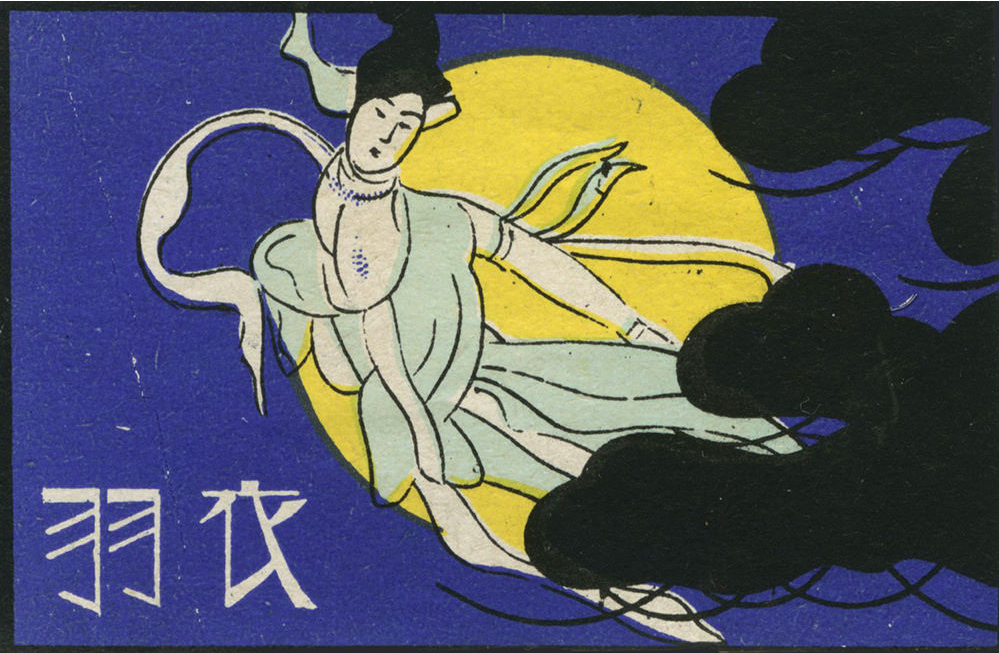
As any seri­ous phillu­menist will tell you, one need not have a per­son­al con­nec­tion to the items one is col­lect­ing. Most match­box enthu­si­asts are in it for the art, a micro­cosm of 20th cen­tu­ry design. The urge to pre­serve these dis­pos­able items is under­stand­able, giv­en the amount of artistry that went into them. It was good busi­ness prac­tice for bars and restau­rants to give them to cus­tomers at no charge, even if they nev­er planned to strike so much as a sin­gle match.

Matchbook 2

Smoking’s hey­day is over, but until some­one fig­ures out how to make fire with a smart phone, match­box­es and books are unlike­ly to dis­ap­pear. Wher­ev­er you go, you’ll be able to find good­ies to add to your col­lec­tion, usu­al­ly for free.

Or you could stay at home, trawl­ing the Inter­net for some of the most glo­ri­ous, and sought after exam­ples of the form — those pro­duced in Japan between the two World Wars. As author Steven Heller, co-chair of the School of Visu­al Arts’ MFA Design pro­gram, writes in Print mag­a­zine:

The design­ers were seri­ous­ly influ­enced by import­ed Euro­pean styles such as Vic­to­ri­an and Art Nou­veau… (and lat­er by Art Deco and the Bauhaus, intro­duced through Japan­ese graph­ic arts trade mag­a­zines, and incor­po­rat­ed into the design of match­box labels dur­ing the late 1920s and ’30s). West­ern graph­ic man­ner­isms were har­mo­nious­ly com­bined with tra­di­tion­al Japan­ese styles and geome­tries from the Mei­ji peri­od (1868–1912), exem­pli­fied by both their sim­ple and com­plex orna­men­tal com­po­si­tions. Since match­es were a big export indus­try, and the Japan­ese dom­i­nat­ed the mar­kets in the Unit­ed States, Aus­tralia, Eng­land, France, and even India, match­box design exhib­it­ed a hybrid typog­ra­phy that wed West­ern and Japan­ese styles into an intri­cate mélange.

Find some­thing that catch­es your eye? It shouldn’t cost more than a buck or two to acquire it, though Japan­ese clut­ter-con­trol guru, Marie Kon­do, would no doubt encour­age you to adopt car­toon­ist Roz Chast’s approach to match­book appre­ci­a­tion.

Matchbook 3

Ear­li­er this spring, Chast shared her pas­sion with read­ers of The New York­er, col­lag­ing some of her favorites into an auto­bi­o­graph­i­cal com­ic where­in she revealed that she doesn’t col­lect the actu­al objects, just the dig­i­tal images. Those famil­iar with Can’t We Talk About Some­thing More Pleas­ant, Chast’s hilar­i­ous­ly painful mem­oir about her dif­fi­cult, aging par­ents’ “gold­en years,” will be unsur­prised that she opt­ed not to add to the unwel­come pile of “crap” that gets hand­ed down to the next gen­er­a­tion when a col­lec­tor pass­es away.

If you’re inspired to start a Chast-style col­lec­tion, have a rum­mage through the large album of Japan­ese vin­tage match­box cov­ers that web design­er, Jane McDe­vitt post­ed to Flickr, from which the images here are drawn.

Those 418 labels, culled from a friend’s grandfather’s col­lec­tion are just the tip of McDevitt’s match­box obses­sion. To date, she’s post­ed over 2050 cov­ers from all around the world, with the bulk hail­ing from East­ern Europe in the 50s and 60s.  You can vis­it her col­lec­tion of 400+ Japan­ese match­box cov­ers here. And if you’re into this stuff, check out the Japan­ese book, Match­box Label Col­lec­tion 1920s-40s.

Matchbook 4

via coudal.com

Relat­ed Con­tent:

Adver­tise­ments from Japan’s Gold­en Age of Art Deco

What Hap­pens When a Japan­ese Wood­block Artist Depicts Life in Lon­don in 1866, Despite Nev­er Hav­ing Set Foot There

The Mak­ing of Japan­ese Hand­made Paper: A Short Film Doc­u­ments an 800-Year-Old Tra­di­tion

Ayun Hal­l­i­day, author, illus­tra­tor, and Chief Pri­ma­tol­o­gist of the East Vil­lage Inky zine, will be read­ing from her trav­el mem­oir, No Touch Mon­key! And Oth­er Trav­el Lessons Learned Too Late at Indy Reads Books in down­town Indi­anapo­lis, Thurs­day, July 7. Fol­low her @AyunHalliday

Explore Harvard’s Iconic Spaces with 360° Interactive Videos

For me, noth­ing cap­tures those occa­sion­al feel­ings of post-grad­u­ate yearn­ing like “I Wish I Could Go Back to Col­lege,” a N‑quite-SFW track from the Broad­way musi­cal, Avenue Q.

With all due respect, it feels like the five mem­bers of Har­vard Uni­ver­si­ty’s just-grad­u­at­ed Class of 2016 shar­ing their rec­ol­lec­tions in the inter­ac­tive 360° video project, Har­vard Stu­dents Say Farewell, left a few cru­cial details out. (Note: Youtube 360 videos only work in Chrome, Fire­fox, Inter­net Explor­er, or Opera browsers.)

It’s com­plete­ly safe for prospec­tive par­ents, not a keg or con­dom wrap­per in sight. (The project is host­ed on Harvard’s offi­cial Youtube chan­nel.)

Unsur­pris­ing­ly, Har­vard appears to have been the par­tic­i­pants’ uni­ver­sal first choice of col­lege. Hasty Pud­ding per­former, Joshuah Camp­bell, above, a self-described “Black kid from the coun­try,” con­fides that it was the only place he applied to.

He may have arrived won­der­ing how he would fit in, but four years lat­er, his grub­by dorm room is one of the “icon­ic” Har­vard loca­tions view­ers can explore dig­i­tal­ly as he briefly reflects upon his expe­ri­ence.

That’s about as down and dirty as this series gets. The human sub­jects seem to have been select­ed with an eye toward diver­si­ty and humil­i­ty, rather than the clenched Boston Brah­min jaw that once defined the insti­tu­tion.

Mean­while, the libraries, quads, and the­aters through which this new breed of Har­vard men and women wan­der attest to the place’s ongo­ing exclu­siv­i­ty.

Sree­ja Kala­pu­rakkel, above, a mem­ber of the Har­vard South Asian Dance Com­pa­ny, knew what she was get­ting into, as a stu­dent at a respect­ed Boston sec­ondary school. Short­ly after grad­u­a­tion, she sung Har­vard’s prais­es some­what more frankly on her Face­book page:

Each day of my time at Har­vard was filled with every­thing that makes life beau­ti­ful: dark­ness, strug­gle, despair, lone­li­ness, friend­ship, hope, per­se­ver­ance, light. Every expe­ri­ence, every les­son, every friend trans­formed me into some­one more human and gave me some­thing new to fight for.

Har­vard, like every oth­er col­lege in the land, has relaxed its pol­i­cy on end­ing a sen­tence in a prepo­si­tion.

Ana-Maria Con­stan­tin arrived sight unseen from her native Roma­nia to pull us out onto the deck of the Smith­son­ian Astro­phys­i­cal Obser­va­to­ry.

On to the lock­er room! Hock­ey cap­tain Kyle Criscuo­lo joins the Detroit Red Wings, reflect­ing that Har­vard stu­dent ath­letes enjoy no spe­cial treat­ment. In future, the uni­ver­si­ty may want to require them to lis­ten to Will Stephen’s lec­ture, “How to Sound Smart in a TED Talk.” Criscuo­lo sounds sin­cere, but also stiff, as if read­ing from a sheet of paper, or the dig­i­tal equiv­a­lent there­of.

(There­of is an adverb, by the way. Not a prepo­si­tion. I checked.)

Har­vard Art Muse­ums Stu­dent Board mem­ber Rachel Thomp­son paints her­self so meek­ly, I’m tempt­ed to check with her fresh­man year room­mate. Was she real­ly so filled with self doubt? I’ve always assumed Har­vard accep­tance let­ters would puff the recip­i­ent up. Good lord, imag­ine the effect the rejec­tion let­ters must have!

Use a mouse to explore the immer­sive envi­ron­ment on your com­put­er, or the YouTube app to nav­i­gate on a mobile device. Use a vir­tu­al real­i­ty head­set and the Har­vard Crim­son staff’s vocab­u­lary list to enhance the expe­ri­ence even more.

The com­plete playlist is here.

Relat­ed Con­tent:

Har­vard Presents Free Cours­es with the Open Learn­ing Ini­tia­tive

NPR Launch­es Data­base of Best Com­mence­ment Speech­es Ever

The Har­vard Clas­sics: Down­load All 51 Vol­umes as Free eBooks

Ayun Hal­l­i­day is an author, illus­tra­tor, Chief Pri­ma­tol­o­gist of the East Vil­lage Inky zine, and a North­west­ern Uni­ver­si­ty grad. Fol­low her @AyunHalliday

The Making of Japanese Handmade Paper: A Short Film Documents an 800-Year-Old Tradition

For many of us, washi paper is the art sup­ply equiv­a­lent of a dish that’s “too pret­ty to eat.” I love to look at it, but would be loathe to mar its beau­ty with my ama­teur cre­ative efforts.

Orig­i­nal­ly intend­ed for use in lanterns and sho­ji screens in Japan, its sim­plic­i­ty makes it a stand out among the far more orna­men­tal dec­o­ra­tive sheets pop­u­lat­ing the fan­cy inter­na­tion­al paper selec­tions. Though there is no short­age of machine-pro­duced washi on the mar­ket these days, the loveli­est exam­ples are still hand­made in Kurotani, a small town near Kyoto.

Kurotani has the dis­tinc­tion of being Japan’s old­est paper-mak­ing town, and as doc­u­ment­ed by film­mak­er Kuroy­ana­gi Takashi, above, the washi process has changed lit­tle in 800 years.

In the pre-indus­tri­al age, washi-mak­ing was sea­son­al. Farm­ers plant­ed the paper mul­ber­ry (kozo), mit­suma­ta, and gampi plants essen­tial to the process along with their food crops. Come havest-time, they would soak these plants’ fibrous inner barks until they were soft enough to be cleaned and pound­ed.

Then as now, the result­ing pulp was added mixed with liq­uid and a mucilage to yield a (not par­tic­u­lar­ly deli­cious sound­ing, and def­i­nite­ly not too pret­ty to eat…) spread­able paste.

The sheets are formed on bam­boo screens, then stacked and pressed until dry.

The end result is both strong and flex­i­ble, mak­ing it a favorite of book­binders. Its absorben­cy is prized by print­mak­ers, includ­ing Rem­brandt.

If you have a yen to wit­ness the labor-inten­sive, tra­di­tion­al process up close, Dutch washi crafts­man Rogi­er Uiten­boogaart runs a guest house as part of his stu­dio in near­by Kamikoya.

The rest of us must con­tent our­selves with Takashi’s med­i­ta­tive 5‑minute doc­u­men­tary.

via The Kid Should See This

Relat­ed Con­tent:

The Art of Col­lo­type: See a Near Extinct Print­ing Tech­nique, as Lov­ing­ly Prac­ticed by a Japan­ese Mas­ter Crafts­man

How Ink is Made: A Volup­tuous Process Revealed in a Mouth-Water­ing Video

Dis­cov­er Harvard’s Col­lec­tion of 2,500 Pig­ments: Pre­serv­ing the World’s Rare, Won­der­ful Col­ors

Ayun Hal­l­i­day is an author, illus­tra­tor, and Chief Pri­ma­tol­o­gist of the East Vil­lage Inky zine. She writes a month­ly col­umn about peo­ple who love their jobs for Mainichi Week­ly, a bilin­gual Japan­ese news­pa­per. Fol­low her @AyunHalliday

In Search of Ludwig Wittgenstein’s Secluded Hut in Norway: A Short Travel Film

If you like phi­los­o­phy and road trip­ping, then you’ll want to put Wittgen­stein in Nor­way in your YouTube queue. Post­ed this month by Kirsten Dirk­sen, the short film takes through the beau­ti­ful coun­try­side of Nor­way, in search of the hut where Lud­wig Wittgen­stein exiled him­self from soci­ety from time to time, first start­ing in 1913. Dirk­sen gives this pref­ace to the film:

Over 100 years ago, philoso­pher Lud­wig Wittgen­stein went to the fjords of Nor­way to escape the schol­ar­ly world of Cam­bridge. His for­mer teacher Bertrand Rus­sell wrote, “I said it would be lone­ly, and he said he pros­ti­tut­ed his mind talk­ing to intel­li­gent peo­ple.”

Not con­tent with sim­ply mov­ing to the iso­la­tion of rur­al Nor­way- at the end of the Sogne­fjord (the deep­est and sec­ond longest fjord)- Wittgen­stein built his hut across the lake and halfway up a moun­tain from the near­est town (Skjold­en). Mea­sur­ing just 7 by 8 meters, the small cab­in dubbed “Lit­tle Aus­tria” (his native coun­try) became his home on and off through­out his life (his longest stay here was 13 months).

Wittgen­stein was flee­ing the dis­trac­tions and inter­rup­tions of a more social lifestyle and hop­ing to con­front only his own thoughts. “Who­ev­er is unwill­ing to descend into him­self,” he wrote, “because it is too painful, will of course remain super­fi­cial in his writ­ing.’” He wrote some of his most impor­tant work here (a pre­cur­sor to his “Trac­ta­tus Logi­co-Philo­soph­i­cus” and some of his “Philo­soph­i­cal Inves­ti­ga­tions”).

Today all that remains of his hut are its stone foun­da­tion and a very faint hik­ers trail up the moun­tain, though some Nor­we­gians are try­ing to change this. Artists Mar­i­anne Bre­desen, Sebas­t­ian Makon­nen Kjølaas and Siri Hjorth (in col­lab­o­ra­tions with the Wittgen­stein Soci­ety in Skjold­en and fund­ed by Pub­lic Art Nor­way) threw an all-expens­es-paid vaca­tion to bring fel­low Oslo res­i­dents to the ruin. Inspired by Wittgenstein’s argu­ment that “philo­soph­i­cal prob­lems arise when lan­guage goes on hol­i­day”, they are call­ing their art hol­i­day “Wittgen­stein on Vaca­tion”. For part one, they enter­tained their guests with a week­end of lec­tures, meals and a Wittgen­stein inter­pre­ta­tion at the site of his cab­in. We cap­tured some of the show on our own jour­ney to this dis­ap­pear­ing piece of his­to­ry.

Oth­er videos about sim­ple liv­ing, self-suf­fi­cien­cy, small homes, and philoso­phies of life can be found on Dirk­sen’s YouTube chan­nel.

If you would like to sign up for Open Culture’s free email newslet­ter, please find it here. It’s a great way to see our new posts, all bun­dled in one email, each day.

If you would like to sup­port the mis­sion of Open Cul­ture, con­sid­er mak­ing a dona­tion to our site. It’s hard to rely 100% on ads, and your con­tri­bu­tions will help us con­tin­ue pro­vid­ing the best free cul­tur­al and edu­ca­tion­al mate­ri­als to learn­ers every­where. You can con­tribute through Pay­Pal, Patre­on, and Ven­mo (@openculture). Thanks!


Relat­ed Cours­es:

Free Online Phi­los­o­phy Cours­es

Lud­wig Wittgenstein’s Short, Strange & Bru­tal Stint as an Ele­men­tary School Teacher

Lud­wig Wittgenstein’s Trac­ta­tus Gets Adapt­ed Into an Avant-Garde Com­ic Opera

Wittgen­stein and Hitler Attend­ed the Same School in Aus­tria, at the Same Time (1904)

by | Permalink | Make a Comment ( 2 ) |

Download 14 Free Posters from NASA That Depict the Future of Space Travel in a Captivatingly Retro Style

Mars_150

If I could send a mes­sage back in time, I might send it to the wide-eyed and sky­ward-look­ing chil­dren of 1960s Amer­i­ca, apol­o­giz­ing that we nev­er did build those jet­packs, fly­ing cars, and moon colonies, but also let­ting them know that at least we, the cit­i­zens of the 21st cen­tu­ry, have devel­oped such tech­nolo­gies as smart­phones and a myr­i­ad of ways for snack foods to taste both sweet and salty at once.

PSOJ318.5-22_screen

I prob­a­bly would­n’t tell them how many of us long for the spir­it of their own time, which Amer­i­can his­to­ry has labeled “the Space Age” for good rea­son. It had its share of awful­ness, start­ing with the apoc­a­lyp­tic ten­sions of the Cold War, but that com­pe­ti­tion between soci­eties did spur mankind to voy­age bold­ly and unhesi­tat­ing­ly out into the great beyond, at least for a while there.

GrandTour_150

“Back in the 1930s and ’40s, dur­ing the height of the Great Depres­sion,” writes Hyper­al­ler­gic’s Alli­son Meier, “artists designed posters for the Works Projects Admin­is­tra­tion (WPA) to encour­age trav­el to nation­al parks and oth­er tourist sites in the Unit­ed States. NASA’s Jet Propul­sion Lab­o­ra­to­ry (JPL) design stu­dio is tak­ing a sim­i­lar approach to pro­mote a future of trav­el to oth­er plan­ets at a time when its fund­ing is up against bud­get con­straints and even a jour­ney to our galac­tic neigh­bor Mars may seem almost impos­si­ble.” And so we have this brand new series of four­teen Visions of the Future, free to down­load, print, and hang above your desk to fuel your own out­er-space day­dream­ing.

Enceladus_150

You’ll notice that all the artists com­mis­sioned have designed their space-trav­el posters—whether they pro­mote the high grav­i­ty of the “super Earth” exo­plan­et HD 40307g, the one-day “His­toric Sites of Mars,” or the “Grand Tour” of the Solar System—in a rich­ly retro style rem­i­nis­cent of 1930s air trav­el adver­tise­ments. This makes them artis­ti­cal­ly cap­ti­vat­ing, but also empha­sizes the con­ti­nu­ity between our present, the cen­tu­ry behind us, and the cen­turies ahead. “As you look through these images of imag­i­na­tive trav­el des­ti­na­tions,” says NASA/JPL’s site, “remem­ber that you can be an archi­tect of the future” — and every future wor­thy of the name comes built solid­ly upon a past.

HD_40307g_39x27

You can down­load the full col­lec­tion of posters right here.

via Hyper­al­ler­gic

Relat­ed con­tent:

How the Icon­ic 1968 “Earth­rise” Pho­to Was Made: An Engross­ing Visu­al­iza­tion by NASA

NASA Archive Col­lects Great Time-Lapse Videos of our Plan­et

Ray Brad­bury Reads Mov­ing Poem on the Eve of NASA’s 1971 Mars Mis­sion

NASA Presents “The Earth as Art” in a Free eBook and Free iPad App

NASA Sends Image of the Mona Lisa to the Moon and Back

Free Inter­ac­tive e‑Books from NASA Reveal His­to­ry, Dis­cov­er­ies of the Hub­ble & Webb Tele­scopes

Leonard Nimoy Nar­rates Short Film About NASA’s Dawn: A Voy­age to the Ori­gins of the Solar Sys­tem

The Best of NASA Space Shut­tle Videos (1981–2010)

Won­der­ful­ly Kitschy Pro­pa­gan­da Posters Cham­pi­on the Chi­nese Space Pro­gram (1962–2003)

“Glo­ry to the Con­querors of the Uni­verse!”: Pro­pa­gan­da Posters from the Sovi­et Space Race (1958–1963)

Based in Seoul, Col­in Mar­shall writes and broad­casts on cities, lan­guage, and style. He’s at work on a book about Los Ange­les, A Los Ange­les Primer, the video series The City in Cin­e­ma, the crowd­fund­ed jour­nal­ism project Where Is the City of the Future?, and the Los Ange­les Review of Books’ Korea Blog. Fol­low him on Twit­ter at @colinmarshall or on Face­book.

The Negro Travelers’ Green Book, the Pre-Civil Rights Guide to Traveling Safely in the U.S. (1936–66)

Green Book Cover

Pop­u­lar enter­tain­ment has roman­ti­cized the idea of the road trip as a whol­ly spon­ta­neous adven­ture, but for mid-cen­tu­ry African Amer­i­can motorists, plan­ning was essen­tial. The lodg­ings, restau­rants, and tourist attrac­tions where they could be assured of a warm wel­come were often few and far between in the era of seg­re­ga­tion.

The Negro Trav­el­ers’ Green Book, first print­ed in 1936, was an invalu­able resource for trav­el­ers of col­or, par­tic­u­lar­ly when their route took them out­side of urban areas. In the pre-Inter­net age, pub­lish­er Vic­tor Green, a Harlem-dwelling mail­man, relied on read­ers to sup­ply feed­back and new loca­tions for sub­se­quent edi­tions:

There are thou­sands of first class busi­ness places that we don’t know about and can’t list, which would be glad to serve the trav­el­er, but it is hard to secure list­ings of these places since we can’t secure enough agents to send us the infor­ma­tion. Each year before we go to press the new infor­ma­tion is includ­ed in the new edi­tion. When you are trav­el­ing please men­tion the Green Book, in order that they might know how you found their place of busi­ness, as they can see that you are strangers. If they haven’t heard about this guide, ask them to get in touch with us so that we might list their place. If this guide has proved use­ful to you on your trips, let us know. If not, tell us also as we appre­ci­ate your crit­i­cisms and ideas in the improve­ment of this guide from which you ben­e­fit. There will be a day some­time in the near future when this guide will not have to be pub­lished. That is when we as a race will have equal oppor­tu­ni­ties and priv­i­leges in the Unit­ed States. It will be a great day for us to sus­pend this pub­li­ca­tion for then we can go wher­ev­er we please, and with­out embar­rass­ment. But until that time comes we shall con­tin­ue to pub­lish this infor­ma­tion for your con­ve­nience each year.

- from the intro­duc­tion to the 1949 edi­tion

The New York Pub­lic Library’s Schom­burg Cen­ter for Research in Black Cul­ture has dig­i­tized 21 vol­umes of its Green Book col­lec­tion for your brows­ing plea­sure. It’s a trip back in time.

Green Book Points of Interest NYC

1936’s pre­mier edi­tion is geared toward vis­i­tors spend­ing time in and around New York City. In appear­ance, it resem­bles a church bul­letin or com­mu­ni­ty the­ater pro­gram, with busi­ness card ads for beau­ty salons spe­cial­iz­ing in mar­cel wav­ing and restau­rants serv­ing South­ern home cook­ing. Pub­lish­er Green extols the won­ders of Coney Island, Chi­na­town, and the The­atri­cal Dis­trict, even as he notes that “the col­ored show hous­es are in Harlem.” He also seeks to give read­ers a laugh with “How to Keep From Grow­ing Old,” a dri­ver-spe­cif­ic list that could be read aloud from the pas­sen­ger seat for the mer­ri­ment of every­one in the car. (“In slop­py weath­er, dri­ve close to pedes­tri­ans. Dry clean­ers appre­ci­ate this.”)

Green Book Westchester

The Green Book soon swelled to include nation­al list­ings, as tourists and busi­ness trav­el­ers heed­ed Green’s call to beef up the info.

1961’s 25th anniver­sary edi­tion includes a his­to­ry of the enter­prise, a fair amount of typos, newsy updates on the staff, and a renewed promise to list the best places on the moon, should lunar trav­el become an option.

Green Book Pg 5

Green Book 25th Anniversary

Arm­chair trav­el­ers can take the NYPL’s dig­i­tized col­lec­tion out for a spin by enter­ing coor­di­nates into a map­ping fea­ture for 1947 or 1956.

Start­ing in my Indi­ana home­town with sights set on Man­hat­tan took me to the Cot­tage Restau­rant in Colum­bus, Ohio, the Jones Restau­rant in Grafton, West Vir­ginia, and the beau­ti­ful­ly named Trott Inn in Philadel­phia, before I final­ly lay my vir­tu­al head at the Amer­i­ca Hotel. (These days, it would be the Mil­len­ni­um Broad­way.)

Green Book 1956

Enjoy your trip. In the words of Vic­tor Green, “let’s all get togeth­er and make motor­ing bet­ter.”

Relat­ed Con­tent:

Read Mar­tin Luther King and The Mont­gomery Sto­ry: The Influ­en­tial 1957 Civ­il Rights Com­ic Book

Robert Penn War­ren Archive Brings Ear­ly Civ­il Rights to Life

Vin­tage 1930s Japan­ese Posters Artis­ti­cal­ly Mar­ket the Won­ders of Trav­el

Ayun Hal­l­i­day is an author, illus­tra­tor, and Chief Pri­ma­tol­o­gist of the East Vil­lage Inky zine. She doc­u­ment­ed her mis­ad­ven­tures on the road in No Touch Mon­key! And Oth­er Trav­el Lessons Learned Too Late Fol­low her @AyunHalliday

Brazil Gives Out Books That Double as Subway Tickets, Promoting Literacy & Mass Transit at Once

One of the things I miss about liv­ing in a city with a sub­way sys­tem is the myr­i­ad thought­ful design ele­ments that go into man­ag­ing a per­pet­u­al flow of tourists and com­muters. New York’s sub­way map presents us with an icon­ic tan­gle of inter­lock­ing trib­u­taries resem­bling dia­grams of a cir­cu­la­to­ry sys­tem. The NYC system’s inge­nious­ly sim­ple graph­ic pre­sen­ta­tion of let­tered and num­bered trains, encir­cled in their cor­re­spond­ing col­ors, can be read by most any­one with a rudi­men­ta­ry grasp on the Eng­lish alphabet—from a new lan­guage learn­er to a small child. The Wash­ing­ton, DC sub­way sys­tem, though a much more pro­sa­ic affair over­all, whisks rid­ers through impres­sive­ly cav­ernous, cat­a­comb-like sta­tions, with bru­tal­ist tile and con­crete hon­ey­combs that seem to go on for­ev­er. The squig­gly lines of its col­or-cod­ed map like­wise promise ease of use and leg­i­bil­i­ty.

Ticket-Books_LPM-1-957x644

And then there are the hours of read­ing time grant­ed by a sub­way com­mute, a leisure I’ve relin­quished now that I rely on car and bike. So you can imag­ine my envi­ous delight in learn­ing about Brazil’s Tick­et Books, which are exact­ly what they sound like—books that work as sub­way tick­ets, designed with the min­i­mal­ist care that major tran­sit sys­tems do so well. And what’s more, they’re free: “To cel­e­brate World Book Day last April 23rd,” writes “future-for­ward online resource” PSFK, “[Brazil­lian pub­lish­er] L&PM gave away 10,000 books for free at sub­way sta­tions across SĂŁo Paulo. Each book came with ten free trips.” Rid­ers could then recharge them and use the books again or pass them on to oth­ers to encour­age more read­ing, an impor­tant pub­lic ser­vice giv­en that Brazil­ians only read two books per year on aver­age.

Ticket-Books_LPM-3-968x516

With sub­way map-inspired cov­ers designed by firm Agên­cia Africa, the books include The Great Gats­by, The Art of War, Ham­let, Mur­der Alley by Agatha Christie, Hun­dred Love Son­nets by Pablo Neru­da, and more (includ­ing com­ic col­lec­tions from Charles Schulz and Garfield’s Jim Davis). Watch an explain­er video at the top of the post and see some love­ly images of the book cov­ers above. The cam­paign won three tro­phies at the Cannes Lions Fes­ti­val in the cat­e­gories “Pro­mo,” “Out­door,” and “Design,” and has proved so pop­u­lar that pub­lish­er L&PM has expand­ed the project to oth­er Brazil­ian cities, giv­ing me yet more rea­son to vis­it Brazil. And if Tick­et Books makes its way to a sub­way-enabled city near me, I may con­sid­er mov­ing.

via PSFK

Relat­ed Con­tent:

Design­er Mas­si­mo Vignel­li Revis­its and Defends His Icon­ic 1972 New York City Sub­way Map

Com­muters Can Down­load Free eBooks of Russ­ian Clas­sics While Rid­ing the Moscow Metro

55 Cov­ers of Vin­tage Phi­los­o­phy, Psy­chol­o­gy & Sci­ence Books Come to Life in a Short Ani­ma­tion

Artist Ani­mates Famous Book Cov­ers in an Ele­gant, Under­stat­ed Way

Josh Jones is a writer and musi­cian based in Durham, NC. Fol­low him at @jdmagness

« Go BackMore in this category... »
Quantcast