Search Results for "feed"

20+ Public Domain E‑Book Sources

Mash­able has post­ed a list of over 20 sites from where you can down­load lots of e‑books, and it’s all appar­ent­ly legal. Here’s the list.

Sub­scribe to Our Feed

Want free audio­books? Check out this col­lec­tion.

Read More...

Not Your Father’s Scientific American

The pop­u­lar sci­ence mag­a­zine, Sci­en­tif­ic Amer­i­can, has been around a long time, since 1845 in fact. That makes it the old­est peri­od­i­cal in con­tin­u­ous pub­li­ca­tion in the Unit­ed States. Now, the mag­a­zine that your great-great-great grand­fa­ther read has launched a new web­site called 60 Sec­ond Sci­ence. Based on Sci­en­tif­ic Amer­i­can’s dai­ly pod­cast that’s also called 60 Sec­ond Sci­ence (iTunes — Feed — Web Site), the new site gets updat­ed 12 times a day, and it fea­tures its own audio/video pod­casts, links to key Sci­Am arti­cles and oth­er good stuff. Have a look, and don’t for­get to check out our broad­er col­lec­tion of Sci­ence Pod­casts.

Read More...

Bob Dylan — Like A Rolling Stone 1966

It’s the num­ber one song on Rolling Stone Mag­a­zine’s list of The 500 Great­est Songs of All Time. But could a mag­a­zine with its name say oth­er­wise?

As a quick PS, check out the new Bob Dylan Pod­cast (iTunes — Web Site). Host­ed by Pat­ti Smith, this pod­cast looks at Dylan’s friends and ear­ly influ­ences, and also col­lab­o­ra­tors dis­cuss their close rela­tion­ships with Dylan, the sto­ries behind his great­est songs and oth­er mem­o­rable moments of his career.

Sub­scribe to Our Feed

Read More...

201 Stories by Anton Chekhov

chekhov3.jpgAmong Rus­si­a’s great­est writ­ers, Anton Chekhov rev­o­lu­tion­ized Russ­ian dra­ma and short-sto­ry writ­ing. In this col­lec­tion, you’ll find 201 trans­lat­ed sto­ries pre­sent­ed in the order of their pub­li­ca­tion. If you’re new to Chekhov, it’s rec­om­mend­ed by the web site that you begin (and I’m quot­ing ver­ba­tim) “with a few humor­ous sto­ries, such as Oh! the Pub­lic!, The Ora­tor, and A Trans­gres­sion. Next try one of Chekhov’s most mov­ing sto­ries, Mis­ery. Among the longer sto­ries, I sug­gest begin­ning with Ward No. 6, The Duel, and The Steppe, which con­tains the most famous thun­der­storm in lit­er­a­ture. Final­ly, be sure to read the famous tril­o­gy made of The Man in a Case, Goose­ber­ries, and About Love.” (Source: Metafil­ter)

Get free audio­book of fic­tion and non-fic­tion clas­sics. Vis­it our Audio­Book Pod­cast Col­lec­tion.

Sub­scribe to Our Feed

Read More...

100 Photographs that Changed the World

Dig­i­tal Jour­nal­ist, a web site affil­i­at­ed with the Uni­ver­si­ty of Texas, has post­ed 100 world-chang­ing pho­tographs by the icon­ic LIFE mag­a­zine. You can read the intro­duc­tion to the col­lec­tion here, or start with the first pow­er­ful image and then advance through a sam­pling of the oth­er impact-filled images that topped their list.

Sub­scribe to Our Feed

Feed read­ers, check out our Pod­cast Library here.

Read More...

Deadhead Hunter and Dirty Hairy

Catch the full col­lec­tion of ani­mat­ed New York­er car­toons here on YouTube and our per­son­al favorite here.

Sub­scribe to Our Feed

Read More...

How Radiohead’s Experiment Turned Out
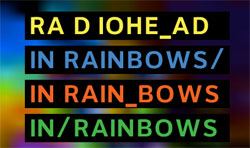
radiohead.jpgIn mid-Octo­ber, Radio­head released its lat­est album, In Rain­bows, and began a fair­ly nov­el exper­i­ment. They cut the record labels out of the equa­tion and let fans down­load the album direct­ly from the Radio­head web site, for what­ev­er price they saw fit. A few weeks lat­er, some finan­cial fig­ures are com­ing out, giv­ing us a sense of how well the exper­i­ment went.

Accord­ing to a study by com­Score Inc., 62% of the esti­mat­ed 1.2 mil­lion vis­i­tors (in Octo­ber) to the Radio­head site down­loaded the album and paid noth­ing what­so­ev­er. The remain­ing 38% paid an aver­age of $6. Over­all, the band aver­aged $2.26 per down­load and net­ted about $2.7 mil­lion dol­lars in total, a num­ber that’s well below the ear­li­er esti­mates of $6-$10 mil­lion. In the end, it’s impor­tant to remem­ber that the band gets to keep all the rev­enue (instead of shar­ing it with the record com­pa­nies), and appar­ent­ly the traf­fic to Radio­head­’s web site gen­er­at­ed hand­some incre­men­tal sales of high-priced dis­cbox­es. It’s esti­mat­ed that for every $1 spent on dig­i­tal down­loads, anoth­er $2 was spent on hard copies, which makes Radio­head­’s over­all take even high­er. What con­clu­sions to draw? One is that Radio­head fans did­n’t exact­ly deliv­er the goods and demon­strate the pow­er of this new direct dis­tri­b­u­tion mod­el. It may have worked mod­er­ate­ly well for Radio­head. But will a less­er band take the risk? Not so like­ly. At least not now.

A quick PS: It looks like Radio­head is plan­ning to do its first web­cast in five years. Watch for more infor­ma­tion here.

Source: com­Score press release and blog

Sub­scribe to Our Feed

Read More...

America’s Endless Capacity to Reward Failure

Please God give me the luck to enter the upper echelons of the American elite — the upper, upper crust where normal rules don’t apply, where illogic reigns, where failure doesn’t have consequences, only out-sized rewards. Please give me the luck to fail splendidly one day (even to bring a major company or a nation itself to near ruin) and yet get nothing less than the platinum parachute that a lucky few deserve:

  • Stan O’Neal, CEO of Mer­ill Lynch, recent­ly led the bank to take a $7.9 bil­lion write-down because of bad deals in the sub-prime mar­ket, result­ing in a $2.3 bil­lion loss, the worst loss in 93 years for Mer­rill. As he began to feel the heat, O’Neal secret­ly start­ed look­ing to sell the bank to Wachovia, a deal that could have per­son­al­ly net­ted him an esti­mat­ed $250 mil­lion. Instead, the board of direc­tors oust­ed him last week and he got to walk with $161.5 mil­lion in secu­ri­ties and retire­ment ben­e­fits, the fifth-largest exit-pay pack­age for a U.S. exec­u­tive. It’s good to be the king.
  • As the sub­prime mort­gage mar­ket melt­ed down this sum­mer, James Cayne, the chief exec­u­tive of Bear Stearns, was nowhere to be found. In this midst of the cri­sis, two of the bank’s hedge funds col­lapsed. But, accord­ing to The Wall Street Jour­nal, Cayne was out of town for ten days and incom­mu­ni­ca­do. No cell­phone. No Black­ber­ry. Noth­ing. Where was he? Play­ing in a bridge tour­na­ment in Nashville (and it’s alleged by the Jour­nal that he has a pen­chant for smok­ing pot at such tour­na­ments). For­tu­nate­ly, his team placed in the top third of the com­pe­ti­tion, and he gets to keep his high­ly lucra­tive job. In the mean­time, Cayne let War­ren Spec­tor, the com­pa­ny’s Pres­i­dent, take the fall. And Bear just announced that it’s lay­ing off 2% of its work­force. It’s good to be the king.
  • Don Rums­feld, the for­mer Sec­re­tary of Defense, used the Iraq War as a prov­ing ground for his the­o­ries about how the US army should fight the mod­ern war and defend itself against the unknown and the unex­pect­ed. Rums­feld’s mantra was to keep the armies small, mobile and high-tech. And that’s what we did for four years in Iraq, despite mount­ing evi­dence that we had too few troops on the ground. Rums­feld, who could nev­er adjust his the­o­ries to the real­i­ties in Iraq (see this piece in the Armed Forces Jour­nal), even­tu­al­ly got forced out, leav­ing behind a mess that will con­sume the US for a decade or more. What’s the fall­out? Months lat­er, Rums­feld gets Stan­ford’s seal of approval. In Sep­tem­ber, Stan­ford’s Hoover Insti­tu­tion announced that he will join as a “dis­tin­guished vis­it­ing fel­low” where he will par­tic­i­pate on a task force of schol­ars and experts focus­ing on “issues per­tain­ing to ide­ol­o­gy and ter­ror” in a post 9–11 envi­ron­ment. It’s pre­cise­ly the same flawed vision that land­ed the US in a deep hole that the Stan­ford-affil­i­at­ed think tank is choos­ing to hon­or. Once again, it’s good to be the king.

Amen.

Sub­scribe to Our Feed

Read More...

Listening to Poetry Online

shakespearenew2.jpgToday, we have a guest fea­ture from Don from Clas­sic Poet­ry Aloud (iTunes — Feed — Web Site), which offers a great line­up of poet­ry pod­casts. They have just kicked off a week ded­i­cat­ed to war poet­ry, which includes pieces by Shake­speare, Coleridge and Melville, among oth­ers. Below, Don offers a very help­ful sur­vey of the poet­ry pod­cast land­scape and helps us see why pod­cast­ing might be the per­fect medi­um for spark­ing a renais­sance in poet­ry. Take it away Don…

Short, intense and often emo­tion­al pieces of writ­ing penned for the human ear: poems could have been invent­ed for pod­casts. It’s no sur­prise, then, that poet­ry read­ing pod­casts have sprung up like daisies this year.

Most are the aur­al equiv­a­lent of blogs, telling the inti­mate sto­ries of the poet, and often about as inter­est­ing. Some, though, are ded­i­cat­ed to read­ing oth­ers’ poet­ry, and they are worth vis­it­ing for a reg­u­lar, short piece of writ­ing that will almost always stim­u­late thought and feel­ing – and if it doesn’t, well, you’ve prob­a­bly only wast­ed the few min­utes it takes to read a poem.

Clas­sic Poet­ry Aloud (Tunes Feed Web Site)), my own pod­cast, is ded­i­cat­ed to any­thing in the Eng­lish lan­guage which is over 70 years old. Exper­i­men­tal­ly, this week (Nov 4 – 11) is War Poet­ry Week, fea­tur­ing poems from Samuel Coleridge and Her­man Melville as well as Wil­fred Owen and Shake­speare. It’s an attempt to take lis­ten­ers on a week-long jour­ney from the first rumours of war (on Mon­day 5th) through to remem­ber­ing the dead (on Sun­day 11th, Remem­brance day in the UK).

Most poet­ry pod­casts don’t deal exclu­sive­ly with the past, how­ev­er. On the excel­lent Poet­ry Off the Shelf (iTunes — Feed — Web Site), from the Poet­ry Foun­da­tion, you’ll find the smooth-toned Cur­tis Fox inter­view­ing con­tem­po­rary poets about their works, and hav­ing them read and inter­pret a poem or two. It’s won­der­ful­ly pro­duced and Fox’s intel­li­gent, self-dep­re­cat­ing style puts both this guests and his lis­ten­ers at ease. Oth­er pod­casts, such as MiPO­ra­dio (iTunes — Feed — Web Site), fol­low the same interview/reading for­mat.

Cloudy Day Art (iTunes — Feed — Web Site) sim­i­lar­ly involves inter­views, most recent­ly with for­mer US Poet Lau­re­ate Ted Koos­er, but with a dif­fer­ent focus. A home-pro­duced show by Wash­ing­ton DC res­i­dent Will Brown, the aim is to draw out of those he inter­views thoughts, tips and advice for those who, like the ever-enthu­si­as­tic Will him­self, are writ­ing poet­ry, for pub­li­ca­tion or just for them­selves.

One pod­cast focus­es pure­ly on Shakespeare’s son­nets, and is read by a man describ­ing him­self as “some guy from New York” (iTunes — Feed — Web Site). The shtick on this pod­cast is that the read­er was ordered to read the son­nets as some form of com­mu­ni­ty ser­vice or face the prospect of prison. I’m not sure I quite believe this – the inter­pre­ta­tions are too good, and the atti­tude too laid-on. None of this detracts from what is, though, an enter­tain­ing and intel­li­gent lis­ten­ing expe­ri­ence.

For pure sim­plic­i­ty, and no atti­tude, I sub­scribe to Clarica’s Poet­ry Moment (iTunes — Feed — Web Site), which gives me what I want: a clear female voice read­ing a wide range of poet­ry, with no fuss, just a sense of plea­sure in the mean­ing and the sound of the words.

In this reac­tion, I am a reg­u­lar poet­ry pod­cast lis­ten­er: all com­ments I’ve read on my own, and oth­er sites show reac­tion to all this spo­ken poet­ry to be over­whelm­ing­ly pos­i­tive, and some­times deeply emo­tion­al. Peo­ple love to hear the poem come off the page, whether they are a recep­tion­ist in Hol­land, study­ing for their Eng­lish Lit­er­a­ture exams at high school in Scot­land, or learn­ing Eng­lish in the Far East. It’s won­der­ful to sense the world being brought togeth­er through the medi­um of the poet­ry pod­cast. Some­times it almost seems that tech­nol­o­gy has enabled the oral tra­di­tion to be reborn.

For more poems and nov­els, please vis­it our Audio­book Pod­cast Col­lec­tion and if you want to guest blog, get in touch.

Sub­scribe to Our Feed

Read More...

Privacy Policy

Last mod­i­fied: July 27, 2024

Open Cul­ture, LLC (“Open Cul­ture,” “we” or “us”) knows that you care how infor­ma­tion about you is used and shared.  This Pri­va­cy Pol­i­cy explains how Open Cul­ture col­lects and uses infor­ma­tion at its web­site locat­ed at www.openculture.com and at oth­er web­sites and mobile ser­vices pro­vid­ed by Open Cul­ture (col­lec­tive­ly the “Net­work Web­sites”).  This Pri­va­cy Pol­i­cy also explains how you can con­trol the col­lec­tion, cor­rec­tion and/or dele­tion of cer­tain types of infor­ma­tion that we col­lect.  We will not use or share your infor­ma­tion with any­one except as described in this Pri­va­cy Pol­i­cy.  This Pri­va­cy Pol­i­cy does not apply to infor­ma­tion we col­lect by oth­er means (includ­ing offline) or from oth­er sources.  Fur­ther, this Pri­va­cy Pol­i­cy does not apply to any web­sites, web­pages, blogs, appli­ca­tions, wid­gets or oth­er ser­vices oper­at­ed by any third par­ty, includ­ing our affil­i­ates, adver­tis­ers, providers and part­ners.

1. Infor­ma­tion We Col­lect

A. Per­son­al­ly Iden­ti­fi­able Infor­ma­tion

In gen­er­al, Open Cul­ture does not col­lect per­son­al­ly iden­ti­fi­able infor­ma­tion on the Open Cul­ture Ser­vices, except as set forth below.  For pur­pos­es of this Pri­va­cy Pol­i­cy, “per­son­al­ly iden­ti­fi­able infor­ma­tion” is data intend­ed to be used to iden­ti­fy, con­tact or locate a per­son, includ­ing, name, address, tele­phone num­ber or e‑mail address and any oth­er infor­ma­tion (even if non-per­son­al­ly iden­ti­fi­able) pro­vid­ed in com­bi­na­tion with such per­son­al­ly iden­ti­fi­able infor­ma­tion.

You may pro­vide us infor­ma­tion about your­self, such as your name or e‑mail address, when you use or post con­tent on or though the Open Cul­ture Ser­vices, includ­ing reg­is­ter­ing for the use of cer­tain fea­tures such as email RSS feeds.  If you cor­re­spond with us by email, we may retain the con­tent of your email mes­sages, your email address, and our respons­es.  We may also retain any mes­sages or oth­er con­tent you send through or post on the Open Cul­ture Ser­vices.

Cit­i­zens of any coun­try that has pro­mul­gat­ed a data local­iza­tion law may not uti­lize the Open Cul­ture Ser­vices in any way, includ­ing view­ing pages on the Open Cul­ture web­site or sub­scrib­ing to the Open Cul­ture newslet­ter.

The adver­tise­ments we deliv­er may offer the abil­i­ty to inter­act, includ­ing play­ing a game or view­ing a video.  The ad may also give you the oppor­tu­ni­ty to pro­vide the adver­tis­er with infor­ma­tion about your­self.  In some instances, if you choose to inter­act with an adver­tise­ment or pro­vide an adver­tis­er with infor­ma­tion about your­self, Open Cul­ture may col­lect infor­ma­tion on behalf of the adver­tis­er.  In that case, the advertiser’s pri­va­cy pol­i­cy would apply to the data col­lect­ed and we will abide by the instruc­tions giv­en to us by the adver­tis­er in our han­dling of the data.  Open Cul­ture will not asso­ciate any infor­ma­tion (non-per­son­al­ly iden­ti­fi­able or per­son­al­ly iden­ti­fi­able) we col­lect for an adver­tis­er with any oth­er infor­ma­tion we may have col­lect­ed about you through the Open Cul­ture Ser­vices.

B. Non-Per­son­al­ly Iden­ti­fi­able Infor­ma­tion

When you vis­it the Open Cul­ture Ser­vices, Open Cul­ture or third par­ties such as adver­tis­ers, third-par­ty adver­tis­ing net­works, and third-par­ty adver­tis­ing serv­ing com­pa­nies may col­lect non-per­son­al­ly iden­ti­fi­able infor­ma­tion.  For pur­pos­es of this Pri­va­cy Pol­i­cy, “non-per­son­al­ly iden­ti­fi­able infor­ma­tion” is data that is not per­son­al­ly iden­ti­fi­able. Open Cul­ture and these third par­ties may imple­ment cer­tain tech­nolo­gies to enable the col­lec­tion of such infor­ma­tion.  An expla­na­tion of these tech­nolo­gies is below.

Cook­ies Infor­ma­tion: When you vis­it the Open Cul­ture Ser­vices, we may send one or more cookies—a small text file con­tain­ing a string of alphanu­mer­ic characters—to your com­put­er that unique­ly iden­ti­fies your brows­er and lets Open Cul­ture help you log in faster and enhance your nav­i­ga­tion through the site.  A cook­ie may also con­vey infor­ma­tion about how you browse the Open Cul­ture Ser­vices.  Open Cul­ture uses ses­sion, per­sis­tent, flash and brows­er cook­ies.  The use of cook­ies on the Open Cul­ture Ser­vices is anony­mous and does not allow us to gath­er per­son­al­ly iden­ti­fi­able infor­ma­tion about you.  A per­sis­tent cook­ie remains on your hard dri­ve after you close your brows­er.  Per­sis­tent cook­ies may be used by your brows­er on sub­se­quent vis­its to the site.  Per­sis­tent cook­ies can be removed by fol­low­ing your web browser’s direc­tions.  A ses­sion cook­ie is tem­po­rary and dis­ap­pears after you close your brows­er.  You can set your web brows­er to refuse all cook­ies or to indi­cate when a cook­ie is being sent.  How­ev­er, some fea­tures of the Open Cul­ture Ser­vices may not func­tion prop­er­ly if the abil­i­ty to accept cook­ies is dis­abled.

Device Iden­ti­fiers: When you access the Open Cul­ture Ser­vices by or through a mobile device, we may access, col­lect, mon­i­tor and/or remote­ly store one or more “device iden­ti­fiers.”  Device iden­ti­fiers are small data files or sim­i­lar data struc­tures stored on or asso­ci­at­ed with your mobile device that unique­ly iden­ti­fy your mobile device and are used by Open Cul­ture to enhance your use of the Open Cul­ture Ser­vices.  A device iden­ti­fi­er may be data stored in con­nec­tion with the device hard­ware, data stored in con­nec­tion with the device’s oper­at­ing sys­tem or oth­er soft­ware, or data sent to the device by Open Cul­ture.  A device iden­ti­fi­er may con­vey infor­ma­tion to us about how you browse the Open Cul­ture Ser­vices.  A device iden­ti­fi­er does not col­lect or share any per­son­al­ly iden­ti­fi­able infor­ma­tion about you.  How­ev­er, a device iden­ti­fi­er may be used in con­junc­tion with oth­er infor­ma­tion in a man­ner that may con­sti­tute per­son­al­ly iden­ti­fi­able infor­ma­tion.  A device iden­ti­fi­er may remain per­sis­tent­ly on your device, to help you log in faster and enhance your nav­i­ga­tion through the Open Cul­ture Ser­vices.  Some fea­tures of the Open Cul­ture Ser­vices may not func­tion prop­er­ly if use or avail­abil­i­ty of device iden­ti­fiers are impaired or dis­abled.

Web Bea­con­s/Click-Stream Data: A web bea­con is an elec­tron­ic file that sig­nals when a web­page, adver­tise­ment, video, oth­er con­tent, an email, or a newslet­ter has been viewed.  We may use web bea­cons in our emails and newslet­ters, or on our web­sites and ser­vices.  Open Cul­ture may use web bea­cons in con­junc­tion with cook­ies to col­lect click-stream data that helps us bet­ter under­stand how vis­i­tors move from page to page with­in our web­sites.  As with cook­ies, our use of web bea­cons is anony­mous and does not allow us to gath­er per­son­al­ly iden­ti­fi­able infor­ma­tion about you.

Pas­sive Brows­er Infor­ma­tion: Open Cul­ture col­lects pas­sive brows­er infor­ma­tion though its web servers.  We use the pas­sive brows­er infor­ma­tion to help us under­stand how many vis­i­tors come to our web­sites and where they come from, and ulti­mate­ly to help us make deci­sions about how to orga­nize the web­sites and deliv­er adver­tis­ing.

Log File Infor­ma­tion: Log file infor­ma­tion is auto­mat­i­cal­ly report­ed by your brows­er each time you access a web page.  When you use the Open Cul­ture Ser­vices, our servers auto­mat­i­cal­ly record cer­tain log file infor­ma­tion.  These serv­er logs may include infor­ma­tion such as your web request, Inter­net Pro­to­col (“IP”) address, brows­er type, refer­ring / exit pages and URLs, num­ber of clicks, domain names, land­ing pages, pages viewed, data about how you inter­act with links on the Open Cul­ture Ser­vices, and oth­er such infor­ma­tion.  We may dis­play your IP address to the own­ers or main­tain­ers of cer­tain blogs, groups or com­mu­ni­ties if you post to those blogs, groups or com­mu­ni­ties and the own­er or main­tain­er has enabled func­tion­al­i­ty for this pur­pose.

Scripts:  A script is a short seg­ment of com­put­er code includ­ed in a web page or oth­er con­tent that can be used to set and access a cook­ie on your computer’s hard dri­ve and to record your activ­i­ty on a web­site.  Open Cul­ture may use scripts on the Open Cul­ture Ser­vices, on third-par­ty web­sites, or in our emails and newslet­ters.

C. Third Par­ty Adver­tise­ments

If an adver­tis­er asks Open Cul­ture to show an adver­tise­ment to a cer­tain audi­ence and you respond to that adver­tise­ment, the adver­tis­er or ad serv­er may con­clude that you fit the descrip­tion of the audi­ence they are try­ing to reach.  In addi­tion, third-par­ty adver­tis­ers may use non-per­son­al­ly iden­ti­fi­able infor­ma­tion about your vis­its to the Open Cul­ture Ser­vices in order to pro­vide adver­tise­ments about goods and ser­vices that they believe may be of inter­est to you.  If you would like more infor­ma­tion about this prac­tice and to know your choic­es about not hav­ing this infor­ma­tion used by these com­pa­nies, please see the list pro­vid­ed imme­di­ate­ly below.  This Pri­va­cy Pol­i­cy does not apply to, and we can­not con­trol the activ­i­ties of, third-par­ty adver­tis­ers.  Please con­sult the respec­tive pri­va­cy poli­cies of such adver­tis­ers for more infor­ma­tion.

2. How We Use Your Infor­ma­tion

A. Per­son­al­ly Iden­ti­fi­able Infor­ma­tion

We use the per­son­al­ly iden­ti­fi­able infor­ma­tion that we col­lect to oper­ate, main­tain, and pro­vide to you the fea­tures and func­tion­al­i­ty of the Open Cul­ture Ser­vices.

By pro­vid­ing Open Cul­ture with your email address, you con­sent to our use of the email address to send you notices relat­ed to the Open Cul­ture Ser­vices, includ­ing any notices required by law, in lieu of com­mu­ni­ca­tion by postal mail.  We may also con­tact you via email with trans­ac­tion­al or rela­tion­ship mes­sages, such as noti­fi­ca­tions of changes to the terms of ser­vices pro­vid­ed.  By pro­vid­ing your email address, you agree that we may send you noti­fi­ca­tions of activ­i­ty on the Open Cul­ture Ser­vices to that email address, in accor­dance with any applic­a­ble pri­va­cy set­tings.  We may use your email address to send you oth­er mes­sages, such as infor­ma­tion about changes to fea­tures of the Open Cul­ture Ser­vices.  If you do not want to receive such email mes­sages, you may opt out or change your pref­er­ences by send­ing an email to ma**@*********re.com.  Opt­ing out may pre­vent you from receiv­ing email mes­sages regard­ing updates, improve­ments, or offers.  You may not opt out of ser­vice-relat­ed emails or trans­ac­tion­al or rela­tion­ship email mes­sages.

Open Cul­ture may use your per­son­al­ly iden­ti­fi­able infor­ma­tion and user con­tent inter­nal­ly for pur­pos­es such as oper­at­ing or improv­ing its web­sites, deter­min­ing which users have access priv­i­leges to cer­tain con­tent, ser­vices or resources that we offer, diag­nos­ing ser­vice or tech­ni­cal prob­lems, main­tain­ing secu­ri­ty, doing some­thing that you have asked us to do, telling you about Open Cul­ture prod­ucts, ser­vices and mar­ket­ing events that we think may be of inter­est, ana­lyz­ing how the Open Cul­ture Ser­vices are used, and per­son­al­iz­ing con­tent.

B. Non-Per­son­al­ly Iden­ti­fi­able Infor­ma­tion

We may use non-per­son­al­ly iden­ti­fi­able infor­ma­tion, includ­ing cook­ies, device iden­ti­fiers, loca­tion data, web bea­con­s/click-stream data, pas­sive brows­er infor­ma­tion, demon­stra­tion data, log file infor­ma­tion, and scripts to: (a) remem­ber infor­ma­tion so that you will not have to re-enter it dur­ing your vis­it or the next time you vis­it the site; (b) pro­vide cus­tom, per­son­al­ized con­tent and infor­ma­tion; © mon­i­tor the effec­tive­ness of our ser­vices; (d) mon­i­tor aggre­gate met­rics such as total num­ber of vis­i­tors, traf­fic, and demo­graph­ic pat­terns; (e) diag­nose or fix tech­nol­o­gy prob­lems report­ed by our users or engi­neers that are asso­ci­at­ed with cer­tain IP address­es; (f) help you effi­cient­ly access your infor­ma­tion after you sign in; (g) mon­i­tor and pre­vent fraud and abuse; (h) iden­ti­fy you as an account hold­er; (i) require you to re-enter your pass­word after a cer­tain peri­od of time has elapsed to pre­vent oth­ers from access­ing your account con­tents; (j) keep track of pref­er­ences you spec­i­fy while you are using Open Cul­ture Ser­vices; (k) con­duct research to improve Open Cul­ture Ser­vices; (l) mon­i­tor adver­tis­ing-relat­ed met­rics, in order to pro­vide you with more help­ful and rel­e­vant adver­tis­ing; (m) admin­is­ter our busi­ness (e.g., to cal­cu­late pay­ments due to our net­work web­sites); and (n) track user con­tent and users to the extent nec­es­sary to com­ply as a ser­vice provider with the Dig­i­tal Mil­len­ni­um Copy­right Act.

Third-par­ty adver­tis­ing net­works and adver­tis­ers may also use non-per­son­al­ly iden­ti­fi­able infor­ma­tion to assist them in deliv­er­ing adver­tis­ing that may be rel­e­vant to your inter­ests.

3. How We Share Your Infor­ma­tion

A. Per­son­al­ly Iden­ti­fi­able Infor­ma­tion

Open Cul­ture will not rent or sell your per­son­al­ly iden­ti­fi­able infor­ma­tion to oth­ers.  Open Cul­ture only shares per­son­al­ly iden­ti­fi­able infor­ma­tion with oth­er com­pa­nies or indi­vid­u­als out­side of the Open Cul­ture Ser­vices as fol­lows: (1) if Open Cul­ture has your con­sent to the shar­ing of per­son­al­ly iden­ti­fi­able infor­ma­tion; (2) to pro­vide Open Culture’s ser­vices to you; (3) to respond to sub­poe­nas, court orders or legal process, to assist gov­ern­ment enforce­ment agen­cies, to estab­lish or exer­cise our legal rights, or to defend against legal claims; (4) if we believe it is nec­es­sary in order to inves­ti­gate, pre­vent, or take action regard­ing third-par­ty claims or alle­ga­tions, ille­gal activ­i­ties, sus­pect­ed fraud, sit­u­a­tions involv­ing poten­tial threats to the safe­ty or prop­er­ty of anoth­er per­son, vio­la­tion of our Terms and Con­di­tions of Ser­vice; or (7) as oth­er­wise required by law.  Open Cul­ture may also store per­son­al­ly iden­ti­fi­able infor­ma­tion and user con­tent in loca­tions out­side the direct con­trol of Open Cul­ture (for instance, on servers or data­bas­es co-locat­ed with host­ing providers).

Any per­son­al infor­ma­tion or con­tent that you vol­un­tar­i­ly dis­close for post­ing to the Open Cul­ture Ser­vices, such as mes­sages, com­ments or oth­er user con­tent, becomes avail­able to the pub­lic.

B. Non-Per­son­al­ly Iden­ti­fi­able Infor­ma­tion

In the event that we use a third par­ty to pro­vide ser­vices or to sup­port aspects of our busi­ness on our behalf, Open Cul­ture may share non-per­son­al­ly iden­ti­fi­able infor­ma­tion with the third par­ty to be used by them only for the pur­pose of pro­vid­ing their ser­vices to Open Cul­ture.

We may share non-per­son­al­ly iden­ti­fi­able infor­ma­tion (such as anony­mous usage data, referring/exit pages and URLs, plat­form types, num­ber of clicks, etc.) with third par­ties to help them under­stand the usage pat­terns for cer­tain Open Cul­ture Ser­vices, and as part of the func­tion of our busi­ness.

C. Trans­fer of Data

In the event that Open Cul­ture sells, trans­fers or oth­er­wise relin­quish­es all or part of our assets, busi­ness offer­ings, or ser­vices, includ­ing any of the Open Cul­ture Ser­vices, infor­ma­tion that you have shared with Open Cul­ture or that Open Cul­ture has col­lect­ed, includ­ing both per­son­al­ly iden­ti­fi­able infor­ma­tion and non-per­son­al­ly iden­ti­fi­able infor­ma­tion, may be one of the busi­ness assets that will be trans­ferred.  We may also trans­fer or assign such infor­ma­tion in the course of cor­po­rate divesti­tures, merg­ers, or dis­so­lu­tion.  The trans­ferred infor­ma­tion will remain sub­ject to the terms of this Pri­va­cy Pol­i­cy or those of sub­se­quent poli­cies to which you have con­sent­ed.  If Open Cul­ture is involved in a merg­er, acqui­si­tion, or sale of all or a por­tion of its assets, you will be noti­fied via a promi­nent notice on our web­site of any change in own­er­ship or uses of your per­son­al infor­ma­tion, as well as any choic­es you may have regard­ing your per­son­al infor­ma­tion.

4. Con­tent Removal

Open Cul­ture reserves the right, but has no oblig­a­tion, to mon­i­tor the user con­tent you post on any of the Open Cul­ture Ser­vices.  We reserve the right to remove any such infor­ma­tion or mate­r­i­al for any rea­son or no rea­son, includ­ing with­out lim­i­ta­tion if in our sole opin­ion such infor­ma­tion or mate­r­i­al vio­lates, or may vio­late, any law or our Terms and Con­di­tions of Ser­vice, or to pro­tect or defend our rights or prop­er­ty or those of any third par­ty.  Open Cul­ture also reserves the right to remove infor­ma­tion upon the request of any third par­ty.

5. Data Reten­tion

Open Cul­ture may retain and con­tin­ue to use indef­i­nite­ly all infor­ma­tion (includ­ing user con­tent) post­ed to the Open Cul­ture Ser­vices.

Open Cul­ture retains the spe­cif­ic anony­mous data col­lect­ed and tied to your computer’s unique ID as described in this Pri­va­cy Pol­i­cy for a peri­od of up to twelve months.  Such data may be aggre­gat­ed and used for ana­lyt­i­cal pur­pos­es indef­i­nite­ly.

6. How We Pro­tect Your Infor­ma­tion

Open Cul­ture cares about the integri­ty and secu­ri­ty of your per­son­al infor­ma­tion.  We can­not, how­ev­er, ensure or war­rant the secu­ri­ty of any infor­ma­tion you trans­mit to Open Cul­ture or guar­an­tee that your infor­ma­tion on the Open Cul­ture Ser­vices may not be accessed, dis­closed, altered, or destroyed by breach of any of our phys­i­cal, tech­ni­cal, or man­age­r­i­al safe­guards.  The trans­mit­tal of infor­ma­tion from you to us is done at your own risk.

7. Com­pro­mise of Per­son­al Infor­ma­tion

In the event that per­son­al infor­ma­tion is com­pro­mised as a result of a breach of secu­ri­ty, Open Cul­ture will prompt­ly noti­fy those per­sons whose per­son­al infor­ma­tion has been com­pro­mised, in accor­dance with the noti­fi­ca­tion pro­ce­dures set forth in this Pri­va­cy Pol­i­cy, or as oth­er­wise required by law.

8. Your Choic­es About Your Infor­ma­tion

You may, of course, decline to sub­mit per­son­al­ly iden­ti­fi­able infor­ma­tion through the Ser­vice, in which case Open Cul­ture may not be able to pro­vide cer­tain ser­vices to you.

You can lim­it tar­get­ed adver­tis­ing by con­fig­ur­ing your browser’s set­tings or chang­ing the man­age­ment pan­el of the Adobe Flash Play­er to lim­it your accep­tance of or delete cook­ies.  Because the man­age­ment of cook­ies in var­i­ous browsers dif­fers, you should con­sult the doc­u­men­ta­tion for your brows­er in order to man­age your cook­ies.  In order to lim­it the accep­tance of or dis­able “flash” cook­ies, you must access the man­age­ment pan­el of the Adobe Flash Play­er installed on your com­put­er.  To learn more about the man­age­ment pan­el of the Adobe Flash Play­er and the man­age­ment of “flash” cook­ies, please access the fol­low­ing link: https://www.macromedia.com/support/documentation/en/flashplayer/help/index.html.  You can also opt-out of receiv­ing cook­ies from third-par­ty data providers by fol­low­ing the instruc­tions at:  https://www.networkadvertising.org/managing/opt_out.asp.  You can opt-out of receiv­ing cook­ies from Tar­gus­in­fo, a spe­cif­ic third-par­ty data provider, by fol­low­ing the instruc­tions at:  https://www.adadvisor.net/optout.html.  Also, because your choic­es are not asso­ci­at­ed with you as a par­tic­u­lar indi­vid­ual, if you change com­put­ers, web browsers or cook­ie set­tings, you will need to re-imple­ment your pref­er­ences as described above.  Note that if you lim­it or dis­able cook­ies, this does not mean that you will not see ads on the Open Cul­ture Ser­vices. Instead, ads will be dis­played that are based on pas­sive brows­er infor­ma­tion or oth­er infor­ma­tion that that may be pro­vid­ed by the Open Cul­ture Ser­vices at the time of your vis­it.

9. Children’s Pri­va­cy

Pro­tect­ing the pri­va­cy of young chil­dren is espe­cial­ly impor­tant.  Open Cul­ture and its relat­ed web­sites are not struc­tured to attract chil­dren under 13 years of age.  Open Cul­ture pro­hibits the use of our web­sites or ser­vices by any­one under 13 years of age.  Open Cul­ture does not know­ing­ly col­lect or solic­it per­son­al infor­ma­tion from any­one under the age of 13 or know­ing­ly allow such per­sons to reg­is­ter for any of the Open Cul­ture Ser­vices.  If you are under 13, please do not access the Open Cul­ture Ser­vices or send any infor­ma­tion about your­self to us, includ­ing your name, address, tele­phone num­ber, or email address.  In the event that we learn that we have col­lect­ed per­son­al infor­ma­tion from a child under age 13 with­out ver­i­fi­ca­tion of parental con­sent, we will delete that infor­ma­tion as quick­ly as pos­si­ble.  If you believe that we might have any infor­ma­tion from or about a child under 13, please con­tact us at ma**@*********re.com.

10. Links to Oth­er Web­sites

We are not respon­si­ble for the prac­tices employed by web­sites linked to or from the Open Cul­ture Ser­vices, nor the infor­ma­tion or con­tent con­tained there­in.  Please remem­ber that when you use a link to go from with­in the Open Cul­ture Ser­vices to an out­side web­site, our Pri­va­cy Pol­i­cy is no longer in effect.  Your brows­ing and inter­ac­tion on any oth­er web­site, includ­ing those that have a link on the Open Cul­ture Ser­vices, is sub­ject to that website’s own rules and poli­cies. Please read over those rules and poli­cies before pro­ceed­ing.

11. Noti­fi­ca­tion Pro­ce­dures

It is our pol­i­cy to pro­vide noti­fi­ca­tions, whether such noti­fi­ca­tions are required by law or are for mar­ket­ing or oth­er busi­ness relat­ed pur­pos­es, to you via email notice, writ­ten or hard copy notice, or through con­spic­u­ous post­ing of such notice on the applic­a­ble Open Cul­ture web­site or ser­vice, as deter­mined by Open Cul­ture in its sole dis­cre­tion. We reserve the right to deter­mine the form and means of pro­vid­ing noti­fi­ca­tions to you, pro­vid­ed that you may opt out of cer­tain means of noti­fi­ca­tion as described in this Pri­va­cy Pol­i­cy.

12. Gov­ern­ing Law

This Pri­va­cy Pol­i­cy is gov­erned by the laws of the State of Cal­i­for­nia and the Unit­ed States of Amer­i­ca.

13. Changes to this Pri­va­cy Pol­i­cy

Open Cul­ture may mod­i­fy or update this Pri­va­cy Pol­i­cy at its sole dis­cre­tion from time to time, and so you should review this Pri­va­cy Pol­i­cy peri­od­i­cal­ly.  When we change the pol­i­cy in a mate­r­i­al way, we will noti­fy you by means of a notice on our web­site pri­or to the change becom­ing effec­tive.  Changes to this Pri­va­cy Pol­i­cy are effec­tive when they are post­ed on this page.  Your con­tin­ued access to the Open Cul­ture Ser­vices after the Pri­va­cy Pol­i­cy has been mod­i­fied and post­ed will sig­ni­fy your accep­tance of such mod­i­fi­ca­tions.

If you have any ques­tions about this Pri­va­cy Pol­i­cy, the prac­tices of the Open Cul­ture Ser­vices, or your deal­ings with Open Cul­ture, please con­tact us at ma**@*********re.com.


14. Cal­i­for­nia Con­sumer Pri­va­cy Act (“CCPA”)

Under CCPA, Cal­i­forn­ian res­i­dents have the right to declare their pref­er­ences on the sale of data for adver­tis­ing and mar­ket­ing pur­pos­es. If you wish to change your pref­er­ences, click this link to launch our pref­er­ence por­tal:
We use a third-par­ty to pro­vide mon­eti­sa­tion tech­nolo­gies for our site. You can review their pri­va­cy and cook­ie pol­i­cy at https://publift.com/privacy-policy/.
Read More...

Quantcast

