Will Books Be Napsterized?

The rise of e‑books opens up new hori­zons for read­ers, and also the pos­si­bil­i­ty that books will be “Nap­ster­ized,” as The New York Times explains. The Times arti­cle begins:

You can buy “The Lost Sym­bol,” by Dan Brown, as an e‑book for $9.99 at Amazon.com.

Or you can don a pirate’s cap and snatch a free copy from anoth­er online user at Rapid­Share, Megau­pload, Hot­file and oth­er file-stor­age sites.

Until now, few read­ers have pre­ferred e‑books to print­ed or audi­ble ver­sions, so the pub­lic avail­abil­i­ty of free-for-the-tak­ing copies did not much mat­ter. But e‑books won’t stay on the periph­ery of book pub­lish­ing much longer. E‑book hard­ware is on the verge of going main­stream…

With the new devices in hand, will book buy­ers avert their eyes from the free copies only a few clicks away that have been uploaded with­out the copy­right holder’s per­mis­sion? Mind­ful of what hap­pened to the music indus­try at a sim­i­lar tran­si­tion­al junc­ture, book pub­lish­ers are about to dis­cov­er whether their indus­try is dif­fer­ent enough to be spared a sim­i­lar­ly dis­mal fate. (Get the rest here.)

Need­less to say, pub­lish­ers are get­ting ner­vous. But some see the “Nap­ster­i­za­tion” of books being more hype than real. As author Seth Har­wood told me on Twit­ter (find our Twit­ter stream here), The “nyt arti­cle on ebook pira­cy is spin. If more peo­ple are read­ing, even stolen books, pub­lish­ers win. Too much fear of zero sum.” In the com­ments sec­tion below, Seth goes beyond 140 char­ac­ters and spells out why pub­lish­ers should take a deep breath. They might actu­al­ly have more to gain than lose, if they play their cards right. Give his thoughts a read, and keep in mind that he land­ed a Ran­dom House con­tract by giv­ing his books away as free audio pod­casts.

by | Permalink | Make a Comment ( 8 ) |

Anne Frank: The Only Existing Video Now Online

There’s no sound, and the clip only runs 20 sec­onds. But this is the only known footage of Anne Frank, and it’s now online. The Anne Frank House does a good job of set­ting the scene for the video tak­en on July 22, 1941. “The girl next door is get­ting mar­ried. Anne Frank is lean­ing out of the win­dow of her house in Ams­ter­dam to get a good look at the bride and groom… At the time of her wed­ding, the bride lived on the sec­ond floor at Mer­wede­plein 39. The Frank fam­i­ly lived at num­ber 37, also on the sec­ond floor. The Anne Frank House can offer you this film footage thanks to the coop­er­a­tion of the cou­ple.” Find more videos on YouTube’s Anne Frank Chan­nel.

If you would like to sign up for Open Culture’s free email newslet­ter, please find it here. It’s a great way to see our new posts, all bun­dled in one email, each day.

If you would like to sup­port the mis­sion of Open Cul­ture, con­sid­er mak­ing a dona­tion to our site. It’s hard to rely 100% on ads, and your con­tri­bu­tions will help us con­tin­ue pro­vid­ing the best free cul­tur­al and edu­ca­tion­al mate­ri­als to learn­ers every­where. You can con­tribute through Pay­Pal, Patre­on, and Ven­mo (@openculture). Thanks!

by | Permalink | Make a Comment ( 9 ) |

Fora.TV Goes Mobile

Yes­ter­day, YouTube EDU went inter­na­tion­al, and FORA.TV went mobile. FORA is an excel­lent resource for smart video (you’ll find it in our col­lec­tion of Top Intel­li­gent Video Sites), and now it has launched its new mobile web site. Just point your mobile brows­er to m.fora.tv, and you can start watch­ing smart video on the move. The mobile site works well on the iPhone, and hope­ful­ly that holds true for oth­er smart phones. For more intel­li­gent mobile con­tent, please check out our Free iPhone app, and send it along to a friend. To access the app, you can always use the short­ened link: http://bit.ly/opencultureapp

Fol­low us on Face­book and also Twit­ter, where we tweet and re-tweet extra cul­tur­al good­ies that nev­er make it to the blog.

YouTube Edu Releases Version 2.0, Goes International

A quick bit of break­ing news. YouTube.EDU has released Ver­sion 2.0 today and has gone inter­na­tion­al. The site, launched six months ago, now fea­tures aca­d­e­m­ic con­tent from the UK, France, Spain, Italy, the Nether­lands, Rus­sia, and Israel. As part of this glob­al effort, the YouTube team has brought 45 new uni­ver­si­ties into the fold, includ­ing Cam­bridge Uni­ver­si­ty, Open Uni­ver­si­ty, Boc­coni Uni­ver­si­ty, the Open Uni­ver­si­ty of Cat­alo­nia, to name a few. In total, YouTube.EDU now works with over 200 col­leges and uni­ver­si­ties, and serves more than 40,000 videos. When you vis­it, make sure you have some time to spend. For more details on this glob­al effort, you can read this handy blog post.

For more smart con­tent from YouTube, see our big list: Intel­li­gent YouTube Video Col­lec­tions.

The Open Culture Archive

Want to see every post that we have writ­ten since 2006? Then look back through our Archive. We just cre­at­ed it and added it to the site, part­ly in response to a read­er request. You can per­ma­nent­ly find the Archive in the sec­ond col­umn, between “Essen­tials” and “Cat­e­gories.” Enjoy.

Should You Give to Harvard?

That’s the ques­tion that The Ethi­cist asks in The New York Times. Below, I present the issue and part of the answer. Read through it all and tell us where you stand on the issue.

The Issue

The fis­cal year for major uni­ver­si­ty endow­ments end­ed June 30, and schools have been report­ing their results: not good. In the Har­vard-Yale port­fo­lio game, the lat­ter was down 24.6 per­cent, while its rival lost even more, 27.3 per­cent. If you are an Ivy alum, this might seem a good moment to donate to your alma mater, to help rebuild its bat­tered port­fo­lio. But should you, giv­en the pow­er of edu­ca­tion to improve people’s lives?

The Argu­ment

Do not donate to Har­vard. To do so is to offer more pie to a port­ly fel­low while the gaunt and hun­gry press their faces to the win­dow (at some sort of metaphor­ic col­lege cafe­te­ria, any­way). Even after last year’s loss­es, Harvard’s endow­ment exceeds $26 bil­lion, the largest of any Amer­i­can uni­ver­si­ty, greater than the G.D.P. of Esto­niaBy con­trast, among his­tor­i­cal­ly black col­leges and uni­ver­si­ties, Howard has the largest endow­ment, about $420 mil­lion, a mere 1.6 per­cent the size of Harvard’s. (Donors gave Har­vard more than $600 mil­lion just this fis­cal year.) The best-endowed com­mu­ni­ty col­lege,Valen­cia, in Orlan­do, Fla., has around $67 mil­lion, or 0.26 per­cent of Harvard’s wealth. This is not to deny that Har­vard does fine work or could find ways to spend the mon­ey but to assert that oth­er schools have a greater need and a greater moral claim to your benev­o­lence…  More here.

The Book That Changed Your Life

This week, This Amer­i­can Life aired an episode that tells “sto­ries of peo­ple who believe a book changed their life.” (Click here, scroll down the page a lit­tle, and then click on “Full Episode.”) It’s a good pro­gram for book lovers, but don’t expect to hear about Shake­speare, Dos­to­evsky, or Salinger. This Amer­i­can Life does­n’t quite do things that way. They have their own unique take on things. But if you want a more tra­di­tion­al list of life-alter­ing books, then check out this col­lec­tion cre­at­ed by our read­ers and feel free to add your own books to the com­ments. The more, the mer­ri­er.

Fol­low us on Face­book and Twit­ter, where we tweet and re-tweet extra cul­tur­al good­ies that nev­er make it to the blog.

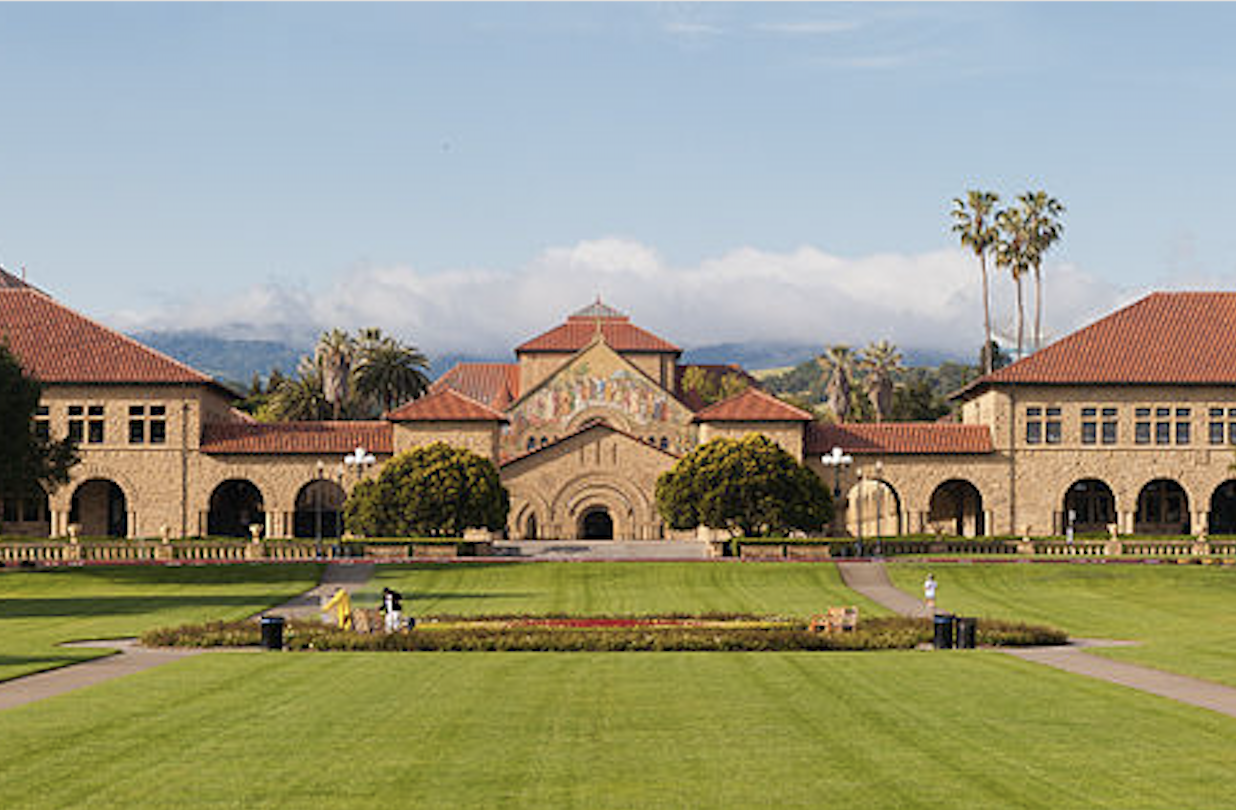
Stanford Students Set Record with Model Plane

Put a bunch of Stan­ford grad­u­ate stu­dents togeth­er. Give them 10 weeks to build a mod­el air­plaine, and what do you get? A world record at 7,000 feet — some­thing it might cost NASA mil­lions to do.

When The Wall Comes Tumbling Down: History on YouTube

The Berlin Wall and the Iron Cur­tain col­lapsed a lit­tle more than 20 years ago (August 1989). And even though I watched the events on TV, my mem­o­ry of it all has already start­ed to fade. But that’s where YouTube comes in. Above, a quick refresh­er that makes my day. This clip comes from a larg­er col­lec­tion called 101 His­tor­i­cal Moments You Can Relive on YouTube. Thanks for the heads up on this one.

Justice: Putting a Price Tag on Life & How to Measure Pleasure

Har­vard has rolled out Week 2 of Michael Sandel’s course on Jus­tice. Cour­tesy of the course web site, here’s a syn­op­sis of what you can expect from Episode 2. New lec­tures are get­ting rolled out week­ly. Check the Har­vard web site for new addi­tions.

Part 1 — PUTTING A PRICE TAG ON LIFE: Sandel presents some con­tem­po­rary cas­es in which cost-ben­e­fit analy­sis was used to put a dol­lar val­ue on human life. The cas­es give rise to sev­er­al objec­tions to the util­i­tar­i­an log­ic of seek­ing “the great­est good for the great­est num­ber.” Is it pos­si­ble to sum up and com­pare all val­ues using a com­mon mea­sure like mon­ey?

Part 2 — HOW TO MEASURE PLEASURE: Sandel intro­duces J. S. Mill, a util­i­tar­i­an philoso­pher who argues that seek­ing “the great­est good for the great­est num­ber” is com­pat­i­ble with pro­tect­ing indi­vid­ual rights, and that util­i­tar­i­an­ism can make room for a dis­tinc­tion between high­er and low­er plea­sures. Sandel tests this the­o­ry by play­ing video clips from three very dif­fer­ent forms of enter­tain­ment: Shakespeare’s Ham­let, the real­i­ty show Fear Fac­tor, and The Simp­sons.

by | Permalink | Make a Comment ( 2 ) |

Princeton Students Pan the Kindle DX

Ear­li­er this year, Ama­zon rolled out the Kin­dle DX. This new, super­sized e‑book read­er had one basic goal: to give read­ers dig­i­tal access to text­books, news­pa­pers and oth­er larg­er for­mat pub­li­ca­tions. This fall, the rub­ber has start­ed to hit the road, and the Kin­dle DX has been get­ting tepid reviews, at least at Prince­ton Uni­ver­si­ty. There, stu­dents in three class­es (Civ­il Soci­ety and Pub­lic Pol­i­cy, U.S. Pol­i­cy and Diplo­ma­cy in the Mid­dle East, and Reli­gion and Mag­ic in Ancient Rome) were giv­en free Kin­dles, and then start­ed work­ing with them. Accord­ing to the Dai­ly Prince­ton­ian, many of the 50 stu­dents par­tic­i­pat­ing in the pilot pro­gram said that “they were dis­sat­is­fied and uncom­fort­able with the devices.” One stu­dent had this to say:

I hate to sound like a Lud­dite, but this tech­nol­o­gy is a poor excuse of an aca­d­e­m­ic tool. It’s clunky, slow and a real pain to oper­ate. … Much of my learn­ing comes from a phys­i­cal inter­ac­tion with the text: book­marks, high­lights, page-tear­ing, sticky notes and oth­er marks rep­re­sent­ing the impor­tance of cer­tain pas­sages — not to men­tion mar­gin notes, where most of my paper ideas come from and inter­ac­tion with the mate­r­i­al occurs… All these things have been lost, and if not lost they’re too slow to keep up with my think­ing, and the ‘fea­tures’ have been ren­dered use­less.

These feel­ings were shared not just by stu­dents, but by pro­fes­sors as well. For more, I’d encour­age you to give the Dai­ly Prince­ton­ian piece a read.

Thanks to Bob for the tip, which comes via a men­tion in Engad­get. We love tips. Keep them com­ing.


  • Great Lectures

  • Sign up for Newsletter

  • About Us

    Open Culture scours the web for the best educational media. We find the free courses and audio books you need, the language lessons & educational videos you want, and plenty of enlightenment in between.


    Advertise With Us

  • Archives

  • Search

  • Quantcast