“Sweet Home Alabama” Played on Tesla Coils (and More Culture Around the Web)

You can cre­ate music with Tes­la coils if you know how to mod­u­late their “break rate” with MIDI data and a con­trol unit. Case in point. Here we have two sol­id state musi­cal Tes­la coils, using a com­bined 24KW of pow­er, to play a ver­sion of Lynyrd Skynyrd’s 1974 clas­sic “Sweet Home Alaba­ma” (lis­ten to the orig­i­nal here). Also enjoy elec­tri­fied ver­sions of House of The Ris­ing Sun and Duel­ing Ban­jos. via @webacion

More Cul­ture from our Twit­ter Stream:

Jack Ker­ouac’s Only Full-Length Play Will Pre­miere, 55 years After It Was Writ­ten

First MITx Course Attracts 90,000 Stu­dents, Prov­ing the Pop­u­lar­i­ty of Online Learn­ing. Find more Free Cours­es here.

Kurt Von­negut: The Bomb­ing of Dres­den and the Cre­ation of Slaugh­ter­house Five

The Lady Anatomist: The Wax Sculp­tures of 18th-Cen­tu­ry Artist-Sci­en­tist Anna Moran­di Man­zoli­ni

The Ili­ad Visu­al­ized. We Helped Inspire the Project Says the Cre­ator!

Paul Ther­oux Reads The Gospel Accord­ing to Mark by Jorge Luis Borges. Added to our Free Audio Books.

“Mr. Gold­man and Mr. Sachs” Record­ed by @theharryshearer in 2009

Cool Old Sci-Fi Sto­ries for Free on Ama­zon. Tip from @Frauenfelder

Jack Ker­ouac Writes a Let­ter to Mar­lon Bran­do

Sci­en­tists Use Thore­au’s Unpub­lished Jour­nals to Track Cli­mate Change

Clas­sic Sci­ence Fic­tion Movies – in Pic­tures

Fol­low us on Face­bookTwit­ter and now Google Plus and share intel­li­gent media with your friends! They’ll thank you for it.

by | Permalink | Make a Comment ( 2 ) |

Keith Haring’s Eclectic Journal Entries Go Online

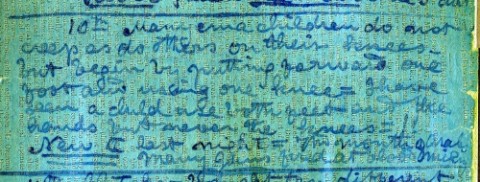
Tomor­row marks the open­ing of Kei­th Har­ing: 1978–1982, the first “large-scale exhi­bi­tion to explore the ear­ly career of one of the best-known Amer­i­can artists of the twen­ti­eth cen­tu­ry.” The exhi­bi­tion, appear­ing at The Brook­lyn Muse­um until July 8, traces the devel­op­ment of Haring’s visu­al vocab­u­lary by show­cas­ing “155 works on paper, numer­ous exper­i­men­tal videos, and over 150 archival objects, includ­ing rarely seen sketch­books, jour­nals, exhi­bi­tion fly­ers, posters, sub­way draw­ings, and doc­u­men­tary pho­tographs.” And, of course, the exhi­bi­tion is accom­pa­nied by a Tum­blr that will host online pages tak­en from Har­ing’s per­son­al jour­nals. The Tum­blr will post one new entry per day (like the one above), through­out the dura­tion of the exhi­bi­tion. You can keep tabs on the entries right here. H/T Metafil­ter

Detour: The Cheap, Rushed Piece of 1940s Film Noir Nobody Ever Forgets

detour_1945
Accord­ing to cin­e­ma lore, Edgar G. Ulmer’s Detour, a slap­dash, unpro­fes­sion­al $20,000 melo­dra­ma shot in a mere mis­take-filled six days, has some­how, over the past 66 years, accrued a siz­able and appre­cia­tive fol­low­ing among film noir enthu­si­asts. Except it turns out that, in real­i­ty, its bud­get prob­a­bly ran to some $117,000. And those six days might have actu­al­ly been three six-day weeks. And the Aus­tri­an-born Ulmer, who had not only worked for such Euro­pean lumi­nar­ies as F.W. Mur­nau, Bil­ly Wilder, and (so he claimed) Fritz Lang, but even made The Black Cat for Uni­ver­sal Pic­tures, hard­ly lacked pro­fes­sion­al bona fides. And the film’s care­ful use of sound and strik­ing use of light set it apart even from its brethren in the genre.

And speak­ing of that genre, a hearty crit­i­cal agree­ment now holds that Detour dis­tills, in its brief 68 min­utes, the most vital emo­tion­al and aes­thet­ic ele­ments of film noir in a way that none of its oth­er exem­plars have man­aged. And mis­takes? What mis­takes? As Roger Ebert wrote on ush­er­ing the film into his Great Movies canon, “Plac­ing style above com­mon sense is com­plete­ly con­sis­tent with Ulmer’s approach through­out the film.”

To recount Detour’s sto­ry here — a piano-play­er down on his luck; a sud­den death; a schem­ing, ven­omous dame — would be to miss the point. To cite out its many, er, uncon­ven­tion­al pro­duc­tion choic­es — nonex­is­tent back­grounds con­cealed with fog, shots sim­ply flipped over and re-used, stock footage meant to pad the run­time almost to fea­ture length, uncon­vinc­ing rear pro­jec­tion even by 1945’s stan­dards — would be to miss the point from anoth­er direc­tion. The film has fall­en into the pub­lic domain, so watch it free online and expe­ri­ence for your­self the way that, for all its appar­ent blunt­ness, it stealth­ily lodges itself in your sense mem­o­ry. To call a movie “dream­like” reeks of cliché, but Detour presents the ele­ments of film noir in such a pure, naked state that you have lit­tle choice but to accept them direct­ly, the way you would accept the “facts” of a dream. Though seem­ing­ly incom­pe­tent on all the lev­els sub­ject to con­scious analy­sis, the film oper­ates effec­tive­ly on all the lev­els beneath, hence the last­ing inspi­ra­tion it offers to cer­tain film­mak­ers today. Make Detour, if you can, a dou­ble-fea­ture with David Lynch’s Lost High­way, which plays almost like a straight trib­ute to Ulmer’s pic­ture. As a ded­i­cat­ed tran­scen­den­tal med­i­ta­tor with a fas­ci­na­tion for the dark side of Los Ange­les and a ten­den­cy to bend arche­typ­al char­ac­ters toward his often oblique but always vivid styl­is­tic will, Lynch has inter­nal­ized Detour’s lega­cy — intend­ed or oth­er­wise — more deeply than any oth­er film­mak­er alive today.

More noir clas­sics can be found in our col­lec­tion of 60+ Free Noir Films.

Col­in Mar­shall hosts and pro­duces Note­book on Cities and Cul­ture. Fol­low him on Twit­ter at @colinmarshall.

Michael Shermer’s Baloney Detection Kit: What to Ask Before Believing

Ear­li­er this week The New York Times pub­lished an inter­est­ing dis­cus­sion between philoso­pher Michael Lynch and physi­cist Alan Sokal on epis­temic first prin­ci­ples, or, as Lynch put it in an ear­li­er essay, the “Rea­sons for Rea­son.” To illus­trate the prac­ti­cal advan­tage of obser­va­tion and induc­tive rea­son­ing in the for­ma­tion of beliefs, Sokal quotes a pas­sage from James Robert Brown’s Who Rules in Sci­ence?:

Cer­tain rea­son­ing pat­terns tend to pro­mote sur­vival; oth­ers don’t. If Og rea­soned: “In the past tigers have reg­u­lar­ly eat­en peo­ple, but I’m sure this one will be quite friend­ly,” then very like­ly Og is not your ances­tor.

Beliefs are impor­tant. How we form them can have pro­found con­se­quences for our own lives and–especially in a democracy–for the lives of the peo­ple around us. In this 15-minute video from the Richard Dawkins Foun­da­tion, Skep­tic mag­a­zine founder and edi­tor Michael Sher­mer gives prac­ti­cal advice on how to sep­a­rate sense from non­sense when form­ing beliefs. The next time some­one tries to con­vince you of a tiger’s friend­li­ness, do your­self a favor and take heed of what Sher­mer has to say.

If you would like to sign up for Open Culture’s free email newslet­ter, please find it here. It’s a great way to see our new posts, all bun­dled in one email, each day.

If you would like to sup­port the mis­sion of Open Cul­ture, con­sid­er mak­ing a dona­tion to our site. It’s hard to rely 100% on ads, and your con­tri­bu­tions will help us con­tin­ue pro­vid­ing the best free cul­tur­al and edu­ca­tion­al mate­ri­als to learn­ers every­where. You can con­tribute through Pay­Pal, Patre­on, and Ven­mo (@openculture). Thanks!

Robert Altman’s First Film Found at Flea Market (Free to Watch Online)

Long before Robert Alt­man gave us MASH (1970), Nashville (1975), The Play­er (1992) and Gos­ford Park (2001), he paid his dues in the film indus­try, shoot­ing 65 “indus­tri­al movies” dur­ing the 1950s. One such film recent­ly sur­faced in a Kansas City flea mar­ket, and it’s believed to be Alt­man’s first film. Gary Hug­gins, also a film­mak­er, told SF Week­ly, “I bought a stack of old instruc­tion­al films for $10 and nev­er got around to screen­ing them.” “Mod­ern Foot­ball [the title of the dis­cov­ered footage] sound­ed real­ly dull. But when I recent­ly did, I glimpsed Alt­man, who cameos as a sports reporter, and knew I had some­thing incred­i­ble.” Find the 26-minute film above, and the cameo at the 2:37 mark. Then con­sid­er catch­ing up with Alt­man six years lat­er when he c0-direct­ed The James Dean Sto­ry at the start of his Hol­ly­wood career. Watch the Dean doc­u­men­tary online, or find it housed in our col­lec­tion of 450 Free Movies Online.

by | Permalink | Make a Comment ( 3 ) |

Andy Warhol’s ‘Screen Test’ of Bob Dylan: A Classic Meeting of Egos

Yes­ter­day we post­ed John Belushi’s screen test for Sat­ur­day Night Live. Today we fea­ture an alto­geth­er dif­fer­ent kind of “screen test”: Andy Warhol’s unblink­ing film por­trait of an irri­tat­ed-look­ing Bob Dylan.

Between 1964 and 1966 Warhol and his assis­tant, Ger­ard Malan­ga, used a 16mm Bolex cam­era to make 472 short films of peo­ple, both famous and obscure, who came to vis­it his “Fac­to­ry” on East 47th Street in New York. The idea of call­ing them “Screen Tests” was some­thing of a joke, accord­ing to Malan­ga. “None of these screen tests amount­ed to giv­ing those peo­ple the oppor­tu­ni­ty to go on in the under­ground film world,” Malan­ga said in a 2009 inter­view. “It was kind of a par­o­dy of Hol­ly­wood.”

To Warhol biog­ra­phers Tony Scher­man and David Dal­ton, the Screen Tests are seri­ous works of art, the prod­uct of Warhol’s “inge­nious con­cep­tion of a mid-twen­ti­eth cen­tu­ry por­trait.” In Pop: The Genius of Andy Warhol, they write:

When movies were invent­ed, their crit­ics claimed there was one thing they could­n’t do: cap­ture the soul, the dis­til­la­tion of per­son­al­i­ty. Iron­i­cal­ly, this turned out to be one of film’s great­est capac­i­ties. Oper­at­ed close up, the movie cam­era lets us read, per­haps more clear­ly than any oth­er instru­ment, a sub­jec­t’s emo­tions. As his hun­dreds of six­ties, sev­en­ties, and eight­ies pho­to-silk-screen por­traits attest, Warhol was com­pelled to por­tray the human face. The Bolex let him home in on flick­er­ing expres­sions and shift­ing nods, a near-instant rais­ing and low­er­ing of eye­brows, a quick side­long glance, pen­sive and thought­ful slow noods, or a three-minute slide from com­po­sure into self-con­cious giddiness–fleeting emo­tions that nei­ther paint nor a still cam­era could cap­ture. Andy’s ambi­tion for the Screen Tests, as for film in gen­er­al, was to reg­is­ter per­son­al­i­ty.

Warhol’s method was to load 100 feet of film into the cam­era, place it on a tri­pod, press the but­ton, and leave it running–sometimes even walk­ing away–until the film was gone. It was like a star­ing con­test he could­n’t lose. Each roll took almost three min­utes. In Dylan’s case two rolls were exposed: one for a wide view, the oth­er a close-up. The short clip above includes footage from both rolls.

The exact date of the ses­sion is unknown. Scher­man and Dal­ton write that it most like­ly occurred in Jan­u­ary of 1966, just before Dylan’s world tour. Some wit­ness­es say it hap­pened in late July of 1965, around the time of Dylan’s his­toric “elec­tric” per­for­mance at the New­port Folk Fes­ti­val. What­ev­er the date, by all accounts it was an awk­ward, chilly encounter.

Dylan pulled up at the Fac­to­ry in a sta­tion wag­on with his friend, Bob Neuwirth. From the begin­ning, accord­ing to Scher­man and Dal­ton, it was clear that Dylan was deter­mined to demon­strate his supe­ri­or cool. “As for Andy’s motives,” they write, “he was clear­ly star-struck, in awe of Dylan’s sud­den, vast celebri­ty. He had a more prac­ti­cal agen­da, too: to get Dylan to appear in a Warhol movie.”

But Dylan was­n’t hav­ing it. After the sullen Screen Test, he walked over to a large paint­ing of Elvis Pres­ley that Warhol had already set aside for him as a gift and, by one account, said “I think I’ll just take this for pay­ment, man.” He and Neuwirth then lift­ed the paint­ing, which was near­ly sev­en feet tall, car­ried it out of the stu­dio, down the freight ele­va­tor and into the street, where they strapped it–with no pro­tec­tion whatsoever–onto the roof of the sta­tion wag­on and drove away.

Post­script: Dylan nev­er liked the paint­ing, Dou­ble Elvis, so he trad­ed it with his man­ag­er, Albert Gross­man, for a sofa. It’s now in the Muse­um of Mod­ern Art. (The paint­ing, that is. Not the sofa.)

If you would like to sign up for Open Culture’s free email newslet­ter, please find it here. It’s a great way to see our new posts, all bun­dled in one email, each day.

If you would like to sup­port the mis­sion of Open Cul­ture, con­sid­er mak­ing a dona­tion to our site. It’s hard to rely 100% on ads, and your con­tri­bu­tions will help us con­tin­ue pro­vid­ing the best free cul­tur­al and edu­ca­tion­al mate­ri­als to learn­ers every­where. You can con­tribute through Pay­Pal, Patre­on, and Ven­mo (@openculture). Thanks!

Relat­ed con­tent:

Warhol’s Screen Tests: Lou Reed, Den­nis Hop­per, Nico, and More

Watch Andy Warhol’s Screen Tests of Three Female Mus­es: Nico, Edie Sedg­wick & Mary Woronov

130,000 Pho­tographs by Andy Warhol Are Now Avail­able Online, Cour­tesy of Stan­ford Uni­ver­si­ty

Dementia 13: The Film That Took Francis Ford Coppola From Schlockster to Auteur

dementia_13_poster_02

The Con­ver­sa­tion, Apoc­alpyse Now, The God­fa­ther — Fran­cis Ford Cop­po­la’s movies come so big that even the most casu­al cinephiles vivid­ly remem­ber their first expe­ri­ences with them. Of course, Cop­po­la made all of those in the sev­en­ties, when he held down the posi­tion of one of the lead­ing lights of the New Hol­ly­wood move­ment, when major Amer­i­can stu­dios grew will­ing to tap the uncon­ven­tion­al but ulti­mate­ly for­mi­da­ble cin­e­mat­ic tal­ents of a vari­ety of young auteurs. They backed every­one from Cop­po­la to Mar­tin Scors­ese to Peter Bog­danovich to Michael Cimi­no, and we enjoy the fruits of their gam­ble even today. Enthu­si­asts of Amer­i­can cin­e­ma remem­ber that peri­od — along with its echo, the Sun­dance-Mira­max-dri­ven “indie” boom of the nineties — as a gold­en age. Cop­po­la has­n’t stopped mak­ing films, and even if his lat­ter-day projects like Youth With­out Youth and Tetro haven’t gained such icon­ic stature in the cul­ture, some­thing in them nev­er­the­less lodges in your mind, demand­ing fur­ther view­ing and reflec­tion.

You’ll find an equal­ly fas­ci­nat­ing exam­ple of Cop­po­la’s work if you look before the New Hol­ly­wood era, all the way back to a 75-minute piece of black-and-white psy­cho­log­i­cal hor­ror called Demen­tia 13. Watch it in its entire­ty on YouTube for both the for­ma­tive piece of Cop­po­la’s art and the 1963 piece of Roger Cor­man-pro­duced junk that it some­how is. The pic­ture rep­re­sents a tran­si­tion point between the young Cop­po­la, sound tech­ni­cian and direc­tor of “nudie” films, and the mature Cop­po­la, laud­ed with crit­i­cal and com­mer­cial acclaim but sub­ject to an almost self-destruc­tive grand­ness of ambi­tion. Cor­man, who had $22,000 lay­ing around after his last pro­duc­tion, asked Cop­po­la for a Psy­cho knock­off. Cop­po­la pro­ceed­ed to round up a few of his UCLA pals and shoot Demen­tia 13 in Ire­land, return­ing with an alto­geth­er more sub­tle and sub­dued movie than Cor­man could have expect­ed. (Not that it’s par­tic­u­lar­ly hard to over­shoot Roger Cor­man-style expec­ta­tions in those depart­ments.)

To watch Demen­tia 13 now is to wit­ness Cop­po­la’s con­trol of ten­sion and dark­ness in its embry­on­ic — but still impres­sive — form. Nobody involved in the pro­duc­tion could have delud­ed them­selves about its goal of shoot­ing a few max­i­mal­ly grue­some axe mur­ders as quick­ly and cheap­ly as pos­si­ble, but even such strait­ened cir­cum­stances allow for pock­ets of artistry to bub­ble through. Emerg­ing from the school of cheap thrills into ulti­mate respectabil­i­ty was­n’t an unknown sto­ry for Cop­po­la’s cin­e­mat­ic gen­er­a­tion. Today’s seri­ous young direc­tors seem to pre­fer hon­ing their chops with now-inex­pen­sive video gear, mak­ing films that cost far less than $22,000 and thus avoid­ing com­pro­mis­ing their sen­si­bil­i­ties. That strikes me as a step for­ward, but watch­ing movies in the class of this unlike­ly Cor­man-Cop­po­la part­ner­ship will always make you won­der what we’ve lost now that our best film­mak­ers don’t have to pay their dues in the wild world of schlock.

Col­in Mar­shall hosts and pro­duces Note­book on Cities and Cul­ture. Fol­low him on Twit­ter at @colinmarshall.

Quentin Tarantino Gives Sneak Peek of Pulp Fiction to Jon Stewart in 1994

They’re now fix­tures in our cul­ture — one on tele­vi­sion, the oth­er in cin­e­ma. But that was­n’t quite the case in 1994. The world had yet to lay eyes on Pulp Fic­tion, Quentin Taran­ti­no’s rol­lick­ing film that even­tu­al­ly land­ed the Palme d’Or at the ’94 Cannes Film Fes­ti­val. And Jon Stew­art was still five years away from tak­ing the helm of The Dai­ly Show, which  … you know … is the wit­ti­est show on Amer­i­can TV. The clip above brings you back to their sal­ad days, with Taran­ti­no (31 years old) and Stew­art (32 years old) talk­ing about Pulp Fic­tion, Reser­voir Dogs, and the great spaghet­ti west­erns of Ser­gio Leone.…

If you would like to sign up for Open Culture’s free email newslet­ter, please find it here. It’s a great way to see our new posts, all bun­dled in one email, each day.

If you would like to sup­port the mis­sion of Open Cul­ture, con­sid­er mak­ing a dona­tion to our site. It’s hard to rely 100% on ads, and your con­tri­bu­tions will help us con­tin­ue pro­vid­ing the best free cul­tur­al and edu­ca­tion­al mate­ri­als to learn­ers every­where. You can con­tribute through Pay­Pal, Patre­on, and Ven­mo (@openculture). Thanks!

Relat­ed Con­tent:

Quentin Tarantino’s Orig­i­nal Wish List for the Cast of Pulp Fic­tion

Quentin Tarantino’s Top 20 Grindhouse/Exploitation Flicks: Night of the Liv­ing Dead, Hal­loween & More

Quentin Taran­ti­no Lists the 12 Great­est Films of All Time: From Taxi Dri­ver to The Bad News Bears

Quentin Tarantino’s Hand­writ­ten List of the 11 “Great­est Movies”

RIP Peter Bergman; Hear the Firesign Theatre’s 1970 Masterpiece

“I’m too young to have been around when these were cur­rent,” reads one YouTube com­ment post­ed to a piece of Fire­sign The­atre mate­r­i­al, “but as soon as I heard their first four albums or so, my dad’s jokes sud­den­ly made sense.” Respond­ing to anoth­er clip, some­one else recalls, “My father quot­ed bits of their show through­out my entire child­hood, and as we got old­er we asked where they came from.” A third com­menter appears below yet anoth­er arti­fact from a Fire­sign record: “My dad has been lis­ten­ing to this since it came out in 1969, and I myself have been lis­ten­ing to it since he showed me it when I was sev­en in 1989… and we’re STILL find­ing new things about it.” I count myself in this parade of late-twen­ties-ear­ly-thir­ties lis­ten­ers who embrace enthu­si­asm for the Fire­sign The­atre as their patro­cliny. Hav­ing nev­er known a world with­out all four of these guys whom Robert Christ­gau was call­ing “the grand old men of head com­e­dy” even in 1977, we find our­selves not just dis­mayed but star­tled by the pass­ing of found­ing mem­ber Peter Bergman last Fri­day.

For a refresh­er course — or even a first course — in the inim­itable Fire­sign sen­si­bil­i­ty, look no fur­ther than the quartet’s 1970 album Don’t Crush That Dwarf, Hand Me the Pli­ers, avail­able in four parts on YouTube. Enthu­si­asts of stu­dio-record­ed com­e­dy con­sid­er it the Ulysses of the form (or even its Finnegans Wake), though you won’t have to per­form quite so much schol­ar­ship before you’re allowed to laugh at the jokes.

In the late six­ties and ear­ly sev­en­ties, Bergman and his co-sur­re­al­ists Phil Austin, David Oss­man, and Philip Proc­tor real­ized they could use then-mod­ern record­ing stu­dio tech­nol­o­gy not just as a facil­i­ty for cap­tur­ing com­e­dy, but for cre­at­ing com­e­dy — a new kind of com­e­dy nobody had ever heard before. Lay­er­ing speech upon noise upon son­ic abstrac­tion, the Fire­sign The­atre did with the tra­di­tions of radio com­e­dy what Steely Dan did with those of jazz and rock, craft­ing a dense satir­i­cal polypho­ny of jab, word­play, allu­sion, and con­trolled inar­tic­u­la­cy that yields dif­fer­ent laughs on dif­fer­ent lev­els depend­ing on where, when, and who you are. This proved the ide­al way to tell the sto­ry of Don’t Crush That Dwarf’s pro­tag­o­nist George Leroy Tirebiter, for­mer teen actor and cur­rent wee-hour chan­nel-flip­per in a dystopi­an future Los Ange­les cloud­ed with evan­ge­lism, huck­ster­ism, and creep­ing para­noia.

Bergman him­self said they made their records to be heard about eighty times. If we in this newest wave of adult Fire­sign The­atre fan­dom believe the col­lege sto­ries our fathers tell, Don’t Crush That Dwarf could play eighty times dur­ing the course of a sin­gle par­ty. (Before the inven­tion of the inter­net, I sup­pose you took your intel­lec­tu­al stim­u­la­tion where you found it.) Unlike them, we didn’t come upon the album by way of an insis­tent friend sit­ting us down with a pair of head­phones and a joint; we’ve been hear­ing Dad play the thing since we were in dia­pers. I find it impos­si­ble to imag­ine a child­hood — indeed, an exis­tence — with­out con­stant ref­er­ences to hot-but­tered groat clus­ters, Morse Sci­ence High School, Ersatz Broth­ers Cof­fee, or the Depart­ment of Redun­dan­cy Depart­ment. I haven’t quite heard the Fire­sign Theatre’s mas­ter­piece eighty times yet, but when­ev­er I put on their inter­pre­ta­tion of Hesiod’s five ages of man by way of the five ages of Tirebiter’s life, I lis­ten with the con­fi­dence that it will last me through five of my own.

Links to each part of Don’t Crush That Dwarf, Hand Me the Pli­ers: one, two, three, four

Col­in Mar­shall hosts and pro­duces Note­book on Cities and Cul­ture. Fol­low him on Twit­ter at @colinmarshall.

John Belushi’s Improvised Screen Test for Saturday Night Live (1975)

In this rare footage from 1975, a 26-year-old John Belushi warms up with some eye­brow cal­is­then­ics before doing his sig­na­ture Mar­lon Bran­do impres­sion in a screen test for a new late-night tele­vi­sion pro­gram called Sat­ur­day Night Live. He got the part, of course, and his star rose rapid­ly along with the show’s. By 1978 Belushi could boast of hav­ing the num­ber one late-night tele­vi­sion show (SNL), the num­ber one movie (Ani­mal House) and the num­ber one musi­cal album (The Blues Broth­ers’ Brief­case Full of Blues). But sad­ly it all came crash­ing down 30 years ago this month–on March 5 1982–when he died of a drug over­dose. In this clip we remem­ber the young Belushi: cocky, tal­ent­ed, with a bril­liant future ahead of him.

Relat­ed Con­tent:

Father Gui­do Sar­duc­ci Pitch­es “The Five Minute Uni­ver­si­ty”

William S. Bur­roughs on Sat­ur­day Night Live, 1981

The Stunt That Got Elvis Costel­lo Banned From Sat­ur­day Night Live

Leonard Bernstein’s Masterful Lectures on Music (11+ Hours of Video Recorded at Harvard in 1973)

In 1972, the com­pos­er Leonard Bern­stein returned to Har­vard, his alma mater, to serve as the Charles Eliot Nor­ton Pro­fes­sor of Poet­ry, with “Poet­ry” being defined in the broad­est sense. The posi­tion, first cre­at­ed in 1925, asks fac­ul­ty mem­bers to live on cam­pus, advise stu­dents, and most impor­tant­ly, deliv­er a series of six pub­lic lec­tures. T.S. Eliot, Aaron Cop­land, W.H. Auden, e.e. cum­mings, Robert Frost, Jorge Luis Borges — they all pre­vi­ous­ly took part in this tra­di­tion. And Bern­stein did too.

Deliv­ered in the fall of 1973 and col­lec­tive­ly titled “The Unan­swered Ques­tion,” Bern­stein’s lec­tures cov­ered a lot of ter­rain, touch­ing on poet­ry, lin­guis­tics, phi­los­o­phy and physics. But the focus inevitably comes back to music — to how music works, or to the under­ly­ing gram­mar of music. The lec­tures run over 11 hours. They’re con­sid­ered mas­ter­pieces, beau­ti­ful exam­ples of how to make com­pli­cat­ed mate­r­i­al acces­si­ble. And they’re avail­able in full on YouTube. You can watch the first lec­ture (on Musi­cal Phonol­o­gy) above, and find the remain­ing five lec­tures below. The lec­tures can also be pur­chased as DVDs or in book for­mat.

Lec­ture 2: Musi­cal Syn­tax

Lec­ture 3: Musi­cal Seman­tics

Lec­ture 4: The Delights & Dan­gers of Ambi­gu­i­ty

Lec­ture 5: The 20th Cen­tu­ry Cri­sis

Lec­ture 6: The Poet­ry of Earth

This lec­ture series has been added to our exten­sive col­lec­tion, 1,700 Free Online Cours­es from Top Uni­ver­si­ties.

If you would like to sign up for Open Culture’s free email newslet­ter, please find it here. It’s a great way to see our new posts, all bun­dled in one email, each day.

If you would like to sup­port the mis­sion of Open Cul­ture, con­sid­er mak­ing a dona­tion to our site. It’s hard to rely 100% on ads, and your con­tri­bu­tions will help us con­tin­ue pro­vid­ing the best free cul­tur­al and edu­ca­tion­al mate­ri­als to learn­ers every­where. You can con­tribute through Pay­Pal, Patre­on, and Ven­mo (@openculture). Thanks!

by | Permalink | Make a Comment ( 16 ) |


  • Great Lectures

  • Sign up for Newsletter

  • About Us

    Open Culture scours the web for the best educational media. We find the free courses and audio books you need, the language lessons & educational videos you want, and plenty of enlightenment in between.


    Advertise With Us

  • Archives

  • Search

  • Quantcast