How Bertrand Russell Turned The Beatles Against the Vietnam War

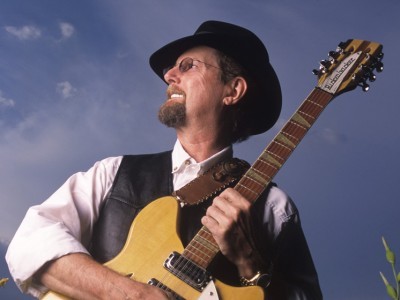
The Bea­t­les were so much a part of the youth move­ment that blos­somed in the 1960s that it’s amus­ing to think that one of the main issues that ener­gized the movement–peace–came to the Bea­t­les through a 92-year-old man.

As Paul McCart­ney explains in this clip from a Jan­u­ary 14, 2009 inter­view on The View, it hap­pened when he decid­ed to pay a vis­it to philoso­pher Bertrand Rus­sell. A co-founder of ana­lyt­ic phi­los­o­phy, Rus­sell had been a life-long social and polit­i­cal activist. Dur­ing World War I, he was not allowed to trav­el freely in Britain due to his anti-war views. He lost his fel­low­ship at Trin­i­ty Col­lege, Cam­bridge, and was even­tu­al­ly jailed for six months for sup­pos­ed­ly inter­fer­ing with British For­eign Pol­i­cy. After World War II, Rus­sell lob­bied stren­u­ous­ly for the abo­li­tion of nuclear weapons. In the 1960s, he opposed the Viet­nam War.

After the Bea­t­les became big in 1963 and 1964, McCart­ney began tak­ing advan­tage of his celebri­ty sta­tus by call­ing on peo­ple he admired. In an inter­view with Bar­ry Miles for the book Paul McCart­ney: Many Years From Now, McCart­ney describes his meet­ing with Rus­sell:

Some­how I got his num­ber and called him up. I fig­ured him as a good speak­er, I’d seen him on tele­vi­sion, I’d read var­i­ous bits and pieces and was very impressed by his dig­ni­ty and the clar­i­ty of this think­ing, so when I got a chance I went down and met him. Bertrand Rus­sell lived in Chelsea in one of those lit­tle ter­race hous­es, I think it was Flood Street. He had the arche­typ­al Amer­i­can assis­tant who seemed always to be at every­one’s door that you want­ed to meet. I sat round wait­ing, then went in and had a great lit­tle talk with him. Noth­ing earth-shat­ter­ing. He just clued me in to the fact that Viet­nam was a very bad war, it was an impe­ri­al­ist war and Amer­i­can vest­ed inter­ests were real­ly all it was all about. It was a bad war and we should be against it. That was all. It was pret­ty good from the mouth of the great philoso­pher. “Slip it to me, Bert.”

McCart­ney report­ed his expe­ri­ence to the oth­er mem­bers of the Bea­t­les, and it was John Lennon who real­ly took the anti-war mes­sage and ran with it. For a reminder of those days, watch the video below of Lennon and Yoko Ono at their “Bed-In” for peace in 1969:

If you would like to sign up for Open Culture’s free email newslet­ter, please find it here. It’s a great way to see our new posts, all bun­dled in one email, each day.

If you would like to sup­port the mis­sion of Open Cul­ture, con­sid­er mak­ing a dona­tion to our site. It’s hard to rely 100% on ads, and your con­tri­bu­tions will help us con­tin­ue pro­vid­ing the best free cul­tur­al and edu­ca­tion­al mate­ri­als to learn­ers every­where. You can con­tribute through Pay­Pal, Patre­on, and Ven­mo (@openculture). Thanks!

Bruce Springsteen and the E Street Band Live at the Apollo

Last night, Bruce Spring­steen and the E Street Band played the Apol­lo The­ater in Harlem. The “pow­er­house two-and-a-half hour per­for­mance,” as The New York Times called it, aired on the closed air­waves of Sir­iusXM, the satel­lite radio net­work that spon­sored the con­cert. And the show was attend­ed by com­pa­ny VIPs. Mer­ci­ful­ly, Colum­bia Records was kind enough to give us mor­tals a lit­tle sniff, post­ing online Spring­steen’s per­for­mance of “Death To My Home­town,” a new track that rails against bankers and cor­po­rate lead­ers and the dam­age they’ve done to Amer­i­can com­mu­ni­ties. The Boss’ new album, Wreck­ing Ball, is on sale now. H/T @webacion

Fol­low us on Face­bookTwit­ter and now Google Plus and share intel­li­gent media with your friends! They’ll thank you for it.

by | Permalink | Make a Comment ( 1 ) |

For 95 Minutes, the BBC Brings George Orwell to Life

George Orwell occu­pies a fun­ny place in the mod­ern lit­er­ary con­scious­ness. The last few gen­er­a­tions came to know him, in Eng­lish class, as the author of the nov­els Ani­mal Farm and Nine­teen Eighty-Four. My own peers may remem­ber their teach­ers’ awk­ward inver­sion of the ear­li­er book, forced as they were to clar­i­fy Orwell’s already direct Russ­ian Rev­o­lu­tion alle­go­ry by explain­ing that, a long time ago, there lived a man named Trot­sky who was a lot like Snow­ball the pig, and so on. The lat­er book, many read­ers’ first glimpse at a real­is­tic dystopia, tends to hit us hard­er. All those tin­ny, piped-in patri­ot­ic anthems; the vari­cose veins; the saw­dusty cig­a­rettes; the defeat­ed cups of watery tea — why on Earth, we asked our­selves, did Orwell so con­fi­dent­ly fore­see a sham­bol­ic world of such simul­ta­ne­ous chintzi­ness and bru­tal­i­ty?

Apart from his six nov­els and four vol­umes of mem­oir, Orwell pro­duced an aston­ish­ing quan­ti­ty of essays. These I reg­u­lar­ly con­sult in my brick-like Everyman’s Library edi­tion, and I bought that on the strength of two par­tic­u­lar pieces: “Pol­i­tics and the Eng­lish Lan­guage” and “Why I Write.” Many of us encounter these here or there in the course of high­er edu­ca­tion, and none of us with an inter­est in read­ing, writ­ing, think­ing, and the feed­back loop between the three for­get them. Pres­sured to cite the most inci­sive pas­sage in all of Orwell, how could I decide between the for­mer essay’s descrip­tion of how “a mass of Latin words falls upon the facts like soft snow, blur­ring the out­line and cov­er­ing up all the details,” and the lat­ter essay’s con­trast of the writer’s ego against that of “the great mass of human beings” who, after thir­ty, “almost aban­don the sense of being indi­vid­u­als at all — and live chiefly for oth­ers, or are sim­ply smoth­ered under drudgery”?

Despite pass­ing at only 46, Orwell left an almost impos­ing­ly large body of writ­ten work. Read­ers who’ve savored it and want to learn, hear, and see more come up against a cer­tain dif­fi­cul­ty: we have a few pho­tographs of Orwell, but as far as sound or film, noth­ing exists. Yet that didn’t stop BBC Four from putting togeth­er George Orwell: A Life in Pic­tures, cast­ing actor Chris Lang­ham as Orwell, hav­ing him speak Orwell’s words, and insert­ing him, Zelig-like, into his­tor­i­cal footage real and recon­struct­ed of Orwell’s places and times. Doc­u­men­tary purists may balk at this, but strong choic­es make strong films. As a com­pul­sive read­er of Orwell myself, I’ll take any chance I can to expe­ri­ence more rich­ly the mind of this child of the “low­er upper-mid­dle class” whose fas­ci­na­tion with pover­ty drove him down into it; this social­ist who loathed both the trap­pings and pro­po­nents of social­ism; this wor­shiper of hard man­u­al labor who under­stood more about the impact of words than most of us do today; this famed writer who cloaked his giv­en name of Eric Arthur Blair to bet­ter retreat, alone, into his gray, qua­si-ascetic Eng­lish plea­sures.


Col­in Mar­shall hosts and pro­duces Note­book on Cities and Cul­ture. Fol­low him on Twit­ter at @colinmarshall.


Frank Zappa Debates Censorship on CNN’s Crossfire (1986)

Cross­fire aired on CNN from 1982 to 2005, famous­ly pit­ting lib­er­al pun­dits and spe­cial guests against their con­ser­v­a­tive coun­ter­parts. Per­haps you will remem­ber the most famous episode — the day in 2004 when Jon Stew­art paid a vis­it and demol­ished the whole premise of the show. It’s hard to top that moment. But, maybe com­ing in a close sec­ond was Frank Zap­pa’s mem­o­rable appear­ance in 1986.

On that March day, Zap­pa jumped into the fray and fought the cul­ture wars of the 1980s. His main oppo­nent was­n’t the often prick­ly con­ser­v­a­tive com­men­ta­tor Robert Novack. Instead, it was John Lofton, a right-wing colum­nist for The Wash­ing­ton Times, who argued that gov­ern­ment should cen­sor rock lyrics deemed unfriend­ly to fam­i­lies. Zap­pa, who con­sid­ered him­self a con­ser­v­a­tive too, took umbrage and you can watch the con­ver­sa­tion unfold … and at times dete­ri­o­rate. Also don’t miss Zap­pa’s tes­ti­mo­ny before Con­gress in 1985.

If you would like to sign up for Open Culture’s free email newslet­ter, please find it here. It’s a great way to see our new posts, all bun­dled in one email, each day.

If you would like to sup­port the mis­sion of Open Cul­ture, con­sid­er mak­ing a dona­tion to our site. It’s hard to rely 100% on ads, and your con­tri­bu­tions will help us con­tin­ue pro­vid­ing the best free cul­tur­al and edu­ca­tion­al mate­ri­als to learn­ers every­where. You can con­tribute through Pay­Pal, Patre­on, and Ven­mo (@openculture). Thanks!

Relat­ed Con­tent:

A Young Frank Zap­pa Plays the Bicy­cle on The Steve Allen Show (1963)

Hear the Musi­cal Evo­lu­tion of Frank Zap­pa in 401 Songs

Watch Frank Zap­pa Play Michael Nesmith on The Monkees(1967)


by | Permalink | Make a Comment ( 4 ) |

Thelonious Monk in His Prime: Copenhagen, 1966

On April 17, 1966, Thelo­nious Monk per­formed a spe­cial half-hour set for a tele­vi­sion pro­gram in Copen­hagen, Den­mark. The footage cap­tures Monk in his prime. His quar­tet fea­tures the clas­sic line­up of Char­lie Rouse on tenor sax­o­phone, Lar­ry Gales on Bass and Ben Riley on Drums. They play three songs, begin­ning with an 18-minute ver­sion of “Lulu’s Back in Town,” from the 1964 album It’s Monk’s Time. Each musi­cian has room to solo as Monk gets up from his piano and does his stiff, idio­syn­crat­ic dance. Next, Monk plays a solo ver­sion of the stan­dard, “Don’t Blame Me,” by Jim­my McHugh and Dorothy Fields. The full quar­tet returns for Monk’s sig­na­ture show-clos­er, “Epistro­phy.” The Copen­hagen set, along with anoth­er one record­ed two days ear­li­er in Nor­way, is avail­able on DVD as part of the Jazz Icons series.

Relat­ed Con­tent:

John Coltrane Plays Only Live Per­for­mance of A Love Supreme

1959: The Year that Changed Jazz

Thelo­nious Monk, Bill Evans and More on the Clas­sic Jazz 625 Show

Socrates on TV, Courtesy of Alain de Botton (2000)

We could call Alain de Bot­ton, in the clas­si­cal sense, a philo­soph­i­cal ama­teur: that is, one who loves phi­los­o­phy. But not every­body loves the way he approach­es the field. His 2000 book The Con­so­la­tions of Phi­los­o­phy drew a par­tic­u­lar­ly sharp line through the crit­ics: some found great refresh­ment in the acces­si­bil­i­ty he grant­ed philoso­phers like Seneca and Schopen­hauer by fram­ing them in an unex­pect­ed­ly sin­cere par­o­dy of a self-help book; oth­ers judged this method inad­e­quate to deal with the thinkers’ true seri­ous­ness and com­plex­i­ty. This clicks right in with what seems like de Bot­ton’s grand mis­sion: tak­ing West­ern civ­i­liza­tion’s most respect­ed words, writ­ten and spo­ken, and using them to adjust the nuts and bolts of our mod­ern, every­day pur­suit of hap­pi­ness. He wrote anoth­er book called How Proust Can Change Your Life; he estab­lished a school which offers cours­es like “How to Bal­ance Work with Life” and “How to Be Cool;” and his lat­est project involves adapt­ing reli­gion for use by athe­ists (watch relat­ed video here).

No sur­prise, then, that de Bot­ton’s work would extend to that most com­mon medi­um, tele­vi­sion, with a series called Phi­los­o­phy: A Guide to Hap­pi­ness. You can watch a num­ber of episodes on YouTube, includ­ing but not lim­it­ed to “Socrates on Self-Con­fi­dence.” Zip­ping through the streets of Athens on a canary-yel­low Ves­pa, de Bot­ton tells us of the life and meth­ods of the fifth-cen­tu­ry-BC philoso­pher who seems to remain the dis­ci­pline’s most famous prac­ti­tion­er. Illus­trat­ing Socrates’ famous habit of pub­lic inter­ro­ga­tion, de Bot­ton strolls up to oth­er vis­i­tors in the mar­ket­place, ask­ing them to define the idea of jus­tice or their con­cep­tion of their per­son­al life. The answers don’t come eas­i­ly: a French­woman strug­gles to respond even when our intre­pid host shifts into her lan­guage, and a reli­gious­ly out­fit­ted local blows him off with­out even slow­ing down. A few hearty Aus­tralian trav­el­ers — a breed found at every point on the map, cra­dles of phi­los­o­phy and oth­er­wise — do lay out their self-styled philoso­phies with­out hes­i­ta­tion, but de Bot­ton has plen­ty more places to go and peo­ple to see, like a focus group whose vol­ley of opin­ions would have sum­moned Socrates’ gravest reser­va­tions about democ­ra­cy, and a pot­ter who crafts a tan­gi­ble metaphor for Socrates’ notion of the well-test­ed, water­tight belief.

Those who’ve ques­tioned whether de Bot­ton knows how to han­dle phi­los­o­phy may well come away from these pro­grams con­vinced that he does­n’t. I, how­ev­er, find some­thing almost rad­i­cal in the way his demeanor, unyield­ing­ly straight­for­ward and nev­er for­get­ful of con­cerns oth­ers might dis­miss as mun­dane, inter­acts with the great works of the philo­soph­i­cal canon. I sense an almost strate­gic naïveté at work, and it takes him places, intel­lec­tu­al­ly and geo­graph­i­cal­ly, to which his clos­est peers in let­ters may nev­er get around. The stark­ly divid­ed reac­tion de Bot­ton draws shows, to my mind, that he’s being just the right kind of provoca­tive — in his gen­tle man­ner.

Com­plete set of links to Phi­los­o­phy: A Guide to Hap­pi­ness episodes: Socrates on Self-Con­fi­dence, Epi­cu­rus on Hap­pi­ness, Seneca on Anger, Mon­taigne on Self-Esteem, Niet­zsche on Hap­pi­ness

Relat­ed con­tent:

Phi­los­o­phy: A Guide to Hap­pi­ness

Alain de Bot­ton: The Glass of Life is Half-Emp­ty

Alain de Bot­ton Wants a Reli­gion for Athe­ists

55 Free Phi­los­o­phy Cours­es

Col­in Mar­shall hosts and pro­duces Note­book on Cities and Cul­ture. Fol­low him on Twit­ter at @colinmarshall.

Science & Cooking: Harvard Profs Meet World-Class Chefs in Unique Online Course

Put Har­vard researchers and world-class chefs togeth­er and what do you get? An unex­pect­ed com­bi­na­tion and a course called Sci­ence and Cook­ing: From Haute Cui­sine to the Sci­ence of Soft Mat­ter. Dur­ing the past sev­er­al decades, researchers have pushed the bound­aries of soft mat­ter sci­ence, a sci­en­tif­ic field that looks at how ther­mal stress­es and ther­mal fluc­tu­a­tions change the phys­i­cal prop­er­ties of every­day mate­ri­als. Nat­u­ral­ly this all applies to food and cook­ing. Hence the premise of the course which uses cook­ing to explain fun­da­men­tal prin­ci­ples in applied physics and engi­neer­ing.

You can watch the intro­duc­to­ry lec­ture here and the third tasty lec­ture, The Many Faces of Choco­late, above. The full course can be watched on YouTube. And, of course, we’ve added it to our col­lec­tion, 1,700 Free Online Cours­es from Top Uni­ver­si­ties.

If you would like to sign up for Open Culture’s free email newslet­ter, please find it here. It’s a great way to see our new posts, all bun­dled in one email, each day.

If you would like to sup­port the mis­sion of Open Cul­ture, con­sid­er mak­ing a dona­tion to our site. It’s hard to rely 100% on ads, and your con­tri­bu­tions will help us con­tin­ue pro­vid­ing the best free cul­tur­al and edu­ca­tion­al mate­ri­als to learn­ers every­where. You can con­tribute through Pay­Pal, Patre­on, and Ven­mo (@openculture). Thanks!

via Har­vard School of Engi­neer­ing and Applied Sci­ences

Relat­ed Con­tent:

MIT Teach­es You How to Speak Ital­ian & Cook Ital­ian Cui­sine All at Once (Free Online Course)

Learn to Code with Harvard’s Intro to Com­put­er Sci­ence Course And Oth­er Free Tech Class­es

1,700 Free Online Cours­es from Top Uni­ver­si­ties

by | Permalink | Make a Comment ( 6 ) |

The Most Astounding Fact According to Neil deGrasse Tyson

Astro­physi­cist Neil deGrasse Tyson was asked by a read­er of TIME mag­a­zine back in 2008, “What is the most astound­ing fact you can share with us about the Uni­verse?” Here’s his answer, set to a new­ly-designed video. If you want to see the orig­i­nal TIME Q&A, you can revis­it it on YouTube here. H/T Brain­Pick­ings

Relat­ed Con­tent:

Neil deGrasse Tyson Lists 8 (Free) Books Every Intel­li­gent Per­son Should Read

Neil deGrasse Tyson Remem­bers His First Meet­ing with Carl Sagan

by | Permalink | Make a Comment ( 1 ) |

The Fabric of the Cosmos with Brian Greene: Watch the Complete NOVA Series Online

For­get about inclined planes and pul­leys. In this series from the PBS pro­gram NOVA, physics is pre­sent­ed as an exot­ic, mind-bend­ing realm.

The Fab­ric of the Cos­mos, first broad­cast in Novem­ber, fol­lows up on the 2003 Peabody Award-win­ning The Ele­gant Uni­verse. Both series are adapt­ed from the best-sell­ing books of host Bri­an Greene, a math­e­mati­cian and physi­cist at Colum­bia Uni­ver­si­ty.

Like the ear­li­er series, which was cen­tered around String The­o­ry, The Fab­ric of the Cos­mos deals with ideas that are on the cut­ting edge of sci­en­tif­ic the­o­ry. “This is a report from the fron­tier of cos­mic thought,” wrote Den­nis Over­bye last Novem­ber in The New York Times, “as fresh as last mon­th’s Nobel Prizes, uncom­pro­mis­ing in its intel­lec­tu­al ambi­tions and dis­cern­ing in its choice of com­pelling sci­en­tif­ic issues. The action ranges from Times Square to the Grand Canyon, from bowl­ing lanes and bil­liard tables to the lim­its of the imag­i­na­tion.”

The series is arranged in four parts of approx­i­mate­ly 50 min­utes each. The episodes are called “What is Space?;” ‘The Illu­sion of Time,’ ‘Quan­tum Leap,’ and ‘Uni­verse or Mul­ti­verse?’


Wes Anderson’s New Commercials Sell the Hyundai Azera

Many high-pro­file fea­ture film­mak­ers occa­sion­al­ly direct com­mer­cials (find spots by Felli­ni, Bergman, and David Lynch below), but few put their own stamp on them quite so bold­ly as Wes Ander­son does. Each of his for­ays into adver­tise­ment, mar­ket­ing, shilling, pro­pa­gan­diz­ing, cin­e­ma by oth­er means — call it what­ev­er you like — bears the mark of a man who sees real­i­ty in his own way, regard­less of con­text. Hence his fans’ ten­den­cy to receive and pass around his lat­est tele­vi­sion spots with almost the same urgency they would a trail­er for one of his “real movies.” Whether tak­ing on as his sub­ject Bel­gian beer or wide-range call­ing plans or Japan­ese cell­phones or self-satire by way of Amer­i­can Express, Wes Ander­son remains Wes Ander­son down to the last detail. The word “integri­ty,” I real­ize, tends to be reserved specif­i­cal­ly for artists who don’t do com­mer­cials. But if Ander­son­’s unwa­ver­ing respect for his own fas­ci­na­tions and aes­thet­ic impuls­es in every project he works on does­n’t count as integri­ty, what does?

Now that the Hyundai Motor Com­pa­ny has designed a fifth gen­er­a­tion of its Azera mod­el, they’ve engaged Ander­son to help get the word out. I can’t pre­tend to know what spe­cif­ic requests the cor­po­ra­tion made of the film­mak­er, but it would­n’t sur­prise me if they issued only two imper­a­tives: “Tell peo­ple the car’s qui­et, and tell peo­ple they can talk to it.” In “Mod­ern Life” (the first video above), a crum­pling, emas­cu­lat­ing­ly aproned hus­band tries des­per­ate­ly to pre­pare din­ner while keep­ing his anachro­nis­ti­cal­ly large brood under con­trol. As the wife gives him cook­ing instruc­tions and a descrip­tion of the traf­fic jam all around her, we fol­low a stray kid out to the dri­ve­way where — what have we here! — the lady of the house reclines in the beige leather of her Azera, parked not amidst free­way grid­lock but less than a dozen feet from the door. “Talk to My Car” presents a series of increas­ing­ly less fan­tas­ti­cal sce­nar­ios of fam­i­ly auto­mo­bile voice-con­trol, the first in a Chit­ty Chit­ty Bang Bang-style crop-dust­ing con­vert­ible; the sec­ond in an amphibi­ous yel­low sedan, com­plete with periscope; the third in a cross between the Bat­mo­bile and Knight Rid­er’s K.I.T.T., which Dad com­mands to “acti­vate rear incen­di­ary devices”; the fourth in a present-day Azera on its way to a Cos­ta Mesa Ital­ian joint.

These spots, espe­cial­ly the first, show­case a num­ber of clas­si­cal­ly Ander­son­ian qual­i­ties. Enthu­si­asts of his pic­tures’ metic­u­lous pro­duc­tion design — as near­ly every enthu­si­ast of his pic­tures must be — will find plen­ty of oppor­tu­ni­ties to pause the video and mar­vel at the ele­ments of the belea­guered father’s house: the deep red oven knobs; the cor­ner drum set; the vin­tage toy robots tucked here and there; the minia­ture heli­copter; each kid’s elab­o­rate, inex­plic­a­ble cos­tume; the cam­era move­ment straight through the front wall, reveal­ing the house­’s the­atri­cal “cut­away” con­struc­tion. The strangest ele­ment proves, iron­i­cal­ly, to be the car itself. In Rush­more, Bill Mur­ray dri­ves a Bent­ley; in The Roy­al Tenen­baums, Owen Wil­son dri­ves an Austin-Healey. What self-respect­ing Wes Ander­son char­ac­ter would be caught dead in this year’s sen­si­ble, gray, Blue­tooth-enabled four-door, no mat­ter how many lux­u­ry-car fea­tures it brings into its afford­able class? So many of us long to live in Wes Ander­son­’s world, but the Hyundai Azera seems a high­ly unsuit­able vehi­cle to take us there. You could prob­a­bly dri­ve it to a show­ing of Moon­rise King­dom, though. H/T Kot­tke

Relat­ed Con­tent:

David Lynch’s Sur­re­al Com­mer­cials

Fellini’s Fan­tas­tic TV Com­mer­cials

1950s Soap Com­mer­cials by Ing­mar Bergman

Col­in Mar­shall hosts and pro­duces Note­book on Cities and Cul­ture. Fol­low him on Twit­ter at @colinmarshall.

Vintage Footage of Picasso and Jackson Pollock Painting … Through Glass

We occa­sion­al­ly like to con­nect the dots around here. So today we’re show­cas­ing two videos that fea­ture Pablo Picas­so and Jack­son Pol­lock at work — both paint­ing through glass. We start with Picas­so at his ate­lier in Val­lau­ris, France, paint­ing abstrac­tions on a glass pane while a cam­era rolls on the oth­er side. This strik­ing scene comes from Vis­ite à Picas­so, a 1950 film by Bel­gian film­mak­er Paul Hae­saerts, which can be viewed in its entire­ty online.


Next we shift geo­gra­phies. We head from France to the Unit­ed States. But the year pret­ty much remains the same. In 1950, Hans Namuth approached Jack­son Pol­lock and asked the painter if he could pho­to­graph him work­ing with his “drip” tech­nique of paint­ing. A pho­to shoot fol­lowed, but Namuth was­n’t sat­is­fied that he had cap­tured the essence of Pol­lock­’s work. He want­ed to cap­ture Pol­lock in motion and in col­or. Above, you can watch Namuth’s sec­ond effort, a ten-minute film, sim­ply called Jack­son Pol­lock 51. We start you at the 5:48 mark, when Pol­lock starts putting his brush to glass.…

Both films men­tioned above appear in our col­lec­tion of Free Movies Online.

Relat­ed Con­tent:

MoMA Puts Pol­lock, Rothko & de Koon­ing on Your iPad

John Berg­er’s Ways of See­ing: The TV Series

Dear Mon­sieur Picas­so: A Free eBook

Pre­vi­ous­ly Unpub­lished Pho­tos of Jack­son Pol­lock

by | Permalink | Make a Comment ( 7 ) |


  • Great Lectures

  • Sign up for Newsletter

  • About Us

    Open Culture scours the web for the best educational media. We find the free courses and audio books you need, the language lessons & educational videos you want, and plenty of enlightenment in between.


    Advertise With Us

  • Archives

  • Search

  • Quantcast