Why Salvador Dalí and Luis Buñuel Made the Still-Shocking Un Chien Andalou (1929)

Under most cir­cum­stances, there’s noth­ing par­tic­u­lar­ly shock­ing about cut­ting into an eye removed from a dead ani­mal. Gra­tu­itous, maybe, and sure­ly dis­gust­ing for some, but cer­tain­ly not psy­cho­log­i­cal­ly dam­ag­ing. I remem­ber a man turn­ing up one day to my first-grade class­room and show­ing us how to dis­sect a real sheep­’s eye, which most of us found a fas­ci­nat­ing break from our usu­al spelling and math exer­cis­es. But in edu­ca­tion as in art, con­text is every­thing, and it is the con­text estab­lished by Sal­vador Dalí and Luis Buñuel that has allowed their own act of eye-slic­ing to retain its vis­cer­al impact. It occurs, of course, in their short film Un Chien Andalou, from 1929, the sub­ject of the new Nerd­writer video above.

The shot of Buñuel’s hand tak­ing a razor to the dis­em­bod­ied eye of what he lat­er said was a calf comes ear­ly in the pic­ture. What gives it its pow­er are the images that pre­cede it: Buñuel sharp­en­ing a razor and gaz­ing up at the moon, and the actress Simone Mareuil hav­ing her own eye opened up and the razor brought near. In extreme close-up, the calf’s eye obvi­ous­ly isn’t Mareuil’s, but no mat­ter.

Cin­e­ma is so often about car­ry­ing the audi­ence along with sheer momen­tum, and in any case, Un Chien Andalou is a work of sur­re­al­ism. To the extent that any com­bi­na­tion of shots makes sense, it fails on that move­men­t’s terms. Dalí and Buñuel suc­ceed­ed, pos­si­bly to a unique degree, in mak­ing a film in which noth­ing adds up. “The rule was to refuse any image that could have a ratio­nal mean­ing, or any mem­o­ry or cul­ture,” says Buñuel in a late inter­view clip includ­ed in the video.

Nerd­writer cre­ator Evan Puschak lists a few of the images that made the cut: “A crowd sur­round­ing a man pok­ing a sev­ered hand with a stick; a man drag­ging two Jesuit priests, one played by Dalí him­self, as well as two pianos laden with two decom­pos­ing, ooz­ing don­keys; a wom­an’s armpit hair sud­den­ly appear­ing over a man’s van­ished mouth.” The goal of assem­bling such grotes­queries into one dis­or­dered view­ing expe­ri­ence? “Buñuel felt that main­stream cin­e­ma, so con­cerned with re-cre­at­ing the con­ven­tions of the nine­teenth-cen­tu­ry nov­el, was trap­ping itself in the same insid­i­ous moral­i­ty and lim­it­ing its cre­ative poten­tial. He and Dalí sought to lib­er­ate the medi­um and the audi­ence, and that lib­er­a­tion was not designed to be pleas­ant.” Near­ly a cen­tu­ry on, Un Chien Andalou remains mem­o­rably trou­bling, but most of cin­e­ma still stub­born­ly refus­es to be freed.

Relat­ed con­tent:

The Short Sur­re­al­ist Film That Rev­o­lu­tion­ized Cin­e­ma: Luis Buñuel & Sal­vador Dalí’s Un Chien Andalou (1929)

Two Vin­tage Films by Sal­vador Dalí and Luis Buñuel: Un Chien Andalou and L’Age d’Or

Watch Luis Buñuel’s Sur­re­al Trav­el Doc­u­men­tary A Land With­out Bread (1933)

The 10 Favorite Films of Avant-Garde Sur­re­al­ist Film­mak­er Luis Buñuel (Includ­ing His Own Col­lab­o­ra­tion with Sal­vador Dalí)

Sal­vador Dalí Goes to Hol­ly­wood & Cre­ates a Wild Dream Sequence for Alfred Hitch­cock

Film­mak­er Luis Buñuel Shows How to Make the Per­fect Dry Mar­ti­ni

Based in Seoul, Col­in Marshall writes and broad­casts on cities, lan­guage, and cul­ture. He’s the author of the newslet­ter Books on Cities as well as the books 한국 요약 금지 (No Sum­ma­riz­ing Korea) and Kore­an Newtro. Fol­low him on the social net­work for­mer­ly known as Twit­ter at @colinmarshall.

The Greatest Documentary You’ve Never Heard Of: An Introduction to Wang Bing’s Nine-Hour Tie Xi Qu

The Chi­nese film­mak­er Wang Bing’s ‘Til Mad­ness Do Us Part, a doc­u­men­tary about a men­tal insti­tu­tion in Yun­nan, runs three hours and 48 min­utes. Beau­ty Lives in Free­dom, on the life of impris­oned artist Gao Ertai, is five and a half hours long; Dead Souls, on the sur­vivors of a hard-labor camp in the Gobi Desert, eight hours and fif­teen min­utes. Even if you know noth­ing else of his work, you may get the impres­sion that Wang isn’t the most shame­less­ly com­mer­cial of film­mak­ers. The extreme dura­tion of some of his movies sure­ly make them a hard sell, as do his grim choic­es of sub­ject mat­ter. But if you want to under­stand the trans­for­ma­tion of mod­ern Chi­na, you could hard­ly find a rich­er body of cin­e­mat­ic work.

In the video essay above, YouTu­ber Ken Dai extols the virtues of Wang’s first film: Tie Xi Qu: West of the Tracks, whose more than nine hours of footage depict the last years of the tit­u­lar indus­tri­al dis­trict of Shenyang. Wang draws them from the more than 300 hours he shot in the years between 1999 and 2001, by which time a shift in eco­nom­ic pol­i­cy had made redun­dant what had once been not just a con­cen­tra­tion of state-owned enter­pris­es, but “a mon­u­ment to a vision of the future.”

Tie Xi employed count­less many in the foundries and fac­to­ries that made pos­si­ble the dra­mat­ic ear­ly decades of Chi­na’s eco­nom­ic rise, but for its work­ers and their fam­i­lies alike, it had also become a stage on which gen­er­a­tions of life played out.

Wang bears wit­ness to that stage’s dis­man­tle­ment. In the film’s first part, Dai says, “we watch the work­ers show up, day after day, to a sys­tem that has already decid­ed they’re no longer nec­es­sary.” The sec­ond turns to “the fam­i­lies, and par­tic­u­lar­ly the teenagers”; the third “fol­lows a freight rail­way that once con­nect­ed all of it, and two men, a son and a father, who live and scav­enge for scrap met­als.” They and the many oth­er remain­ing Tie Xi denizens who pass before Wang’s cam­era speak for them­selves. At no point does the film incor­po­rate nar­ra­tion, inter­views, or even non-diegetic music. (There is, how­ev­er, an impromp­tu per­for­mance by a nude gui­tar-play­ing man in a bar­racks.) In its refusal to use its peo­ple as metaphor­i­cal fig­ures or polit­i­cal props, Tie Xi Qu stands as an exam­ple of “direct cin­e­ma” at its most direct — except, per­haps, for Wang’s lat­er cloth­ing-fac­to­ry doc­u­men­tary, the apt­ly titled 15 Hours.

Relat­ed Con­tent:

285 Free Doc­u­men­taries Online

50 Must-See Doc­u­men­taries, Select­ed by 10 Influ­en­tial Doc­u­men­tary Film­mak­ers

A Chi­nese Painter Spe­cial­iz­ing in Copy­ing Van Gogh Paint­ings Trav­els to Ams­ter­dam & Sees Van Gogh’s Mas­ter­pieces for the First Time

The God­dess: A Clas­sic from the Gold­en Age of Chi­nese Cin­e­ma, Star­ring the Silent Film Icon Ruan Lingyu (1934)

China’s 8,000 Ter­ra­cot­ta War­riors: An Ani­mat­ed & Inter­ac­tive Intro­duc­tion to a Great Archae­o­log­i­cal Dis­cov­ery

Watch the Film That Invent­ed Cin­e­ma: Work­ers Leav­ing the Lumière Fac­to­ry in Lyon (1895)

Based in Seoul, Col­in Marshall writes and broad­casts on cities, lan­guage, and cul­ture. He’s the author of the newslet­ter Books on Cities as well as the books 한국 요약 금지 (No Sum­ma­riz­ing Korea) and Kore­an Newtro. Fol­low him on the social net­work for­mer­ly known as Twit­ter at @colinmarshall.

Watch 35 Short Films by Charles and Ray Eames: “Powers of Ten,” the History of the Computer & More

The Pacif­ic Pal­isades fire of Jan­u­ary 25 destroyed much of that coastal Los Ange­les neigh­bor­hood, but it some­how spared the Charles and Ray Eames house. Any­one who’s paid it a vis­it, or at least pored over the many pho­tos of it in exis­tence, knows that it’s more than a pre­served work of Cal­i­for­nia mod­ernism once inhab­it­ed by a famed pair of hus­band-and-wife design­ers. In truth, it’s more like a world, or at least a world­view, made domes­tic. From the out­side, one first notices the clean, vague­ly Japan­ese lines, the sharp angles, and the planes of Mon­dri­an col­or. Once inside, one hard­ly knows what to look at first: the Isamu Noguchi lamp? The Native Amer­i­can bas­kets? The kokeshi dolls? The Eames Lounge Chair?

?si=DQ-M1lsNTauOahsy

After a few months’ clo­sure to repair smoke dam­age, the Eames House re-opened to vis­i­tors last sum­mer. But wher­ev­er in the world you hap­pen to be, you can tour the place in its prime, and as its mak­ers would have want­ed you to see it, through the short film from 1955 at the top of the post.

Titled sim­ply “House: After Five Years of Liv­ing,” it briefly ani­mates the title build­ing’s con­struc­tion process, shows its con­text in nature and some of the tex­tures to be seen on and around its exte­ri­or walls, and soon makes ten­ta­tive moves— albeit almost entire­ly with still shots — toward the inte­ri­or. Shot and edit­ed by the Eames them­selves, the film show­cas­es their aes­thet­ic and com­mu­nica­tive sen­si­bil­i­ty as much as does the house itself, or indeed the pieces of fur­ni­ture inside that they them­selves designed.


So, each one in a dif­fer­ent way, do the 35 Eames shorts col­lect­ed on this Youtube playlist. It includes, of course, “Pow­ers of Ten,” an eight-minute-long zoom out from a pic­nic on Lake Michi­gan to 100 light years away in out­er space, then back again and down to the micro­scop­ic scale of “a pro­ton in the nucle­us of a car­bon atom beneath the skin on the hand of a sleep­ing man at the pic­nic.” In addi­tion to stew­ard­ing the house, the Charles & Ray Eames Foun­da­tion has plans to bring that acclaimed film back out for its 50th anniver­sary next year. Until then, this playlist will give you a chance to get acquaint­ed with a bit more of their large body of cin­e­mat­ic work, reflect­ing as it does the Eame­ses’ sig­na­ture instinct for mod­ernist cre­ativ­i­ty and light­heart­ed ped­a­gogy, but also their prox­im­i­ty to the world that the mid-twen­ti­eth cen­tu­ry was fast bring­ing into being.


Take the series of pro­duc­tions they did for IBM, like “A Com­put­er Per­spec­tive: Back­ground to the Com­put­er Age” just above, com­mis­sioned for an exhi­bi­tion of the same name. Begin­ning its sto­ry with human­i­ty’s ear­li­est cal­cu­lat­ing machines, it makes its jazzy visu­al-his­tor­i­cal way up to the post­war decades, dur­ing which, as the nar­ra­tor puts it, “the vari­ety of demands on the com­put­er began to mul­ti­ply. It was asked to be not only cal­cu­la­tor and ana­lyz­er, but infor­ma­tion stor­age and retrieval device, instru­ment of com­mu­ni­ca­tion, and inter­locu­tor.” If only the Eam­ses could have lived, we might think, to see how ful­ly the com­put­er would come to occu­py that last role. Nor, revis­it­ing “Pow­ers of Ten,” could any of us ignore how much the view­ing expe­ri­ence reminds us of our idle explo­rations on Google Earth, a tech­no­log­i­cal devel­op­ment they sure­ly would­n’t have found implau­si­ble — and sure­ly would have found cap­ti­vat­ing.

Relat­ed Con­tent:

Charles and Ray Eames’ “Pow­ers of Ten” Updat­ed to Reflect Our Mod­ern Under­stand­ing of the Uni­verse

Charles & Ray Eames’ Icon­ic Lounge Chair Debuts on Amer­i­can TV (1956)

Charles & Ray Eames’ “A Com­mu­ni­ca­tions Primer” Explains the Key to Clear Com­mu­ni­ca­tion in the Mod­ern Age (1953)

Charles & Ray Eames’ Short Film on the Mex­i­can Day of the Dead (1957)

“They Were There” — Errol Mor­ris Final­ly Directs a Film for IBM

Watch “Design for Dis­as­ter,” a 1962 Film That Shows Why Los Ange­les Is Always at Risk of Dev­as­tat­ing Fires

Based in Seoul, Col­in Marshall writes and broad­casts on cities, lan­guage, and cul­ture. He’s the author of the newslet­ter Books on Cities as well as the books 한국 요약 금지 (No Sum­ma­riz­ing Korea) and Kore­an Newtro. Fol­low him on the social net­work for­mer­ly known as Twit­ter at @colinmarshall.

Watch 434 Avant-Garde and Surreal Short Films Online: Salvador Dalí, Marcel Duchamp, Luis Buñuel and Many More

Much has been writ­ten late­ly about the cri­sis in Hol­ly­wood, which has left many appar­ent­ly sure-fire block­busters floun­der­ing, the­aters emp­ty, and pro­duc­tion jobs lost. There are many fac­tors in play — some of them, as few diag­noses fail to point out, struc­tur­al — but can we ignore the pos­si­bil­i­ty of fatigue, per­haps even bore­dom, with film itself? We’ve post­ed in recent years here on Open Cul­ture about the decay of cin­e­ma, the rise of “visu­al muzak” on Net­flixwhy movies don’t feel real any­more, and why movies don’t even feel like movies any­more. Even if they’ve lim­it­ed their expo­sure to big-bud­get spec­ta­cles, most once-avid cinephiles will have felt all those phe­nom­e­na for them­selves by now, and many will be con­sid­er­ing whether to look for a new art form to enjoy. But some will won­der: maybe there’s a cure?

There could well be, and a brac­ing one. If you seek a re-enchant­ment with film, there could be few bet­ter places to look than in the work of film­mak­ers who have bro­ken that medi­um down to its very com­po­nents and put it togeth­er again in uncon­ven­tion­al ways. Some of the results shocked audi­ences fifty, six­ty, sev­en­ty, even a hun­dred years ago — and indeed, some retain that pow­er today.

You can take a jour­ney through the his­to­ry of such exper­i­men­tal, avant-garde, and sur­re­al motion pic­tures with the YouTube playlist at the top of the post, which com­pris­es 434 such videos. The exact num­ber will vary depend­ing upon your region of the world, as well as upon how many of them have come and gone since the playlist’s cre­ation. What­ev­er the total, not even a fringe-cin­e­ma habitué will have seen every­thing on it (at least, not more than once).

Long­time Open Cul­ture read­ers may rec­og­nize on the playlist the work of Dadaist Hans Richter and Mar­cel Duchamp, abstrac­tion pio­neer Viking Eggeling, ear­ly fem­i­nist film­mak­er Ger­maine Dulac, and ani­ma­tor (as well as city sym­phon­ist) Wal­ter Ruttmann, not to men­tion Sal­vador Dalí and Luis Buñuel.

They may or may not already have encoun­tered the cin­e­mat­ic lega­cy of, say, Shūji Ter­aya­ma, the all-around avant-gardist and provo­ca­teur whose influ­ence is still felt in Japan­ese art today; Stan Brakhage, who forewent even the use of a cam­era and cre­at­ed his own cin­e­ma by manip­u­lat­ing film direct­ly; or Michael Snow, whose Wave­length tells a sto­ry with­out leav­ing a sin­gle room in which very lit­tle hap­pens. But then, after enough of these exper­i­men­tal, avant-garde, and sur­re­al view­ing expe­ri­ences, you’ll remem­ber that there are many ways for a film to tell a sto­ry — and much, much more that film can do besides sto­ry­telling, if only we’d let it.

Relat­ed Con­tent:

A Page of Mad­ness: The Lost Avant Garde Mas­ter­piece from Ear­ly Japan­ese Cin­e­ma (1926)

The Evoca­tive­ness of Decom­pos­ing Film: Watch the 1926 Hol­ly­wood Movie The Bells Become the Exper­i­men­tal 2004 Short Film Light Is Call­ing

Watch the Med­i­ta­tive Cinepo­em “H20”: A Land­mark Avant-Garde Art Film from 1929

Watch 3000 Years of Art, a 1968 Exper­i­men­tal Film That Takes You on a Visu­al Jour­ney Through 3,000 Years of Fine Art

Watch Mesh­es of the After­noon, the Exper­i­men­tal Short Vot­ed the 16th Best Film of All Time

Paul Schrad­er Cre­ates a Dia­gram Map­ping the Pro­gres­sion of Art­house Cin­e­ma: Ozu, Bres­son, Tarkovsky & Oth­er Auteurs

Based in Seoul, Col­in Marshall writes and broad­casts on cities, lan­guage, and cul­ture. He’s the author of the newslet­ter Books on Cities as well as the books 한국 요약 금지 (No Sum­ma­riz­ing Korea) and Kore­an Newtro. Fol­low him on the social net­work for­mer­ly known as Twit­ter at @colinmarshall.

How James Cameron Shot Titanic’s Hugely Complex Sinking Scene

The dark arts of “Hol­ly­wood account­ing” make it dif­fi­cult to deter­mine film bud­gets with pre­ci­sion. But accord­ing to rea­son­able reck­on­ings, James Cameron may have direct­ed not just one but sev­er­al of the most expen­sive movies of all time. The under­wa­ter sci-fi spec­ta­cle that was The Abyss neces­si­tat­ed one of the biggest pro­duc­tion bud­gets of the eight­ies, but it looked straight off Pover­ty Row when com­pared to Cameron’s next project just two years lat­er. Ter­mi­na­tor 2: Judg­ment Day was the first film to cost more than $100 mil­lion; True Lies, his next Arnold Schwarzeneg­ger vehi­cle, could have cost as much as $120 mil­lion. What chal­lenge remained for Cameron at that point? Why, re-cre­at­ing the most famous ship­wreck in his­to­ry.

Such an improb­a­ble-sound­ing ambi­tion did­n’t come out of nowhere. Fas­ci­nat­ed with the Titan­ic since child­hood, Cameron even­tu­al­ly found him­self able to make mul­ti­ple expe­di­tions of his own to its final rest­ing place in deep-sea sub­mersibles. He was­n’t just well placed to gath­er the infor­ma­tion nec­es­sary to bring it back to life on screen, but also to imple­ment and indeed devel­op the tech­niques to film it believ­ably, pow­er­ful­ly, and with a high degree of his­tor­i­cal accu­ra­cy.

It per­haps does Cameron a dis­ser­vice to refer to him only as a film­mak­er, since through­out his career he’s dis­played just as much the mind of an engi­neer, char­ac­ter­ized by the will­ing­ness to make his own tech­no­log­i­cal advance­ments in the ser­vice of bring­ing his vision to the screen. You can get some insight into that mind at work in the Stu­dio Binder video above on how he direct­ed the Titan­ic’s sink­ing scene.

Titan­ic cost $200 mil­lion, more than the ship her­self. In 1997, that was an eye-water­ing sum, but giv­en the movie’s even­tu­al take of $2.264 bil­lion, it seems mon­ey well spent. A non-triv­ial amount of those prof­its came from view­ers who bought a tick­et — again and again, in some cas­es — express­ly to see their favorite heart­throb. But Cameron must have known full well that most movie­go­ers turned up to see the ship go down; every­thing thus rode on that one hour of the film’s 195-minute run­time. Its unprece­dent­ed­ly com­plex shoot involved, among oth­er things, hun­dreds of stunt per­form­ers and extras, the lat­est in CGI tools, and a 775-foot-long repli­ca of the Titan­ic installed in a cus­tom-built sea­side set in Mex­i­co. The scene, as well as the film that con­tains it, holds up near­ly thir­ty years lat­er in part due to this com­bi­na­tion of dig­i­tal and ana­log effects, a fusion of almost exper­i­men­tal­ly cut­ting-edge dig­i­tal tech­nol­o­gy and old-fash­ioned, thor­ough­ly ana­log movie mag­ic — some­thing Cameron under­stands just as well as he does under­sea explo­ration.

Relat­ed con­tent:

The Fas­ci­nat­ing Engi­neer­ing of the Titan­ic: How the Great Ocean Lin­er Was Built

Watch 80 Min­utes of Nev­er-Released Footage Show­ing the Wreck­age of the Titan­ic (1986)

The First Full 3D Scan of the Titan­ic, Made of More Than 700,000 Images Cap­tur­ing the Wreck’s Every Detail

Titan­ic Sur­vivor Inter­views: What It Was Like to Flee the Sink­ing Lux­u­ry Lin­er

Watch the Titan­ic Sink in Real-Time

How the Titan­ic Sank: James Cameron’s New CGI Ani­ma­tion

Based in Seoul, Col­in Marshall writes and broad­casts on cities, lan­guage, and cul­ture. He’s the author of the newslet­ter Books on Cities as well as the books 한국 요약 금지 (No Sum­ma­riz­ing Korea) and Kore­an Newtro. Fol­low him on the social net­work for­mer­ly known as Twit­ter at @colinmarshall.

Watch Errol Morris’s Tune Out the Noise Free Online: A Documentary About the Financial Revolution That Transformed Investing

You can’t beat the mar­ket. That, at least, is the advice we all encounter ear­ly on when first we try our hand at invest­ing. Home­spun though it may sound, the idea has aca­d­e­m­ic roots: the Effi­cient Mar­ket Hypoth­e­sis, as the econ­o­mists call it, holds that the prices in any finan­cial mar­ket already reflect all avail­able infor­ma­tion rel­e­vant to what’s being trad­ed with­in them. In the case of the stock mar­ket, for exam­ple, every­thing known — or indeed, know­able — about the future prospects of a par­tic­u­lar com­pa­ny is already incor­po­rat­ed into its stock price, or might as well be. If the EMH is true, then it must also be true that nobody can beat the mar­ket, no mat­ter how deep their expe­ri­ence or devel­oped their instinct for pick­ing stocks.

Nobel Lau­re­ate econ­o­mist Eugene Fama, who’s done more than any­one alive to refine the EFM and keep it in cir­cu­la­tion, appears as one of the inter­vie­wees in Tune Out the Noise, the Errol Mor­ris-direct­ed doc­u­men­tary above. So do a range of oth­er fig­ures, most­ly sep­tu­a­ge­nar­i­an and octo­ge­nar­i­an, whose great suc­cess in their fields owes to their hav­ing trust­ed the wis­dom of the mar­ket. All have been involved with the invest­ment firm Dimen­sion­al Fund Advi­sors, which, since its found­ing in the ear­ly nine­teen-eight­ies, has been one of the engines of change in its indus­try. In the first half of the twen­ti­eth cen­tu­ry, invest­ing had an almost mys­ti­cal qual­i­ty about it — a qual­i­ty swept away by the “data rev­o­lu­tion” of the sec­ond half.

That rev­o­lu­tion was pow­ered, of course, by com­put­ers. Most of Mor­ris’ inter­vie­wees first found them­selves placed in front of one of those hulk­ing, inscrutable machines at some point in their ter­tiary edu­ca­tion, more than like­ly at the Uni­ver­si­ty of Chica­go. They learned to work those ear­ly com­put­ers’ punch cards and whirring reels of tape even as elec­tron­ic com­put­ing itself first found its uses in civ­i­liza­tion. Sud­den­ly, though it demand­ed painstak­ing col­lec­tion and pro­gram­ming work, it had become pos­si­ble to exam­ine stock mar­ket data and deter­mine what pat­terns, if any, it con­tained, and whether any investor had con­sis­tent­ly out­per­formed the aver­age. The answers revealed would become the premise of not just “pas­sive” invest­ment firms like DFA, but also of the orig­i­nal cre­ation of index funds like the S&P 500.

All this may not sound like the usu­al ter­rain of Errol Mor­ris, whose pre­vi­ous doc­u­men­taries have pro­filed every­one from pet ceme­tery oper­a­tors to for­mer U.S. sec­re­taries of defense to Stephen Hawk­ing. His films aren’t with­out their con­fronta­tion­al moments, though giv­en that Tune Out the Noise was com­mis­sioned by DFA itself, it should­n’t come as a sur­prise that Mor­ris nev­er shifts into inter­ro­ga­tion mode (despite using his sig­na­ture Inter­ro­tron rig to shoot the inter­views). Despite claim­ing not to know any­thing about invest­ing or finan­cial mar­kets going in, he finds plen­ty of over­lap with inter­ests that have long run through his work: epis­te­mol­o­gy, for exam­ple, and the nature of sci­en­tif­ic rev­o­lu­tion. After all, most any field has some con­nec­tion to the inex­haustible sub­ject of how we know, what we know, and what we can’t know. “Peo­ple shrink from uncer­tain­ty, but it’s uncer­tain­ty that real­ly cre­ates oppor­tu­ni­ty,” DFA co-founder David Booth says to Mor­ris. “What would the world be like if there were no uncer­tain­ty? I mean, pret­ty dull.”

Relat­ed Con­tent:

Nobel Prize-Win­ning Psy­chol­o­gist Daniel Kah­ne­man (RIP) Explains the Key Ques­tion Every Investor Must Ask, and Why It’s a Fool’s Errand to Pick Stocks

Errol Mor­ris Makes His Ground­break­ing Series First Per­son Free to Watch Online: Binge Watch His Inter­views with Genius­es, Eccentrics, Obses­sives & Oth­er Unusu­al Types

Take a Free Course on the Finan­cial Mar­kets with Robert Shiller, Win­ner of the Nobel Prize in Eco­nom­ics

“They Were There” — Errol Mor­ris Final­ly Directs a Film for IBM

Under­stand­ing Finan­cial Mar­kets

Watch A Brief His­to­ry of Time, Errol Mor­ris’ Film About the Life & Work of Stephen Hawk­ing

Based in Seoul, Col­in Marshall writes and broad­casts on cities, lan­guage, and cul­ture. He’s the author of the newslet­ter Books on Cities as well as the books 한국 요약 금지 (No Sum­ma­riz­ing Korea) and Kore­an Newtro. Fol­low him on the social net­work for­mer­ly known as Twit­ter at @colinmarshall.

When Soviet Youth Bootlegged Western Rock Music on Discarded X‑Rays: Hear Original Audio Samples

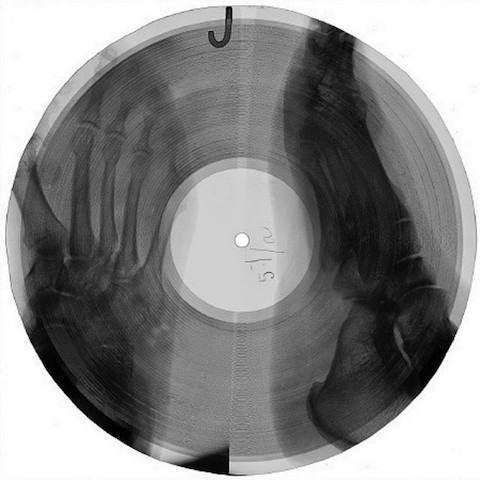
A catchy trib­ute to mid-cen­tu­ry Sovi­et hip­sters popped up a few years back in a song called “Stilya­gi” by lo-fi L.A. hip­sters Puro Instinct. The lyrics tell of a charis­mat­ic dude who impress­es “all the girls in the neigh­bor­hood” with his “mag­ni­tiz­dat” and gui­tar. Wait, his what? His mag­ni­tiz­dat, man! Like samiz­dat, or under­ground press, mag­ni­tiz­dat—from the words for “tape recorder” and “publishing”—kept Sovi­et youth in the know with sur­rep­ti­tious record­ings of pop music. Stilya­gi (a post-war sub­cul­ture that copied its style from Hol­ly­wood movies and Amer­i­can jazz and rock and roll) made and dis­trib­uted con­tra­band music in the Sovi­et Union. But, as an NPR piece informs us, “before the avail­abil­i­ty of the tape recorder and dur­ing the 1950s, when vinyl was scarce, inge­nious Rus­sians began record­ing banned boot­leg jazz, boo­gie woo­gie and rock ‘n’ roll on exposed X‑ray film sal­vaged from hos­pi­tal waste bins and archives.” See one such X‑ray “record” above, and see here the fas­ci­nat­ing process dra­ma­tized in the first scene of a 2008 Russ­ian musi­cal titled, of course, Stilya­gi (trans­lat­ed into Eng­lish as “Hipsters”—the word lit­er­al­ly means “obsessed with fash­ion”).

These records were called roent­g­e­niz­dat (X‑ray press) or, says Sergei Khrushchev (son of Niki­ta), “bone music.” Author Anya von Bremzen describes them as “for­bid­den West­ern music cap­tured on the inte­ri­ors of Sovi­et cit­i­zens”: “They would cut the X‑ray into a crude cir­cle with man­i­cure scis­sors and use a cig­a­rette to burn a hole. You’d have Elvis on the lungs, Duke Elling­ton on Aunt Masha’s brain scan….” The ghoul­ish makeshift discs sure look cool enough, but what did they sound like? Well, as you can hear below in the Bea­t­les sam­ples, a bit like old Vic­tro­la phono­graph records played through tiny tran­sis­tor radios on a squonky AM fre­quen­cy.

Dressed in fash­ions copied from jazz and rock­a­bil­ly albums, stilya­gi learned to dance at under­ground night­clubs to these tin­ny ghosts of West­ern pop songs, and fought off the Komsomol—super-square Lenin­ist youth brigades—who broke up roent­g­e­niz­dat rings and tried to sup­press the influ­ence of bour­geois West­ern pop cul­ture. Accord­ing to Arte­my Troit­sky, author of Back in the USSR: The True Sto­ry of Rock in Rus­sia, these records were also called “ribs”: “The qual­i­ty was awful, but the price was low—a rou­ble or rou­ble and a half. Often these records held sur­pris­es for the buy­er. Let’s say, a few sec­onds of Amer­i­can rock ’n’ roll, then a mock­ing voice in Russ­ian ask­ing: ‘So, thought you’d take a lis­ten to the lat­est sounds, eh?, fol­lowed by a few choice epi­thets addressed to fans of styl­ish rhythms, then silence.”

See more images of bone music records over at Laugh­ing Squid and Wired co-founder Kevin Kel­ly’s blog Street Use, and above dig some his­tor­i­cal footage of stilya­gi jit­ter­bug­ging through what appears to be a kind of Sovi­et train­ing film about West­ern influ­ence on Sovi­et youth cul­ture, pro­duced no doubt dur­ing the Khrushchev thaw when, as Russ­ian writer Vladimir Voinovich tells NPR, things got “a lit­tle more lib­er­al than before.”

bonemusic2

Note: An ear­li­er ver­sion of this post appeared on our site in 2014.

Relat­ed Con­tent:

How to Spot a Com­mu­nist by Using Lit­er­ary Crit­i­cism: A 1955 Man­u­al from the U.S. Mil­i­tary

Louis Arm­strong Plays His­toric Cold War Con­certs in East Berlin & Budapest (1965)

Read the CIA’s Sim­ple Sab­o­tage Field Man­u­al: A Time­less Guide to Sub­vert­ing Any Orga­ni­za­tion with “Pur­pose­ful Stu­pid­i­ty” (1944)

Bertolt Brecht Tes­ti­fies Before the House Un-Amer­i­can Activ­i­ties Com­mit­tee (1947)

How the CIA Secret­ly Fund­ed Abstract Expres­sion­ism Dur­ing the Cold War

Josh Jones is a writer and musi­cian based in Durham, NC. 

See the Climactic Ending of Steven Spielberg’s Breakout Duel Recreated Entirely with 3D-Printed Models

With his last pic­ture The Fabel­mans, Steven Spiel­berg told a sto­ry of his own. Giv­en his long-held stature as more or less the per­son­i­fi­ca­tion of big-screen Hol­ly­wood enter­tain­ment, there’s only one such sto­ry he could have told: that of how he became a film­mak­er. The most mem­o­rable of The Fabel­mans depicts the young direc­to­r­i­al sur­ro­gate alone in the base­ment of his fam­i­ly home, re-cre­at­ing the train crash scene from The Great­est Show on Earth with an eight-mil­lime­ter cam­era and a Lionel set. Today, on the brink of his ninth decade with his famous pro­duc­tiv­i­ty hard­ly slow­ing, Spiel­berg remains, on some lev­el, the wide-eyed boy smash­ing his toys togeth­er at just the right angle. What bet­ter way to pay him trib­ute than to repli­cate his cin­e­mat­ic achieve­ments in minia­ture?

The Fabel­mans ends with its pro­tag­o­nist a col­lege stu­dent, eager to drop out and go straight to Hol­ly­wood. At the same point in life, the real Spiel­berg was about to receive an offer from Uni­ver­sal Pic­tures to write and direct the short film that became Amblin, which itself led to a con­tract to direct tele­vi­sion pro­duc­tions.

He showed what he could do with episodes of Mar­cus Wel­by, M.D., The Name of the Game, and Colum­bo, among oth­er series. Then he stepped up to TV movies, a form regard­ed as infe­ri­or in all respects to the­atri­cal releas­es, but one he man­aged to tran­scend on the first try. When it first aired in 1971 as an ABC Movie of the Week, Duel pre­sent­ed its view­ers with a har­row­ing, near-mytho­log­i­cal con­fronta­tion between a mid­dle-aged trav­el­ing sales­man in a Ply­mouth Valiant and an unseen truck­er in a hulk­ing, smoke-belch­ing big rig who seems bent on destroy­ing him.

Giv­en that its direc­tor was just 24 years old at the time, Duel very much counts as ear­ly Spiel­berg. Yet it’s also dis­tilled Spiel­berg, a head-on treat­ment of mid­dle-class nor­mal­i­ty’s sud­den encounter with a force of incom­pre­hen­si­ble men­ace — a theme much revis­it­ed in his work since — with cin­e­mat­ic rhythms pre­cise­ly cal­cu­lat­ed for opti­mal ten­sion and release. An aspir­ing film­mak­er could learn much from re-cre­at­ing its sequences shot-for-shot. The YouTube chan­nel Movies Minia­tures Effects does just that in the video above, which doc­u­ments a remak­ing with 3D-print­ed maque­ttes of the final crash, after Den­nis Weaver’s des­per­ate every­man man­ages to out­wit his pur­suer. “Sheer skill need­ed more phi­los­o­phy for a fit­ting res­o­lu­tion,” wrote David Thom­son of this end­ing. Per­haps so, but the more than 18 mil­lion views so far racked up by its minia­ture ver­sion do sug­gest a film that more than retains its pow­er after 45 years.

Relat­ed Con­tent:

Watch Steven Spielberg’s Rarely Seen 1968 Film Amblin’

Watch Steven Spielberg’s Debut: Two Films He Direct­ed as a Teenag­er

Shot-By-Shot Break­downs of Spielberg’s Film­mak­ing in Jaws, Scorsese’s in Cape Fear, and De Palma’s in The Untouch­ables

How Movies Cre­at­ed Their Spe­cial Effects Before CGI: Metrop­o­lis, 2001: A Space Odyssey & More

How Wes Ander­son Uses Minia­tures to Cre­ate His Aes­thet­ic: A Primer from His Mod­el Mak­er & Prop Painter

How Car Chase Scenes Have Evolved Over 100 Years

Based in Seoul, Col­in Marshall writes and broad­casts on cities, lan­guage, and cul­ture. He’s the author of the newslet­ter Books on Cities as well as the books 한국 요약 금지 (No Sum­ma­riz­ing Korea) and Kore­an Newtro. Fol­low him on the social net­work for­mer­ly known as Twit­ter at @colinmarshall.

« Go BackMore in this category... »
Quantcast