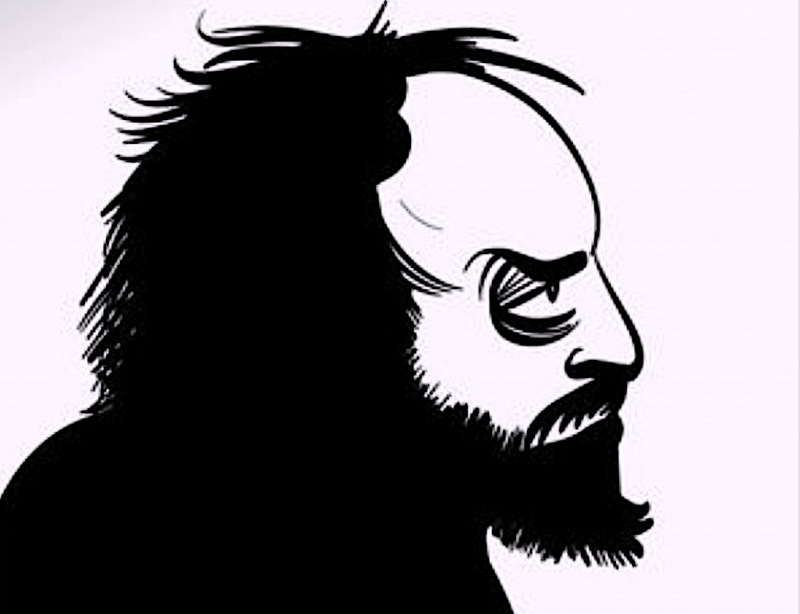
David Foster Wallace Explains How David Lynch’s Blue Velvet Taught Him the True Meaning of Avant Garde Art

Imag­ine you’re a “hyper­e­d­u­cat­ed avant-gardist in grad school learn­ing to write.” But at your grad school, “all the teach­ers are real­ists. They’re not at all inter­est­ed in post­mod­ern avant-garde stuff.” They take a dim view of your writ­ing, you assume because “they just don’t hap­pen to like this kind of aes­thet­ic,” but actu­al­ly because your writ­ing isn’t very good. Amid all this, with you “hat­ing the teach­ers but hat­ing them for exact­ly the wrong rea­sons,” David Lynch’s Blue Vel­vet comes out. Not only does it belong to “an entire­ly new and orig­i­nal kind of sur­re­al­ism,” it shows you that “what the real­ly great artists do is they’re entire­ly them­selves. They’ve got their own vision, their own way of frac­tur­ing real­i­ty, and that if it’s authen­tic and true, you will feel it in your nerve end­ings.”

This hap­pened to David Fos­ter Wal­lace, as he says in the clip above from his 1997 appear­ance on Char­lie Rose, one of his very few inter­views on video. He went on the show, seem­ing­ly under duress, to pro­mote his col­lec­tion A Sup­pos­ed­ly Fun Thing I’ll Nev­er Do Again, which among its long-form essays on the cruise ship expe­ri­ence, the Illi­nois State Fair, and pro­fes­sion­al ten­nis con­tains a piece on the man who made Blue Vel­vet.

“Lynch has remained remark­ably him­self through­out his film­mak­ing career,” Wal­lace writes in the ver­sion of the arti­cle that first ran in Pre­miere. Whether “Lynch has­n’t com­pro­mised or sold out” or whether “he has­n’t grown all that much,” the fact remains that he has “held fast to his own intense­ly per­son­al vision and approach to film­mak­ing, and that he’s made sig­nif­i­cant sac­ri­fices in order to do so.”

Else­where in the piece, Wal­lace describes the adjec­tive “Lynchi­an” as “refer­ring to a par­tic­u­lar kind of irony where the very macabre and the very mun­dane com­bine in such a way as to reveal the for­mer’s per­pet­u­al con­tain­ment with­in the lat­ter.” When Rose asks Wal­lace about the mean­ing of the word, Wal­lace explains that “a reg­u­lar domes­tic mur­der is not Lynchi­an. But if the police come to the scene and see the man stand­ing over the body and the wom­an’s 50s bouf­fant is undis­turbed and the man and the cops have this con­ver­sa­tion about the fact that the man killed the woman because she per­sis­tent­ly refused to buy, say, for instance, Jif peanut but­ter rather than Skip­py, and how very, very impor­tant that is, and if the cops found them­selves some­how agree­ing that there were major dif­fer­ences between the brands and that a wife who did­n’t rec­og­nize those dif­fer­ences was defi­cient in her wife­ly duties, that would be Lynchi­an.”

A few years ago Youtube chan­nel Dom’s Sketch Cast turned Wal­lace’s vision of an ide­al­ly Lynchi­an scene into the ani­ma­tion above. Lynch’s visions exist, Wal­lace says to Rose, at “this weird con­flu­ence of very dark, sur­re­al, vio­lent stuff and absolute, almost Nor­man Rock­well-banal Amer­i­can stuff, which is ter­rain he’s been work­ing for quite a while — I mean, at least since Blue Vel­vet.” Though Lynch may owe cer­tain styl­is­tic debts — “to Hitch­cock, to Cas­savetes, to Robert Bres­son and Maya Deren and Robert Wiene” — noth­ing like the Lynchi­an exist­ed in any tra­di­tion before he came along. Lynch has his detrac­tors, but “if you think about the out­ra­geous kinds of moral manip­u­la­tion we suf­fer at the hands of most con­tem­po­rary direc­tors, it will be eas­i­er to con­vince you that some­thing in Lynch’s own clin­i­cal­ly detached film­mak­ing is not only refresh­ing but redemp­tive” — and, as a young David Fos­ter Wal­lace found in the the­ater that spring of 1986, rev­e­la­to­ry.

Relat­ed Con­tent:

What Makes a David Lynch Film Lynchi­an: A Video Essay

The Sur­re­al Film­mak­ing of David Lynch Explained in 9 Video Essays

David Fos­ter Wal­lace on What’s Wrong with Post­mod­ernism: A Video Essay

David Fos­ter Wallace’s Sur­pris­ing List of His 10 Favorite Books, from C.S. Lewis to Tom Clan­cy

30 Free Essays & Sto­ries by David Fos­ter Wal­lace on the Web

Based in Seoul, Col­in Mar­shall writes and broad­casts on cities and cul­ture. His projects include the book The State­less City: a Walk through 21st-Cen­tu­ry Los Ange­les and the video series The City in Cin­e­ma. Fol­low him on Twit­ter at @colinmarshall or on Face­book.

Peter Jackson’s New Film on World War I Features Incredible Digitally-Restored Footage From the Front Lines: Get a Glimpse

Per­haps one of the most crim­i­nal­ly over­looked voic­es from World War I, Siegfried Sas­soon, was, in his time, enor­mous­ly pop­u­lar with the British read­ing pub­lic. His war poems, as Mar­garet B. McDow­ell writes in the Dic­tio­nary of Lit­er­ary Biog­ra­phy, are “harsh­ly real­is­tic laments or satires” that detail the gris­ly hor­rors of trench war­fare with unspar­ing­ly vivid images and com­men­tary. In lieu of the mass medi­um of tele­vi­sion, and with film still emerg­ing from its infan­cy, poets like Sas­soon and Wil­fred Owen served an impor­tant func­tion not only as artists but as mov­ing, first­hand doc­u­men­tar­i­ans of the war’s phys­i­cal and emo­tion­al rav­ages.

It is unfor­tu­nate that poet­ry no longer serves this pub­lic func­tion. These days, video threat­ens to eclipse even jour­nal­is­tic writ­ing as a pri­ma­ry means of com­mu­ni­ca­tion, a devel­op­ment made espe­cial­ly trou­bling by how eas­i­ly dig­i­tal video can be faked or manip­u­lat­ed by the same tech­nolo­gies used to pro­duce block­buster Hol­ly­wood spec­ta­cles and video games. But a fas­ci­nat­ing new use of that tech­nol­o­gy, Peter Jack­son shows us above, will also soon bring the grainy, indis­tinct film of the past into new life, giv­ing footage of WWI the kind of star­tling imme­di­a­cy still con­veyed by Sassoon’s poet­ry.

Jack­son is cur­rent­ly at work on what he describes as “not the usu­al film that you would expect on the First World War,” and as part of that doc­u­men­tary work, he has dig­i­tal­ly enhanced footage from the peri­od, “incred­i­ble footage of which the faces of the men just jump out at you. It’s the faces, it’s the peo­ple that come to life in this film. It’s the human beings that were actu­al­ly there, that were thrust into this extra­or­di­nary sit­u­a­tion that defined their lives in many cas­es.” In addi­tion to restor­ing old film, Jack­son and his team have combed through about 600 hours of audio inter­views with WWI vet­er­ans, in order to fur­ther com­mu­ni­cate “the expe­ri­ence of what it was like to fight in this war” from the point of view of the peo­ple who fought it.

The project, com­mis­sioned by the Impe­r­i­al War Muse­ums, “will debut at the BFI Lon­don Film Fes­ti­val lat­er this year,” reports The Inde­pen­dent, “lat­er air­ing on BBC One. A copy of the film will also be giv­en to every sec­ondary school in the coun­try for the 2018 autumn term.” No word yet on where the film can be seen out­side the UK, but you can check the site 1418now.org.uk for release details. In the mean­while, con­sid­er pick­ing up some of the work of Siegfried Sas­soon, whom crit­ic Peter Levi once described as “one of the few poets of his gen­er­a­tion we are real­ly unable to do with­out.”

Learn more about the war at the free course offer­ings below.

via Twist­ed Sifter

Relat­ed Con­tent:

The Great War and Mod­ern Phi­los­o­phy: A Free Online Course 

The Bat­tle to Fin­ish a PhD: World War I Sol­dier Com­pletes His Dis­ser­ta­tion in the Trench­es (1916)

Josh Jones is a writer and musi­cian based in Durham, NC. Fol­low him at @jdmagness

Stanley Kubrick’s “Lost” Script Burning Secret Surfaces, Complete Enough to Make into a Film


We remem­ber Stan­ley Kubrick as the arche­typ­al cin­e­mat­ic auteur. Though all huge­ly col­lab­o­ra­tive efforts, could any of his films have been made with­out his pre­sid­ing autho­r­i­al intel­li­gence? Cer­tain­ly none could have been made with­out his eye for lit­er­ary mate­r­i­al. Kubrick usu­al­ly began his projects not with his own orig­i­nal ideas but with books, famous­ly adapt­ing the likes of Vladimir Nabokov’s Loli­ta and Antho­ny Burgess’ A Clock­work Orange, con­tin­u­ing the prac­tice right up until his final pic­ture Eyes Wide Shut, an adap­ta­tion of Aus­tri­an writer Arthur Schnit­zler’s 1926 novel­la Traum­nov­el­le, or Dream Sto­ry.

But Traum­nov­el­le, it turns out, was­n’t the only Aus­tri­an novel­la of the ear­ly 20th cen­tu­ry Kubrick worked on adapt­ing for the screen. A recent­ly dis­cov­ered “lost” Kubrick screen­play, writes the Guardian’s Dalya Alberge, “is so close to com­ple­tion that it could be devel­oped by film­mak­ers. Enti­tled Burn­ing Secret, the script is an adap­ta­tion of the 1913 novel­la by the Vien­nese writer Ste­fan Zweig. In Kubrick’s adap­ta­tion of the sto­ry of adul­tery and pas­sion set in a spa resort, a suave and preda­to­ry man befriends a 10-year-old boy, using him to seduce the child’s mar­ried moth­er.” Kubrick wrote the script in 1956 in col­lab­o­ra­tion with Calder Will­ing­ham, with whom he also wrote Paths of Glo­ry, which would become his fourth fea­ture the fol­low­ing year.

The stu­dio MGM, Alberge writes, “is thought to have can­celled the com­mis­sioned project after learn­ing that Kubrick was also work­ing on Paths of Glo­ry, putting him in breach of con­tract. Anoth­er account sug­gests that MGM told Kubrick’s pro­duc­ing part­ner James B. Har­ris that it did not see the screenplay’s poten­tial as a movie.” She also quotes Nathan Abrams, the film pro­fes­sor at Wales’ Ban­gor Uni­ver­si­ty who recent­ly found the Burn­ing Secret script, as say­ing that “ ‘the adul­tery sto­ry­line’ involv­ing a child as a go-between might have been con­sid­ered too risqué” back in the 1950s. Since Kubrick could “only just” get Loli­ta through in 1961, this “inverse of Loli­ta” may not have had much chance half a decade ear­li­er.

Zweig, one of the most pop­u­lar writ­ers in the world in the 1920s and 1930s, has already inspired one film by an Amer­i­can auteur: Wes Ander­son­’s The Grand Budapest Hotel, which came out in 2014. Not only are sev­er­al of its char­ac­ters mod­eled on Zweig him­self, it has the same struc­ture of sto­ries nest­ed with­in sto­ries that Zweig used in his writ­ing. “It’s a device that maybe is a bit old-fash­ioned,” Ander­son said in a Tele­graph inter­view, “where some­body meets an inter­est­ing, mys­te­ri­ous per­son and there’s a bit of a scene that unfolds with them before they even­tu­al­ly set­tle down to tell their whole tale, which then becomes the larg­er book or sto­ry we’re read­ing.” Usu­al­ly, height­en­ing the con­fes­sion­al mood fur­ther still, the teller has nev­er told the tale to any­one else. Hence the burn­ing nature of secrets in Zweig — and hence the fas­ci­na­tion of Kubrick­’s cool, con­trolled cin­e­mat­ic sen­si­bil­i­ty inter­pret­ing them.

Relat­ed Con­tent:

Lost Kubrick: A Short Doc­u­men­tary on Stan­ley Kubrick’s Unfin­ished Films

Napoleon: The Great­est Movie Stan­ley Kubrick Nev­er Made

Stan­ley Kubrick’s Jazz Pho­tog­ra­phy and The Film He Almost Made About Jazz Under Nazi Rule

Stan­ley Kubrick Explains the Mys­te­ri­ous End­ing of 2001: A Space Odyssey in a New­ly Unearthed Inter­view

Based in Seoul, Col­in Mar­shall writes and broad­casts on cities and cul­ture. His projects include the book The State­less City: a Walk through 21st-Cen­tu­ry Los Ange­les and the video series The City in Cin­e­ma. Fol­low him on Twit­ter at @colinmarshall or on Face­book.

Watch All of the Commercials That David Lynch Has Directed: A Big 30-Minute Compilation

Some film­mak­ers start in com­mer­cials, hon­ing their chops in antic­i­pa­tion of mak­ing per­son­al projects lat­er. A select few go in the oth­er direc­tion, real­iz­ing their dis­tinc­tive vision before field­ing offers from com­pa­nies who want a piece of that vision’s cul­tur­al cur­ren­cy. Any­one who’s seen David Lynch’s most acclaimed work will sus­pect, cor­rect­ly, that Lynch belongs in the lat­ter group. With 1977’s cult hit Eraser­head, he showed cin­e­ma what it means to be Lynchi­an. This brought him the atten­tion of Hol­ly­wood, lead­ing to the respectable suc­cess of The Ele­phant Man and the dis­as­ter that was Dune. Only in 1986, with Blue Vel­vet, could Lynch make a tru­ly, even trou­bling­ly per­son­al film that hit the zeit­geist at just the right moment.

Nat­u­ral­ly, Madi­son Avenue came call­ing soon there­after. “With the smash Blue Vel­vet, a Palme d’or at Cannes for Wild at Heart, and then the nation­al phe­nom­e­non of Twin Peaks’ first sea­son, David Lynch clear­ly estab­lished him­self as the U.S.A.‘s fore­most com­mer­cial­ly viable avant-garde-‘offbeat’ direc­tor,” wrote David Fos­ter Wal­lace in a 1997 piece on the film­mak­er.

“For a while there it looked like he might be able to sin­gle-hand­ed­ly bro­ker a new mar­riage between art and com­merce in U.S. movies, open­ing for­mu­la-frozen Hol­ly­wood to some of the eccen­tric­i­ty and vig­or of art film.” Lynch’s fans in tele­vi­sion adver­tis­ing must have imag­ined that he could do the same for their indus­try, and you can watch the fruits of that hunch in the half-hour com­pi­la­tion of Lynch-direct­ed com­mer­cials above.

Lynch has worked for some star­tling­ly big brands, begin­ning with Calvin Klein: his trio of spots for the fra­grance Obses­sion take as their basis the writ­ing of F. Scott Fitzger­ald, Ernest Hem­ing­way, and D.H. Lawrence. A few years lat­er he direct­ed a humor­ous mini-sea­son of Twin Peaks to pro­mote Geor­gia Cof­fee, one of the top brands of canned cof­fee in the Lynch-lov­ing coun­try of Japan. The New York Depart­ment of San­i­ta­tion engaged Lynch’s ser­vices to imbue their anti-lit­ter­ing cam­paign with his sig­na­ture high-con­trast omi­nous­ness, a mood also sought by fash­ion-indus­try titans like Armani, Yves Saint Lau­rent, Guc­ci, and Dior. The mar­keters of hum­bler goods like Alka-Seltzer, Bar­il­la Pas­ta (a seem­ing­ly auteur-aware brand that has also hired Wim Wen­ders and Felli­ni), and Clear Blue Easy home preg­nan­cy tests have also gone in for a touch of the Lynchi­an.

Quite a few of these com­mer­cials orig­i­nal­ly aired only out­side Amer­i­ca, which may reflect the sup­pos­ed­ly more endur­ing appre­ci­a­tion of Lynch’s work that exists in Europe and Asia. But for all Lynch’s artis­tic dar­ing, the man him­self has always come off as an enthu­si­ast of unre­con­struct­ed Amer­i­can plea­sures. To this day he remains a stead­fast smok­er, and in 1998 brought that per­son­al cred­i­bil­i­ty to the Swiss cig­a­rette brand Parisi­enne. The result­ing spot fea­tures men in ties, show­ers of sparks, dead fish, back­wards talk­ing, a for­bid­ding­ly illu­mi­nat­ed shack, and apoc­a­lyp­tic flames: Parisi­enne, in oth­er words, must have got exact­ly what they paid for.

Relat­ed Con­tent:

What Makes a David Lynch Film Lynchi­an: A Video Essay

David Lynch Made a Dis­turb­ing Web Sit­com Called “Rab­bits”: It’s Now Used by Psy­chol­o­gists to Induce a Sense of Exis­ten­tial Cri­sis in Research Sub­jects

The Sur­re­al Film­mak­ing of David Lynch Explained in 9 Video Essays

Wim Wen­ders Cre­ates Ads to Sell Beer (Stel­la Artois), Pas­ta (Bar­il­la), and More Beer (Car­ling)

Spike Jonze’s Imag­i­na­tive TV Ads

Fellini’s Fan­tas­tic TV Com­mer­cials

Ing­mar Bergman’s 1950s Soap Com­mer­cials Wash Away the Exis­ten­tial Despair

Based in Seoul, Col­in Mar­shall writes and broad­casts on cities and cul­ture. His projects include the book The State­less City: a Walk through 21st-Cen­tu­ry Los Ange­les and the video series The City in Cin­e­ma. Fol­low him on Twit­ter at @colinmarshall or on Face­book.

What It Would Look Like If Wes Anderson, Quentin Tarantino & Other Directors Filmed Cooking Videos

I usu­al­ly chafe when direc­tor Wes Ander­son is labelled “twee,” but as an enthu­si­as­tic, sticky-fin­gered gob­bler of bark and ash encrust­ed camp­fire s’mores, I did enjoy a rather row­dy laugh at his expense while watch­ing the above video.

Each entry in film­mak­er David Ma’s #Food­Films series starts with a hypoth­e­sis that pairs a sim­ple, famil­iar dish with a direc­tor whose visu­al style is well estab­lished.

What if Wes Ander­son made S’mores? 

Ma’s ear­ly mar­i­na­tion in the realms of food styling and adver­tis­ing is a recipe for suc­cess here.

Anderson’s beloved God shot has become a sta­ple of online cook­ing videos, but Ma’s atten­tion to sub­tler details would pass muster with a Cor­don Bleu chef.

The for­mal­ly engraved card! The rib­bon motif! The cos­tumes!

The look is more Grand Budapest Hotel than the camp-themed Moon­rise King­dom, but no mat­ter. That more obvi­ous pair­ing start­ed tast­ing a tad over-chewed around the time of the Moon­rise King­dom-inspired wed­ding pho­to shoot.

Ma’s homage to Quentin Taran­ti­no is a butch and bloody take on spaghet­ti and meat­balls.

To para­phrase Jean-Luc Godard, “It’s not blood. It’s red sauce.

The sound­track sug­gests that Ma’s ear is just as keen as his eye.

45 sec­onds in, there’s a Part 2, as an extra treat for QT fans.

Big bud­get action king Michael Bay and a Grav­i­ty-cen­tric Alfon­so Cuarón round out #Food­Films’ four-course tast­ing menu.

How­ev­er sat­is­fied view­ers may feel with these hijinks, their appetite for the project is far from sati­at­ed. Sequel requests are pil­ing up:

What if Kubrick made Toast?

What if Tim Bur­ton made a grilled cheese sand­wich?

What if Woody Allen made piz­za?

What if Steven Spiel­berg made cup­cakes?

What if Kuro­sawa made scram­bled eggs?

What if Guy Ritchie did a Full Eng­lish Fry-Up?

Gives me a han­ker­ing to see what Sofia Cop­po­la would do with my grandmother’s favorite lay­ered Jell‑o sal­ad.

While we’re wait­ing for Ma to serve up his next dish we can tide our­selves over with some of his oth­er high­ly styl­ized recipe videos, like the Incred­i­ble Hulk’s Smashed Pota­toes.

Read­ers, what direc­tor-dish pair­ing would you order up? Let us know in the com­ments.

via W Mag­a­zine

Relat­ed Con­tent:

The Pow­er of Food in Quentin Tarantino’s Films

For­rest Gump Direct­ed by Wes Ander­son: Here’s What It Would Look Like

A Com­plete Col­lec­tion of Wes Ander­son Video Essays

Ayun Hal­l­i­day is an author, illus­tra­tor, the­ater mak­er and Chief Pri­ma­tol­o­gist of the East Vil­lage Inky zine.  Fol­low her @AyunHalliday.

Watch “The Hangman,” a Classic Animated Film That Explores What Happens When No One Dares to Stand Up to Evil

Last Fri­day, I was down­town at an open air cin­e­ma to watch a col­lec­tion of ani­mat­ed shorts. It was also a beast­ly hot night with roar­ing sun­down­ers, a very present dan­ger of being clocked in the head by falling palm fronds, and an exis­ten­tial dan­ger of fire in the hills. The oth­er exis­ten­tial dan­ger was that of the author­i­tar­i­an turn of this coun­try that, at that moment, seemed so far away from our pic­nic bas­kets and wine in a can.

In the mid­dle of the pro­gram of well made but light and fluffy shorts came the above ani­mat­ed film, “The Hang­man.” The ver­sion above is not the restored ver­sion we saw, but it’s pret­ty much the same, give or take a scratch. Les Gold­man and Paul Julian’s 1964 short deliv­ers a moral mes­sage along the same lines as anti-Nazi pas­tor Mar­tin Niemöller’s “First they came for the Social­ists” statement–currently a meme you’ve prob­a­bly seen pass through your social feed. And though the nar­ra­tive, based on the poem by Mau­rice Ogden, is easy to suss out as it trun­dled towards its mor­tal con­clu­sion, it did not stop the fact that the ram­bunc­tious Fri­day night audi­ence fell dead silent upon its con­clu­sion. You may too.

The poem first appeared in a 1954 issue of Mass­es and Main­stream, a month­ly Marx­ist pub­li­ca­tion that con­tin­ued pub­lish­ing through the worst excess­es of the McCarthy hear­ings to an under­stand­ably van­ish­ing read­er­ship. The poem has occa­sion­al­ly been taught in the con­text of the Holo­caust, but any kind of creep­ing fas­cism will do. Not much is real­ly known about Ogden, who wrote the poem under the pseu­do­nym Jack Denoya in its orig­i­nal pub­li­ca­tion. (He is pos­si­bly the same man who taught at Coast Com­mu­ni­ty Col­lege in Cos­ta Mesa, CA, and min­is­tered at Orange Coast Uni­tar­i­an Uni­ver­sal­ist Church.)

The ani­mat­ed ver­sion, with its mod­ernist look influ­enced by UPA’s ani­ma­tion stu­dio, came out one year after Mass­es and Main­stream fold­ed. Dur­ing that Fri­day night view­ing, I sus­pect­ed the nar­ra­tor to be Ken Nor­dine, who record­ed a vocal jazz album around that time. But actu­al­ly the voice belongs to Her­schel Bernar­di, a film and the­ater actor who would have been known to Broad­way fans for his star­ring role in Fid­dler on the Roof but to tele­vi­sion fans as Char­lie Tuna in the Stark­ist com­mer­cials. Before all that, how­ev­er, he was a vic­tim of the Hol­ly­wood black­list, which made him a per­fect choice to nar­rate “The Hang­man.”

Direc­tor Paul Julian illus­trat­ed much of the back­ground art used in Warn­er Bros. car­toons, and his claim to pop cul­ture fame is pro­vid­ing the “beep beep” sound for the Road Run­ner car­toons by the same stu­dio. Pro­duc­er Les Gold­man went on to pro­duce sev­er­al oth­er influ­en­tial ani­mat­ed shorts, such as “The Dot and the Line” and “The Phan­tom Toll­booth.”

How­ev­er, “The Hang­man” is seri­ous food for thought in these fraught times, and it’s good to see it back in cir­cu­la­tion, thanks to cura­tor Ron Dia­mond. Here’s to hop­ing his­to­ry doesn’t repeat itself.

Relat­ed Con­tent:

Watch a Sur­re­al 1953 Ani­ma­tion of Edgar Allan Poe’s “Tell-Tale Heart,” Vot­ed the 24th Best Car­toon of All Time

A Short Ani­mat­ed Intro­duc­tion to Karl Marx

The Best Ani­mat­ed Films of All Time, Accord­ing to Ter­ry Gilliam

Ted Mills is a free­lance writer on the arts who cur­rent­ly hosts the artist inter­view-based FunkZone Pod­cast and is the pro­duc­er of KCR­W’s Curi­ous Coast. You can also fol­low him on Twit­ter at @tedmills, read his oth­er arts writ­ing at tedmills.com and/or watch his films here.

Stanley Kubrick Explains the Mysterious Ending of 2001: A Space Odyssey in a Newly Unearthed Interview

Dur­ing the mak­ing of Stan­ley Kubrick­’s 2001: A Space Odyssey, “the film’s nar­ra­tive tra­jec­to­ry point­ed inex­orably toward a big end­ing, even a rev­e­la­tion, but Kubrick kept chang­ing his mind about what that end­ing would be — and nobody who saw the film knew quite what to make of the one he final­ly chose.” Those words come from a piece by The New York­er’s Dan Chi­as­son, pub­lished to mark the fifti­eth anniver­sary of the film’s release. Since then, gen­er­a­tions of view­ers have inter­pret­ed 2001, and espe­cial­ly its end­ing, in their own way. But these debates over mean­ing may all change now that Kubrick­’s own inter­pre­ta­tion seems to have sur­faced.

Not only that, it turns out to dif­fer marked­ly from most of the ones in cir­cu­la­tion. “I’ve tried to avoid doing this ever since the pic­ture came out,” Kubrick tells jour­nal­ist Junichi Yaoi when the lat­ter asks what 2001’s end­ing means.

“When you just say the ideas they sound fool­ish, where­as if they’re dra­ma­tized one feels it, but I’ll try.” He then reveals his view of the con­cept behind it:

The idea was sup­posed to be that he is tak­en in by god-like enti­ties, crea­tures of pure ener­gy and intel­li­gence with no shape or form. They put him in what I sup­pose you could describe as a human zoo to study him, and his whole life pass­es from that point on in that room. And he has no sense of time. It just seems to hap­pen as it does in the film. 

They choose this room, which is a very inac­cu­rate repli­ca of French archi­tec­ture (delib­er­ate­ly so, inac­cu­rate) because one was sug­gest­ing that they had some idea of some­thing that he might think was pret­ty, but wasn’t quite sure. Just as we’re not quite sure what do in zoos with ani­mals to try to give them what they think is their nat­ur­al envi­ron­ment.

Any­way, when they get fin­ished with him, as hap­pens in so many myths of all cul­tures in the world, he is trans­formed into some kind of super being and sent back to Earth, trans­formed and made some kind of super­man. We have to only guess what hap­pens when he goes back. It is the pat­tern of a great deal of mythol­o­gy, and that is what we were try­ing to sug­gest.

This makes sense, or at least as much sense as any of the bet­ter inter­pre­ta­tions of 2001’s end­ing out there. Draw­ing explic­it­ly on ancient mythol­o­gy has become stan­dard prac­tice for big-bud­get spec­ta­cles, espe­cial­ly after Star Wars did it to much greater com­mer­cial suc­cess almost a decade lat­er, but in devel­op­ment the idea must have seemed rad­i­cal. Some will take Kubrick­’s expla­na­tion as defin­i­tive, and oth­ers, sub­scrib­ing to a dif­fer­ent phi­los­o­phy of artis­tic cre­ation, will show no more inter­est in it than they do in Rid­ley Scot­t’s per­son­al views on whether Deckard is a repli­cant.

The mys­te­ri­ous nature of the inter­view clip itself, a piece of the footage gath­ered in 1980 for a nev­er-released Japan­ese doc­u­men­tary, suits the nature of the rev­e­la­tion. We see only Yaoi as he inter­views Kubrick over the phone, but not, accord­ing to Pixar direc­tor and Kubrick super­fan Lee Unkrich, because the direc­tor was­n’t there. Unkrich post­ed to Red­dit that, as the Warn­er Broth­ers pub­li­cist who toured the Japan­ese crew around told him, “Stan­ley was actu­al­ly at the stu­dio that day, but didn’t want to meet with the crew and be inter­viewed on cam­era.” So even though we hear his voice on the phone, “he’s actu­al­ly just in anoth­er office!”

But then, nobody ever accused Kubrick of pos­sess­ing con­ven­tion­al habits, per­son­al or pro­fes­sion­al. Not that a con­ven­tion­al mind could ever have direct­ed the film that 2001: A Space Odyssey turned out to be, one that, in Chi­as­son’s words, “took for grant­ed a broad cul­tur­al tol­er­ance, if not an appetite, for enig­ma, as well as the time and incli­na­tion for pars­ing inter­pre­tive mys­ter­ies.” Kubrick might have com­plet­ed the film with his own ideas about the mean­ing of every­thing in it, but he sure­ly knew, and respect­ed, that every­one who saw it would also come out of the the­ater with their own.

via Metafil­ter

Relat­ed Con­tent:

1966 Doc­u­men­tary Explores the Mak­ing of Kubrick’s 2001: A Space Odyssey (and Our High-Tech Future)

Watch the Open­ing of Kubrick’s 2001: A Space Odyssey with the Orig­i­nal, Unused Score

What’s the Dif­fer­ence Between Stan­ley Kubrick’s & Arthur C. Clarke’s 2001: A Space Odyssey (A Side-by-Side Com­par­i­son)

In 1968, Stan­ley Kubrick Makes Pre­dic­tions for 2001: Human­i­ty Will Con­quer Old Age, Watch 3D TV & Learn Ger­man in 20 Min­utes

Andrei Tarkovsky Calls Kubrick’s 2001: A Space Odyssey a “Pho­ny” Film “With Only Pre­ten­sions to Truth”

Based in Seoul, Col­in Mar­shall writes and broad­casts on cities and cul­ture. His projects include the book The State­less City: a Walk through 21st-Cen­tu­ry Los Ange­les and the video series The City in Cin­e­ma. Fol­low him on Twit­ter at @colinmarshall or on Face­book.

How Warner Brothers Resisted a Hollywood Ban on Anti-Nazi Films in the 1930s and Warned Americans of the Dangers of Fascism

“In the cen­tu­ry span­ning the years 1820 to 1924,” writes the Library of Con­gress, “an increas­ing­ly steady flow of Jews made their way to Amer­i­ca, cul­mi­nat­ing in a mas­sive surge of immi­grants towards the begin­nings of the twen­ti­eth cen­tu­ry.” Impelled by eco­nom­ic hard­ship and bru­tal per­se­cu­tion, the migrants came from Rus­sia and East­ern Europe and set­tled all over the coun­try. One fam­i­ly, orig­i­nal­ly named Won­sal, or Won­sko­laser, came from the vil­lage of Kras­nosielc in Poland, first set­tling in Bal­ti­more, then, after two years  in Cana­da, in Youngstown, Ohio. It was there that four broth­ers Har­ry, Abe, Sam, and Jack began exhibit­ing films, in small min­ing towns in Ohio and Penn­syl­va­nia. Soon, they began pro­duc­ing their own movies. The enter­prise would become an empire when Warn­er Broth­ers Stu­dio opened in 1918 in Hol­ly­wood.

The his­to­ry of Warn­er Broth­ers Pic­tures sounds like a glit­tery immi­grant suc­cess sto­ry, but it also includes a sig­nif­i­cant episode of resis­tance to the same kind of per­se­cu­tion that the fam­i­ly had once fled, as the anti-Semi­tism of fas­cist Europe estab­lished a foothold in the U.S. and Hol­ly­wood cen­sors start­ed to answer to Joseph Goebbels. “Dri­ven by a per­son­al knowl­edge of anti-Semi­tism,” Jack and Har­ry Warn­er became “deeply con­cerned about the rise of Nazism” in the 1930s, as PBS’s His­to­ry Detec­tives notes, “and they used their stu­dio to speak out against fas­cism.” Theirs was not a pop­u­lar posi­tion. Anti-Jew­ish, pro-fas­cist sen­ti­ments were com­mon in the U.S., stoked by famous fig­ures like Charles Lind­bergh, Father Cough­lin, and Hen­ry Ford.

“The influ­ence of Nazism was felt across the U.S.,” writes Peter Mon­aghan at Mov­ing Image Archive News. “The infat­u­a­tion was suf­fi­cient that, for exam­ple, swastikas could unabashed­ly be dis­played on the streets of Los Ange­les.” An over­whelm­ing major­i­ty of Amer­i­cans opposed the reset­tling of Jew­ish refugees; hun­dreds of thou­sands of peo­ple were turned away in the 1930s. In 1932, Joseph Breen, soon to become head of the Pro­duc­tion Code Admin­is­tra­tion (PCA), cen­sor­ship arm of the Motion Pic­ture Pro­duc­ers and Dis­trib­u­tors of Amer­i­ca, wrote a let­ter to a Jesuit priest in which he called Jews “the scum of the scum of the earth and “dirty lice.” Breen would soon be charged by his boss Will Hays with enforc­ing a ban on anti-Nazi films in Hol­ly­wood between 1934 and 1941, at the behest of Joseph Goebbels, by way of the Nazi con­sul in Los Ange­les, Georg Gyssling.

“By shap­ing the con­tent of Amer­i­can films,” writes his­to­ri­an Stephen Ross in Hitler in Los Ange­les, “Goebbels hoped to shape the ways in which Amer­i­cans thought about Hitler and his poli­cies.” While most of the stu­dio heads com­plied with the ban, which also strong­ly dis­suad­ed the pro­duc­tion of films about Jew­ish sub­jects or fea­tur­ing Jew­ish actors, the Warn­er broth­ers did their best to fight back. As His­to­ry Detec­tives writes,

The Warn­ers demon­strat­ed their com­mit­ment to fight­ing fas­cism by donat­ing two Spit­fire planes to the British. They also offered the use of the stu­dio to the [US] gov­ern­ment, an offer the gov­ern­ment would­n’t accept until a few years lat­er.

It was Har­ry, the qui­eter, more reli­gious broth­er, who saw the threat Nazism posed ear­ly on. He react­ed by can­cel­ing a pos­si­ble buy of the Ger­man stu­dio, Uni­ver­sum. He also pushed his broth­er Jack to end all rela­tions with Ger­many, which Warn­er Broth­ers did in 1934. They were the first stu­dio to cre­ate anti-Hitler con­tent, as well. In 1933, the ani­mat­ed Bosko’s Pic­ture Show por­trayed Hitler as an incom­pe­tent ruler.

The pre-ban Bosko’s Pic­ture Show incensed the Nazi cen­sors (see an excerpt at the top with Hitler chas­ing come­di­an Jim­my Durante), but the Warn­ers would not be deterred even after the PCA cracked down; they were the only stu­dio heads to sup­port the 1936-cre­at­ed Hol­ly­wood Anti-Nazi-League. “Two fur­ther films, Black Legion and Con­fes­sions of a Nazi Spy” fol­lowed Bosko’s Pic­ture Show, the first a 1937 “doc­u­men­tary style” pro­duc­tion that “shed light on a fas­cist move­ment with­in the U.S.” (see the trail­er fur­ther up). 1939’s Edward G. Robin­son-star­ring Con­fes­sions of a Nazi Spy, whose trail­er you can see below, is wide­ly “con­sid­ered the first film to fea­ture Nazis as the ene­my,” pre­ced­ing oth­er PCA-defi­ant films like Three Stooges’ short You Naz­ty Spy! and Char­lie Chaplin’s The Great Dic­ta­tor, both released in 1940.

“Based on the true sto­ry of a Nazi spy ring in the Unit­ed States,” notes the Nation­al WWII Muse­um, “it was, remark­ably, the first film by a major US stu­dio to direct­ly address the sit­u­a­tion in Ger­many and to emphat­i­cal­ly warn Amer­i­cans against a stark iso­la­tion­ist posi­tion.” The film open­ly chal­lenged Nazism in the U.S., por­tray­ing “the Ger­man Amer­i­can Bund and its leader, an Amer­i­can Hitler played by Paul Lukas, as an arm of the Ger­man gov­ern­ment.” In the year of the film’s release, 20,000 Amer­i­can Nazis held a ral­ly in Madi­son Square Gar­den. Mix­ing “seg­ments of news and scenes from Leni Riefenstahl’s Tri­umph of the Will” with fic­tion­al­ized accounts of true events, the film pulled no punch­es in char­ac­ter­iz­ing Nazi sym­pa­thies as a direct threat to nation­al secu­ri­ty, despite claims by iso­la­tion­ists like Sen­a­tor Ger­ald Nye that “Hol­ly­wood Jews [were] more of a prob­lem than Hitler,” as PBS puts it.

The stric­tures against anti-Nazi films weak­ened after Con­fes­sions of a Nazi Spy and the events it depict­ed suf­fi­cient­ly alarmed view­ers. The ban offi­cial­ly end­ed in 1941 when the U.S. entered the war. There­after, “the pres­i­dent was quick to state the impor­tance of the film indus­try to America’s suc­cess in the war,” and Warn­er Broth­ers pro­duced patri­ot­ic pro­pa­gan­da films for the dura­tion of World War II.

Relat­ed Con­tent:

20,000 Amer­i­cans Hold a Pro-Nazi Ral­ly in Madi­son Square Gar­den in 1939: Chill­ing Video Re-Cap­tures a Lost Chap­ter in US His­to­ry

Fritz Lang Tells the Riv­et­ing Sto­ry of the Day He Met Joseph Goebbels and Then High-Tailed It Out of Ger­many

The 16,000 Art­works the Nazis Cen­sored and Labeled “Degen­er­ate Art”: The Com­plete His­toric Inven­to­ry Is Now Online

Josh Jones is a writer and musi­cian based in Durham, NC. Fol­low him at @jdmagness

« Go BackMore in this category... »
Quantcast