Remembering Jeff Buckley on His 45th Birthday

The gift­ed gui­tarist, singer and song­writer Jeff Buck­ley would have turned 45 years old today. As a young boy grow­ing up in South­ern Cal­i­for­nia, Buck­ley’s first musi­cal obses­sion was Led Zep­pelin’s Phys­i­cal Graf­fi­ti. His moth­er remem­bers him play­ing the record so often the grooves wore out. The tables were turned in 1994 when Buck­ley released his debut album, Grace, and Led Zep­pelin gui­tarist Jim­my Page found him­self lis­ten­ing to it con­stant­ly. Page thought Buck­ley was the great­est tal­ent to emerge in decades. It was an aus­pi­cious begin­ning.

Sad­ly, the young man died before he could fin­ish a sec­ond album. In 1997, at the age of 30, Buck­ley was wait­ing for some band­mates to arrive for a record­ing ses­sion in Mem­phis when he decid­ed to go for an impromp­tu swim in a slack­wa­ter chan­nel of the Mis­sis­sip­pi Riv­er. Sober and in good spir­its, he went into the water ful­ly clothed, with his boots still on, singing along to a boom­box play­ing Led Zep­pelin’s “Whole Lot­ta Love.” A tug boat passed, and a road­ie friend who was on the shore scram­bled to move the boom­box and a gui­tar away from the boat’s wake. When he turned back around, Buck­ley had dis­ap­peared.

Buck­ley nev­er had a hit record in his life­time, but his fol­low­ing has steadi­ly grown since his death. His bril­liant remake of Leonard Cohen’s “Hal­lelu­jah” (in the video above) went to the top of the iTunes down­load chart in 2008.

To learn more about this remark­able artist you can watch the 2002 BBC doc­u­men­tary, Jeff Buck­ley: Every­body Here Wants You. (See below.) The one-hour film fea­tures rare footage of Buck­ley’s ear­ly per­for­mances and inter­views, along with com­men­tary by Jim­my Page, Pat­ti Smith, Chrissie Hyn­de and many of the peo­ple who were close to Buck­ley, includ­ing his moth­er. It chron­i­cles his ear­ly work as a gui­tarist in Los Ange­les, his emer­gence as a singer and song­writer in New York, the mak­ing of Grace, and the ghost that was always shad­ow­ing Buck­ley: the com­pli­cat­ed lega­cy of his famous bio­log­i­cal father, the folk singer Tim Buck­ley, who he bare­ly knew, and who also died young.


French in Action: Cult Classic French Lessons from Yale (52 Episodes) Available Online

Dur­ing the 1980s, Pierre Capretz, a Yale pro­fes­sor, devel­oped French in Action, a French immer­sion pro­gram that fea­tured text­books, work­books, and a 52-episode tele­vi­sion series. Aired on PBS, the tele­vi­sion series gained a devot­ed fol­low­ing and, years lat­er, a 25th anniver­sary cel­e­bra­tion at Yale asked the ques­tion: Is it fair to say that French in Action now has a cult fol­low­ing?

You can watch French in Action for free online at the Annen­berg Learn­er web­site. (Scroll down the page to find the videos.) The pro­gram fol­lows the adven­tures of Robert Tay­lor, an Amer­i­can stu­dent, and Mireille Bel­leau, a young French woman. And each 30 minute episode pro­vides a con­text for learn­ing new words and expres­sions. (A cou­ple of episodes gen­er­at­ed a lit­tle con­tro­ver­sy, we should note.) The show is con­duct­ed entire­ly in French.

French in Action appears in our col­lec­tion of Free Lan­guage Lessons, which now offers primers in over 40 lan­guages, includ­ing Span­ish, Man­darin, Ital­ian and beyond.

If you would like to sign up for Open Culture’s free email newslet­ter, please find it here. It’s a great way to see our new posts, all bun­dled in one email, each day.

If you would like to sup­port the mis­sion of Open Cul­ture, con­sid­er mak­ing a dona­tion to our site. It’s hard to rely 100% on ads, and your con­tri­bu­tions will help us con­tin­ue pro­vid­ing the best free cul­tur­al and edu­ca­tion­al mate­ri­als to learn­ers every­where. You can con­tribute through Pay­Pal, Patre­on, and Ven­mo (@openculture). Thanks!

by | Permalink | Make a Comment ( 63 ) |

Conception to Birth Visualized

Alexan­der Tsiaras has made a career of using advances in visu­al­iza­tion tech­nol­o­gy to offer vivid tours of the human body. His books have tak­en read­ers inside the human heart, the kid­neys and vas­cu­lar sys­tem, and also human repro­duc­tion. Back in 2002, Tsiaras pub­lished From Con­cep­tion to Birth: A Life Unfolds, a book that offers a “visu­al diary of fetal devel­op­ment.” Now, near­ly a decade lat­er, he brings that visu­al diary to video at a con­fer­ence affil­i­at­ed with TED. The visu­als are impres­sive. There’s no deny­ing that. But what might leave you cold (or not) is his will­ing­ness to talk about human devel­op­ment in terms of “mys­tery, mag­ic, and divin­i­ty” rather than try­ing to grap­ple with any sci­en­tif­ic analy­sis. Is this a nod to “Intel­li­gent Design”? Or an unfor­tu­nate byprod­uct of the short talk for­mat? Who knows.…

by | Permalink | Make a Comment ( 3 ) |

Copenhagen Philharmonic Plays Ravel’s Bolero at Train Station

The Copen­hagen Phil­har­mon­ic Orches­tra dates all the way back to 1843, mak­ing it one of the old­est pro­fes­sion­al sym­pho­ny orches­tras around. But it’s not so old that it can’t par­take in the con­tem­po­rary flash mob trend. Ear­li­er this year, they broke out some Rav­el’s Bolero at Copen­hagen’s Cen­tral Sta­tion. Feel free to add it to a playlist that includes Verdi’s La travi­a­ta in Valen­cia, Spain and Han­del’s Mes­si­ah in the city of Broth­er­ly Love. Thanks Bob for send­ing our way.

If you would like to sign up for Open Culture’s free email newslet­ter, please find it here. It’s a great way to see our new posts, all bun­dled in one email, each day.

If you would like to sup­port the mis­sion of Open Cul­ture, con­sid­er mak­ing a dona­tion to our site. It’s hard to rely 100% on ads, and your con­tri­bu­tions will help us con­tin­ue pro­vid­ing the best free cul­tur­al and edu­ca­tion­al mate­ri­als to learn­ers every­where. You can con­tribute through Pay­Pal, Patre­on, and Ven­mo (@openculture). Thanks!

by | Permalink | Make a Comment ( 7 ) |

Werner Herzog: Movies Won’t Change the World

Wern­er Her­zog does­n’t work under any illu­sions. In this Stu­dio Q inter­view, the film­mak­er tells Jian Ghome­shi that “movies don’t change things.” “Even influ­en­tial doc­u­men­taries like Inside Job “do not real­ly change the course of our lives.” And that applies to his lat­est film, Into the Abyss, which takes a Dos­toyevskian look at a triple mur­der com­mit­ted in Texas. (See trail­er below.) Into the Abyss prob­a­bly won’t change the U.S. penal sys­tem, or how the death penal­ty gets met­ed out. But that was nev­er the point of the film, and it’s not why Her­zog threw him­self, body and soul, into what he calls the most intense film­mak­ing expe­ri­ence of his life, a project that left him feel­ing each day like he had been “hit by a truck.” The con­ver­sa­tion runs 25 min­utes. h/t @webacion

Relat­ed Con­tent:

Wern­er Her­zog Reads “Go the F**k to Sleep” in NYC (NSFW)

Wern­er Her­zog Los­es a Bet to Errol Mor­ris, and Eats His Shoe (Lit­er­al­ly)

Wern­er Her­zog and Cor­mac McCarthy Talk Sci­ence and Cul­ture

by | Permalink | Make a Comment ( 1 ) |

Jazz on a Summer’s Day

In 1958, jaz­z’s place in Amer­i­can cul­ture was chang­ing. It was climb­ing out of the smokey night­clubs and into the sun­ny embrace of the bour­geoisie. A younger force, rock and roll, was start­ing to push it aside. That sense of tran­si­tion is pre­served in Jazz on a Sum­mer’s Day, pho­tog­ra­ph­er Bert Stern’s film of the 1958 New­port Jazz Fes­ti­val.

Kei­th Richards has called Stern’s movie “a para­ble on film of the changeover of pow­er between jazz and rock and roll.” In his auto­bi­og­ra­phy, Life, Richards describes his youth­ful pil­grim­age with Mick Jag­ger to see Chuck Berry’s per­for­mance in Jazz on a Sum­mer’s Day:

The film had Jim­my Giuf­fre, Louis Arm­strong, Thelo­nious Monk, but Mick and I went to see the man. That black coat. He was brought on stage–a very bold move by someone–with Jo Jones on drums, a jazz great. Jo Jones was, among oth­ers, Count Basie’s drum­mer. I think it was Chuck­’s proud­est moment, when he got up there. It’s not a par­tic­u­lar­ly good ver­sion of “Sweet Lit­tle Six­teen,” but it was the atti­tude of the cats behind him, sol­id against the way he looked and the way he was mov­ing. They were laugh­ing at him. They were try­ing to fuck him up. Jo Jones was rais­ing his drum­stick after every few beats and grin­ning as if he were in play school. Chuck knew he was work­ing against the odds. And he was­n’t real­ly doing very well, when you lis­ten to it, but he car­ried it. He had a band behind him that want­ed to toss him, but he still car­ried the day. Jo Jones blew it, right there. Instead of a knife in the back, he could have giv­en him the shit. But Chuck forced his way through.

Lat­er gen­er­a­tions of jazz lovers have been per­plexed by the film, not because of Chuck Berry, but because of the film­mak­er’s focus on every­thing but the jazz. At one point Thelo­nious Monk is soul­ful­ly play­ing “Blue Monk” when the film sud­den­ly cuts to the Amer­i­ca’s Cup sail­boat race and the jar­ring voice of a radio announc­er describ­ing the scene. Ouch.

Just as painful, in ret­ro­spect, are the omis­sions. The film­mak­er took a pass on per­for­mances at the fes­ti­val that year by Duke Elling­ton, Dave Brubeck, Lester Young, Son­ny Rollins and the Miles Davis Sex­tet. “Yes,” writes Alan Kurtz at Jazz.com about the Davis sex­tet, “the last unit fea­tur­ing Can­non­ball Adder­ley, John Coltrane and Bill Evans was the same super­group as would eight months lat­er record Kind of Blue and of which no motion pic­ture or video footage now exists.” Ouch again.

But Jazz on a Sum­mer’s Day is still a won­der­ful film. Stern was one of the great­est adver­tis­ing and fash­ion pho­tog­ra­phers of his gen­er­a­tion. He was a 28-year-old still pho­tog­ra­ph­er when he went to New­port and basi­cal­ly invent­ed the music per­for­mance film genre. While Stern’s com­mer­cial work tends to be care­ful­ly con­trolled, Jazz on a Sum­mer’s Day exhibits the pho­tog­ra­pher’s con­sid­er­able gift for observ­ing peo­ple in their nat­ur­al set­ting. There are many doc­u­ments of the way peo­ple looked in the late 1950s, but few are this vivid. Or this visu­al­ly elo­quent.

Create iPhone/iPad Apps in iOS 5 with Free Stanford Course

Back in 2009, Stan­ford Uni­ver­si­ty start­ed record­ing lec­tures giv­en in its iPhone Appli­ca­tion Devel­op­ment course and then plac­ing them on iTunes, mak­ing them free for any­one to view. The course hit a mil­lion down­loads in a mat­ter of weeks, and now, two years lat­er, here’s where we stand. The course remains the most pop­u­lar item on Stan­ford’s iTune­sU site, hav­ing clocked in 10 mil­lion down­loads. And the school has released a new ver­sion of the course that focus­es on iOS 5, the lat­est ver­sion of the iPhone/iPad oper­at­ing sys­tem. You can down­load the course on iTunes (in HD video or stan­dard-def­i­n­i­tion video) and start cre­at­ing apps on your own.

The iPhone Appli­ca­tion Devel­op­ment course is now list­ed in the Com­put­er Sci­ence sec­tion of our big col­lec­tion of Free Online Cours­es. There you will find 40+ free cours­es that will teach you to code.…

via Stan­ford News

by | Permalink | Make a Comment ( 4 ) |

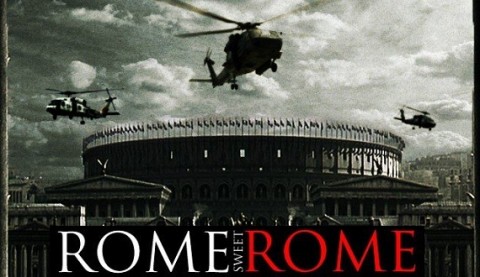
How Many U.S. Marines Could Bring Down the Roman Empire?

It all start­ed as a thought exper­i­ment on Reddit.com when a user posed the ques­tion: “Could I destroy the entire Roman Empire dur­ing the reign of Augus­tus if I trav­eled back in time with a mod­ern U.S. Marine infantry bat­tal­ion or MEU?”

Then the Red­dit user offered a more pre­cise sce­nario:

Let’s say we go back in time with a Marine Expe­di­tionary Unit (MEU) … could we destroy all 30 of Augus­tus’ legions?

We’d be up against near­ly 330,000 men since each legion was com­prised of 11,000 men. These men are typ­i­cal­ly equipped with limb and tor­so armor made of met­al, and for weapon­ry they car­ry swords, spears, bows and oth­er stab­bing imple­ments. We’d also encounter siege weapons like cat­a­pults and crude incen­di­ary weapons.

We’d be made up of about 2000 mem­bers, of which about half would be par­tic­i­pat­ing in ground attack oper­a­tions. We can use our mech­a­nized vehi­cles (60 Humvees, 16 armored vehi­cles, etc), but we can­not use our attack air sup­port, only our trans­port air­craft.

We also have medics with us, mod­ern med­ical equip­ment and drugs, and engi­neers, but we no longer have a mag­i­cal time-trav­el­ing sup­ply line (we did have but the timelords frowned upon it, sad­ly!) that pro­vides us with all the ammu­ni­tion, equip­ment and sus­te­nance we need to sur­vive. We’ll have to suc­ceed with the stuff we brought with us.

So, will we be vic­to­ri­ous?

The ques­tion touched off a fren­zy of dis­cus­sion. One user, James Erwin, wrote a short sto­ry, Rome Sweet Rome, imag­in­ing how the bat­tles might play out, and Warn­er Bros. came along and bought the movie rights to the sto­ry.

And now pro­fes­sion­al his­to­ri­ans are weigh­ing in. Inter­viewed in Pop­u­lar Mechan­ics, his­to­ri­an Adri­an Goldswor­thy, an expert on the Roman army, offered these thoughts:

Obvi­ous­ly, there is a mas­sive dif­fer­ence in fire­pow­er. Not only would Roman armor be use­less against a rifle round—let alone a grenade launch­er or a .50 cal­iber machine gun—it would prob­a­bly dis­tort the bullet’s shape and make the wound worse.

But here comes the dif­fi­cul­ty:

In the short term and in the open, mod­ern infantry could mas­sacre any ancient sol­diers at lit­tle risk to them­selves. But you could not sup­port mod­ern infantry. So all of these weapons and vehi­cles could make a brief, dra­mat­ic, and even dev­as­tat­ing appear­ance, but would very quick­ly become use­less. Prob­a­bly in a mat­ter of days.… Marines are the best war­riors ever trained. But they can’t fight an end­less wave of sol­diers. No one can.

You can find the rest of Goldswor­thy’s thoughts here, and sev­er­al good Roman his­to­ry cours­es in our big col­lec­tion of Free Online Cours­es.

via Andrew Sul­li­van

Fol­low Open Cul­ture on Face­book and Twit­ter and share intel­li­gent media with your friends. Or bet­ter yet, sign up for our dai­ly email and get a dai­ly dose of Open Cul­ture in your inbox. And if you want to make sure that our posts def­i­nite­ly appear in your Face­book news­feed, just fol­low these sim­ple steps.

by | Permalink | Make a Comment ( 78 ) |

« Go BackMore in this category... »
Quantcast