Freddie Mercury’s 65th Birthday: Celebrate with Google Doodle and a Concert

Fred­die Mer­cury, the voice behind so many Queen clas­sics (Bohemi­an Rhap­sody, Crazy Lit­tle Thing Called Love, We Are the Cham­pi­ons), would have turned 65 today, an age that means offi­cial retire­ment for most, but not for rock ‘n roll leg­ends. To cel­e­brate the mile­stone, Google has adorned its home­page with a col­lage of Fred­die doo­dles, and released a relat­ed trib­ute video that brings the doo­dles to life. (Note: the doo­dles will grace US Google pages tomor­row — after Labor Day.)

If Queen was before your time, or if you nev­er quite under­stood the band’s appeal, then let us bring you back to their hey­day. First, Queen steal­ing the show at Live Aid in 1985. Bri­an May (now an astro­physi­cist and Chan­cel­lor of Liv­er­pool John Moores Uni­ver­si­ty) plays gui­tar along­side Fred­die. Find the remain­ing parts of the per­for­mance hereherehere, and here.

And next Queen’s leg­endary 1986 con­cert at Wem­b­ley Sta­di­um, which runs 90+ min­utes. This video was released by Queen’s YouTube Chan­nel, and it will only be avail­able online today…

If you’re now a con­vert­ed Queen fan, just sit tight. A biopic with Sacha Baron Cohen (aka Ali G) play­ing Fred­die Mer­cury will be released next sum­mer.

Arthur C. Clarke Predicts the Future in 1964 … And Kind of Nails It

In 1964, Sir Arthur C. Clarke, the futur­ist and sci-fi writer best known for his nov­el 2001: A Space Odyssey, peered into the future, to the year 2000, and described what he saw. And a pret­ty good guess it was. Ours would be a world in which…

We could be in instant con­tact with each oth­er, wher­ev­er we may be, where we can con­tact our friends any­where on earth, even if we don’t know their actu­al phys­i­cal loca­tion. It will be pos­si­ble in that age, per­haps only 50 years from now, for a man to con­duct his busi­ness from Tahi­ti or Bali just as well as he could from Lon­don.… Almost any exec­u­tive skill, any admin­is­tra­tive skill, even any phys­i­cal skill, could be made inde­pen­dent of dis­tance. I am per­fect­ly seri­ous when I sug­gest that one day we may have brain sur­geons in Edin­burgh oper­at­ing on patients in New Zealand.

By 2001, Cal­i­for­nia doc­tors were already con­duct­ing vir­tu­al surgery on patients in Rome. And, by 2005, Thomas Fried­man pub­lished his best­seller, The World is Flat, which pret­ty much told us that us that Clarke’s imag­ined world had arrived — with, of course, one big excep­tion. Cities? They’re still stand­ing…

If you would like to sign up for Open Culture’s free email newslet­ter, please find it here. It’s a great way to see our new posts, all bun­dled in one email, each day.

If you would like to sup­port the mis­sion of Open Cul­ture, con­sid­er mak­ing a dona­tion to our site. It’s hard to rely 100% on ads, and your con­tri­bu­tions will help us con­tin­ue pro­vid­ing the best free cul­tur­al and edu­ca­tion­al mate­ri­als to learn­ers every­where. You can con­tribute through Pay­Pal, Patre­on, and Ven­mo (@openculture). Thanks!

Relat­ed Con­tent:

Mar­shall McLuhan: The World is a Glob­al Vil­lage

Arthur C. Clarke Presents the Col­ors of Infin­i­ty

by | Permalink | Make a Comment ( 21 ) |

37 Hitchcock Cameo Appearances Over 50 Years: All in One Video

Ear­ly in his career, Alfred Hitch­cock began mak­ing small appear­ances in his own films. The cameos some­times last­ed just a few brief sec­onds, and some­times a lit­tle while longer. Either way, they became a sig­na­ture of Hitch­cock­’s film­mak­ing, and fans made a sport of see­ing whether they could spot the elu­sive direc­tor. From 1927 to 1976, Hitch­cock made 37 appear­ances in total, and they’re all nice­ly cat­a­logued by Hitchcock.TV and the clip above.

If you’re hun­gry for a good film over the long Labor Day week­end, then don’t miss our col­lec­tion 22 Free Hitch­cock Films Online, which includes The 39 Steps, The Lodger, The Man Who Knew Too Much and oth­er ear­ly clas­sics. Or sim­ply dive into our meta col­lec­tion, 4,000+ Free Movies Online: Great Clas­sics, Indies, Noir, West­erns, Doc­u­men­taries & More. You’re bound to find some­thing you like…

If you would like to sign up for Open Culture’s free email newslet­ter, please find it here. It’s a great way to see our new posts, all bun­dled in one email, each day.

If you would like to sup­port the mis­sion of Open Cul­ture, con­sid­er mak­ing a dona­tion to our site. It’s hard to rely 100% on ads, and your con­tri­bu­tions will help us con­tin­ue pro­vid­ing the best free cul­tur­al and edu­ca­tion­al mate­ri­als to learn­ers every­where. You can con­tribute through Pay­Pal, Patre­on, and Ven­mo (@openculture). Thanks!

Relat­ed Con­tent:

Alfred Hitch­cock Recalls Work­ing with Sal­vador Dali on Spell­bound

Hitch­cock on Hap­pi­ness

by | Permalink | Make a Comment ( 4 ) |

Santiago de Compostela: A View From the Octocopter

Micro­copter­video is a Span­ish com­pa­ny that spe­cial­izes in shoot­ing videos using small remote-con­trol heli­copters called “octo­copters.” (You can see the one used in this video here; and if you want to build one your­self, you can find instruc­tions here.) Since these small heli­copters go places where nor­mal cam­eras can’t, these new­fan­gled cam­eras can offer views that are sim­ply out of this world.

The lat­est video gives you a tour of the medieval San­ti­a­go de Com­postela Cathe­dral locat­ed in north­ern Spain. It starts with beau­ti­ful views of the exte­ri­or, but the most impres­sive shots are saved for inside the cathe­dral, espe­cial­ly when the octo­copter soars high above the chamades of the organ, giv­ing us an incred­i­ble look at the choir.

Some of these views have been cap­tured as stills and can be seen at Flickr. And don’t for­get to enjoy some more of those won­der­ful octo­copter videos on this Vimeo page.

By pro­fes­sion, Matthias Rasch­er teach­es Eng­lish and His­to­ry at a High School in north­ern Bavaria, Ger­many. In his free time he scours the web for good links and posts the best finds on Twit­ter.

Paola Antonelli on Design as the Interface Between Progress and Humanity

Pao­la Antonel­li — Senior Cura­tor of Archi­tec­ture and Design at the MoMA, long­time pro­po­nent of human­ized tech­nol­o­gy, self-described “curi­ous octo­pus” — has arguably done more for the main­stream infil­tra­tion of design lit­er­a­cy than any oth­er indi­vid­ual in con­tem­po­rary cul­ture. In her recent open­ing keynote at the unequiv­o­cal­ly titled media and ideas con­fer­ence The Con­fer­ence in Malmö, Swe­den, Antonel­li pulls the cur­tain on her cura­to­r­i­al process and, with her sig­na­ture on-stage charis­ma, takes a reveal­ing look at how her shows go about the incred­i­ble bal­anc­ing act of being both bea­cons of the bleed­ing edge of design and an approach­able edu­ca­tion plat­form for instill­ing in the gen­er­al pub­lic a basic under­stand­ing of the fun­da­men­tal impor­tance of design — some­thing she describes as “push[ing] design down from the realm of art and up from the realm of dec­o­ra­tion and pret­ti­fi­ca­tion into real life.”

“What design­ers do is they take rev­o­lu­tions that hap­pen maybe in sci­ence or tech­nol­o­gy or pol­i­tics, and they trans­form them into objects that you and I can use, that you and I can feel some famil­iar­i­ty or at least some curios­i­ty about, so we can be drawn in and we can start a new life and a new behav­ioral pat­tern. And this idea of design­ers as the inter­face of progress, between progress and human­i­ty, is what I try to stay with.” ~ Pao­la Antonel­li

Antonel­li’s excel­lent new show, Talk to Me: Design and the Com­mu­ni­ca­tion Between Peo­ple and Objects, is on dis­play at the MoMA through Novem­ber 7.

Maria Popo­va is the founder and edi­tor in chief of Brain Pick­ings, a curat­ed inven­to­ry of cross-dis­ci­pli­nary inter­est­ing­ness. She writes for Wired UK, The Atlantic and Desig­nOb­serv­er, and spends a great deal of time on Twit­ter.

The Blade Runner Promotional Film

A quick addi­tion to yes­ter­day’s look back at Siskel & Ebert’s 1982 review of Blade Run­ner.

As we were say­ing, the film got off to a very shaky start. The pro­duc­tion was a mess. Crit­ics panned the film. Film­go­ers went to see ET. And all of the rest.

It was time to pull out the stops. So, M. K. Pro­duc­tions was enlist­ed to shoot a 16 mm pro­mo­tion­al fea­turette that cir­cu­lat­ed through Amer­i­ca’s hor­ror, fan­ta­sy and sci-fi con­ven­tions. Fea­tur­ing inter­views with Rid­ley Scott, Syd Mead (visu­al futur­ist), and Dou­glas Trum­bull (spe­cial effects), the short pro­mo­tion­al film let view­ers peer inside the mak­ing of the mag­i­cal Blade Run­ner uni­verse. And now you can do the same.

If you would like to sign up for Open Culture’s free email newslet­ter, please find it here. It’s a great way to see our new posts, all bun­dled in one email, each day.

If you would like to sup­port the mis­sion of Open Cul­ture, con­sid­er mak­ing a dona­tion to our site. It’s hard to rely 100% on ads, and your con­tri­bu­tions will help us con­tin­ue pro­vid­ing the best free cul­tur­al and edu­ca­tion­al mate­ri­als to learn­ers every­where. You can con­tribute through Pay­Pal, Patre­on, and Ven­mo (@openculture). Thanks!

Relat­ed Con­tent:

The Mak­ing of the Shin­ing

Blade Run­ner Gets Re-Cre­at­ed, Shot for Shot, Using Only Microsoft Paint

Blade Run­ner is a Waste of Time: Siskel & Ebert in 1982

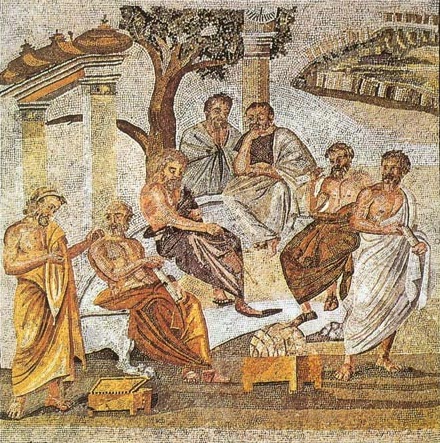
The History of Philosophy … Without Any Gaps

On Mon­day, we told you where you can down­load Free Cours­es from Top Philoso­phers (Fou­cault, Sear­le, Rus­sell and the rest). As the day went along, our list grew thanks to read­er sug­ges­tions, and we also dis­cov­ered anoth­er promis­ing resource — a pod­cast called “The His­to­ry of Phi­los­o­phy With­out Any Gaps,” cre­at­ed by Peter Adam­son, Pro­fes­sor of Ancient and Medieval Phi­los­o­phy at King’s Col­lege Lon­don:

Begin­ning with the ear­li­est ancient thinkers, the series will look at the ideas and lives of the major philoso­phers (even­tu­al­ly cov­er­ing in detail such giants as Pla­to, Aris­to­tle, Avi­cen­na, Aquinas, Descartes, and Kant) as well as the less­er-known fig­ures of the tra­di­tion.

That’s what Adam­son promis­es, and he does­n’t dis­ap­point. Over the past 34 months, Adam­son has pro­duced 136 episodes, each about 20 min­utes long, cov­er­ing the Pre­So­crat­ics (Pythago­ras, Zeno, Par­menides, etc) and then Socrates, Pla­to and Aris­to­tle. That’s rough­ly 45 hours of audio, and there’s no telling how many more hours of audio will bring us to the mod­ern peri­od. The more, the bet­ter, we say.

You can access all episodes via these links: iTunesRSS FeedWeb Site. Or find oth­er free phi­los­o­phy cours­es in our big col­lec­tion of Free Cours­es Online.

If you would like to sign up for Open Culture’s free email newslet­ter, please find it here. It’s a great way to see our new posts, all bun­dled in one email, each day.

If you would like to sup­port the mis­sion of Open Cul­ture, con­sid­er mak­ing a dona­tion to our site. It’s hard to rely 100% on ads, and your con­tri­bu­tions will help us con­tin­ue pro­vid­ing the best free cul­tur­al and edu­ca­tion­al mate­ri­als to learn­ers every­where. You can con­tribute through Pay­Pal, Patre­on, and Ven­mo (@openculture). Thanks!

Relat­ed Con­tent: 

Free Online Phi­los­o­phy Cours­es

Take First-Class Phi­los­o­phy Cours­es Any­where with Free Oxford Pod­casts

Learn The His­to­ry of Phi­los­o­phy in 247 Pod­casts (With More to Come)

by | Permalink | Make a Comment ( 8 ) |

Blade Runner is a “Waste of Time”: Siskel & Ebert in 1982

It’s per­haps hard to imag­ine now, but Rid­ley Scot­t’s clas­sic sci-fi film, Blade Run­ner, saw some hard days when it was first released in 1982. Pre­view screen­ings went bad­ly. Crowds flocked instead to see Steven Spielberg’s block­buster, ET. The film lost mon­ey. And crit­ics gave the film mixed reviews.

Case in point, Siskel & Ebert’s review on nation­al tele­vi­sion. Roger finds some redeem­ing qual­i­ties — the spe­cial effects. Siskel calls it a “waste of time.” One thumb up grudg­ing­ly; anoth­er firm­ly down. A decid­ed­ly mixed review.

Siskel died, of course, in 1999. If you’re won­der­ing if Ebert ever changed his posi­tion, you can find this reap­praisal writ­ten in 2007, on the 25th anniver­sary of the film’s release.

If you would like to sign up for Open Culture’s free email newslet­ter, please find it here. It’s a great way to see our new posts, all bun­dled in one email, each day.

If you would like to sup­port the mis­sion of Open Cul­ture, con­sid­er mak­ing a dona­tion to our site. It’s hard to rely 100% on ads, and your con­tri­bu­tions will help us con­tin­ue pro­vid­ing the best free cul­tur­al and edu­ca­tion­al mate­ri­als to learn­ers every­where. You can con­tribute through Pay­Pal, Patre­on, and Ven­mo (@openculture). Thanks!

Relat­ed Con­tent:

The Blade Run­ner Pro­mo­tion­al Film

What is a Blade Run­ner? How Rid­ley Scott’s Movie Has Ori­gins in William S. Bur­roughs’ Novel­la, Blade Run­ner: A Movie

The Sounds of Blade Run­ner: How Music & Sound Effects Became Part of the DNA of Rid­ley Scott’s Futur­is­tic World

by | Permalink | Make a Comment ( 8 ) |

« Go BackMore in this category... »
Quantcast