Bubbles Over Stinson Beach

Ster­ling John­son, oth­er­wise known as the Bub­ble­smith, goes to work at Stin­son Beach, a lit­tle north of San Fran­cis­co. Mark Day cap­tures the artis­tic dis­play with his Canon 550D, and it’s all set to Bach’s Pre­lude in C Major. Like the kid said in Amer­i­can Beau­ty, “Some­times there’s so much beau­ty in the world, I feel like I can’t take it, like my heart’s going to cave in…”

via Sci­ence Dump

by | Permalink | Make a Comment ( 2 ) |

RIP Arthur Laurents, Writer of West Side Story

A sad, lov­ing farewell to the great play­wright, libret­tist and direc­tor Arthur Lau­rents, who died in his sleep today at the age of 93. Mr. Lau­rents was best known for writ­ing Gyp­sy (1959), The Way We Were (1973), and of course the incom­pa­ra­ble West Side Sto­ry (1959), about which this author has noth­ing to say, except that with­out West Side Sto­ry the world as she knows and loves it would cease to exist.

He will be missed.

via  @SteveSilberman

Sheer­ly Avni is a San Fran­cis­co-based arts and cul­ture writer. Her work has appeared in Salon, LA Week­ly, Moth­er Jones, and many oth­er pub­li­ca­tions. You can fol­low her on twit­ter at @sheerly.

50 Classic Russian Films (Including Tarkovsky’s Finest) Now Online

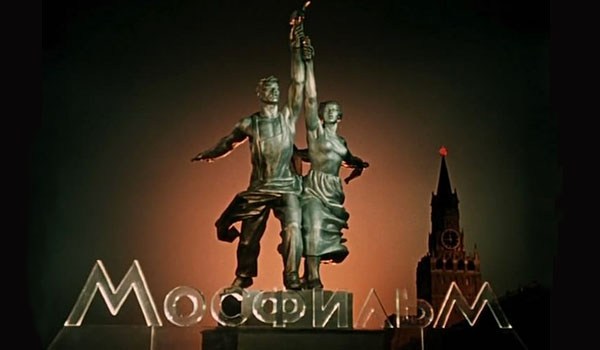
We have pre­vi­ous­ly fea­tured films by the great Russ­ian film­mak­er Andrei Tarkovsky. So we’re over­joyed to report that the Moscow film com­pa­ny Mos­film has just made 5o Russ­ian clas­sics avail­able on YouTube in high def­i­n­i­tion. Accord­ing to Yahoo News, Mos­film has pledged to release five more films each week, all in HD with Eng­lish sub­ti­tles, even­tu­al­ly bring­ing the total for the year to 200.

You can look over the whole list of cur­rent­ly avail­able clas­sics at Mos­film’s YouTube chan­nel. (Non-Russ­ian speak­ers might want to hit Google Trans­late.) In yet anoth­er con­ces­sion to the deca­dence of West­ern cap­i­tal­ism, each film is pre­ced­ed by a short com­mer­cial. We hope some bal­ance has been restored to the uni­verse by the inclu­sion of com­mu­nist dic­ta­tor Joseph Stal­in’s favorite movie, the musi­cal com­e­dy Vol­ga Vol­ga.

Don’t miss our big col­lec­tion, 4,000+ Free Movies Online: Great Clas­sics, Indies, Noir, West­erns, Doc­u­men­taries & More.

via Yahoo News

Sheer­ly Avni is a San Fran­cis­co-based arts and cul­ture writer. Her work has appeared in Salon, LA Week­ly, Moth­er Jones, and many oth­er pub­li­ca­tions. You can fol­low her on twit­ter at @sheerly

Celebrate Carnegie Hall Anniversary with Jascha Heifetz Playing Tchaikovsky

Today Carnegie Hall cel­e­brates its 120th anniver­sary. Designed by archi­tect William Bur­net Tuthill and financed by phil­an­thropist Andrew Carnegie, the famed con­cert venue opened its doors in 1891, right between West 56th and 57th Streets in New York City. Since then, Carnegie Hall has gained a rep­u­ta­tion for its unri­valed acoustics (some have called it the “Stradi­var­ius of the Con­cert World”) and pret­ty much every impor­tant musi­cal fig­ure of the 20th cen­tu­ry played there.

The hall will cel­e­brate its anniver­sary with a gala fea­tur­ing Yo-Yo Ma. But we’re tak­ing anoth­er tack and high­light­ing a vin­tage clip from the 1947 film Carnegie Hall.  Direct­ed by Edgar Ulmer, this sequence gives you Jascha Heifetz, the famed vio­lin­ist, play­ing the first move­ment of Tchaikovsky’s vio­lin con­cer­to. Heifetz played Carnegie Hall for the first time in 1917, when he was only 16 years old. This clip, filmed 30 years lat­er at the same great con­cert hall, has been viewed 1.5 mil­lion times…

The Cinemagraph: A Haunting Photo/Video Hybrid

As gim­micks go, the mov­ing GIF is almost as old as the inter­net itself. But artists Jamie Beck and Kevin Berg have tak­en their ani­mat­ed pho­tographs, or “cin­ema­graphs,” as Beck calls them, far beyond the orig­i­nal gim­mick. While some of their images tend towards kitsch, fea­tur­ing clich­es like long hair rustling in the breeze, or wine pour­ing from a bot­tle, the duo (see a col­lec­tion of their pho­tos here) has also pro­duced sev­er­al shots of star­tling beau­ty: A sin­gle news­pa­per page rus­tles in a frozen park. The reflec­tion of a taxi­cab glides like a ghost across a win­dow. A beau­ti­ful woman sud­den­ly seems to catch you star­ing at her. The effect is pure para­noia, like ear­ly Polan­s­ki, or a morn­ing walk on no sleep.

So is the cin­ema­graph the future of pho­tog­ra­phy, or just a neat trick? You can join that debate over at flickr.

Thanks to Eric Strenger and @eugenephoto for the tip.

Sheer­ly Avni is a San Fran­cis­co-based arts and cul­ture writer. Her work has appeared in Salon, LA Week­ly, Moth­er Jones, and many oth­er pub­li­ca­tions. You can fol­low her on twit­ter at @sheerly.

The Clash Star in Hell W10, a Gangster Parody Film Directed by Joe Strummer (1983)

Clash front­man Joe Strum­mer wrote and direct­ed this odd gang­ster par­o­dy in 1983, while the band was on a break from tour­ing. He cast Mick Jones as a well-dressed crime boss, Paul Simonon as his Jim­my Cliff-chan­nel­ing neme­sis, and pret­ty much every­one the band had ever shared a pint with in sup­port­ing roles.

Hell W10 is not exact­ly a mas­ter­piece. The cam­era work is indif­fer­ent, each indi­vid­ual scene lasts longer than it needs to, and we’re not quite sure what the blonde was doing there.  Still, it’s hard not to enjoy any movie with an all-Clash sound­track, and we got a huge kick out of watch­ing Jones scowl in his white tuxe­do like a car­toon Scar­face.

Oth­er high points include the hybrid noir-punk stylings of the titles, and Strum­mer’s own cheeky turn as an aggres­sive cop.

If you would like to sign up for Open Culture’s free email newslet­ter, please find it here. It’s a great way to see our new posts, all bun­dled in one email, each day.

If you would like to sup­port the mis­sion of Open Cul­ture, con­sid­er mak­ing a dona­tion to our site. It’s hard to rely 100% on ads, and your con­tri­bu­tions will help us con­tin­ue pro­vid­ing the best free cul­tur­al and edu­ca­tion­al mate­ri­als to learn­ers every­where. You can con­tribute through Pay­Pal, Patre­on, and Ven­mo (@openculture). Thanks!

Sheer­ly Avni is a San Fran­cis­co-based arts and cul­ture writer. Her work has appeared in Salon, LA Week­ly, Moth­er Jones, and many oth­er pub­li­ca­tions. You can fol­low her on twit­ter at @sheerly

Relat­ed Con­tent:

4,000+ Free Movies Online: Great Clas­sics, Indies, Noir, West­erns, Doc­u­men­taries & More

The Clash Live in Tokyo, 1982: Watch the Com­plete Con­cert

“Stay Free: The Sto­ry of the Clash” Nar­rat­ed by Pub­lic Enemy’s Chuck D: A New 8‑Episode Pod­cast

Mick Jones Plays Three Favorite Songs by The Clash at the Library

Watch Audio Ammu­ni­tion: A Doc­u­men­tary Series on The Clash and Their Five Clas­sic Albums

Seth Godin: The Wealth of Free (Semi-Animated)

Every idea has to begin some­where. And, back in 2000, Seth Godin start­ed exper­i­ment­ing with a fair­ly rad­i­cal pub­lish­ing mod­el. Inspired by Mal­colm Glad­well, Godin wrote Unleash­ing the Ideav­irus, which essen­tial­ly argued that free ideas spread quick­er than ideas that cost mon­ey. And it’s the ideas that spread the quick­est that win. So what was the log­i­cal next step? Mak­ing the book avail­able for free (get the ebook here) and see­ing what hap­pened.

The video above tells you the rest of the sto­ry. What it does­n’t tell you is that Godin has since writ­ten a steady stream of best­sellers (find free ecopies here), while author­ing the most wide­ly-read mar­ket­ing blog and found­ing Squidoo. The art­work accom­pa­ny­ing God­in’s talk was cre­at­ed by Stu­art Lang­field.

If you would like to sign up for Open Culture’s free email newslet­ter, please find it here. It’s a great way to see our new posts, all bun­dled in one email, each day.

If you would like to sup­port the mis­sion of Open Cul­ture, con­sid­er mak­ing a dona­tion to our site. It’s hard to rely 100% on ads, and your con­tri­bu­tions will help us con­tin­ue pro­vid­ing the best free cul­tur­al and edu­ca­tion­al mate­ri­als to learn­ers every­where. You can con­tribute through Pay­Pal, Patre­on, and Ven­mo (@openculture). Thanks!

Relat­ed Con­tent:

Free Online Busi­ness Cours­es

How to Start a Start­up

Start Your Start­up with Free Stan­ford Cours­es and Lec­tures

Way of Life: Rare Footage of the Hiroshima Aftermath, 1946

The recent 9.0‑magnitude Tōhoku earth­quake and tsuna­mi, and sub­se­quent Fukushi­ma nuclear acci­dents were among the most dev­as­tat­ing envi­ron­men­tal dis­as­ters in record­ed his­to­ry. The imme­di­ate con­se­quences are fright­en­ing, but their full, long-term impact remains an unset­tling mys­tery.

This, of course, isn’t the first time Japan has faced a nuclear emer­gency. After the World War II atom­ic bomb­ings of Hiroshi­ma and Nagasa­ki, the U.S. gov­ern­ment record­ed the raw after­math of Hiroshi­ma in can­did, grim detail (while Hol­ly­wood was busy lam­poon­ing Amer­i­ca’s nuclear obses­sion). Filmed in the spring of 1946 by the Depart­ment of Defense, Way of Life doc­u­ments how the peo­ple of Hiroshi­ma adapt­ed to life after the atom­ic bomb. Though the archival footage lacks sound, its imagery — mov­ing, heart­break­ing, deeply human — speaks vol­umes about the del­i­cate dual­i­ty of despair and resilience.

Maria Popo­va is the founder and edi­tor in chief of Brain Pick­ings, a curat­ed inven­to­ry of cross-dis­ci­pli­nary inter­est­ing­ness. She writes for Wired UK, The Atlantic and Desig­nOb­serv­er, and spends a great deal of time on Twit­ter.

« Go BackMore in this category... »
Quantcast