When Super Heroes Get Old and Retire to Miami

What hap­pens when seem­ing­ly immor­tal fig­ures end up being mor­tal after all? What hap­pens when four super friends — Bat­man, Robin, Super­man, Aqua­man — end their crime fight­ing days and live out their gold­en years in Mia­mi? You’ve got to admit, it’s an intrigu­ing con­cept. And Kevin Bapp plays out the sce­nario in this fun­ny lit­tle trail­er for a poten­tial Car­toon Net­work pilot. Enjoy…

via Slate

by | Permalink | Make a Comment ( 2 ) |

22-Year-Old P.O.W. Kurt Vonnegut Writes Home from World War II: “I’ll Be Damned If It Was Worth It”

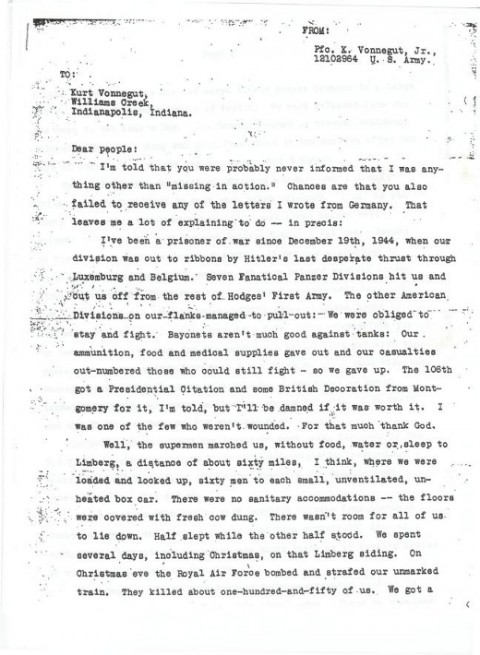
If you read Open Cul­ture, smart mon­ey says you’ll also enjoy Let­ters of Note, a site we occa­sion­al­ly ref­er­ence. They col­lect, post, and pro­vide con­text for “fas­ci­nat­ing let­ters, post­cards, telegrams, fax­es, and mem­os” to and from all man­ners of lumi­nar­ies through­out the his­to­ry of art, pol­i­tics, music, sci­ence, media, and, er, let­ters. Dig into the archives and you’ll find a mis­sive home from Kurt Von­negut, a notable let­ter-writer if ever there was one. Ded­i­cat­ed Von­negut read­ers will rec­og­nize the tone of the nov­el­ist, although here, at the age of 22, he had yet to become one. A Pri­vate in the Sec­ond World War, he was tak­en pris­on­er on Decem­ber 19, 1944, dur­ing the Bat­tle of the Bulge. Hav­ing then done time in an under­ground sec­tion of a Dres­den work camp known, yes, as “Slaugh­ter­house Five,” he sur­vived the sub­se­quent bomb­ing of the city and wound up in a repa­tri­a­tion camp by May 1945. There, he wrote what fol­lows:

Dear peo­ple:

I’m told that you were prob­a­bly nev­er informed that I was any­thing oth­er than “miss­ing in action.” Chances are that you also failed to receive any of the let­ters I wrote from Ger­many. That leaves me a lot of explain­ing to do — in pre­cis:

I’ve been a pris­on­er of war since Decem­ber 19th, 1944, when our divi­sion was cut to rib­bons by Hitler’s last des­per­ate thrust through Lux­em­burg and Bel­gium. Sev­en Fanat­i­cal Panz­er Divi­sions hit us and cut us off from the rest of Hodges’ First Army. The oth­er Amer­i­can Divi­sions on our flanks man­aged to pull out: We were oblig­ed to stay and fight. Bay­o­nets aren’t much good against tanks: Our ammu­ni­tion, food and med­ical sup­plies gave out and our casu­al­ties out-num­bered those who could still fight — so we gave up. The 106th got a Pres­i­den­tial Cita­tion and some British Dec­o­ra­tion from Mont­gomery for it, I’m told, but I’ll be damned if it was worth it. I was one of the few who weren’t wound­ed. For that much thank God.

Well, the super­men marched us, with­out food, water or sleep to Lim­berg, a dis­tance of about six­ty miles, I think, where we were loaded and locked up, six­ty men to each small, unven­ti­lat­ed, unheat­ed box car. There were no san­i­tary accom­mo­da­tions — the floors were cov­ered with fresh cow dung. There was­n’t room for all of us to lie down. Half slept while the oth­er half stood. We spent sev­er­al days, includ­ing Christ­mas, on that Lim­berg sid­ing. On Christ­mas eve the Roy­al Air Force bombed and strafed our unmarked train. They killed about one-hun­dred-and-fifty of us. We got a lit­tle water Christ­mas Day and moved slow­ly across Ger­many to a large P.O.W. Camp in Muhlburg, South of Berlin. We were released from the box cars on New Year’s Day. The Ger­mans herd­ed us through scald­ing delous­ing show­ers. Many men died from shock in the show­ers after ten days of star­va­tion, thirst and expo­sure. But I did­n’t.

Under the Gene­va Con­ven­tion, Offi­cers and Non-com­mis­sioned Offi­cers are not oblig­ed to work when tak­en pris­on­er. I am, as you know, a Pri­vate. One-hun­dred-and-fifty such minor beings were shipped to a Dres­den work camp on Jan­u­ary 10th. I was their leader by virtue of the lit­tle Ger­man I spoke. It was our mis­for­tune to have sadis­tic and fanat­i­cal guards. We were refused med­ical atten­tion and cloth­ing: We were giv­en long hours at extreme­ly hard labor. Our food ration was two-hun­dred-and-fifty grams of black bread and one pint of unsea­soned pota­to soup each day. After des­per­ate­ly try­ing to improve our sit­u­a­tion for two months and hav­ing been met with bland smiles I told the guards just what I was going to do to them when the Rus­sians came. They beat me up a lit­tle. I was fired as group leader. Beat­ings were very small time: — one boy starved to death and the SS Troops shot two for steal­ing food.

On about Feb­ru­ary 14th the Amer­i­cans came over, fol­lowed by the R.A.F. their com­bined labors killed 250,000 peo­ple in twen­ty-four hours and destroyed all of Dres­den — pos­si­bly the world’s most beau­ti­ful city. But not me.

After that we were put to work car­ry­ing corpses from Air-Raid shel­ters; women, chil­dren, old men; dead from con­cus­sion, fire or suf­fo­ca­tion. Civil­ians cursed us and threw rocks as we car­ried bod­ies to huge funer­al pyres in the city.

When Gen­er­al Pat­ton took Leipzig we were evac­u­at­ed on foot to (‘the Sax­ony-Czecho­slo­va­kian bor­der’?). There we remained until the war end­ed. Our guards desert­ed us. On that hap­py day the Rus­sians were intent on mop­ping up iso­lat­ed out­law resis­tance in our sec­tor. Their planes (P‑39’s) strafed and bombed us, killing four­teen, but not me.

Eight of us stole a team and wag­on. We trav­eled and loot­ed our way through Sude­ten­land and Sax­ony for eight days, liv­ing like kings. The Rus­sians are crazy about Amer­i­cans. The Rus­sians picked us up in Dres­den. We rode from there to the Amer­i­can lines at Halle in Lend-Lease Ford trucks. We’ve since been flown to Le Havre.

I’m writ­ing from a Red Cross Club in the Le Havre P.O.W. Repa­tri­a­tion Camp. I’m being won­der­ful­ly well feed and enter­tained. The state-bound ships are jammed, nat­u­ral­ly, so I’ll have to be patient. I hope to be home in a month. Once home I’ll be giv­en twen­ty-one days recu­per­a­tion at Atter­bury, about $600 back pay and — get this — six­ty (60) days fur­lough.

I’ve too damned much to say, the rest will have to wait, I can’t receive mail here so don’t write.

May 29, 1945

Love,

Kurt — Jr.

 As always, Let­ters of Note offers scans of the orig­i­nal let­ter for your direct inspec­tion.

Drunk History: An Intoxicated Look at the Famous Alexander Hamilton — Aaron Burr Duel

Improv com­e­dy troop Upright Cit­i­zens Brigade, who recy­cled U.S. his­to­ry in code duel­lo, an impro­vised enact­ment of the Alexan­der Hamil­ton-Aaron Burr duel, have cre­at­ed “Drunk His­to­ry,” which takes the cringe-wor­thy premise of the man-on-the-street pop quiz and adds some addi­tion­al elements—binge drink­ing and goofy his­tor­i­cal re-enact­ments with actors like Michael Cera (Super­bad, Arrest­ed Devel­op­ment, etc.). In this first episode of “Drunk His­to­ry,” Mark Gagliar­di, after drink­ing a bot­tle of scotch, nar­rates the sto­ry of the Hamil­ton-Burr duel, and Cera, in a ridicu­lous pow­dered wig and a pair of Vans, mimes the part of Hamil­ton. Gagliardi’s slurred nar­ra­tion and anachro­nis­tic touch­es like Cera/Hamilton on a cell phone ratch­et up the absur­di­ty.

The real sto­ry of the duel on July 11, 1804 involves some com­pli­ca­tions of elec­toral pol­i­tics and ide­o­log­i­cal con­flicts between the Fed­er­al­ist for­mer Trea­sury Sec­re­tary Hamil­ton and the anti-Fed­er­al­ist Vice-Pres­i­dent Burr. A long-stand­ing per­son­al feud between the two men was prob­a­bly exac­er­bat­ed by class con­flict: Hamil­ton had hum­ble ori­gins as a poor immi­grant from the Caribbean and Burr was son of a pres­i­dent of the future Prince­ton Uni­ver­si­ty and grand­son of Puri­tan divine Jonathan Edwards. Although duel­ing was ille­gal at the time, the aris­to­crat­ic prac­tice con­tin­ued to set­tle dis­putes between gen­tle­men, and both Hamil­ton and Burr had been involved in sev­er­al pri­or duels. Nev­er­the­less, Hamil­ton was reluc­tant to meet Burr’s chal­lenge and is said to have delib­er­ate­ly missed his first shot (and in some dis­put­ed accounts, his pis­tol was loaded when he fell to the ground).

The Hamil­ton-Burr duel is one of the most inter­per­son­al­ly dra­mat­ic events in Amer­i­can history—easy fod­der for comedic treat­ment like “Drunk His­to­ry” and code duel­lo and high­ly seri­ous accounts like the PBS series Amer­i­can Expe­ri­ence’s “The Duel.” But what some­times gets obscured behind the dra­ma are the polit­i­cal con­flicts over Fed­er­al­ist posi­tions, con­flicts that have nev­er quite been resolved and form the basis for our most heat­ed nation­al debates, includ­ing the still-rag­ing pol­i­tics, even after the Supreme Court’s rul­ing, of the Afford­able Care Act.

In the video below, his­to­ri­an Car­ol Berkin explains the often con­fus­ing debate between what came to be called, erro­neous­ly, Fed­er­al­ism and those who opposed the doc­trine.

Josh Jones is cur­rent­ly a doc­tor­al stu­dent in Eng­lish at Ford­ham Uni­ver­si­ty and a co-founder and for­mer man­ag­ing edi­tor of Guer­ni­ca / A Mag­a­zine of Arts and Pol­i­tics.

Watch as David Hockney Creates ‘Late November Tunnel, 2006’

David Hock­ney turns 75 today, and he’s still going strong. Hav­ing lived most­ly in Amer­i­ca since the mid-1960s, Hock­ney moved back to Eng­land a decade ago and has spent a great deal of time paint­ing land­scapes in his native York­shire.

In the footage above, filmed by Bruno Woll­heim for the 2009 doc­u­men­tary A Big­ger Pic­ture and set to music by Anna Rus­batch, Hock­ney is shown work­ing en plein air in one of his favorite places: a qui­et stretch of coun­try road lined with trees that he calls “the tun­nel,” near the vil­lage of Kil­ham, in the York­shire Wolds. “Late Novem­ber Tun­nel, 2006” is an oil paint­ing made on two can­vas­es fused togeth­er. It’s one of a series of stud­ies Hock­ney has made of the same place at dif­fer­ent times of the day and year. The series, like sev­er­al oth­ers Hock­ney has made around East­ern York­shire, calls to mind Claude Mon­et’s famous four-sea­son stud­ies at Giverny. After years liv­ing in the Mediter­ranean cli­mate of Los Ange­les, writes Mar­tin Gay­ford in the Win­ter 2011 issue of RA Mag­a­zine:

Hock­ney found the spec­ta­cle of the chang­ing sea­sons fas­ci­nat­ing, and decid­ed to start work­ing on the land­scape of the York­shire Wolds, near his house in Bridling­ton (a com­fort­able base which was once a small hotel). In a way it was a return to his roots, a land­scape of mem­o­ry. He had grown up in Brad­ford on the oth­er side of York­shire, but as a teenag­er he had worked in the fields in the York­shire Wolds dur­ing school hol­i­days. And he would vis­it his late moth­er and sis­ter who lived in Bridling­ton. Hock­ney began this phase of his work by mak­ing draw­ings and water­colours, then paint­ing oils in the open air–like nine­teenth-cen­tu­ry painters such as Mon­et and Constable–standing beside the road in all weath­ers.

“Late Novem­ber Tun­nel, 2006” and oth­er paint­ings from the series, includ­ing lat­er works cre­at­ed by Hock­ney on iPhones and iPads, were includ­ed in a major exhib­it ear­li­er this year at the Roy­al Acad­e­my of Arts. The exhib­it has moved on to the Guggen­heim Muse­um in Bil­bao, Spain. The cat­a­logue, David Hock­ney: A Big­ger Pic­ture, is avail­able from Abrams.

Relat­ed con­tent:

David Hock­ney’s iPad Art Goes on Dis­play

Down­load David Hock­ney’s Play­ful Draw­ings for the iPhone and iPad

Books Made with Disappearing Ink Strategically Fade Away

How about this for a new pub­lish­ing mod­el? The Buenos Aires pub­lish­er Eter­na Caden­cia has start­ed to pub­lish books made with dis­ap­pear­ing ink. Once you crack open the cov­er, you have two months to fin­ish the book, or else you’ll be star­ing at a blank page. If books have an expi­ra­tion date, read­ers won’t let them sit idly on their shelves. They’ll read books more often, and give more authors a try. That’s the log­ic of this new twist on pub­lish­ing..

Books aren’t dead yet. They’re just inten­tion­al­ly fad­ing away.…

via Gal­ley Cat

Relat­ed Con­tent:

A Secret Book­store in New York City

Spike Jonze Presents a Stop Motion Film for Book Lovers

Books Savored in Stop Motion Film

Going West: A Stop Motion Nov­el

by | Permalink | Make a Comment ( 7 ) |

The Grand Finale: All 135 Space Shuttle Launches in One Video

When NASA launched its last space shut­tle a year ago, McLean Fahne­stock paid trib­ute to the 30-year old shut­tle pro­gram by putting footage from every launch into one video. 135-in‑1.  It makes for an arrest­ing sequence. But, unfor­tu­nate­ly, the 1986 Chal­lenger explo­sion ends up over­whelm­ing the sto­ry. One Vimeo com­menter, Jere­my Rick­etts, got it right when he said:

I don’t know about the rest being a dec­o­ra­tive bor­der to Chal­lenger. In my eyes it high­light­ed what an insane­ly amaz­ing accom­plish­ment it was that out of all these launch­es, only two have ever result­ed in fail­ure of that type. This is the first reli­able, reusable vehi­cle to ever bring humans to space. Giv­en the vio­lence of the launch­es and sheer absur­di­ty of strap­ping a winged vehi­cle to the site of a rock­et, it high­lights (in my view) what an amaz­ing feat it was, even in light of [the] Chal­lenger.

Any­way, while we’re on the sub­ject, don’t miss some of our favorite space shut­tle videos from times past — like Endeavour’s Launch Viewed from Boost­er Cam­eras, William Shat­ner’s Nar­ra­tion of a Film Doc­u­ment­ing the His­to­ry of the Space Shut­tle, and The Best of NASA Space Shut­tle Videos from 1981 to 2010.

Enjoy the rest of the week­end.

via Kot­tke

Stephen Hawking Loses $100 on the Higgs Boson Discovery

With the Hig­gs Boson dis­cov­ery this week, there were a lot of win­ners in the physics com­mu­ni­ty, and only one los­er — Stephen Hawk­ing’s bank account. It’s a loss the physi­cist (and author of best­selling books) can pre­sum­ably afford to take. A good week, all in all.

Fol­low us on Face­bookTwit­ter and now Google Plus.

by | Permalink | Make a Comment ( 3 ) |

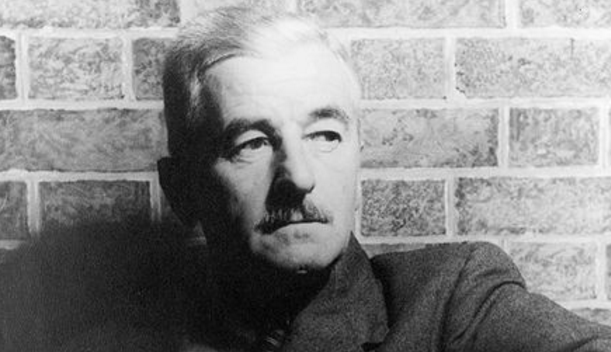
William Faulkner Reads His Nobel Prize Speech

faulkner nobel

Today is the 50th anniver­sary of the death of William Faulkn­er. To mark the occa­sion, we bring you a 1954 record­ing of Faulkn­er read­ing his Nobel Prize speech from four years ear­li­er. “I feel that this award was not made to me as a man,” Faulkn­er says on the tape, “but to my work–a life’s work in the agony and sweat of the human spir­it, not for glo­ry and least of all for prof­it, but to cre­ate out of the mate­ri­als of the human spir­it some­thing which did not exist before.”

In clas­sic nov­els like As I Lay Dying, Absa­lom, Absa­lom! and The Sound and the Fury, Faulkn­er cre­at­ed his own cos­mos, com­bin­ing his knowl­edge of the peo­ple and his­to­ry of Mis­sis­sip­pi with his gift for spin­ning tales. He called his cos­mos Yok­na­p­ataw­pha Coun­ty. “I dis­cov­ered,” Faulkn­er said in his 1956 Paris Review inter­view, “that my own lit­tle postage stamp of native soil was worth writ­ing about and that I would nev­er live long enough to exhaust it, and that by sub­li­mat­ing the actu­al into the apoc­ryphal I would have com­plete lib­er­ty to use what­ev­er tal­ent I might have to its absolute top.”

Faulkn­er died at Wright’s Sana­to­ri­um in Byhalia, Mis­sis­sip­pi in the ear­ly morn­ing hours on July 6, 1962, which also hap­pened to be the birth­day of the great-grand­fa­ther he was named for, William Clark Falkn­er, the flam­boy­ant rail­road builder and nov­el­ist who was remem­bered as the “Old Colonel.” Faulkn­er had been suf­fer­ing from back pain due to an ear­li­er fall from a horse. His pre­ferred way to deal with pain was to drink alco­hol. After a binge he would typ­i­cal­ly go to the sana­to­ri­um to recov­er. This par­tic­u­lar vis­it had seemed rou­tine. Joseph Blot­ner describes the scene in Faulkn­er: A Biog­ra­phy:

The big clock ticked past mid­night and July 6 came in–the Old Colonel’s birthday–with no promise of a let­up in the heat. Insects thumped against the screens while elec­tric fans hummed here and there. Faulkn­er had been rest­ing qui­et­ly. A few min­utes after half past one, he stirred and then sat up on the side of his bed. Before the nurse could reach him he groaned and fell over. With­in min­utes Dr. Wright was there, but he could not detect any pulse or heart­beat. He began exter­nal heart mes­sage. He con­tin­ued it for forty-five min­utes, with­out results. He tried mouth-to-mouth resus­ci­ta­tion, again with no results. There was noth­ing more he could do. William Faulkn­er was gone.

When Albert Camus died two years ear­li­er, Faulkn­er was asked by La Nou­velle Revue Française to write a few words about his fall­en friend. What Faulkn­er wrote of Camus could be his own epi­taph:

When the door shut for him, he had already writ­ten on this side of it that which every artist who also car­ries through life with him that one same fore­knowl­edge and hatred of death, is hop­ing to do: I was here.

NOTE: To fol­low along as Faulkn­er reads his Nobel address, you can find the text at the Ole Miss Faulkn­er on the Web site. (The page will open in a new win­dow.) The Ole Miss page also includes  a par­tial record­ing of Faulkn­er giv­ing his speech in Stock­holm on Decem­ber 10, 1950, along with film footage of the cer­e­mo­ny. (Faulkn­er won the Nobel Prize in Lit­er­a­ture for 1949 but it was­n’t pre­sent­ed until 1950, the year Bertrand Rus­sell won the award. So Rus­sell and Faulkn­er can both be seen in the film footage.) To hear more of Faulkn­er’s 1954 Caed­mon record­ings, vis­it Harp­er Audio. You can also hear over 28 hours of lec­tures by Faulkn­er at the audio archive of the Uni­ver­si­ty of Vir­ginia, where he was writer-in-res­i­dence in 1957 and 1958. The archive con­cludes with a half-hour press con­fer­ence giv­en by the Eng­lish Depart­ment fac­ul­ty 50 years ago today, as they react­ed to the news of Faulkn­er’s death.

« Go BackMore in this category... »
Quantcast