How Spike Lee Got His First Big Break: From She’s Gotta Have It to That Iconic Air Jordan Ad

“Film found me,” says Spike Lee in the clip above from medi­a­bistro’s “My First Big Break” series. We may now know him as one of his gen­er­a­tion’s most out­spo­ken, con­vic­tion-dri­ven Amer­i­can film­mak­ers, but he says he only got into the game because he could­n’t land a job. Enter­ing the long, hot, unem­ployed sum­mer of 1977, the young Lee spied a Super‑8 movie cam­era in a friend’s house. Bor­row­ing it, he roamed the streets of an unusu­al­ly down-at-heel New York City, shoot­ing the exu­ber­ant emer­gence of dis­co, the anx­i­ety over the Son of Sam killings, the unrest that bub­bled up dur­ing black­outs, and the count­less oth­er facets of urban life he’s con­tin­ued to explore through­out his career. Encour­aged by a film pro­fes­sor at More­house Col­lege, he then put in the hours to edit all this footage he’d sim­ply grabbed for fun into a doc­u­men­tary called Last Hus­tle in Brook­lyn. Near­ly a decade lat­er, he made his first fea­ture, She’s Got­ta Have It, an ear­ly entry in what would become the Amer­i­can indie film boom of the nineties.

Lee not only direct­ed She’s Got­ta Have It, but played one of its most mem­o­rable char­ac­ters, a smooth-talk­ing hus­tler of a b‑boy named Mars Black­mon. Mars cares about hav­ing the fresh­est gear, a trait he shares with the man who cre­at­ed him. This did not escape the notice of famous adver­tis­ing agency Wieden+Kennedy; when a cou­ple of their employ­ees saw Lee’s per­for­mance as Mars, they knew they’d found the ide­al pitch­man for one of their clien­t’s prod­ucts. The com­pa­ny: Nike. The prod­uct: the Air Jor­dan. As sur­prised as any­one that such a major firm and the icon­ic ath­lete Michael Jor­dan would take a chance on a young direc­tor, Lee went ahead and shot the com­mer­cial above, which announced him as a new force in the late-1980s zeit­geist. To learn much more about this peri­od of Lee’s career and its sub­se­quent devel­op­ment, watch his episode of Inside the Actors Stu­dio. Though con­sid­er­ably less of a motor­mouth than Mars Black­mon, Lee tells a com­pelling sto­ry, espe­cial­ly his own.

Relat­ed con­tent:

40 Great Film­mak­ers Go Old School, Shoot Short Films with 100 Year Old Cam­era

Col­in Mar­shall hosts and pro­duces Note­book on Cities and Cul­ture and writes essays on lit­er­a­ture, film, cities, Asia, and aes­thet­ics. He’s at work on a book about Los Ange­les, A Los Ange­les Primer. Fol­low him on Twit­ter at @colinmarshall.

William Shatner Puts in a Long Distance Call to Astronaut Aboard the International Space Station

If his goal is to be tak­en seri­ous­ly, William Shat­ner hasn’t always been his own best friend. His cov­ers of pop hits launched a whole mini-genre of unin­ten­tion­al­ly bad celebri­ty record­ings.

To his cred­it, he made fun of him­self to great effect on Boston Legal but fol­lowed that series up with a Broad­way show It’s Shatner’s World, We Just Live In It, to mixed reviews.

But the man nev­er quits. Ear­li­er this month the Cana­di­an Space Agency orga­nized a Tweet­up with Cana­di­an astro­naut Chris Had­field, who is aboard the Inter­na­tion­al Space Sta­tion orbit­ing the Earth. One space lover who par­tic­i­pat­ed was Shat­ner, who tweet­ed:

@Cmdr_Hadfield: “Are you tweet­ing from space? MBB”

A few hours lat­er Had­field, respond­ed: “Yes, Stan­dard Orbit, Cap­tain. And we’re detect­ing signs of life on the sur­face.”

Shat­ner and Had­field planned a longer con­ver­sa­tion and it was hard to say who was more thrilled by the event: Trekkies the world over, Shat­ner, or Had­field.

For about fif­teen min­utes today, with Hous­ton Mis­sion Con­trol act­ing as galac­tic switch­board oper­a­tor, the two chat­ted about the space pro­gram, the risks of liv­ing in space, and even some exis­ten­tial mat­ters.

Right off the bat, Shat­ner asked Had­field whether the fact that he had used a Russ­ian vehi­cle to get up to the space sta­tion means that Amer­i­ca is “falling behind” in its space pro­gram. The answer—long and upbeat—was, in a word, no.

Then Shat­ner asked Had­field why he’d vol­un­teered for the as-yet unsched­uled mis­sion to Mars.

“Isn’t that a fear­ful endeav­or, fraught with enor­mous dif­fi­cul­ty and dan­ger?”

“Well you’ve tak­en a lot of risks in your life as well,” Had­field replied.

He lat­er went on to say that pro­grams like Star Trek inspired him to study to become an astro­naut.

“Going to Mars is inevitable,” Had­field said, speak­ing into a float­ing, hand-held micro­phone, “just as sail­ing across the Atlantic or going to the moon. We take those visu­al­ized fan­tasies and turn them into real­i­ties.”

The view of Earth from his win­dow on the Space Sta­tion, he added, is just like the view that Sulu and Chekhov had from the Star­ship Enter­prise.

“It’s an enor­mous won­der­ful rolling Earth but all you have to do is flip your­self upside-down and the rest of the uni­verse is under you.”

By the end of their chat, Had­field had invit­ed Shat­ner to vis­it him at his cab­in and watch the satel­lites fly through the sky.

“You know those scenes in Boston Legal at the end of an episode when you were on the veran­da drink­ing a whiskey and smok­ing a cig­ar, you ought to vis­it me in North­ern Ontario. It’s a great place to talk about life.”

Relat­ed Con­tent: 

Nichelle Nichols Tells Neil deGrasse Tyson How Mar­tin Luther King Con­vinced Her to Stay on Star Trek

Leonard Nimoy Nar­rates Short Film About NASA’s Dawn: A Voy­age to the Ori­gins of the Solar Sys­tem

William Shat­ner Nar­rates Space Shut­tle Doc­u­men­tary

Star Trek Celebri­ties, William Shat­ner and Wil Wheaton, Nar­rate Mars Land­ing Videos for NASA

Kate Rix writes about dig­i­tal media and edu­ca­tion. Vis­it her at .

Neil Gaiman Launches New Crowdsourced Storytelling Project (Sponsored by the New BlackBerry)

The tech-savvi­est among us may greet the news of a new Black­Ber­ry phone with an exag­ger­at­ed yawn, if that. But we have rea­sons not to dis­miss the lat­est iter­a­tion of Research in Motion’s flag­ship prod­uct entire­ly. The Z10 launched to record ear­ly sales in the Unit­ed Kind­gom and Cana­da. Both the device and the fresh oper­at­ing sys­tem that runs on it “rep­re­sent a rad­i­cal rein­ven­tion of the Black­Ber­ry,” writes Wall Street Jour­nal per­son­al tech­nol­o­gy critc Walt Moss­berg. “The hard­ware is decent and the user inter­face is log­i­cal and gen­er­al­ly easy to use. I believe it has a chance of get­ting RIM back into the game.” Even so, build­ing the prod­uct amounts to only half the bat­tle; now the Black­Ber­ry brand has to con­tin­ue gain­ing, and man­age to hold, cus­tomer inter­est. That’s where a cer­tain mas­ter of gain­ing and hold­ing inter­est named Neil Gaiman comes in.

Say what you will about their phones; Research in Motion’s mar­ket­ing depart­ment has shown an uncom­mon degree of lit­er­ary astute­ness, at least by the stan­dards of hard­ware mak­ers. You may remem­ber Dou­glas Cou­p­land, for instance, turn­ing up in adver­tise­ments for the Black­Ber­ry Pearl back in 2006. But the com­pa­ny has recruit­ed Gaiman—the Eng­lish author of every­thing from nov­els like Amer­i­can Gods and Cora­line to com­ic books like The Sand­man to tele­vi­sion series like Never­where to films like Mir­ror­Mask—for a more com­pli­cat­ed under­tak­ing than Cou­p­land’s. Under the aegis of Black­Ber­ry, Gaiman extends his col­lab­o­ra­tion-inten­sive work one domain fur­ther. A Cal­en­dar of Tales finds him sourc­ing ideas and visu­als from the pub­lic in order to cre­ate “an amaz­ing cal­en­dar show­cas­ing your illus­tra­tions beside Neil’s sto­ries.” The short video above recent­ly appeared as the first in a series of episodes cov­er­ing this sto­ry­telling project. Of this we’ll no doubt hear, see, and read much more before 2013’s actu­al cal­en­dar is out.

Relat­ed Con­tent:

Down­load Free Short Sto­ries by Neil Gaiman

Neil Gaiman Gives Grad­u­ates 10 Essen­tial Tips for Work­ing in the Arts

Neil Gaiman Gives Sage Advice to Aspir­ing Artists

Col­in Mar­shall hosts and pro­duces Note­book on Cities and Cul­ture and writes essays on lit­er­a­ture, film, cities, Asia, and aes­thet­ics. He’s at work on a book about Los Ange­les, A Los Ange­les Primer. Fol­low him on Twit­ter at @colinmarshall.


Alain de Botton Proposes a Kinder, Gentler Philosophy of Success

For bet­ter or worse, Alain de Bot­ton is the face of pop phi­los­o­phy. He has advo­cat­ed “reli­gion for athe­ists” in a book of the same name (to the deep con­ster­na­tion of some athe­ists and the elo­quent inter­est of oth­ers); he has dis­tilled select­ed philo­soph­i­cal nuggets into self-help in his The Con­so­la­tions of Phi­los­o­phy; and most recent­ly, he’s tack­led a sub­ject close to everybody’s heart (to put it char­i­ta­bly) in How to Think More About Sex. As a corol­lary to his intel­lec­tu­al inter­ests in human bet­ter­ment, de Bot­ton also over­sees The School of Life, a “cul­tur­al enter­prise offer­ing good ideas for every­day life” with a base in Cen­tral Lon­don and a col­or­ful online pres­ence. Many crit­ics dis­dain de Botton’s shot­gun approach to phi­los­o­phy, but it gets peo­ple read­ing (not just his own books), and gets them talk­ing, rather than just shout­ing at each oth­er.

In addi­tion to his pub­lish­ing, de Bot­ton is an accom­plished and engag­ing speak­er. Although him­self a com­mit­ted sec­u­lar­ist, in his TED talks, he has posed some for­mi­da­ble chal­lenges to the smug cer­tain­ties of lib­er­al sec­u­lar­ism and the often bru­tal cer­tain­ties of lib­er­tar­i­an mer­i­toc­ra­cy. Apro­pos of the lat­ter, in the talk above, de Bot­ton takes on what he calls “job snob­bery,” the dom­i­nant form of snob­bery today, he says, and a glob­al phe­nom­e­non. Cer­tain­ly, we can all remem­ber any num­ber of times when the ques­tion “What do you do?” has either made us exhale with pride or feel like we might shriv­el up and blow away. De Bot­ton takes this com­mon expe­ri­ence and draws from it some inter­est­ing infer­ences: for exam­ple, against the idea that we (one assumes he means West­ern­ers) live in a mate­ri­al­is­tic soci­ety, de Bot­ton posits that we pri­mar­i­ly use mate­r­i­al goods and career sta­tus not as ends in them­selves but as the means to receive emo­tion­al rewards from those who choose how much love or respect to “spend” on us based on where we land in any social hier­ar­chy.

Accord­ing­ly, de Bot­ton asks us to see some­one in a Fer­rari not as greedy but as “incred­i­bly vul­ner­a­ble and in need of love” (he does not address oth­er pos­si­ble com­pen­sa­tions of mid­dle-aged men in over­ly-expen­sive cars). For de Bot­ton, mod­ern soci­ety turns the whole world into a school, where equals com­pete with each oth­er relent­less­ly.  But the prob­lem with the anal­o­gy is that in the wider world, the admirable spir­it of equal­i­ty runs up against the real­i­ties of increas­ing­ly entrenched inequities. Our inabil­i­ty to see this is nur­turned, de Bot­ton points out, by an indus­try that sells us all the fic­tion that, with just enough know-how and gump­tion, any­one can become the next Mark Zucker­berg or Steve Jobs. But if this were true, of course, there would be hun­dreds of thou­sands of Zucker­bergs and Jobs.

For de Bot­ton, when we believe that those who make it to the top do so only on mer­it, we also, in a cal­lous way, believe those at the bot­tom deserve their place and should stay there—a belief that takes no account of the acci­dents of birth and the enor­mi­ty of fac­tors out­side anyone’s con­trol. This shift in think­ing, he says—especially in the Unit­ed States—gets reflect­ed in a shift in lan­guage. Where in for­mer times some­one in tough cir­cum­stances might be called “unfor­tu­nate” or “down on their luck,” they are now more like­ly to be called “a los­er,” a social con­di­tion that exac­er­bates feel­ings of per­son­al fail­ure and increas­es the num­bers of sui­cides. The rest of de Botton’s rich­ly observed talk lays out his philo­soph­i­cal and psy­cho­log­i­cal alter­na­tives to the irra­tional rea­son­ing that makes every­one respon­si­ble for every­thing that hap­pens to them. As a con­se­quence of soft­en­ing the harsh bina­ry log­ic of success/failure, de Bot­ton con­cludes, we can find greater mean­ing and hap­pi­ness in the work we choose to do—because we love it, not because it buys us love.

Relat­ed Con­tent:

Alain De Bot­ton Turns His Philo­soph­i­cal Mind To Devel­op­ing “Bet­ter Porn”

Alain de Botton’s Quest for The Per­fect Home and Archi­tec­tur­al Hap­pi­ness

Socrates on TV, Cour­tesy of Alain de Bot­ton (2000)

Josh Jones is a writer, edi­tor, and musi­cian based in Wash­ing­ton, DC. Fol­low him @jdmagness

The Centrifuge Brain Project: Scientists Solve Mankind’s Great Problems by Spinning People

What if the very thing that made you feel crazy hap­py also made you smarter? That’s the ques­tion under­ly­ing the work of the Insti­tute for Cen­trifu­gal Research, where sci­en­tists believe that spin­ning peo­ple around at a suf­fi­cient­ly high G‑force will solve “even the trick­i­est chal­lenges con­fronting mankind.”

We fol­low Dr. Nick Laslow­icz, chief engi­neer, as he strolls through amuse­ment parks, wear­ing a hard hat and tak­ing notes, and describes the lib­er­at­ing pow­er of spin­ning and the “mis­take” of grav­i­ty.

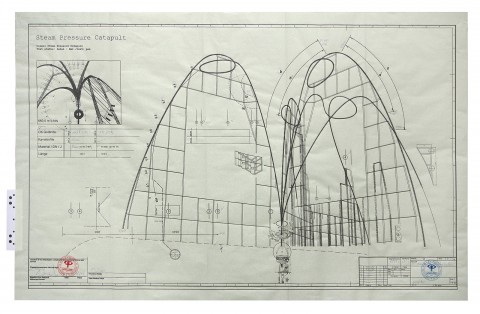
The actor is ter­rif­ic. Yes, The Cen­trifuge Brain Project is a joke. Laslow­icz is just zany enough to be believ­able as a sci­en­tist whose research began in the 1970s. The sketch­es on the project’s web­site are fun too and direc­tor Till Nowak’s CGR ren­der­ing of the ride con­cepts are hilar­i­ous.

centrifuge_plan_steam_pressure_catapult

The cul­mi­nat­ing exper­i­ment fea­tures a ride that resem­bles a giant trop­i­cal plant. Rid­ers enter a round car that ris­es slow­ly up, up, up and then takes off sud­den­ly at incred­i­bly high speed along one of the “branch­es.”

“Unpre­dictabil­i­ty is a key part of our work,” says Laslow­icz. After the ride, he says, peo­ple described expe­ri­enc­ing a “read­just­ment of key goals and life aspi­ra­tions.” Though he lat­er adds that he wouldn’t put his own chil­dren on one of his rides.

“These machines pro­vide total free­dom,” Laslow­icz says, “cut­ting all con­nec­tion to the world we live in: com­mu­ni­ca­tion respon­si­bil­i­ty, weight. Every­thing is on hold when you’re being cen­trifuged.”

Relat­ed Con­tent:

Mir­a­cle Mush­rooms Pow­er the Slums of Mum­bai

Dark Side of the Moon: A Mock­u­men­tary on Stan­ley Kubrick and the Moon Land­ing Hoax

Kate Rix writes about dig­i­tal media and edu­ca­tion. Vis­it her work at .

The Troggs Tapes: ‘Put a Little Bit of F***ing Fairy Dust Over the Bastard!’

Reg Pres­ley, lead singer of the Six­ties rock group The Trog­gs, died Mon­day at the age of 71. The Trog­gs (short for Troglodytes) are often men­tioned as a major influ­ence on the punk rock move­ment of the 1970s. They record­ed a string of hits between 1966 and 1968, most notably “Wild Thing.” The Trog­gs are also remembered—much to the band’s chagrin—for one of the most noto­ri­ous bootlegs ever: “The Trog­gs Tapes,” described by Uncut mag­a­zine as a “hilar­i­ous, 12-minute swearathon.”

The Trog­gs Tapes were record­ed in Lon­don in 1970. The band was work­ing on a song called “Tran­quil­i­ty,” but things weren’t going well, and the ses­sion degen­er­at­ed into a foul-mouthed orgy of acri­mo­ny and recrim­i­na­tion. A copy of the record­ing some­how made it onto the boot­leg mar­ket and became leg­endary. Sat­ur­day Night Live par­o­died the Trog­gs Tapes in a sketch with Bill Mur­ray, John Belushi and oth­ers play­ing a group of frus­trat­ed medieval musi­cians who say the word “flog­ging” over and over. The tapes are also par­o­died in This is Spinal Tap, dur­ing the record­ing scene at the “Rain­bow Trout Stu­dios.” In a piece this week pay­ing trib­ute to Reg Pres­ley, the Tele­graph music crit­ic Neil McCormick writes:

Before the inter­net, The Trog­gs Tapes were hard to find, yet every­one seemed to know about them, an elu­sive­ness that only added to their allure. I remem­ber get­ting my hands on a copy in a Dublin flea mar­ket, then sit­ting aroud late at night with friends laugh­ing our­selves sil­ly at the inani­ty and pal­pa­ble sense of frus­tra­tion as the musi­cians fail to find a way to artic­u­late and cap­ture some sound idea, beyond the reach of either their lan­guage or their tech­ni­cal abil­i­ties.… In truth, it is the kind of con­ver­sa­tion you can hear every day in record­ing stu­dios all around the world, but there was some­thing lib­er­at­ing and myth-bust­ing about the expe­ri­ence of eaves­drop­ping on these unguard­ed musi­cians at work.

You can lis­ten to an abridged ver­sion of The Trog­gs Tapes above. To learn more about Reg Pres­ley, you can read his fit­ting­ly uncon­ven­tion­al obit­u­ary in The Tele­graph. And to end things off on a pos­i­tive note, we offer a glimpse of The Trog­gs when things were going con­sid­er­ably more smooth­ly, with the band per­form­ing “Wild Thing” in 1966:

Relat­ed Con­tent:

Hear the 1962 Bea­t­les Demo that Dec­ca Reject­ed: “Gui­tar Groups are on Their Way Out, Mr. Epstein”

8,976 Free Grate­ful Dead Con­cert Record­ings in the Inter­net Archive, Explored by the New York­er

The Beauty of Namibian Nights in Timelapse Motion

It took Marsel van Oost­en two years and 16,000 images to cre­ate a time­lapse video that cap­tures the inef­fa­ble beau­ty of Namib­ian Nights. Shot with Nikon D3, D3s and D4 cam­eras, the film high­lights van Oost­en’s favorite sites in Namib­ia — “the fairy­tale-like quiv­ertrees and the eery, dead camelthorn trees in Dead­vlei.” For each sec­ond of video, 30 pho­tographs were tak­en. Namib­ian Nights won First Prize in the 2012 Trav­el Pho­tog­ra­ph­er of The Year Awards.

by | Permalink | Make a Comment ( 3 ) |

How to Build a Country From Scratch

After half a cen­tu­ry of war, the peo­ple of south­ern Sudan vot­ed in ear­ly 2011 to break away from the Sudan and cre­ate their own inde­pen­dent state. The Repub­lic of South Sudan, formed in July of 2011, has its work cut out for it. South Sudan is one of the poor­est and least devel­oped nations in the world, with only a few paved roads in a ter­ri­to­ry the size of France. In most areas of the coun­try there is no for­mal legal sys­tem. And accord­ing to the Unit­ed Nations, more than half of its 9 mil­lion peo­ple live in a con­di­tion of food inse­cu­ri­ty.

In the year and a half since break­ing out on its own, South Sudan has man­aged to under­mine its rep­u­ta­tion as the “good guys” by arrest­ing jour­nal­ists, shoot­ing down a U.N. heli­copter, expelling a U.N. human rights offi­cer and using its mil­i­tary to seize an oil field in Sudanese ter­ri­to­ry. Mean­while, in a coun­try sat­u­rat­ed with weapons, fight­ing has bro­ken out among var­i­ous eth­nic groups.

So there is an ele­ment of irony in the title of this “Op-Doc” from the New York Times by inde­pen­dent film­mak­ers Flo­rence Mar­tin-Kessler and Anne Poiret. How to Build a Coun­try From Scratch (above) is a nine-minute excerpt from a fea­ture-length doc­u­men­tary that Mar­tin-Kessler and Poiret are work­ing on, called State Builders. The film­mak­ers made four trips to Juba, the largest city and pro­vi­sion­al cap­i­tal of South Sudan, to doc­u­ment the daunt­ing process of cre­at­ing a new nation. “Our mis­sion as film­mak­ers,” they wrote this week in the Times, “was to fol­low the ‘state builders’–those peo­ple in the South Sudanese gov­ern­ment and in the Unit­ed Nations who would be on the front line of imple­ment­ing, step by step, a road map for the world’s newest state.”

« Go BackMore in this category... »
Quantcast