The 100 Most Memorable Shots in Cinema Over the Past 100 Years

Harold Lloyd hang­ing high above the city on the hands of a sky­scrap­er’s clock. A shot through the eye on the Odessa steps. Anoth­er eye, this one read­ied for the razor blade. King Kong roar­ing atop a sky­scraper of his own. Snow White offer­ing a perch to the blue­bird. Dorothy, the Cow­ard­ly Lion, the Tin Man, and the Scare­crow skip­ping off toward the dis­tant Emer­ald City. Charles Fos­ter Kane orat­ing before his own enor­mous por­trait. Nor­ma Desmond’s unset­tling approach through ever-soft­er focus.

Roger Thorn­hill pur­sued by the biplane. Pat­ton salut­ing before the enor­mous Amer­i­can flag. Alex DeLarge star­ing, in his bowler and past his pros­thet­ic eye­lash­es, straight into the cam­era. Rocky jog­ging up the Philadel­phia Muse­um of Art steps. A cam­ou­flage-paint­ed Willard ris­ing out of the swamp. The slow-motion march of Messrs. Blonde, Blue, Brown, Orange, Pink, and White. The open­ing-night recep­tion dance after Max Fis­cher’s Heav­en and Earth. Leonidas kick­ing the mes­sen­ger into the hole. The young Mason Evans, Jr. flat on the grass, star­ing up at the skies.

Oh, and Char­lie Chap­lin using Scraps the dog as a pil­low. I could have described more of the most mem­o­rable shots of the past cen­tu­ry of cin­e­ma his­to­ry, but in the video above, which presents one hun­dred years of film with one shot select­ed from each year, they all speak for them­selves. “While many of these shots are the most rec­og­niz­able in film his­to­ry, oth­ers are equal­ly icon­ic in their own right,” writes the video’s cre­ator Jacob T. Swin­ney, “For exam­ple, some shots pio­neered a style or defined a genre, while oth­ers test­ed the bound­aries of cen­sor­ship and film­go­er expec­ta­tions.”

While the ear­li­est pic­tures here, a group start­ing in 1915 with D.W. Grif­fith’s The Birth of a Nation, have had plen­ty of time to estab­lish them­selves in our visu­al lex­i­con — even for those of us who’ve nev­er actu­al­ly sat down and watched the movies in full — the more recent selec­tions clear­ly require some guess­work: Swin­ney’s mem­o­rable shots from the past decade come from sources as var­ied as There Will Be Blood and The Tree of LifeAvatar, and The Avengers.

And some cin­e­ma purists, as opposed to struc­tur­al purists, will regret that, with these strict­ly sin­gle shots, the famous cuts (in both sens­es, when it comes to Un Chien Andalou’s eye­ball) don’t come across. Me, I’d have bent the rules to pay prop­er trib­ute to Lawrence blow­ing out the match, but that’s just one cinephile’s opin­ion. Besides, you’ve got to see it in con­text, pro­ject­ed in 70-mil­lime­ter, to real­ly feel why it can stand for all of 1962 in film — and then some.

Relat­ed Con­tent:

A Mes­mer­iz­ing Super­cut of the First and Final Frames of 55 Movies, Played Side by Side

Sig­na­ture Shots from the Films of Stan­ley Kubrick: One-Point Per­spec­tive

The Per­fect Sym­me­try of Wes Anderson’s Movies

Based in Seoul, Col­in Mar­shall writes and broad­casts on cities, lan­guage, and style. He’s at work on a book about Los Ange­les, A Los Ange­les Primer, the video series The City in Cin­e­ma, the crowd­fund­ed jour­nal­ism project Where Is the City of the Future?, and the Los Ange­les Review of Books’ Korea Blog. Fol­low him on Twit­ter at @colinmarshall or on Face­book.

Shakespeare and His World: Free Shakespeare Course Starts Today, During the 400th Anniversary of the Bard’s Death

Coin­cid­ing with the 400th anniver­sary of Shakespeare’s death, the Uni­ver­si­ty of War­wick (locat­ed just 16 miles from Shakespeare’s home­town of Strat­ford-Upon-Avon) has teamed up  with the Shake­speare Birth­place Trust to run a free 10-week online course start­ing on April 18th. The course explores not only the great writer’s work, but his world too — you might even say it’s such stuff as dreams are made on.

Sir Jonathan Bate will intro­duce a new play each week, exam­in­ing it in rela­tion to cul­tur­al themes and trea­sures from the Shake­speare Birth­place Trust’s archives. In fact this course offers unprece­dent­ed access to the famous vaults of the Trust where thou­sands of rare arte­facts are kept.

Here’s a quick run through of what each week cov­ers:

Week 1: An Intro­duc­tion to Shake­speare and his World

Week 2: Shake­speare and Strat­ford — The Mer­ry Wives of Wind­sor

Week 3: The Birth of The­atre — A Mid­sum­mer Night’s Dream

Week 4: The World at War — Hen­ry V

Week 5: Mon­ey and the City — The Mer­chant of Venice

Week 6: Witch­es and Doc­tors — Mac­beth

Week 7: The Clash of Civil­i­sa­tions — Oth­el­lo

Week 8: The Roman Exam­ple — Antony & Cleopa­tra

Week 9: O Brave New World — The Tem­pest

Week 10: The Cult of Shake­speare

You can find the free course Shake­speare and his World on Future­Learn. The last time this course ran it attract­ed over 40,000 learn­ers around the world so it might be time to brush up on your Shake­speare­an lin­go. The course starts today.

Jess Weeks is a copy­writer at Future­Learn. Her favourite Shake­speare­an insult is ‘you egg’  because it’s both sim­ple and strange.

Relat­ed Con­tent:

Free Online Shake­speare Cours­es: Primers on the Bard from Oxford, Har­vard, Berke­ley & More

A 68 Hour Playlist of Shakespeare’s Plays Being Per­formed by Great Actors: Giel­gud, McK­ellen & More

What Shake­speare Sound­ed Like to Shake­speare: Recon­struct­ing the Bard’s Orig­i­nal Pro­nun­ci­a­tion

Download 834 Radical Zines From a Revolutionary Online Archive: Globalization, Punk Music, the Industrial Prison Complex & More

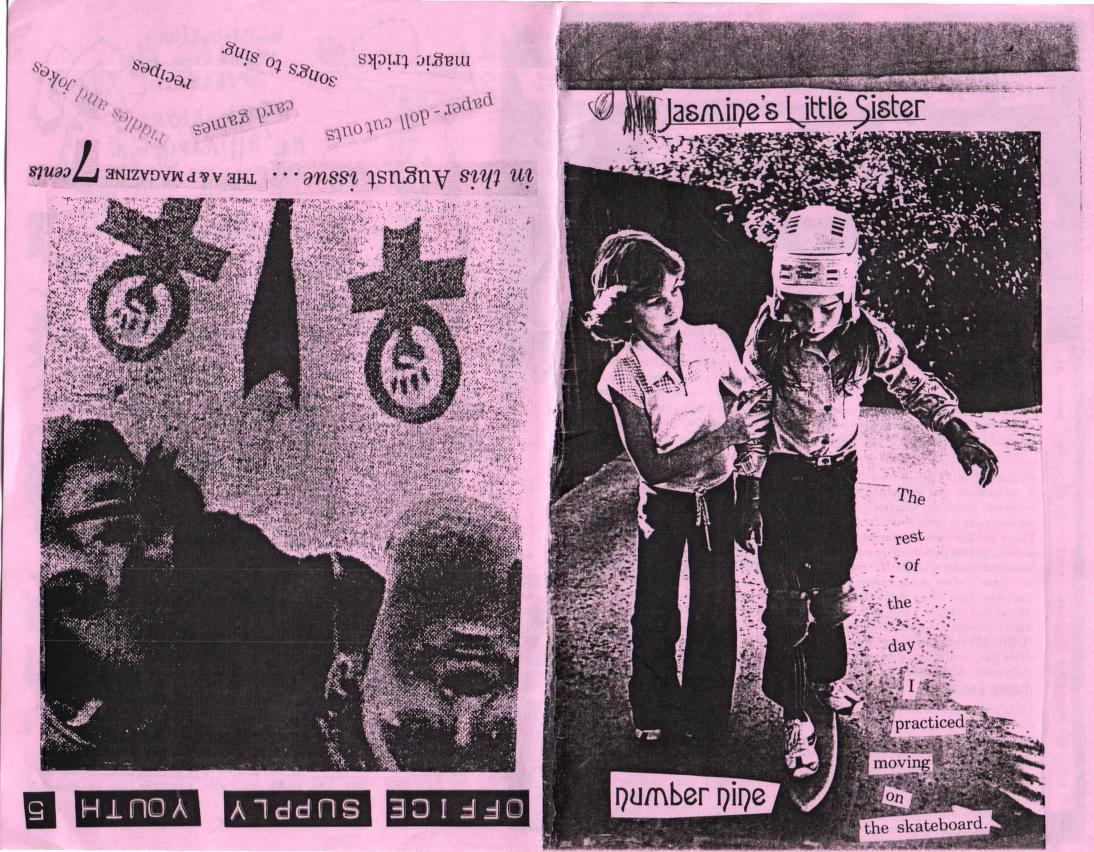
OfficeSupplyYouth5_0000

Whatcha mean, “what’s a zine”?

Some say Thomas Paine orig­i­nat­ed the con­cept in 1776, when he self-pub­lished the pam­phlet, Com­mon Sense… an asser­tion author and cul­tur­al crit­ic Greil Mar­cus would like­ly find a “spu­ri­ous” attempt to con­fer legit­i­ma­cy on a move­ment that occu­pies the soci­etal fringes by def­i­n­i­tion.

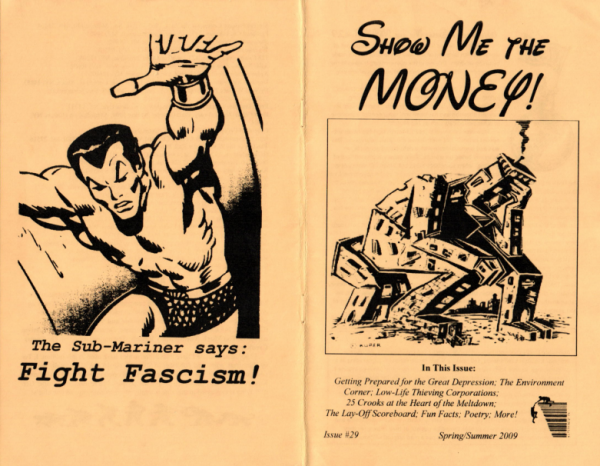
No mat­ter how many read­ers they attract, the cre­ators of these small-cir­cu­la­tion labors of love take their agen­das very seri­ous­ly. Whether the ulti­mate goal is to inform, to agi­tate, to smear or to cel­e­brate, their con­tents are as raw as the cut-and-paste aes­thet­ic that pro­vid­ed their defac­to look, pre-Etsy.

zine archive

While some zinesters are good about pre­serv­ing mas­ter copies and donat­ing back issues to zine libraries, many oth­ers’ titles fall through the cracks of his­to­ry, as the mak­ers age out of the prac­tice, or move on to oth­er inter­ests.

Indi­vid­ual zines’ best chance at sur­vival lies in acad­e­mia, where expe­ri­enced archivists and fleets of interns have the time and resources to cat­a­logue and dig­i­tize thou­sands of poor­ly pho­to­copied, often hand­writ­ten pages.

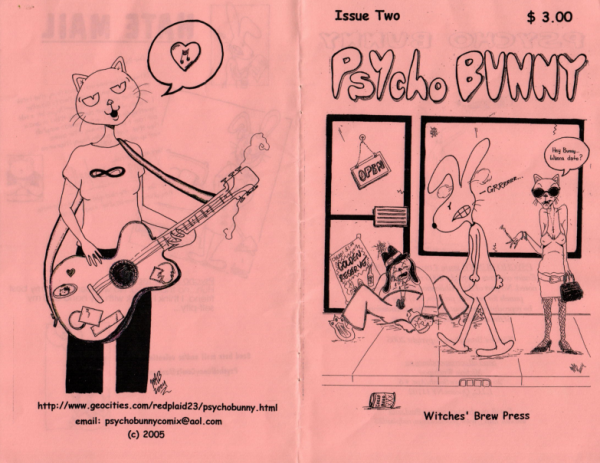
Psycho Bunny

Duke University’s Sal­lie Bing­ham Cen­ter for Women’s His­to­ry and Cul­ture boasts over 4000 fem­i­nist zines.

Tem­ple University’s Sci­ence Fic­tion Fanzine Col­lec­tion takes up near­ly 100 box­es (or 46.5 lin­ear feet).

zine archive 2

The most recent archive is a 1000-title-strong rad­i­cal col­lec­tion that land­ed at the Uni­ver­si­ty of Kansas. Donat­ed by the Sol­i­dar­i­ty! Rev­o­lu­tion­ary Cen­ter and Rad­i­cal Library, a still-active, non-hier­ar­chi­cal, infor­ma­tion-shar­ing col­lec­tive in Lawrence, these zines cov­er a wide spec­trum of activist his­to­ry and con­cerns. You can now find and down­load about 834 of these zines online.

Camp Trans Gender

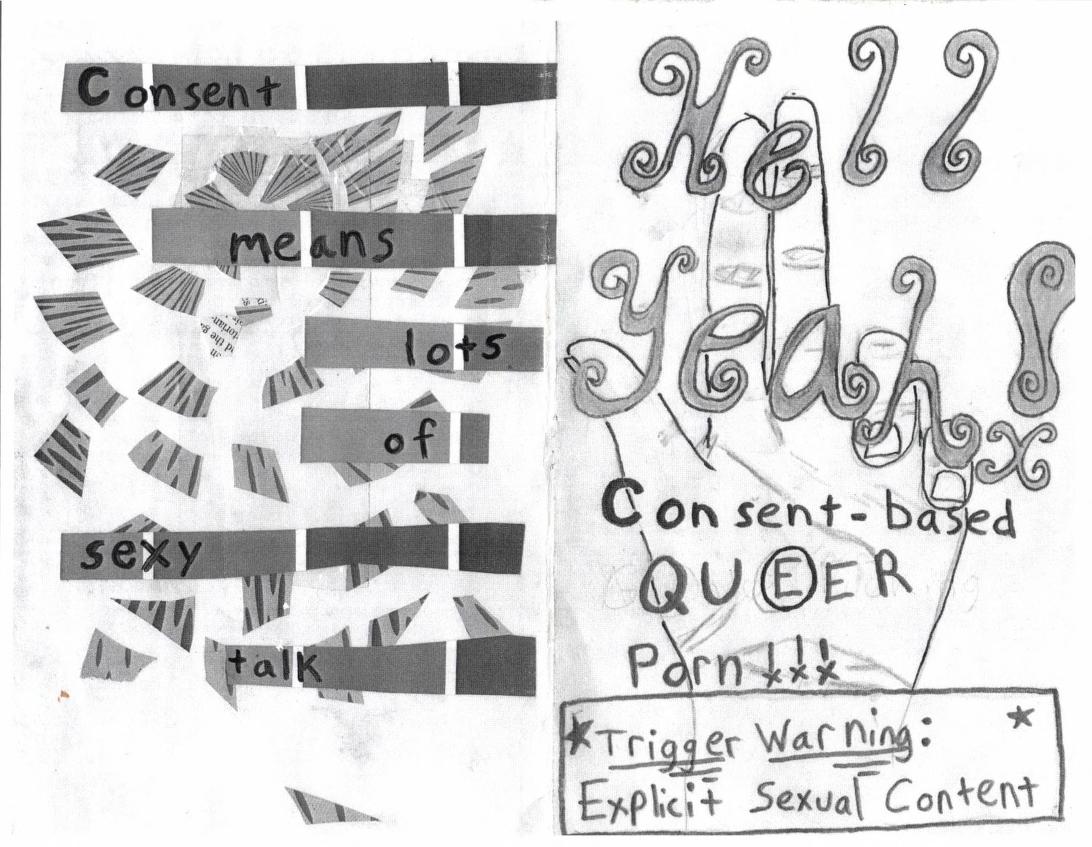
HellYeah-consent-basedQueerPorn_0000

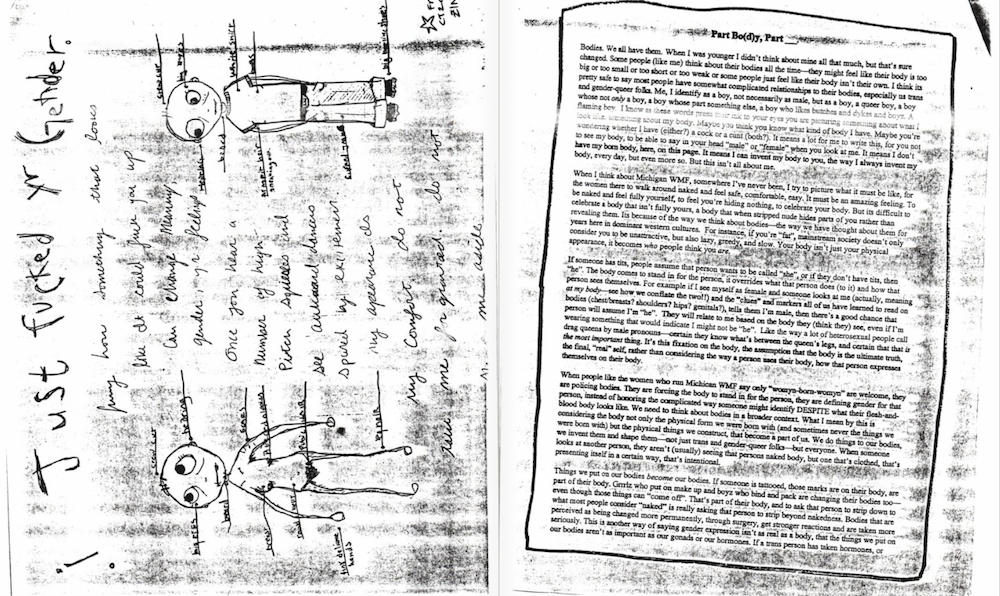
Titles such as Camp Trans: Gen­der Camp Zine, Hell Yeah! Con­sent Based Queer Porn and CoEx­ist were pro­vid­ing a clear, first-per­son win­dow on the LGBTQ world years before the main­stream media thought to fol­low suit.

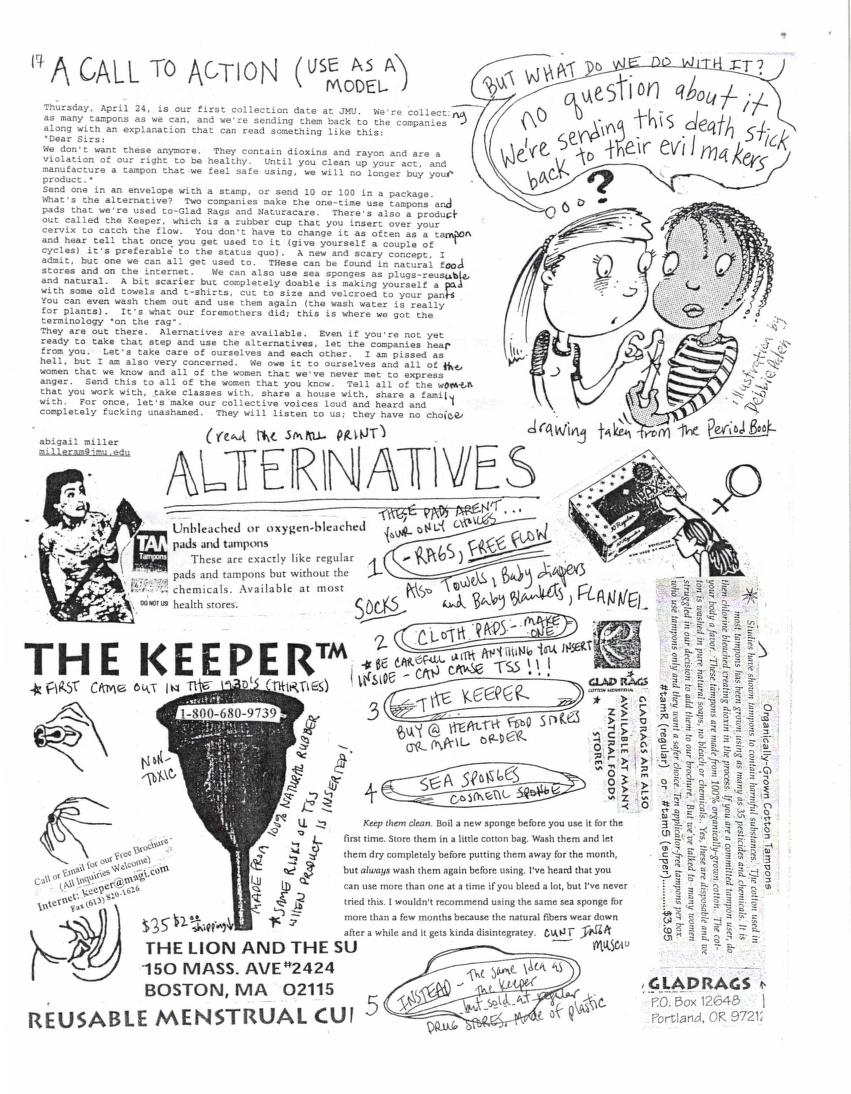
TheFemmenstruationRitesRag_0025

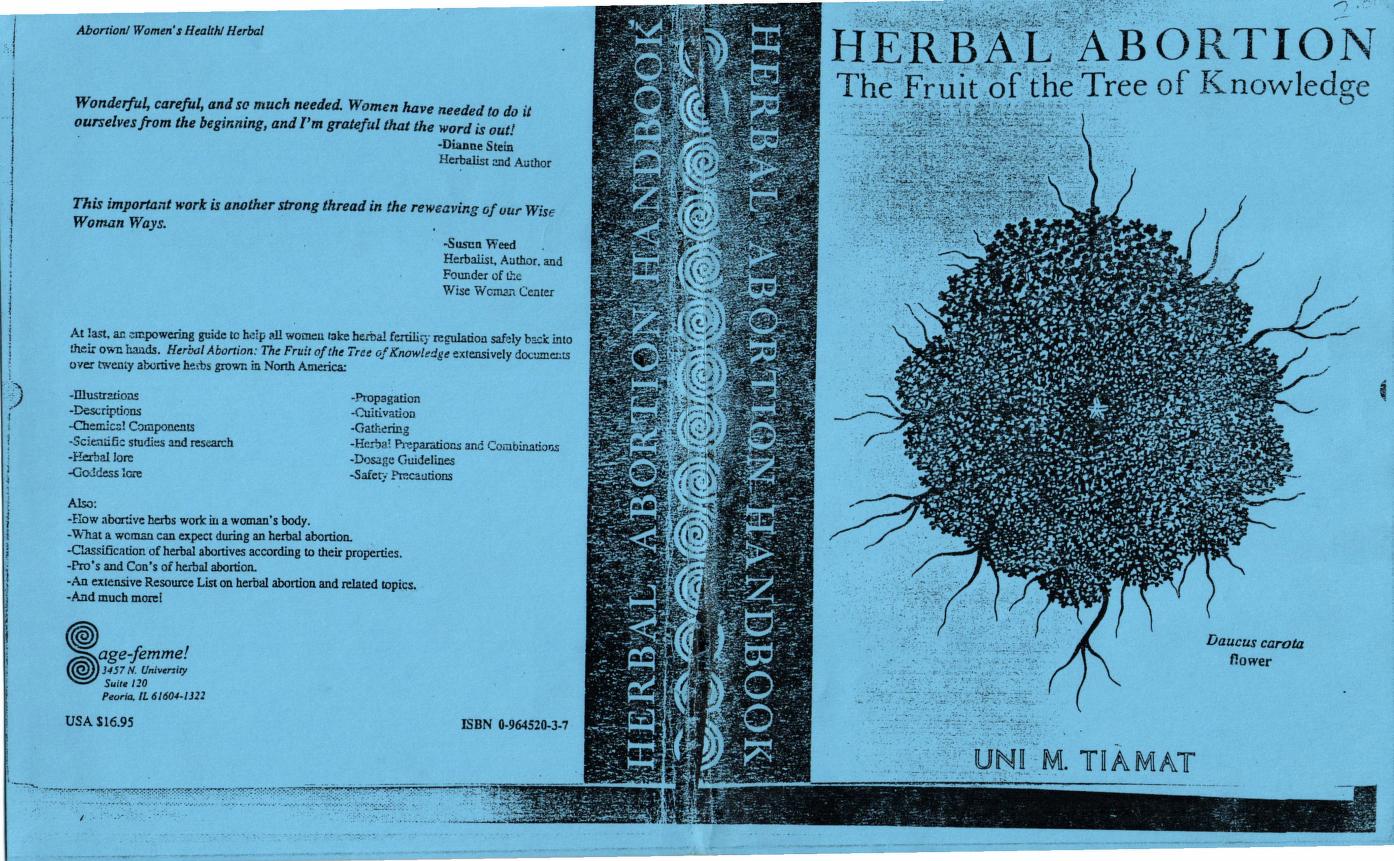
HerbalAbortion-theFruitOfTheTreeOfKnowledge_0000

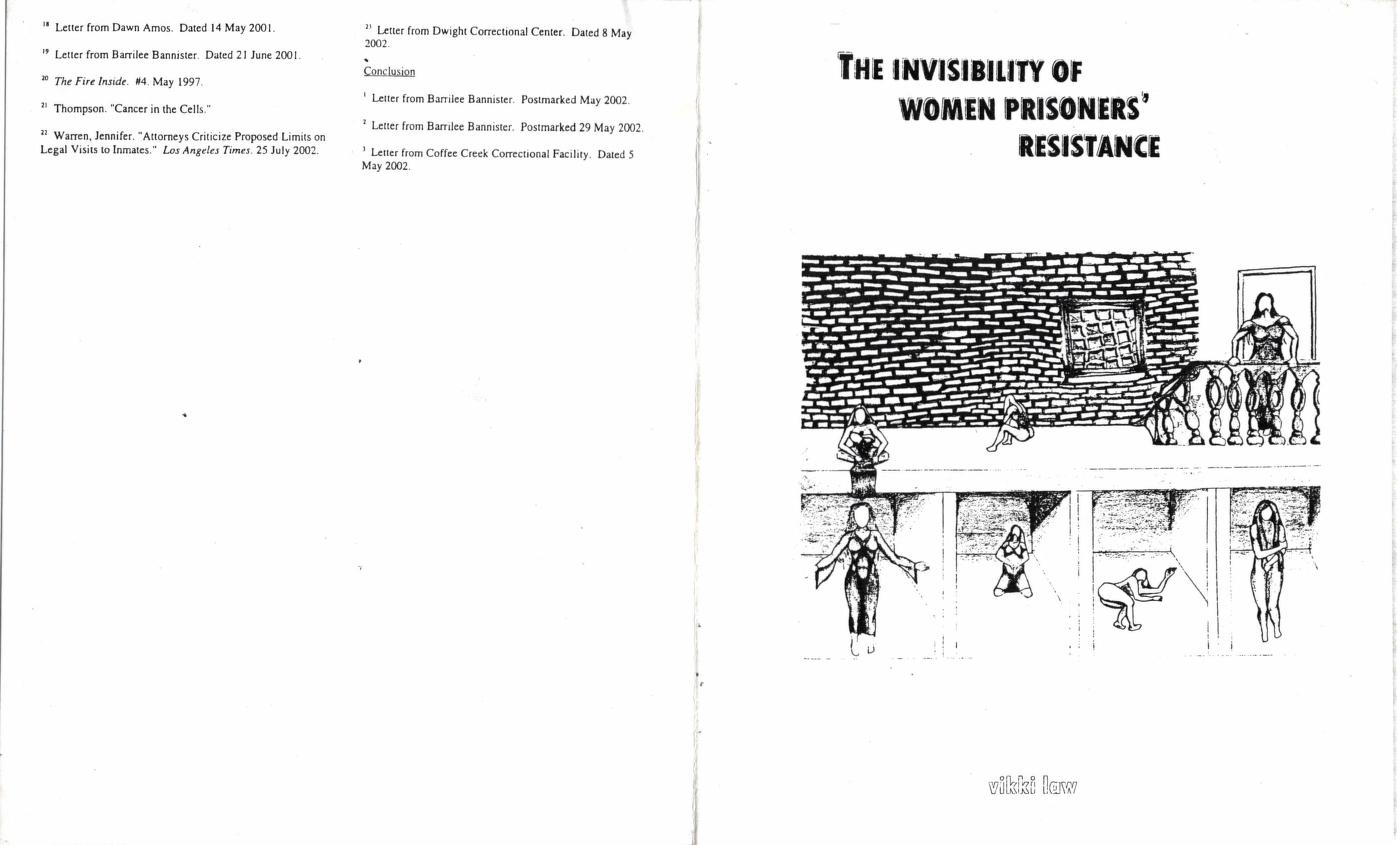
TheInvisibilityOfWomenPrisonersResistanceByVikkiLaw_0000

Sis­ter­hood is not just pow­er­ful, but pal­pa­ble in Fem­men­stru­a­tion Rites Rag, Herbal Abor­tion: The Fruit of the Tree of Knowl­edge, and The Invis­i­bil­i­ty of Women Pris­on­ers’ Resis­tance.

UrbanPermaculture-aReaderCompiledForTheDiySkillshare_0000

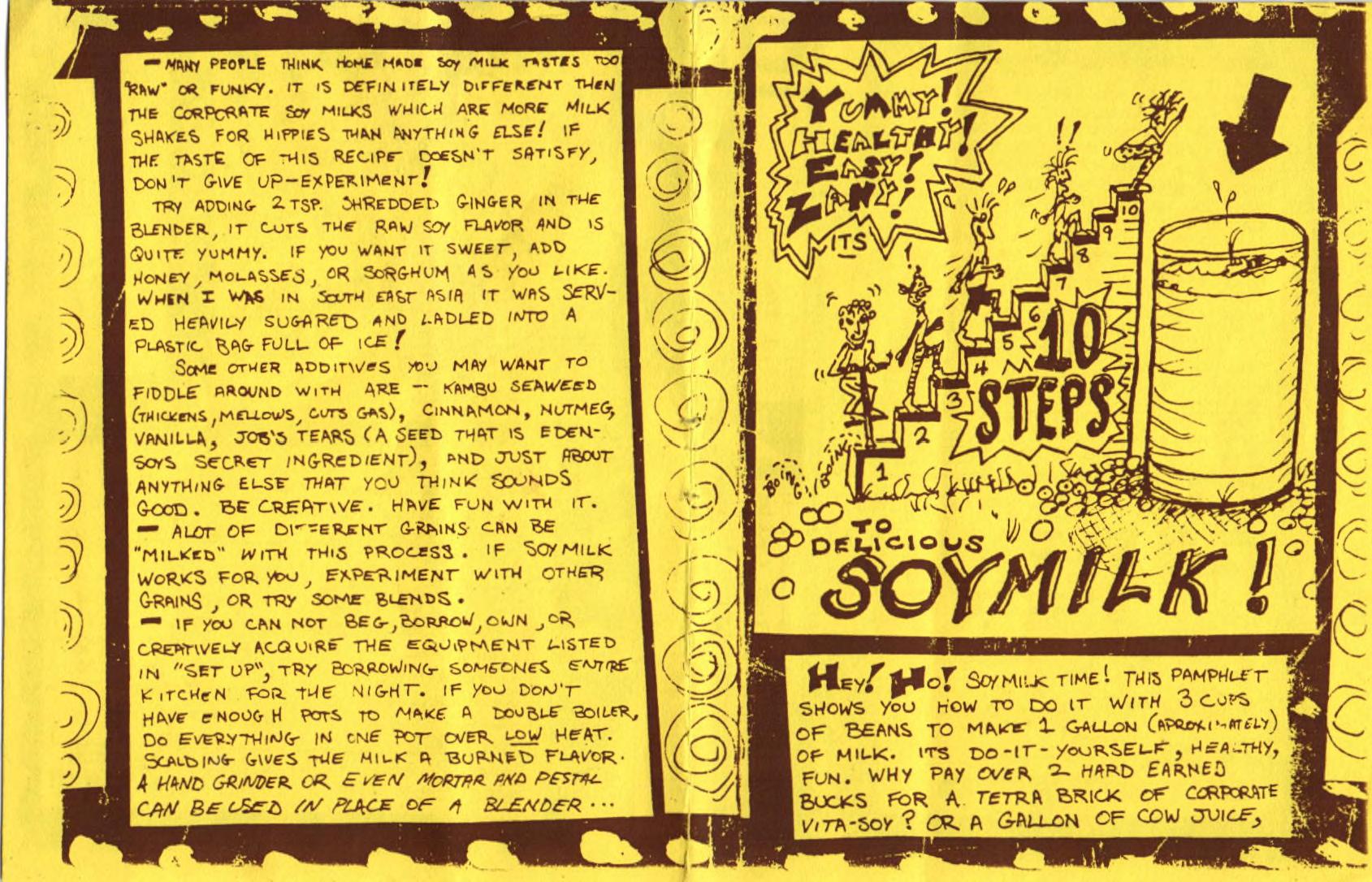
10StepsToDeliciousSoymilk_0000

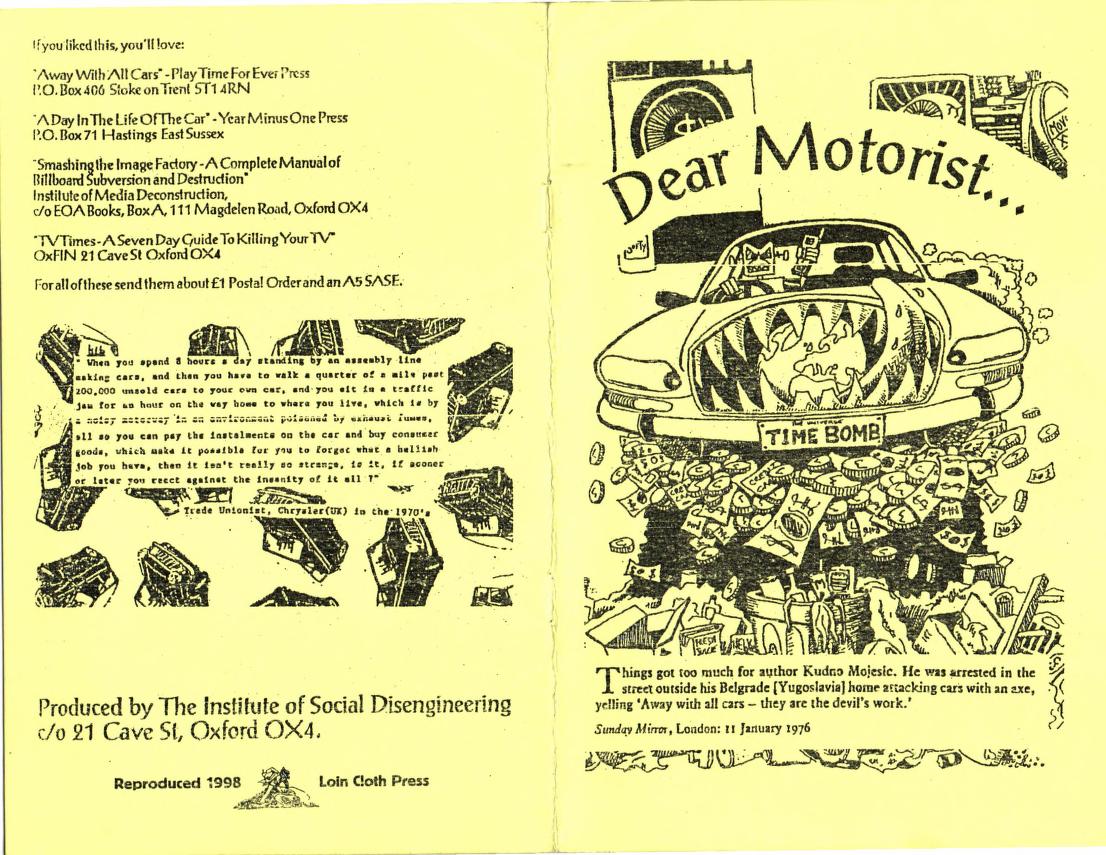
DearMotorist..._0000

Sus­tain­abil­i­ty starts at home with Urban Per­ma­cul­ture, Ten Steps to Deli­cious Soymilk! and Dear Motorist….

Oth­er top­ics include race, glob­al­iza­tion, veg­an­ism, ani­mal rights, and anar­chy.

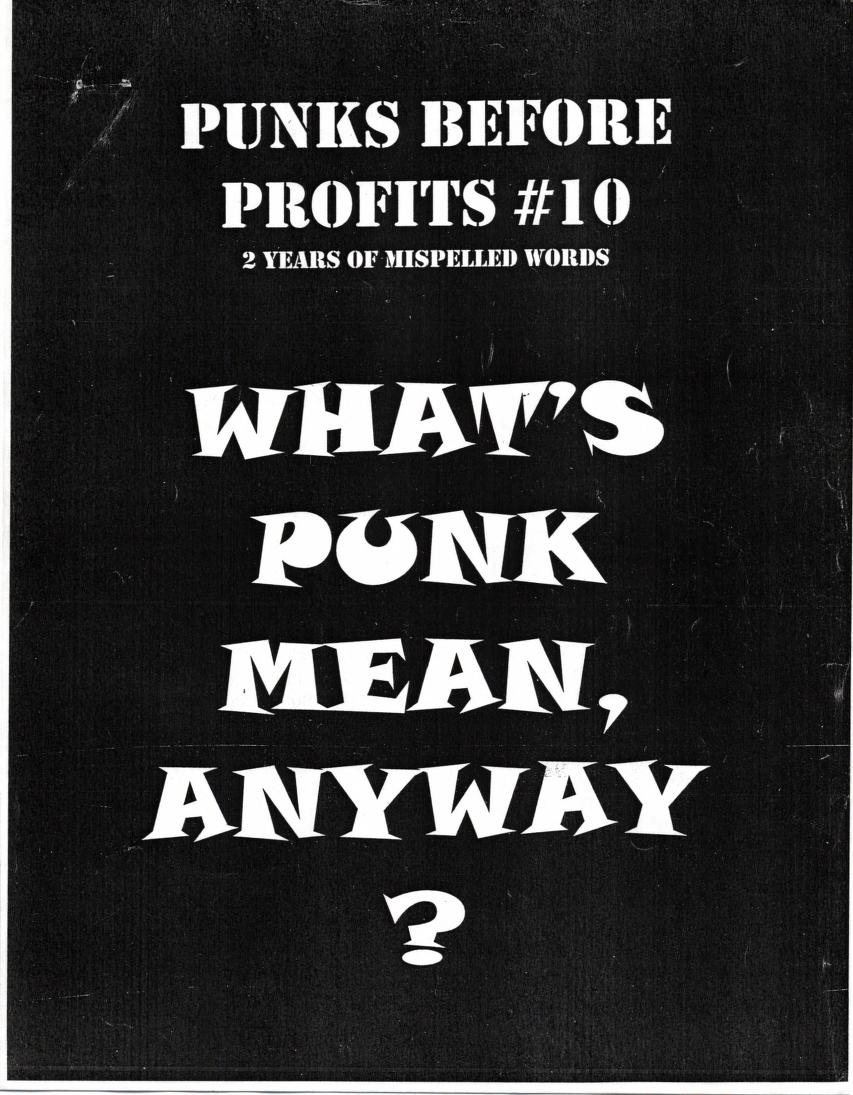
Unsur­pris­ing­ly, the largest num­ber of titles falls into the Music cat­e­go­ry. Before the Inter­net, punk shows were the most reli­able chan­nel of zine­ly dis­tri­b­u­tion, and few of these fanzines are devoid of polit­i­cal con­tent.

PunksBeforeProfits10_0000

Below, Kansas Uni­ver­si­ty Eng­lish pro­fes­sor Frank Farmer (who arranged for the dona­tion) and archivist Becky Schulte dis­cuss the impor­tance of “counter-pub­lic doc­u­ments” and zine cul­ture.

You can explore 830 dig­i­tized exam­ples from the Sol­i­dar­i­ty archives online here.

via Hyper­al­ler­gic

Relat­ed Con­tent:

The Whole Earth Cat­a­log Online: Stew­art Brand’s “Bible” of the 60s Gen­er­a­tion

The Online Knit­ting Ref­er­ence Library: Down­load 300 Knit­ting Books Pub­lished From 1849 to 2012

Exten­sive Archive of Avant-Garde & Mod­ernist Mag­a­zines (1890–1939) Now Avail­able Online

Ayun Hal­l­i­day is an author, illus­tra­tor, and Chief Pri­ma­tol­o­gist of the East Vil­lage Inky zine. A large por­tion of her zine col­lec­tion and papers are being processed by the Sal­lie Bing­ham Cen­ter at Duke Uni­ver­si­ty and will be avail­able for research lat­er this year. Fol­low her @AyunHalliday

Spike Lee Directs, “Wake Up,” a Five-Minute Campaign Film for Bernie Sanders

Ear­li­er this month Spike Lee and Bernie Sanders, two Brook­lyn natives, sat down and talked about pol­i­tics and the state of our nation. Now, with the New York pri­ma­ry right around the cor­ner, Spike drew on his film­mak­ing tal­ents and direct­ed a five-minute polit­i­cal cam­paign film for Bernie. It’s called sim­ply “Wake Up,” and it fea­tures cameos by Dr. Cor­nel West, Susan Saran­don, and Har­ry Bela­fonte.

I can’t recall anoth­er instance where a major film­mak­er shot an ad for a pres­i­den­tial can­di­date. If we’re over­look­ing some­thing obvi­ous (or less obvi­ous), let us know in the com­ments and we’ll maybe fea­ture it dur­ing this cam­paign sea­son.

If you would like to sign up for Open Culture’s free email newslet­ter, please find it here. It’s a great way to see our new posts, all bun­dled in one email, each day.

If you would like to sup­port the mis­sion of Open Cul­ture, con­sid­er mak­ing a dona­tion to our site. It’s hard to rely 100% on ads, and your con­tri­bu­tions will help us con­tin­ue pro­vid­ing the best free cul­tur­al and edu­ca­tion­al mate­ri­als to learn­ers every­where. You can con­tribute through Pay­Pal, Patre­on, and Ven­mo (@openculture). Thanks!

Relat­ed Con­tent:

Spike Lee Inter­views Bernie Sanders: Two Guys from Brook­lyn Talk About Edu­ca­tion, Inequal­i­ty & More

Bernie Sanders: I Will Be an Arts Pres­i­dent

Spike Lee’s List of 95 Essen­tial Movies – Now with Women Film­mak­ers

Bernie Sanders Sings “This Land is Your Land” on the Endear­ing­ly Bad Spo­ken Word Album, We Shall Over­come

Allen Ginsberg’s Hand­writ­ten Poem For Bernie Sanders, “Burling­ton Snow” (1986)

by | Permalink | Make a Comment ( 1 ) |

John Cage Performs His Avant-Garde Piano Piece 4′33″ … in 1′22″ (Harvard Square, 1973)

We’ve seen var­i­ous per­for­mances of John Cage’s famous silent piece 4′33″. But nev­er dur­ing our decade dig­ging up cul­tur­al curiosi­ties have we encoun­tered 4′33″ per­formed by Cage him­self. That is, until now. Above you can watch a video out­take from Nam June Paik’s Trib­ute to John Cage, filmed in 1973, in Har­vard Square. Boston’s WBGH describes the scene:

In the video he is seat­ed at a piano, with spec­ta­tors sur­round­ing him. He toys with his viewer’s expec­ta­tions by not play­ing the piano, which is what the gen­er­al pop­u­lace would expect from a per­for­mance involv­ing a piano. On the piano shelf there are a pock­et watch and a slip of paper. He keeps touch­ing and look­ing at the pock­et watch which draws the audience’s atten­tion to the idea of time, and that they are wait­ing for some­thing to hap­pen, and he also rais­es and low­ers the piano fall­board. There is also text that appears in this par­tic­u­lar video that says “This is Zen for TV. Open your win­dow and count the stars. If rainy count the rain­drops on the pud­dle. Do you hear a crick­et? …or a mouse.”

Anoth­er uncon­ven­tion­al item to add to the list: Cage per­forms 4′33″ in 1′22″!

For a clos­er look at 4′33″ read Josh Jones’ ear­li­er post on the Curi­ous Score for John Cage’s “Silent” Zen Com­po­si­tion 4’33.” For more music by Cage, stream this free 65-hour playlist.

If you would like to sign up for Open Culture’s free email newslet­ter, please find it here. It’s a great way to see our new posts, all bun­dled in one email, each day.

If you would like to sup­port the mis­sion of Open Cul­ture, con­sid­er mak­ing a dona­tion to our site. It’s hard to rely 100% on ads, and your con­tri­bu­tions will help us con­tin­ue pro­vid­ing the best free cul­tur­al and edu­ca­tion­al mate­ri­als to learn­ers every­where. You can con­tribute through Pay­Pal, Patre­on, and Ven­mo (@openculture). Thanks!

Relat­ed Con­tent:

See the Curi­ous Score for John Cage’s “Silent” Zen Com­po­si­tion 4’33”

The Music of Avant-Garde Com­pos­er John Cage Now Avail­able in a Free Online Archive

Stream a Free 65-Hour Playlist of John Cage Music and Dis­cov­er the Full Scope of His Avant-Garde Com­po­si­tions

How to Get Start­ed: John Cage’s Approach to Start­ing the Dif­fi­cult Cre­ative Process

by | Permalink | Make a Comment ( 3 ) |

The Birth of London’s 1950s Bohemian Coffee Bars Documented in a Vintage 1959 Newsreel

I live in Seoul, by some mea­sures the most cof­fee shop-sat­u­rat­ed city in the world. But mod­ern cof­fee life here (which I recent­ly wrote about for the Los Ange­les Review of Books) only real­ly devel­oped after Star­bucks came to town around the turn of the 21st cen­tu­ry. We’ve now got more Star­bucks loca­tions per capi­ta than any­where else, and even so, the home­grown Kore­an chains well out­num­ber those under the green mer­maid. To under­stand how the cof­fee-house cul­ture we know across the world today took its shape, we have to look back to Lon­don in the late 1950s, specif­i­cal­ly as cap­tured in the Look at Life news­reel on the city’s bohemi­an cof­fee house boom just above.

“Cof­fee is big busi­ness,” says its nar­ra­tor, over a mon­tage of neon signs adver­tis­ing places like The Cof­fee House, Las Vegas Cof­fee Bar, Heav­en & HELL Cof­fee Lounge, and La Roca. “The cof­fee bar boom in Britain began in 1952, when the first espres­so machine arrived from Italy and was set up here, in Lon­don’s Soho.” The city’s many entre­pre­neurs vig­or­ous­ly seized the oppor­tu­ni­ty — maybe too vig­or­ous­ly, since “for every three cof­fee bars that opened up, two closed down.” They had­n’t planned on a few dif­fer­ent fac­tors, includ­ing over­head high enough that “if a char­ac­ter sits for half an hour over one cup of cof­fee, his share of the rent, heat, light, and ser­vice mount to the point where the man­age­ment is pay­ing him.”

They should’ve count­ed them­selves lucky that the likes of me and my gen­er­a­tion weren’t alive back then to, on a sim­i­lar­ly sin­gle cof­fee, spend half the day typ­ing on our lap­tops. But Lon­don’s mid­cen­tu­ry cof­fee hous­es soon learned to diver­si­fy, offer­ing Look at Life plenty–in its vivid col­ors and with its broad sense of humor–of life to look at: we see cof­fee bars hop­ping with live music and those who dance to it; juke­box cof­fee bars geared toward pom­padoured hip­sters; the film indus­try-beloved cof­fee bar in which T.S. Eliot once wrote the immor­tal line, “I have mea­sured out my life with cof­fee spoons”; an “invis­i­ble cof­fee house” behind whose false news­stand front “curi­ous char­ac­ters con­gre­gate”; the Moka, which William S. Bur­roughs once shut down with his cut-up tech­niques; and even the famous Le Macabre, dec­o­rat­ed with count­less skele­tal memen­tos mori.

The news­reel also finds its way to a cof­fee shop estab­lished by a news­pa­per where “uni­ver­si­ty stu­dents and oth­er assort­ed eggheads meet to put the world right — or more often left,” which reminds me of Guardian Cof­fee, a pop-up cof­fee house in a ship­ping-con­tain­er com­plex in Lon­don’s Shored­itch (in some sense, the Soho of the 21st cen­tu­ry) co-run by the epony­mous news­pa­per, which I vis­it­ed on my last trip to Eng­land. The Guardian Cof­fee exper­i­ment has since end­ed, but the Guardian has retained its inter­est in the bev­er­age itself, as evi­denced by recent arti­cles like Rosie Spinks’ “The Caf­feine Curse: Why Cof­fee Shops Have Always Sig­naled Urban Change.”

“As the cof­fee shop has become a byword for what every­one hates about urban change and gen­tri­fi­ca­tion – first come the cre­atives and their cof­fee shops, then the young pro­fes­sion­als, then the lux­u­ry high-ris­es and cor­po­rate chains that push out orig­i­nal res­i­dents – it’s worth ask­ing if that charge is fair,” Spinks writes. “As the func­tion of the cof­fee house in Lon­don has evolved over time, was its ear­ly iter­a­tion so rad­i­cal­ly dif­fer­ent than the ones many of us type and sip away in today?” And what­ev­er form they take, cof­fee hous­es remain, as Look at Life calls them, “bright — or dim — fan­ci­ful, imag­i­na­tive new addi­tions to the British scene.” Or the Amer­i­can scene, or the Kore­an scene, or indeed the glob­al scene.

Relat­ed Con­tent:

The Curi­ous Sto­ry of London’s First Cof­fee­hous­es (1650–1675)

“The Vertue of the COFFEE Drink”: London’s First Cafe Cre­ates Ad for Cof­fee in the 1650s

J.S. Bach’s Com­ic Opera, “The Cof­fee Can­ta­ta,” Sings the Prais­es of the Great Stim­u­lat­ing Drink (1735)

The His­to­ry of Cof­fee and How It Trans­formed Our World

Black Cof­fee: Doc­u­men­tary Cov­ers the His­to­ry, Pol­i­tics & Eco­nom­ics of the “Most Wide­ly Tak­en Legal Drug”

How William S. Bur­roughs Used the Cut-Up Tech­nique to Shut Down London’s First Espres­so Bar (1972)

Hip­sters Order­ing Cof­fee

Based in Seoul, Col­in Mar­shall writes and broad­casts on cities, lan­guage, and style. He’s at work on a book about Los Ange­les, A Los Ange­les Primer, the video series The City in Cin­e­ma, the crowd­fund­ed jour­nal­ism project Where Is the City of the Future?, and the Los Ange­les Review of Books’ Korea Blog. Fol­low him on Twit­ter at @colinmarshall or on Face­book.

Hear What It Sounds Like When Philosopher Daniel Dennett’s Brain Activity Gets Turned into Music

The refine­ments of med­ical imag­ing tech­nolo­gies like fMRI have giv­en neu­ro­sci­en­tists, psy­chol­o­gists, and philoso­phers bet­ter tools with which to study how the brain responds to all sorts of stim­uli. We’ve seen stud­ies of the brain on Jane Austen, the brain on LSD, the brain on jazz improv…. Music, it seems, offers an espe­cial­ly rich field for brain research, what with its con­nec­tion to lan­guage, bod­i­ly coor­di­na­tion, math­e­mat­ics, and vir­tu­al­ly every oth­er area of human intel­li­gence. Sci­en­tists at MIT have even dis­cov­ered which spe­cif­ic regions of the brain respond to music.

And yet, though we might think of music as a dis­crete phe­nom­e­non that stim­u­lates iso­lat­ed parts of the brain, Brownell pro­fes­sor of phi­los­o­phy Dan Lloyd has a much more rad­i­cal hypoth­e­sis, “that brain dynam­ics resem­ble the dynam­ics of music.”

He restates the idea in more poet­ic terms in an arti­cle for Trin­i­ty Col­lege: “All brains are musical—you and I are sym­phonies.” Plen­ty of peo­ple who can bare­ly whis­tle on key or clap to a beat might dis­agree. But Lloyd doesn’t mean to sug­gest that we all have musi­cal tal­ent, but that—as he says in his talk below—“everything that goes on in the brain can be inter­pret­ed as hav­ing musi­cal form.”

To demon­strate his the­o­ry, Lloyd chose not a musi­cian or com­pos­er as a test sub­ject, but anoth­er philosopher—and one whose brain he par­tic­u­lar­ly admires—Daniel Den­nett. And instead of giv­ing us yet more col­or­ful but baf­fling brain images to look at, he chose to con­vert fMRI scans of Dennett’s brain—“12 giga­bytes of 3‑d snap­shots of his cranium”—into music, turn­ing data into sound through a process called “soni­fi­ca­tion.” You can hear the result at the top of the post—the music of Dennett’s brain, which is appar­ent­ly, writes Dai­ly Nous, “a huge Eno fan.”

In his paper “Mind as Music,” Lloyd argues that the so-called “lan­guage of thought” is, in fact, music. As he puts it, “the lin­gua fran­ca of cog­ni­tion is not a lin­gua at all,” an idea that has “after­shocks for seman­tics, method, and more.” Sev­er­al ques­tions arise: I, for one, am won­der­ing if all our brains sound like Dennett’s abstract ambi­ent score, or if some play waltzes, some operas, some psy­che­del­ic blues.…

You can learn much more about Lloyd’s fas­ci­nat­ing research in his talk, which sim­pli­fies the tech­ni­cal lan­guage of his paper. Lloyd’s work goes much fur­ther, as he says, than study­ing “the brain on music”; instead he makes a sweep­ing­ly bold case for “the brain as music.”

via Dai­ly Nous

Relat­ed Con­tent:

This is Your Brain on Jazz Impro­vi­sa­tion: The Neu­ro­science of Cre­ativ­i­ty

The Neu­ro­science of Drum­ming: Researchers Dis­cov­er the Secrets of Drum­ming & The Human Brain

New Research Shows How Music Lessons Dur­ing Child­hood Ben­e­fit the Brain for a Life­time

Josh Jones is a writer and musi­cian based in Durham, NC. Fol­low him at @jdmagness

Act of Love: A Strange, Wonderful Visual Dictionary of Animal Courtship

As var­i­ous nature doc­u­men­taries over the years have made explic­it, the ani­mal king­dom pos­sess­es courtship rit­u­als of such yearn­ing and grace, they can make the erot­ic fum­blings of our species seem a very clum­sy dance indeed.

The above spot for Japan’s first con­dom man­u­fac­tur­er, Saga­mi Indus­tries, offers a vision of how humans might bring a lit­tle ani­mal feel­ing to their ten­der moments.

(It’s worth not­ing that while this delight is spon­sored by a con­dom com­pa­ny, humans are the only ani­mal to take pro­phy­lac­tic mea­sures to ward off sex­u­al­ly trans­mit­ted dis­eases and unwant­ed preg­nan­cies.)

Like actress Isabel­la Rosselli­ni, cre­ator of the mar­velous Green Porno series, direc­tor Greg Brunk­alla has an eye for both the fas­ci­nat­ing and the absurd.

But with­out Rossellini’s plain­spo­ken nar­ra­tion, this Act of Love remains mys­te­ri­ous, until the end, when the iden­ti­ty of the crea­tures the human dancers are embody­ing is revealed. Those of us who aren’t zool­o­gists will like­ly find that their cloth­ing pro­vides the clear­est clues up until that point.

Bisex­u­al behav­ior is ram­pant in the ani­mal world, but out­side of a not par­tic­u­lar­ly kinky-seem­ing pink-clad group, the five cou­ples in the ad are all het­ero­sex­u­al.

Sagami’s Eng­lish web­site takes a broad­er view, with in-depth reports on the sex­u­al prac­tices of 73 dif­fer­ent beasts, birds and insects. Tax­on­o­my, habi­tat, and size range are not­ed — a sci­en­tif­ic approach to what could very well serve as non-human online dat­ing pro­files.

Australia’s Superb Fairy Wrens are into open rela­tion­ships.

Lioness­es’ unabashed pref­er­ence for vir­ile young males gets them dubbed “true cougars.”

And E.B. White fans may find them­selves shocked by the vig­or of cou­pling orb weavers, seem­ing­ly the one fact of spi­der life Char­lotte refrained from explain­ing to her piglet friend, Wilbur :

After mat­ing, the male sud­den­ly sev­ers the mat­ing thread so that both he and the female end up dan­gling at sep­a­rate ends. This may look like a very abrupt part­ing of ways, but not so fast! The male imme­di­ate­ly re-strings his mat­ing thread and resumes his strum­ming. And despite hav­ing been cast off so sud­den­ly, the female again falls under the spell of his courtship vibra­tions, trans­fer­ring to the new mat­ing thread to mate a sec­ond time. As soon as they do so, the male sev­ers the thread once more so that the two spi­ders can go through the whole rou­tine again…and again and again and again. 

Explore Sagami’s entire col­lec­tion of not-so-pri­vate ani­mal lives here.

Relat­ed Con­tent:

Watch Isabel­la Rosselli­ni Embody the Ani­mal Kingdom’s Most Shock­ing Mater­nal Instincts in Mam­mas

Watch Fam­i­ly Plan­ning, Walt Disney’s 1967 Sex Ed Pro­duc­tion, Star­ring Don­ald Duck

The Turin Erot­ic Papyrus: The Old­est Known Depic­tion of Human Sex­u­al­i­ty (Cir­ca 1150 B.C.E.)

Ayun Hal­l­i­day is an author, illus­tra­tor, and Chief Pri­ma­tol­o­gist of the East Vil­lage Inky zine. Fol­low her @AyunHalliday

« Go BackMore in this category... »
Quantcast