Hear a 1930 Recording of Boléro, Conducted by Ravel Himself

ravel bolero

On May 1st, 2016, Mau­rice Ravel’s mas­ter­ful orches­tral com­po­si­tion Boléro entered the pub­lic domain, which means we may be hear­ing a lot more of the piece, first writ­ten and per­formed in 1928 as a bal­let com­mis­sioned by Russ­ian dancer Ida Ruben­stein. Then again, it’s not like Boléro hasn’t ful­ly per­me­at­ed the public’s domain for decades, regard­less of its copy­right sta­tus.

Audi­ences swooned as British ice dancers Torvill and Dean won the gold at the 1984 Win­ter Olympics in Sara­je­vo with a per­fect score-per­for­mance to Boléro; both Jeff Beck and Frank Zap­pa have cov­ered it; Boléro famous­ly scored a sex scene in 1979’s sleazy com­e­dy 10; it popped up in 2014’s Spi­der-Man 2; and it even pro­vid­ed the title of a film, 1934’s Bolero, which cul­mi­nat­ed in the leads danc­ing to Ravel’s com­po­si­tion….

If you hap­pened to have missed all of these cul­tur­al moments, you’ve still heard Boléro, with its unmis­tak­able flute and pic­co­lo melody and per­sis­tent­ly rap­ping snare drum. (Maybe you, and your tot, saw sev­en chick­ens dance to Boléro on Sesame Street.)

Boléro is not only Ravel’s most famous com­po­si­tion, but per­haps one of the most well-known pieces of clas­si­cal music ever writ­ten. “Famous to his­to­ri­ans and record-books for osten­si­bly con­tain­ing the longest-sus­tained sin­gle crescen­do any­where in orches­tral reper­to­ry,” writes All­mu­sic, and “famous to musi­cians and music lovers for being both the most repet­i­tive 15 min­utes of music they are like­ly to play/hear and also one of the most absolute­ly well-com­posed.” So repet­i­tive is Boléro that it has been cit­ed as evi­dence that Mau­rice Rav­el suf­fered from Alzheimer’s when he wrote it.

I find this expla­na­tion of Boléro uncon­vinc­ing, pri­mar­i­ly because of its afore­men­tioned “well-com­posed” qual­i­ty. This is no musi­cal per­se­ver­a­tion, the symp­tom of a decay­ing mind, but an inten­tion­al exercise—as is so much mod­ern music since Ravel—in find­ing beau­ty and vari­a­tion in same­ness. We hear it in the min­i­mal­ism of com­posers like Steve Reich, or the dron­ing beats of Kraftwerk and Can. In fact, clas­si­cal review mag­a­zine Gramo­phone invokes Krautrock-style rep­e­ti­tion in its descrip­tion of Boléro’s dri­ve “toward motorik self-obliv­ion.” The piece “is about devel­op­ing a sin­gle moment in time, obses­sive­ly rethought/re-shad­ed/re­drawn/re­vis­it­ed, revealed through shift­ing per­spec­tives on itself.”

Gramo­phone’s thor­ough doc­u­men­ta­tion of Boléro’s record­ing his­to­ry details the ways in which a suc­ces­sion of con­duc­tors and orches­tras have approached the piece’s com­plex inter­play of same­ness and dif­fer­ence, begin­ning with one of the very first record­ings, con­duct­ed by Rav­el him­self, in 1930. Lead­ing the Orchestre des Con­certs Lam­oureux in a ses­sion for Poly­dor, Rav­el was in poor health, and per­haps indeed suf­fer­ing from some form of demen­tia. (Two years lat­er, an auto acci­dent wors­ened his con­di­tion; Rav­el died in 1937 after an unsuc­cess­ful brain surgery.) His “con­duct­ing tech­nique” in the 1930 record­ing “falls far short” in com­par­i­son to oth­er record­ed ver­sions, writes Gramo­phone in their tepid review.

Nonethe­less, this ver­sion rep­re­sents a “his­tor­i­cal curio” and an oppor­tu­ni­ty to hear the com­pos­er pre­side over his own inter­pre­ta­tion of this enthralling piece of music. You can hear Ravel’s record­ing above or on the album Rav­el: Ses Amis et Ses Inter­pretes, avail­able on Spo­ti­fy (get Spo­ti­fy’s soft­ware here).

Relat­ed Con­tent:

Hear Rav­el Play Rav­el in 1922

Hear Debussy Play Debussy: A Vin­tage Record­ing from 1913

Watch 82-Year-Old Igor Stravin­sky Con­duct The Fire­bird, the Bal­let Mas­ter­piece That First Made Him Famous (1965)

Josh Jones is a writer and musi­cian based in Durham, NC. Fol­low him at @jdmagness

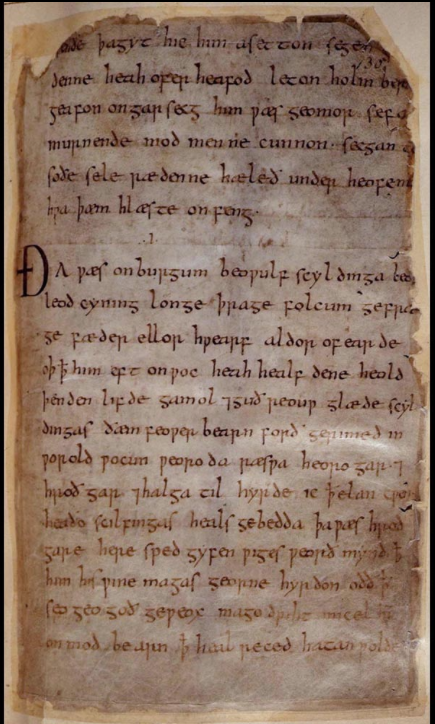
1,000-Year-Old Manuscript of Beowulf Digitized and Now Online

Beowulf

One out­come of the upcom­ing “Brex­it” vote, we’re told, might free the UK to pur­sue its own unfet­tered des­tiny, or might plunge it into iso­la­tion­ist decline. The eco­nom­ic issues are beyond my ken, but as a read­er and stu­dent of Eng­lish lit­er­a­ture, I’ve always been struck by the fact that the old­est poem in Eng­lish, Beowulf, shows us an already inter­na­tion­al­ized Britain absorb­ing all sorts of Euro­pean influ­ences. From the Ger­man­ic roots of the poem’s Anglo-Sax­on lan­guage to the Scan­di­na­vian roots of its nar­ra­tive, the ancient epic reflects a Britain tied to the con­ti­nent. With pagan, native tra­di­tions min­gled with lat­er Chris­t­ian echoes, and local leg­ends with those of the Danes and Swedes, Beowulf pre­serves many of the island nation’s poly­glot, mul­ti-nation­al ori­gins.

Irish poet Sea­mus Heaney—whose work engaged with the ironies and com­pli­ca­tions of trib­al­ism and nationalism—had a deep respect for Beowulf; in the intro­duc­tion to his trans­la­tion of the poem, Heaney describes it as a tale “as elab­o­rate as the beau­ti­ful con­trivances of its lan­guage. Its nar­ra­tive ele­ments may belong to a pre­vi­ous age but as a work of art it lives in its own con­tin­u­ous present, equal to our knowl­edge of real­i­ty in the present time.” Though we’ve come to think of it as an essen­tial work of Eng­lish lit­er­a­ture, Beowulf might have dis­ap­peared into the mists of his­to­ry had not the only man­u­script of the poem sur­vived “more or less by chance.” The “unique copy,” writes Heaney, “(now in the British Library) bare­ly sur­vived a fire in the eigh­teenth cen­tu­ry and was then tran­scribed and titled, retran­scribed and edit­ed, trans­lat­ed and adapt­ed, inter­pret­ed and taught, until it has become an acknowl­edged clas­sic.”

Now, the British Library’s dig­i­ti­za­tion of that sole man­u­script allows us to peel back the lay­ers of can­on­iza­tion and see how the poem first entered a lit­er­ary tra­di­tion. Orig­i­nal­ly “passed down oral­ly over many gen­er­a­tions, and mod­i­fied by each suc­ces­sive bard,” writes the British Library, Beowulf took this fixed form when “the exist­ing copy was made at an unknown loca­tion in Anglo-Sax­on Eng­land.” Not only is the loca­tion unknown, but the date as well: “its age has to be cal­cu­lat­ed by ana­lyz­ing the scribes’ hand­writ­ing. Some schol­ars have sug­gest­ed that the man­u­script was made at the end of the 10th cen­tu­ry, oth­ers in the ear­ly decades of the 11th, per­haps as late as the reign of King Cnut, who ruled Eng­land from 1016 until 1035.”

These schol­ar­ly debates may not inter­est the aver­age read­er much. The poem sur­vived long enough to be writ­ten down, then became known as great lit­er­a­ture these many cen­turies lat­er, because the rich poet­ic lan­guage and the com­pelling sto­ry it tells cap­ti­vate us still. Nonethe­less, though we may all know the gen­er­al out­lines of its hero’s con­test with the mon­ster Gren­del and his moth­er, many of the cul­tur­al con­cepts from the world of Beowulf strike mod­ern read­ers as total­ly alien. Like­wise the poem’s lan­guage, Old Eng­lish, resem­bles no form of Eng­lish we’ve encoun­tered before. Schol­ars like J.R.R. Tolkien and poets like Heaney have done much to shape our appre­ci­a­tion for the ancient work, and we might say that with­out their inter­ven­tions, it would not live, as Heaney writes, “in its own con­tin­u­ous present” but in a dis­tant, unrec­og­niz­able past.

You can hear Heaney read his trans­la­tion of the poem on Youtube. Read Tolkien’s famous essay on the poem here, and hear it read in its orig­i­nal lan­guage at our pre­vi­ous post. Learn more about the sin­gle man­u­script that pre­served the epic poem for pos­ter­i­ty at the British Library’s web­site.

Find Beowulf list­ed in our col­lec­tion, 800 Free eBooks for iPad, Kin­dle & Oth­er Devices.

Relat­ed Con­tent:

Sea­mus Heaney Reads His Exquis­ite Trans­la­tion of Beowulf and His Mem­o­rable 1995 Nobel Lec­ture

Hear Beowulf Read In the Orig­i­nal Old Eng­lish: How Many Words Do You Rec­og­nize?

Dante’s Divine Com­e­dy Illus­trat­ed in a Remark­able Illu­mi­nat­ed Medieval Man­u­script (c. 1450)

Josh Jones is a writer and musi­cian based in Durham, NC. Fol­low him at @jdmagness

How to Achieve Professional Happiness Through “Creative Incompetence”: A Corollary to the Famous “Peter Principle”

In 1969, Lau­rence J. Peters, a pro­fes­sor at the Uni­ver­si­ty of South­ern Cal­i­for­nia, pub­lished the best­selling book, The Peter Prin­ci­ple: Why Things Always Go Wrong, where he advanced this the­o­ry: “In a hier­ar­chy every employ­ee tends to rise to his lev­el of incom­pe­tence … in time every post tends to be occu­pied by an employ­ee who is incom­pe­tent to car­ry out its duties.” Mean­while, the real work gets “accom­plished by those employ­ees who have not yet reached their lev­el of incom­pe­tence.”

Above, Adam West­brook offers a short intro­duc­tion to “The Peter Prin­ci­ple” and its corol­lary, the con­cept of “cre­ative incom­pe­tence.” If you take “The Peter Prin­ci­ple” seri­ous­ly, you’ll know that not all pro­mo­tions are good ones. As you move upward, you might find that you’re deal­ing with more headaches .… and less work that you tru­ly enjoy. To pre­empt the bad pro­mo­tion, Peters sug­gest­ed (some­what light-heart­ed­ly) engag­ing in some “cre­ative incompetence”–that is, cre­at­ing “the impres­sion that you have already reached your lev­el of incom­pe­tence. Cre­ative incom­pe­tence will achieve the best results if you choose an area of incom­pe­tence which does not direct­ly hin­der you in car­ry­ing out the main duties of your present posi­tion.” In short, find the job you real­ly like, do it well, but give your boss the occa­sion­al odd­ball rea­son not to mess with a good thing.

Got exam­ples of your own cre­ative incom­pe­tence to rec­om­mend? Feel free to add them in the com­ments below.

If you would like to sign up for Open Culture’s free email newslet­ter, please find it here. It’s a great way to see our new posts, all bun­dled in one email, each day.

If you would like to sup­port the mis­sion of Open Cul­ture, con­sid­er mak­ing a dona­tion to our site. It’s hard to rely 100% on ads, and your con­tri­bu­tions will help us con­tin­ue pro­vid­ing the best free cul­tur­al and edu­ca­tion­al mate­ri­als to learn­ers every­where. You can con­tribute through Pay­Pal, Patre­on, and Ven­mo (@openculture). Thanks!

Relat­ed Con­tent:

150 Free Online Busi­ness Cours­es

Hunter S. Thompson’s Ball­sy & Hilar­i­ous Job Appli­ca­tion Let­ter (1958)

Charles Bukows­ki Rails Against 9‑to‑5 Jobs in a Bru­tal­ly Hon­est Let­ter (1986)

by | Permalink | Make a Comment ( 2 ) |

Stream 23 Free Documentaries from PBS’ Award-Winning American Experience Series

How to under­stand a coun­try as enor­mous, as cul­tur­al­ly and eco­nom­i­cal­ly pro­duc­tive, and as con­tra­dic­to­ry and frus­trat­ing as the Unit­ed States of Amer­i­ca? As an Amer­i­can myself, I’m here to tell you that there’s no short­cut. I live abroad, and dis­tance has pro­vid­ed me a help­ful new per­spec­tive, but my curios­i­ty about how my home­land turned out like it did remains strong. That same curios­i­ty pos­sess­es many an Amer­i­can and non-Amer­i­can alike, and they all can sati­ate at least some of it by watch­ing episodes of the PBS doc­u­men­tary series Amer­i­can Expe­ri­ence avail­able free online. Note: We have a list of stream­able episodes down below.

Since pre­mier­ing at The Amer­i­can Expe­ri­ence on Octo­ber 4, 1988 with an episode on the great San Fran­cis­co earth­quake of 1906, the arti­cle may have fall­en away, but the in-depth explo­ration of U.S. his­to­ry has con­tin­ued apace. While hard­ly for­mu­la­ic, the episodes do tend start with a par­tic­u­lar event, place, or indi­vid­ual that time has ren­dered icon­ic. And so, at the top of the post, we have the Amer­i­can Expe­ri­ence por­trait of Thomas Edi­son, the “hold­er of more patents than any oth­er inven­tor in his­to­ry” who grew rich and famous “as the genius behind such rev­o­lu­tion­ary inven­tions as sound record­ing, motion pic­tures, and elec­tric light.”

Edi­son has indeed come to rep­re­sent the Amer­i­can arche­type of the self-made mil­lion­aire whose sheer inge­nu­ity would improve lives across the coun­try, and ulti­mate­ly the world. But the coin has, as always, anoth­er side: how much of Edis­on’s suc­cess owes to his own hard work, and how much owes to his com­bi­na­tion and mar­ket­ing of the work of oth­ers? (Sim­i­lar ques­tions have con­tin­ued to swirl around more recent larg­er-than-life fig­ures in Amer­i­can busi­ness, not least Steve Jobs.) Anoth­er fas­ci­nat­ing­ly com­pli­cat­ed lega­cy, as well as quite pos­si­bly Amer­i­ca’s most scru­ti­nized life and death, comes in for the Amer­i­can Expe­ri­ence treat­ment in the series’ four-hour episode on John F. Kennedy.

In addi­tion to these sto­ries of Amer­i­can per­son­al­i­ties, the online archive also has sto­ries of Amer­i­can places like Mount Rush­more, Amer­i­can achieve­ments like space trav­el, Amer­i­can eras like the year 1964, and even pieces of Amer­i­can infra­struc­ture like Penn Sta­tion. And of course, giv­en the insa­tiable Amer­i­can appetite for pres­i­den­tial biogra­phies, such com­man­ders-in-chief as Jim­my Carter, Ronald Rea­gan, and Bill Clin­ton also have their own episodes. But view­ers out­side Amer­i­ca should note that, because of geo­graph­i­cal rights restric­tions, not all these videos may stream for them. Since I live out­side Amer­i­ca myself, I’ve got the same prob­lem, but then again, I’ll also have some binge-watch­ing (and cul­tur­al rein­tro­duc­tion) mate­r­i­al on my next trip back.

The titles list­ed above will be added to our col­lec­tion of Free Online Doc­u­men­taries, a sub­set of our col­lec­tion, 4,000+ Free Movies Online: Great Clas­sics, Indies, Noir, West­erns, Doc­u­men­taries & More.

Relat­ed Con­tent:

Watch PBS’ Amer­i­can Mas­ters Doc­u­men­taries (Includ­ing Scorsese’s Homage to Kazan) Free Online

Ten Build­ings that Changed Amer­i­ca: Watch the Debut Episode from the New PBS Series

265 Free Doc­u­men­taries Online

Based in Seoul, Col­in Mar­shall writes and broad­casts on cities, lan­guage, and style. He’s at work on a book about Los Ange­les, A Los Ange­les Primer, the video series The City in Cin­e­ma, the crowd­fund­ed jour­nal­ism project Where Is the City of the Future?, and the Los Ange­les Review of Books’ Korea Blog. Fol­low him on Twit­ter at @colinmarshall or on Face­book.

1,300 Photos of Famous Modern American Homes Now Online, Courtesy of USC

modernist home
“For aver­age prospec­tive house own­ers the choice between the hys­ter­ics who hope to solve hous­ing prob­lems by mag­ic alone and those who attempt to ride into the future pig­gy back on the sta­tus quo, the sit­u­a­tion is con­fus­ing and dis­cour­ag­ing.” Those words, as much as they could describe the sit­u­a­tion today, actu­al­ly came print­ed in Arts & Archi­tec­ture mag­a­zine’s issue of June 1945.

“There­fore it occurs to us that the only way in which any of us can find out any­thing will be to pose spe­cif­ic prob­lems in a spe­cif­ic pro­gram on a put-up-or-shut-up basis.” What the mag­a­zine, at the behest of its pub­lish­er John Enten­za, put up was the Case Study Hous­es, which defined the ide­al of the mid­cen­tu­ry mod­ern Amer­i­can home.

USC Arch 2

More specif­i­cal­ly, they defined the ide­al of the mid­cen­tu­ry mod­ern south­ern Cal­i­forn­ian home. Los Ange­les pro­vid­ed a promis­ing envi­ron­ment for many of the for­mi­da­ble Euro­pean minds who came to Amer­i­ca around the Sec­ond World War, includ­ing writ­ers like Aldous Hux­ley, com­posers like Arnold Schoen­berg, and philoso­phers like Theodor Adorno. Archi­tects, such as the ear­li­er arrival Richard Neu­tra, espe­cial­ly thrived in the young city’s vast space and under its bright sun, giv­ing shape to a new kind of twen­ti­eth-cen­tu­ry house, one influ­enced by the rig­or­ous­ly clean aes­thet­ics of the Ger­man Bauhaus move­ment but adapt­ed to a much friend­lier cli­mate, both in terms of the weath­er and the free­dom from strict tra­di­tion.

USC Arch 3

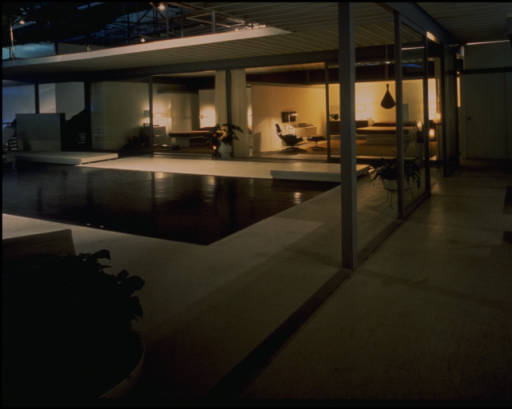
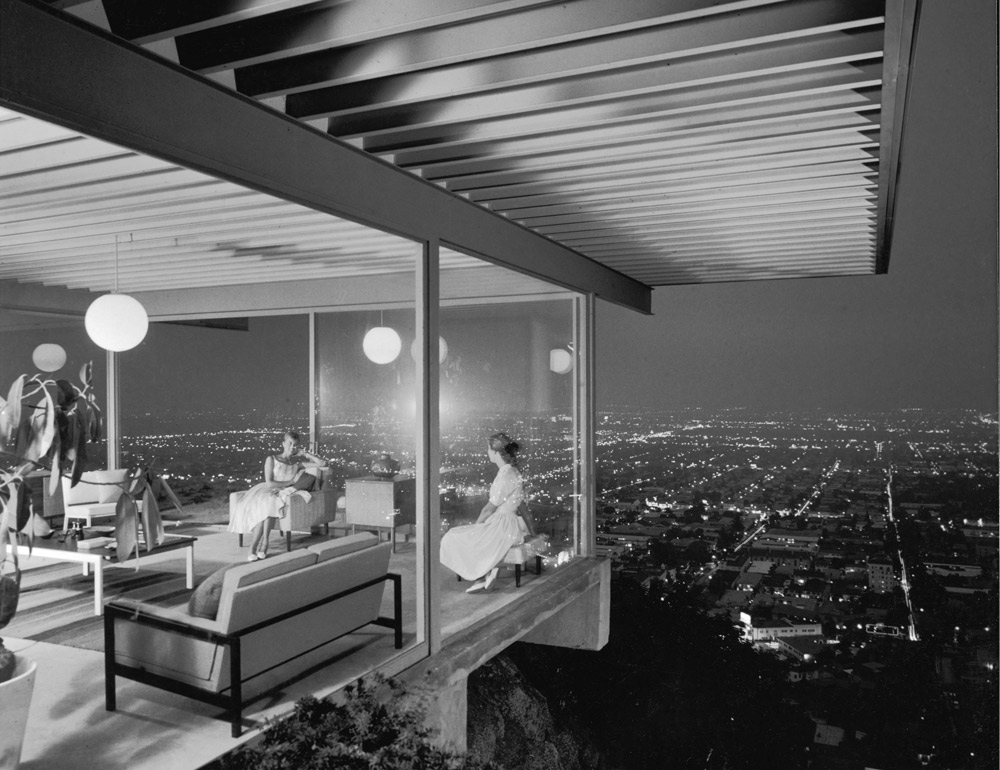
Even if you don’t know archi­tec­ture, you know the Case Study hous­es from their count­less appear­ances in movies, tele­vi­sion, and print over the past sev­en­ty years. Soon­er or lat­er, every­one sees an image of Neu­tra’s Stu­art Bai­ley House, Charles and Ray Eames’ Eames House, or Pierre Koenig’s Stahl House. The decades have turned these and oth­er hous­es from the peak of mid­cen­tu­ry mod­ernism into price­less archi­tec­tur­al trea­sures — or at least extreme­ly high-priced archi­tec­tur­al trea­sures. Some open them­selves to tours now and again, but very few of us will ever have a chance to expe­ri­ence these hous­es as not qua­si-muse­ums but actu­al liv­able spaces.

USC Arch 4

Now we have the next best thing in the form of the Uni­ver­si­ty of South­ern Cal­i­for­ni­a’s Archi­tec­tur­al Teach­ing Slide Col­lec­tion, which col­lects about 1300 rarely seen pho­tographs of mid­cen­tu­ry mod­ern hous­es shot all over the west­ern Unit­ed States from the 1940s to the 1960s by Koenig him­self, along with his col­league Fritz Block, who also hap­pened to own a col­or slide com­pa­ny. “Instead of the pol­ished tableaus you might find in the pages of Archi­tec­tur­al Digest,” writes Hyper­al­ler­gic’s Carey Dunne, “these spon­ta­neous snap­shots cap­ture quirky and more inti­mate views.” Koenig and Block cap­tured these hous­es “with an architect’s geo­met­ri­cal­ly mind­ed and detail-ori­ent­ed eye, nev­er pre­sent­ing them as mere real estate.” The archive also offers images of mod­els, blue­prints, and oth­er such tech­ni­cal mate­ri­als.

USC Arch 5

Arts & Archi­tec­ture meant to com­mis­sion ideas for the every­man’s house of the future, “sub­ject to the usu­al (and some­times regret­table) build­ing restric­tions,” “capa­ble of dupli­ca­tion,” and “in no sense… an indi­vid­ual ‘per­for­mance.’ ” Yet Amer­i­can mid­cen­tu­ry mod­ern hous­es, from the Case Study Pro­gram or else­where, all came out as indi­vid­ual per­for­mances, but also the first works of archi­tec­ture many of us get to know as works of art. And the work of archi­tec­tur­al pho­tog­ra­phers like Julius Shul­man, espe­cial­ly his icon­ic shot of the Stahl House high above the illu­mi­nat­ed grid of Los Ange­les, has done much to instill in view­ers a rev­er­ence suit­ed to art. A col­lec­tion of non-stan­dard views like these, though, reminds us that even the most vision­ary house is a real place. Enter the USC archive here.

All Images: via USC Dig­i­tal Library

via Hyper­al­ler­gic/Fast Co Design

Relat­ed Con­tent:

A Quick Ani­mat­ed Tour of Icon­ic Mod­ernist Hous­es

A is for Archi­tec­ture: 1960 Doc­u­men­tary on Why We Build, from the Ancient Greeks to Mod­ern Times 

The ABC of Archi­tects: An Ani­mat­ed Flip­book of Famous Archi­tects and Their Best-Known Build­ings

Bauhaus, Mod­ernism & Oth­er Design Move­ments Explained by New Ani­mat­ed Video Series

Watch 50+ Doc­u­men­taries on Famous Archi­tects & Build­ings: Bauhaus, Le Cor­busier, Hadid & Many More

Gehry’s Vision for Archi­tec­ture

Based in Seoul, Col­in Mar­shall writes and broad­casts on cities, lan­guage, and style. He’s at work on a book about Los Ange­les, A Los Ange­les Primer, the video series The City in Cin­e­ma, the crowd­fund­ed jour­nal­ism project Where Is the City of the Future?, and the Los Ange­les Review of Books’ Korea Blog. Fol­low him on Twit­ter at @colinmarshall or on Face­book.

A Complete Digitization of the 1960s Magazine Avant Garde: From John Lennon’s Erotic Lithographs to Marilyn Monroe’s Last Photos

avant garde magazine digitization

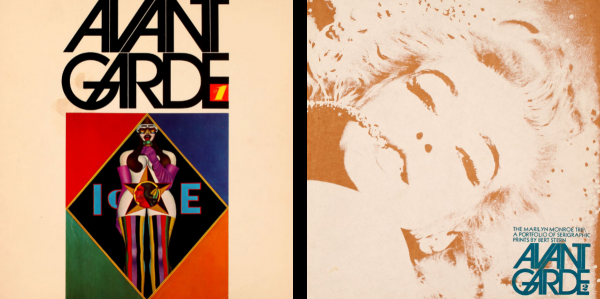
Briefly not­ed: Avant Garde mag­a­zine had a rel­a­tive­ly short run. It pro­duced only 16 issues between Jan­u­ary 1968 and July 1971. But it left its mark, influ­enc­ing tastemak­ers with­in the arts world, and it’s now been prop­er­ly dig­i­tized for pos­ter­i­ty.

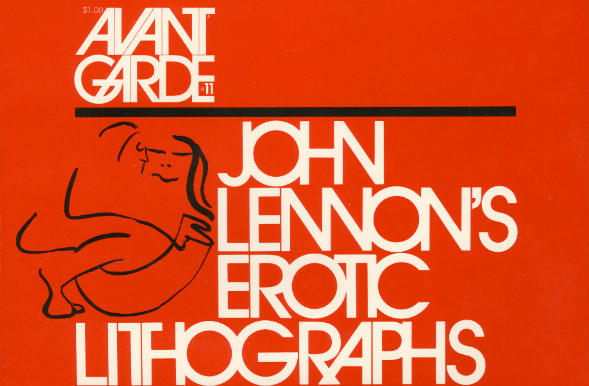
A col­lab­o­ra­tion between Ralph Ginzburg (edi­tor) and Herb Lubalin (art direc­tor), Avant Garde is part­ly remem­bered for its rad­i­cal pol­i­tics and embrace of erot­ic con­tent. (Issue #5 launched a “No More War” poster com­pe­ti­tion; Issue #11 fea­tured John Lennon and Yoko Ono’s erot­ic lith­o­graphs; Issue #2 pre­sent­ed phan­tas­magoric ver­sions of Bert Stern’s semi-nude pho­tos of Mar­i­lyn Mon­roe.)

marilyn stern

But prob­a­bly the great­est lega­cy of the mag­a­zine is the logo Lubalin designed, which gave birth to the Avant Garde type­face that still lives today. (Get more on that here.)

All 16 issues were scanned by the Inter­net Archive, and put online by Mindy Seu. You can read Avant Garde in all of its dig­i­tal glo­ry here.

lennon lithographs

If you would like to sign up for Open Culture’s free email newslet­ter, please find it here. It’s a great way to see our new posts, all bun­dled in one email, each day.

If you would like to sup­port the mis­sion of Open Cul­ture, con­sid­er mak­ing a dona­tion to our site. It’s hard to rely 100% on ads, and your con­tri­bu­tions will help us con­tin­ue pro­vid­ing the best free cul­tur­al and edu­ca­tion­al mate­ri­als to learn­ers every­where. You can con­tribute through Pay­Pal, Patre­on, and Ven­mo (@openculture). Thanks!

Relat­ed Con­tent:

Down­load 336 Issues of the Avant-Garde Mag­a­zine The Storm (1910–1932), Fea­tur­ing the Work of Kandin­sky, Klee, Moholy-Nagy & More

Exten­sive Archive of Avant-Garde & Mod­ernist Mag­a­zines (1890–1939) Now Avail­able Online

2,200 Rad­i­cal Polit­i­cal Posters Dig­i­tized: A New Archive

by | Permalink | Make a Comment ( 2 ) |

How to Look at Art: A Short Visual Guide by Cartoonist Lynda Barry

looking at art 1
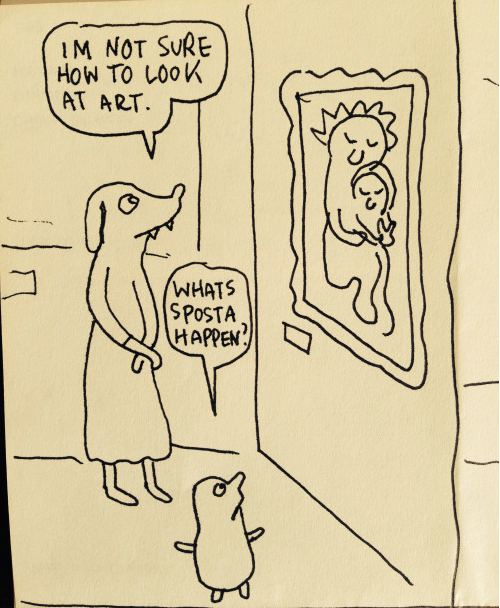
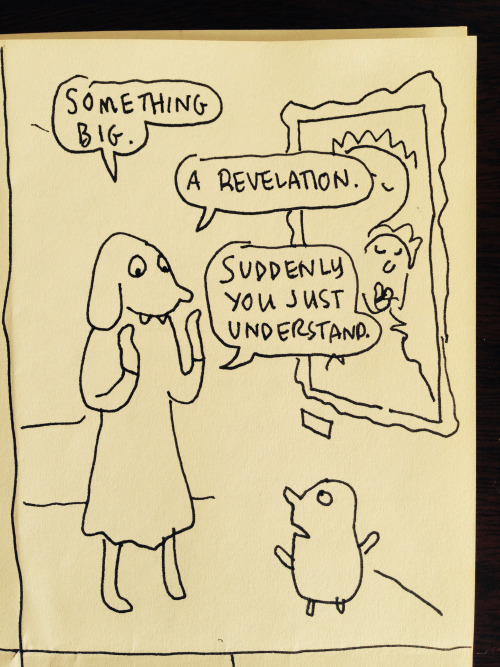
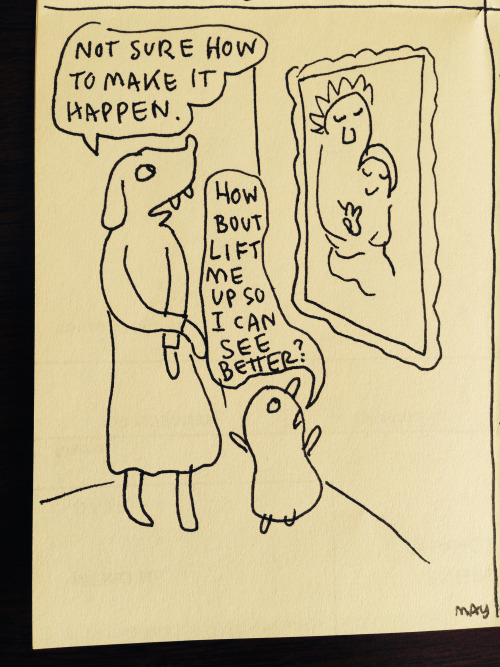
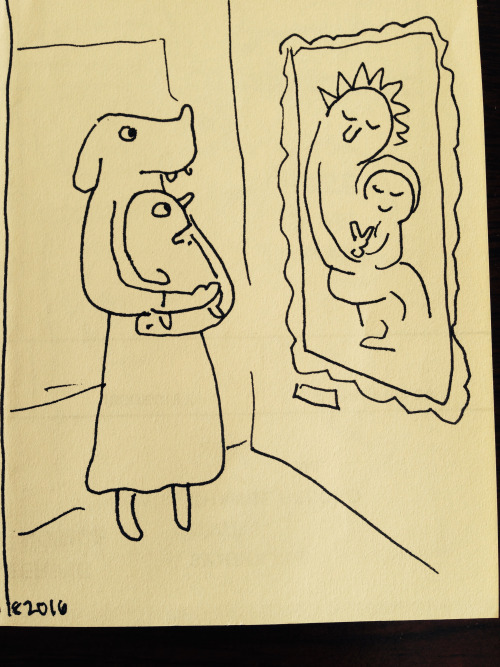
Despite the small, nar­ra­tive doo­dle post­ed to her Tum­blr a cou­ple of weeks back, inspi­ra­tional teacher and car­toon­ist Lyn­da Bar­ry clear­ly has no short­age of strate­gies for view­ing art in a mean­ing­ful way.

She takes a Socrat­ic approach with stu­dents and read­ers eager to forge a deep­er per­son­al con­nec­tion to images.

how to look at art 2

She traces this ten­den­cy back forty years, to when she stud­ied with Mar­i­lyn Fras­ca at Ever­green State Col­lege. Could Fras­ca have antic­i­pat­ed what she wrought when she asked the young Bar­ry, “What is an image?”

For Bar­ry, who claims to have spent over forty years try­ing to answer the above ques­tion, there will almost always be an emo­tion­al com­po­nent. In a 2010 inter­view with The Paris Review, she addressed the ways in which art, visu­al and oth­er­wise, can fill cer­tain cru­cial holes:

In the course of human life we have a mil­lion phan­tom-limb pains—losing a par­ent when you’re lit­tle, being in a war, even some­thing as dumb as hav­ing a mean teacher—and see­ing it some­how reflect­ed, whether it’s in our own work or lis­ten­ing to a song, is a way to deal with it.

The Greeks knew about it. They called it cathar­sis, right? And with­out it we’re fucked. I think this is the thing that keeps our men­tal health or emo­tion­al health in bal­ance, and we’re born with an impulse toward it.

No won­der the snag­gle-toothed dog woman on Barry’s Tum­blr looks so anx­ious. She craves that elu­sive some­thing that nev­er much trou­bled Helen Hockinson’s muse­um-going com­ic matrons.

(Had rev­e­la­tion been on the menu, those ladies would have duti­ful­ly paged through the most high­ly rec­om­mend­ed guide­book of the day, con­fi­dent they’d find it with­in those pages.)

These days, the inter­net abounds with point­ers on how to get the most from art.

how to look at art 3

Houston’s Muse­um of Fine Arts lob­bies for a four-point method, well suit­ed to class­room dis­cus­sion.

The Wash­ing­ton Post’s Pulitzer Prize-win­ning art and archi­tec­ture crit­ic Philip Ken­ni­cott pre­scribes time and silence.

Anoth­er crit­ic, New York magazine’s fire­brand, Jer­ry Saltz, rec­om­mends an aggres­sive­ly tac­tile approach for those who would look at art like an artist. Get up close. Cop a feel. Try to see how any giv­en piece is made. (He him­self is giv­en to con­tem­plat­ing art with his hips thrust for­ward and head tilt­ed back as far as it will go, in dupli­ca­tion of Jasper Johns’ stance.)

Look­ing for some­thing more graph­ic? Abstract Expres­sion­ist Ad Rein­hardt helped the post-War pub­lic get a han­dle on mod­ern art in his icon­ic How to Look series.

For­mer muse­um edu­ca­tor, Cindy Ingram, the Art Cura­tor for Kids, echoes the spir­it of Barry’s sen­ti­ment when she states that a child’s inter­pre­ta­tion of a work’s mean­ing is no less valid than Wikipedia’s, the museum’s, or even the artist’s. Adults, don’t squelch a child viewer’s joy of art by telling him or her what to think!

Of course, some of us don’t mind a hint or two to help us feel we’re on the right track. Those in that camp might enjoy the Met­ro­pol­i­tan Muse­um of Art’s 82nd and 5th series, in which expert cura­tors wax rhap­sod­ic about their love of par­tic­u­lar works in the col­lec­tion.

You under­stand that this is just the tip of the prover­bial ‘berg…

how to look at art 4

Read­ers, if you have any tips for achiev­ing rev­e­la­tion through art, please share them by leav­ing a com­ment below.

And don’t for­get to lift your short­er com­pan­ion up so he can see bet­ter.

Bar­ry’s short series of images orig­i­nal­ly appeared on her Tum­blr.

Relat­ed Con­tent:

Lyn­da Barry’s Illus­trat­ed Syl­labus & Home­work Assign­ments from Her New UW-Madi­son Course, “Mak­ing Comics”

Car­toon­ist Lyn­da Bar­ry Shows You How to Draw Bat­man in Her UW-Madi­son Course, “Mak­ing Comics”

Join Car­toon­ist Lyn­da Bar­ry for a Uni­ver­si­ty-Lev­el Course on Doo­dling and Neu­ro­science

Ayun Hal­l­i­day is an author, illus­tra­tor, and Chief Pri­ma­tol­o­gist of the East Vil­lage Inky zine. Fol­low her @AyunHalliday

Download Issues of Landmark UK Feminist Magazine Spare Rib Free Online

spare-rib-front-cover -Issue122-0001

The fem­i­nism we asso­ciate with the myth­i­cal­ly bra-burn­ing six­ties and seventies—with Bet­ty Friedan and Glo­ria Steinem—falls under the so-called Sec­ond Wave of the move­ment. And it has some­times been cast by its crit­ics and suc­ces­sors since the 1980s as over­whelm­ing­ly white and mid­dle class, exclud­ing from its canons work­ing class women, women of col­or, and the LGBTQ com­mu­ni­ty.

Advo­cates of intersectionality—the term coined by law pro­fes­sor Kim­ber­lé Cren­shaw in the 80s to describe, writes the New States­man, “how dif­fer­ent pow­er struc­tures inter­act in the lives of minorities”—have made con­cert­ed efforts to broad­en and diver­si­fy the move­ment. But as Cren­shaw her­self admits, the con­cept is not a new one. Its antecedents are “as old as Anna Julia Coop­er, and Maria Stew­art in the 19th cen­tu­ry in the US, all the way through Angela Davis and Deb­o­rah King.”

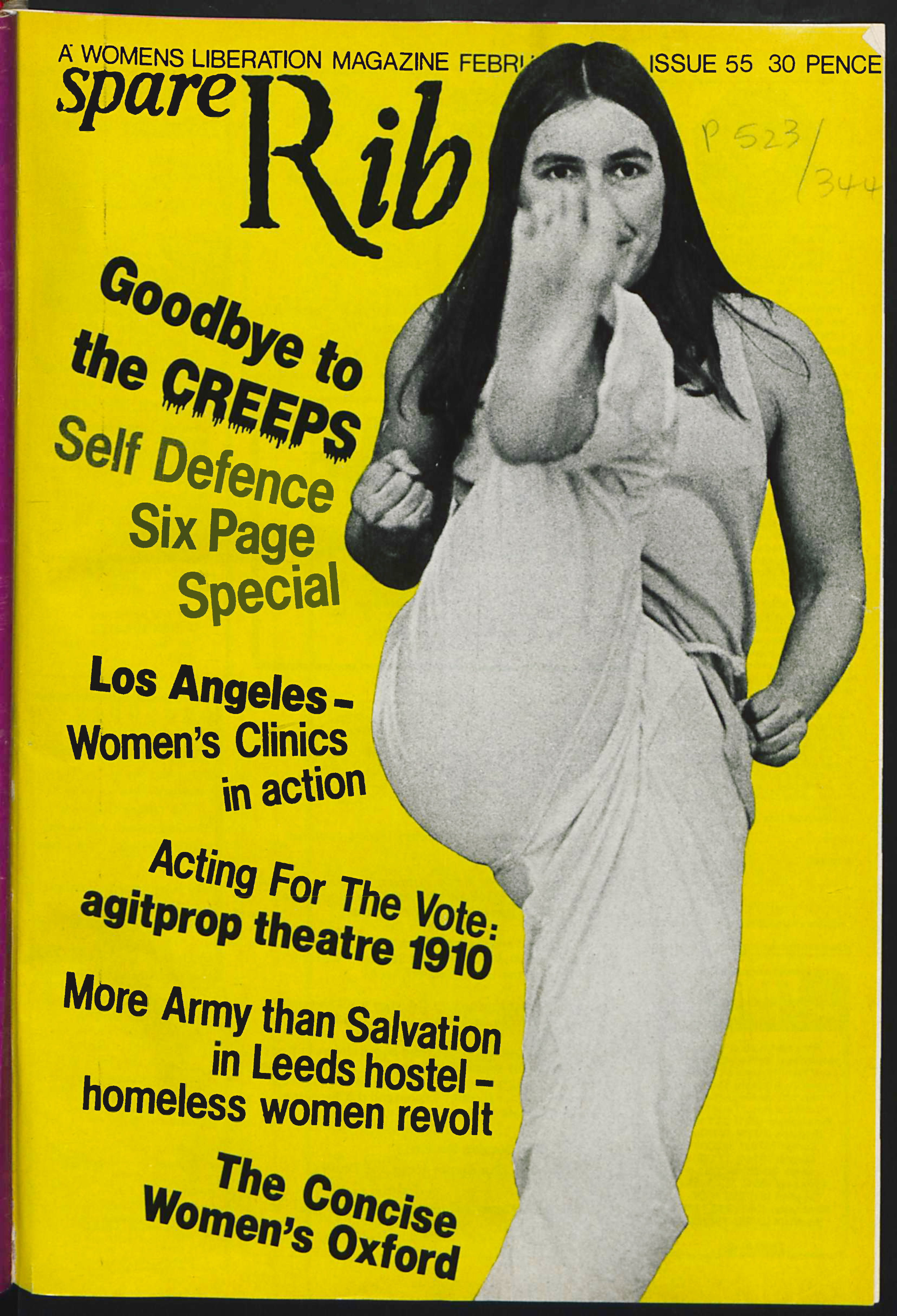
spare-rib-front-cover -Issue55-0001

We can see many of these dis­cus­sions and debates around inter­sec­tion­al­i­ty in Sec­ond Wave fem­i­nism and beyond first­hand in British fem­i­nist mag­a­zine Spare Rib, which is now avail­able online. The Guardian offers a con­cise sum­ma­ry of the magazine’s attempts to “pro­vide an alter­na­tive to tra­di­tion­al gen­der roles” by cov­er­ing

…sub­jects such as “lib­er­at­ing orgasm,” “kitchen sink racism,” anorex­ia and the prac­tice of “cliterec­to­my,” now called female gen­i­tal muti­la­tion. Cov­er head­lines includ­ed “Doctor’s Nee­dles Not Knit­ting Nee­dles” and “Cellulie—the slim­ming fraud” and arti­cles fea­tured women such as coun­try and west­ern singer Tam­my Wynette and US polit­i­cal activist Angela Davis.

Found­ed in ’72 by Mar­sha Rowe and Rosie Boy­cott (pic­tured below), and run as a col­lec­tive, the mag­a­zine fea­tured a “breadth of voic­es.” Ear­ly issues “involved big-name con­trib­u­tors includ­ing Bet­ty Friedan, Ger­maine Greer, Mar­garet Drab­ble and Alice Walk­er, but along­side these were the voic­es of ordi­nary women telling their sto­ries.” As we see in hun­dreds of pages of Spare Rib, the often very heat­ed argu­ments around issues of race, class, and sex­u­al­i­ty in the fem­i­nist com­mu­ni­ty were no less heat­ed in the past than today.

Marsha-Rowe-and-Rosie-Boycott-in-the-Spare-Rib-offices-1972-Photograph-by-David Wilkerson

One woman who helped push the bound­aries of the con­ver­sa­tion before Spare Rib’s “con­scious effort to diver­si­fy the col­lec­tive mem­ber­ship” was Roisin Boyd, an Irish broad­cast­er and writer who joined in 1980. Boyd describes some of the magazine’s chal­lenges in a British Library ret­ro­spec­tive essay, “Race, place and class: who’s speak­ing for who?” “Over the three years I worked on the col­lec­tive,” she writes, “I was often puz­zled by the fact that although we were all women and all fem­i­nists, how dif­fi­cult it was for us to nego­ti­ate our dif­fer­ences, let alone recog­nise them.”

Boyd found that “some col­lec­tive mem­bers were upper class and wealthy” and “dis­tanced from the real­i­ty of post colo­nial­ism.” Like­wise, The Guardian describes many of the debates in the mag­a­zine as “acri­mo­nious,” giv­en its rep­re­sen­ta­tion of “so many dif­fer­ent threads of fem­i­nism.” Spare Rib “reflect­ed the some­times ‘painful’ dis­cus­sions between the col­lec­tive on how best to tack­le issues such as sex­u­al­i­ty and racism.”

spare-rib-front-cover -Issue66-0001

In spite of, or per­haps because of, these dis­agree­ments, the mag­a­zine “was a high­ly vis­i­ble part of the Women’s Lib­er­a­tion move­ment,” says for­mer col­lec­tive mem­ber Sue O’Sullivan, “and a tool for reach­ing thou­sands of women every sin­gle month for over 20 years.” Now with the dig­i­ti­za­tion of its cat­a­log, it can be “a won­der­ful resource for younger his­to­ri­ans and fem­i­nist activists, researchers and all the women (and men) who won­der what their moth­ers, aunts, grannies and old­er friends got up to all those years ago.” Known for its irrev­er­ent humor, intel­li­gence, and eye-catch­ing cov­ers, Spare Rib pre­serves a record of the many ways fem­i­nist issues and debates have changed over the decades—as well as the many ways they haven’t.

Relat­ed Con­tent:

11 Essen­tial Fem­i­nist Books: A New Read­ing List by The New York Pub­lic Library

Simone de Beau­voir Tells Studs Terkel How She Became an Intel­lec­tu­al and Fem­i­nist (1960)

The First Fem­i­nist Film, Ger­maine Dulac’s The Smil­ing Madame Beudet (1922)

Josh Jones is a writer and musi­cian based in Durham, NC. Fol­low him at @jdmagness
« Go BackMore in this category... »
Quantcast