Malcolm Gladwell Has Launched a New Podcast, Revisionist History: Hear the First Episode

Mal­colm Glad­well has a pod­cast. Some of you will require no fur­ther infor­ma­tion, and in fact have already clicked over to iTunes (or anoth­er pod­cast down­load­ing appli­ca­tion of your choice), des­per­ate to down­load the first episode. Allow me to inform those cool­er heads who remain that Revi­sion­ist His­to­ry won’t begin its ten-week run, with one episode out per week, until June 16th. (Update: The first episode is now live and you can stream it below.) But you can sub­scribe right now (iTunesStitch­erRSS), and while you wait over the next few days, you can lis­ten to the pre­view that Glad­well has already post­ed.

You can also get a lit­tle a taste of Glad­well’s new project by watch­ing the trail­er at the top of the post. “Every week, I’m going to take you back into the past,” Glad­well promis­es in the video’s nar­ra­tion, “to exam­ine some­thing that I think has been over­looked and mis­un­der­stood.”

He gets into more detail on the Bri­an Lehrer Show seg­ment below, in which he describes the first episode of Revi­sion­ist His­to­ry as about the ques­tion of what it means to be “the first out­sider to enter a closed world,” start­ing from the career of British painter Eliz­a­beth Thomp­son, whose 1874 can­vas The Roll Call became, for a time, the most famous image in the coun­try. It broke its female artist into the male-dom­i­nat­ed world of paint­ing, and seemed, for an even short­er time, to her­ald a new era rich with high-pro­file female painters. “Every­one waits and waits for the rev­o­lu­tion to hap­pen,” Glad­well says, already into his char­ac­ter­is­tic sto­ry­telling mode, “and it nev­er hap­pens.”

Lehrer reacts to Glad­well’s choice of the sto­ry of “the first woman to break through in a male-dom­i­nat­ed field” with the obvi­ous ques­tion: “Is that a coin­ci­dence?” It is absolute­ly not a coin­ci­dence, Glad­well replies, going on to con­nect the phe­nom­e­non in ques­tion to not just mod­ern fig­ures like Hillary Clin­ton but Barack Oba­ma, Julia Gillard, and Mar­garet Thatch­er as well, and in the pod­cast itself sure­ly many oth­ers besides. He also hints at an episode lat­er in the sea­son that begins with an obscure Elvis Costel­lo song — and a “ter­ri­ble” one at that, he adds — and uses it “as a way of find­ing out how cre­ativ­i­ty works, and how an awful lot of what we con­sid­er works of genius had an incred­i­bly cir­cuitous path to great­ness,” end­ing up at a gallery look­ing at Cézannes.

You can sign up for episode updates at the offi­cial Revi­sion­ist His­to­ry site. The show comes as a prod­uct of Panoply, the pod­cast net­work of The Slate Group, and its first sea­son promis­es slick pro­duc­tion in addi­tion to the kind of com­pelling sto­ries and mem­o­rable social-sci­ence insights with which Glad­well has made him­self famous. And we should­n’t ignore his tal­ent for mar­ket­ing, either, ful­ly in evi­dence from noth­ing more than the tagline he speaks in the trail­er: “Because some­times the past deserves a sec­ond chance.” All this togeth­er sounds like more than a good rea­son to give his pod­cast a first one.

Revi­sion­ist His­to­ry is list­ed in our new col­lec­tion, The 150 Best Pod­casts to Enrich Your Mind.

Relat­ed Con­tent:

The Pod­cast His­to­ry of Our World Will Take You From Cre­ation Myths to (Even­tu­al­ly) the Present Day

The His­to­ry of the World in 46 Lec­tures From Colum­bia Uni­ver­si­ty

Jump Into the “Pod­cast­ing Renais­sance” with These Intel­li­gent Shows (and Tell Us Your Favorites)

Mal­colm Glad­well: What We Can Learn from Spaghet­ti Sauce

Mal­colm Glad­well: Tax­es Were High and Life Was Just Fine

Based in Seoul, Col­in Mar­shall writes and broad­casts on cities, lan­guage, and style. He’s at work on a book about Los Ange­les, A Los Ange­les Primer, the video series The City in Cin­e­ma, the crowd­fund­ed jour­nal­ism project Where Is the City of the Future?, and the Los Ange­les Review of Books’ Korea Blog. Fol­low him on Twit­ter at @colinmarshall or on Face­book.

Martin Scorsese Sends a Sweet Video to the Young Creator a Kubrick/Scorsese Mashup

If you’re a vet­er­an read­er of Open Cul­ture, you may remem­ber a 2010 video trib­ute called “Kubrick vs Scors­ese.” To make the video, Lean­dro Cop­per­field, a young cinephile liv­ing in Rio de Janeiro, spent 25 days re-watch­ing 35 films, select­ing more than 500 scenes, and then edit­ing them into an homage to his two favorite direc­tors. Watch it here.

No doubt, it must have come as a sur­prise when, six years lat­er, Cop­per­field received a video from Scors­ese him­self, prais­ing the mon­tage Lean­dro made so long ago. Again, if you’re an old-timer here, you’ll know that this isn’t the first time Scors­ese has shown kind­ness to younger artists. In 2014, we recount­ed the sto­ry of Col­in Levy, a teenage film­mak­er who met with Scors­ese, and came away with a list of 39 For­eign Films Essen­tial for a Young Film­mak­er. Props to Mar­ty for being a good men­tor and teacher too.

If you would like to sign up for Open Culture’s free email newslet­ter, please find it here. It’s a great way to see our new posts, all bun­dled in one email, each day.

If you would like to sup­port the mis­sion of Open Cul­ture, con­sid­er mak­ing a dona­tion to our site. It’s hard to rely 100% on ads, and your con­tri­bu­tions will help us con­tin­ue pro­vid­ing the best free cul­tur­al and edu­ca­tion­al mate­ri­als to learn­ers every­where. You can con­tribute through Pay­Pal, Patre­on, and Ven­mo (@openculture). Thanks!

Relat­ed Con­tent:

Mar­tin Scors­ese Cre­ates a List of 39 Essen­tial For­eign Films for a Young Film­mak­er

Mar­tin Scors­ese Plays Vin­cent Van Gogh in a Short, Sur­re­al Film by Aki­ra Kuro­sawa

Mar­tin Scors­ese Makes a List of 85 Films Every Aspir­ing Film­mak­er Needs to See

The First Biopic of Edgar Allan Poe: 1909 Film by D.W. Griffith Shows the Horror Master Writing “The Raven”

The film indus­try knows that movie­go­ers love watch­ing genius­es at work, and they may have known it for more than a cen­tu­ry, ever since the release of 1909’s Edgar Allan Poe above. The sev­en-minute silent short, made for the cen­te­nary of the tit­u­lar lit­er­ary fig­ure’s birth (and sub­ti­tled, back in those days before the word biopic, “a Pic­ture Sto­ry Found­ed on Events in His Career”) depicts the 19th-cen­tu­ry pio­neer of psy­cho­log­i­cal hor­ror com­pos­ing his best-known work, “The Raven,” even as his wife lays dying of tuber­cu­lo­sis. In real life, the young Vir­ginia Eliza Clemm Poe passed away two years after the poem’s pub­li­ca­tion, but D.W. Grif­fith, like a true crafts­man of his medi­um, knew the poten­tial for extra dra­ma when he saw it.

Grif­fith, who did hun­dreds of such shorts in the late 1900s and ear­ly 1910s, would of course go on to direct two of the most inno­v­a­tive and influ­en­tial works in cin­e­ma his­to­ry: 1915’s The Birth of a Nation and the fol­low­ing year’s Intol­er­ance. But just before that, in 1914, he fur­ther pur­sued his inter­est in Poe with a fea­ture called The Aveng­ing Con­science: or, Thou Shalt Not Kill, mov­ing beyond a sim­ple depic­tion of the author and his work­ing process (or at least his work­ing process as inter­pret­ed through the dis­tinc­tive dra­mat­ic style of ear­ly silent film) to draw direct inspi­ra­tion from the work itself.

Even if you’ve nev­er actu­al­ly read any of Poe’s writ­ing, you’ll sure­ly have absorbed enough of “The Raven” (even if just from The Simp­sons) to quote it now and again, just as you’ll sure­ly have heard enough about his 1843 sto­ry “The Tell-Tale Heart” to know the plot has some­thing to do with a man tor­ment­ed by his guilty con­science — and so you’ll prob­a­bly know which sto­ry Grif­fith chose for this ear­ly exam­ple of adap­ta­tion even before you see its first title card. Just as the film­mak­er uses strik­ing light and shad­ow to evoke Poe’s inner world in the ear­li­er film, here he, in the words of Edgar Allan Poe author Kevin J. Hayes, “bril­liant­ly repli­cates Poe’s psy­cho­log­i­cal ten­sion in visu­al terms.”

Grif­fith’s sec­ond Poe film incor­po­rates not just the stuff of his work, but more of the stuff of his life as well: “Some aspects of the plot, in which the cen­tral char­ac­ter is an orphan as well as an author, are also rem­i­nis­cent of Poe’s life,” writes Hayes in The Cam­bridge Com­pan­ion to Edgar Allan Poe. “The sto­ry includes echoes of oth­er writ­ing includ­ing ‘Three Sun­days in a Week,’ ‘The Pit and the Pen­du­lum,’ ‘The Black Cat,’ and ‘Annabel Lee,’ ” all “spun togeth­er in a sto­ry of love, mur­der, and vengeance, which nonethe­less ends hap­pi­ly.” Which brings us to anoth­er piece of com­mon cin­e­mat­ic wis­dom, appar­ent­ly known as well by Grif­fith as by any of his Hol­ly­wood suc­ces­sors: every­body loves a hap­py end­ing — appar­ent­ly, once they get in front of the sil­ver screen, even read­ers of Edgar Allan Poe.

Both films will be added to our col­lec­tion of Silent Films, a sub­set of our meta col­lec­tion, 4,000+ Free Movies Online: Great Clas­sics, Indies, Noir, West­erns, Doc­u­men­taries & More.

Relat­ed Con­tent:

Down­load The Com­plete Works of Edgar Allan Poe: Macabre Sto­ries as Free eBooks & Audio Books

Edgar Allan Poe & The Ani­mat­ed Tell-Tale Heart

New Film Extra­or­di­nary Tales Ani­mates Edgar Poe Sto­ries, with Nar­ra­tions by Guiller­mo Del Toro, Christo­pher Lee & More

Edgar Allan Poe Ani­mat­ed: Watch Four Ani­ma­tions of Clas­sic Poe Sto­ries

The Simp­sons Present Edgar Allan Poe’s “The Raven,” and Teach­ers Now Use It to Teach Kids the Joys of Lit­er­a­ture

The Mys­tery of Edgar Allan Poe’s Death: 19 The­o­ries on What Caused the Poet’s Demise

Based in Seoul, Col­in Mar­shall writes and broad­casts on cities, lan­guage, and style. He’s at work on a book about Los Ange­les, A Los Ange­les Primer, the video series The City in Cin­e­ma, the crowd­fund­ed jour­nal­ism project Where Is the City of the Future?, and the Los Ange­les Review of Books’ Korea Blog. Fol­low him on Twit­ter at @colinmarshall or on Face­book.

1978 News Report on the Rocky Horror Craze Captures a Teenage Michael Stipe in Drag

The impact of The Rocky Hor­ror Pic­ture Show in the ‘70s came from a per­fect cock­tail of sev­er­al time-spe­cif­ic ingre­di­ents: A lib­er­at­ed, post-’60s gen­er­a­tion of young peo­ple embold­ened by glam and the sex­u­al rev­o­lu­tion find­ing their voice; the pro­lif­er­a­tion of cin­e­mas that found that mid­night screen­ings were good for busi­ness; and the need to see a film again and again in a pre-VHS Amer­i­ca.

In the above clip from a St. Louis, MO night­ly news segment–commenters place it at around 1978–TV reporter Michael Brown inter­views the crowd out­side a screen­ing at the Var­si­ty The­ater, wait­ing to see the film “that some peo­ple obvi­ous­ly think has been here too long” (accord­ing to the news­cast­er) and, instead of find­ing deviants, dis­cov­ers some of the first cos-play­ers in his­to­ry.

One of which–and why the clip was post­ed in the first place–is a teenage Michael Stipe, years before mov­ing to Geor­gia and start­ing R.E.M., in full Frank N. Furter drag, who says this is “nor­mal” dress.

The idea to sell a film (that was orig­i­nal­ly a flop) as a “mid­night movie” start­ed with a loy­al fol­low­ing at the Waver­ly The­ater in New York City, and can­ny stu­dio mar­keters. Accord­ing to a 1999 arti­cle by Patri­cia Cor­ri­g­an,

“Rocky Hor­ror” came to St. Louis in March of 1976, show­ing at the now-defunct Var­si­ty The­atre in Uni­ver­si­ty City. The movie ran every night, as the main fea­ture, for three weeks. Pete Pic­cione, who owned the Var­si­ty, brought the film back as a mid­night movie on occa­sion­al week­ends for the rest of the year and on through 1977. By May of 1978, “Rocky Hor­ror” was play­ing every week­end as the mid­night show.

In fact, Pic­cione is in the seg­ment, being asked how he’d feel if his son or daugh­ter attend­ed this film, and well, we won’t ruin the reply. You’ll just have to watch.

Not only is this a great his­tor­i­cal vignette, but a reminder that the sight of peo­ple in cos­tume gath­er­ing to cel­e­brate a pop cul­ture event was once remark­able; now it’s called Comi­con.

It’s also worth won­der­ing: apart from the open­ing night, will we ever again see peo­ple gath­er­ing in pub­lic to watch a film 30, 40, 50 times? And did those news­cast­ers ever get bet­ter fash­ion sense?

via A.V. Club/Dan­ger­ous Minds

Relat­ed Con­tent:

Rare Inter­view: Tim Cur­ry Dis­cuss­es The Rocky Hor­ror Pic­ture Show, Dur­ing the Week of Its Release (1975)

http://www.openculture.com/2015/02/tim-curry-discusses-the-rocky-horror-picture-show.html

Michael Stipe Rec­om­mends 10 Books for Any­one Marooned on a Desert Island

Ted Mills is a free­lance writer on the arts who cur­rent­ly hosts the artist inter­view-based FunkZone Pod­cast. You can also fol­low him on Twit­ter at @tedmills, read his oth­er arts writ­ing at tedmills.com and/or watch his films here.

Moby Lets You Download 4 Hours of Ambient Music to Help You Sleep, Meditate, Do Yoga & Not Panic

Back in May, I wrote about the dam­ag­ing effects stress has on the body, and the sci­en­tif­i­cal­ly-val­i­dat­ed pow­er of yoga and med­i­ta­tion to undo them. Fol­low­ing close behind stress as a chron­ic con­trib­u­tor to ill­ness is sleep­less­ness, which the Divi­sion of Sleep Med­i­cine at Har­vard Med­ical School links to dia­betes, high blood pres­sure, heart dis­ease, and short­ened life expectan­cy. Add to all these risks the prob­lems of poor pro­duc­tiv­i­ty and dis­or­ga­nized think­ing, and you’ll begin to see insom­nia for the dan­ger­ous con­di­tion it is.

What to do with that anx­ious, over­worked, over­tired self? Well, again, I’d hearti­ly rec­om­mend a yoga or med­i­ta­tion prac­tice. Pow­er naps through­out the day can boost your endurance and brain­pow­er as well. But I’d also rec­om­mend music—music that calms the body and helps wash away the men­tal gunk that accu­mu­lates through­out the day. Com­pos­er Max Richter recent­ly released an eight-hour piece of music intend­ed to lull lis­ten­ers to sleep and keep them there. His efforts are now joined by elec­tron­i­ca super­star Moby, who has spo­ken frankly about the insom­nia that has plagued him since the age of four.

For his own ben­e­fit, Moby began mak­ing what he describes on his web­site as “real­ly real­ly real­ly qui­et music to lis­ten to when I do yoga or sleep or med­i­tate or pan­ic.” He “end­ed up with 4 hours of music,” he says, and “decid­ed to give it away.” The col­lec­tion con­sists of 11 “Long Ambi­ent” pieces between around 20 and 30 min­utes each. You can hear them all—or not, if they put you to sleep—at the Spo­ti­fy playlist above, or down­load them at Moby’s site. (He also gives you the option to play the record­ings on Apple Music, Sound­cloud, Deez­er and oth­er plat­forms.) “It’s real­ly qui­et,” he reit­er­ates, “no drums, no vocals, just very slow calm pret­ty chords and sounds and things.”

Con­sist­ing of rum­bling drone notes with reverb-drenched synths float­ing atop, Moby’s “Long Ambi­ent” com­po­si­tions remind me of the sound­scapes of Bri­an Eno or William Basin­s­ki, and like the work of those com­posers, his sleep music feels both ocean­ic and cin­e­mat­ic. Per­haps in his move a few years back from his native New York to L.A., Moby found him­self musi­cal­ly inspired by the Pacif­ic and the movies. (You might remem­ber his gor­geous, dra­mat­ic sound­track to the L.A.-set Michael Mann film Heat.) Wher­ev­er this music comes from, it’s a peace­ful way to com­bat insom­nia, stress, or pan­ic.

via Elec­tron­ic Beats

Relat­ed Con­tent:

Music That Helps You Sleep: Min­i­mal­ist Com­pos­er Max Richter, Pop Phe­nom Ed Sheer­an & Your Favorites

Dai­ly Med­i­ta­tion Boosts & Revi­tal­izes the Brain and Reduces Stress, Har­vard Study Finds

The Pow­er of Pow­er Naps: Sal­vador Dali Teach­es You How Micro-Naps Can Give You Cre­ative Inspi­ra­tion

Josh Jones is a writer and musi­cian based in Durham, NC. Fol­low him at @jdmagness

Free: Learn Foreign Languages in Your Car

SONY DSC

Have a bor­ing com­mute? A long road trip com­ing up? Con­sid­er using that time well and learn­ing a lan­guage as you dri­ve. While rum­mag­ing around on Spo­ti­fy (down­load their free soft­ware here), we noticed that they give you free access to the mul­ti-part col­lec­tions: Learn Span­ish in Your Car, Learn French in Your Car, Learn Man­darin in Your Car, Learn Ital­ian in Your Car, Learn Russ­ian in Your Car, and Learn Ger­man in Your Car.

Run­ning 10–14 hours, the col­lec­tions (usu­al­ly retail­ing for $22.95 on Ama­zon) build in dif­fi­cul­ty, mov­ing from “Lev­el 1” to “Lev­el 2” to “Lev­el 3.” We’ve embed­ded the playlists below, and you can always find them list­ed in our col­lec­tion, Learn 45+ Lan­guages Online for Free: Span­ish, Chi­nese, Eng­lish & More.

Span­ish: 

French

Man­darin

Ger­man 

Ital­ian

Russ­ian

If you would like to sign up for Open Culture’s free email newslet­ter, please find it here. It’s a great way to see our new posts, all bun­dled in one email, each day.

If you would like to sup­port the mis­sion of Open Cul­ture, con­sid­er mak­ing a dona­tion to our site. It’s hard to rely 100% on ads, and your con­tri­bu­tions will help us con­tin­ue pro­vid­ing the best free cul­tur­al and edu­ca­tion­al mate­ri­als to learn­ers every­where. You can con­tribute through Pay­Pal, Patre­on, and Ven­mo (@openculture). Thanks!

by | Permalink | Make a Comment ( 4 ) |

Get a Fly-on-the-Wall View of John Lennon Recording & Arranging His Classic Song, “Imagine” (1971)

In a recent inter­view, the peren­ni­al­ly cheer­ful Paul McCart­ney talked can­did­ly about his depres­sion after the Bea­t­les’ 1970 breakup, a rev­e­la­tion that may have come as a sur­prise to some peo­ple giv­en Sir Paul’s gen­er­al lev­el of, well, cheer. But, “you would be too if it hap­pened to you,” said McCart­ney, admit­ting that he “took to the bevvies… to a wee dram” (and mak­ing even a drink­ing prob­lem sound upbeat). Where McCart­ney admits he strug­gled to find his foot­ing again musi­cal­ly, two of his estranged band­mates released solo-career-defin­ing albums just months after the Bea­t­les’ offi­cial demise—George Harrison’s All Things Must Pass and John Lennon’s Imag­ine.

Lennon, of course, had his own post-Bea­t­les issues with sub­stance abuse and depres­sion. But in 1971 he had kicked a hero­in habit, embraced pri­mal ther­a­py, and was in top musi­cal form. Not only did Imag­ine, the album, go dou­ble plat­inum, but fans and crit­ics con­sid­er “Imag­ine,” the song, one of the finest Lennon ever wrote. In the footage above, we see Lennon dur­ing the ear­ly Imag­ine record­ing ses­sions at his home stu­dio at Tit­ten­hurst Park. Lennon plays the new title track for the album’s musi­cians for the first time, records his vocals and piano, and dis­cuss­es the mix and arrange­ment with Phil Spec­tor and Yoko Ono.

The clip comes from the 2000 doc­u­men­tary Gimme Some Truth: The Mak­ing of John Lennon’s Imag­ine Album, which cap­tures the inti­ma­cy of those record­ing ses­sions, as Lennon and his band eat and talk togeth­er before going into the stu­dio. George Har­ri­son appears often to record gui­tar parts for sev­er­al songs; the band jams and hors­es around; Allen Gins­berg and Miles Davis show up and Davis plays bas­ket­ball with Lennon; and Yoko and John dis­cuss design and album pho­tog­ra­phy.

Lat­er that year, Lennon and Yoko appeared on The Dick Cavett Show to pro­mote the song and album and pre­mier the “Imag­ine” film above. As in near­ly all of his solo work, Ono act­ed both as Lennon’s muse and his col­lab­o­ra­tor, inspir­ing Imag­ine’s “How” and “Oh Yoko” and co-writ­ing “Oh My Love.” She is rarely giv­en cred­it, how­ev­er, for inspiring—and co-writing—“Imagine.” The song owes much to Ono’s “good-natured­ly defi­ant lit­tle book,” Grape­fruit, “part irrev­er­ent activ­i­ty book for grown-ups,” writes Maria Popo­va, “part sub­ver­sive phi­los­o­phy for life,” com­plete with whim­si­cal draw­ings very much like the kind Lennon him­self made and pub­lished in his own books of sil­ly verse.

But while crit­ics and Lennon fans over­look Yoko’s role in “Imagine”’s com­po­si­tion, Lennon lat­er admit­ted it “should be cred­it­ed as a Lennon/Ono song. A lot of it—the lyric and the concept—came from Yoko, but in those days I was a bit more self­ish, a bit more macho, and I sort of omit­ted her con­tri­bu­tion, but it was right out of Grape­fruit.” The album cov­er did, how­ev­er, quote “Cloud piece,” one of the many med­i­ta­tive poems Lennon drew from: “Imag­ine the clouds drip­ping. Dig a hole in your gar­den to put them in.”

In the short mak­ing-of clip at the top, Lennon tells the room, after play­ing a raw ren­di­tion of “Imag­ine” solo on piano, “that’s the one I like best.” The song’s utopi­anism strong­ly con­trasts with the right­eous anger and bit­ter­ness Lennon gave vent to in oth­er songs on Imag­ine, includ­ing “How Do You Sleep?,” in which, he told Play­boy in 1980, “I used my resent­ment and with­draw­ing from Paul and The Bea­t­les, and the rela­tion­ship with Paul.” Ear­ly edi­tions of the LP even includ­ed a post­card pho­to of Lennon hold­ing a pig, mock­ing the cov­er of McCartney’s under­rat­ed Ram. McCart­ney expressed his post-Bea­t­les’ anger in a few minor lyri­cal jabs; Lennon respond­ed with unsub­tle vit­ri­ol. But many of Imag­ine’s songs—celebrations of love, protests against war, and the vision­ary title track—point away from the past and toward the future, or what lit­tle of it remained for Lennon.

Relat­ed Con­tent:

John Lennon & Yoko Ono’s Two Appear­ances on The Dick Cavett Show in 1971 and 72

John Lennon’s “Imag­ine” & Paul McCartney’s “Yes­ter­day” Adapt­ed into Smart, Mov­ing Web­comics

Hear John Lennon’s Final Inter­view, Taped on the Last Day of His Life (Decem­ber 8, 1980)

Josh Jones is a writer and musi­cian based in Durham, NC. Fol­low him at @jdmagness

The Books on Young Alan Turing’s Reading List: From Lewis Carroll to Modern Chromatics

turing book list

Image via Wiki­me­dia Com­mons

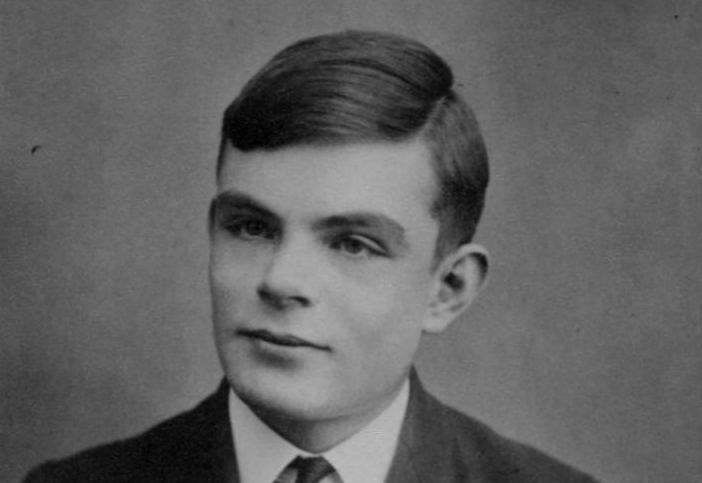
We now regard Alan Tur­ing, the trou­bled and ulti­mate­ly per­se­cut­ed crypt­an­a­lyst (and, intel­lec­tu­al­ly, much more besides)—who cracked the code of the Ger­man Enig­ma machine in World War II—as one of the great minds of his­to­ry. His life and work have drawn a good deal of seri­ous exam­i­na­tion since his ear­ly death in 1954, and recent­ly his lega­cy has even giv­en rise to pop­u­lar por­tray­als such as that by Bene­dict Cum­ber­batch in the film The Imi­ta­tion Game. So what, more and more of us have start­ed to won­der, forms a mind like Tur­ing’s in the first place?

A few years ago, math­e­mat­ics writer Alex Bel­los received, from “an old friend who teach­es at Sher­borne, the school Tur­ing attend­ed between 1928 and 1930,” some “new infor­ma­tion about the com­put­er pio­neer and codebreaker’s school years” in the form of “the list of books Tur­ing took out from the school library while he was a pupil.” Bel­los lists them as fol­lows:

“As you can see, and as you might expect,” writes Bel­los, “heavy on the sci­ences. The AJ Evans, a mem­oir about the author’s escape from impris­on­ment in the First World War, is the only non-sci­en­tif­ic book.” He also notes that “the physics books he took out all look very seri­ous, but the maths ones are light­heart­ed: the Lewis Car­roll and the Rouse Ball, which for decades was the clas­sic text in recre­ation­al maths prob­lems.” Sher­borne archivist Rachel Has­sall, who pro­vid­ed Bel­los with the list, also told him that “the book cho­sen by Tur­ing for his school prize was a copy of the Rouse Ball. Even teenage genius­es like to have fun.”

If you, too, would like to do a bit of the read­ing of a genius — or, depend­ing on how quan­ti­ta­tive­ly your own mind works, just have some fun — you can down­load for free most of these books the young Tur­ing checked out of the school library. Pro­gram­mer and writer John Gra­ham-Cum­ming orig­i­nal­ly found and orga­nized all the links to the texts on his blog; you can fol­low them there or from the list in this post. And if you know any young­sters in whom you see the poten­tial to achieve his­to­ry’s next Tur­ing-lev­el accom­plish­ment, send a few e‑books their way. Why read Har­ry Pot­ter, after all, when you can read A Selec­tion of Pho­tographs of Stars, Star-Clus­ters & Neb­u­lae, togeth­er with infor­ma­tion con­cern­ing the instru­ments & the meth­ods employed in the pur­suit of celes­tial pho­tog­ra­phy?

via Alex Bel­los

Relat­ed Con­tent:

The Enig­ma Machine: How Alan Tur­ing Helped Break the Unbreak­able Nazi Code

Alan Tur­ing, Bril­liant Math­e­mati­cian and Code Break­er, Will Be Final­ly Par­doned by British Gov­ern­ment

Bene­dict Cum­ber­batch Reads a Let­ter Alan Tur­ing Wrote in “Dis­tress” Before His Con­vic­tion For “Gross Inde­cen­cy”

Based in Seoul, Col­in Mar­shall writes and broad­casts on cities, lan­guage, and style. He’s at work on a book about Los Ange­les, A Los Ange­les Primer, the video series The City in Cin­e­ma, the crowd­fund­ed jour­nal­ism project Where Is the City of the Future?, and the Los Ange­les Review of Books’ Korea Blog. Fol­low him on Twit­ter at @colinmarshall or on Face­book.

« Go BackMore in this category... »
Quantcast