How to Raise Creative Children Who Can Change the World: 3 Lessons from Wharton Professor Adam Grant

Adam Grant, a pro­fes­sor at The Whar­ton School of the Uni­ver­si­ty of Penn­syl­va­nia, has been “rec­og­nized as Whar­ton’s top-rat­ed teacher for five straight years, and as one of the world’s 25 most influ­en­tial man­age­ment thinkers.” He’s also the author of the best­selling book Orig­i­nals: How Non-Con­formists Move the World, a study that exam­ines “what it takes to be cre­ative and cham­pi­on new ideas.”

Speak­ing at the 2016 Aspen Ideas Fes­ti­val ear­li­er this year, Grant asks the ques­tion: What do Nobel Prize-win­ning sci­en­tists do dif­fer­ent­ly than their more ordi­nary peers? The answer: They’re twice as like­ly to play musi­cal instru­ments. Sev­en times more like­ly to draw or paint. 12 times more like­ly to write fic­tion or poet­ry. And 22 times more like­ly to per­form as dancers, actors or magi­cians.

Case in point Ein­stein, who nev­er trav­eled with­out his beloved vio­lin and saw a direct cor­re­la­tion between his ground­break­ing work in physics and his musi­cal life.

For Grant, it’s nev­er too ear­ly to cul­ti­vate cre­ativ­i­ty. So above, he out­lines three things par­ents can do to encour­age their children’s cre­ative devel­op­ment.

1. Focus on val­ues over rules.
2. Praise their char­ac­ter, not their behav­ior. Get them to see them­selves as cre­ative at heart.
3. Help them draw cre­ative lessons from the books they read.

This all pre­sum­ably gets cov­ered in greater depth in Chap­ter 6 of Orig­i­nals: How Non-Con­formists Move the WorldThe chap­ter is enti­tled “Rebel with a Cause: How Sib­lings, Par­ents and Men­tors Nur­ture Orig­i­nal­i­ty.”

Below you can watch Grant’s TED Talk, “The sur­pris­ing habits of orig­i­nal thinkers.” The video above was shot by The Atlantic.

Relat­ed Con­tent:

Albert Ein­stein Tells His Son The Key to Learn­ing & Hap­pi­ness is Los­ing Your­self in Cre­ativ­i­ty (or “Find­ing Flow”)

The Musi­cal Mind of Albert Ein­stein: Great Physi­cist, Ama­teur Vio­lin­ist and Devo­tee of Mozart

The Long Game of Cre­ativ­i­ty: If You Haven’t Cre­at­ed a Mas­ter­piece at 30, You’re Not a Fail­ure

The Incredibly Strange Film Show: Revisit 1980s Documentaries on David Lynch, John Waters, Alejandro Jodorowsky & Other Filmmakers

Every film­mak­er, no mat­ter how main­stream or under­ground, has to get the inspi­ra­tion to become a film­mak­er some­where. “I used to watch the pro­gramme Jonathan Ross did in the late 80s called The Incred­i­bly Strange Film Show and they did a whole hour on Sam Rai­mi,” remem­bers Shaun of the Dead and Scott Pil­grim vs. the World direc­tor Edgar Wright, who in those days could­n’t imag­ine what it took to enter the impos­si­bly dis­tant world known as Hol­ly­wood. “I def­i­nite­ly hadn’t seen The Evil Dead as it was banned on video at the time – but I saw the Jonathan Ross doc­u­men­tary and I was stag­gered. I thought, ‘That’s what I want to do.’ ”

Although the show only ran 12 episodes, The Incred­i­bly Strange Film Show fea­tured doc­u­men­taries on not just Sam Rai­mi but David Lynch, John Waters, Ale­jan­dro Jodor­owsky, and oth­er direc­tors with fil­mo­gra­phies as dis­tinc­tive as their per­son­al­i­ties. (You’ll find oth­er episodes on this Youtube playlist.) Ross and his team go all out, inter­view­ing not just the auteurs behind Eraser­head, Pink Flamin­gos, and The Holy Moun­tain them­selves but their friends, fam­i­ly mem­bers, and col­lab­o­ra­tors in var­i­ous loca­tions impor­tant to their work and their lives. (Ross even takes the step of dress­ing like his sub­jects, but­ton­ing his shirt all the way up in the Lynch episode and so on.)

The Incred­i­bly Strange Film Show orig­i­nal­ly aired in 1988 and 1989, but after decades of cel­e­bra­tion in cin­e­ma cul­ture, does the work of the likes of Lynch, Waters, and Jodor­owsky still count as “incred­i­bly strange”? Their movies cer­tain­ly do endure, but not by sheer odd­i­ty alone. We’ve seen plen­ty of stranger or more extreme images than theirs com­mit­ted to cel­lu­loid in the years since, but we’ve arguably seen far few­er equal­ly coher­ent and per­son­al visions suc­cess­ful­ly make the tran­si­tion from obscu­ri­ty to influ­ence. These elder states­men of famous fringe film, in oth­er words, each in his own way made the zeit­geist itself a lit­tle more incred­i­bly strange. Long may that achieve­ment inspire.

Relat­ed Con­tent:

Moviedrome: Film­mak­er Alex Cox Pro­vides Video Intro­duc­tions to 100+ Clas­sic Cult Films

John Lan­dis Decon­structs Trail­ers of Great 20th Cen­tu­ry Films: Cit­i­zen Kane, Sun­set Boule­vard, 2001 & More

David Lynch Presents the His­to­ry of Sur­re­al­ist Film (1987)

Based in Seoul, Col­in Mar­shall writes and broad­casts on cities and cul­ture. He’s at work on a book about Los Ange­les, A Los Ange­les Primer, the video series The City in Cin­e­ma, the crowd­fund­ed jour­nal­ism project Where Is the City of the Future?, and the Los Ange­les Review of Books’ Korea Blog. Fol­low him on Twit­ter at @colinmarshall or on Face­book.

Hear Steve Reich’s Minimalist Compositions in a 28-Hour Playlist: A Journey Through His Influential Recordings

If you’re of a cer­tain vin­tage, you may at var­i­ous times have grooved to The Orb’s chill-out clas­sic “Lit­tle Fluffy Clouds,” the spaced-out sound­scapes of DJ Spooky, the avant-psych of Son­ic Youth, the locked grooves of Tor­toise, the bub­bling fugues of Björk, or the omi­nous rum­blings of postrock god­fa­thers God­speed You! Black Emper­or. And if so, you very like­ly know at least some of the work of min­i­mal­ist com­pos­er Steve Reich, which these artists either sam­pled or drew on for musi­cal inspi­ra­tion. Like many of his avant-garde col­leagues, Reich has “influ­enced gen­er­a­tions of pop, jazz and clas­si­cal musi­cians over the last half-cen­tu­ry,” writes Tom Ser­vice at The Guardian.

While many artists men­tion min­i­mal­ists like Ter­ry Riley, Philip Glass, or John Cage as sem­i­nal influ­ences, few of those com­posers have been as direct­ly woven into the fab­ric of mod­ern music through col­lab­o­ra­tion, sam­pling, and remix­ing as Reich. Ser­vice goes so far as to spec­u­late, “if you were to sub­tract Steve Reich from the total sum of today’s musi­cal cul­ture, I think you’d notice more of a dif­fer­ence than if you took away any oth­er sin­gle fig­ure.” That’s debatable—Reich’s influ­ence on pop­u­lar cul­ture is oblique. But it does describe the degree to which his musi­cal inno­va­tions have per­me­at­ed exper­i­men­tal, indie, and elec­tron­ic music and “giv­en the con­tem­po­rary musi­cal world a license to groove” while still get­ting plen­ty heady and push­ing con­cep­tu­al bound­aries.

Reich’s use of phas­ing effects, drone notes, polyrhyth­mic pat­terns, and “process music” lend each of his com­po­si­tions a trance-like atmos­phere that might be most famil­iar from his 1976 piece “Music for 18 Musi­cians” (top). Here, the “per­cus­sion­ists, string play­ers, clar­inetists, singers and pianists” cre­ate “an ever-chang­ing, kalei­do­scop­ic sound­world” that expands and aug­ments all of Reich’s pre­vi­ous tech­niques for sculpt­ing in time. If the piece sounds famil­iar, though you’ve nev­er heard it before, that’s because of the thor­ough incor­po­ra­tion of Reich into so much mod­ern music, includ­ing per­haps sev­er­al dozen sounda­like film scores and Bri­an Eno’s pio­neer­ing first man­i­fes­ta­tions of what came to be called ambi­ent music.

Reich con­ceived of music as a “per­cep­ti­ble process,” writ­ing in 1968, “I want to be able to hear the process hap­pen­ing through­out the sound­ing music… a musi­cal process should hap­pen extreme­ly grad­u­al­ly.” Indeed, stu­dents of his music have found ways to take apart and dupli­cate those process­es in their own work, some­thing Reich, who has worked with remix artists and Radio­head, appre­ci­ates. (Just above, see Radio­head­’s John­ny Green­wood per­form a solo ver­sion of Reich’s Elec­tric Coun­ter­point in 2011.) Like many of the artists he appre­ci­ates and inspires, much of Reich’s work deals direct­ly with sociopo­lit­i­cal themes, as Ser­vice notes, includ­ing “the Holo­caust, Mid­dle East­ern his­to­ry and pol­i­tics, and con­tem­po­rary con­flict” like the behead­ing of Amer­i­can jour­nal­ist Daniel Pearl.

In the Spo­ti­fy playlist fur­ther up, you’ll find a broad sam­pling of per­for­mances of Reich’s less­er-known ear­ly work—like the 1965 tape loop piece “It’s Gonna Rain”—and more famous com­po­si­tions like The Cave, Dif­fer­ent Trains, Music for 18 Musi­cians, Elec­tric Coun­ter­point, Drum­ming, Clap­ping Music, and much more. Just as we can hear the musi­cal process­es devel­op­ing with­in each com­po­si­tion, we can hear the process of Reich’s devel­op­ment over the course of his career as he incor­po­rates influ­ences from Bach to Coltrane to the songs of Kid A. As a con­se­quence of both his groovi­ness and his appeal to mod­ernists of every decade, Reich, writes Ivan Hewett at The Tele­graph, is “both aching­ly hip and a grand old man”—and a seem­ing­ly end­less source of musi­cal inspi­ra­tion since the 1960s.

If you need Spo­ti­fy’s free soft­ware, down­load it here. Below, you can see Reich talk­ing about his most influ­en­tial works in a CBC inter­view record­ed ear­li­er this year.

Relat­ed Con­tent:

The Music of Avant-Garde Com­pos­er John Cage Now Avail­able in a Free Online Archive

Björk Presents Ground­break­ing Exper­i­men­tal Musi­cians on the BBC’s Mod­ern Min­i­mal­ists (1997)

The Avant-Garde Project: An Archive of Music by 200 Cut­ting-Edge Com­posers, Includ­ing Stravin­sky, Schoen­berg, Cage & More

Josh Jones is a writer and musi­cian based in Durham, NC. Fol­low him at @jdmagness

Aleister Crowley & William Butler Yeats Get into an Occult Battle, Pitting White Magic Against Black Magic (1900)

crowley-yeats

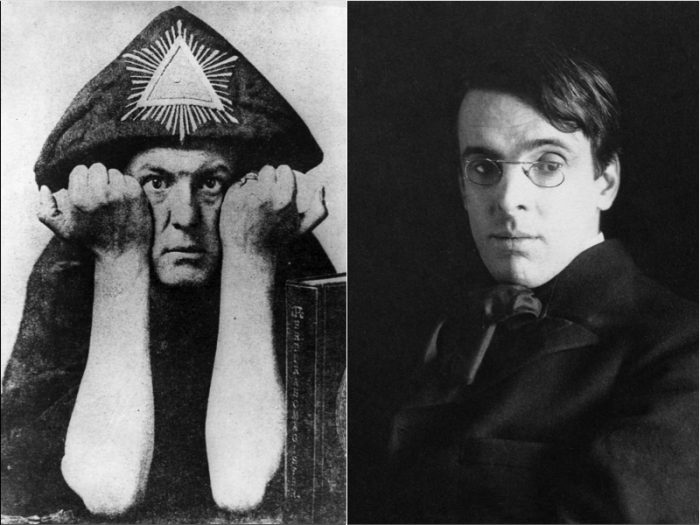
Aleis­ter Crow­ley—Eng­lish magi­cian and founder of the reli­gion of Thele­ma—has been admired as a pow­er­ful the­o­rist and prac­ti­tion­er of what he called “Mag­ick,” and reviled as a spoiled, abu­sive buf­foon. Falling some­where between those two camps, we find the opin­ion of Crowley’s bit­ter rival, the Irish poet William But­ler Yeats, who once pas­sion­ate­ly wrote that the study of mag­ic was “the most impor­tant pur­suit of my life….. The mys­ti­cal life is the cen­ter of all that I do and all that I think and all that I write.”

Crow­ley would sure­ly say the same, but his mag­ic was of a much dark­er, more obses­sive vari­ety, and his suc­cess as a poet insignif­i­cant next to Yeats. “Crow­ley was jeal­ous,” argues the blog Rune Soup, “He was nev­er able to speak the lan­guage of poet­ic sym­bol with the con­fi­dence of a native speak­er in the way Yeats def­i­nite­ly could.” In a 1948 Par­ti­san Review essay, lit­er­ary crit­ic and Yeats biog­ra­ph­er Richard Ell­mann tells the sto­ry dif­fer­ent­ly, dri­ly report­ing on the con­flict as its par­tic­i­pants saw it—as a gen­uine war between com­pet­ing forms of prac­ti­cal mag­ic.

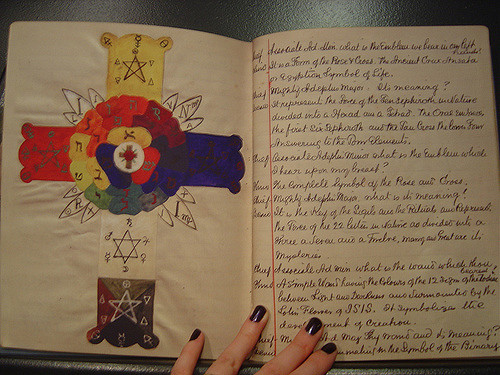
Hav­ing been eject­ed from the occult Theo­soph­i­cal soci­ety for his mag­i­cal exper­i­ments, writes Jamie James at Lapham’s Quar­ter­ly, Yeats joined the Her­met­ic Order of the Gold­en Dawn, “an even more exot­ic cult, which claimed direct descent from the her­met­ic tra­di­tion of the Renais­sance and into remote antiq­ui­ty.” At var­i­ous times, the order includ­ed writ­ers Arthur Machen and Bram Stok­er, Yeats’ beloved Irish rev­o­lu­tion­ary Maud Gonne, and famous magi­cians Arthur Edward Waite and Crow­ley. (Just below, see a page from Yeats’ Gold­en Dawn jour­nal. See sev­er­al more here.)

yeats-journal

“When Crow­ley showed a ten­den­cy to use his occult pow­ers for evil rather than for good,” Ell­mann writes, “the adepts of the order, Yeats among them, decid­ed not to allow him to be ini­ti­at­ed into the inner cir­cle; they feared that he would pro­fane the mys­ter­ies and unleash pow­er­ful mag­ic forces against human­i­ty.” Crow­ley’s ouster lead to a con­fronta­tion in 1900 that might make you think—depending on your frame of reference—of the war­ring magi­cians on South Park or of Susan­na Clark’s Jonathan Strange & Mr. Nor­rell, or both. “Crow­ley refused to accept their deci­sion,” writes Ull­mann, and after some astral attacks on Yeats,

.… in Highlander’s tar­tan, with a black Crusader’s cross on his breast… Crow­ley arrived at the Gold­en Dawn tem­ple in Lon­don. Mak­ing the sign of the pen­ta­cle invert­ed and shout­ing men­aces at the adepts, Crow­ley climbed the stairs. But Yeats and two oth­er white magi­cians came res­olute­ly for­ward to meet him, ready to pro­tect the holy place at any cost. When Crow­ley came with­in range the forces of good struck out with their feet and kicked him down­stairs.

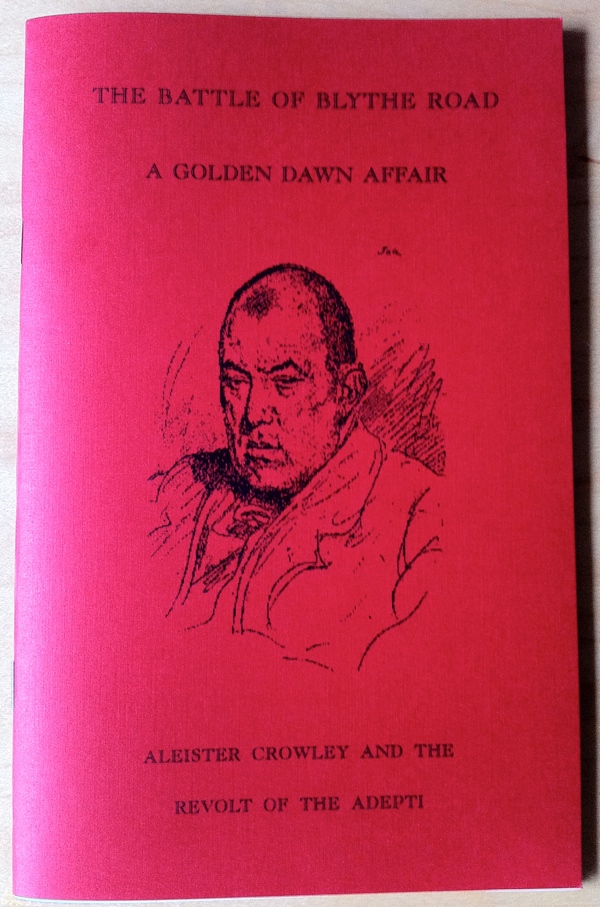
This almost slap­stick van­quish­ing became known as “the Bat­tle of Blythe Road” and has been immor­tal­ized in a pub­li­ca­tion of that very name, with accounts from Crow­ley, Yeats, and Gold­en Dawn adepts William West­cott, Flo­rence Farr and oth­ers. But the war was not won, Ell­mann notes, and Crow­ley went look­ing for converts—or victims—in Lon­don, while Yeats attempt­ed to stop him with “the req­ui­site spells and exor­cisms.” One such spell sup­pos­ed­ly sent a vam­pire that “bit and tore at his flesh” as it lay beside Crow­ley all night. Despite Yeats’ super­nat­ur­al inter­ven­tions, one of Crowley’s tar­gets, a young painter named Althea Gyles, was “final­ly forced to give way entire­ly to his bale­ful fas­ci­na­tion.”

kuntz-the-battle-of-blythe-road

Ellmann’s both humor­ous and unset­tling nar­ra­tive shows us Crow­ley-as-preda­tor, a char­ac­ter­i­za­tion the wealthy Eng­lish­man had appar­ent­ly earned, as “respon­si­ble gov­ern­ments exclud­ed him from one coun­try after anoth­er lest he bring to bear upon their inhab­i­tants his hos­tile psy­chic ray.” [Bren­da Mad­dox at The Guardian gives a slight­ly dif­fer­ent account of the Bat­tle, in which “Yeats, with a bounc­er, saw him off the premis­es, called in the police and end­ed up (vic­to­ri­ous) in court.” ] Yeats and the oth­er mem­bers’ dis­taste for Crow­ley sure­ly had some­thing to do with his preda­to­ry behav­ior. But the rival­ry was also indeed a poet­ic one, albeit extreme­ly one-sided.

As Crow­ley biog­ra­ph­er Lawrence Sutin writes, “the earnest­ness of the young Crow­ley could not com­pen­sate, in Yeats’ mind, for the tech­ni­cal dif­fi­cul­ties and rhetor­i­cal excess­es of his verse.” Yeats’ opin­ion “infu­ri­at­ed Crow­ley,” who indulged in the mag­ic of pro­jec­tion, writ­ing “What hurt him [Yeats] was the knowl­edge of his own incom­pa­ra­ble infe­ri­or­i­ty.” Crow­ley’s remarks are both “ridicu­lous,” Sutin com­ments, and apply “far more con­vinc­ing­ly to Crow­ley him­self.” Nev­er­the­less, Crowley’s “Mag­ick,” con­tin­ued to make Yeats uneasy, and he may have invoked Crow­ley in his famous line about the “rough beast” slouch­ing toward Beth­le­hem in 1919’s “The Sec­ond Com­ing.”

While the mag­i­cal bat­tle between them might pro­voke more laugh­ter than curios­i­ty about their dif­fer­ent brands of mag­ic, Sutin notes a cru­cial dif­fer­ence that dis­tin­guish­es the two men: “where­as Crow­ley placed him­self in the ser­vices of the Antichrist ‘the sav­age God’ of the new cycle, Yeats’s fideli­ty was to ‘the old king,’ to ‘that unfash­ion­able gyre.’” The gyre, so cen­tral an image in “The Sec­ond Com­ing,” stands for Yeats’ the­o­ry of time and his­to­ry, and it belongs to an old mys­ti­cism and folk­lore that for him were syn­ony­mous with poet­ry.

Crow­ley viewed the occult as a source of per­son­al power—his rev­e­la­tions filled books devot­ed to explain­ing the phi­los­o­phy of Thele­ma (“Do what thou wilt shall be the whole of the Law. Love is the law, love under will); ” Yeats was cer­tain­ly more of an “orga­ni­za­tion man… in his occult activ­i­ties,” writes Mad­dox, and sought to prac­tice mag­ic as a holis­tic activ­i­ty, ful­ly inte­grat­ed into his social, polit­i­cal, and aes­thet­ic life. His “pub­lic phi­los­o­phy,” as he called it, writes James, “pro­pounds an extra­or­di­nar­i­ly con­vo­lut­ed sys­tem that aims to inte­grate the human per­son­al­i­ty with the cos­mos.”

To under­stand Crowley’s mag­i­cal think­ing, we can prob­a­bly skip his poet­ry and attempt as best we can to the deci­pher his sev­er­al arcane, tech­ni­cal books full of invent­ed terms and sym­bols. To under­stand Yeats, as much as that’s pos­si­ble, we need to read his poet­ry, the purest expres­sion of his mys­ti­cal sys­tem and sym­bol­ic thought.

via Metafil­ter

Relat­ed Con­tent:

Aleis­ter Crow­ley: The Wickedest Man in the World Doc­u­ments the Life of the Bizarre Occultist, Poet & Moun­taineer

Rare 1930s Audio: W.B. Yeats Reads Four of His Poems

W.B. Yeats’ Poem “When You Are Old” Adapt­ed into a Japan­ese Man­ga Com­ic

Josh Jones is a writer and musi­cian based in Durham, NC. Fol­low him at @jdmagness

Hear Bill Murray’s Favorite Poems Read Aloud by Murray Himself & Their Authors

I’d be wary of any movie star who invites me to his hotel room to “read poet­ry” unless said star was doc­u­ment­ed poet­ry nut, Bill Mur­ray.

Ear­li­er this year, Leigh Haber, book edi­tor of O, The Oprah Mag­a­zine, reached out to Mur­ray to see if he’d share some of his favorite poems in cel­e­bra­tion of Nation­al Poet­ry Month. In true Mur­ray-esque fash­ion, he wait­ed until dead­line to return her call, sug­gest­ing that they meet in his room at the Car­lyle, where he would recite his choic­es in per­son.

Such celebri­ty shenani­gans are unheard of at the Chateau Mar­mont!

Murray’s favorite poems:

What the Mir­ror Said” by Lucille Clifton

At the top of the page, Mur­ray reads the poem at a ben­e­fit for New York’s Poets House, adopt­ing a light accent sug­gest­ed by the dialect of the nar­ra­tor, a mir­ror full of appre­ci­a­tion for the poet’s wom­an­ly body. Clifton said that the “germ” of the poem was vis­it­ing her hus­band at Har­vard, and feel­ing out of place among all the slim young coeds. Thus­ly does Mur­ray posi­tion him­self as a hero to every female above the age of … you decide.

Oat­meal” by Gal­way Kin­nell

Kin­nell, who sought to enliv­en a drea­ry bowl of oat­meal with such din­ing com­pan­ions as Keats, Spenser and Mil­ton, shared Murray’s play­ful sen­si­bil­i­ty. In an inter­view con­duct­ed as part of Michele Root-Bernstein’s World­play Project he remarked:

… it doesn’t seem like play at the time of doing it, but part of the whole con­struct of the work, and even though the work might be extreme­ly seri­ous and even morose, still there’s that ele­ment of play that is just an insep­a­ra­ble part of it.

I Love You Sweat­h­eart” by Thomas Lux

Mur­ray told O, which incor­rect­ly report­ed the poem’s title as “I Love You Sweet­heart” that he expe­ri­enced this one as a vibra­tion on the inside of his ribs “where the meat is most ten­der.” It would make a ter­rif­ic scene in a movie, and who bet­ter to play the lover risk­ing his life to mis­spell a term of endear­ment on a bridge than Bill Mur­ray?

Famous” by Nao­mi Shi­hab Nye

Alas, we could find no footage of Nye read­ing her love­ly poem aloud, but you can read it in full over at The Poet­ry Foun­da­tion. It’s easy to see why it speaks to Mur­ray.

via O, The Oprah Mag­a­zine

Relat­ed Con­tent:

Bill Mur­ray Reads Poet­ry at a Con­struc­tion Site: Emi­ly Dick­in­son, Bil­ly Collins & More

Bill Mur­ray Reads Great Poet­ry by Bil­ly Collins, Cole Porter, and Sarah Man­gu­so

Bill Mur­ray Gives a Delight­ful Read­ing of Twain’s Huck­le­ber­ry Finn (1996)

Bill Mur­ray Reads Poet­ry at a Con­struc­tion Site: Emi­ly Dick­in­son, Bil­ly Collins & More

Ayun Hal­l­i­day is an author, illus­tra­tor, the­ater mak­er and Chief Pri­ma­tol­o­gist of the East Vil­lage Inky zine.  Her play Zam­boni Godot is open­ing in New York City in March 2017. Fol­low her @AyunHalliday.

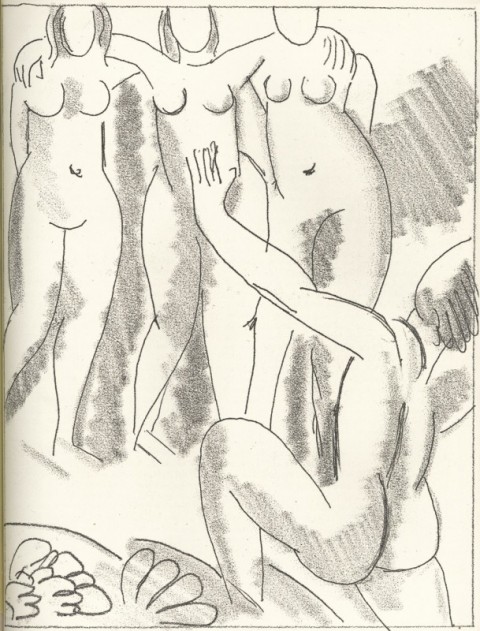
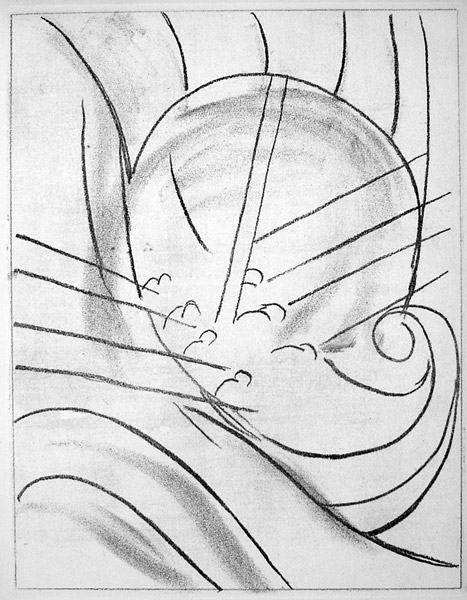
Henri Matisse Illustrates James Joyce’s Ulysses (1935)

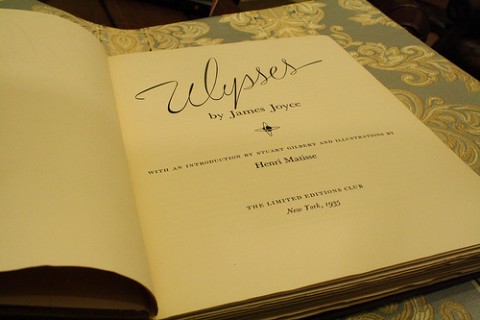
Last year, fans of mod­ernist Irish lit­er­a­ture and impres­sion­ist art saw a must-own vol­ume go under the ham­mer at Bon­hams. “In 1935 the French artist, Hen­ri Matisse, was com­mis­sioned to illus­trate an edi­tion of Ulysses for sub­scribers to the Lim­it­ed Edi­tion Club in Amer­i­ca,” announced Artlyst. “Each of the 1,000 copies was signed by Matisse and 250 were also signed by James Joyce. A copy of the book signed by both men is esti­mat­ed at £6,000 to £8,000.”

In the event it went for £6,250, not a bad deal con­sid­er­ing the hands that wrote those sig­na­tures and the rar­i­ty, signed or unsigned, of this unusu­al book itself. (It cer­tain­ly beats, say, $37,000.) Brain­pick­ings’ Maria Popo­va writes that, after first spot­ting the Matisse-illus­trat­ed Ulysses here on Open Cul­ture, “I gath­ered up my year’s worth of lunch mon­ey and was able to grab one of the last copies avail­able online — a glo­ri­ous leather-bound tome with 22-karat gold accents, gilt edges, moire fab­ric end­pa­pers, and a satin page mark­er.” Ver­sions signed by Matisse are appar­ent­ly available–at a steep price–on Ama­zon.

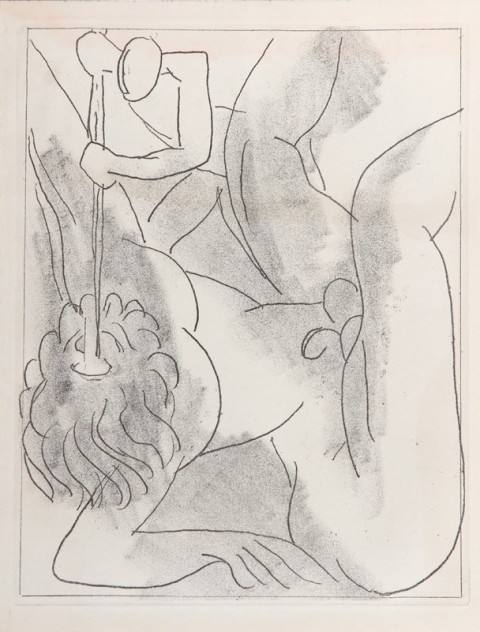
Popo­va adds that “the Matisse draw­ings inside it, of course, are the most price­less of its offer­ings — dou­bly so because, for all their beau­ty, they’re a tragi­com­e­dy of qua­si-col­lab­o­ra­tion.” From whence the tragi­com­e­dy? Pub­lish­ing lore has it that, despite the pro­vi­sion of a full French trans­la­tion of the Ulysses text, Matisse made his illus­tra­tive etch­ings — in the fash­ion of many an under­grad­u­ate with a paper due — with­out ever hav­ing got around to read­ing the book him­self.

“I’ve nev­er ‘read’ Joyce’s Ulysses, and it’s quite plau­si­ble that I nev­er will,” Matis­se’s coun­try­man Pierre Bayard would write sev­en­ty years lat­er in his best­selling How to Talk About Books You Haven’t ReadYet “I feel per­fect­ly com­fort­able when Ulysses comes up in con­ver­sa­tion, because I can sit­u­ate it with rel­a­tive pre­ci­sion in rela­tion to oth­er books. I know, for exam­ple, that it is a retelling of the Odyssey, that its nar­ra­tion takes the form of a stream of con­scious­ness, that its action unfolds in Dublin over the course of a sin­gle day, etc.” — all things that Matisse, too, prob­a­bly knew about Ulysses.

He cer­tain­ly knew that it sup­pos­ed­ly retold the sto­ry of the Odyssey, and so, in a now-inge­nious-look­ing strat­e­gy to not just talk about an unread book but to illus­trate it, he went to the source. Or rather, he went to one of the count­less cul­tur­al, lit­er­ary, his­tor­i­cal, and lin­guis­tic sources upon which Joyce drew to com­pose his mas­ter­piece, bas­ing his art direct­ly on Home­r’s epic poem, in its own way a work more talked about than read. Joyce him­self, who once described much of the tex­tu­al con­tent of Ulysses as intend­ed to “keep the pro­fes­sors busy for cen­turies argu­ing over what I meant,” may well have admired Matis­se’s clar­i­ty of vision, no mat­ter how much-non read­ing it took to refine.

Relat­ed Con­tent:

James Joyce’s Ulysses: Down­load as a Free Audio Book & Free eBook

Vladimir Nabokov Cre­ates a Hand-Drawn Map of James Joyce’s Ulysses

Read Ulysses Seen, A Graph­ic Nov­el Adap­ta­tion of James Joyce’s Clas­sic

New Art Edi­tion of James Joyce’s Ulysses Fea­tures All 265,000 Words Writ­ten by Hand on Big Wood­en Poles

Hen­ri Matisse Illus­trates Baudelaire’s Cen­sored Poet­ry Col­lec­tion, Les Fleurs du Mal

Vin­tage Film: Watch Hen­ri Matisse Sketch and Make His Famous Cut-Outs (1946)

Based in Seoul, Col­in Mar­shall writes and broad­casts on cities and cul­ture. He’s at work on a book about Los Ange­les, A Los Ange­les Primer, the video series The City in Cin­e­ma, the crowd­fund­ed jour­nal­ism project Where Is the City of the Future?, and the Los Ange­les Review of Books’ Korea Blog. Fol­low him on Twit­ter at @colinmarshall or on Face­book.

Periodic Table Battleship!: A Fun Way To Learn the Elements

periodic-table-battleship

Nitro­gen.

Phos­pho­rous.

Arsenic.

Aw, you sunk my bat­tle­ship!

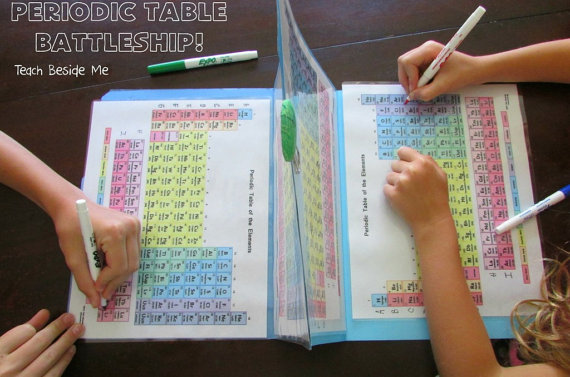
Mil­ton Bradley’s clas­sic board game, Bat­tle­ship, can now be added to the ros­ter of fun, cre­ative ways to com­mit the Peri­od­ic Table of Ele­ments to mem­o­ry.

Karyn Tripp, a home­school­ing moth­er of four, was inspired by her eldest’s love of sci­ence to cre­ate Peri­od­ic Table Bat­tle­ship. I might sug­gest that the game is of even greater val­ue to those who don’t nat­u­ral­ly grav­i­tate toward the sub­ject.

Faced with the option of learn­ing the ele­ments via show­er cur­tain or cof­fee mug osmo­sis, I think I’d pre­fer to take out an opponent’s sub­ma­rine.

Rules of engage­ment are very sim­i­lar to the orig­i­nal. Rather than call­ing out posi­tions on a grid, play­ers set their tor­pe­does for spe­cif­ic ele­ment names, abbre­vi­a­tions or coor­di­nates. Advanced play­ers might go for the atom­ic num­ber. the lin­go is the same: “hit,” “miss” and—say it with me—“you sunk my bat­tle­ship!

The win­ner is the play­er who wipes out the other’s fleet, though I might toss the los­er a cou­ple of rein­force­ment ves­sels, should he or she demon­strate pass­ing famil­iar­i­ty with var­i­ous met­als, halo­gens, and noble gas­es.

To make your own Peri­od­ic Table Bat­tle­ship set you will need:

4 copies of the Peri­od­ic Table (lam­i­nate them for reuse)

2 file fold­ers

paper clips, tape or glue

2 mark­ers (dry erase mark­ers if play­ing with lam­i­nat­ed tables

To Assem­ble and Play:

As you know, the Peri­od­ic Table is already num­bered along the top. Label each of the four tables’  ver­ti­cal rows alpha­bet­i­cal­ly (to help younger play­ers and those inclined to fruit­less search­ing for the ele­ments des­ig­nat­ed by their oppo­nent)

Fas­ten two Peri­od­ic Tables to each fold­er, fac­ing the same direc­tion.

Uses mark­ers to cir­cle the posi­tion of your ships on the low­er Table:

5 con­sec­u­tive spaces: air­craft car­ri­er

4 con­sec­u­tive spaces: bat­tle­ship

3 con­sec­u­tive spaces: destroy­er or sub­ma­rine

2 con­sec­u­tive spaces: patrol boat

Prop the fold­ers up with books or some oth­er method to pre­vent oppo­nents from sneak­ing peeks at your mar­itime strat­e­gy.

Take turns call­ing out coor­di­nates, ele­ment names, abbre­vi­a­tions or atom­ic num­bers:

When a turn results in a miss, put an X on the cor­re­spond­ing spot on the upper table.

When a turn results in a hit, cir­cle the cor­re­spond­ing spot on the upper table.

Con­tin­ue play until the bat­tle is won.

Repeat until the Table of Ele­ments is mas­tered.

Sup­ple­ment lib­er­al­ly with Tom Lehrer’s Ele­ments song.

Those not inclined toward arts and crafts can pur­chase a pre-made  Peri­od­ic Table Bat­tle­ship set from Tripp’s Etsy shop.

Relat­ed Con­tent:

Learn to Write Through a Video Game Inspired by the Roman­tic Poets: Shel­ley, Byron, Keats

Play Mark Twain’s “Mem­o­ry-Builder,” His Game for Remem­ber­ing His­tor­i­cal Facts & Dates

200 Free Kids Edu­ca­tion­al Resources: Video Lessons, Apps, Books, Web­sites & More 

Ayun Hal­l­i­day is an author, illus­tra­tor, the­ater mak­er, sec­u­lar home­school­er and Chief Pri­ma­tol­o­gist of the East Vil­lage Inky zine.  Her play Zam­boni Godot is open­ing in New York City in March 2017. Fol­low her @AyunHalliday.

Learn to Code with Harvard’s Popular Intro to Computer Science Course: The 2016 Edition

This fall, Har­vard has been rolling out videos from the 2016 edi­tion of Com­put­er Sci­ence 50 (CS50), the uni­ver­si­ty’s intro­duc­to­ry cod­ing course designed for majors and non-majors alike. Taught by David Malan, a peren­ni­al­ly pop­u­lar pro­fes­sor (you’ll imme­di­ate­ly see why), the one-semes­ter course (taught most­ly in C) com­bines cours­es typ­i­cal­ly known else­where as “CS1” and “CS2.”

Even if you’re not a Har­vard stu­dent, you’re wel­come to fol­low CS50 online by head­ing over to this site here. There you will find video lec­tures (stream them all above or access them indi­vid­u­al­ly here), prob­lem sets, quizzes, and oth­er use­ful course mate­ri­als. Once you’ve mas­tered the mate­r­i­al cov­ered in CS50, you can start branch­ing out into new areas of cod­ing by perus­ing our big col­lec­tion of Free Online Com­put­er Sci­ence Cours­es, a sub­set of our larg­er col­lec­tion, 1,700 Free Online Cours­es from Top Uni­ver­si­ties

If you would like to sign up for Open Culture’s free email newslet­ter, please find it here. It’s a great way to see our new posts, all bun­dled in one email, each day.

If you would like to sup­port the mis­sion of Open Cul­ture, con­sid­er mak­ing a dona­tion to our site. It’s hard to rely 100% on ads, and your con­tri­bu­tions will help us con­tin­ue pro­vid­ing the best free cul­tur­al and edu­ca­tion­al mate­ri­als to learn­ers every­where. You can con­tribute through Pay­Pal, Patre­on, and Ven­mo (@openculture). Thanks!

Relat­ed Con­tent:

Free Text­books: Com­put­er Sci­ence

Free Online Com­put­er Sci­ence Cours­es

Codecademy’s Free Cours­es Democ­ra­tize Com­put­er Pro­gram­ming

by | Permalink | Make a Comment ( 2 ) |

« Go BackMore in this category... »
Quantcast