Watch the Celebrated Ballerina Anna Pavlova Perform “The Dying Swan” (1925)

Pre­pare my swan cos­tume.

— alleged last words of bal­le­ri­na Anna Pavlo­va, as report­ed by her hus­band

The Inter­net sug­gests that swans are fair­ly tough spec­i­mens, quick to hiss and flap at any YouTu­ber unwise enough to vio­late their per­son­al space with a video cam­era.

The cel­e­brat­ed bal­le­ri­na Anna Pavlo­va (1881–1931) paints a dif­fer­ent pic­ture in her sig­na­ture piece, The Dying Swan.

Chore­o­g­ra­ph­er Mikhail Fokine cre­at­ed the four minute solo in 1905 at Pavlova’s request, draw­ing on her admi­ra­tion for some res­i­dent swans in a Leningrad pub­lic park and Alfred, Lord Ten­nyson’s poem “The Dying Swan.”

It was per­haps a hap­py acci­dent that he had just learned how to play Camille Saint-Saëns’ Le Cygne from Le Car­naval des Ani­maux on his man­dolin. Per­formed on cel­lo, as orig­i­nal­ly intend­ed, it sup­plies a mood of gor­geous melan­choly with which to observe the tit­u­lar char­ac­ter’s en pointe death throes.

Fokine’s descrip­tion of the work’s cre­ation in Dance Mag­a­zine’s August 1931 issue speaks to the rig­or of these prac­ti­tion­ers and their art form:

It was almost an impro­vi­sa­tion. I danced in front of her [Pavlo­va], she direct­ly behind me. Then she danced and I walked along­side her, curv­ing her arms and cor­rect­ing details of pos­es. Pri­or to this com­po­si­tion, I was accused of bare­foot­ed ten­den­cies and of reject­ing toe danc­ing in gen­er­al. The Dying Swan was my answer to such criticism…The dance is tech­ni­cal­ly more dif­fi­cult than it may appear. The dancer moves con­stant­ly using  dif­fer­ent bour­rees. The feet must be beau­ti­ful, express­ing a trem­bling. All paus­es in sus-sous must show legs brought to one point. The arms and the back work inde­pen­dent­ly of the feet which con­tin­ue to move reg­u­lar­ly.

The archival footage from 1925, above, con­veys what Fokine’s words cannot—the deep emo­tion for which this par­tic­u­lar inter­preter was known. It’s a vis­cer­al expe­ri­ence to watch this bro­ken ani­mal fight­ing for its sur­vival, quiv­er­ing and heav­ing, before crum­pling at last. (A pity that this ver­sion cuts off so abrupt­ly… that final note should linger.)

Pavlo­va per­formed The Dying Swan around 4000 times over the course of her career, nev­er sick­en­ing of it, or of the beasts who inspired it. Swans pop­u­lat­ed a small pond at her Eng­lish coun­try home. You can wit­ness her fond­ness for them, below.

Relat­ed Con­tent:

Watch 82-Year-Old Igor Stravin­sky Con­duct The Fire­bird, the Bal­let Mas­ter­piece That First Made Him Famous (1965)

Watch an Avant-Garde Bauhaus Bal­let in Bril­liant Col­or, the Tri­adic Bal­let First Staged by Oskar Schlem­mer in 1922

Bal­let Dancers Do Their Hard­est Moves in Slow Motion

Ayun Hal­l­i­day is an author, illus­tra­tor, the­ater mak­er and Chief Pri­ma­tol­o­gist of the East Vil­lage Inky zine.  Her play Zam­boni Godot is open­ing in New York City in March 2017. Fol­low her @AyunHalliday.

An Animated Version of Ridley Scott’s Blade Runner Made of 12,597 Watercolor Paintings

Three years ago Swedish artist Anders Ram­sell cre­at­ed this 35 minute con­densed ver­sion of Blade Run­ner, frame by frame, using water­col­ors. Blade Run­ner: The Aquarelle Edi­tion con­tains 12,597 impres­sion­is­tic works on water­logged artist paper that togeth­er present, if not a faith­ful rep­re­sen­ta­tion of Rid­ley Scott’s film, then a remem­brance of the film.

It’s as if you boot­ed up a repli­cant film fan and had them try to recon­struct Blade Run­ner from mem­o­ry. (Ram­sell him­self calls it a “para­phrase” of the film.) It’s rec­og­niz­able, but due to the light­ness and fuzzy lines of water­col­or, there’s also a mag­ic to these images. (This is also due to the small size of each frame, 1.5 x 3 cm.)

The film is a jump for­ward from Ramsell’s oth­er works. Before 2011, he was dab­bling in var­i­ous media: nudes in ink on can­vas, abstract acrylic splotch­es, sur­re­al draw­ings that explore hors­es and preg­nan­cy. Div­ing into Blade Run­ner and the amaz­ing amount of work to pro­duce this film did the trick. Ram­sell has tak­en on this tech­nique as wor­thy of fur­ther explo­ration and made a new­er film, Gen­der­ness, which explores trans­sex­u­al­i­ty, and fea­tures a nar­ra­tion by none oth­er than Rut­ger Hauer, who decid­ed to work with Ram­sell after see­ing, Blade Run­ner: The Aquarelle Edi­tion. Watch it above.

Relat­ed Con­tent:

The Blade Run­ner Sketch­book Fea­tures The Orig­i­nal Art of Syd Mead & Rid­ley Scott (1982)

Blade Run­ner is a Waste of Time: Siskel & Ebert in 1982

Wes Ander­son Movie Sets Recre­at­ed in Cute, Minia­ture Dio­ra­mas

Ted Mills is a free­lance writer on the arts who cur­rent­ly hosts the artist inter­view-based FunkZone Pod­cast. You can also fol­low him on Twit­ter at @tedmills, read his oth­er arts writ­ing at tedmills.com and/or watch his films here.

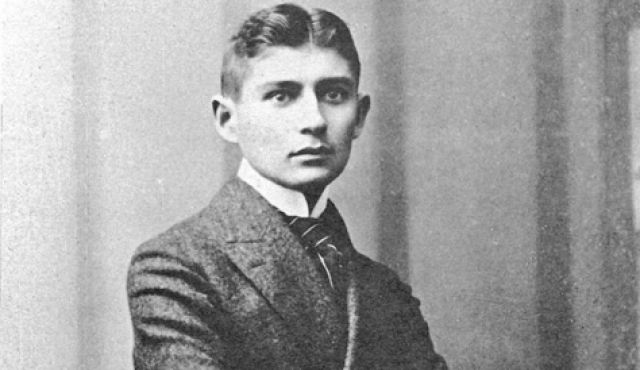
When Franz Kafka Invented the Answering Machine (1913)

kafka-young

We’ve all had the expe­ri­ence, punc­tu­at­ed by inter­minable wait­ing, of cir­cling over and over again through some enor­mous com­pa­ny’s auto­mat­ic tele­phone answer­ing sys­tem. Whether or not it counts as gen­uine­ly “Kafkaesque” may be up for debate, but we do have some evi­dence that the tech­nol­o­gy itself, or at least the idea of it, does indeed trace back to the author of The Meta­mor­pho­sis and The Tri­al him­self. This comes out in Kaf­ka biog­ra­ph­er Rein­er Stach’s new book of pho­tographs, let­ters, and oth­er dis­cov­er­ies called Is that Kaf­ka? 99 Finds.

“Although Kaf­ka was timid and skep­ti­cal in his inter­ac­tions with the lat­est tech­ni­cal gadgets—particularly when they inter­vened in social communication—he was always fas­ci­nat­ed by peo­ple who knew how to han­dle these devices as a mat­ter of course,” writes Stach in an excerpt at the Paris Review. “That includ­ed his fiancée Felice Bauer, who worked in the Berlin offices of Carl Lind­ström AG, where she was in charge of mar­ket­ing for the ‘par­lo­graph,’ a dic­ta­tion machine.” It must have required no great leap of Kafka’s for­mi­da­ble imag­i­na­tion to dream up “a cross between a tele­phone and a par­lo­graph,” which he described in a 1913 let­ter to Bauer:

The inven­tion of a cross between a tele­phone and a par­lo­graph, it real­ly can’t be that hard. Sure­ly by the day after tomor­row you’ll be report­ing to me that the project is already a suc­cess. Of course that would have an enor­mous impact on edi­to­r­i­al offices, news agen­cies, etc. Hard­er, but doubt­less pos­si­ble as well, would be a com­bi­na­tion of the gramo­phone and the tele­phone. Hard­er because you can’t under­stand a gramo­phone at all, and a par­lo­graph can’t ask it to speak more clear­ly. A com­bi­na­tion of the gramo­phone and the tele­phone wouldn’t have such great sig­nif­i­cance in gen­er­al either, but for peo­ple like me, who are afraid of the tele­phone, it would be a relief. But then peo­ple like me are also afraid of the gramo­phone, so we can’t be helped at all. By the way, it’s a nice idea that a par­lo­graph could go to the tele­phone in Berlin, call up a gramo­phone in Prague, and the two of them could have a lit­tle con­ver­sa­tion with each oth­er. But my dear­est the com­bi­na­tion of the par­lo­graph and the tele­phone absolute­ly has to be invent­ed.

The mod­ern answer­ing machine took some time to devel­op, attain­ing its first com­mer­cial­ly suc­cess­ful form, the Elec­tron­ic Sec­re­tary, in 1949, a quar­ter-cen­tu­ry after Kafka’s death. But alas, unbe­knownst to him, some­one had also beat­en him to it when first he thought it up. “The com­bi­na­tion of a tele­phone and a dic­ta­tion machine had already been invent­ed and patent­ed — includ­ing the func­tions of an answer­ing machine,” writes Stach, cit­ing the engi­neer Ernest O. Kum­berg’s inven­tion of some­thing called the “Tele­phono­graph” in 1900. This might seem like just one more dis­ap­point­ment in a life full of them, but remem­ber: just over a cen­tu­ry on, when voice­mail and even new­er tech­nolo­gies have replaced the answer­ing machine, nobody describes any­thing with the word “Kum­ber­gian.”

You can pick up a copy of Is that Kaf­ka? 99 Finds here.

via The Paris Review

Relat­ed Con­tent:

Find Works by Kaf­ka in our Free eBooks col­lec­tion

Four Franz Kaf­ka Ani­ma­tions: Enjoy Cre­ative Ani­mat­ed Shorts from Poland, Japan, Rus­sia & Cana­da

Franz Kafka’s Kafkaesque Love Let­ters

The Art of Franz Kaf­ka: Draw­ings from 1907–1917

The Ani­mat­ed Franz Kaf­ka Rock Opera

What Does “Kafkaesque” Real­ly Mean? A Short Ani­mat­ed Video Explains

Down­load Jim Rockford’s Answer­ing Machine Mes­sages as MP3s

Mark Twain’s Patent­ed Inven­tions for Bra Straps and Oth­er Every­day Items

Based in Seoul, Col­in Mar­shall writes and broad­casts on cities and cul­ture. He’s at work on a book about Los Ange­les, A Los Ange­les Primer, the video series The City in Cin­e­ma, the crowd­fund­ed jour­nal­ism project Where Is the City of the Future?, and the Los Ange­les Review of Books’ Korea Blog. Fol­low him on Twit­ter at @colinmarshall or on Face­book.

Young Frank Zappa Plays the Bicycle on The Steven Allen Show (1963)

Artists in tur­bu­lent times often must resort to extreme mea­sures to com­pen­sate for the gen­er­al state of cul­tur­al dis­or­der. How can one be heard over the sounds of civ­il unrest? Dada and sur­re­al­ist artists adopt­ed an arch­ly gib­ber­ish music hall idiom dur­ing World War I. Amidst the tumult of the 60s, some avant-gardists like Frank Zap­pa used more pop­ulist means, an osten­si­bly rock and roll for­mat and image, as a vehi­cle for his influ­en­tial clas­si­cal-prog-jazz.

Like the first Dadaists, how­ev­er, Zap­pa was a phys­i­cal artist. He start­ed small in the ear­ly six­ties, if you can call an appear­ance on the Steve Allen Show small. The act cer­tain­ly seems so at first. A young Zap­pa, clean-shaven with a well-tai­lored suit and dap­per hair­cut, appears solo on Allen’s show. He’s tac­i­turn at first dur­ing the inter­view, admit­ting that he can play gui­tar, vibes, bass, and drums. He has cho­sen, how­ev­er, to help the audi­ence recov­er what he sug­gests is a child­hood delight, play­ing the bicy­cle. “How long have you been play­ing bike, Frank?” Allen asks. “About two weeks,” says Zap­pa, get­ting his first big laugh.

Zap­pa also talks about an ear­ly, pre-Moth­ers of Inven­tion project, scor­ing the 1962 film The World’s Great­est Sin­ner, which he calls “the world’s worst movie.” The film, it turned out, didn’t air until 50 years lat­er (Mar­tin Scors­ese names it as a favorite). But the men­tion gives Zap­pa a chance to show off how much he knows about com­pos­ing for a 55-piece orches­tra. Allen seems unim­pressed, and remains so when Zap­pa begins his per­for­mance art. Then the gag strays into a Sal­vador Dali spoof via a John Cage per­for­mance, with Zap­pa as the weird, debonair straight man to Allen’s mouthy com­ic.

Zap­pa plays both the right-side-up and the upside-down bike, which involve dif­fer­ent tech­niques. Though it all, he keeps up the pat­ter of a sea­soned show­man, the direct­ness of a deter­mined band­leader, and a straight face. And per­haps that’s real­ly what’s on dis­play here—not the bicy­cle as a musi­cal instru­ment, but the phys­i­cal act of play­ing and con­duct­ing, using pre­cise move­ments and sequences to elic­it spe­cif­ic effects. For all the humor, there’s no rea­son not to think Zap­pa isn’t com­plete­ly seri­ous about all of this, as it expands into the kind of orga­nized chaos only he could so mas­ter­ly orches­trate.

Relat­ed Con­tent:

Frank Zappa’s Exper­i­men­tal Adver­tise­ments For Luden’s Cough Drops, Rem­ing­ton Razors & Port­land Gen­er­al Elec­tric

The Bizarre Time When Frank Zappa’s Entire­ly Instru­men­tal Album Received an “Explic­it Lyrics” Stick­er

Hear the Musi­cal Evo­lu­tion of Frank Zap­pa in 401 Songs

Josh Jones is a writer and musi­cian based in Durham, NC. Fol­low him at @jdmagness

Hear “Weightless,” the Most Relaxing Song Ever Made, According to Researchers (You’ll Need It Today)

As I write this, it’s elec­tion night, and I do not need to tell you about the thick haze of fear in the air. I have already had a cou­ple friends ask me about resources for med­i­ta­tion and relax­ation. I’m no expert, but I have looked into var­i­ous ways to deal with stress and hyper­ten­sion. Med­i­ta­tion tops my list (and those of many men­tal health pro­fes­sion­als). At a very close sec­ond place: Music.

We’ve brought you many med­i­ta­tion resources in the past (see here, here, here, and here). And we’ve point­ed you toward four hours of free orig­i­nal med­i­ta­tion music to help you “not pan­ic,” cour­tesy of Moby. We’ve also brought you music to help you sleep, from com­pos­er Max Richter and many oth­ers. Now, we bring you what “a team of sci­en­tists and sound ther­a­pists” claim is “the most relax­ing song ever,” as Elec­tron­ic Beats informs us. You can hear the track, “Weightless”—by Man­ches­ter band Mar­coni Union and Lyz Coop­er, founder of the British Acad­e­my of Sound Therapy—above.

The song’s relax­ing prop­er­ties sup­pos­ed­ly work “by using spe­cif­ic rhythms, tones, fre­quen­cies and inter­vals to relax the lis­ten­er,” writes Short­List. I’ve had it on repeat for an hour and will tes­ti­fy to its effi­ca­cy. So can 40 women who “found it to be more effec­tive at help­ing them relax than songs by Enya, Mozart and Cold­play.” In this exper­i­ment and oth­ers, says UK stress spe­cial­ist Dr. David Lewis, “Brain imag­ing stud­ies have shown that music works at a very deep lev­el with­in the brain, stim­u­lat­ing not only those regions respon­si­ble for pro­cess­ing sound but also ones asso­ci­at­ed with emo­tions.”

Emotions—fear, rage, and disgust—are run­ning wild nation­wide. Jus­ti­fi­able or not, they can wreak hav­oc on our men­tal and phys­i­cal health if we can’t find ways to relax. “Weight­less,” reports The Tele­graph, “induced a 65 per cent reduc­tion in over­all anx­i­ety and brought [study par­tic­i­pants] to a lev­el 35 per cent low­er than their usu­al rest­ing rates.” That’s no small change in atti­tude, but if you find this atmos­pher­ic track doesn’t do it for you, maybe try out some oth­er tunes from the research team’s top 10 list of most relax­ing (hear them all in the playlist above):

  1. Mar­coni Union and Lyz Coop­er – Weight­less
  2. Airstream – Elec­tra
  3. DJ Shah – Mel­lo­ma­ni­ac (Chill Out Mix)
  4. Enya – Water­mark
  5. Cold­play – Straw­ber­ry Swing
  6. Barcelona – Please Don’t Go
  7. All Saints – Pure Shores
  8. Adelev­Some­one Like You
  9. Mozart – Can­zonet­ta Sull’aria
  10. Cafe Del Mar – We Can Fly

And then, again, there’s Moby’s four hours of ambi­ent sounds, Max Richter’s eight-hour Sleep, the work of Ger­man ambi­ent com­pos­er Gas, and hun­dreds of oth­er supreme­ly relax­ing pieces of music to bring your stress lev­els down to man­age­able. Maybe keep some relax­ing music on hand for extra-stress­ful moments, and as always, don’t for­get to breathe.

Relat­ed Con­tent:

Moby Lets You Down­load 4 Hours of Ambi­ent Music to Help You Sleep, Med­i­tate, Do Yoga & Not Pan­ic

Music That Helps You Sleep: Min­i­mal­ist Com­pos­er Max Richter, Pop Phe­nom Ed Sheer­an & Your Favorites

How a Good Night’s Sleep — and a Bad Night’s Sleep — Can Enhance Your Cre­ativ­i­ty

Josh Jones is a writer and musi­cian based in Durham, NC. Fol­low him at @jdmagness

Is The Big Lebowski a Great Noir Film? A New Way to Look at the Coen Brothers’ Iconic Movie

The Big Lebows­ki, Joel and Ethan Coen’s sev­enth and most polar­iz­ing film, has raised every feel­ing in its view­ers from imme­di­ate and utter devo­tion to sim­ple puz­zle­ment. When some­one says “I don’t get it,” fans may find them­selves tempt­ed to quote Louis Arm­strong on the nature of jazz — but they’ll prob­a­bly quote Wal­ter, Don­ny, or the Dude him­self instead. The film’s very quota­bil­i­ty, longevi­ty, and ambi­gu­i­ty have enthralled some and frus­trat­ed oth­ers, sug­gest­ing that, as with any impor­tant work of art, you can see The Big Lebows­ki in a num­ber of dif­fer­ent ways. The Film School’d video essay above exam­ines one of those ways with the ques­tion, “Is The Big Lebows­ki a Film Noir?”

“We know film noir for its black-and-white cin­e­matog­ra­phy, grit­ty voiceovers, venet­ian blinds, detec­tives in trench coats, trou­bled dames, and femme fatales with legs that go all the way up,” says its nar­ra­tor, begin­ning in an imi­ta­tion of the mid-Atlantic accent so often heard in movies of the noir era. “But what if a film does­n’t imme­di­ate­ly qual­i­fy as film noir? What if that film uti­lizes all the major ele­ments, but car­ries a sar­don­ic tone that, at times, still takes itself very seri­ous­ly? What if that film does­n’t real­ly look like a film noir right away? What if, on the sur­face, that film appears to be an absur­dist ston­er com­e­dy about mis­tak­en iden­ti­ty, bowl­ing, and a stolen rug?”

We’ve cov­ered lists of the essen­tial ele­ments of film noir here at Open Cul­ture, and this video essay does a com­par­a­tive study, lin­ing aspects of The Big Lebows­ki against those of such clas­sics of the genre — or maybe move­ment, or maybe just fad — as The Big SleepTouch of EvilThe Big HeatD.O.A., and Mur­der My Sweet. Like those pic­tures, Lebows­ki also uses the much-pho­tographed city of Los Ange­les in a strik­ing­ly dif­fer­ent way from its con­tem­po­raries, and it pro­vides the Coen broth­ers a gold­en oppor­tu­ni­ty to indulge their skill for repur­pos­ing 20th-cen­tu­ry genre con­ven­tions (most recent­ly on dis­play in the 1951 Hol­ly­wood-set Hail, Cae­sar!).

The Big Lebows­ki is about an atti­tude, not a sto­ry,” wrote Roger Ebert , who also once drew up his own list of the rules of film noir, upon induct­ing The Big Lebows­ki into his pan­theon of great movies. “It’s easy to miss that, because the sto­ry is so urgent­ly pur­sued.” He could have said the same about the pic­tures in the core film noir canon, which you can kick back and catch up on from the com­fort of your own pad with our free film noir col­lec­tion. The Dude, and Ebert, would most cer­tain­ly abide.

Relat­ed Con­tent:

60 Free Film Noir Movies

The Essen­tial Ele­ments of Film Noir Explained in One Grand Info­graph­ic

The 5 Essen­tial Rules of Film Noir

Roger Ebert Lists the 10 Essen­tial Char­ac­ter­is­tics of Noir Films

The Two Gen­tle­men of Lebows­ki: What If The Bard Wrote The Big Lebows­ki?

The Big Lebows­ki Reimag­ined as a Clas­sic 8‑Bit Video Game

Based in Seoul, Col­in Mar­shall writes and broad­casts on cities and cul­ture. He’s at work on a book about Los Ange­les, A Los Ange­les Primer, the video series The City in Cin­e­ma, the crowd­fund­ed jour­nal­ism project Where Is the City of the Future?, and the Los Ange­les Review of Books’ Korea Blog. Fol­low him on Twit­ter at @colinmarshall or on Face­book.

The Only Known Footage of Louis Armstrong in a Recording Studio: Watch the Recently-Discovered Film (1959)

1959 was a water­shed for jazz, a form of music that often looks back­ward and for­ward at once. That year, vir­tu­oso com­posers and soloists like Miles Davis, John Coltrane, Charles Min­gus, Dave Brubeck, and Ornette Cole­man pulled jazz in all sorts of tem­po­ral and spa­tial dimen­sions, giv­ing new shape to bebop, cool jazz, hard bop, and what­ev­er Ornette Cole­man was up to. 1959 also brought us per­haps one of the most tra­di­tion­al records by a jazz great that year, Louis Armstrong’s Satch­mo Plays King Oliv­er, a trib­ute album to his “ear­li­est musi­cal hero,” writes All­mu­sic, “and the man who enabled two of his break­out gigs” in 1918 and 1922.

Arm­strong reached back to those years in his selec­tion of mate­r­i­al, with his All-Stars play­ing such clas­sic Oliv­er com­po­si­tions as “New Orleans stomp” and “Dr. Jazz,” along with a hand­ful of tunes Arm­strong “admit­ted with a sly smile, ‘Joe [Oliv­er] might have played.’” The record­ing ses­sions for that album end­ed up on a “33-minute, 16mm film,” writes The Guardian. “The record pro­duc­er, Sid Frey, had the film pro­fes­sion­al­ly shot but wound up not doing any­thing with it or telling any­one about it.” Just recent­ly, that film was dis­cov­ered in a stor­age facil­i­ty and acquired by the Louis Arm­strong House Muse­um. It’s the only known footage of Arm­strong in the stu­dio.

See Arm­strong and his All-Stars record “I Ain’t Got Nobody” at Audio Fideli­ty in Los Ange­les above. Here, as in the oth­er cuts, Arm­strong revis­its his New Orleans swing and rag­time roots, in stark con­trast to the for­ward-look­ing wave of records from a new gen­er­a­tion. But in doing so, he also cre­at­ed an instant clas­sic trib­ute that “deserves to be placed on the shelf along­side Arm­strong Plays W.C. Handy and Satch Plays Fats,” writes Jaz­zviews, “and in some aspects is supe­ri­or to them both.… ‘I Ain’t Got Nobody’ is a tune that could have been writ­ten by Louis and the group, it fits them well. The whole group are in top form and Louis’s vocal is a gem.” It cer­tain­ly puts David Lee Roth’s ham­my ver­sion to shame.

This rep­re­sents one of “two com­plete takes,” The Guardian notes, pre­sum­ably the first. After­ward, at 4:22, watch Louis and the band take five and talk things over. There’s no audio, but it’s cool nonethe­less to see them casu­al­ly lounge around smok­ing cig­a­rettes and crack­ing jokes. “For now, the muse­um will post one com­plete song on its web­site and social media”—it’s cur­rent song being that above. “It plans to show the com­plete film at a future date.” For now, it’s housed at the museum’s Coro­na, Queens loca­tion, “in the mod­est brick build­ing where Arm­strong lived for 28 years and died in 1971.”

Relat­ed Con­tent:

Louis Arm­strong and His All Stars Live in Bel­gium, 1959: The Full Show

The Clean­est Record­ings of 1920s Louis Arm­strong Songs You’ll Ever Hear

Louis Arm­strong Plays His­toric Cold War Con­certs in East Berlin & Budapest (1965)

Watch the Ear­li­est Known Footage of Louis Arm­strong Per­form­ing Live in Con­cert (Copen­hagen, 1933)

Josh Jones is a writer and musi­cian based in Durham, NC. Fol­low him at @jdmagness

Edgar Allan Poe’s the Raven: Watch an Award-Winning Short Film That Modernizes Poe’s Classic Tale

In 1909, ear­ly cin­e­mat­ic auteur D.W. Grif­fith offered his sev­en-minute inter­pre­ta­tion of Edgar Allan Poe com­pos­ing his acclaimed and wide­ly-read poem “The Raven.” In 2011, film­mak­er Don Thiel offered his twelve-minute inter­pre­ta­tion of an encounter between a writer named Poe, appar­ent­ly young and not long out of the mil­i­tary, and a state­ly talk­ing raven — an encounter that takes place not in the mod­ern day, nor in the first half of the nine­teenth cen­tu­ry dur­ing which the real Poe lived, but in the win­ter of 1959, over a cen­tu­ry after Poe died — and in a Hol­ly­wood room, no less.

Poe made his name on tales of mys­tery and imag­i­na­tion; Edgar Allan Poe’s the Raven adds anoth­er lay­er of mys­tery and imag­i­na­tion atop it all. The effort won the film sev­er­al awards, includ­ing Best Short at the H.P. Love­craft Film Fes­ti­val.

That might at first seem like an odd place for an adap­ta­tion of a poem of long­ing like “The Raven,” how­ev­er delib­er­ate­ly skewed, to earn its hon­ors. But you could see Love­craft, who launched his own life’s career in elab­o­rate explo­rations of dread beyond man’s direct com­pre­hen­sion almost exact­ly a cen­tu­ry ago, as Poe’s lit­er­ary heir.

But then, unlike Poe and “The Raven,” Love­craft nev­er claimed to have writ­ten any­thing delib­er­ate­ly and sin­gle­mind­ed­ly to max­i­mize the sat­is­fac­tion of the widest pos­si­ble audi­ence. Indeed, Love­craft’s work, how­ev­er influ­en­tial on that of lat­er imag­i­na­tive writ­ers, remains in the shad­owy realm of the “cult,” while Poe’s has ascend­ed onto the plane of required read­ing. Edgar Allan Poe’s the Raven, which envi­sions Poe’s most famous piece of work with booze, cig­a­rettes, yel­low­ing pat­terned wall­pa­per, lurid light­ing, eight-mil­lime­ter film, a Coro­na type­writer, and oth­er arti­facts of mid­cen­tu­ry dis­so­lu­tion, shows us that they’ve done so in part by tran­scend­ing time and place. Long­ing, it seems, nev­er gets old.

Edgar Allan Poe’s the Raven will be added to our col­lec­tion, 4,000+ Free Movies Online: Great Clas­sics, Indies, Noir, West­erns, Doc­u­men­taries & More.

Relat­ed Con­tent:

Down­load The Com­plete Works of Edgar Allan Poe: Macabre Sto­ries as Free eBooks & Audio Books

The First Biopic of Edgar Allan Poe: 1909 Film by D.W. Grif­fith Shows the Hor­ror Mas­ter Writ­ing “The Raven”

Edgar Allan Poe Ani­mat­ed: Watch Four Ani­ma­tions of Clas­sic Poe Sto­ries

The Simp­sons Present Edgar Allan Poe’s “The Raven,” and Teach­ers Now Use It to Teach Kids the Joys of Lit­er­a­ture

Hear the 14-Hour “Essen­tial Edgar Allan Poe” Playlist: “The Raven,” “The Tell-Tale Heart” & Much More

Based in Seoul, Col­in Mar­shall writes and broad­casts on cities and cul­ture. He’s at work on a book about Los Ange­les, A Los Ange­les Primer, the video series The City in Cin­e­ma, the crowd­fund­ed jour­nal­ism project Where Is the City of the Future?, and the Los Ange­les Review of Books’ Korea Blog. Fol­low him on Twit­ter at @colinmarshall or on Face­book.

« Go BackMore in this category... »
Quantcast