Note: Though the service came to an end earlier today, it looks like you can now watch a recording of the farewell ceremony above. If you make it to the end, you’ll notice that there was an issue with the audio when Dave Grohl began speaking. You can hear a slightly touched-up version here.
Just a quick note: “Lemmy” Kilmister’s memorial service is now streaming live on Youtube. Click play above. Ian Fraser Kilmister was an English musician, singer and songwriter who founded and fronted the rock band Motörhead. He died on December 29th, at the age of 70.
Simone de Beauvoir, existentialist philosopher, feminist theorist, author of The Second Sex, whose birthday we celebrate today.
Metroid, an action-adventure video game designed for the Nintendo in 1986.
At first glance, they’re not an obvious pairing. But in 8‑Bit Philosophy, a web series that explains philosophical concepts by way of vintage video games, things kind of hang together.
Gamers remember Metroid for being the first video game to feature a strong female protagonist, a character who blew apart existing female stereotypes, kicked some alien butt, and created new possibilities for women in the video gaming space. And that lets Metroid set the stage for talking about the intellectual contributions of Simone de Beauvoir, who, back in the late 1940s, gave us new ways of thinking about gender and gender-based hierarchies in our societies.
Or, better yet, go to the source itself, and listen to de Beauvoir talk in two lengthy interviews, both featured on Open Culture in years past. They’re pretty remarkable historical documents.
If you would like to sign up for Open Culture’s free email newsletter, please find it here. It’s a great way to see our new posts, all bundled in one email, each day.
If you would like to support the mission of Open Culture, consider making a donation to our site. It’s hard to rely 100% on ads, and your contributions will help us continue providing the best free cultural and educational materials to learners everywhere. You can contribute through PayPal, Patreon, and Venmo (@openculture). Thanks!
Some of our favorite, and most popular, posts at Open Culture focus on book illustration. From fine art to graphic design, from the sublime to the ridiculous to the purely technical, the art used to visualize beloved works of literature and scientific texts captivates us. Perhaps that’s in part because we encounter illustration so rarely these days, what with the triumph of photography and, now, the proliferation of digital images, which are so easy to create and reproduce that too few give sufficient consideration to aesthetic essentials. Graphic novels and comics aside, the carefully hand-illustrated book or periodical has become something of a novelty.
But when we reach back to the mid-19th century, it was photography that was novel and graphic art the norm. So what was the subject of the first book to use photographic illustration? Monuments? Landscapes? Celebrities? No: algae.
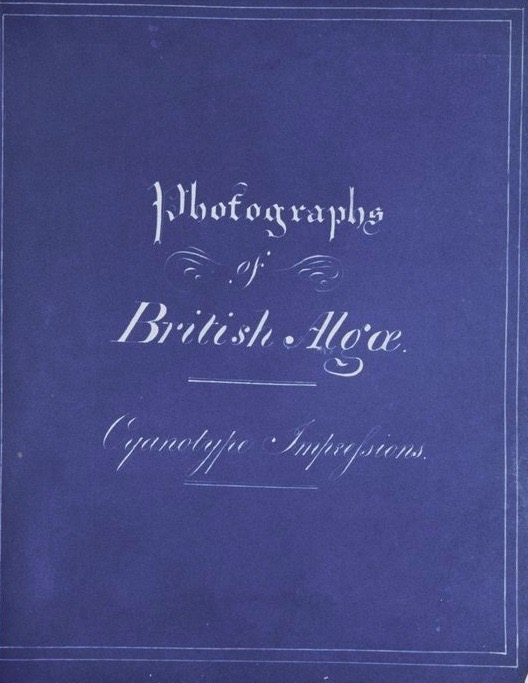
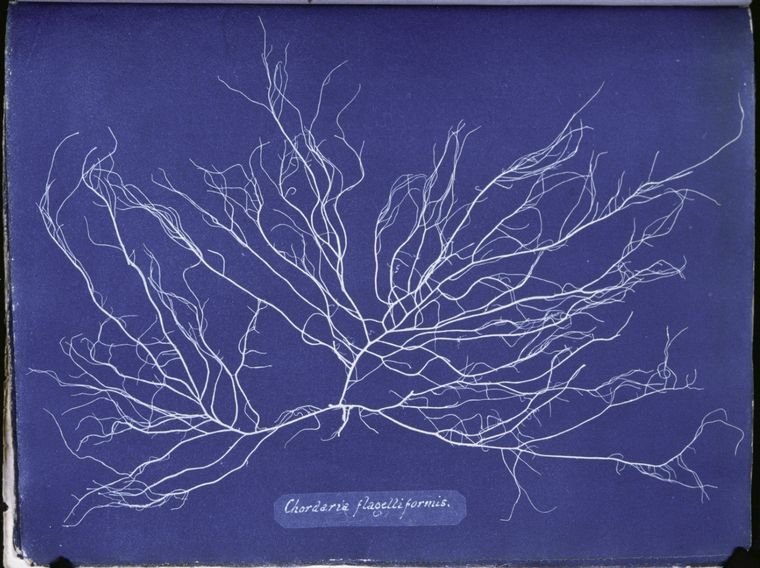
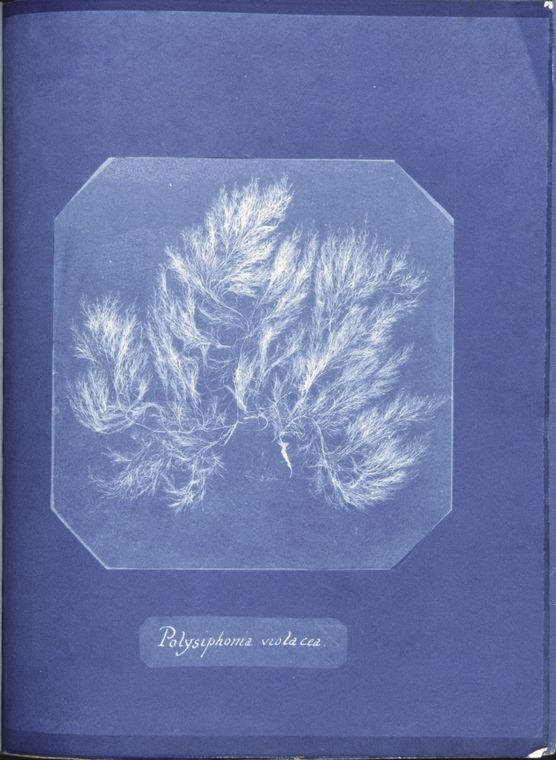
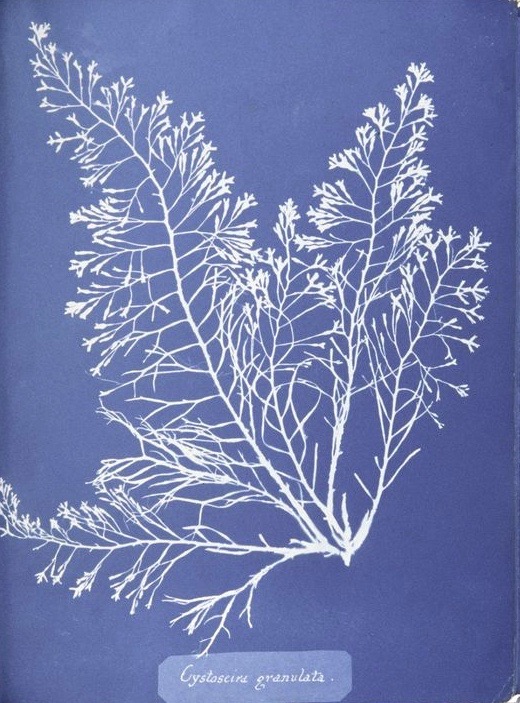
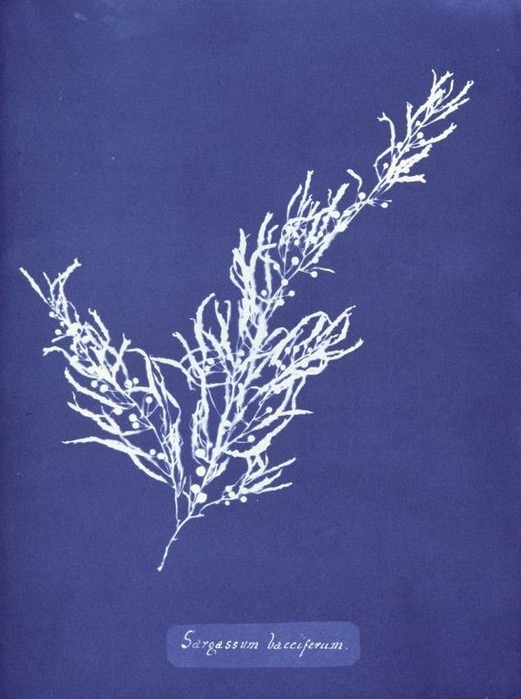
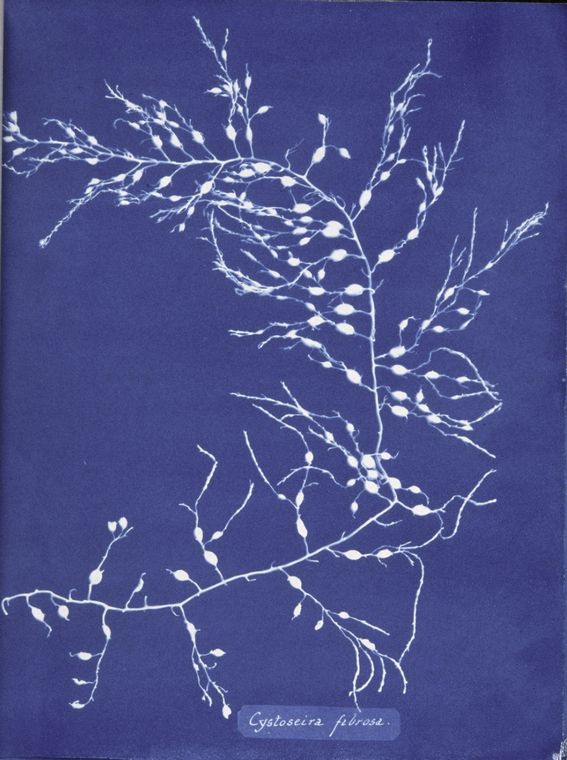
English botanist Anna Atkins—who is not only credited as the first person to make a book illustrated with photographs, but as the first woman to make a photograph—created her handmade Photographs of British Algae: Cyanotype Impressions in 1843. And though the subject may be less than thrilling, the images themselves are austerely beautiful.
The subtitle of the book refers to the process Atkins used to make the images, a technique developed by Sir John Herschel. “Early photographers,” writes Phil Edwards at Vox, “couldn’t easily develop their pictures.” The techniques available proved expensive, dangerous, and unstable. “Herschel came up with a solution,” Edwards tells us, “using an iron pigment called ‘Prussian Blue,’ he laid objects of photographic negatives onto chemically treated paper, exposed them to sunlight for around 15 minutes, and then washed the paper. The remaining image revealed pale blue objects on a dark blue background.” The process, Jonathan Gibbs informs us at The Independent, “had previously been used to reproduce architectural drawings and designs,” and is, in fact, the origin of the word “blueprint.”
Though “a capable artist,” Edwards writes, Atkins realized that Herschel’s cyanotypes “were a better way to capture the intricacies of plant life and avoid the tedium—and error—involved with drawing.” British Algae, the BBC tells us, was Atkins’ “most valuable work” as a naturalist. As the daughter of a scientist and Royal Society Fellow, Atkins had frequent contact with the most well-respected scientists of the day, including Hershel and photographic pioneer William Henry Fox Talbot. Her “first contribution to science was her engravings of shells, used to illustrate her father’s translation of Lamarck’s Genera of Shells” in 1823. Afterward, she became interested in botany, and algae in particular, and in the emerging technology of photography as a means of preserving her observations.
Chef turned restaurateur Alain Ducasse has rather a lot to say on the subject of chocolate.
On the website of Le Manufacture, the small-batch chocolate factory he founded in a former Renault Garage, he waxes poetic, sharing wide-eyed childhood memories of the “terribly sensual and bewitching substance.”
He’s a bit more mercenary in the pages of the The Wall Street Journal and Harvard Business Review, noting that the chocolate operation grew out of his desire to control the process from cacao beans to dessert plates in his numerous fine dining establishments.
His involvement in the day-to-day operations is likely ceremonial, but in a chocolate making stint early in his career, he found the “olfactory universe” pleasurable and “intoxicating to the point of being disturbing.”
Take that, Hersheys!
His fondness for vintage machinery and traditional methods opens the door to some serious cacao porn, above, starring former executive pastry chef Nicolas Berger.
The word “meticulous” comes up more than once in the voiceover narration. Hopefully, Saturday Night Live will take note. Tasked by Epicurious to identify a guilty pleasure on the order of chocolate or wine, Ducasse named BLT sandwiches, but he musters the requisite, parody-worthy romanticism for director Simon Pénochet:
Beyond gourmandise, we are seeking truth, a quest which is more primal than original.
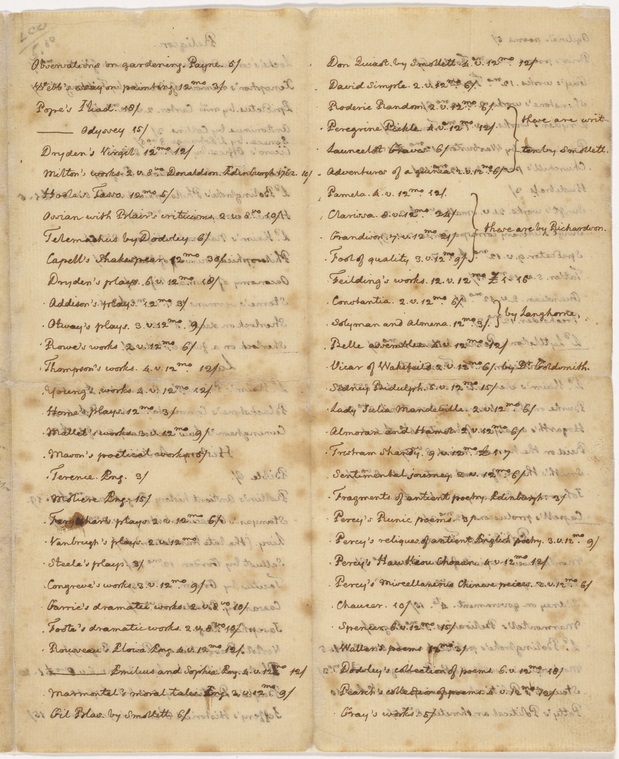
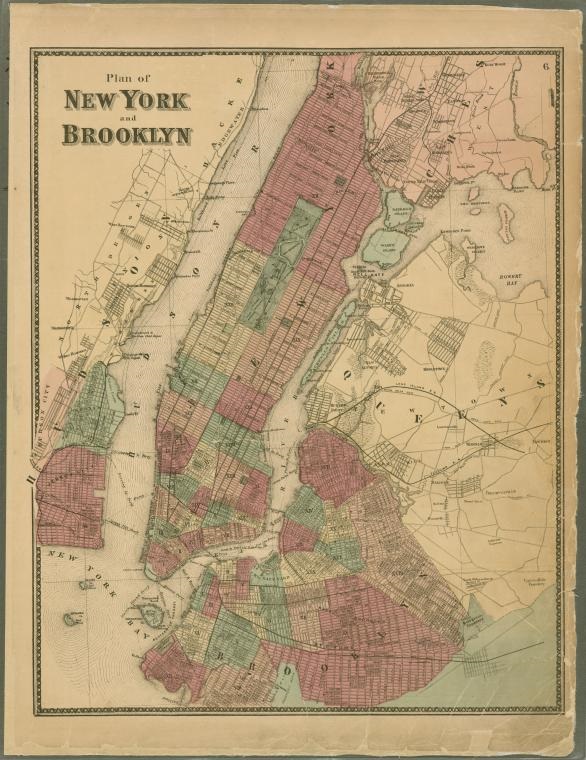
Most of us Open Culture writers and readers surely grew up thinking of the local public library as an endless source of fascinating things. But the New York Public Library’s collections take that to a whole other level, and, so far, they’ve spent the age of the internet taking it to a level beyond that, digitizing ever more of their fascinating things and making them freely available for all of our perusal (and even for use in our own work). Just in the past couple of years, we’ve featured their release of 20,000 high-resolution maps, 17,000 restaurant menus, and lots of theater ephemera.
This week, The New York Public Library (NYPL) announced not only that their digital collection now contains over 180,000 items, but that they’ve made it possible, “no permission required, no hoops to jump through,” to download and use high-resolution images of all of them.
You’ll find on their site “more prominent download links and filters highlighting restriction-free content,” and, if you have techier interests, “updates to the Digital Collections API enabling bulk use and analysis, as well as data exports and utilities posted to NYPL’s GitHub account.” You might also consider applying for the NYPL’s Remix Residency program, designed to foster “transformative and creative uses of digital collections and data, and the public domain assets in particular.”
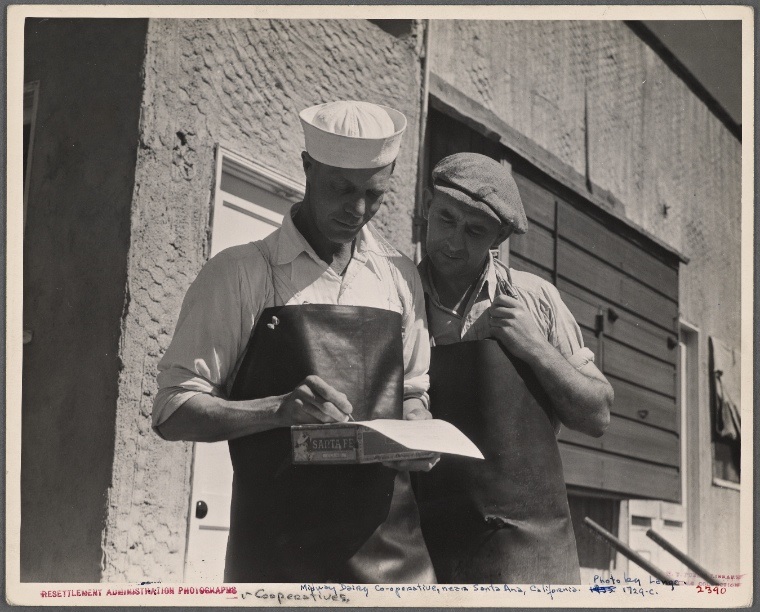
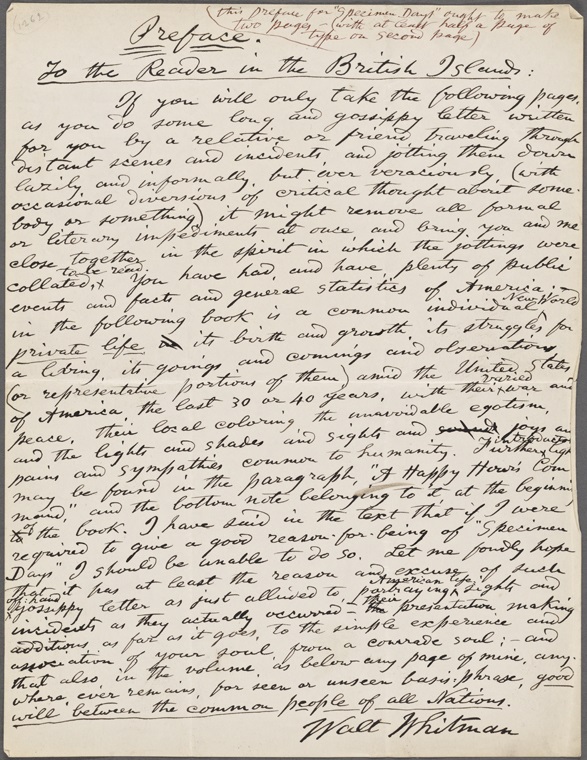
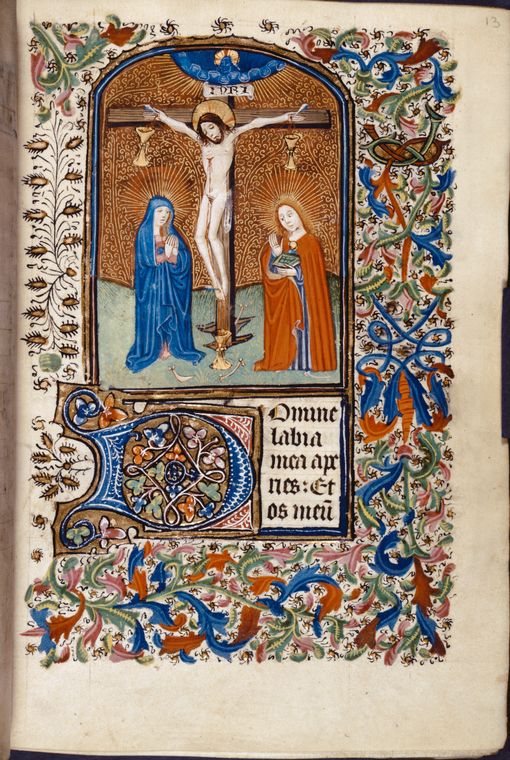
These selections make the NYPL’s digital collection seem strongly America-focused, and to an extent it is, but apart from hosting a rich repository of the history, art, and letters of the United States, it also contains such fascinating international materials as medieval European illuminated manuscripts; 16th-century handscrolls illustrating The Tale of Genji, the first novel; and 19th-century cyanotypes of British algae by botanist and photographer Anna Atkins, the first person to publish a book illustrated with photos. You can start your own browsing on the NYPL Digital Collections front page, and if you do, you’ll soon find that something else we knew about the library growing up — what good places they make in which to get lost — holds even truer on the internet.
Bruce Lee’s TV acting career began in 1966, when he landed a part in The Green Hornet. (Watch his thrilling audition here). But it took another five years before he gave his first–and, it turns out, only television interview in English. For 25 minutes in December 1971, the martial arts star sat down with Pierre Berton, a Canadian journalist, in Hong Kong. And their conversation covered a fair amount of ground – Lee’s success starring in Mandarin films .… despite only speaking Cantonese; his difficulty developing a career in a country still hostile toward China; and his work training other Hollywood stars in the martial arts.
Taped in 1971, the interview aired only once, then went missing, and wasn’t found until 1994, when it finally aired again as a TV special called ”Bruce Lee: The Lost Interview’.’ First featured on Open Culture in 2011, the recording is now considered his only surviving on-camera interview and/or his only meaningful interview conducted in English. A somewhat restored version can be viewed on Vimeo here.
Follow Open Culture on Facebook and Twitter and share intelligent media with your friends. Or better yet, sign up for our daily email and get a daily dose of Open Culture in your inbox. And if you want to make sure that our posts definitely appear in your Facebook newsfeed, just follow these simple steps.
The Simpsons have mocked or referenced literature over its 27 (!!) seasons, usually through a book Lisa was reading, or with guest appearances (e.g., Michael Chabon & Jonathan Franzen, Maya Angelou and Amy Tan). And it has referenced Edgar Allan Poe in both title (“The Tell-Tale Head” from the first season) and in passing (in “Lisa’s Rival” from 1994, the title character builds a diorama based on the same Poe tale.)
But on the first ever “Treehouse of Horror” from 1990–the Simpsons’ recurring Halloween episode–they adapted Poe’s “The Raven” more faithfully than any bit of lit found in any other episode. The poem, read by James Earl Jones, remains intact, more or less, but with Dan Castellaneta’s Homer Simpson providing the unnamed narrator’s voice. Marge makes an appearance as the long departed Lenore, with hair so tall it needs an extra canvas to contain it in portrait. Maggie and Lisa are the censer-swinging seraphim, and Bart is the annoying raven that drives Homer insane.
Castellaneta does a great job delivering Poe’s verse with conviction and humor, while keeping the character true to both Homer and Poe. It’s a balancing act harder than it sounds.
Suffice it to say that this foray into Poe was good enough for several teachers guides (including this one from The New York Times) to suggest using the video in class. (We’d love to hear about this if you were a teacher or student who experienced this.) And it’s the first and only time that Poe got co-writing credit on a Simpsons episode.
Ted Mills is a freelance writer on the arts who currently hosts the artist interview-based FunkZone Podcast. You can also follow him on Twitter at @tedmills, read his other arts writing at tedmills.com and/or watch his films here.
“Not everyone ‘digs’ underground movies, but those who do can ‘dig’ ’em here.” Now imagine those words spoken in the archetypal so-square-it’s-cool consummate midcentury newscaster voice — or actually watch them enunciated in just that manner out on the steps of New York’s The Bridge, “one of several small theaters around the country where ‘underground’ films are shown.” The report, which aired on CBS Evening News with Walter Cronkite on December 31st, 1965, introduced to mainstream Americans such avant-garde filmmakers as Jonas Mekas, Stan Brakhage, and Andy Warhol — as well as a certain band called the Velvet Underground.
This six-minute segment spends some time with Piero Heliczer, filmmaker, poet, and “once the Jackie Coogan of Italy.” As Dangerous Minds’ Martin Schneider writes, “When CBS came a‑callin’ to do its story, Heliczer was shooting a 12-minute short called Dirt, featuring the Velvet Underground, and that was the scene Heliczer happened to be shooting that day. (For some reason none of the fellows in the band are wearing a shirt.)” Schneider also quotes Velvet Underground founding member Sterling Morrison, who credits playing in Heliczer’s “happenings” with showing him the possibilities of experimental music: “The path ahead became suddenly clear — I could work on music that was different from ordinary rock & roll since Piero had given us a context to perform.”
I can only imagine how the viewers of fifty years and one week ago must have reacted to hearing these cutting-edge filmmakers discussing “the narrative aspect and the poetic aspect” of cinema, let alone seeing clips of their works themselves, right down to a representative twenty seconds of Andy Warhol’sSleep. It even includes a clip from Brakhage’s Two: Creeley/McClurewhich must have made more than a few of them wonder if their set had suddenly gone on the blink. But even the most staid of CBS’s audience must have come away with a novel idea or two worth thinking about, such as Brakhage’s stated aim of making movies “for viewing in a living room, rather than in a theater.” That, perhaps, they could dig.
If you would like to sign up for Open Culture’s free email newsletter, please find it here. It’s a great way to see our new posts, all bundled in one email, each day.
If you would like to support the mission of Open Culture, consider making a donation to our site. It’s hard to rely 100% on ads, and your contributions will help us continue providing the best free cultural and educational materials to learners everywhere. You can contribute through PayPal, Patreon, and Venmo (@openculture). Thanks!
We're hoping to rely on loyal readers, rather than erratic ads. Please click the Donate button and support Open Culture. You can use Paypal, Venmo, Patreon, even Crypto! We thank you!
Open Culture scours the web for the best educational media. We find the free courses and audio books you need, the language lessons & educational videos you want, and plenty of enlightenment in between.