The Atlantic Slave Trade Visualized in Two Minutes: 10 Million Lives, 20,000 Voyages, Over 315 Years

Not since the six­ties and sev­en­ties, with the black pow­er move­ment, flow­er­ing of Afro­cen­tric schol­ar­ship, and debut of Alex Haley’s Roots, nov­el and mini-series, has there been so much pop­u­lar inter­est in the his­to­ry of slav­ery. We have seen Roots remade; award-win­ning books like Edward Baptist’s The Half Has Nev­er Been Told climb best­seller lists; and The Freedman’s Bureau Project’s dig­i­ti­za­tion of 1.5 mil­lion slav­ery-era doc­u­ments gives cit­i­zen-schol­ars the tools to research the his­to­ry on their own.

In addi­tion to these devel­op­ments, Slate mag­a­zine has designed a mul­ti­part, mul­ti­me­dia course, “The His­to­ry of Amer­i­can Slav­ery,” as part of its online edu­ca­tion­al ini­tia­tive, “Slate Acad­e­my.” Host­ed by Slate’s Jamelle Bouie and Rebec­ca Onion and fea­tur­ing guest his­to­ri­ans like Bap­tist, Hen­ry Louis Gates, Jr., Annette Gor­don-Reed, Eric Fon­er and more, this thor­ough sur­vey con­sists of a nine-part pod­cast, with copi­ous sup­ple­men­tary essays, book excerpts, and oth­er resources draw­ing on pri­ma­ry doc­u­ments and arti­facts. One sup­ple­ment, the ani­ma­tion above, shows us the “The Atlantic Slave Trade in Two Min­utes.”

Visu­al­iz­ing 315 years—“from the trade’s begin­ning in the 16th cen­tu­ry to its con­clu­sion in the 19th”—the ani­ma­tion dis­plays slave ships as increas­ing num­bers of black dots zip­ping across the Atlantic to the Amer­i­c­as from the African coasts. The dots “also cor­re­spond to the size of each voy­age. The larg­er the dot, the more enslaved peo­ple on board.” The Youtube video above pro­vides only a par­tial rep­re­sen­ta­tion of this impres­sive graph­ic. The full ani­ma­tion at Slate allows users to pause, click on indi­vid­ual dots, and get detailed infor­ma­tion, when avail­able, about the name of the ship, num­ber of enslaved peo­ple trans­port­ed, and points of ori­gin and entry in the New World.

In all, we see ani­mat­ed “more than 20,000 voy­ages cat­a­logued in the Trans-Atlantic Slave Trade Data­base.” And though we typ­i­cal­ly, with typ­i­cal U.S. solip­sism, think of Amer­i­can slav­ery as a most­ly North Amer­i­can phe­nom­e­non, the truth is quite the con­trary:

Of the more than 10 mil­lion enslaved Africans to even­tu­al­ly reach the West­ern Hemi­sphere, just 388,747—less than 4 per­cent of the total—came to North Amer­i­ca. This was dwarfed by the 1.3 mil­lion brought to Span­ish Cen­tral Amer­i­ca, the 4 mil­lion brought to British, French, Dutch, and Dan­ish hold­ings in the Caribbean, and the 4.8 mil­lion brought to Brazil.

Ear­ly slave expe­di­tions were con­duct­ed by the Span­ish and Por­tuguese. “In the 1700s,” writes Bouie, “Span­ish trans­port dimin­ish­es and is replaced (and exceed­ed) by British, French, Dutch, and—by the end of the century—American activ­i­ty. This hun­dred years—from approx­i­mate­ly 1725 to 1825—is also the high-water mark of the slave trade, as Euro­peans send more than 7.2 mil­lion peo­ple to forced labor, dis­ease and death in the New World.” Sur­pris­ing­ly, Por­tu­gal remained one of the lead­ing nations among enslavers for most of the slave-trade’s his­to­ry.

The ani­ma­tion and short explana­to­ry essay by Bouie show us the stag­ger­ing his­tor­i­cal scope of the immense­ly prof­itable and pro­found­ly inhu­mane enter­prise that shaped not only the Unit­ed States, but also—in many ways more so—Central and South Amer­i­ca and the Caribbean. There is no his­to­ry of the Amer­i­c­as, and no growth of many of the colonies into wealthy, world-his­tor­i­cal nations, with­out slav­ery, nor can the wealth of Europe be in any way divorced from the prof­its of the slave trade and slave indus­try. Bouie and Onion explain in the short video above why they decid­ed to pro­duce the course.

For a sense of how his­to­ri­ans’ and the public’s under­stand­ing of slav­ery have changed over many decades—for all kinds of ide­o­log­i­cal reasons—read this excerpt from Baptist’s ground­break­ing book. As he says in an inter­view with Salon, most his­to­ries and recre­ations of the peri­od of enslave­ment attempt to hide the facts: “The resis­tance to reck­on­ing with the role of slav­ery in the tra­jec­to­ry that makes the U.S. the most pow­er­ful nation on earth, that’s real; that’s very, very deep…. What­ev­er we say about the role of the U.S. in glob­al his­to­ry, it’s absolute­ly clear to me that slav­ery is essen­tial to the rise of U.S. pow­er.” Slate’s series goes a long way toward telling us the true his­to­ry of slav­ery, from the mouths of writ­ers and schol­ars who engage with it dai­ly.

Relat­ed Con­tent:

1.5 Mil­lion Slav­ery Era Doc­u­ments Will Be Dig­i­tized, Help­ing African Amer­i­cans to Learn About Their Lost Ances­tors

The “Slave Bible” Removed Key Bib­li­cal Pas­sages In Order to Legit­imize Slav­ery & Dis­cour­age a Slave Rebel­lion (1807)

Mas­sive New Data­base Will Final­ly Allow Us to Iden­ti­fy Enslaved Peo­ples and Their Descen­dants in the Amer­i­c­as

Crowd­sourced Data­base Will Locate the Bur­ial Sites of For­got­ten US Slaves

Josh Jones is a writer and musi­cian based in Durham, NC. Fol­low him at @jdmagness

Lena Dunham Shows Why It’s So Damn Hard to Meditate: A Four-Minute Comedy

Sit, focus on your breath, let errant thoughts drift past — we know how med­i­ta­tion sup­pos­ed­ly works in the­o­ry, but how does it work in prac­tice? Here we have one exam­ple, which comed­ical­ly plays out at Sun­set Boule­vard’s show-biz-sto­ry-sat­u­rat­ed Chateau Mar­mont. It stars Lena Dun­ham, film­mak­er, writer, cre­ator of the HBO series Girls, and, depend­ing on who’s writ­ing about her, the embod­i­ment of the aspi­ra­tions, delu­sions, or anx­i­eties of a gen­er­a­tion. Any way the pro­files frame it, Dun­ham has a com­pli­cat­ed life, which makes her as suit­able a can­di­date as any for a dai­ly med­i­ta­tion reg­i­men.

Or as one of her assis­tants puts it after run­ning down the day’s sched­ule — a pho­to shoot, an inter­view with Rihan­na, a bap­tism, a Celi­acs for Hillary Clin­ton din­ner — “You do have to med­i­tate twice or your brain will explode.” But just as soon as Dun­ham finds the right “om” to chant to her­self, ques­tions beset her con­scious­ness: “Does my hand feel weird?” “Are Jack and I ready for adult­hood? What if we have kids and it all goes wrong?” “Am I neglect­ing my friend­ships?” “What am I going to do after Girls ends?” “Do I spend enough time with my fam­i­ly? Is the inter­net right about me? Do all dogs secret­ly hate me?” Sure­ly we all get caught in such tan­gled webs when first we prac­tice med­i­tat­ing, but Dun­ham’s expe­ri­ence with short films empow­ers her to take the depic­tion one step fur­ther.

“Should we do, like, Thai tonight?” asks Dun­ham’s boyfriend, the musi­cian Jack Antonoff, not just inside Dun­ham’s head but from a chair on the oth­er side of the room. Oth­er med­i­ta­tion-inter­rupt­ing appari­tions fol­low, tak­ing the form of Dun­ham’s best friend (who’s found a new, also-famous best friend for her­self), an infu­ri­at­ed fel­low play­er on Girls, her mis­be­hav­ing future daugh­ter, and a cou­ple of assis­tants about to defect for jobs with Mindy Kaling. And if you think using med­i­ta­tion as a way of deal­ing with the exi­gen­cies of a show­biz career, let alone doing it at the Chateau Mar­mont, seems like a pre­pos­ter­ous­ly south­ern Cal­i­forn­ian con­cept, wait until you see the solu­tion at which Dun­ham ulti­mate­ly arrives.

Relat­ed Con­tent:

Free Guid­ed Med­i­ta­tions From UCLA: Boost Your Aware­ness & Ease Your Stress

Med­i­ta­tion 101: A Short, Ani­mat­ed Beginner’s Guide

Moby Lets You Down­load 4 Hours of Ambi­ent Music to Help You Sleep, Med­i­tate, Do Yoga & Not Pan­ic

Dai­ly Med­i­ta­tion Boosts & Revi­tal­izes the Brain and Reduces Stress, Har­vard Study Finds

Based in Seoul, Col­in Mar­shall writes and broad­casts on cities, lan­guage, and style. He’s at work on a book about Los Ange­les, A Los Ange­les Primer, the video series The City in Cin­e­ma, the crowd­fund­ed jour­nal­ism project Where Is the City of the Future?, and the Los Ange­les Review of Books’ Korea Blog. Fol­low him on Twit­ter at @colinmarshall or on Face­book.

Kubrick’s 2001: A Space Odyssey Rendered in the Style of Picasso; Blade Runner in the Style of Van Gogh

And now for some­thing a lit­tle dif­fer­ent.

Over on his Tum­blr, “The Pro­fes­sion­al Dork,” Bhau­tik Joshi has post­ed 2001: A Space Odyssey “ren­dered in the style of Picas­so using deep neur­al net­work based style trans­fer.” And also Blade Run­ner in the style of ‘Star­ry Night’ by Van Gogh. All of this is done using Deep Neur­al Net­works, a pro­gram­ming par­a­digm that allows a com­put­er to learn from obser­va­tion­al data (includ­ing the paint­ing styles of icon­ic painters). To learn more about Neur­al Net­works and Deep Learn­ing, you can read this free ebook by Michael Nielsen, which will be added to our col­lec­tion of 200+ Free Text­books. Enjoy.

If you would like to sign up for Open Culture’s free email newslet­ter, please find it here. It’s a great way to see our new posts, all bun­dled in one email, each day.

If you would like to sup­port the mis­sion of Open Cul­ture, con­sid­er mak­ing a dona­tion to our site. It’s hard to rely 100% on ads, and your con­tri­bu­tions will help us con­tin­ue pro­vid­ing the best free cul­tur­al and edu­ca­tion­al mate­ri­als to learn­ers every­where. You can con­tribute through Pay­Pal, Patre­on, and Ven­mo (@openculture). Thanks!

via Devour

Relat­ed Con­tent:

Van Gogh’s 1888 Paint­ing, “The Night Cafe,” Ani­mat­ed with Ocu­lus Vir­tu­al Real­i­ty Soft­ware

The Unex­pect­ed Math Behind Van Gogh’s “Star­ry Night”

Down­load Hun­dreds of Van Gogh Paint­ings, Sketch­es & Let­ters in High Res­o­lu­tion

by | Permalink | Make a Comment ( 1 ) |

Filmmaker Ken Burns Urges Stanford Graduates to Defeat Trump & the Retrograde Forces Threatening the U.S.

This time of year, we see grad­u­a­tion speech­es pop­ping up all over the web. The com­mence­ment address as a genre focus­es on the oppor­tu­ni­ties, chal­lenges, and respon­si­bil­i­ties grad­u­ates will face post-col­lege, and often espous­es time­less life lessons and philoso­phies. But this year, as you may have seen, esteemed doc­u­men­tary film­mak­er Ken Burns took the oppor­tu­ni­ty of his grad­u­a­tion speech, pre­sent­ed to the 2016 class at Stan­ford Uni­ver­si­ty, to address the timeli­est of issues: the upcom­ing pres­i­den­tial elec­tion and the threat of “an incip­i­ent pro­to-fas­cism.” The grad­u­a­tion just hap­pened to fall on the same day as the dead­liest mass-shoot­ing in recent Amer­i­can his­to­ry.

Vot­ers are angry at the sys­tem, we’re told again and again, and frankly the over­whelm­ing major­i­ty of us have every rea­son to be. But anger can be intox­i­cat­ing, and the seg­ment of the elec­torate that car­ried Don­ald Trump to pow­er seems drunk with rage and hos­til­i­ty. The promise of Trump­ism puts me in mind of his­to­ri­an and crit­ic Richard Slotkin’s clas­sic study of U.S. mythol­o­gy, Regen­er­a­tion Through Vio­lence, which describes the nation’s com­pul­sion to purge the coun­try of threat­en­ing oth­ers in order to restore some myth of lost inno­cence. “I will give you every­thing, I’m the only one,” the can­di­date vows, while scape­goat­ing group after group for the coun­try’s prob­lems.

In his Stan­ford com­mence­ment speech on Sun­day, Burns decried “the dic­ta­to­r­i­al ten­den­cies of the can­di­date with zero expe­ri­ence in the much maligned but sub­tle art of gov­er­nance; who is against lots of things, but doesn’t seem to be for any­thing, offer­ing only bom­bas­tic and con­tra­dic­to­ry promis­es and ter­ri­fy­ing Orwellian state­ments.” The Repub­li­can can­di­date for pres­i­dent is “a per­son,” Burns said in his impas­sioned speech, “who eas­i­ly lies, cre­at­ing an envi­ron­ment where truth doesn’t seem to mat­ter.”

As a stu­dent of his­to­ry, I rec­og­nize this type. He emerges every­where and in all eras. We see nur­tured in his cam­paign an incip­i­ent pro­to-fas­cism, a nativist anti-immi­grant Know Noth­ing-ism, a dis­re­spect for the judi­cia­ry, the prospect of women los­ing author­i­ty over their own bod­ies, African-Amer­i­cans again asked to go to the back of the line, vot­er sup­pres­sion glee­ful­ly pro­mot­ed, jin­go­is­tic saber-rat­tling, a total lack of his­tor­i­cal aware­ness, a polit­i­cal para­noia that, pre­dictably, points fin­gers, always mak­ing the oth­er wrong. These are all vir­u­lent strains that have at times infect­ed us in the past. But they now loom in front of us again — all hap­pen­ing at once. We know from our his­to­ry books that these are the dis­eases of ancient and now fall­en empires. The sense of com­mon­wealth, of shared sac­ri­fice, of trust, so much a part of Amer­i­can life, is erod­ing fast, spurred along and ampli­fied by an amoral inter­net that per­mits a lie to cir­cle the globe three times before the truth can get start­ed.

We no longer have the lux­u­ry of neu­tral­i­ty or “bal­ance,” or even of bemused dis­dain. Many of our media insti­tu­tions have large­ly failed to expose this char­la­tan, torn between a nag­ging respon­si­bil­i­ty to good jour­nal­ism and the big rat­ings a media cir­cus always deliv­ers. In fact, they have giv­en him the abun­dant air­time he so des­per­ate­ly craves, so much so that it has actu­al­ly worn down our nat­ur­al human revul­sion to this kind of behav­ior. Hey, he’s rich; he must be doing some­thing right. He is not. Edward R. Mur­row would have exposed this naked emper­or months ago. He is an insult to our his­to­ry. Do not be deceived by his momen­tary “good behav­ior.” It is only a spoiled, mis­be­hav­ing child hop­ing some­how to still have dessert.

And do not think that the tragedy in Orlan­do under­scores his points. It does not. We must “dis­en­thrall our­selves,” as Abra­ham Lin­coln said, from the cul­ture of vio­lence and guns. And then “we shall save our coun­try.”

The words of Lin­coln that Burns quotes come from the president’s annu­al remarks to con­gress in 1862, in which Lin­coln made the case for the Eman­ci­pa­tion Procla­ma­tion, one month before sign­ing it. (A doc­u­ment, iron­i­cal­ly, that Slotkin says “rad­i­cal­ly expand­ed the exist­ing pow­ers of the pres­i­den­cy” in its pur­suit of a just cause.) In his address, Lin­coln makes a force­ful moral argu­ment, all the more elo­quent for its char­ac­ter­is­tic brevi­ty.

Fel­low-cit­i­zens, we can­not escape his­to­ry. We of this Con­gress and this admin­is­tra­tion, will be remem­bered in spite of our­selves. No per­son­al sig­nif­i­cance, or insignif­i­cance, can spare one or anoth­er of us.

Like­wise, Burns—addressing future lead­ers at an elite institution—makes his case for heed­ing the lessons of his­to­ry, con­sid­er­ing pos­ter­i­ty, and reject­ing Trump, inde­pen­dent of par­ti­san inter­ests: “This is not a lib­er­al or con­ser­v­a­tive issue, a red state-blue state divide. This is an Amer­i­can issue.” He also implores “those ‘Vichy Repub­li­cans’ who have endorsed him to please, please recon­sid­er.” The hor­rif­ic mass mur­der in Orlan­do has fur­ther inflamed what Burns calls “the trou­bling, unfil­tered Tourette’s of [Trump’s] tribalism”—with renewed calls for bans on all Mus­lims, more inflam­ma­to­ry insin­u­a­tions that the pres­i­dent col­ludes with ter­ror­ists, and bizarre alle­ga­tions that a Clin­ton aide is a Sau­di agent.

Trump did not invent this rhetoric of big­otry, con­spir­a­cy, and para­noia, but he has manip­u­lat­ed and exploit­ed it more effec­tive­ly than any­one else, to poten­tial­ly dis­as­trous effect. “The next few months of your ‘com­mence­ment,’ ” Burns says, “that is to say, your future, will be crit­i­cal to the sur­vival of our repub­lic.” He urges the grad­u­at­ing Stan­ford class to take action: “before you do any­thing with your well-earned degree, you must do every­thing you can to defeat the ret­ro­grade forces that have invad­ed our demo­c­ra­t­ic process.” Those process­es may already be deeply com­pro­mised by mon­eyed inter­ests, but destroy­ing the edi­fice on which they’re built, Burns sug­gests, will hard­ly restore any sup­pos­ed­ly lost “great­ness.” Watch Burns’ full com­mence­ment speech above.

Relat­ed Con­tent:

Ken Burns on the Art of Sto­ry­telling: “It’s Lying Twen­ty-Four Times a Sec­ond”

Noam Chom­sky on Whether the Rise of Trump Resem­bles the Rise of Fas­cism in 1930s Ger­many

Prince­ton His­to­ri­an Sean Wilentz on How Trump May Change (If Not Destroy) the GOP

J.K. Rowl­ing Defends Don­ald Trump’s Right to Be “Offen­sive and Big­ot­ed”

Josh Jones is a writer and musi­cian based in Durham, NC. Fol­low him at @jdmagness

Harvard Dean Lists the 5 Essential Questions to Ask In Life … Which Will Bring You Happiness & Success

And now for a dif­fer­ent kind of grad­u­a­tion speech.

Most com­mence­ment speech­es pro­vide answers of sorts–pieces of wis­dom you can car­ry with you, life strate­gies you can use down the road. Above James Ryan, Dean of Har­vard’s School of Edu­ca­tion, offers some­thing else–not answers, but ques­tions, the five essen­tial ques­tions to ask as you move through life. He elab­o­rates on each above:

1.) Wait, what?

2.) I won­der, why/if?

3.) Could­n’t we at least?

4.) How can I help?

5.) What real­ly mat­ters?

Bonus ques­tion: And did you get what you want­ed out of life, even so?

You can watch Ryan’s com­plete com­mence­ment speech here.

Relat­ed Con­tent:

What Are the Keys to Hap­pi­ness? Lessons from a 75-Year-Long Har­vard Study

Oprah Winfrey’s Har­vard Com­mence­ment Speech: Fail­ure is Just Part of Mov­ing Through Life

The Har­vard Clas­sics: Down­load All 51 Vol­umes as Free eBooks

Harvard’s Free Com­put­er Sci­ence Course Teach­es You to Code in 12 Weeks

Har­vard Presents Two Free Online Cours­es on the Old Tes­ta­ment

by | Permalink | Make a Comment ( 1 ) |

“Forbidden Images,” a Compilation of Scandalous Scenes from the Early Days of Cinema (NSFW in 1926)

Last night I caught a screen­ing of Park Chan-wook’s new movie The Hand­maid­en, whose dar­ing­ly frank love scenes — by the stan­dards of main­stream cin­e­ma, at least — have already drawn no small amount of inter­na­tion­al noto­ri­ety. That goes espe­cial­ly for a once cen­sor­ship-heavy coun­try like South Korea, where The Hand­maid­en came from and where I saw it. But it also comes just as one more push of the enve­lope in the process that has been broad­en­ing the range of “accept­able” imagery for high-pro­file pro­duc­tions ever since the birth of the medi­um. You can get a sense of just how much it has accom­plished by watch­ing “For­bid­den Images,” the four-minute com­pi­la­tion just above.

“I made this film for the 2007 edi­tion of the 72 Hour Film Fest in Fred­er­ick, MD,” writes its uploader, “These scenes come from a reel of 35mm nitrate that was dis­cov­ered in the pro­jec­tion booth of an old movie the­ater in Penn­syl­va­nia. The pro­jec­tion­ist spliced togeth­er this reel of banned, cen­sored scenes to meet local moral stan­dards or for late night, ‘per­son­al’ screen­ings.” And what does this dis­til­la­tion of pure cin­e­mat­ic scan­dal show us? Bathing beau­ties, jubi­lat­ing flap­pers, faint­ing damsels, whirling lady dervish­es, skirts fly­ing in the wind, and a whole lot of feet, most of them still shod — a far cry from what most of us, absent very spe­cif­ic desires indeed, would con­sid­er forms of tit­il­la­tion today.

Yet at the time, “For­bid­den Images” tells us, film­mak­ers and the­ater own­ers had to cut out these shots lest they face arrest. But what films did they have to cut them out of? The video’s com­menters on Youtube have iden­ti­fied scenes from Fritz Lang’s Metrop­o­lis and Gre­ta Gar­bo in The Temptress, and a 1926 pic­ture called The Black White Sheep. We may laugh at what peo­ple in the silent era con­sid­ered unshow­able, but this com­pi­la­tion presents us with the unavoid­able ques­tion: “Will our cur­rent forms of cen­sor­ship and moral stan­dards appear just as ridicu­lous to future audi­ences?” After all, we can always push the enve­lope a lit­tle fur­ther — and thus far, we always have.

Relat­ed Con­tent:

Watch After the Ball, the 1897 “Adult” Film by Pio­neer­ing Direc­tor Georges Méliès (Almost NSFW)

Metrop­o­lis: Watch a Restored Ver­sion of Fritz Lang’s Mas­ter­piece (1927)

Watch Scar­let Street, Fritz Lang’s Cen­sored Noir Film, Star­ring the Great Edward G. Robin­son (1945)

Watch Jean Genet’s Only Film, the Cen­sored A Song of Love (1950)

Based in Seoul, Col­in Mar­shall writes and broad­casts on cities, lan­guage, and style. He’s at work on a book about Los Ange­les, A Los Ange­les Primer, the video series The City in Cin­e­ma, the crowd­fund­ed jour­nal­ism project Where Is the City of the Future?, and the Los Ange­les Review of Books’ Korea Blog. Fol­low him on Twit­ter at @colinmarshall or on Face­book.

Bertrand Russell Lists His 20 Favorite Words in 1958 (and What Are Some of Yours?)

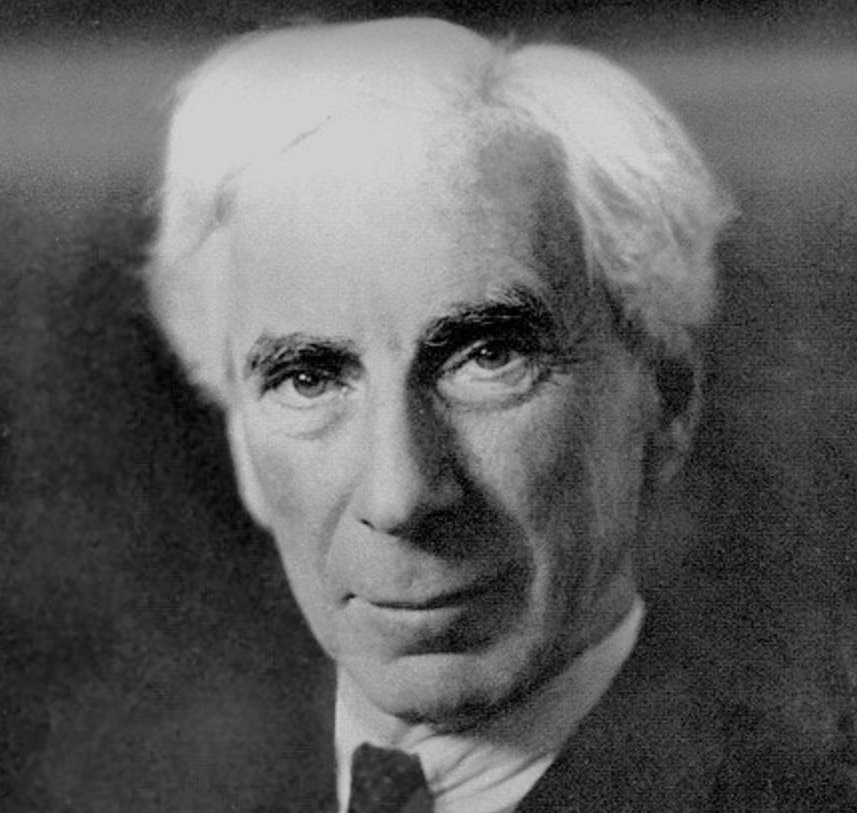
Russell_in_1938

Image via Wiki­me­dia Com­mons

Is it pos­si­ble to ful­ly sep­a­rate a word’s sound from its meaning—to val­ue words sole­ly for their music? Some poets come close: Wal­lace Stevens, Sylvia Plath, John Ash­bery. Rare pho­net­ic meta­physi­cians. Sure­ly we all do this when we hear words in a lan­guage we do not know. When I first encoun­tered the Span­ish word entonces, I thought it was the most beau­ti­ful three syl­la­bles I’d ever heard.

I still thought so, despite some dis­ap­point­ment, when I learned it was a com­mon­place adverb mean­ing “then,” not the rar­i­fied name of some mag­i­cal being. My rev­er­ence for entonces will not impress a native Span­ish speak­er. Since I do not think in Span­ish and strug­gle to find the right words when I speak it—always translating—the sound and sense of the lan­guage run on two dif­fer­ent tracks in my mind.

An exam­ple from my native tongue: the word obdu­rate, which I adore, became an instant favorite for its sound the first time I said it aloud, before I’d ever used it in a sen­tence or parsed its mean­ing. It’s not a com­mon Eng­lish word, how­ev­er, and maybe that makes it spe­cial. A word like always, which has a pret­ty sound, rarely strikes me as musi­cal or inter­est­ing, though non-Eng­lish speak­ers may find it so.

Every writer has favorite words. Some of those words are ordi­nary, some of them not so much. David Fos­ter Wallace’s lists of favorite words con­sist of obscu­ri­ties and archaisms unlike­ly to ever fea­ture in the aver­age con­ver­sa­tion. “James Joyce thought cus­pi­dor the most beau­ti­ful word in the Eng­lish lan­guage,” writes the blog Futil­i­ty Clos­et,” Arnold Ben­net chose pave­ment. J.R.R. Tolkien felt the phrase cel­lar door had an espe­cial­ly beau­ti­ful sound.”

Who’s to say how much these authors could sep­a­rate sound from sense? Futil­i­ty Clos­et illus­trates the prob­lem with a humor­ous anec­dote about Max Beer­bohm, and brings us the list below of philoso­pher Bertrand Russell’s 20 favorite words, offered in response to a reader’s ques­tion in 1958. Though Rus­sell him­self had a fas­ci­nat­ing the­o­ry about how we make words mean things, he sup­pos­ed­ly made this list with­out regard for these words’ mean­ings.

  1. wind
  2. heath
  3. gold­en
  4. begrime
  5. pil­grim
  6. quag­mire
  7. dia­pa­son
  8. alabaster
  9. chryso­prase
  10. astro­labe
  11. apoc­a­lyp­tic
  12. ineluctable
  13. ter­raque­ous
  14. inspis­sat­ed
  15. incar­na­dine
  16. sub­lu­nary
  17. choras­mean
  18. alem­bic
  19. ful­mi­nate
  20. ecsta­sy

So, what about you, read­er? What are some of your favorite words in English—or what­ev­er your native lan­guage hap­pens to be? And do you, can you, choose them for their sound alone? Please let us know in the com­ments below.

Relat­ed Con­tent:

David Fos­ter Wal­lace Cre­ates Lists of His Favorite Words: “Mau­gre,” “Taran­tism,” “Ruck,” “Prima­para” & More

“Tsun­doku,” the Japan­ese Word for the New Books That Pile Up on Our Shelves, Should Enter the Eng­lish Lan­guage

5 Won­der­ful­ly Long Lit­er­ary Sen­tences by Samuel Beck­ett, Vir­ginia Woolf, F. Scott Fitzger­ald & Oth­er Mas­ters of the Run-On

Josh Jones is a writer and musi­cian based in Durham, NC. Fol­low him at @jdmagness

Bertrand Russell: “The Problem with the World Is That Fools & Fanatics Are So Certain of Themselves”

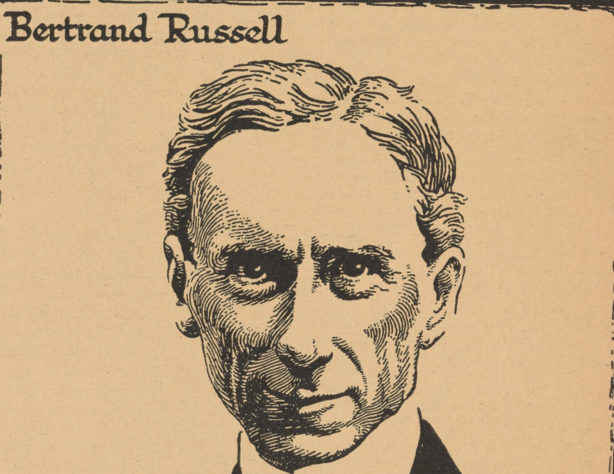
russell rules 2

Image by J. F. Horra­bin, via Wiki­me­dia Com­mons

“The whole prob­lem with the world is that fools and fanat­ics are always so cer­tain of them­selves, but wis­er peo­ple so full of doubts.” — Bertrand Rus­sell

Our hearts go out to the fam­i­lies and friends who lost loved ones in Orlan­do this morn­ing.


Relat­ed Con­tent:

Bertrand Russell’s Ten Com­mand­ments for Liv­ing in a Healthy Democ­ra­cy

Lis­ten to ‘Why I Am Not a Chris­t­ian,’ Bertrand Russell’s Pow­er­ful Cri­tique of Reli­gion (1927)

Bertrand Rus­sell and F.C. Cople­ston Debate the Exis­tence of God, 1948

1,700 Free Online Cours­es from Top Uni­ver­si­ties

by | Permalink | Make a Comment ( 3 ) |

« Go BackMore in this category... »
Quantcast